.webp)
No-Code vs Custom Development in 2026: A Founder’s Decision Framework
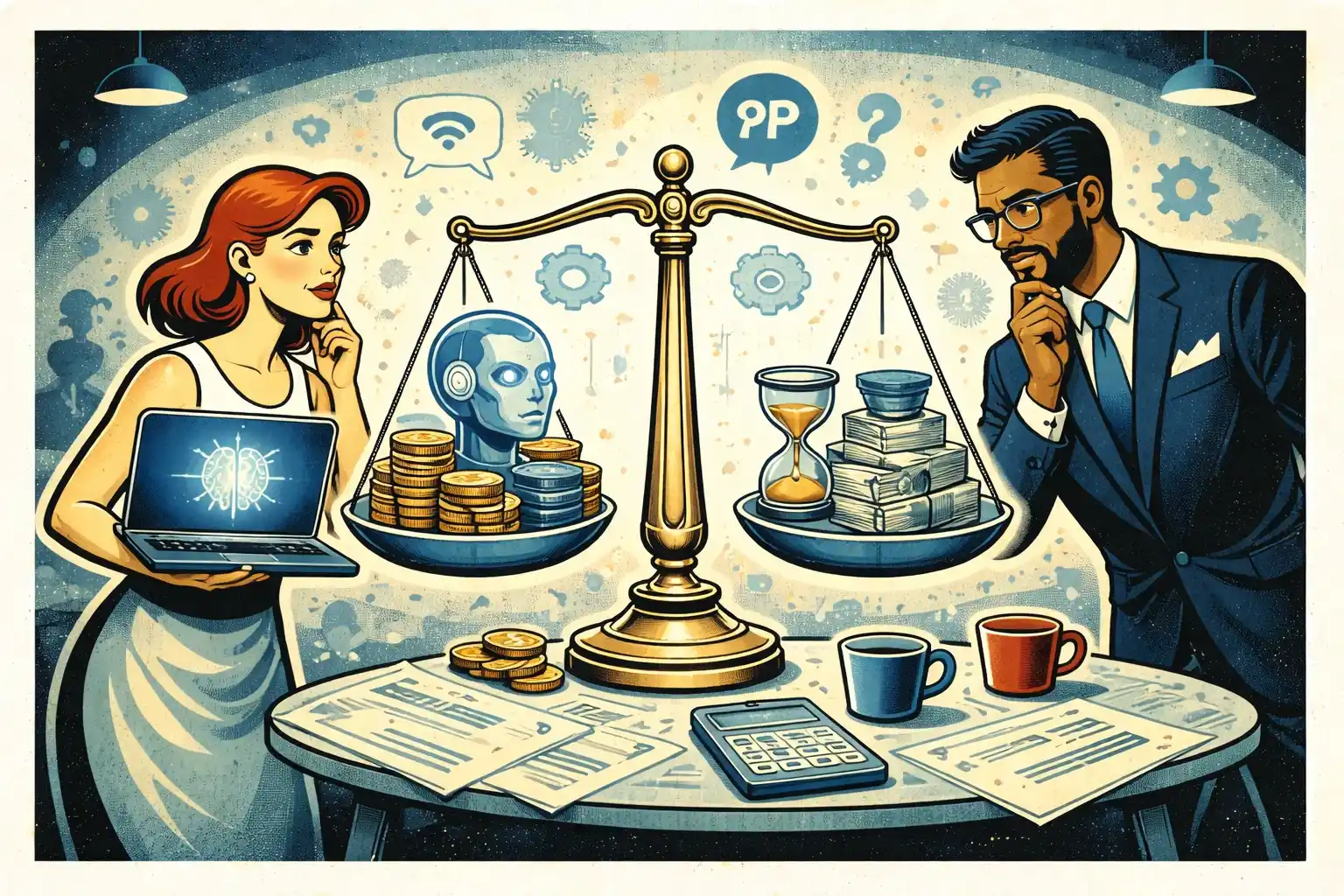
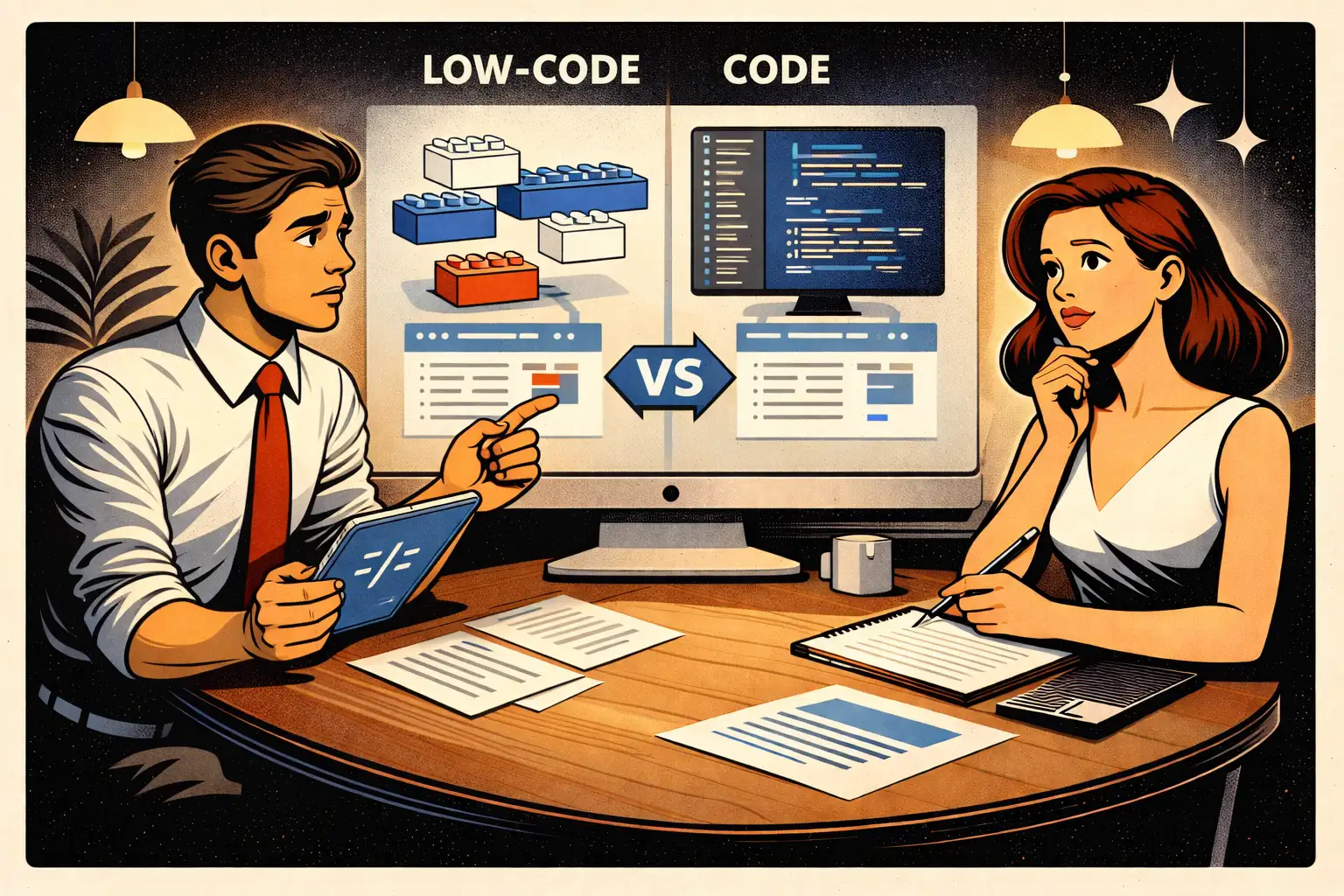
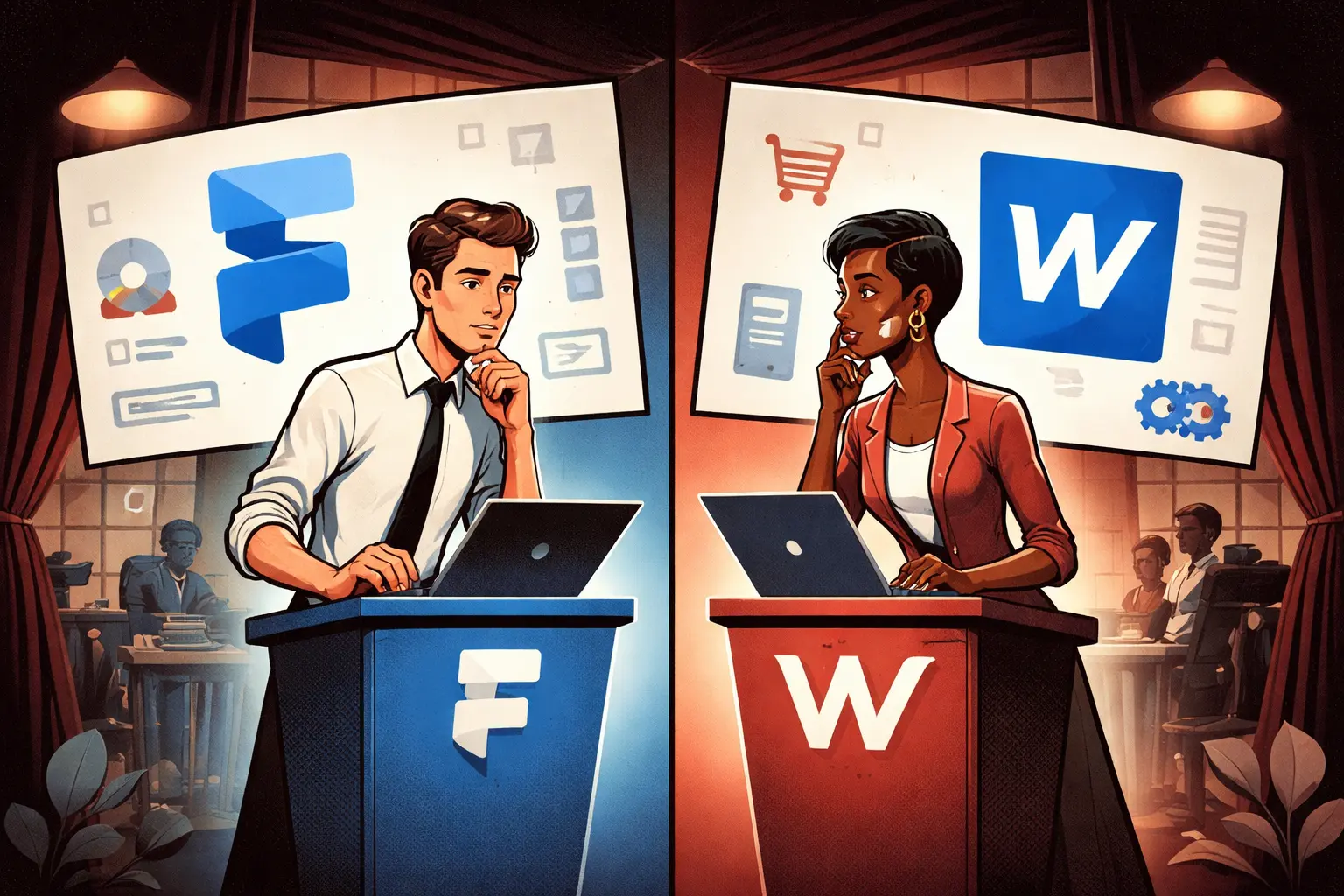
In 2026, founders have more ways than ever to build a product, but that has made one decision harder, not easier: should you launch with no-code or custom development? The right answer depends less on trends and more on what your product needs to prove first. This article gives non-technical founders a practical framework for choosing between no-code and custom development based on scope, speed, product risk, flexibility, and what version one actually needs to do.
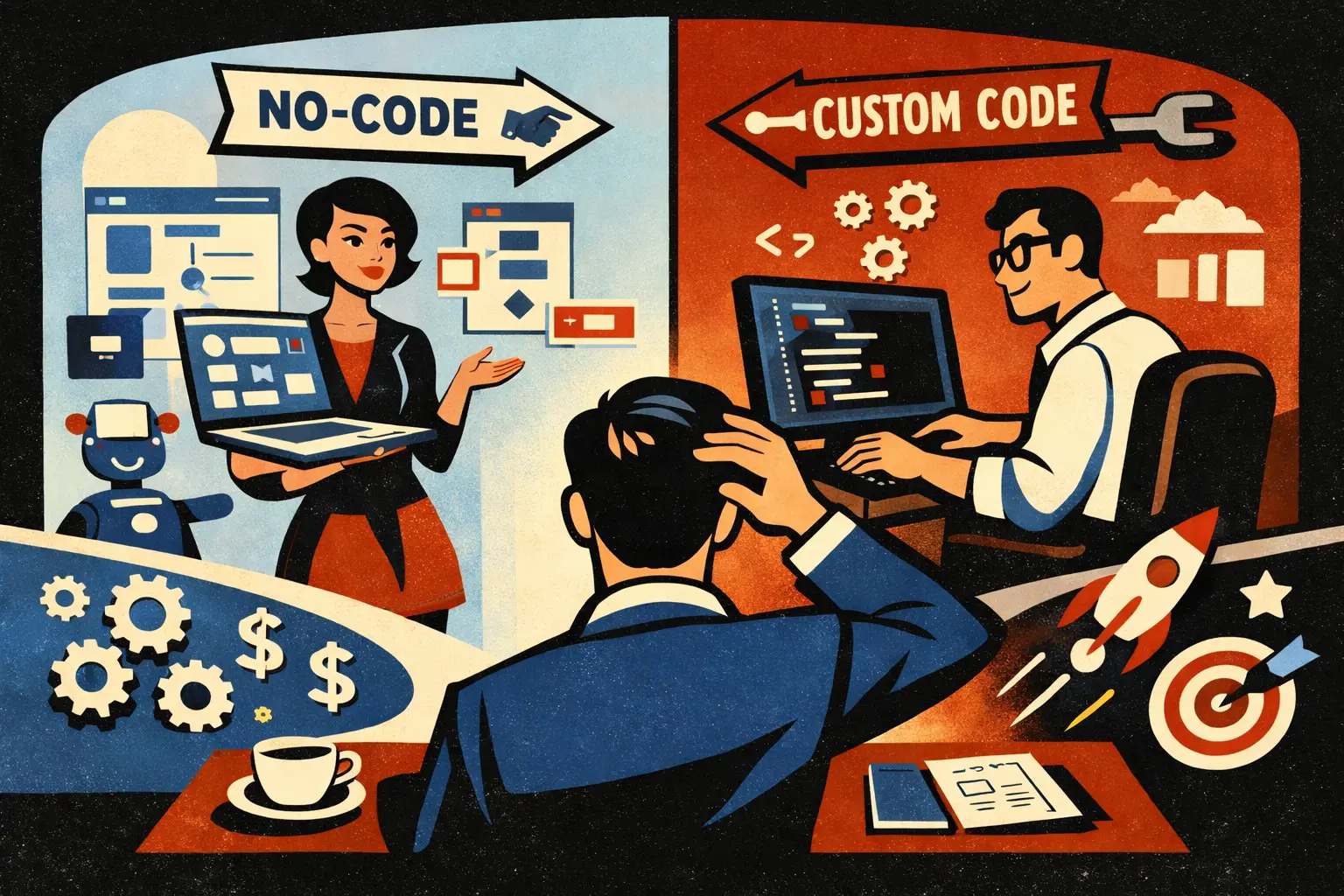
TL;DR: No-code is not automatically the cheaper or smarter choice, and custom development is not automatically the more serious one. The right path depends on what you need to launch, what you need to learn, and how likely your product is to outgrow the first setup. For many founders in 2026, the best decision is not ideological. It is choosing the simplest build path that gets a real product in front of users without creating expensive rework too early.
Why this decision still confuses founders
For years, this decision was framed too emotionally. No-code was presented as the fast shortcut, and custom development as the “real” path. In practice, neither framing is useful anymore.
A founder does not need a philosophy. They need a practical way to decide how to ship something usable with the least waste. The better question is not “which one is better?” but “which one fits this product, this stage, and this risk?”
That matters even more now because the market changed. No-code is no longer a rare advantage by itself, and custom code supported by AI is also faster than it used to be. So the decision should be based on outcomes, not labels.
This matches your current positioning well: the focus should stay on business goals, fast launch, and real validation — not on marketing the technology choice itself.
What no-code is good at in 2026
No-code is strongest when speed matters more than flexibility and when the product logic is still relatively simple. It can work well for early internal tools, basic marketplaces, client portals, forms, dashboards, admin panels, and products where the first goal is to validate demand or test a workflow quickly.
It is also useful when the founder needs something visible fast. A rough but usable version can often be put in front of early users without waiting for a full engineering process.
That makes no-code reasonable when the product is not deeply technical, not heavily customized, and not likely to need unusual backend behavior in version one.
If you are still defining what that first version should even include, What a Good MVP Looks Like in 2026 is the better starting point.
What custom development is good at in 2026
Custom development is strongest when the product needs flexibility, deeper integrations, more control, stronger performance, or a cleaner path to long-term evolution. It becomes more valuable when your product logic is unusual, when the user experience is central, or when you already know version one has to handle more than a simple workflow.
It is also often the better option for founders who want to avoid rebuilding too early. If the product will likely grow into something more layered — for example, a SaaS platform, a more complex marketplace, a multi-role app, or an AI product with custom workflows — code usually gives the team more room to shape the product correctly from the start.
That is one reason your updated positioning moves away from selling no-code as the angle and instead emphasizes practical partnership, flexibility, and getting to a working product fast, regardless of what is happening under the hood.
When no-code is the smarter founder move
No-code is usually the smarter move when your main risk is still basic validation. If you need to see whether users care, whether the workflow is understandable, or whether a simple service or marketplace flow has traction, no-code may be enough.
It is also useful when the product can tolerate some limits in exchange for speed. If the MVP is essentially a test environment and not yet the long-term product foundation, the tradeoff can be worth it.
But the key word is tolerate. Founders get into trouble when they force no-code to carry a product that already needs more flexibility than the stack comfortably allows.
This is closely related to Validate a Startup Idea Before Development: 5 Experiments That Work and Pre-Seed MVP Development for Unfunded Startups on a Budget.
When custom development is the smarter founder move
Custom development is usually the smarter move when the product must feel more tailored, when the workflow is central to the value, or when the product already has structural complexity that no-code would only delay rather than simplify.
This includes products with deeper integrations, role-based logic, unusual permissions, more demanding UX, stronger performance expectations, or longer-term product plans that would make a rebuild expensive.
Custom development is also often the smarter path when you are not just validating interest, but trying to launch something that can realistically convert, retain, or support investor conversations with more confidence.
The biggest founder mistake: choosing by identity
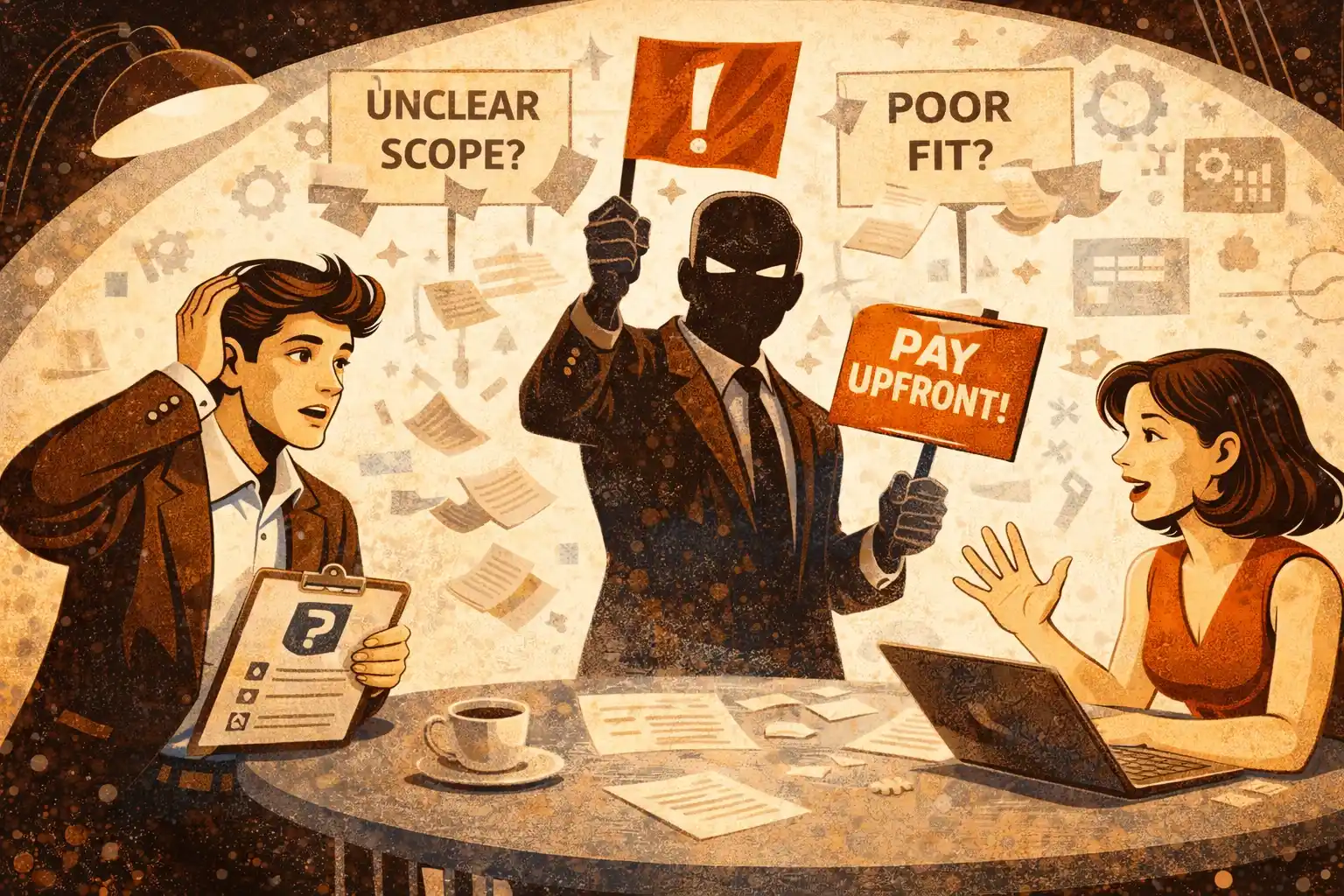
Many founders choose based on identity instead of product reality. They say, “We are a lean startup, so we should do no-code,” or “We want investors to take us seriously, so we need custom code.” Both can be wrong.
The better way is to judge the product by six things: speed, complexity, flexibility, expected lifespan of version one, integration needs, and likelihood of major change after launch.
If speed is the main need and the workflow is simple, no-code may be enough.
If flexibility and product behavior matter more, custom development may save time overall, even if the initial build feels heavier.
That is why Tech Decisions for Founders in 2026 belongs in this conversation.
A practical decision framework for founders
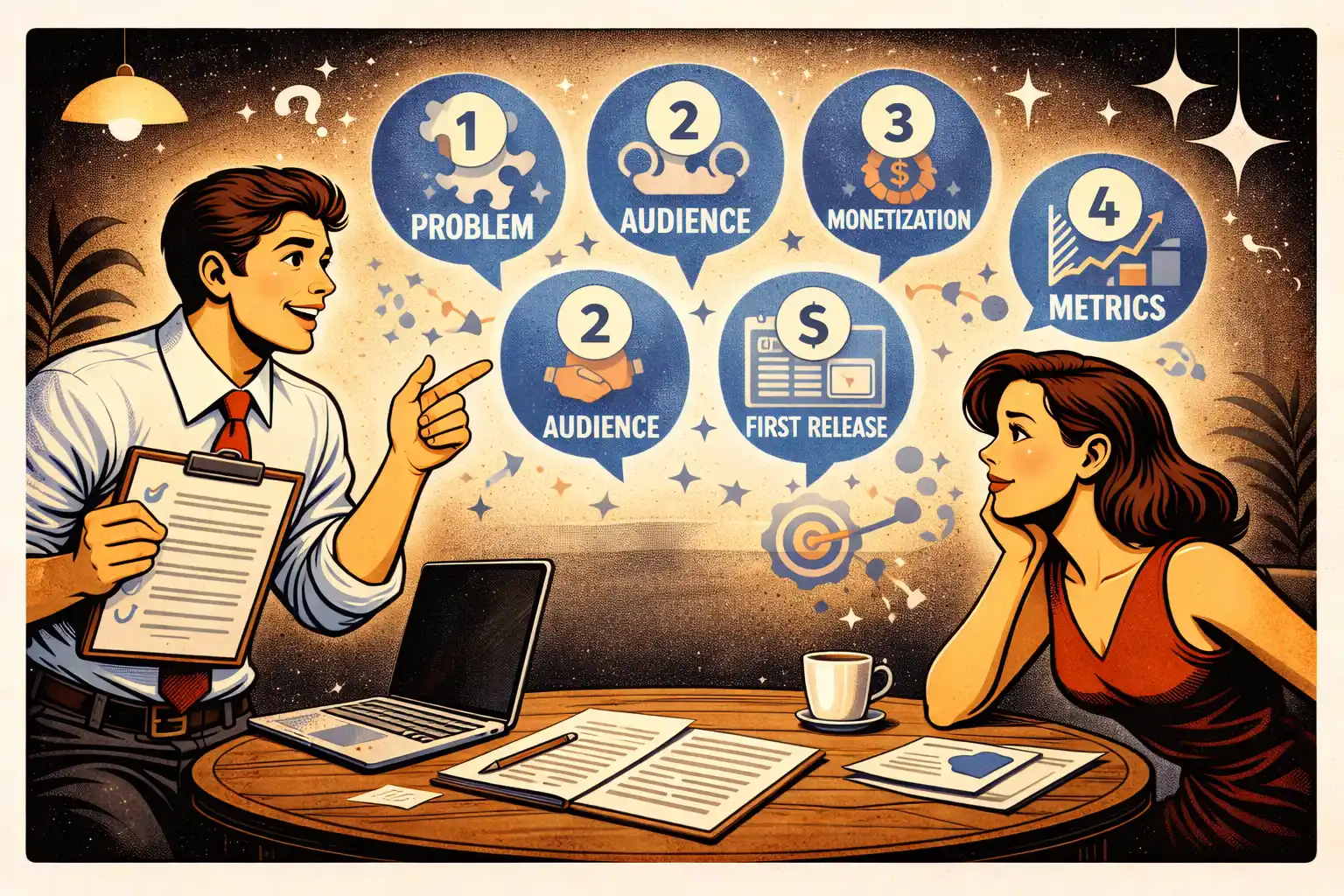
Start with one question: what do you need to prove first?
If you need to prove demand, a simple workflow, or early user interest, a no-code path can make sense.
If you need to prove actual product value inside a more tailored experience, custom development is often safer.
Then ask how likely version one is to survive. If it is clearly temporary, speed matters more. If version one will probably become the base for growth, the build choice matters more.
Then ask how weird the product is. The more unusual the workflow, data model, UX, or integrations, the more custom development starts to make sense.
Then ask how much rework you can afford. Some founders overpay by building custom too early. Others overpay by rebuilding after forcing no-code too far.
This kind of tradeoff is exactly where How Much Architecture an MVP Needs in 2026 and Reducing MVP Rework in 2026: Key Decisions become useful.
What 2026 changed
In 2026, the decision is less about raw speed than it used to be. AI-assisted development has made custom builds faster, and no-code is no longer a differentiator by itself. That means founders should be more careful about choosing no-code purely because it sounds faster.
At the same time, no-code still has value when used deliberately. It can still be a useful launch path for the right product. The problem starts when founders confuse “faster to start” with “better for this product.”
What founders should ask before deciding
Ask whether users need a polished or unusual experience to feel the value.
Ask whether the product depends on advanced integrations or specific backend behavior.
Ask whether you are testing a concept or launching something that needs to hold up longer.
Ask whether the team can clearly describe the rebuild risk.
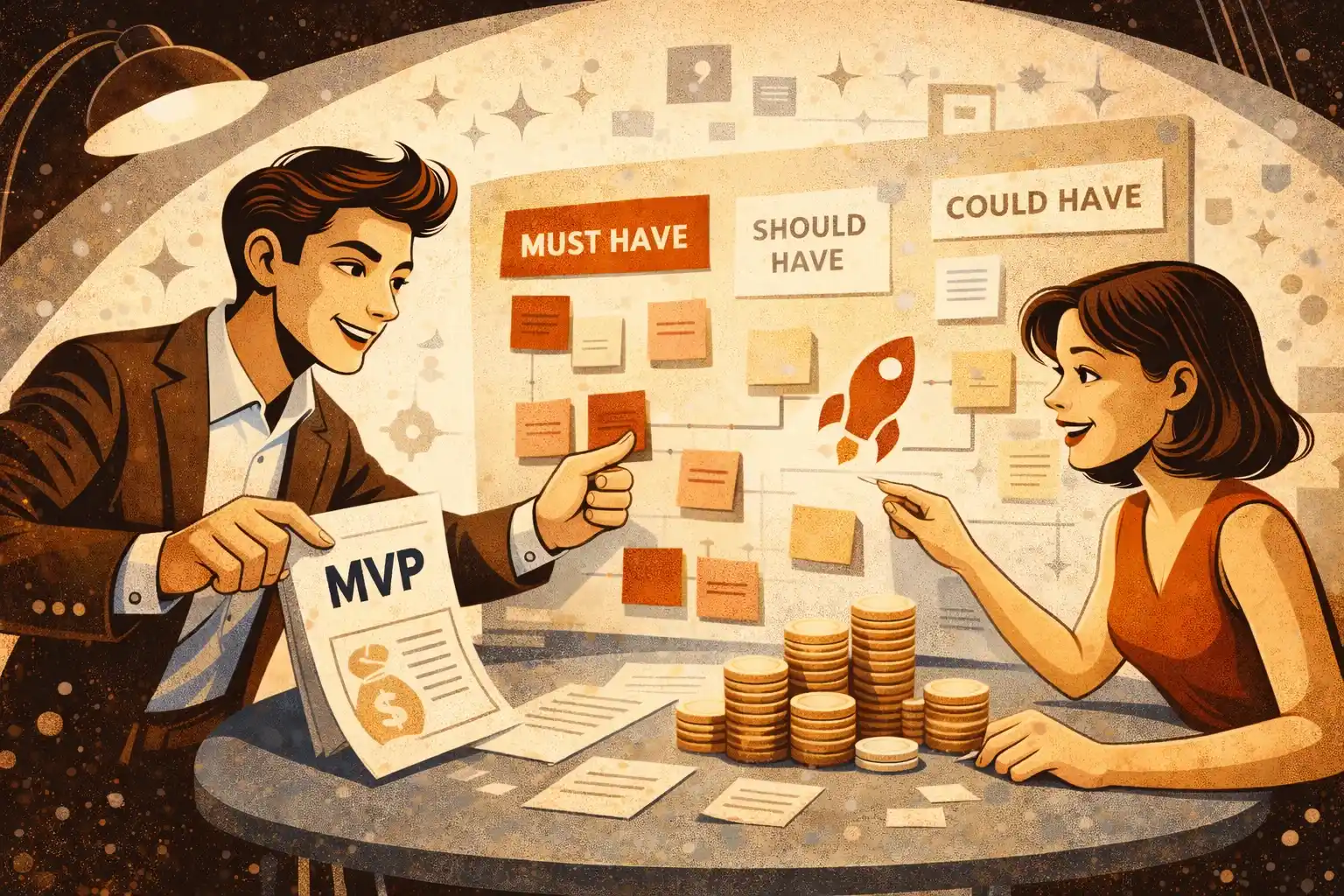
And ask whether your chosen path helps you launch the smallest useful version — not the broadest possible one.
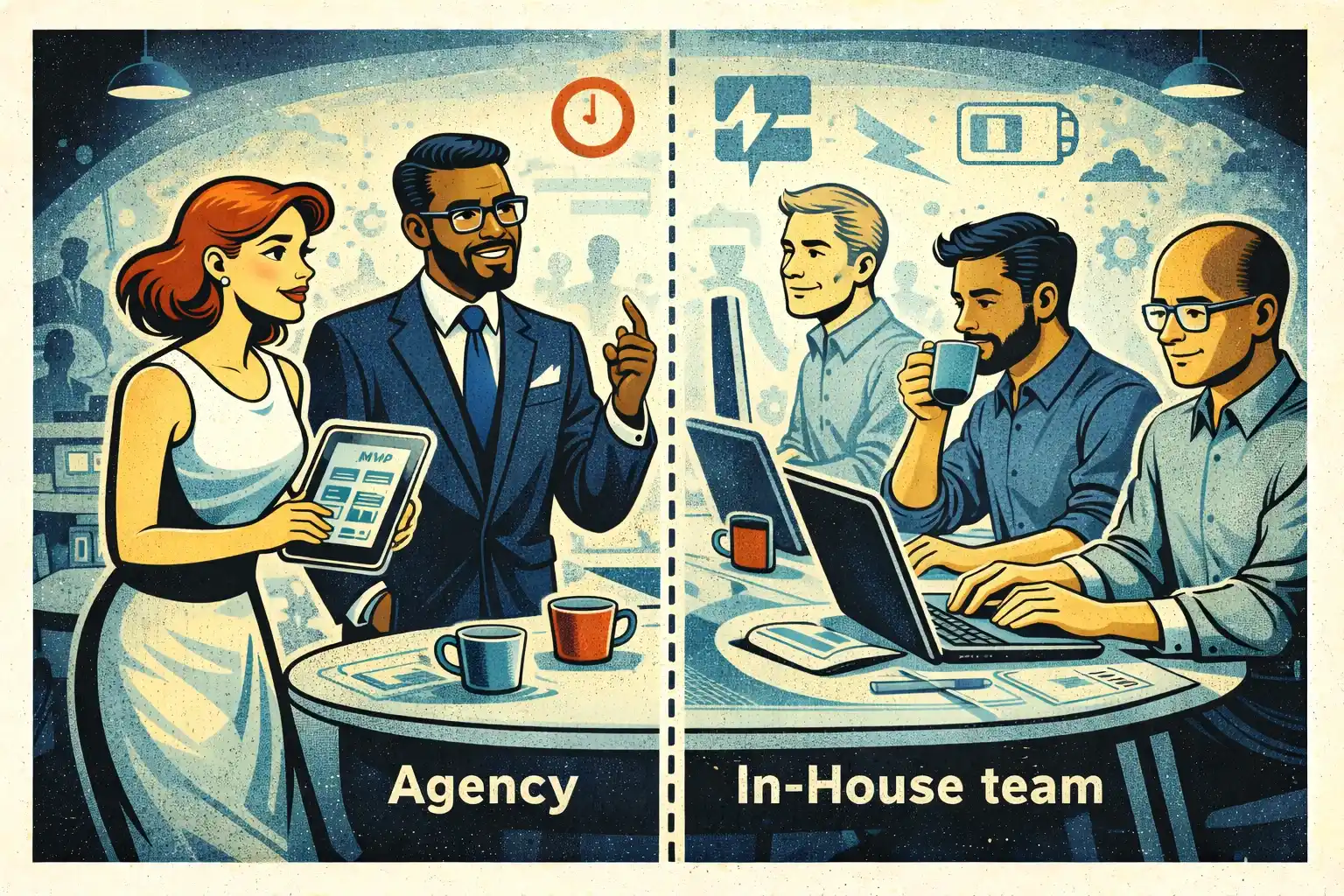
This also connects to Startup Building Without a Tech Team in 2026 and Choosing a Development Agency in 2026.
Final thought
No-code vs custom development is not a belief system. It is a scope and risk decision.
The smartest founders in 2026 do not choose the path that sounds trendier. They choose the one that gets them to real users with the least wasted effort, while keeping the next product step realistic.
Sometimes that means no-code. Sometimes that means custom. And sometimes it means skipping the label entirely and asking one simple question: what build path gives this product the best chance to launch, learn, and evolve without unnecessary rework?
Thinking about building a startup MVP in 2026?
At Valtorian, we help founders design and launch modern web and mobile apps — including AI-powered workflows — with a focus on real user behavior, not demo-only prototypes.
Book a call with Diana
Let’s talk about your idea, scope, and fastest path to a usable MVP.
FAQ
Is no-code always cheaper than custom development?
No. It can be cheaper at the start, but if the product outgrows the setup quickly, the rebuild can make it more expensive overall.
Does custom development always take longer?
Not always. In 2026, AI-assisted coding and better frameworks can make custom development much faster than founders expect.
When is no-code a good choice for an MVP?
When the workflow is simple, the main goal is validation, and the first version does not need unusual logic or deep flexibility.
When should a founder avoid no-code?
When the product already needs custom UX, deeper integrations, unusual backend behavior, or a more scalable foundation from version one.
Can investors take a no-code MVP seriously?
Yes, if it proves something real. Investors usually care more about learning, traction, and execution than ideology about the stack.
Should founders think about scalability immediately?
Only to the extent that it affects the first build choice. You do not need full future architecture on day one, but you should avoid obvious dead ends.
What is the safest decision framework?
Choose based on what you need to prove first, how complex the product already is, and how much rework you can realistically afford.








































.webp)




.webp)