.webp)
Tech Decisions for Founders in 2026
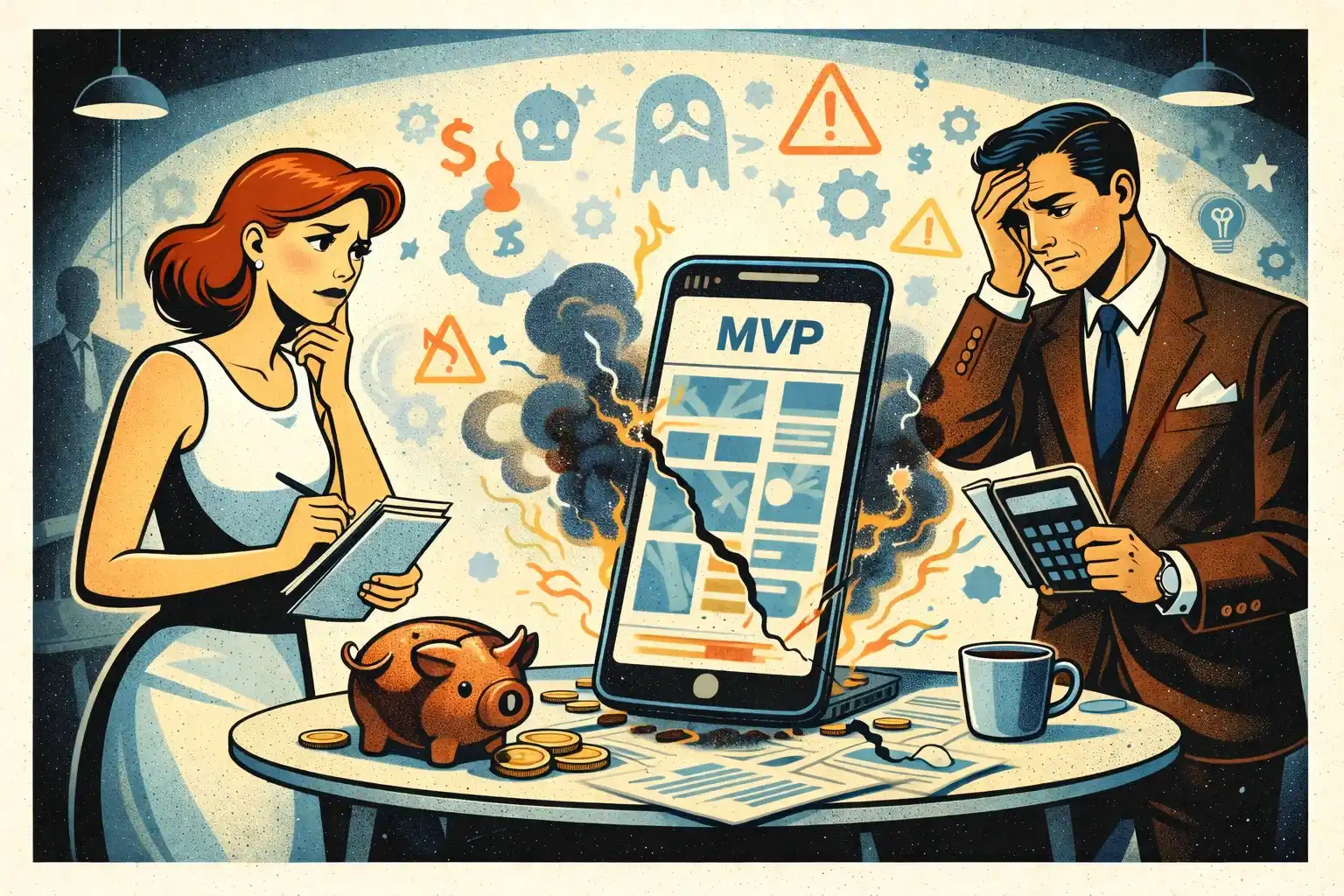
In 2026, founders have more tools, frameworks, and AI-powered platforms than ever before — yet many startups still fail due to poor early tech decisions. This article breaks down the most important technology choices founders face today, especially non-technical ones. Instead of chasing trends or overengineering, it focuses on practical, stage-appropriate decisions that help startups move faster, validate ideas sooner, and avoid costly mistakes before product-market fit.

TL;DR: In 2026, the most important tech decisions for founders are not about choosing the “best” framework, but about timing, simplicity, and flexibility. Startups win by validating faster, delaying irreversible choices, and avoiding unnecessary complexity. Overengineering, premature hiring, and trend-driven tech stacks remain the biggest risks.
Why tech decisions matter more than ever in 2026
Founders today operate in a paradox.
On one hand, building software has never been easier.
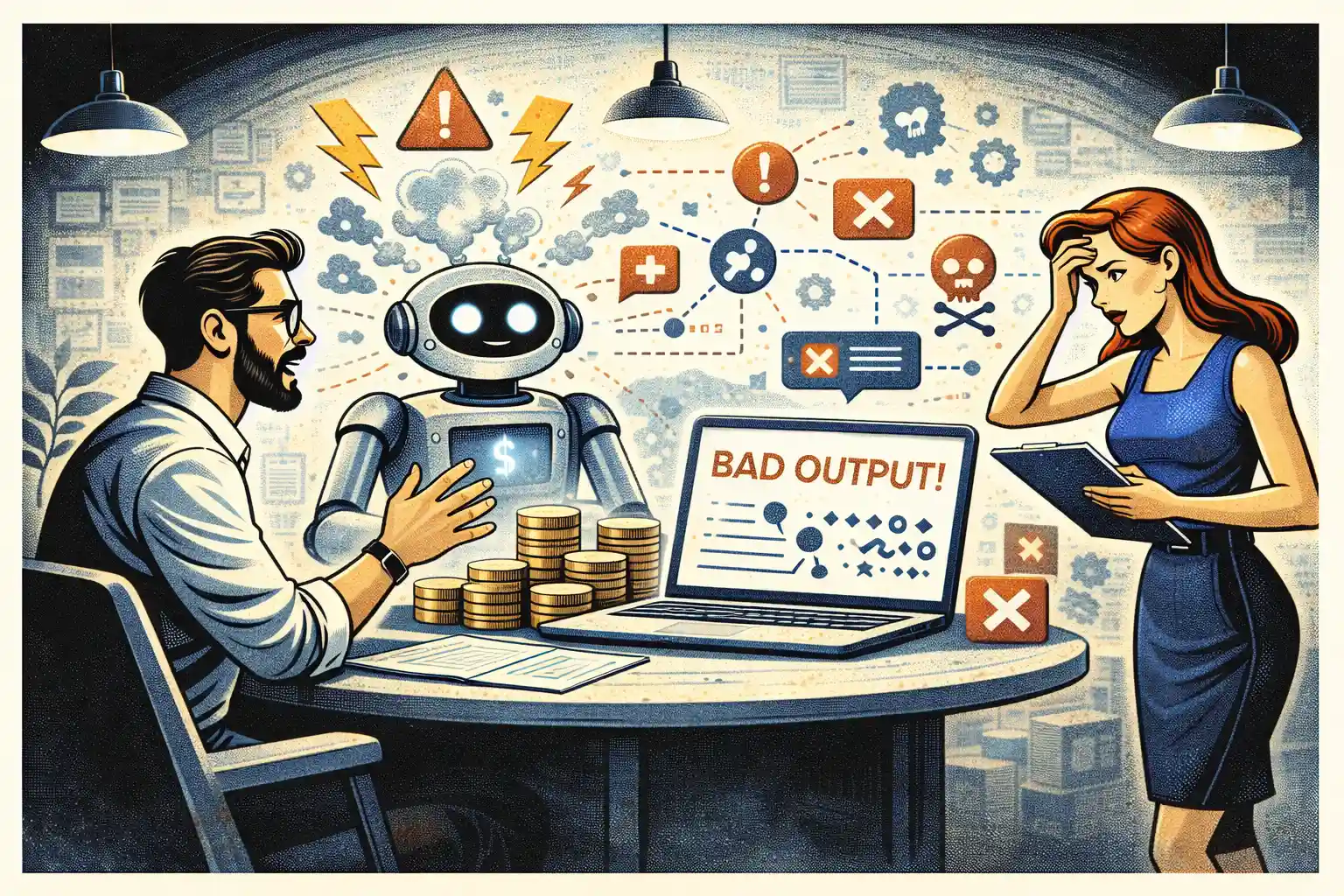
On the other, it’s never been easier to make the wrong decisions too early.
In 2026, tech decisions directly affect:
- how fast you reach real users
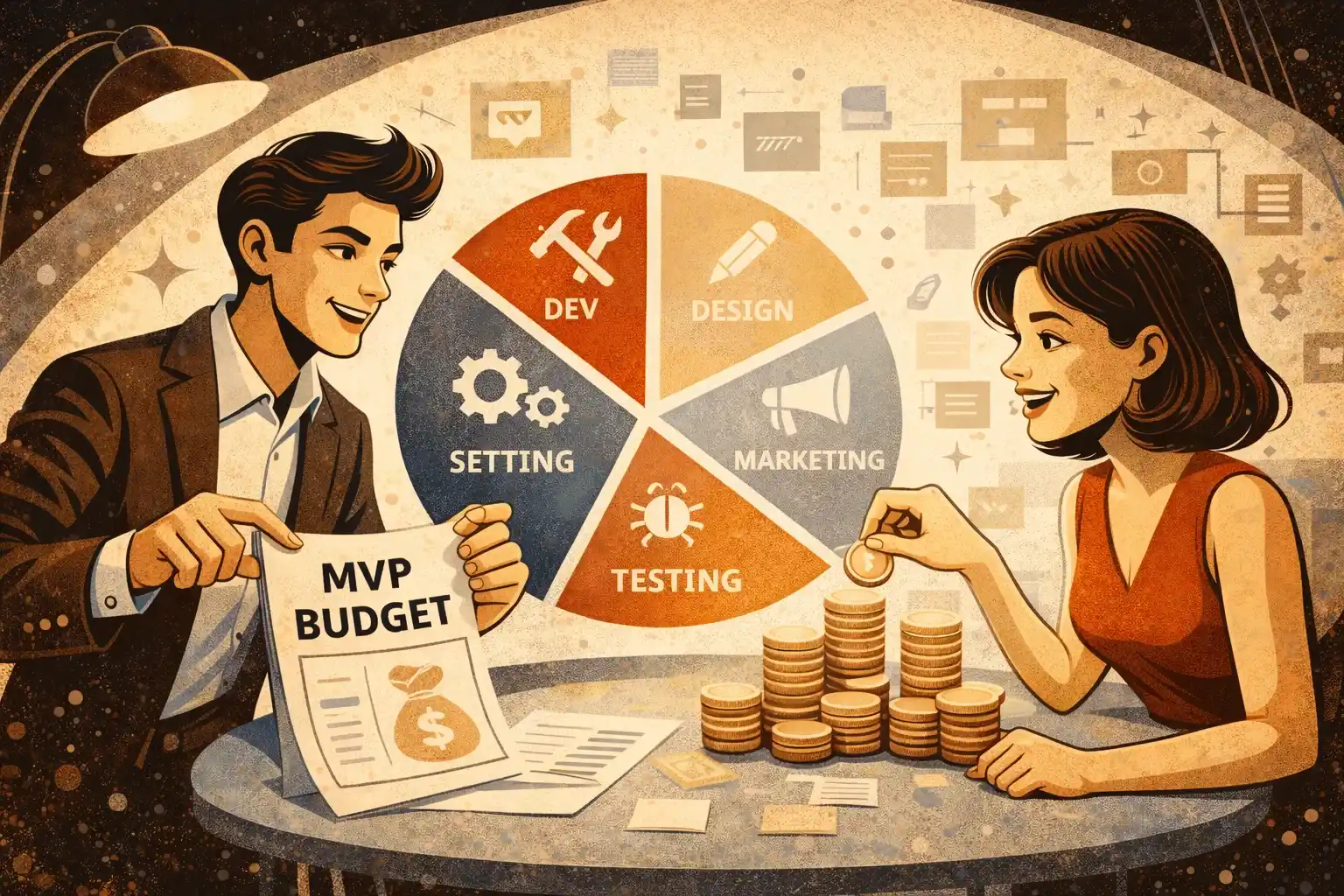
- how much you spend before validation
- how easily you can pivot
- how attractive you look to investors later
The key shift is simple: speed of learning beats technical perfection.
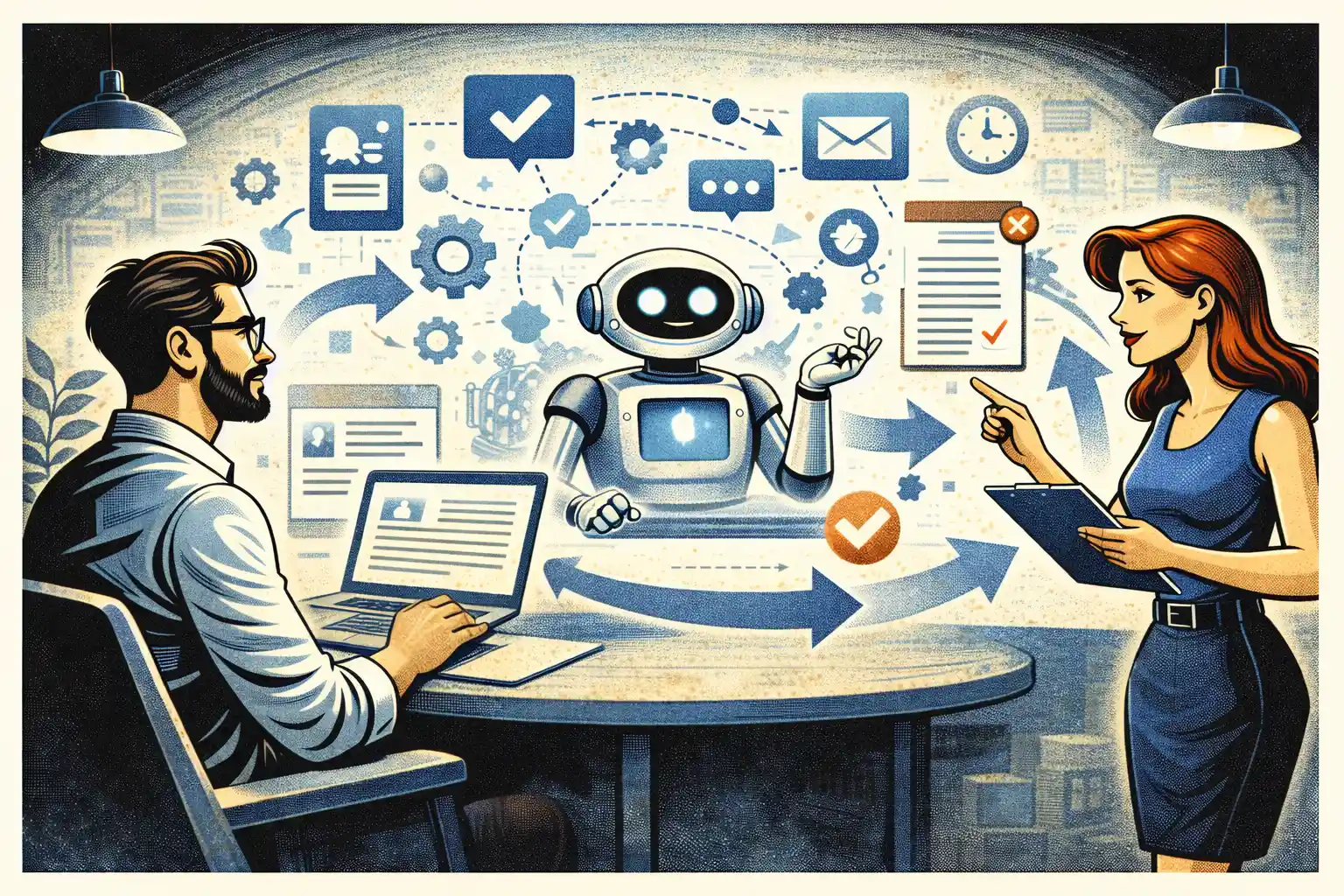
Decision #1: Optimize for speed, not future scale
Many founders still design products for a future that may never arrive.
They worry about:
- millions of users
- advanced scaling
- complex architectures
But early-stage startups rarely fail because they can’t scale. They fail because they don’t learn fast enough.
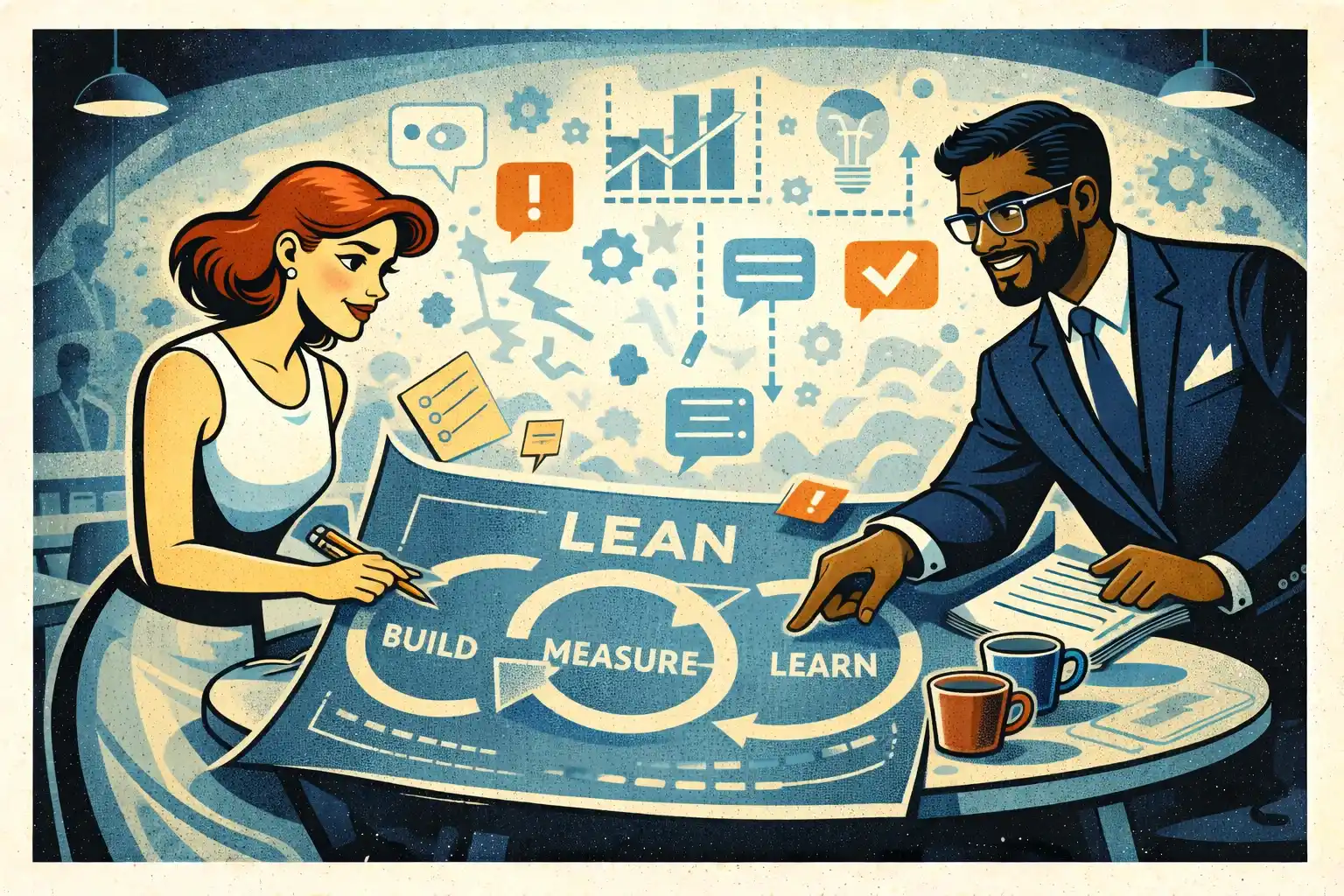
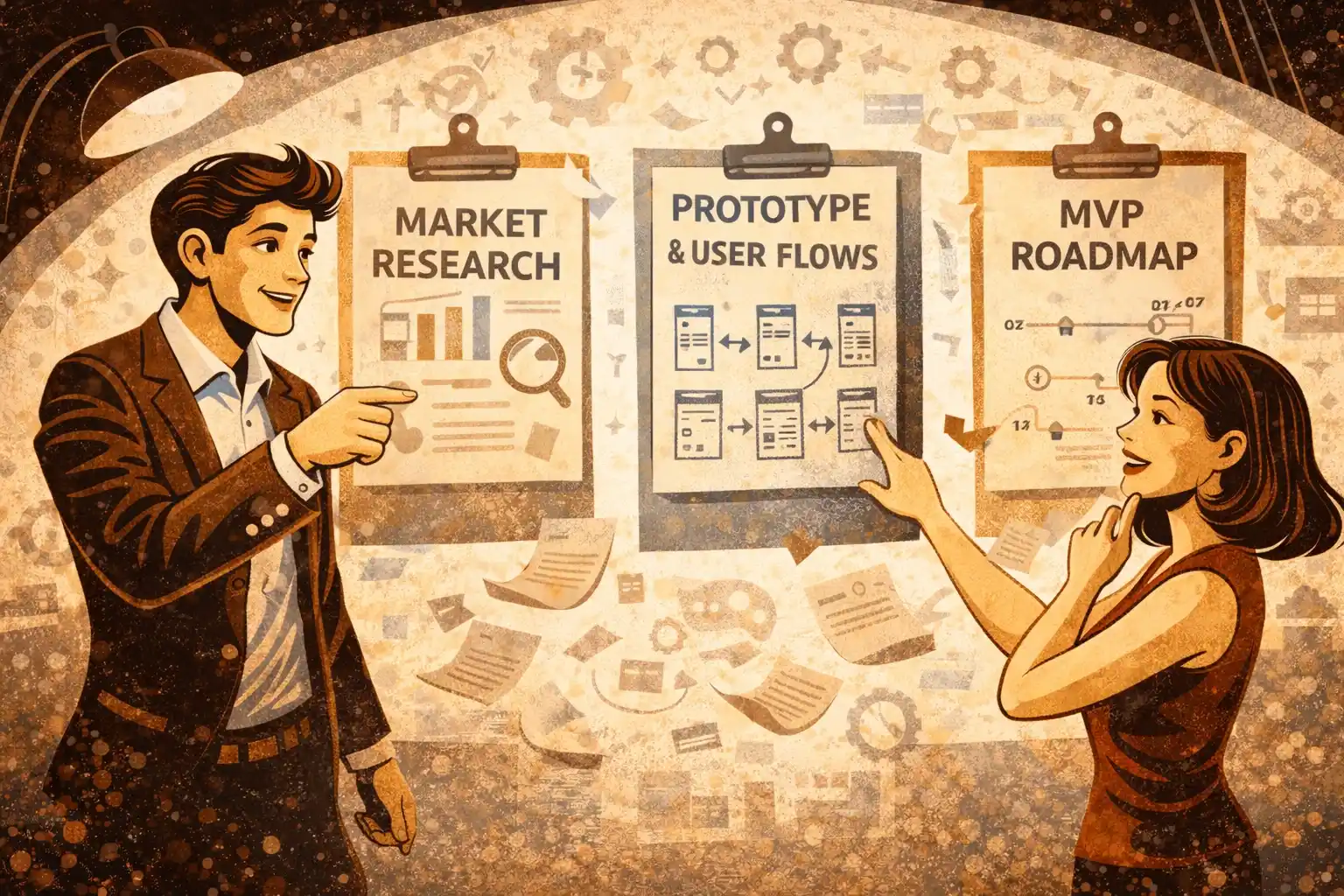
Modern MVPs are designed to launch quickly, test assumptions, and evolve — a mindset clearly outlined in “How to Launch an App in Weeks: Fast MVP and First Version Launch Framework”.
Decision #2: Choose boring, proven technology on purpose
In 2026, “boring tech” is a competitive advantage.
Boring tech means:
- mature frameworks
- large communities
- predictable behavior
- easy maintenance
Exotic stacks often increase risk without increasing user value. This is especially dangerous for non-technical founders, who benefit from clarity and stability — a concept explained well in “Web App Development for Startups: Architecture Basics for Non-Tech Founders”.
Decision #3: Avoid building infrastructure before validation
Founders often confuse “doing things right” with “doing things early”.
Common early mistakes include:
- custom backend logic
- internal admin tools no users see
- overengineered databases
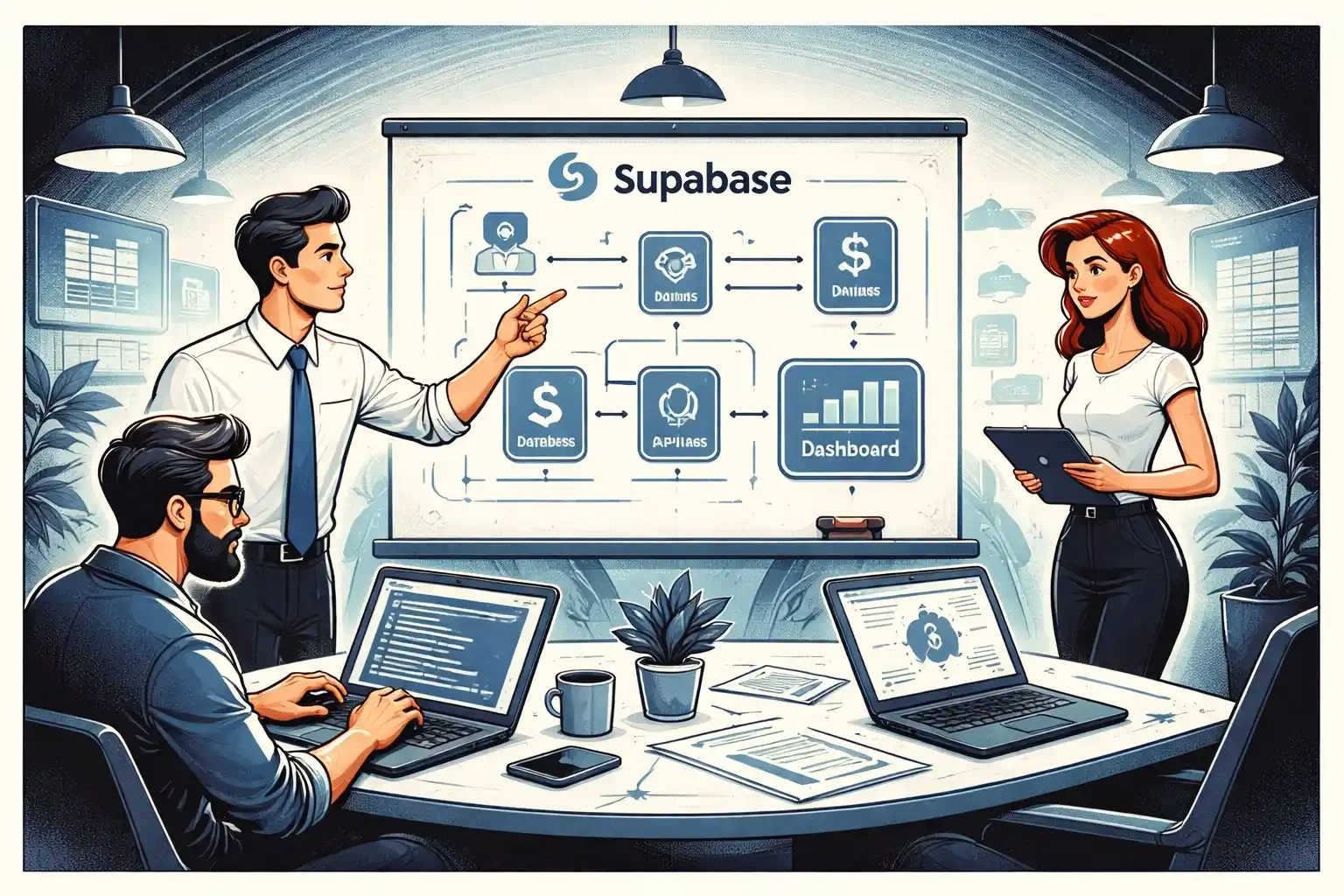
In 2026, smart startups rely on managed services and platforms to reduce cognitive and technical load. Backend choices like these are discussed in “Supabase vs Firebase for Your Startup MVP Backend”.
The goal is not control — it’s momentum.
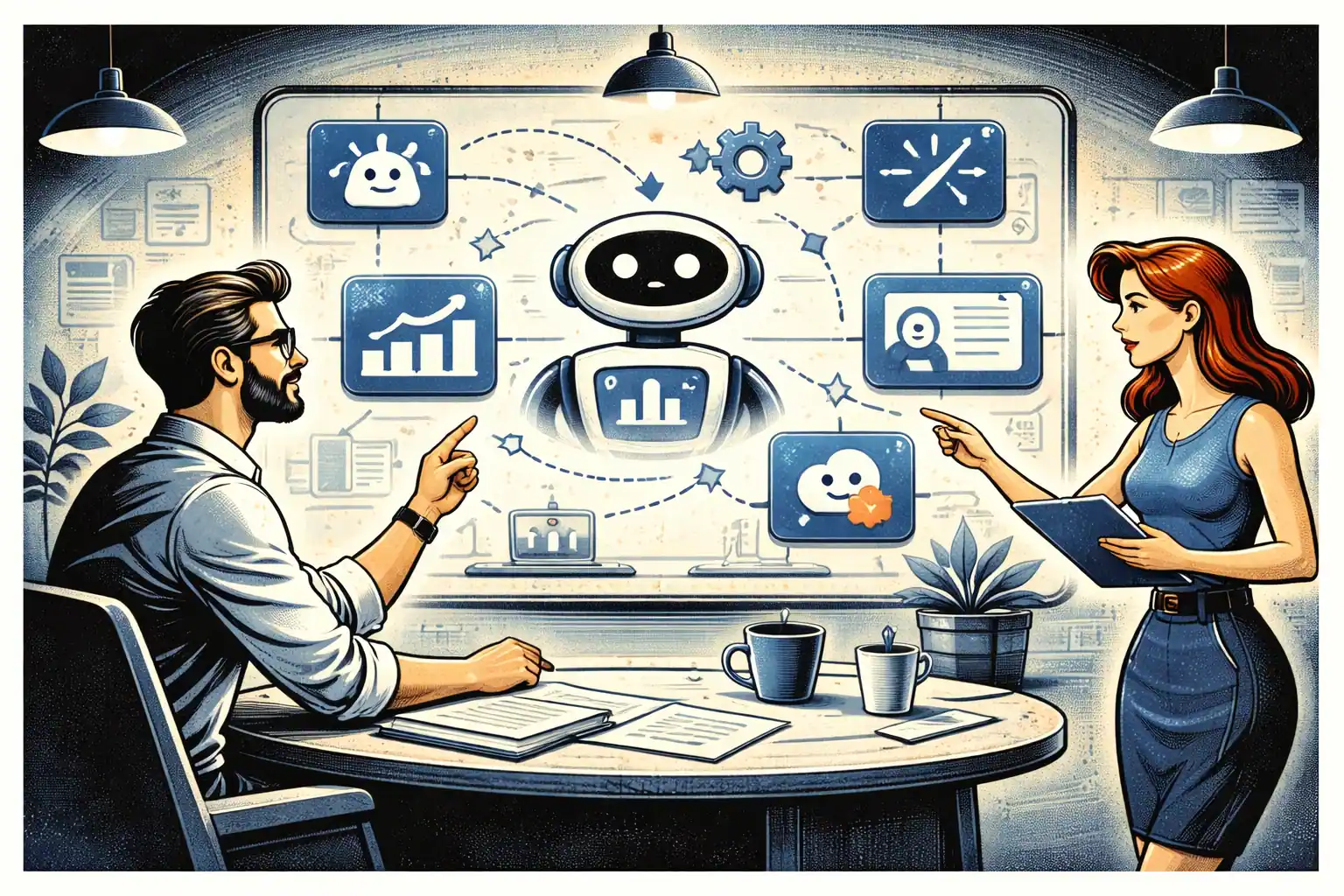
Decision #4: Use AI as a multiplier, not a crutch
AI is everywhere in 2026 — but that doesn’t mean every product needs it.
AI works best when it:
- reduces manual work
- improves personalization
- speeds up iteration
It fails when added without a clear purpose.
Founders who treat AI as a tool rather than a feature tend to build stronger products, as shown in “AI-Powered MVP Development: Save Time and Budget Without Cutting Quality”.
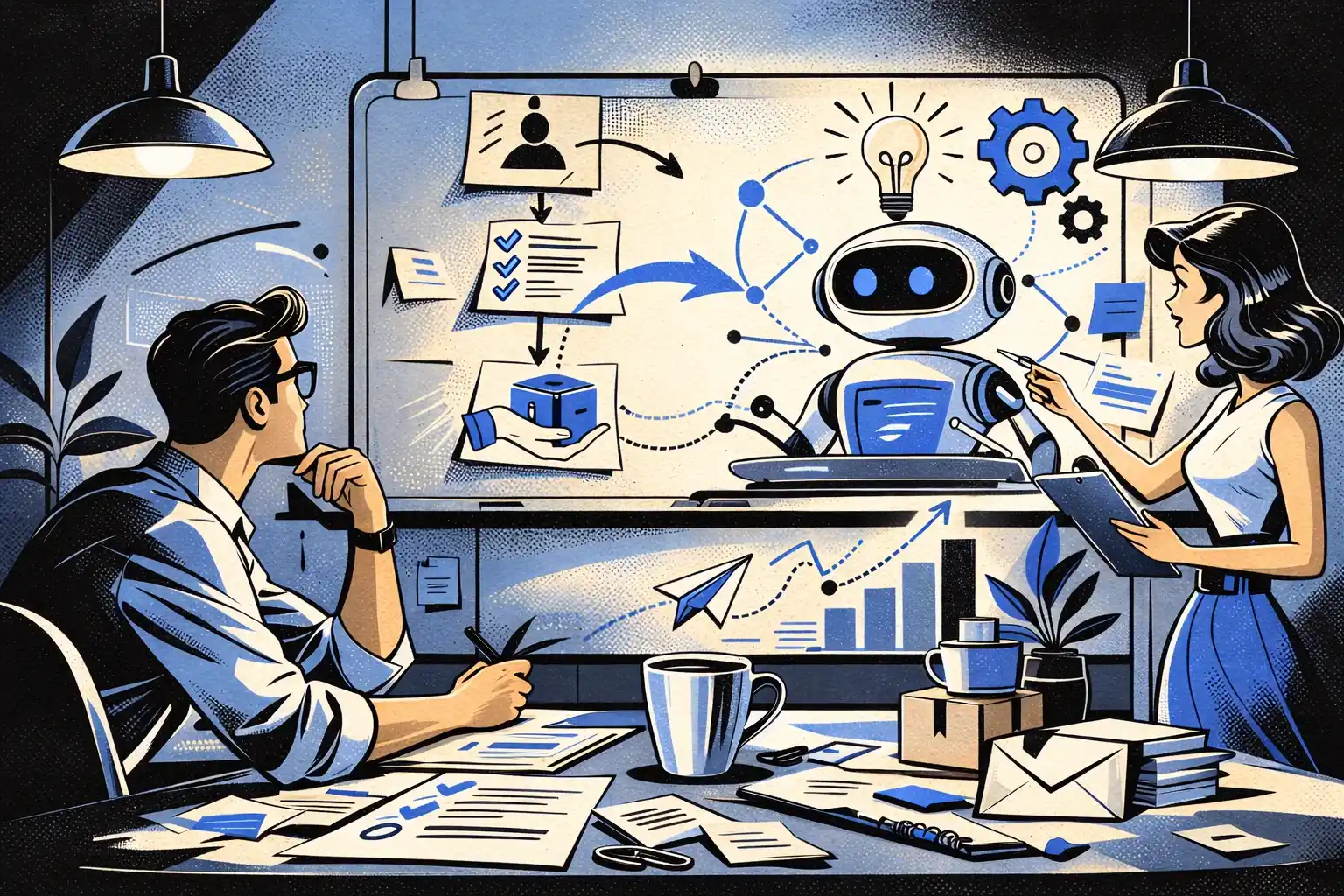
Decision #5: Build complete user flows, not feature lists
A strong MVP is not a collection of half-working features.
In 2026, users expect:
- smooth onboarding
- clear value in the first session
- functional end-to-end flows
This is why modern MVPs are scoped around user journeys, not backlogs — a distinction clarified in “MVP Development Services for Startups: What’s Actually Included”.
Decision #6: Delay full-time hiring when possible
Hiring developers too early is still one of the most expensive mistakes founders make.
Early hiring often leads to:
- higher burn rate
- slower iteration
- pressure to justify headcount
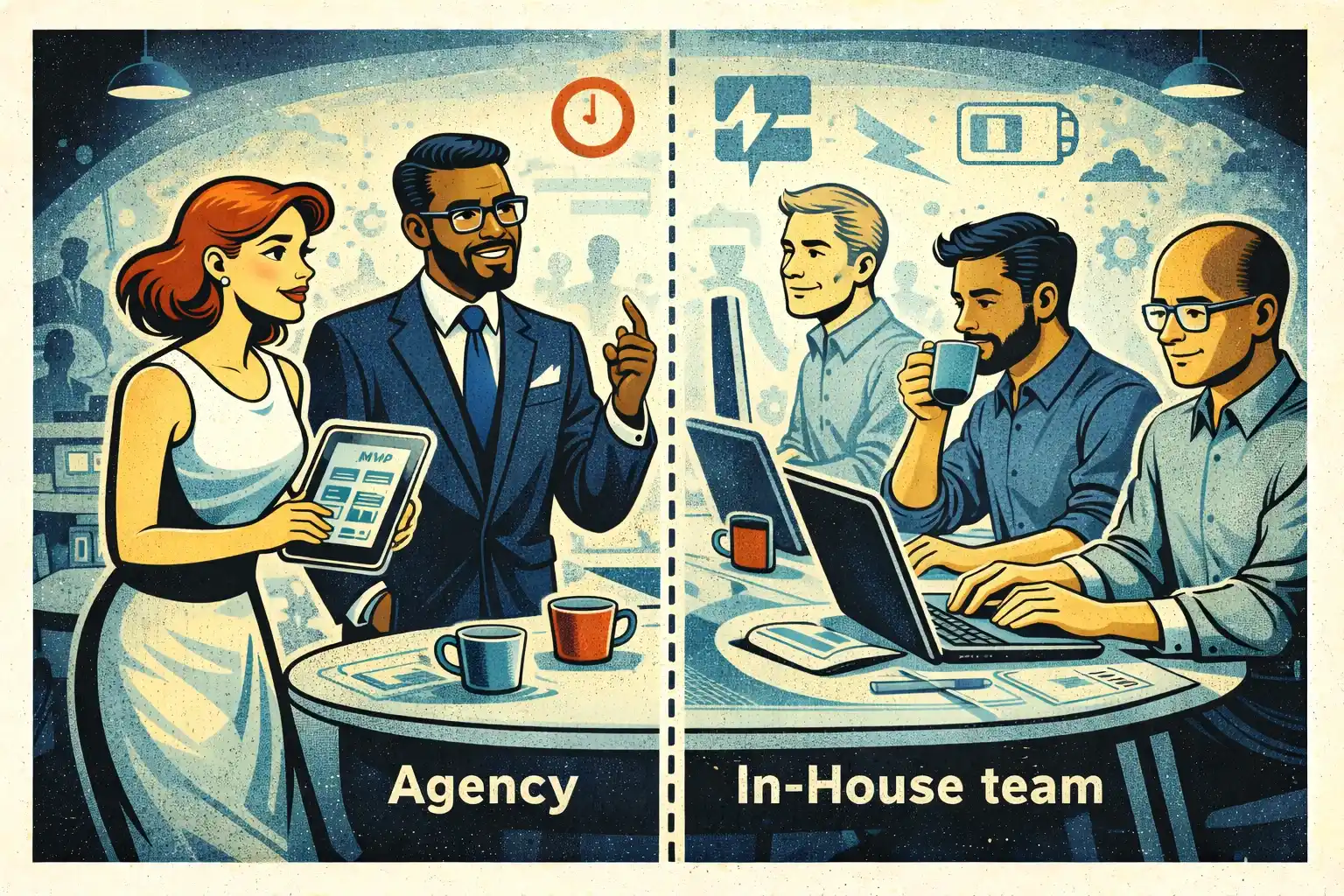
Many successful startups now delay in-house teams until product direction is validated. If you’re weighing your options, “Startup App Development Company vs Freelancers vs In-House Team” provides a clear comparison.
The most overlooked tech decision: who you build with
The biggest tech decision is often not the stack — but the people.
The right partner:
- challenges unnecessary features
- understands startup constraints
- optimizes for learning
The wrong one:
- blindly executes
- inflates scope
- locks you into complexity
This choice often defines whether a startup accelerates or stalls.
Unsure which tech decisions actually matter for your startup in 2026?
At Valtorian, we help founders make pragmatic, stage-appropriate tech choices — from MVP architecture to launch strategy — without overengineering.
Book a call with Diana
Get clarity on scope, stack, and your fastest path to market.
FAQ — Tech Decisions for Founders
Should founders optimize for scalability early?
Only after validation. Early optimization often slows progress.
Is AI mandatory for startups in 2026?
No, but it’s increasingly useful when applied intentionally.
What’s the safest stack for non-technical founders?
Proven, well-documented frameworks with large ecosystems.
When should startups build custom infrastructure?
After product-market fit and stable usage patterns.
Is hiring developers early a good idea?
Usually no. Many startups benefit from external teams first.
What’s the biggest tech mistake founders make?
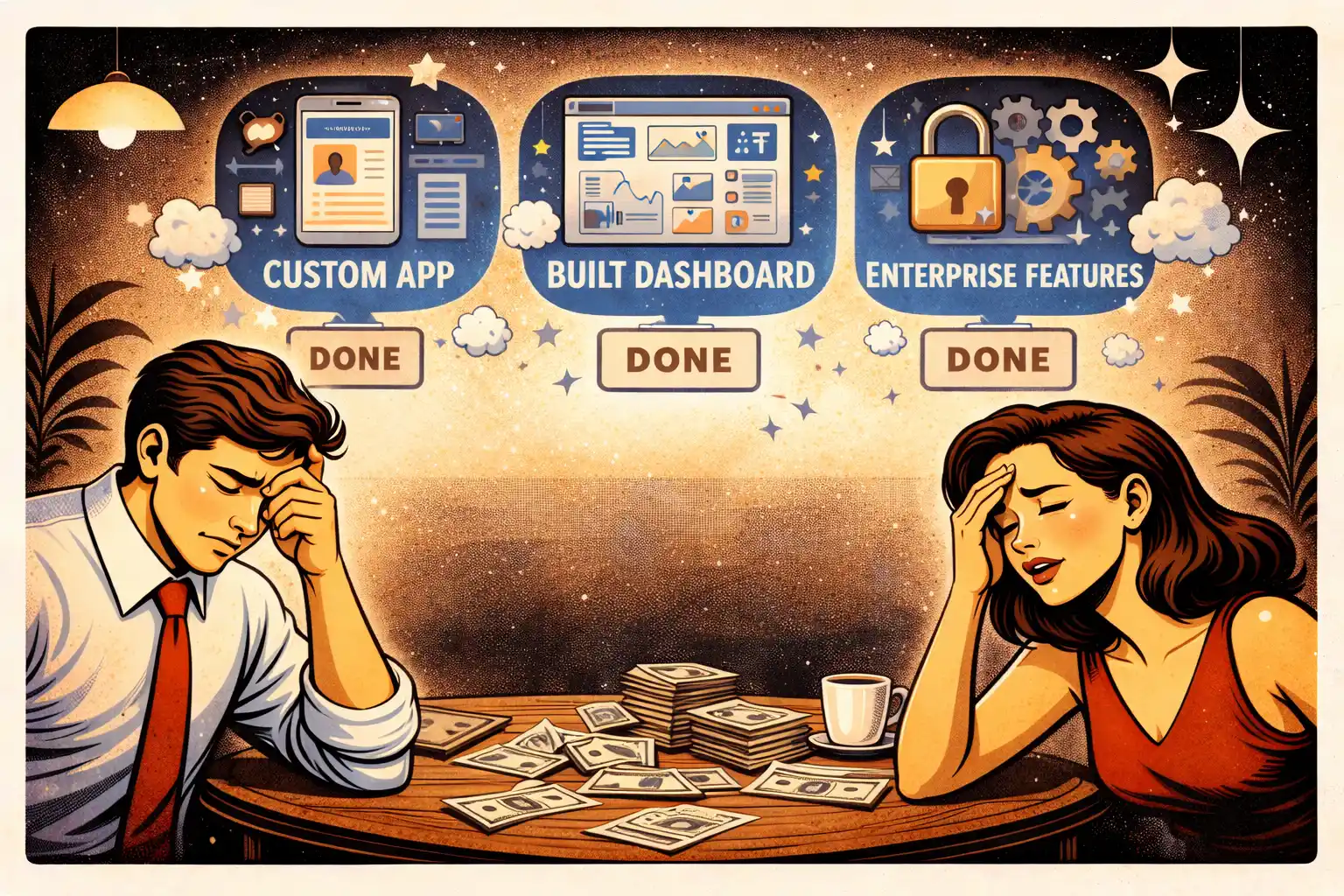
Building for an imagined future instead of today’s reality.









































.webp)




.webp)