.webp)
MVP Development Services for Startups: What’s Actually Included
Most startup founders know they need an MVP — but few understand what “MVP development services” actually include. What do studios really deliver? What’s part of the process, and what’s not? This guide breaks down every stage: from early scoping and UX design to development, testing, launch support, and iteration. You’ll see what founders should expect, what agencies are responsible for, and how a proper MVP service helps you launch faster, avoid unnecessary features, and reach real users sooner.

TL;DR: A real MVP development service includes far more than “coding an app”. It’s a structured process: clarifying the idea, defining the smallest useful version, designing user flows, creating the UI, developing the core features, setting up analytics, testing, launching, and supporting your first users. What’s not included: endless revision cycles, rebuilding the project during development, or developing everything you dream of in version one. The right service helps you ship a usable, testable version in weeks — not months.
Why understanding “what’s included” matters
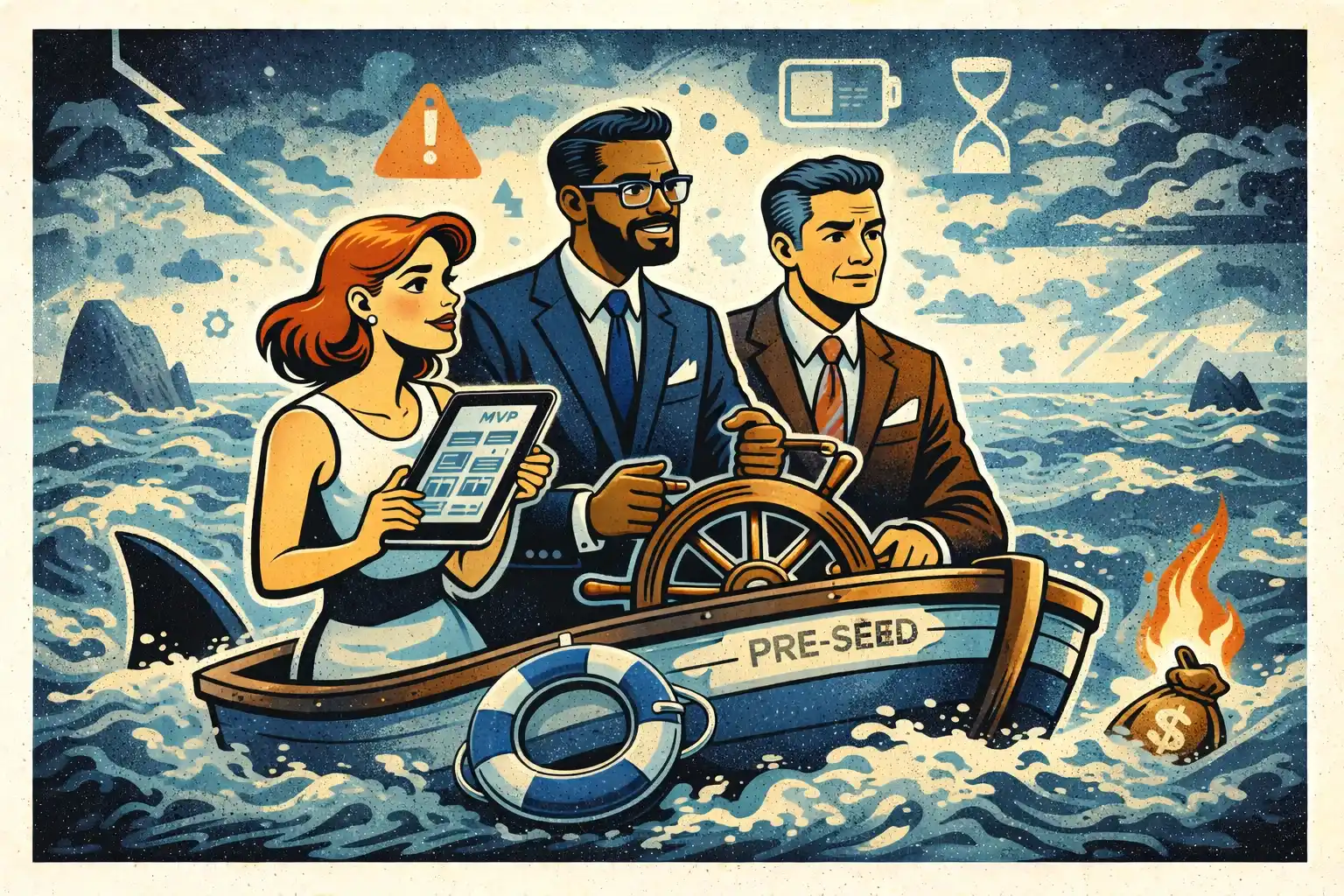
Many founders hire a development team expecting a full product, only to realize halfway through that:
- certain features were never included
- design and UX were not part of the contract
- testing was minimal
- launch support wasn’t offered
- scope kept growing — and so did cost
This happens because “MVP development” means different things to different teams.
So let’s break it down clearly: what should be included in MVP services for startups — especially if you're a non-technical founder relying on your partner to guide the process.
Early Discovery & Scoping (The Foundation Most Founders Skip)
A strong MVP starts long before design or development.
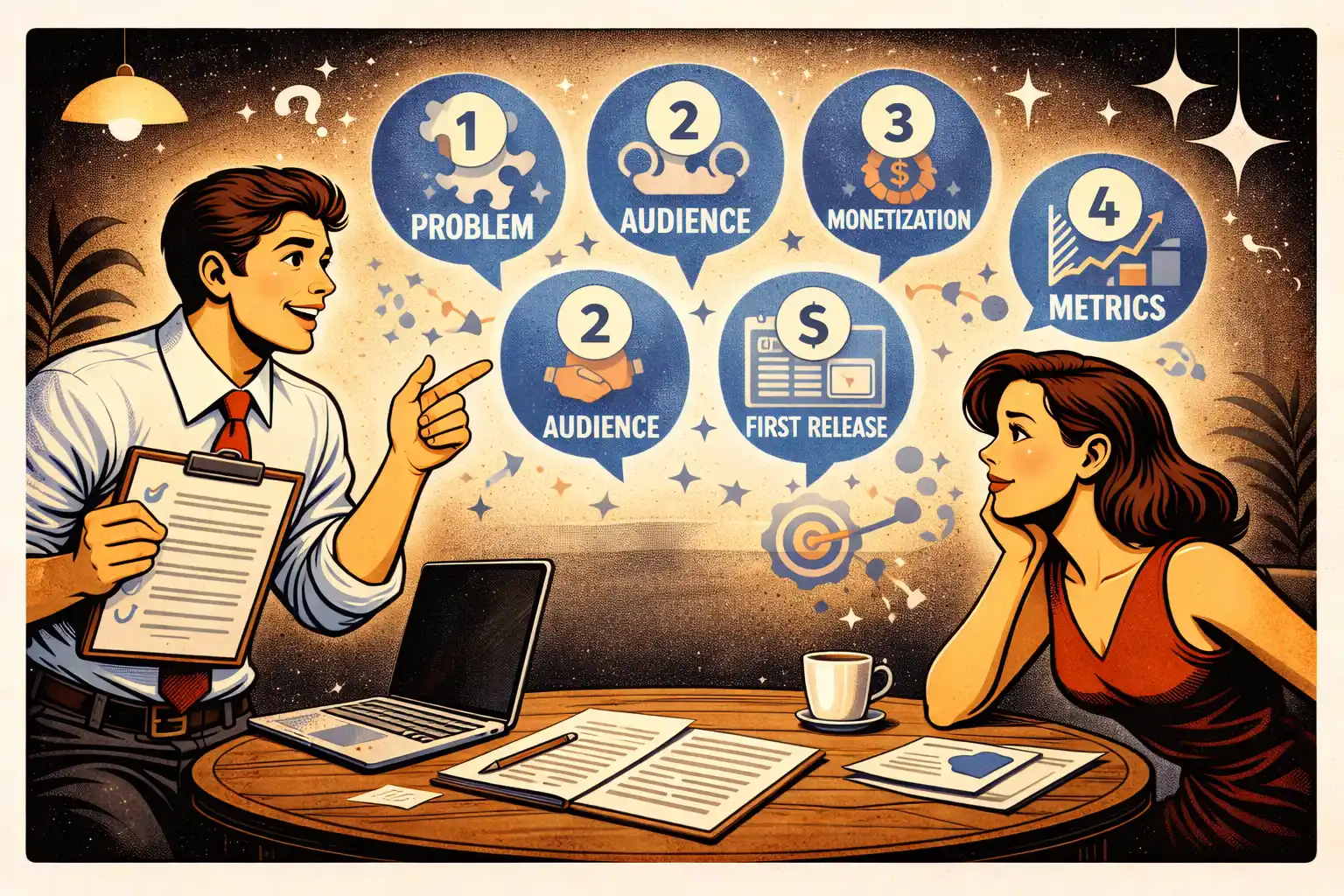
The first stage clarifies:
If you’re a non-technical founder and want a deeper breakdown of how the early stages work — from clarifying your idea to defining your first user flow — read our full guide “App Development for Non-Technical Founders: A Step-by-Step Guide”.
It explains what decisions you need to make before any team starts designing or coding, and helps you avoid overcomplicating your MVP scope.
The problem
Why does this product need to exist?
The first user
Who will use version one — not in theory, but in reality?
The core workflow
What is the smallest use case where users can get value?
The MVP boundaries
What goes into version 1, and what will wait for version 2+?
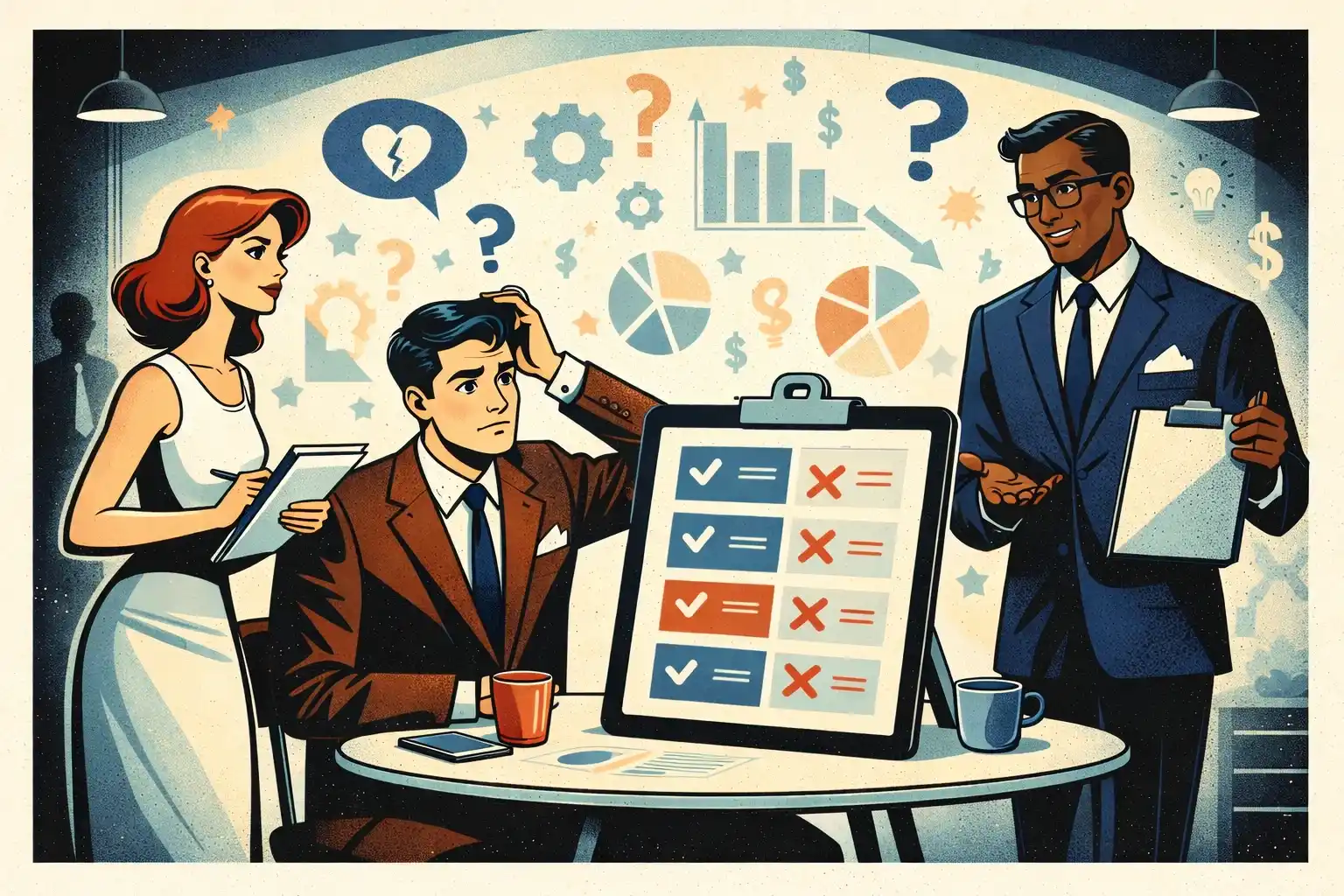
This is where your development partner helps you prioritize ruthlessly. Instead of building everything at once, the goal is to identify the smallest useful version.
Example:
If you’re building a job marketplace, MVP is not “a full marketplace”.
It’s:
- employer posts a job
- candidate applies
- employer responds
That’s it. Three steps.
Everything else is optional later.
A proper MVP service guides you through these decisions so you don’t waste months building features no one needs in the beginning.
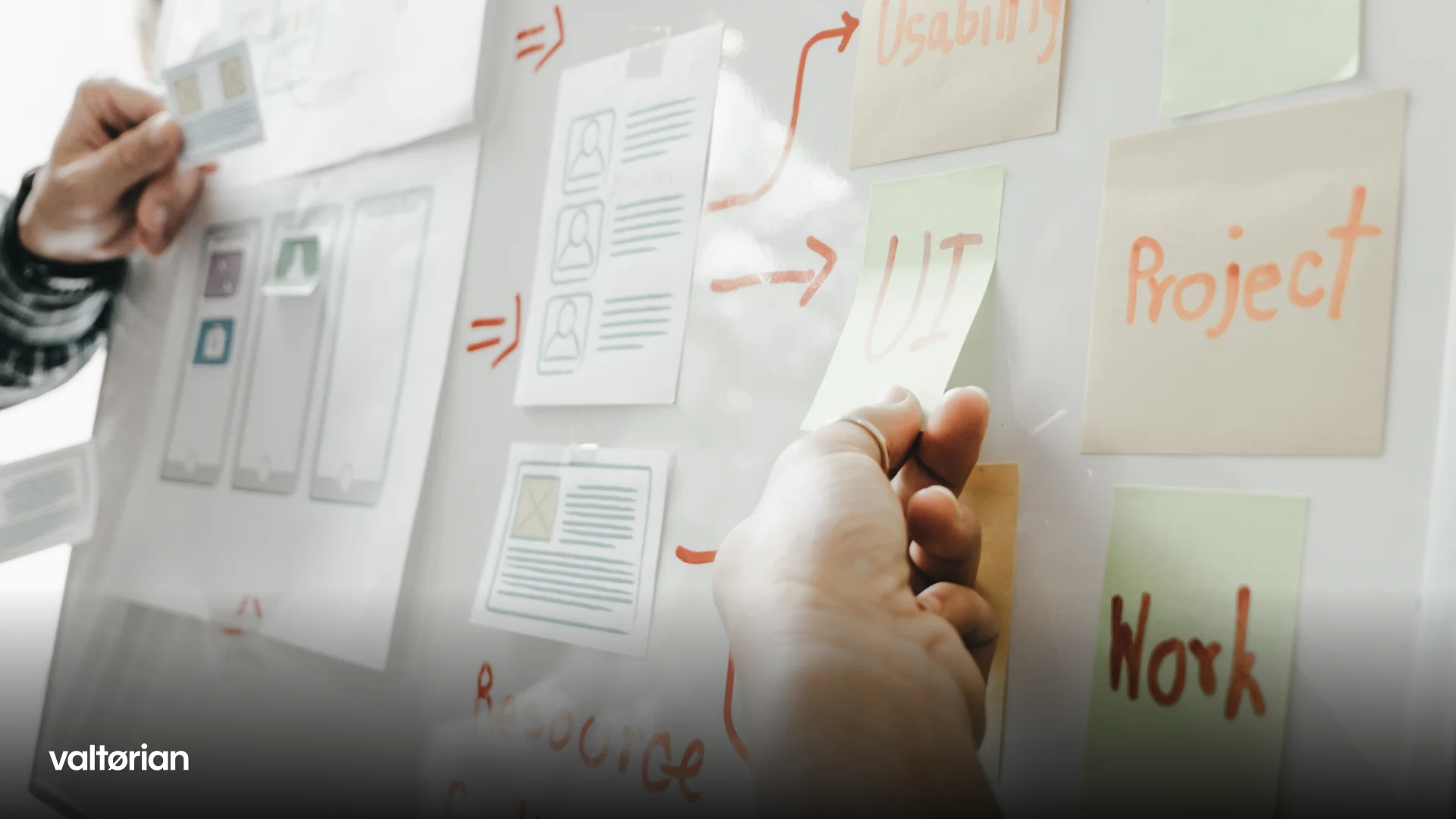
UX Mapping & Wireframes (How the Product Actually Works)
Once the scope is clear, your team creates:
User flows
Visual paths of how users move through the app.
Wireframes
Black-and-white layouts of every key screen.
Why this matters:
Wireframes allow you to validate usability early — long before you spend money on development.
This is where most mistakes get fixed:
- too many steps in a flow
- unnecessary friction
- confusing layouts
- missing elements users actually need
Good MVP services don’t rush through this.
Wireframes are your blueprint.
Without them, development becomes guesswork.
UI Design (Making It Look Like a Real Product)
Once flows make sense, the design team creates:
Visual style
Colors, typography, components.
High-fidelity UI screens
Polished screens ready for development.
Clickable prototype
A Figma prototype you can test with real people.
This stage should give you a product that feels real — even though nothing is coded yet.
Why it's essential:
- lets you collect user feedback early
- reveals issues with layout or wording
- allows stakeholders/investors to “see the product”
- ensures devs know exactly what to build
A proper MVP service always includes UI design.
If an agency jumps straight into coding — that’s a major red flag.
Development (Building the Smallest Useful Version)
This is the part most founders think is “the MVP”.
In reality, it’s only one stage of the entire process.
A good MVP development package includes:
Frontend development
The user interface — what people see and tap.
Backend development
Servers, APIs, databases, authentication.
Integrations
Payments, email notifications, scheduling tools, file storage, etc.
Core feature implementation
Only the features required to complete the main workflow.
Basic admin tools (if needed)
So you can manage users, data, and content without developer help.
Analytics and event tracking
So you can measure activation, retention, and early usage.
What’s not included
(Many founders misunderstand this part)
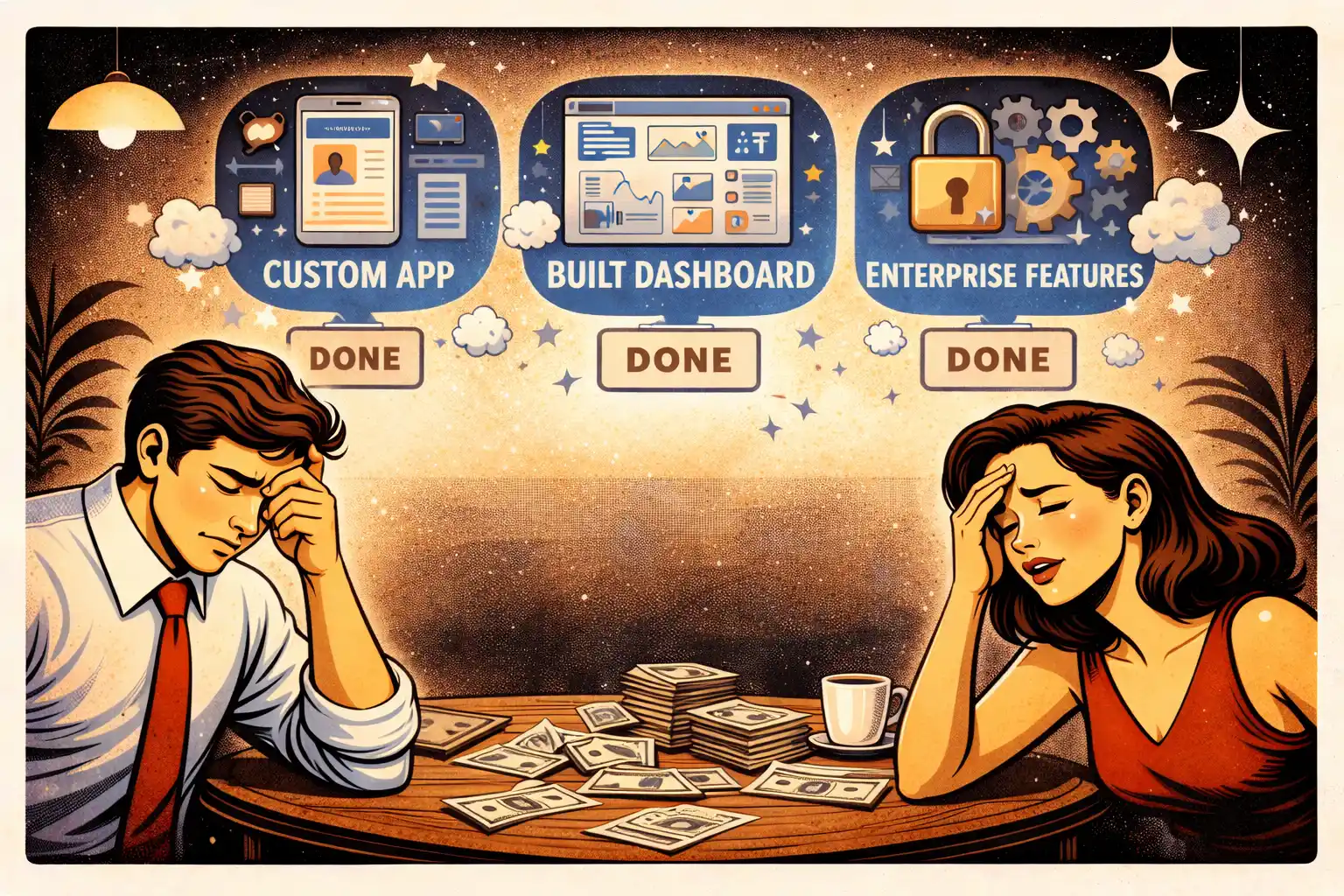
- endless feature additions
- custom dashboards for every edge case
- rebuilding the scope mid-development
- AI modules “just because we want to add them”
- every possible scenario your future users might need
MVP development is intentionally limited.
Its purpose is to launch fast, learn, and iterate — not to build your entire long-term vision.
QA & Testing (Making Sure the MVP Actually Works)
Proper MVP services include systematic testing:
Manual testing of all flows
Sign-up, onboarding, main workflow, edge cases.
Bug fixing
Before launch — not after users complain.
Cross-device and cross-browser testing
Especially for responsive web apps.
Basic performance checks
So nothing breaks under normal usage.
Security basics
Safe authentication, data handling, and role permissions.
Testing is where many cheap teams cut corners.
If you skip this stage, your MVP turns into a support nightmare.
Launch Support (The Part Founders Don’t Realize They Need)
A great MVP service team doesn’t just hand you a ZIP file and disappear.
They assist with:
Deployment
App Stores, hosting, or web deployment.
Environment setup
Production, staging, and admin access.
Initial analytics configuration
Making sure the right events fire.
Fixing post-launch critical bugs
The ones inevitably found by real users.
Light onboarding support
Helping you understand how to push updates and manage data.
This stage creates the bridge between “we built an app” and “real users are using this app”.
Post-Launch Iteration (Often Available as a Separate Add-On)
Some MVP teams offer post-launch iteration packages, which may include:
Tracking user behavior
Which flows succeed or fail.
Rapid improvements
Small weekly updates.
Adding the next 2–3 essential features
Based on early feedback.
Preparing for fundraising or scaling
If retention numbers look promising.
This stage is not always part of the base MVP package, but strong MVP studios always offer it — because the first month after launch is where the real learning begins.
What MVP development services do not include
This is just as important:
- your full product vision
- endless revisions
- multi-platform versions unless scoped (web + iOS + Android)
- advanced analytics dashboards
- heavy custom AI systems unless explicitly included
- branding packages (unless agreed)
- marketing or sales setup
MVP ≠ full product.
MVP = version 1 that proves real demand.
When founders understand this shift, development becomes faster, cheaper, and far more strategic.
How a great MVP development partner should work with founders
A good studio or team:
- speaks plain language, not jargon
- pushes back when scope grows unnecessarily
- shows weekly demos
- provides transparent timelines
- helps you avoid expensive mistakes
- understands early-stage realities: uncertainty, iteration, pivots
Founders don’t need a “coder”.
They need a product partner who can simplify a complex journey.
Ready to build your MVP with a small, senior team instead of hiring a full tech department?
At Valtorian, you work directly with the founders — a designer and a developer who have delivered 70+ products and know how to ship fast, maintain quality, and guide non-technical founders through every stage.
If you want clarity on what your MVP should include, how long it will take, and what the development path looks like — let’s talk.
Book a call with Diana
We’ll review your idea, outline the core workflow, and help you understand what a realistic MVP could look like.
FAQ: MVP Development Services for Startups
What exactly is included in MVP development services?
Discovery, scoping, UX wireframes, UI design, development, testing, deployment, and basic launch support. Everything needed to release the smallest useful version of your product.
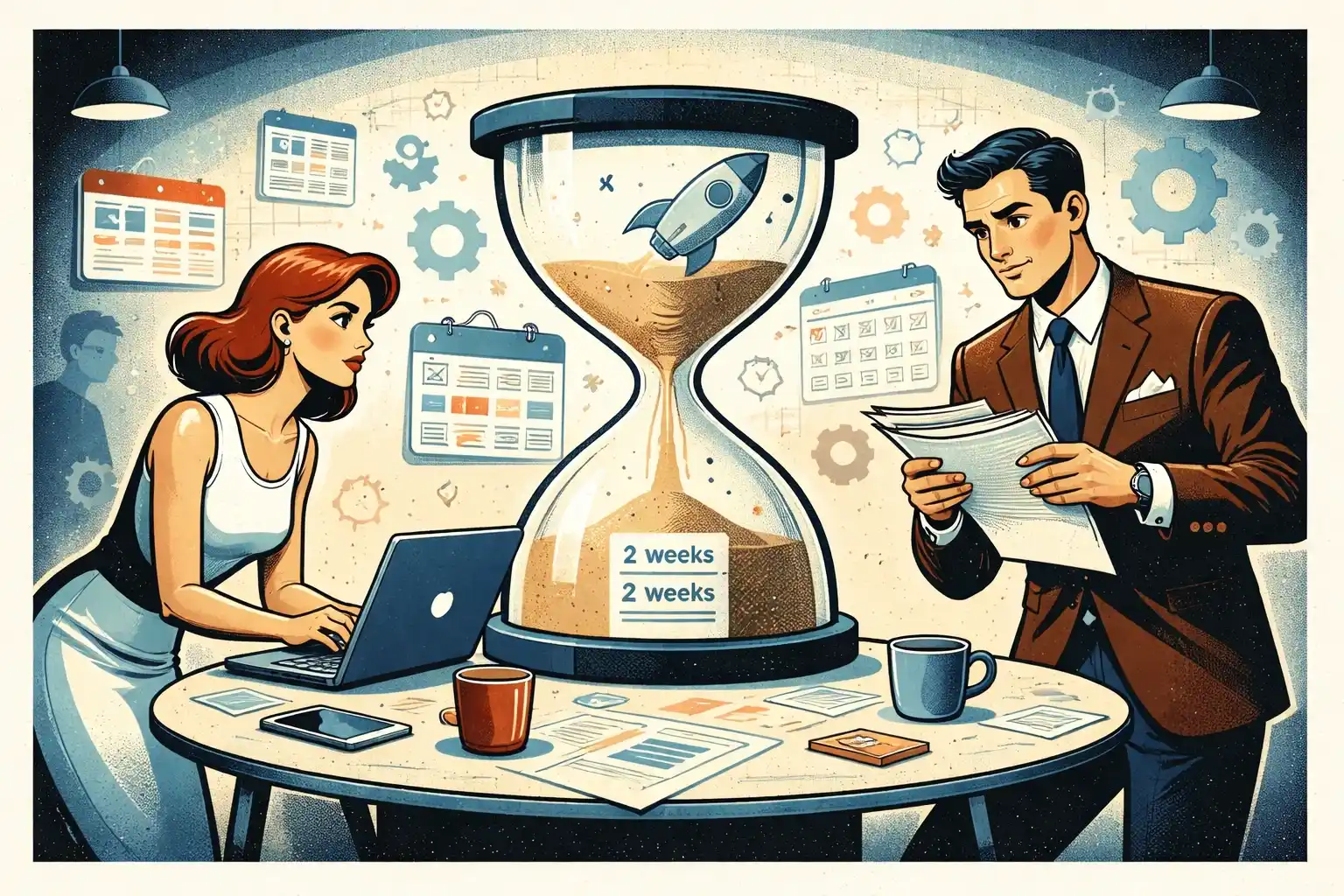
How long does a typical MVP take?
Most MVPs take 4–6 weeks if scoped properly. More complex products may take 8–10 weeks, but version one should never require half a year.
Is design included, or only development?
A proper MVP service always includes design — both UX and UI. Coding without design leads to chaotic products and wasted time.
Do I get support after launch?
Most teams provide at least basic post-launch support: fixing critical bugs, monitoring analytics, and helping with deployment. Ongoing iteration is usually offered as a separate package.
What’s not included in MVP development services?
Full long-term product development, complex AI modules, multiple platforms unless agreed, marketing setup, branding, or unlimited revisions. MVPs are intentionally limited.
I’m a non-technical founder — can I manage an MVP project?
Absolutely. A good development partner structures the process, explains trade-offs, and keeps communication simple. Your job is to provide business logic and access to early users.
When should I start adding new features after launch?
Only after observing real user behavior. The first month post-launch tells you exactly what to build next — and what to ignore.








































.webp)




.webp)