.webp)
SaaS MVP Development Trends in 2026
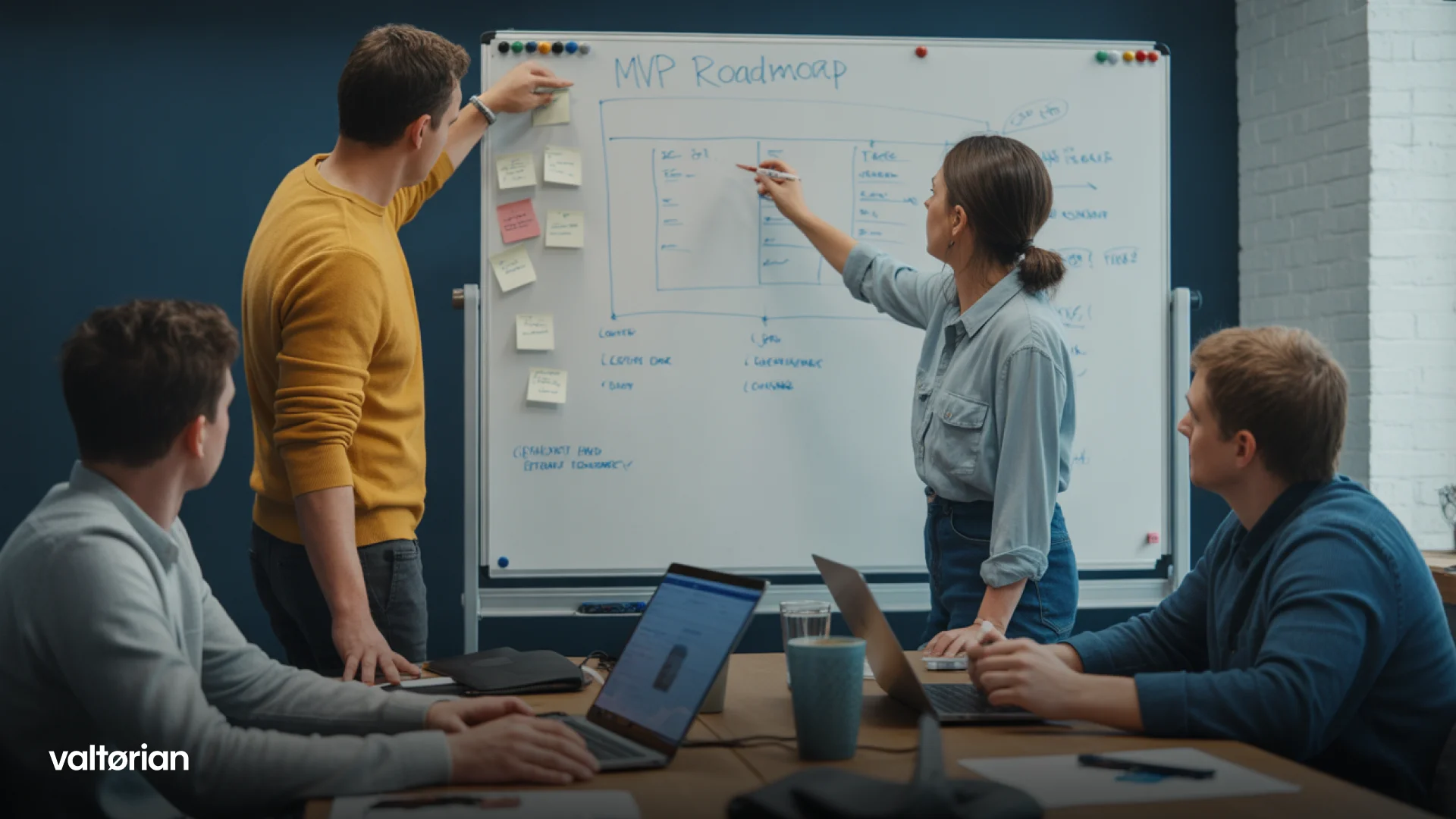
SaaS MVP development in 2026 looks very different from just a few years ago. Founders are under pressure to launch faster, spend less, and still deliver products that feel intelligent, reliable, and investor-ready. This article breaks down the most important SaaS MVP development trends shaping 2026 — focusing on how teams validate ideas earlier, reduce overengineering, and use modern tools and AI-driven workflows to reach first users and revenue sooner.

TL;DR: In 2026, successful SaaS MVPs are leaner, more focused, and built around validation instead of feature volume. Founders prioritize speed, clear value propositions, and early revenue signals, while AI, modular architectures, and smarter scoping reduce time-to-market without sacrificing quality.
Why SaaS MVPs look different in 2026
The classic “build a big MVP and see what happens” approach no longer works.
In 2026:
- competition is higher
- user expectations are clearer
- investor patience is shorter
Founders are expected to prove traction, not just vision.
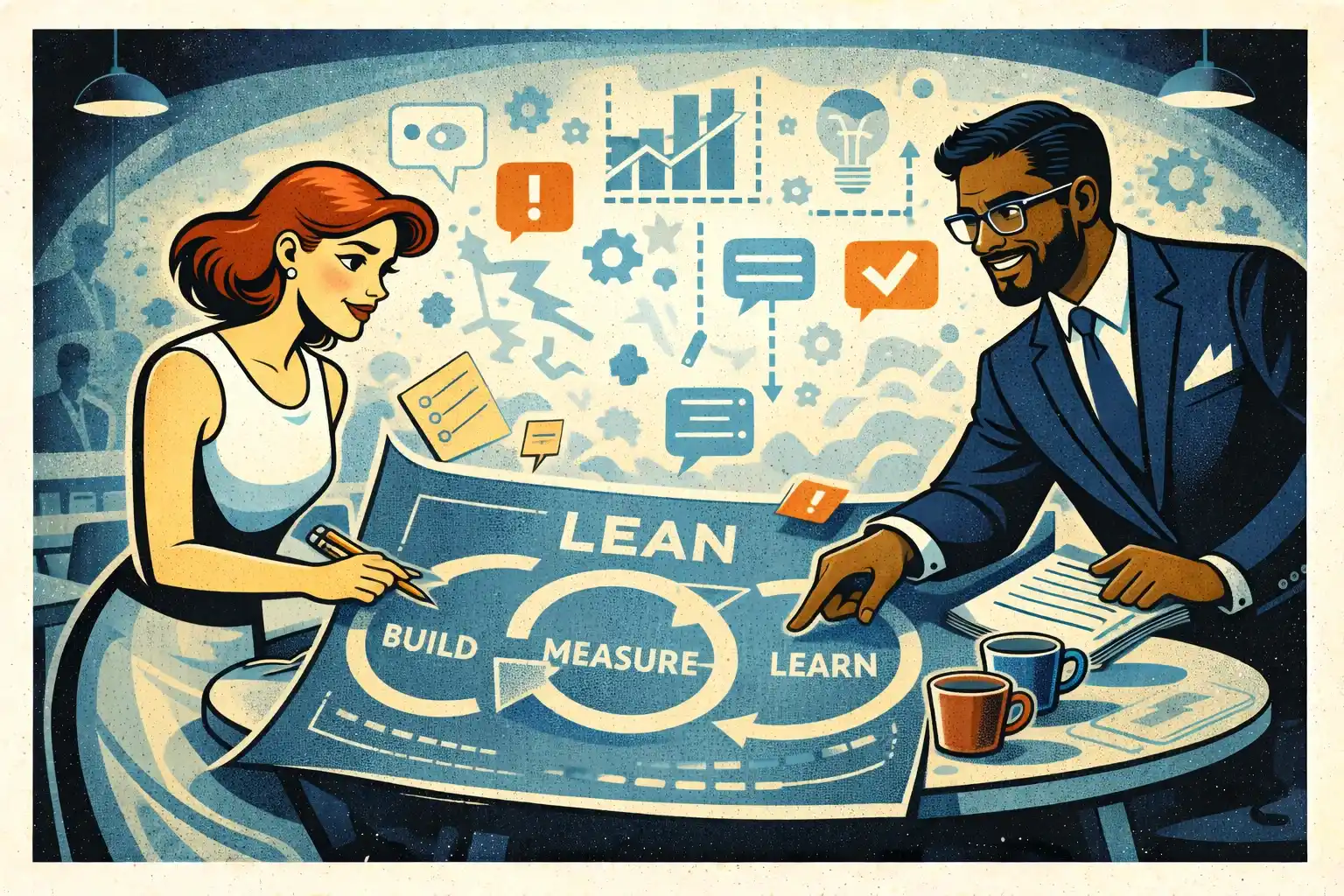
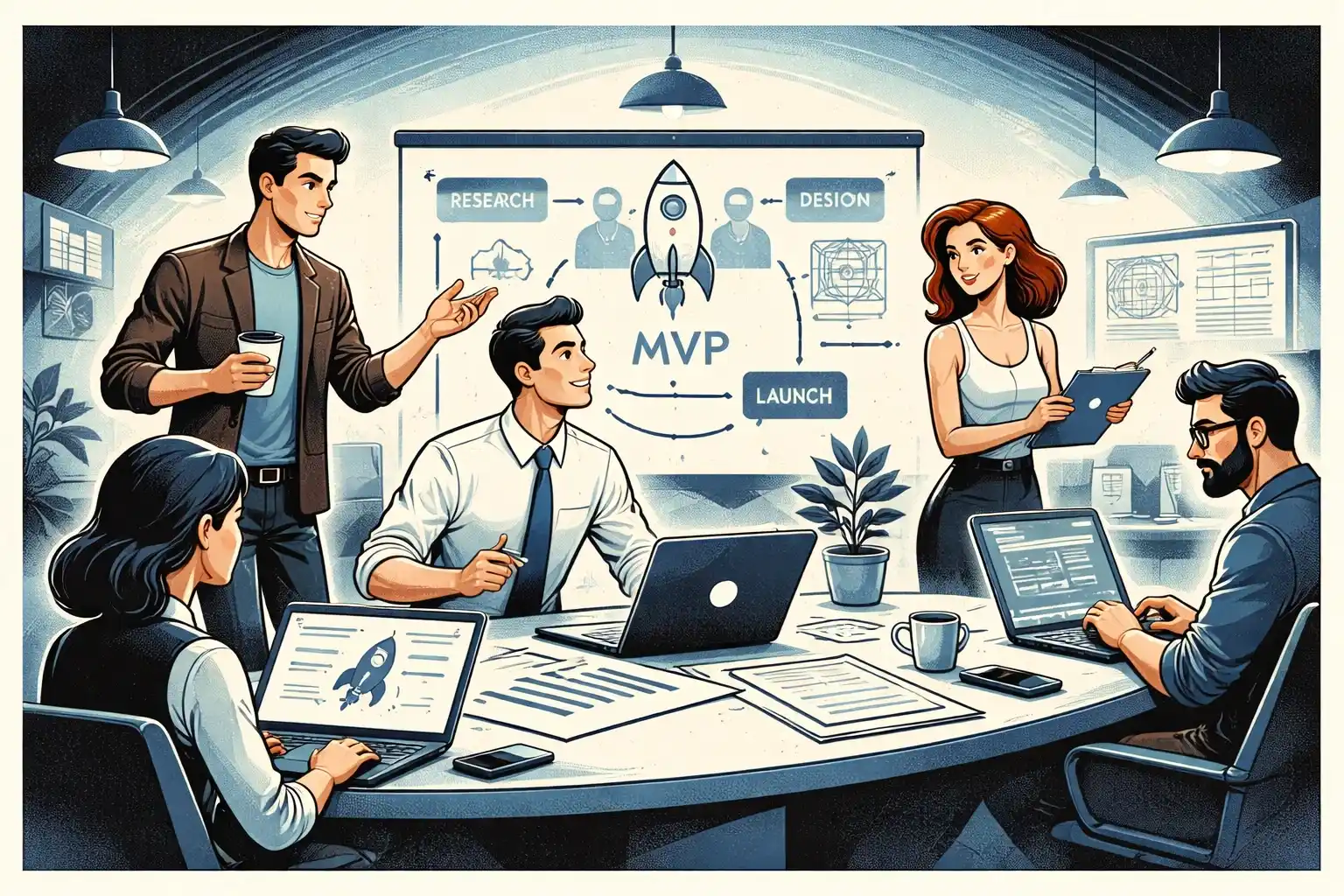
This is why SaaS MVPs are now designed as experiments, not mini full products.
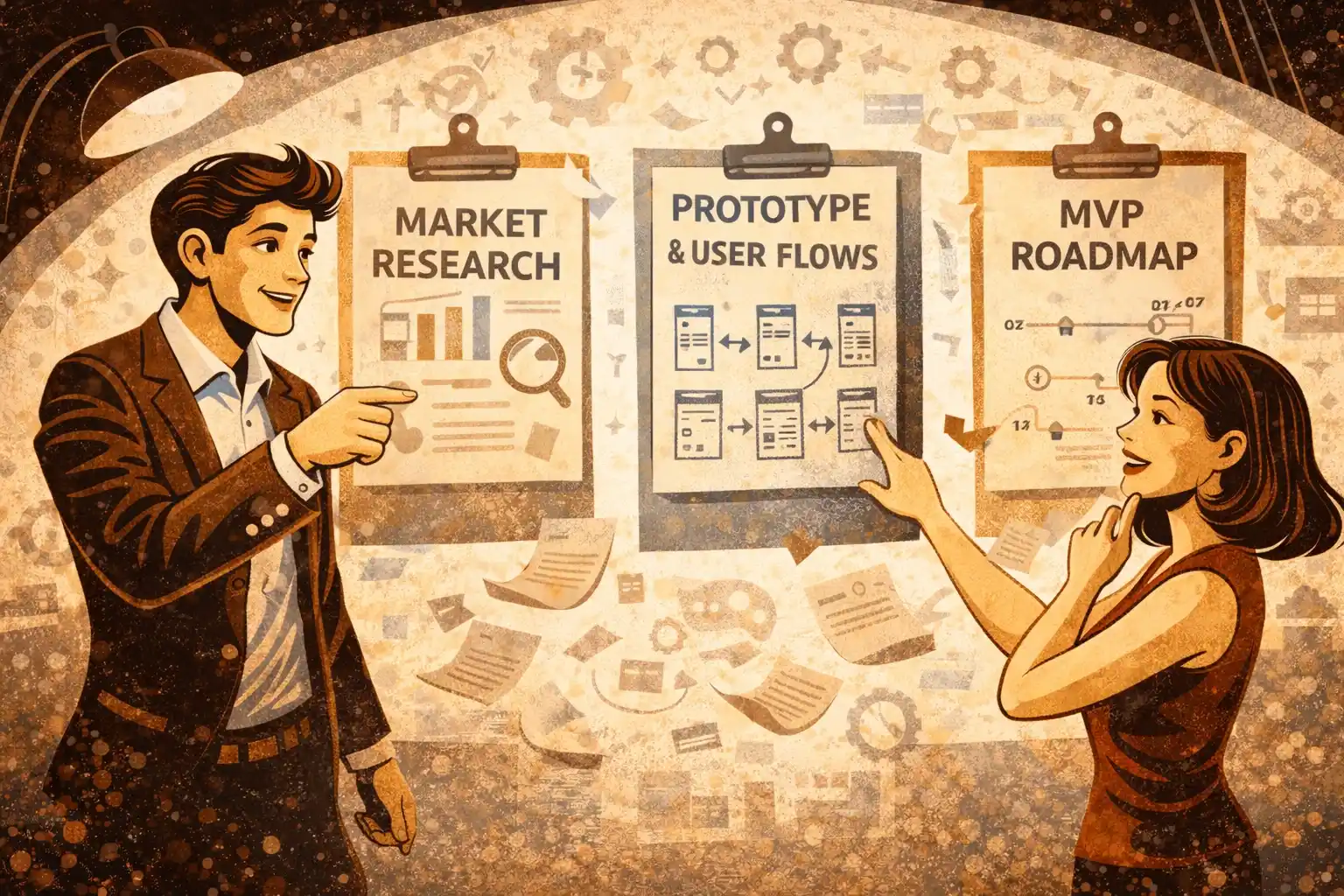
If you’re new to this mindset, “Full-Cycle MVP Development: From Discovery to First Paying Users” explains how modern MVPs are structured end-to-end.
Trend 1: Smaller MVPs with sharper focus
One of the biggest SaaS MVP trends in 2026 is intentional reduction.
Instead of:
- multiple user roles
- advanced dashboards
- edge-case workflows
Teams focus on:
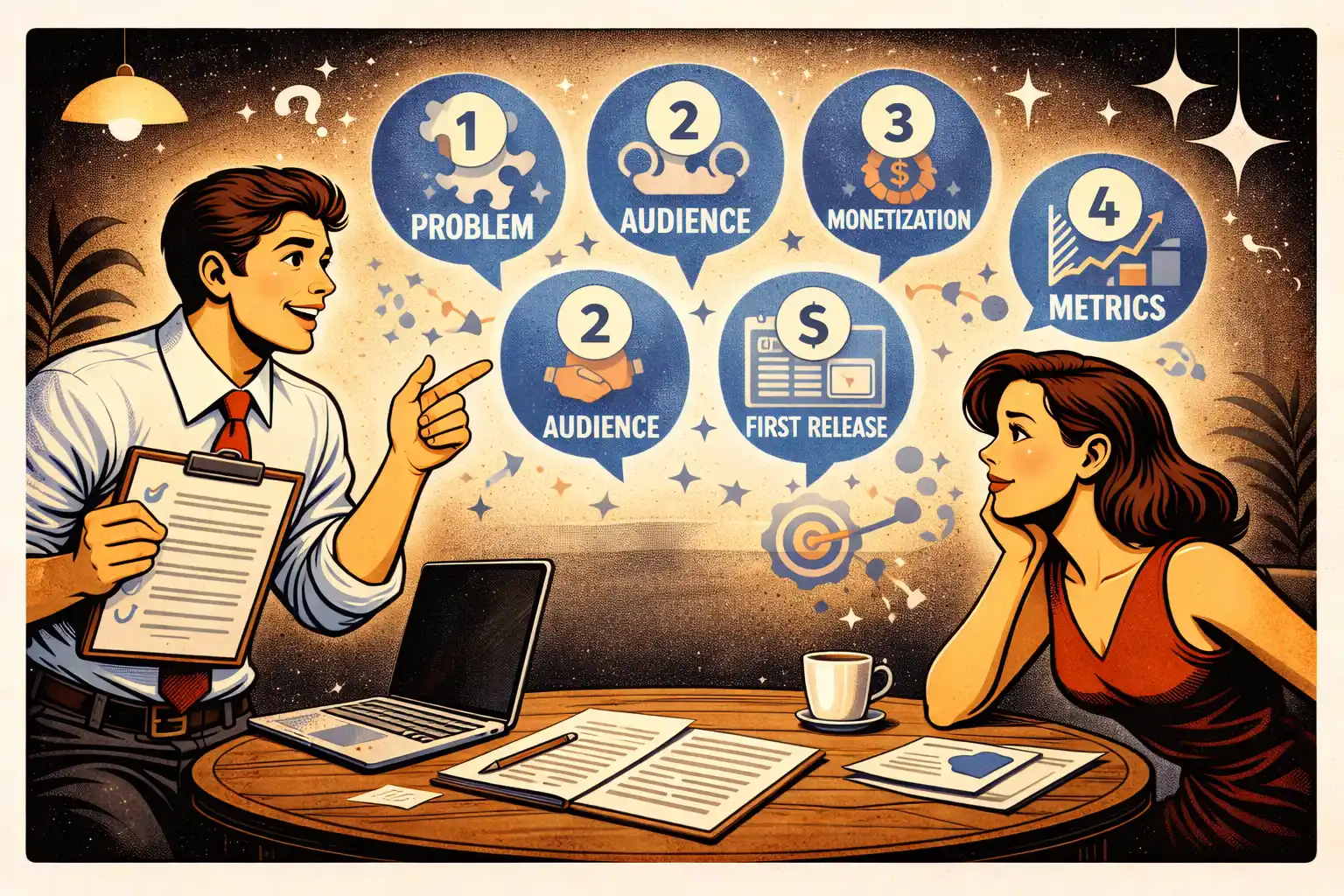
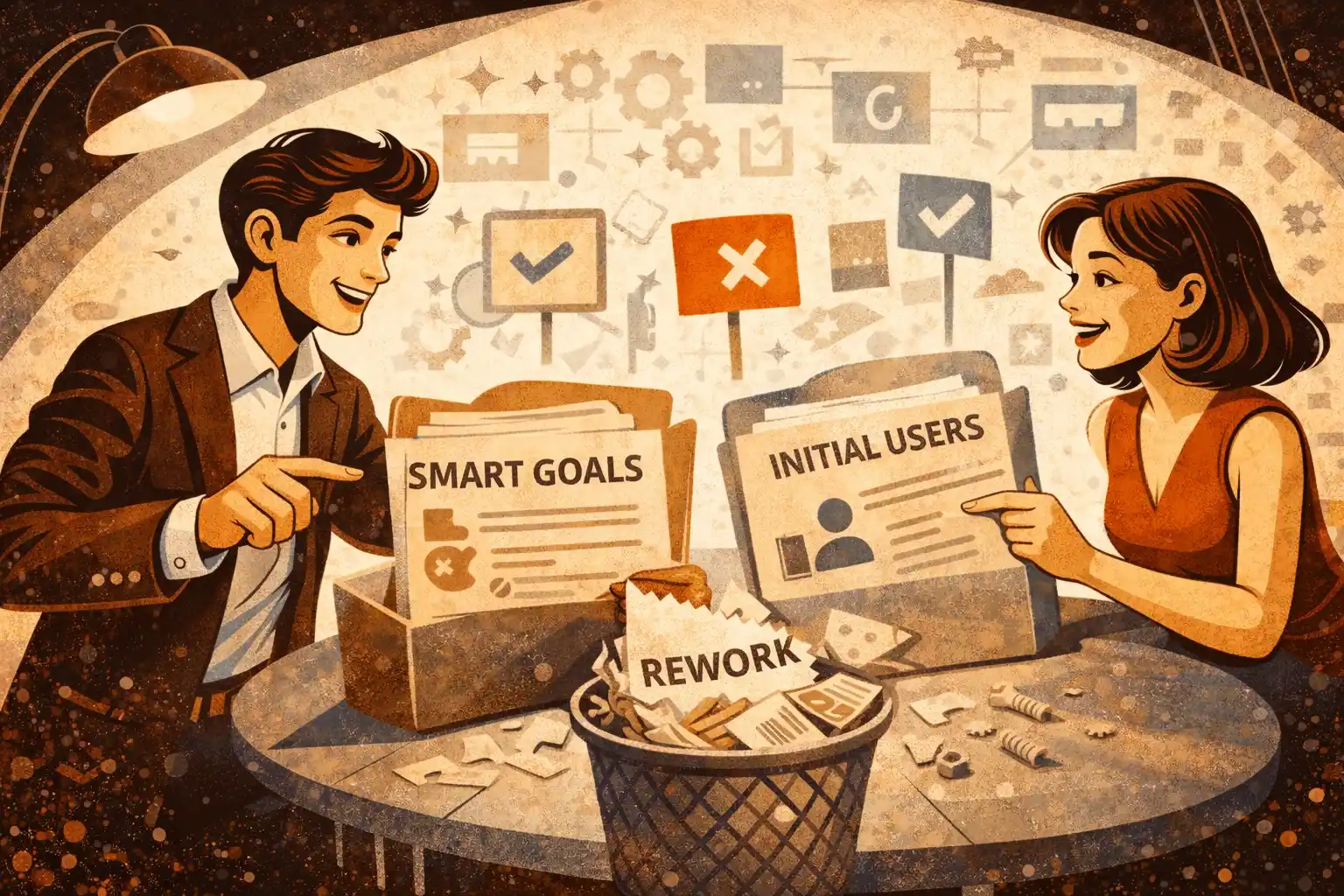
- one core user
- one painful problem
- one measurable outcome
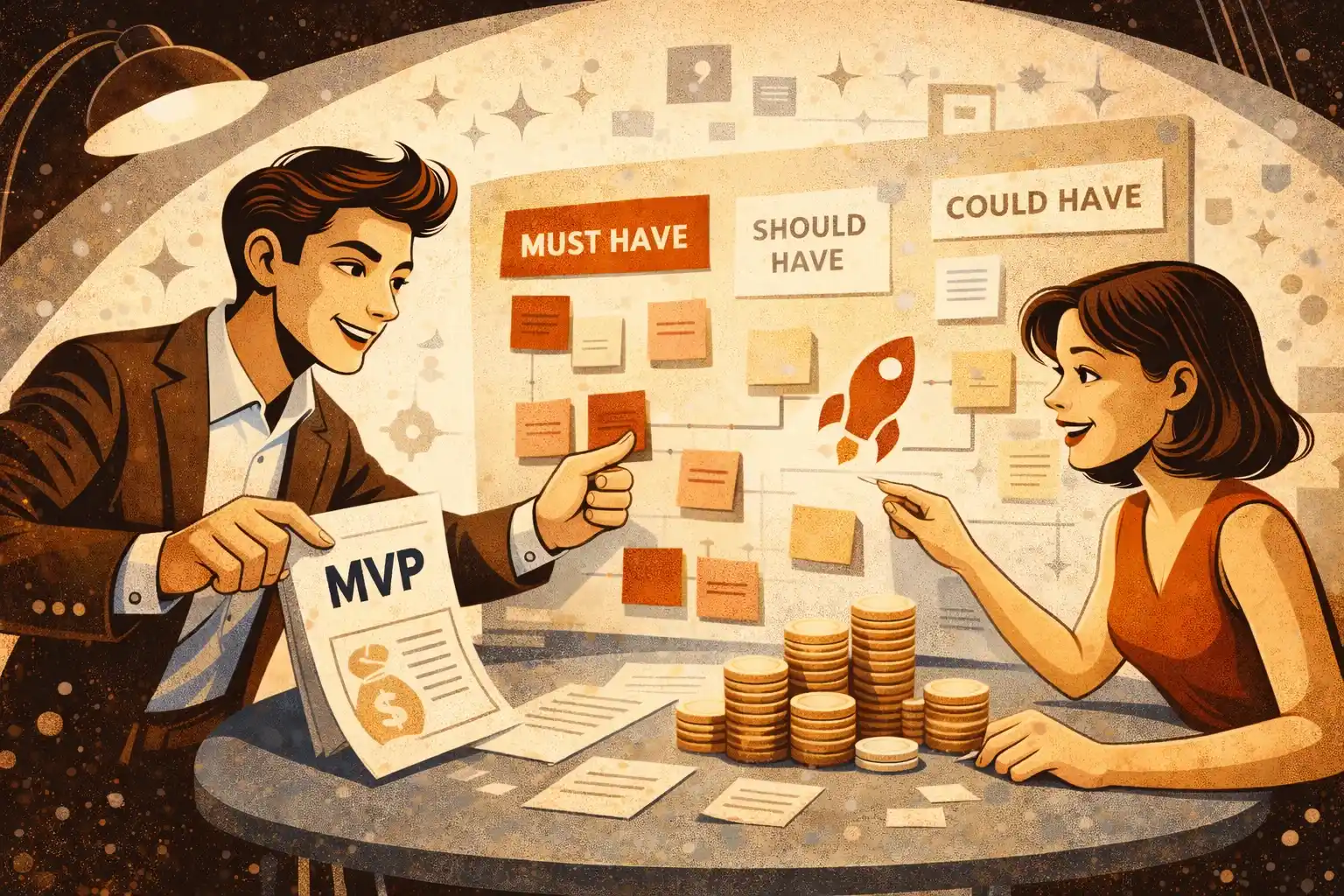
This shift reduces build time and increases learning speed.
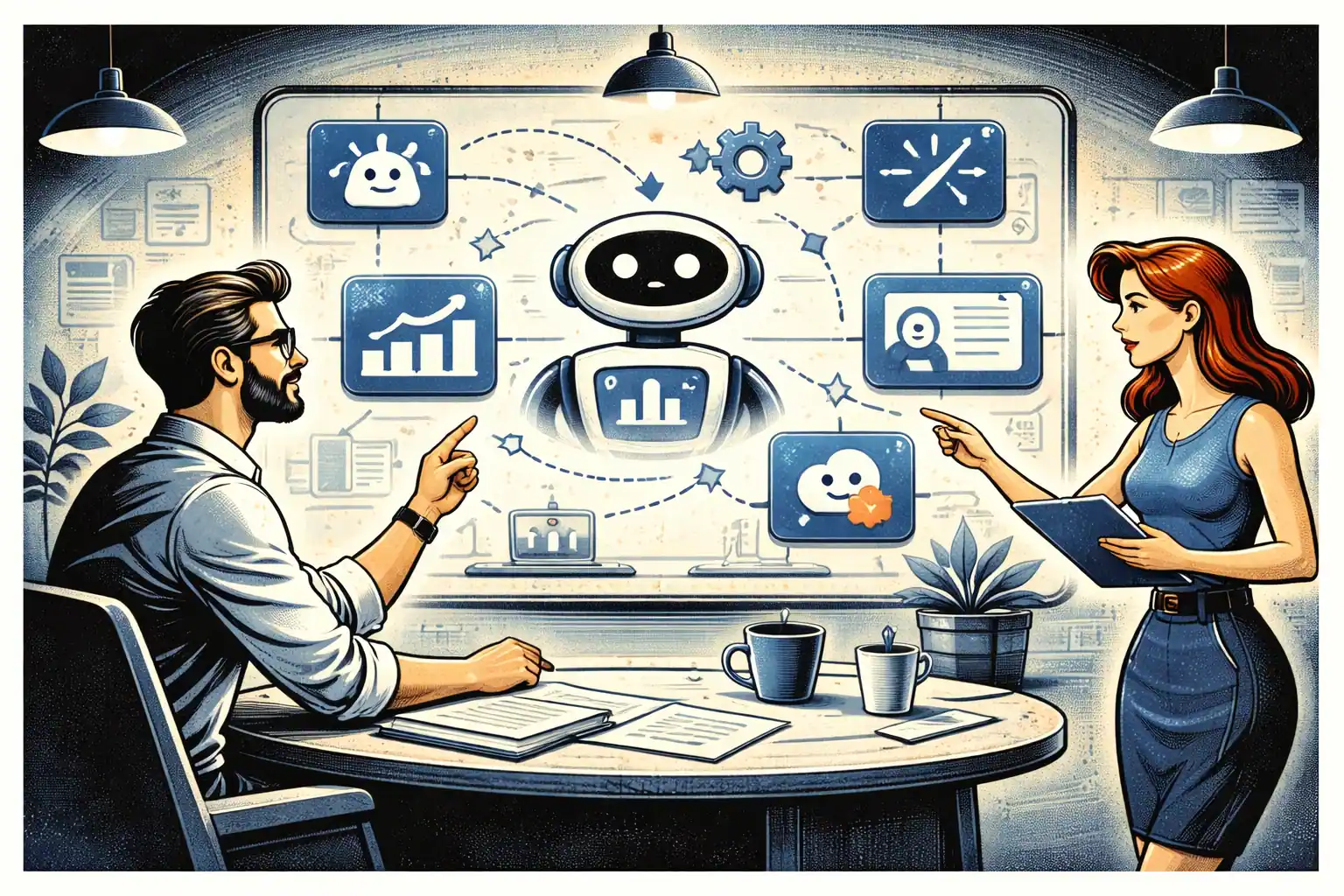
Trend 2: AI as an enabler, not a gimmick
AI is everywhere in 2026 — but the winning SaaS products use it quietly.
Common AI use cases in SaaS MVPs include:
- automation of repetitive actions
- smart defaults and recommendations
- adaptive onboarding flows
The goal isn’t “AI features” — it’s less manual work for users.
This aligns closely with principles outlined in “AI-Powered MVP Development: Save Time and Budget Without Cutting Quality”.
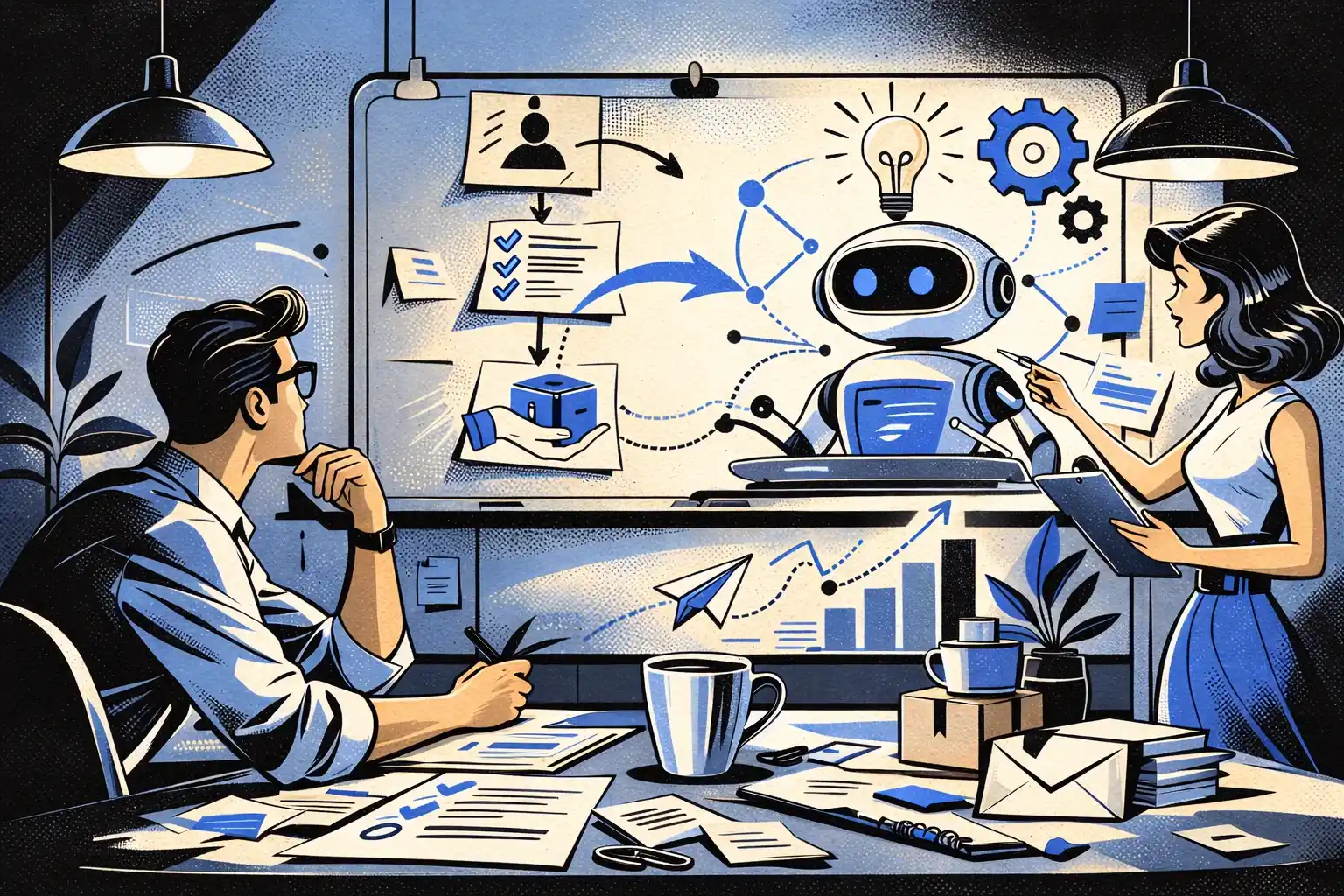
Trend 3: Faster validation before full development
More founders now validate SaaS ideas before writing production code.
Popular validation tactics:
- interactive prototypes
- waitlists with real positioning
- manual or semi-manual workflows behind the scenes
This reduces the risk of building something nobody needs.
If you’re unsure how to test demand early, “Validate a Startup Idea Before Development: 5 Experiments That Work” provides practical examples.
Trend 4: Backend-first thinking
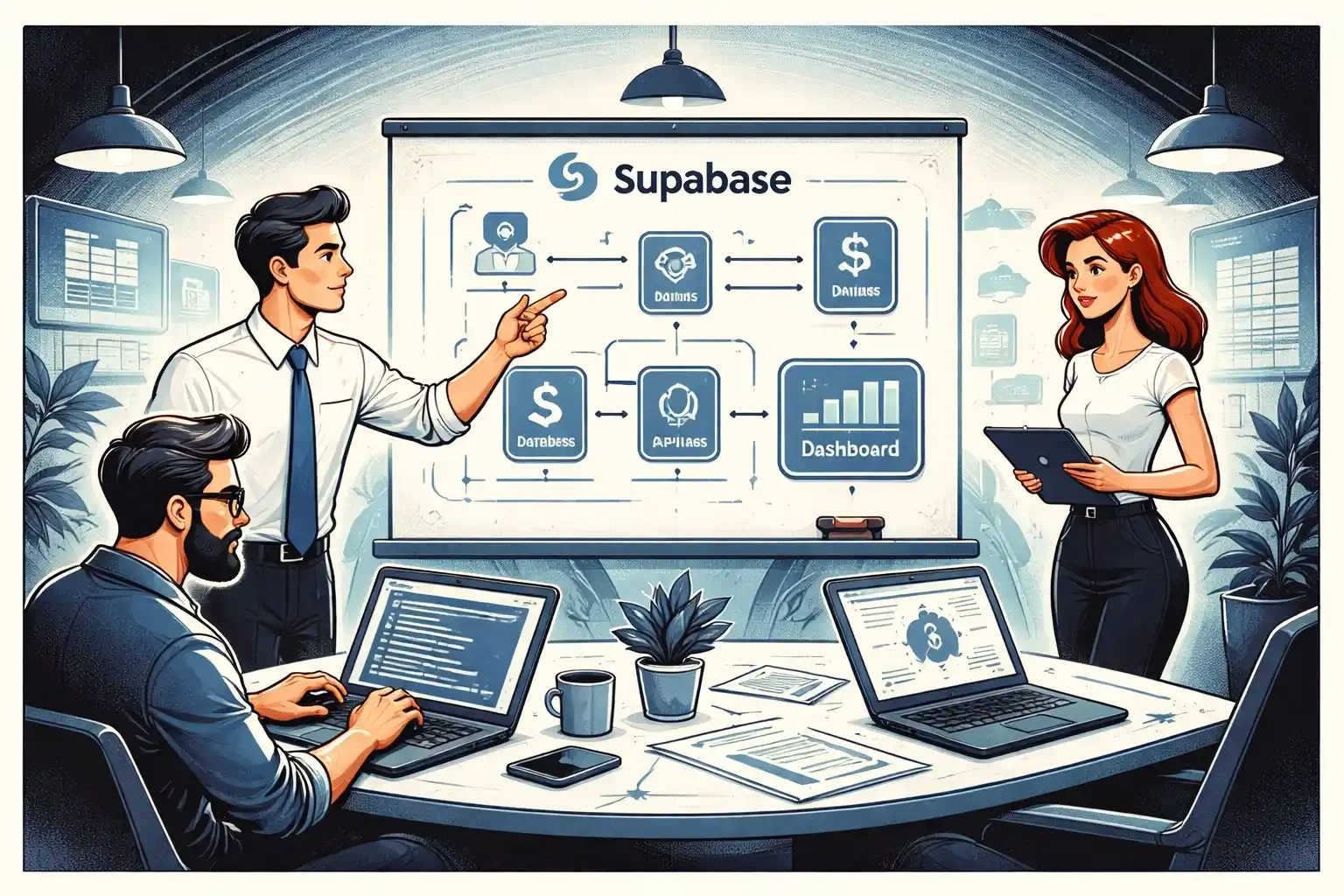
In 2026, SaaS MVPs are designed backend-first, even when UX is simple.
Why?
- scalability
- data consistency
- easier iteration
Founders increasingly care about:
- clean data models
- clear APIs
- future integrations
This makes early architectural decisions more important than flashy UI.
For a non-technical explanation, “Web App Development for Startups: Architecture Basics for Non-Tech Founders” is a useful reference.
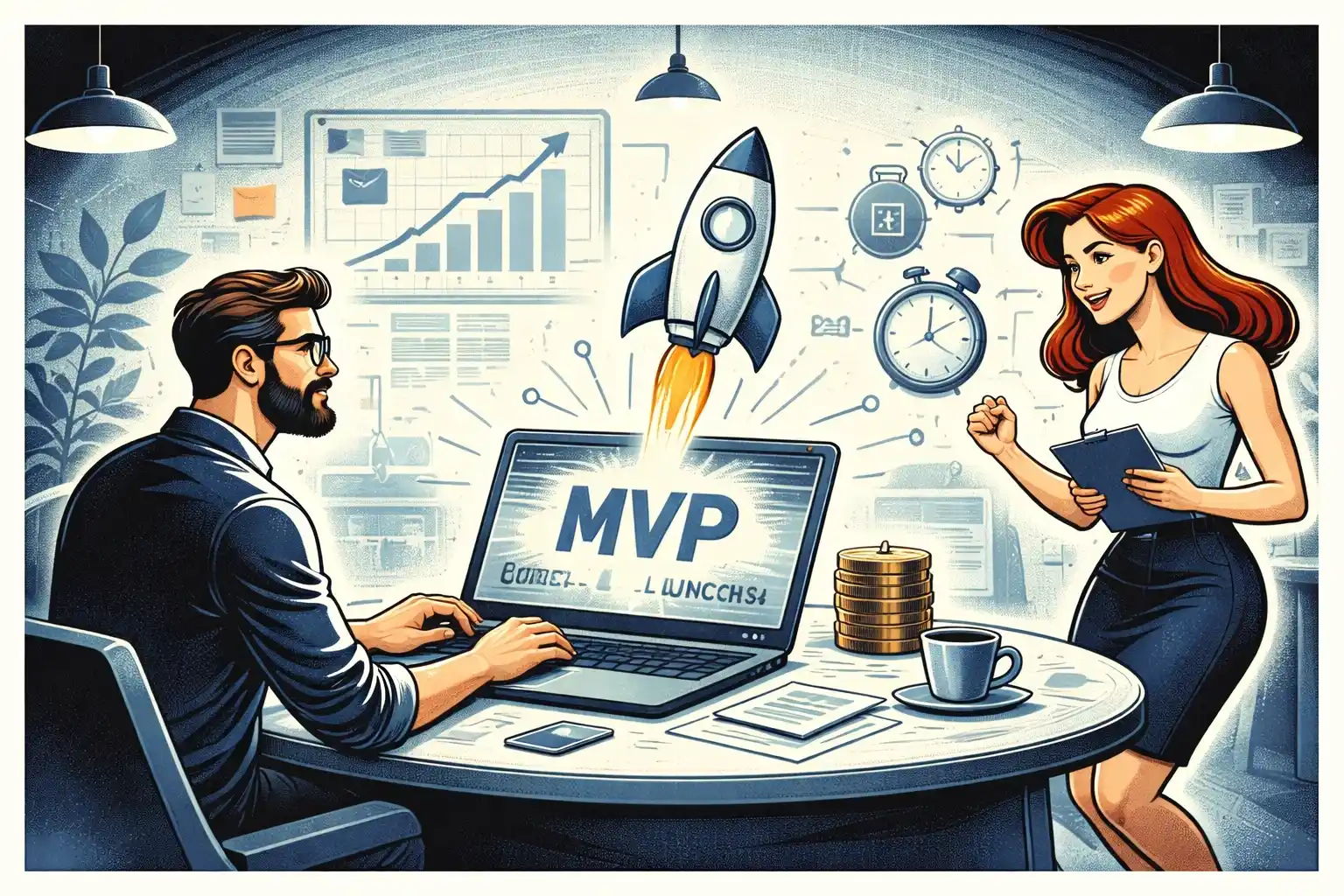
Trend 5: Time-to-revenue matters more than time-to-launch
Launching fast is no longer enough.
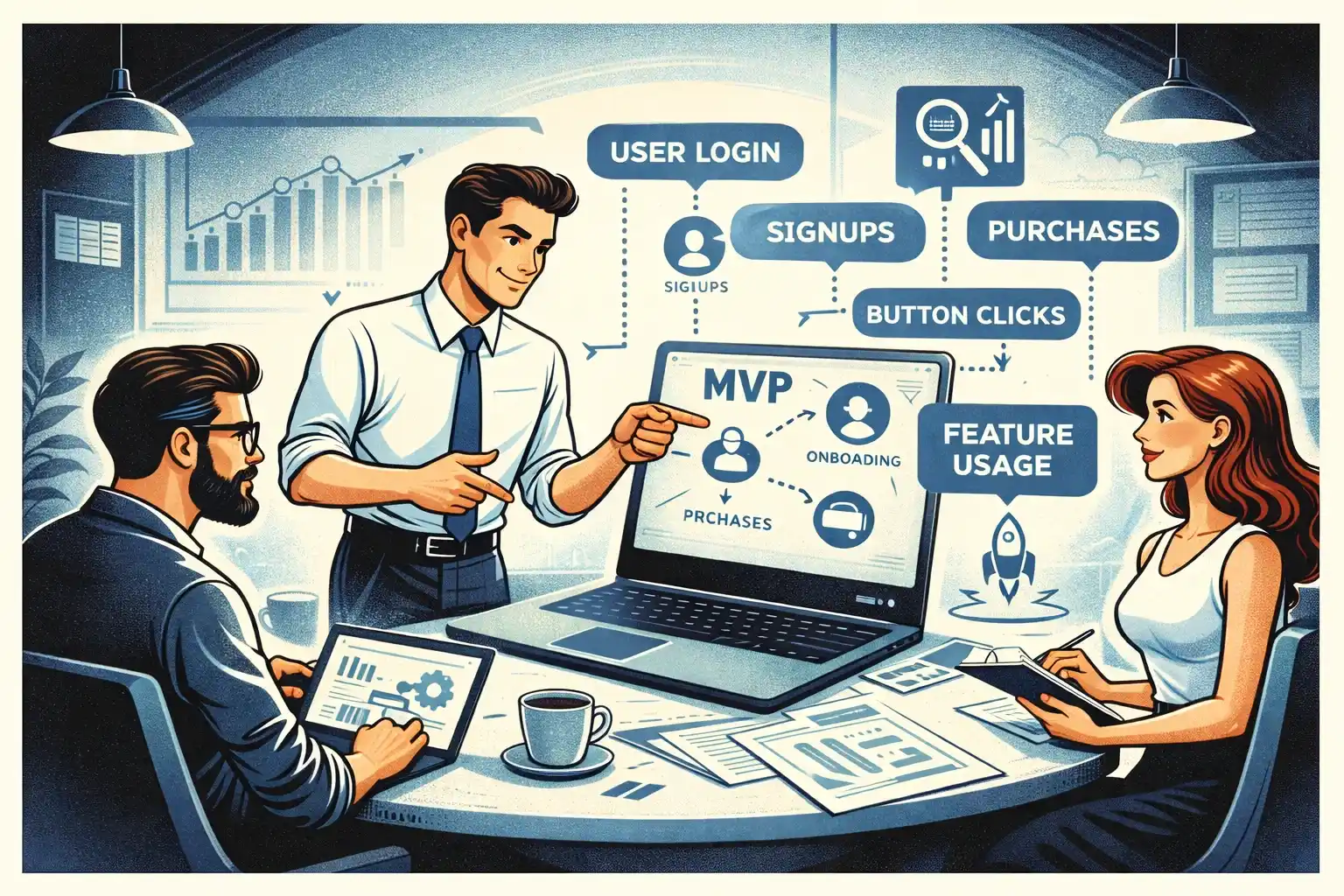
In 2026, SaaS MVP success is measured by:
- first paying users
- willingness to upgrade
- repeated usage
That’s why MVPs often include:
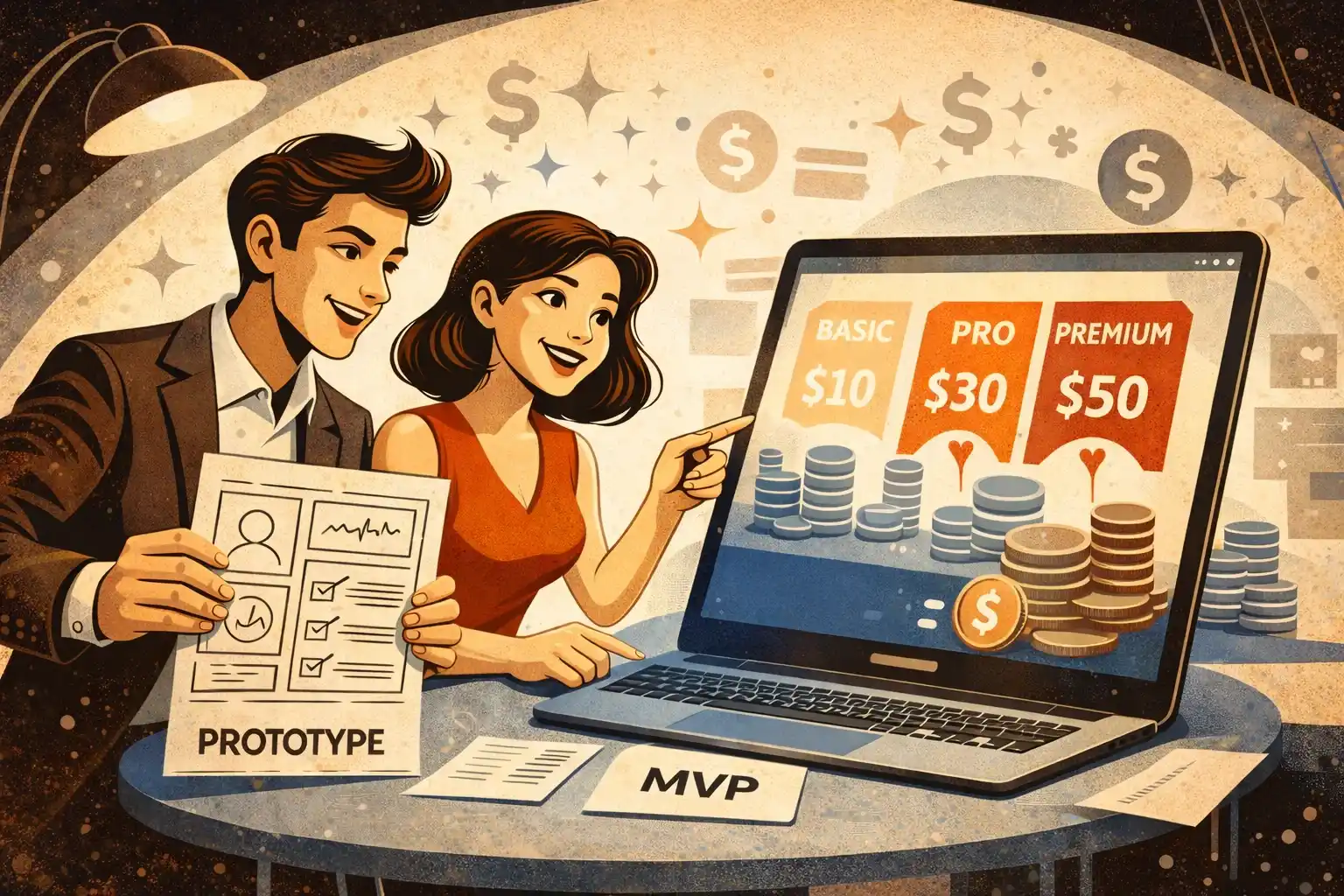
- simple pricing logic
- manual billing or limited plans
- clear upgrade paths
Revenue validation beats vanity metrics.
Trend 6: Lean teams over large builds
Another key trend is team efficiency.
Instead of large in-house teams, founders rely on:
- small senior squads
- short delivery cycles
- tight founder–team communication
This approach is especially common among non-technical founders.
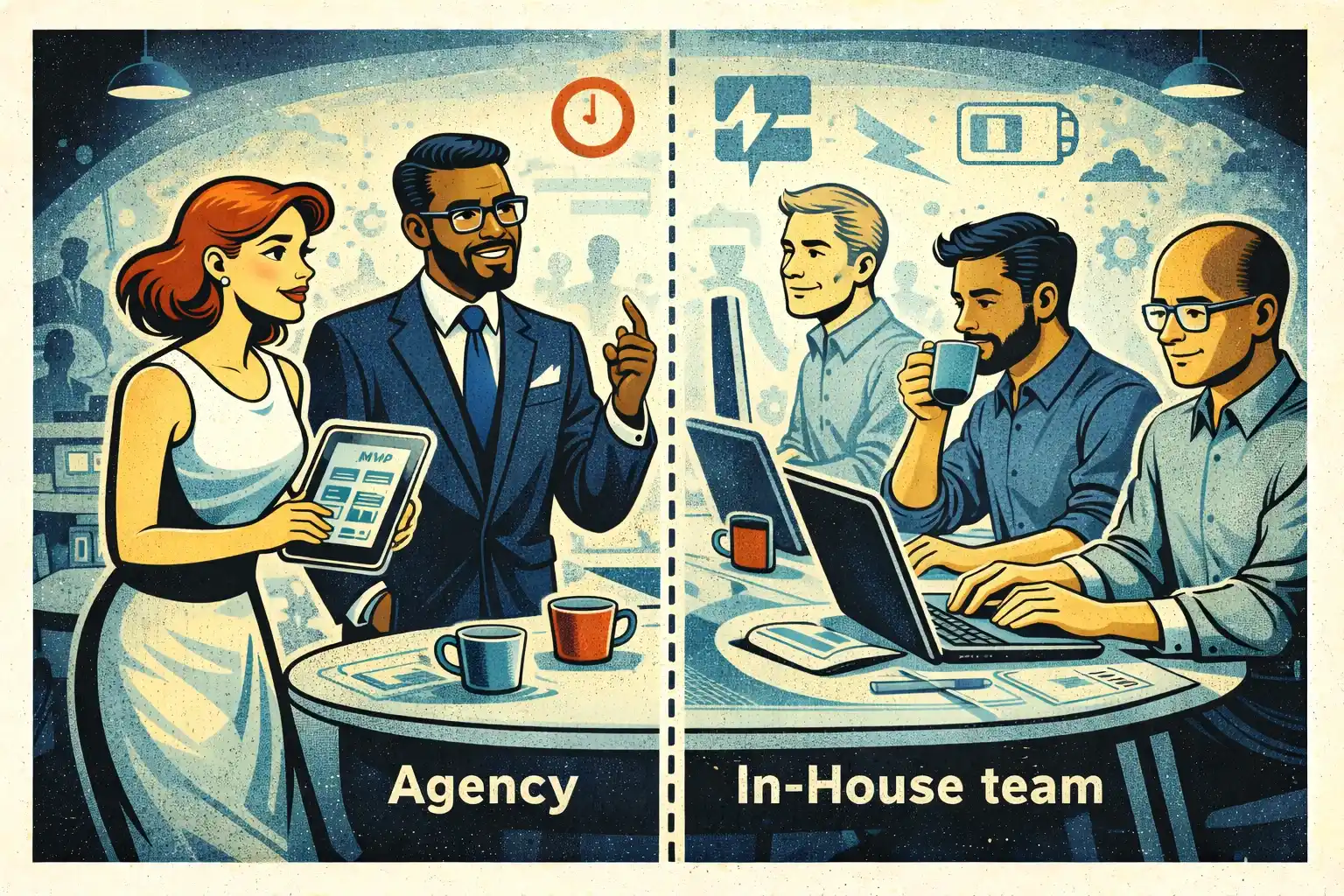
If you’re exploring team options, “Startup App Development Company vs Freelancers vs In-House Team” breaks down the trade-offs clearly.
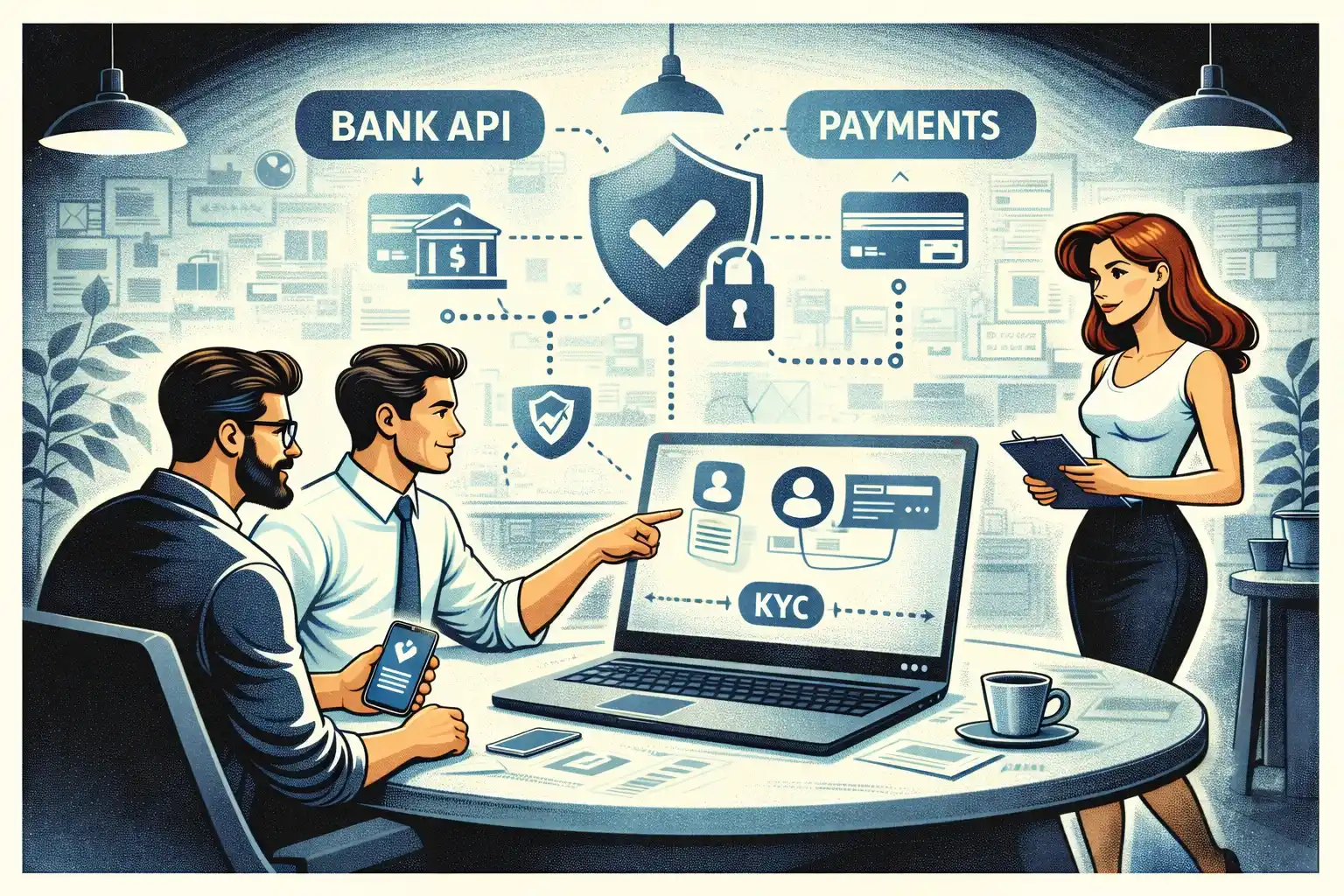
Trend 7: Compliance and security by design (but not overbuilt)
Even early-stage SaaS products now consider:
- data privacy
- access control
- auditability
However, teams avoid overengineering.
The focus is on:
- safe foundations
- scalable decisions
- delaying heavy compliance until necessary
This balance is critical in regulated SaaS domains.
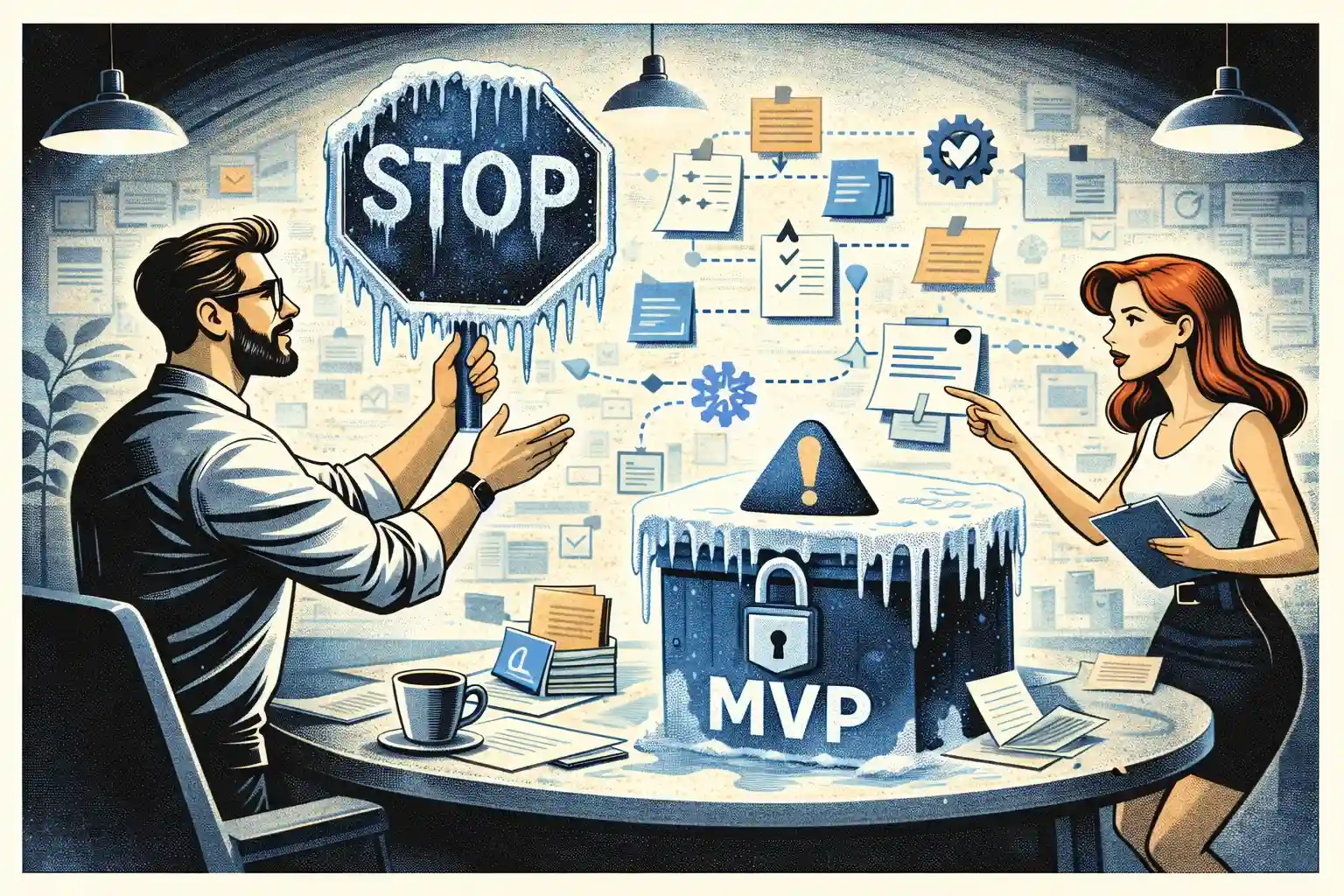
What founders should stop doing in 2026
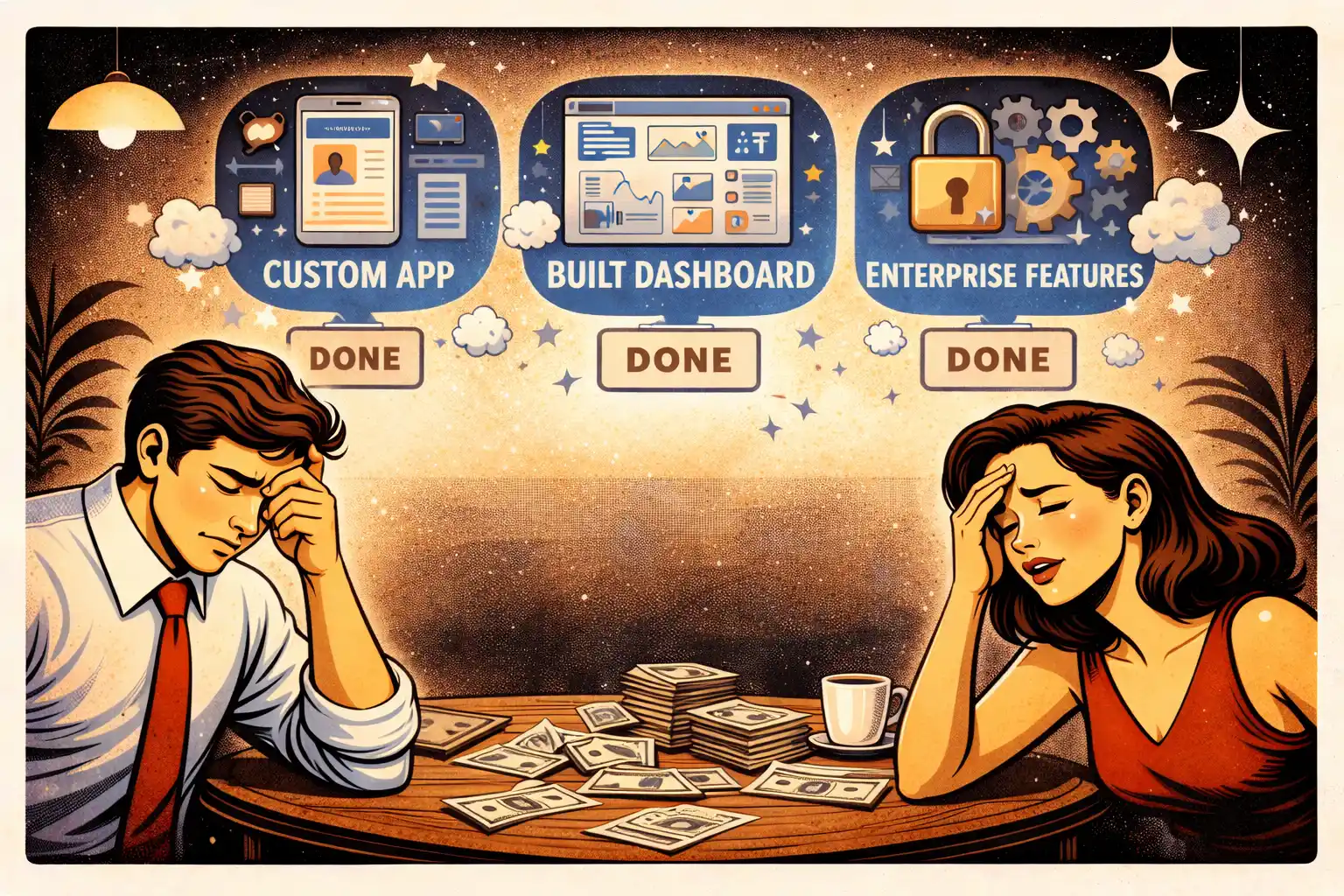
Many SaaS MVPs still fail because founders:
- build too much, too early
- skip validation
- copy competitors blindly
- optimize for tech instead of users
If this sounds familiar, “Why MVPs Still Fail in 2026” dives deeper into the root causes.
Planning a SaaS MVP in 2026 and unsure where to focus?
At Valtorian, we help founders design and launch SaaS MVPs that validate demand fast — without overbuilding or wasting budget.
Book a call with Diana
Get clarity on scope, tech decisions, and the fastest path to first users.
FAQ — SaaS MVP Development in 2026
What is the biggest SaaS MVP trend in 2026?
Smaller, more focused MVPs built for validation, not feature completeness.
Do SaaS MVPs need AI to succeed?
No — but smart automation and personalization can significantly improve retention.
How long does a SaaS MVP take to build in 2026?
Typically 4–8 weeks, depending on scope and validation approach.
Should SaaS MVPs include pricing from day one?
Yes. Even simple pricing helps validate willingness to pay.
Is backend architecture important for an MVP?
Yes — poor early architecture slows iteration later.
Can non-technical founders launch SaaS MVPs today?
Absolutely, with the right process and experienced development partners.







































.webp)




.webp)