.webp)
Full-Cycle MVP Development: From Discovery to First Paying Users
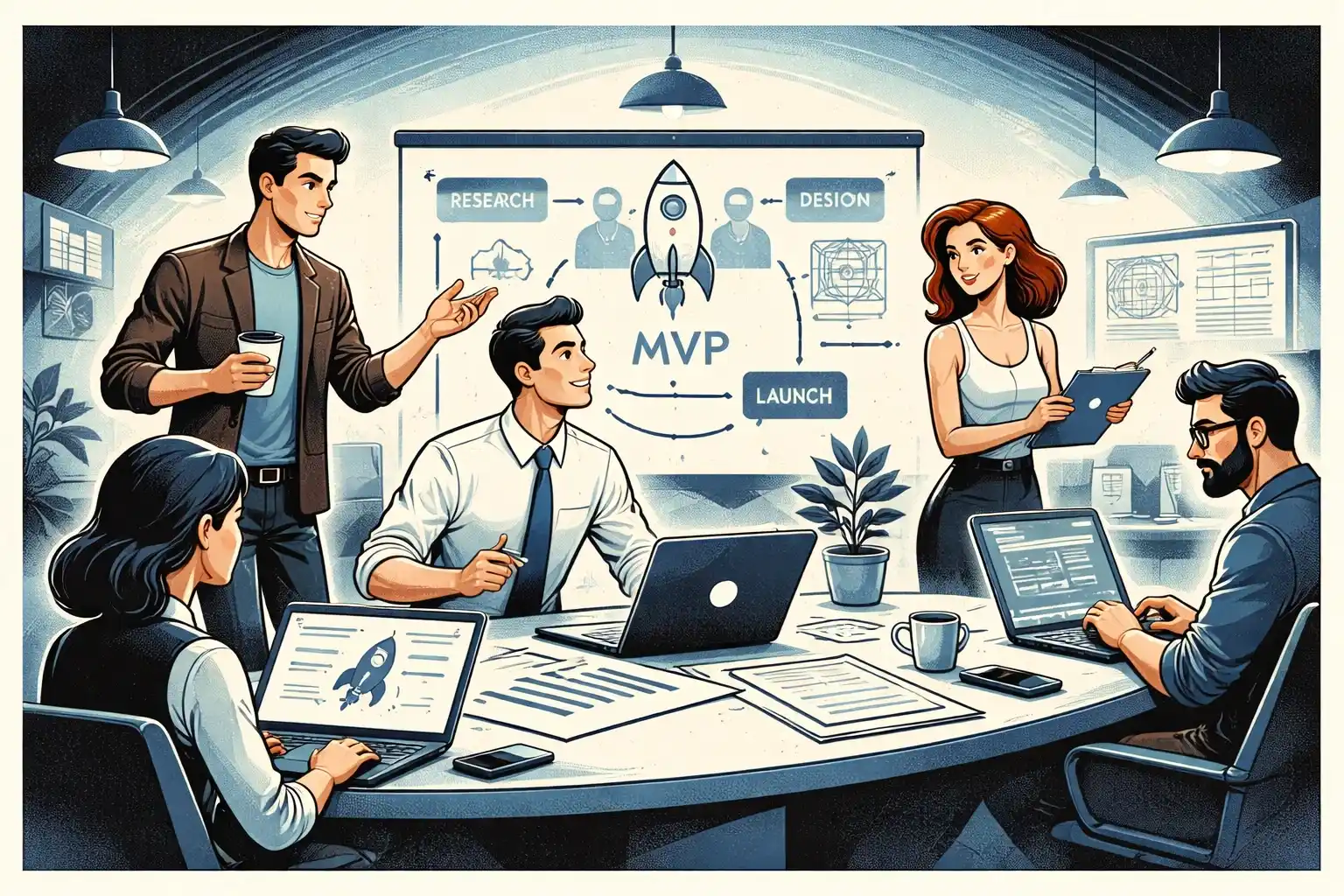
Full-cycle MVP development is more than just design and coding — it’s a structured, end-to-end process that starts with understanding user problems and ends with acquiring your first paying customers. This guide walks non-technical founders through every phase: discovery, scoping, UX/UI, development, QA, launch, and validation. You’ll learn how each step works, how long it takes, what matters most, and how to avoid expensive mistakes. By the end, you’ll know exactly how an MVP goes from idea to revenue.
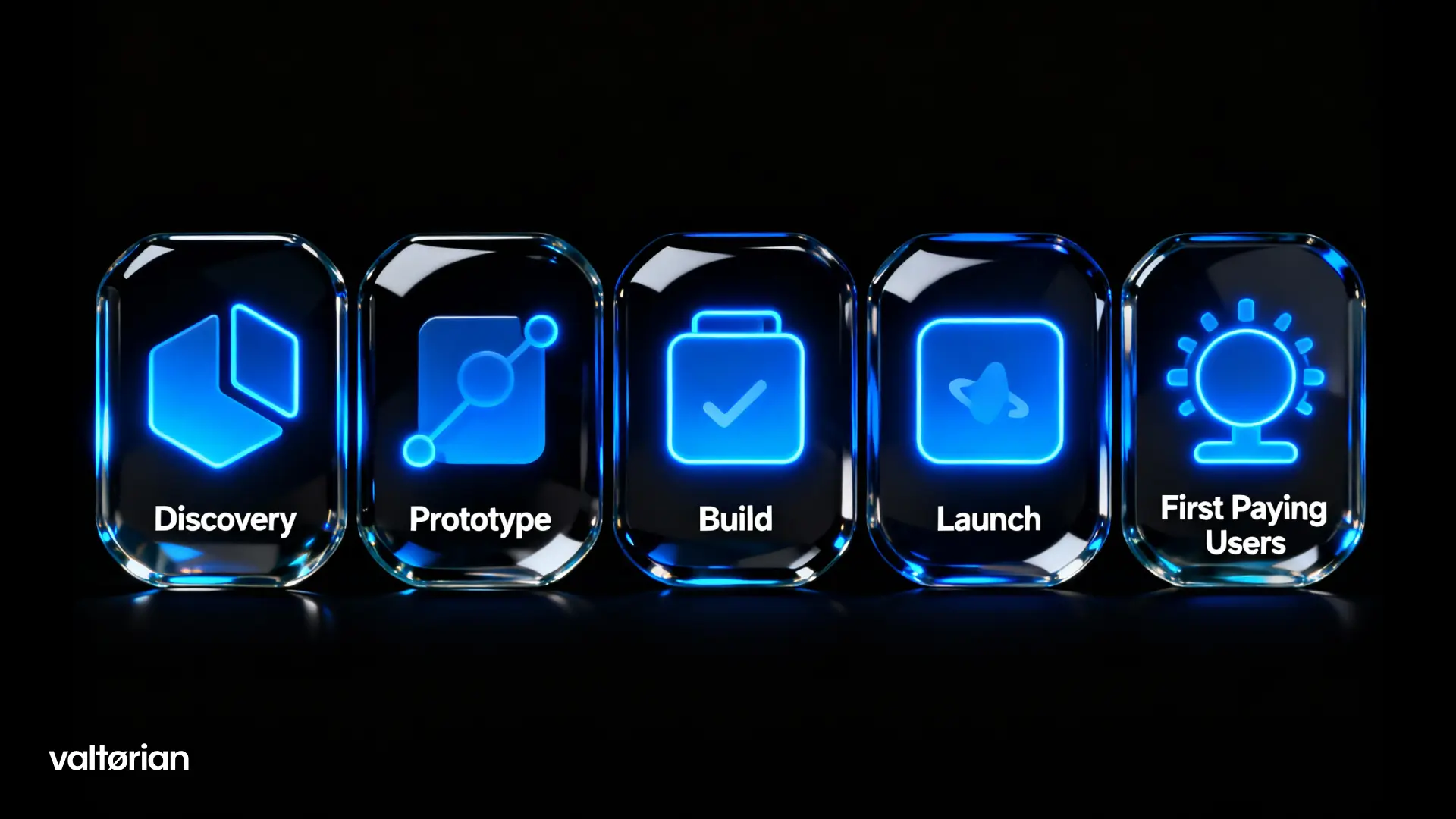
TL;DR: A true full-cycle MVP process includes discovery, scoping, UX/UI design, development, QA, launch, and early validation. The goal isn’t just to “build something” — it's to confirm real user value and generate your first paying customers. The faster you validate and iterate, the faster you reach market traction.
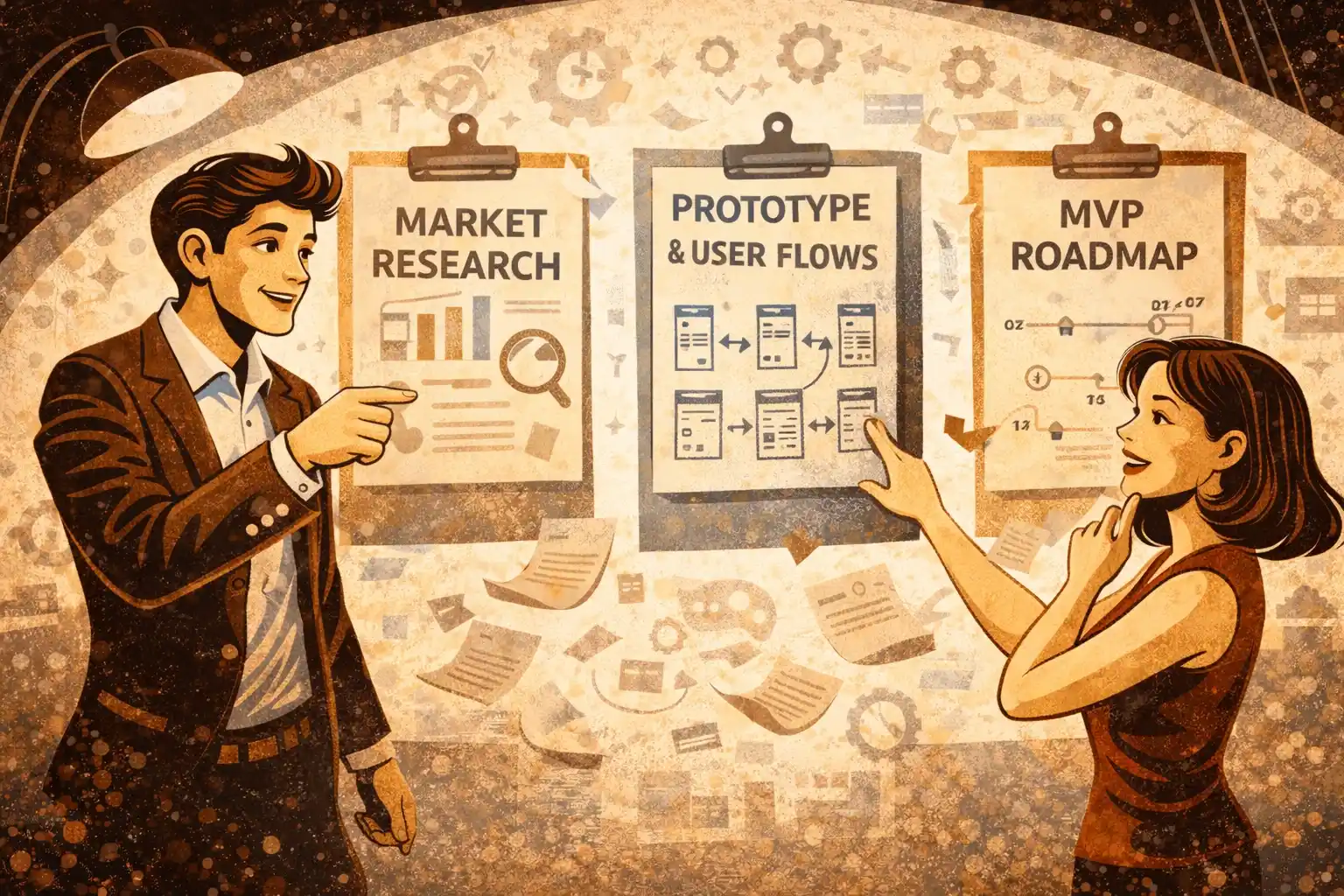
Phase 1 — Discovery: Understanding the Problem Before the Product
Everything begins with clarity.
Discovery answers the questions:
- Who is the user?
- What problem are we solving?
- What does success look like?
- What does the smallest version of the solution look like?
Most founders skip this step — and end up building the wrong thing.
If you need help shaping your idea before building, start with “App Development for Non-Technical Founders: A Step-by-Step Guide” — it gives you a structure for thinking like a product strategist.
Outputs of Discovery:
- Value proposition
- User personas
- Main user flow
- High-level feature list
- Constraints & assumptions
This is the foundation for everything that comes next.
Phase 2 — MVP Scoping: Cutting Down to What Actually Matters
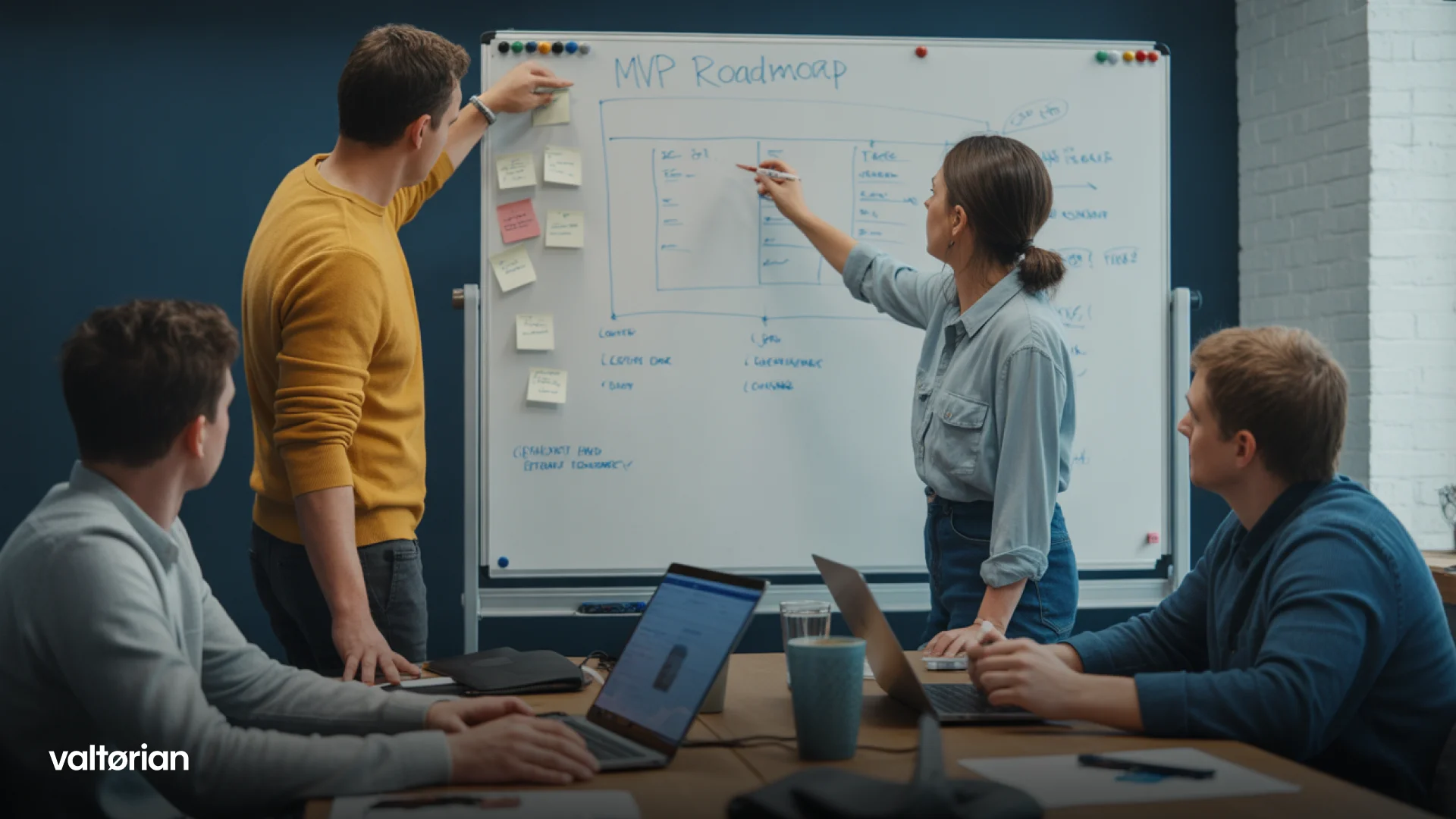
Once you know the problem, you must define the smallest useful version.
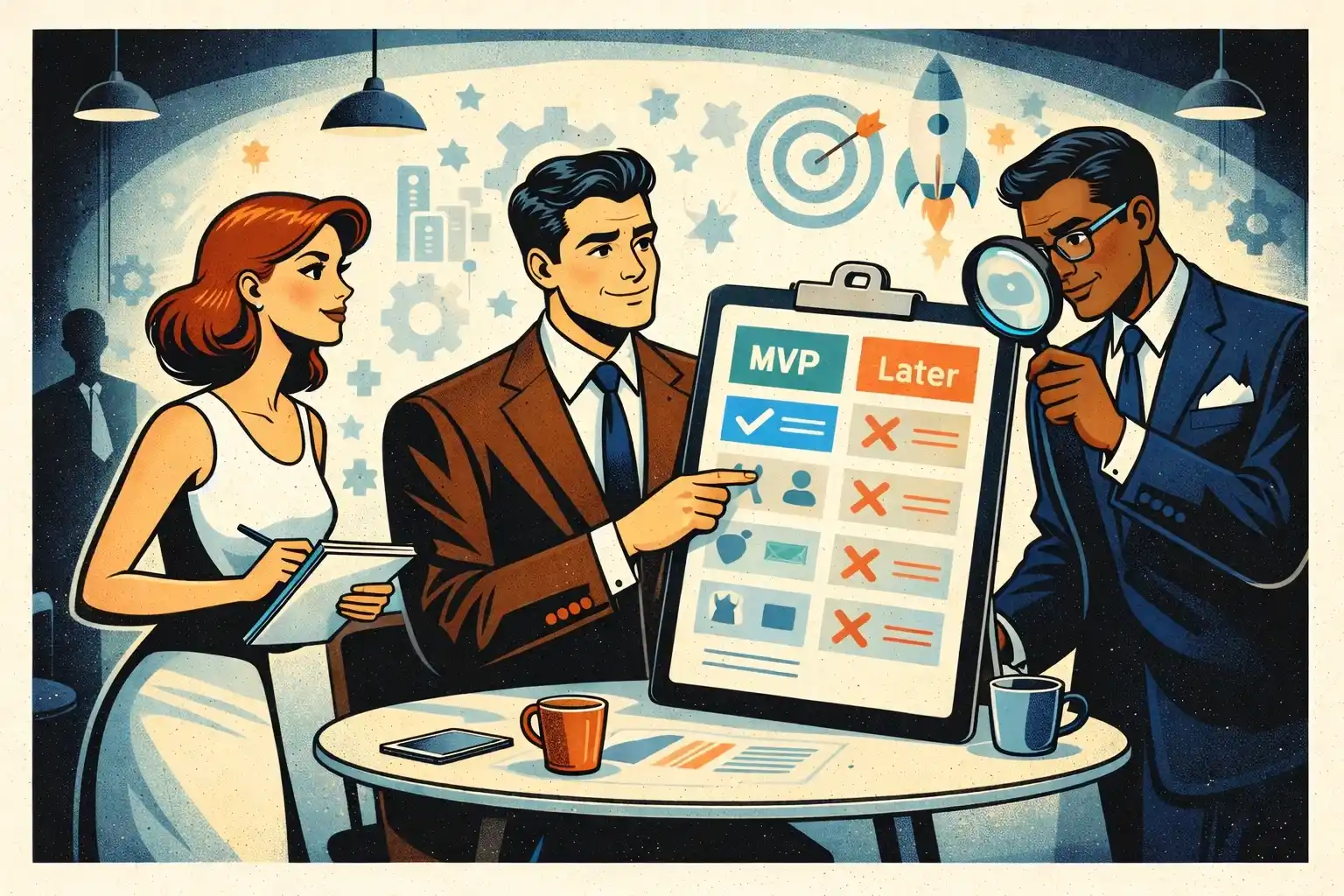
Scoping determines:
- which features belong in v1
- which features belong in later releases
- which features don’t belong at all
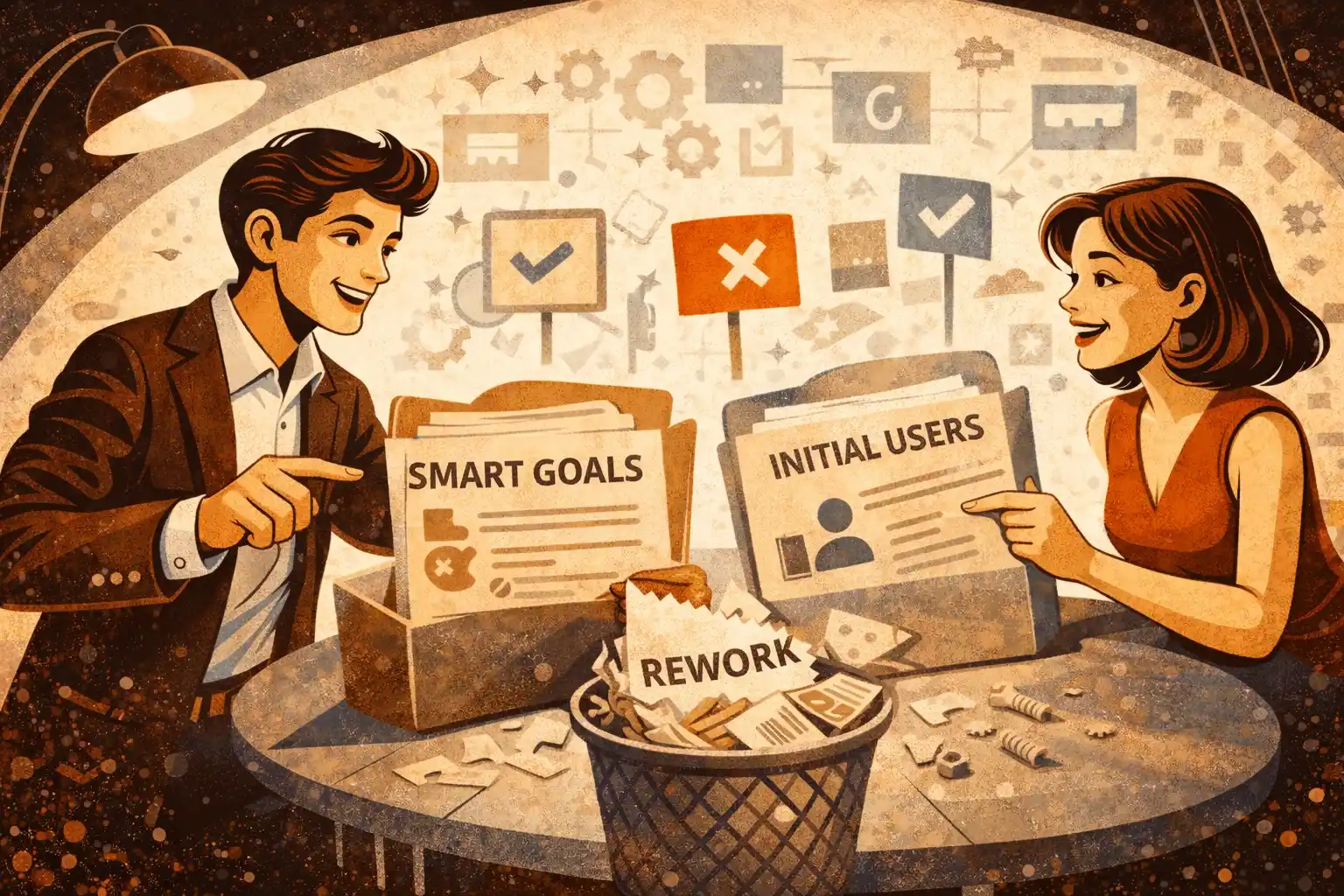
Bad scoping = expensive rework.
Good scoping = clear roadmap + predictable budget.
To understand what a well-scoped MVP includes, read “MVP Development Services for Startups: What’s Actually Included” — it outlines the full structure of a responsible MVP process.
Outputs of Scoping:
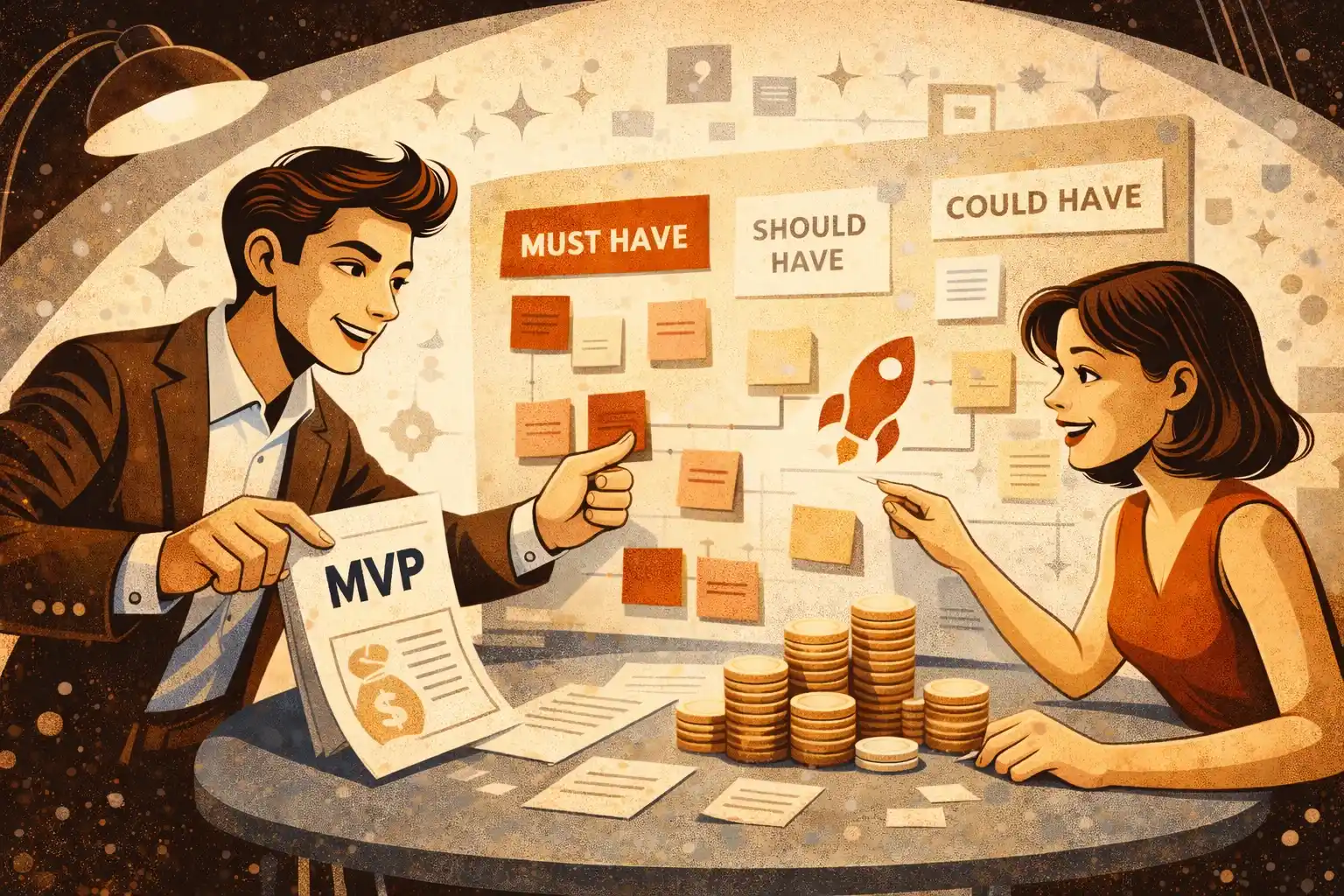
- Feature list with priorities
- Core user journey
- Edge cases to handle
- Finalized MVP outline
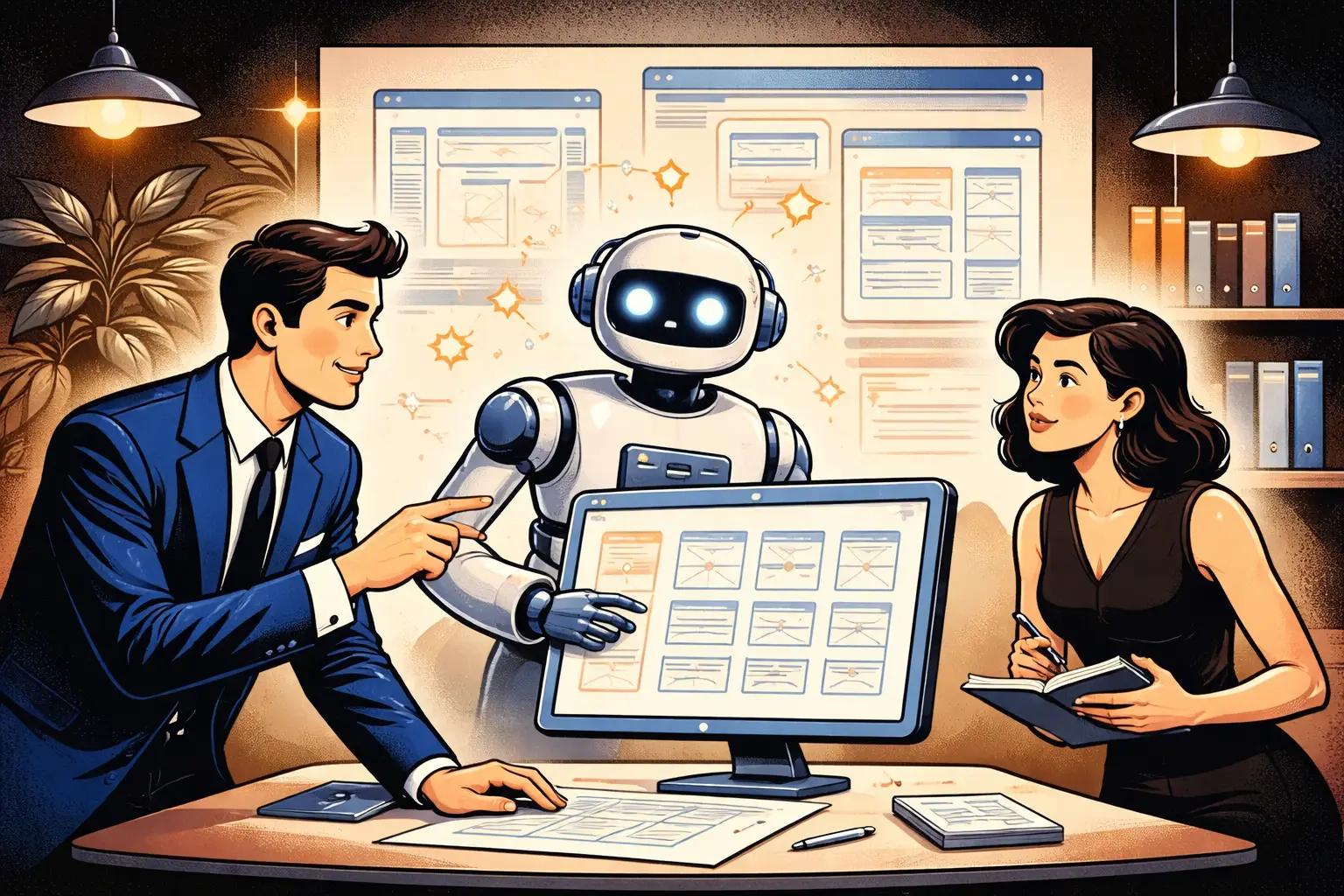
Phase 3 — UX Design: Creating the Logic of Your Product
UX is not about visuals — it’s about structure.
UX answers:
- What steps does the user take?
- How does each screen guide the next?
- Where do users make decisions?
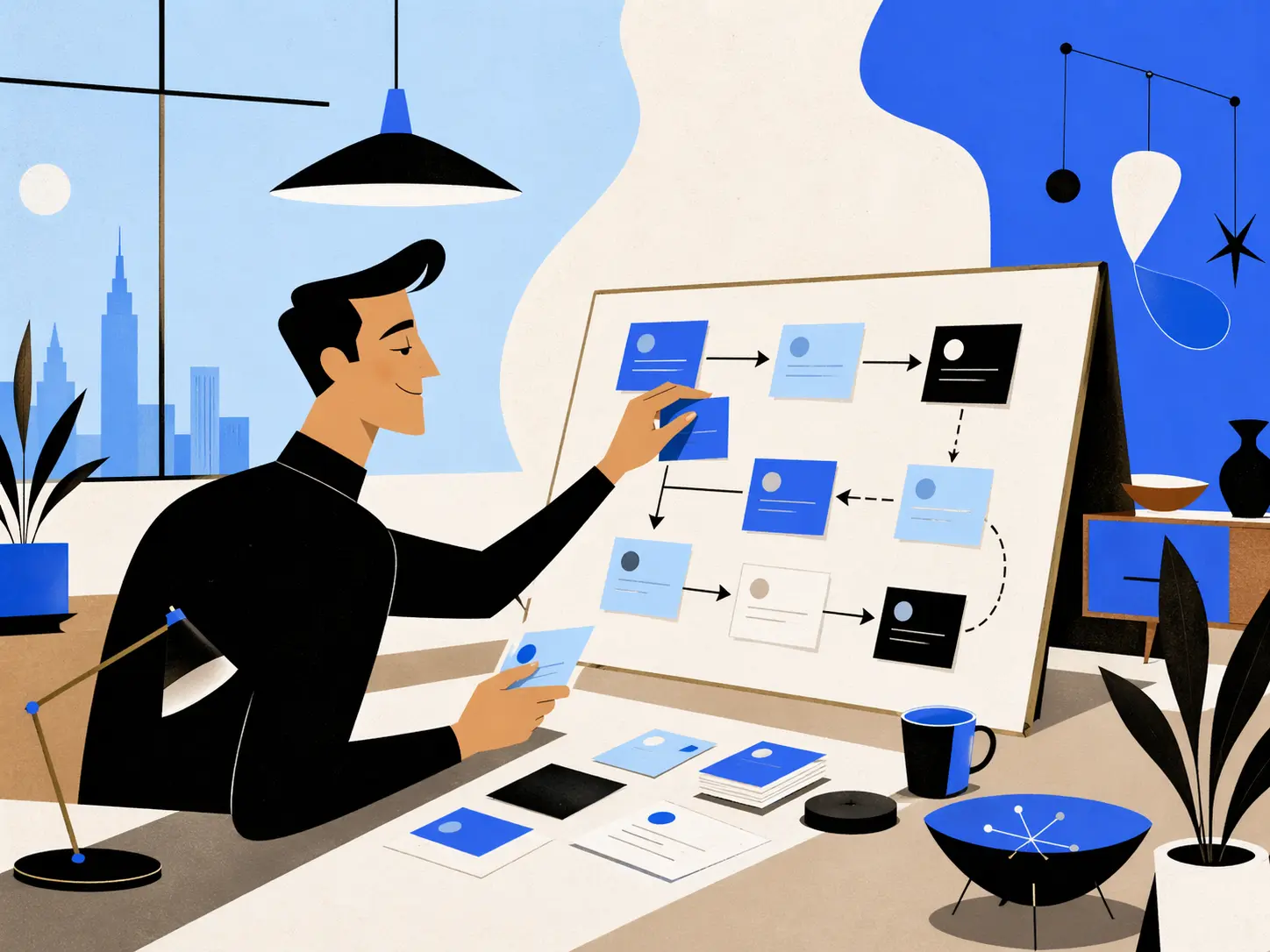
UX design produces:
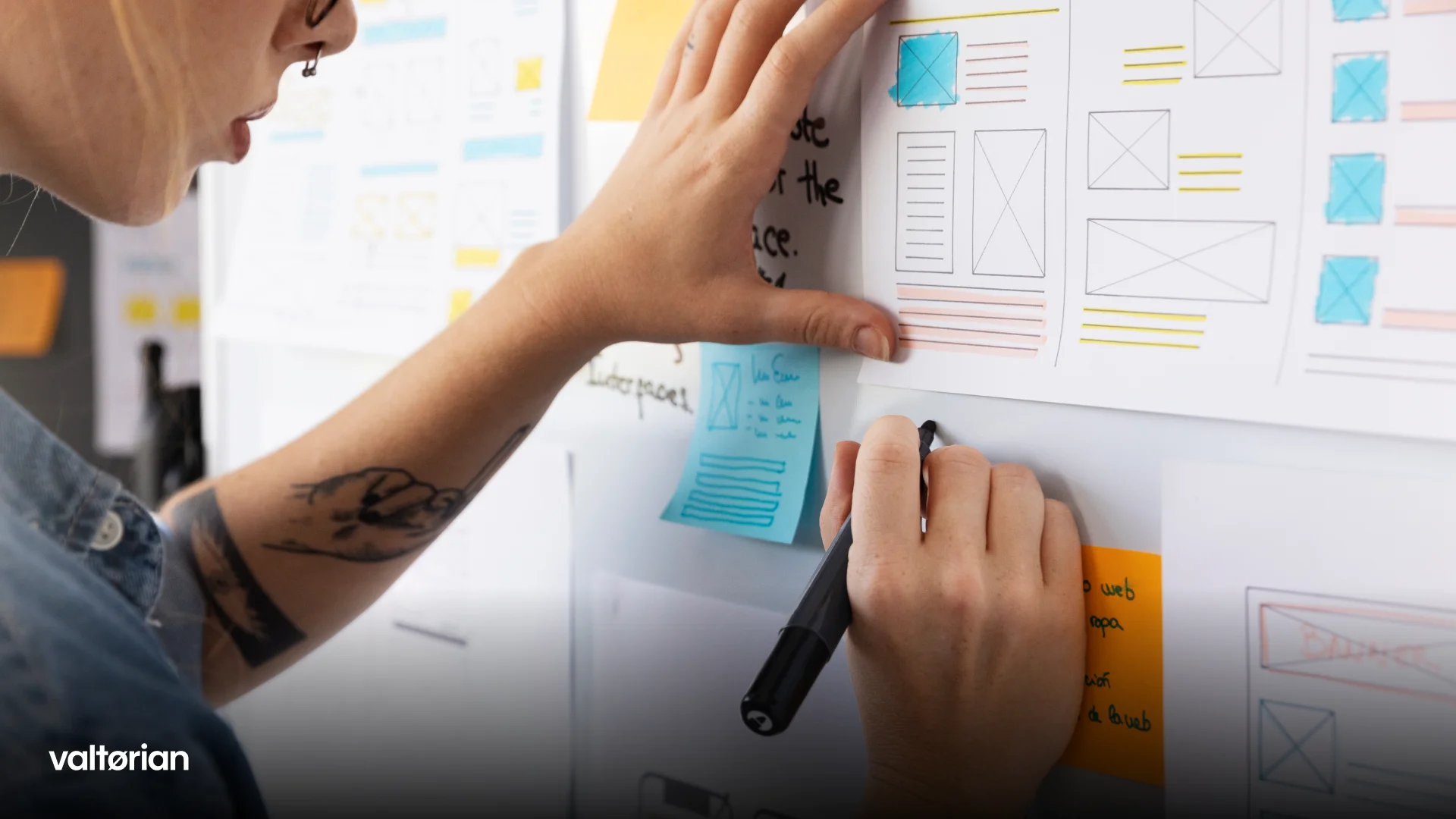
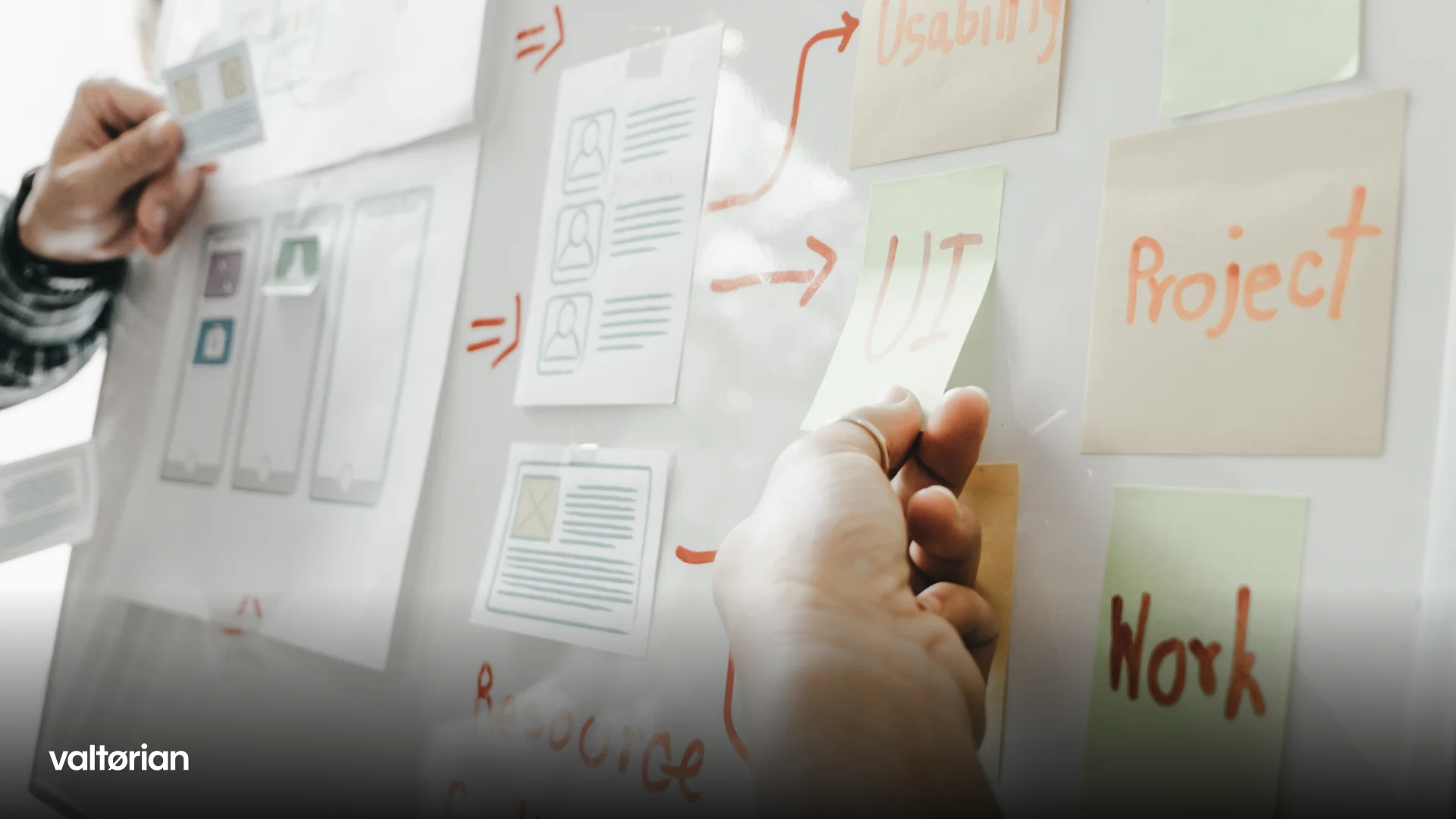
- low-fidelity wireframes
- flowcharts
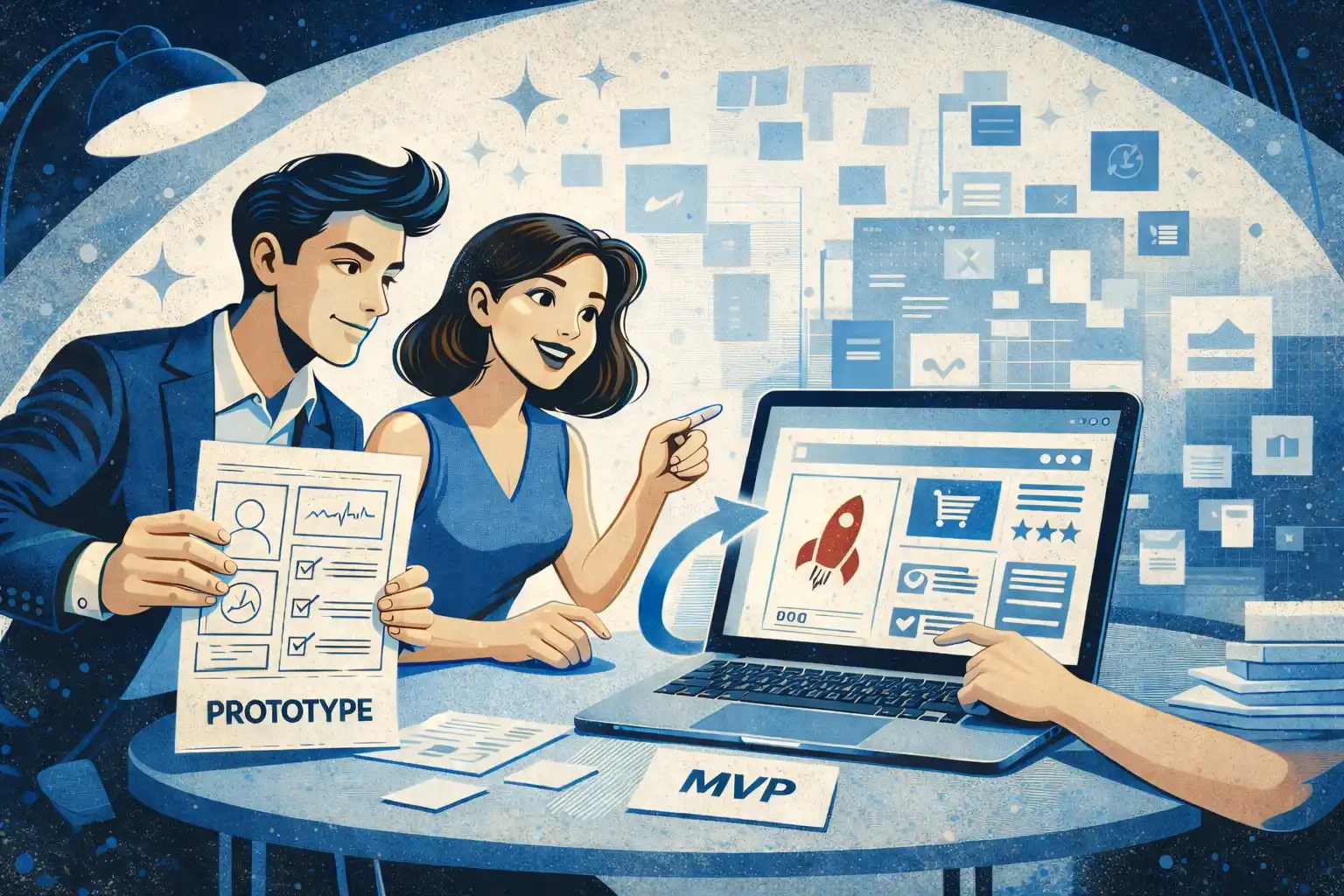
- clickable prototypes
- logical sequencing of screens
Simplifying UX is the most effective way to reduce costs later.
If you're concerned about budget planning, see “MVP Development Cost in 2025: How Much Does It Really Cost?” — it shows how UX impacts timelines and effort.
Phase 4 — UI Design: Making the Product Feel Real
UI design gives your MVP personality and clarity.
UI includes:
- layout
- typography
- branding
- color system
- interaction patterns
- high-fidelity prototype
Good UI reduces user confusion and increases trust — especially important for early-stage apps.
Outputs of UI:
- Full clickable prototype
- Developer-ready design system
- Visual consistency across screens
Phase 5 — Development: Turning Design Into a Working Product
This is where the product becomes functional.
Development includes:
Frontend
- screens
- forms
- navigation
- animations
- states & interactions
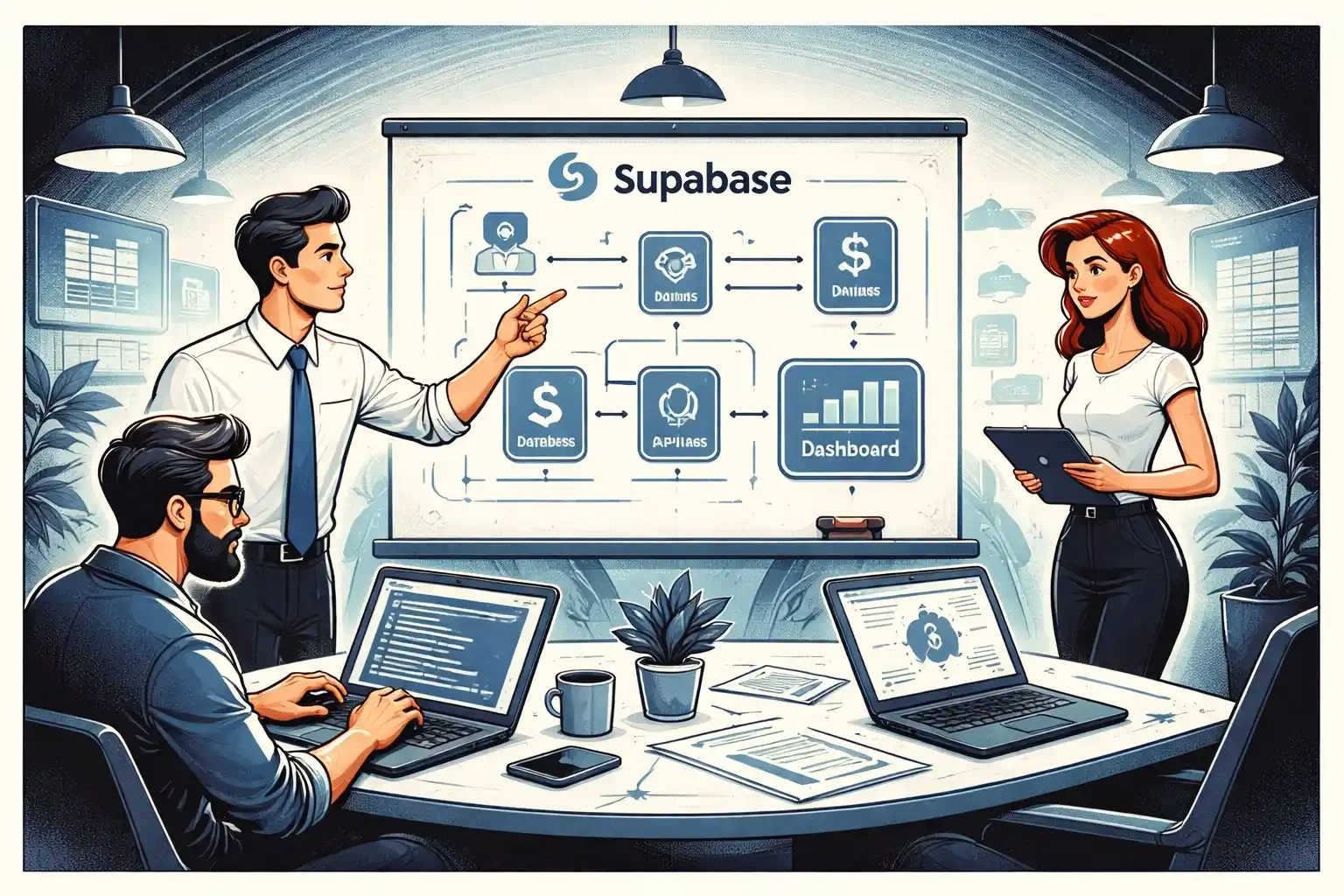
Backend
- database architecture
- API logic
- authentication
- integrations
- notifications
- business logic
Choosing the right stack affects future scalability.
If you're comparing mobile frameworks, “React Native vs Flutter for Startup App Development in 2025” breaks down the trade-offs clearly.
Your goal during development isn’t perfection — it’s functionality + speed + stability.
Phase 6 — QA & Testing: Protecting Your Users and Your Brand
QA ensures the product works across:
- devices
- user roles
- states
- edge cases
It prevents:
- crashes
- broken flows
- confusing UI moments
- inconsistent behavior
You should test:
- manually
- with real users
- with staging environments
Skipping QA is one of the fastest ways to lose early users and credibility.
Phase 7 — Launch: Putting Your MVP Into the World
Launch is not pressing a button — it’s a planned event.
A launch should include:
- staging → production migration
- app store submission or web deployment
- analytics setup
- onboarding review
- messaging preparation
Your MVP is now real.
But this is only the midpoint — not the finish line.
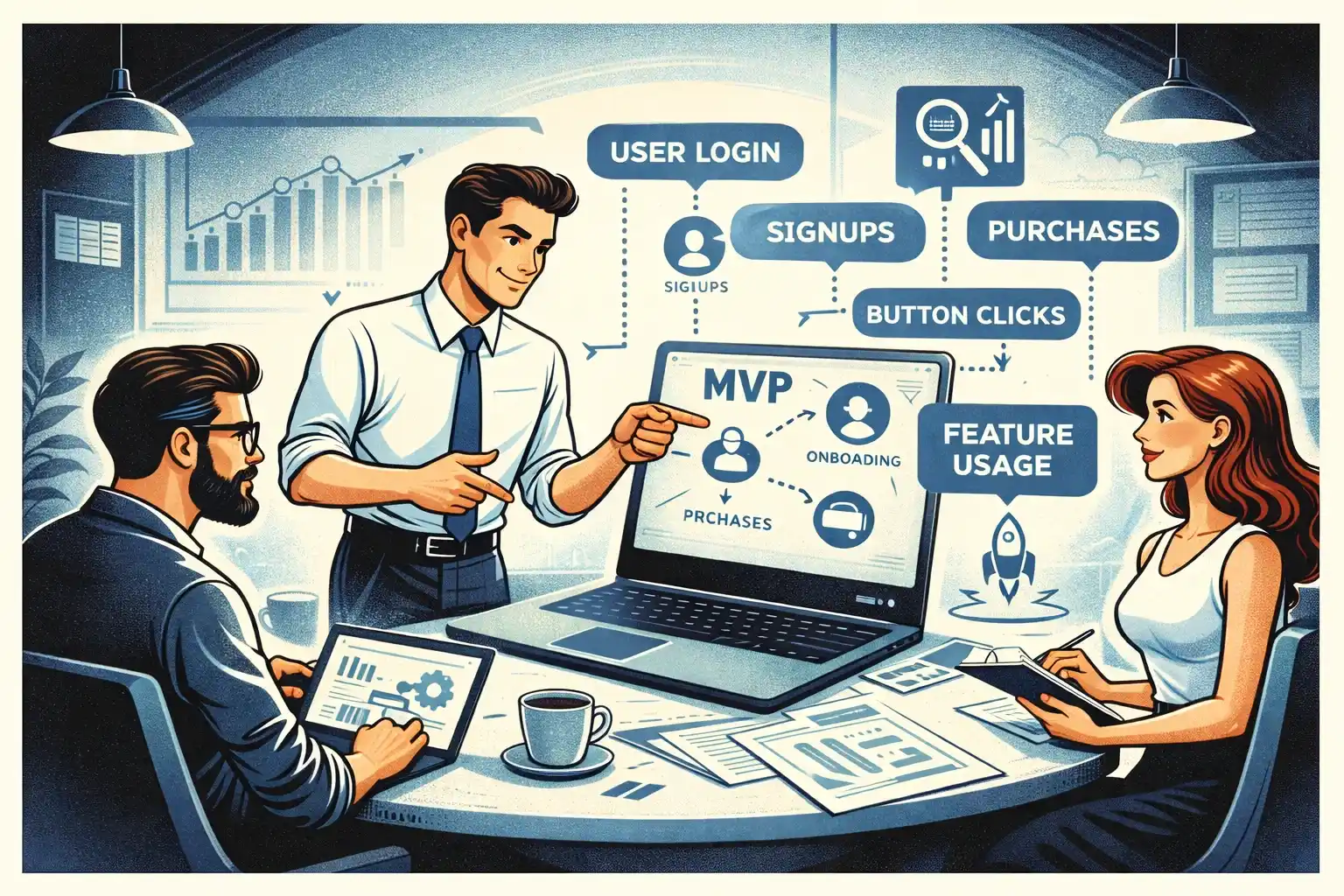
Phase 8 — Post-Launch Validation: Getting Your First Paying Users
A successful launch is not measured by:
- number of screens
- number of features
- lines of code
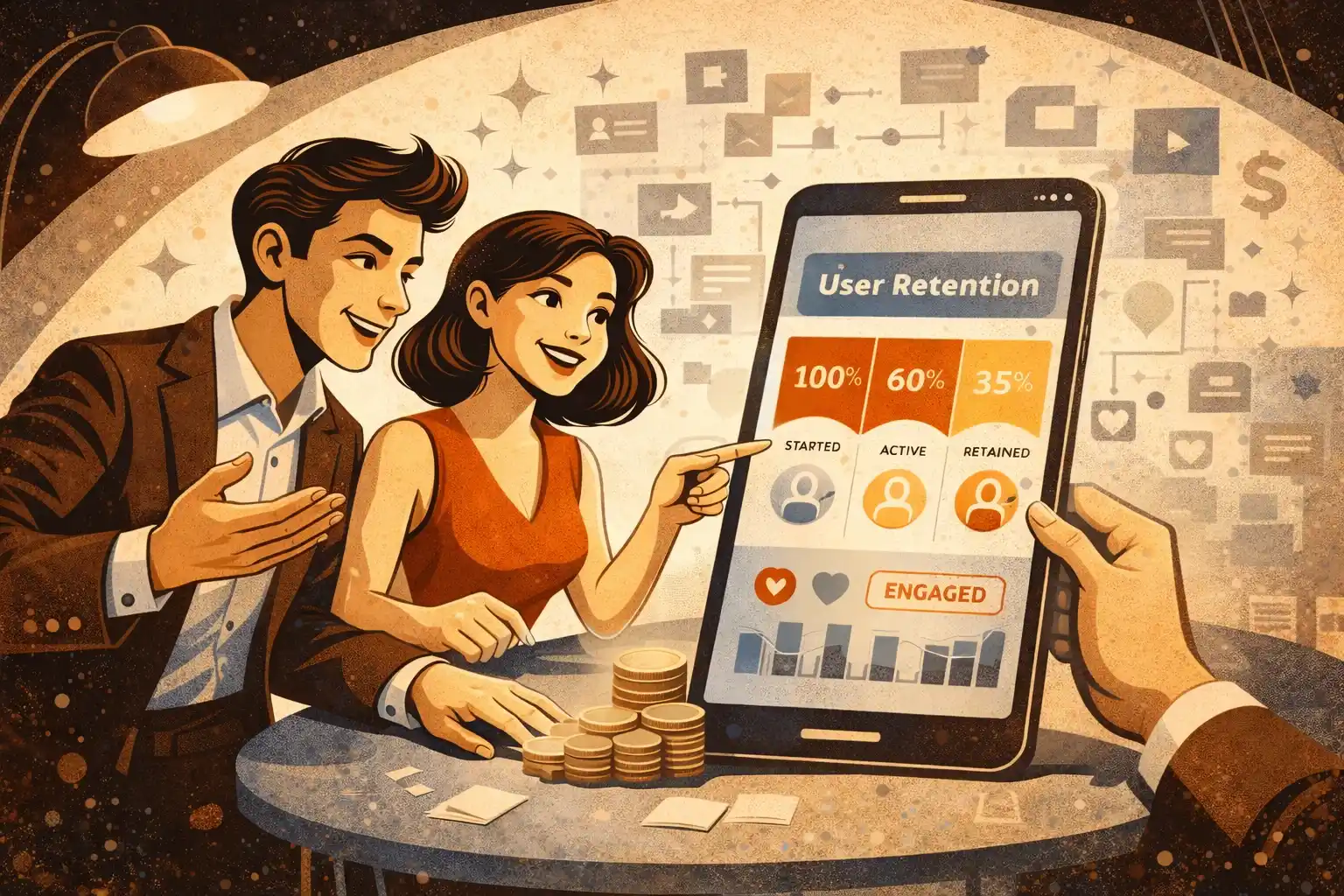
It’s measured by behavior:
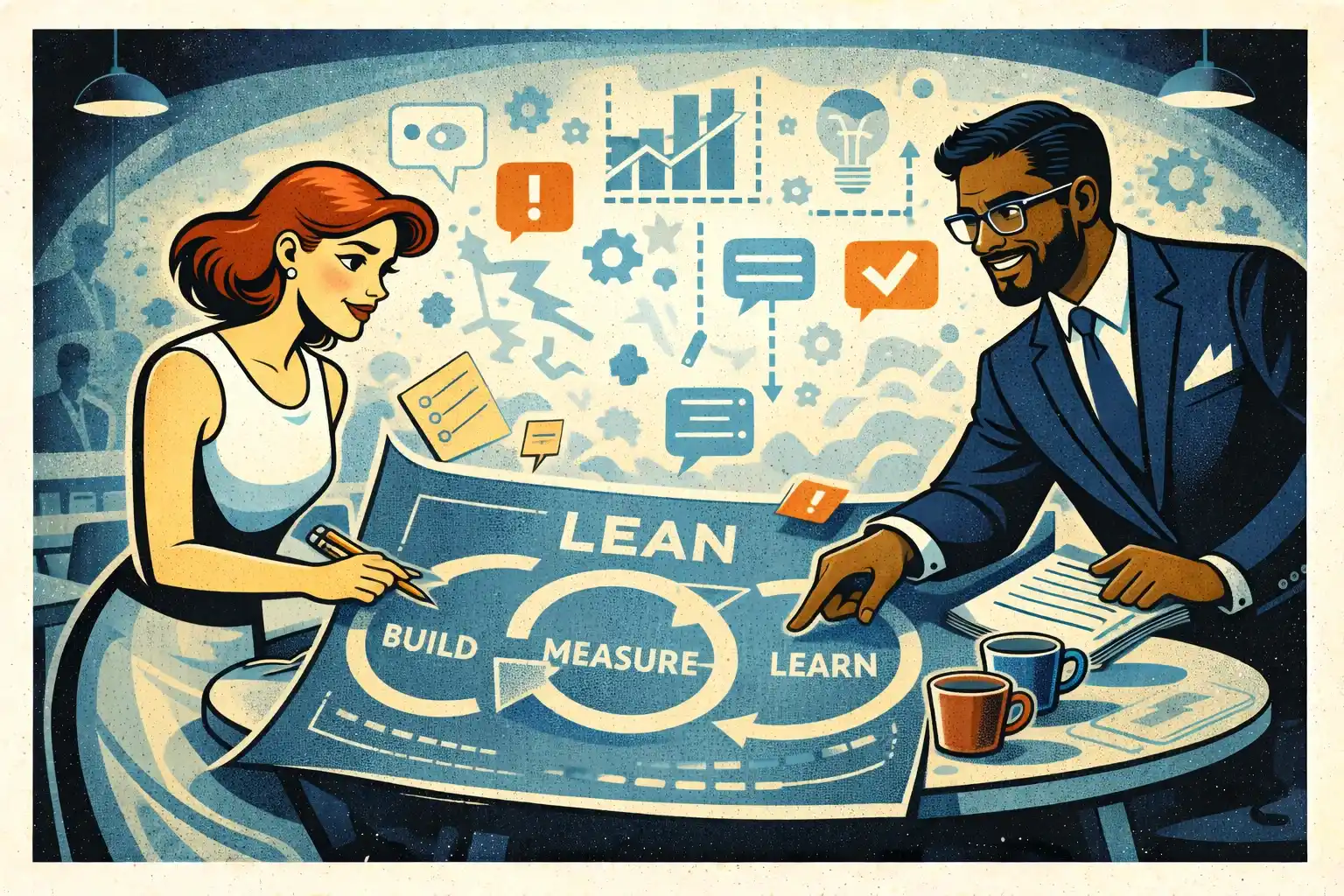
- Do users understand the value?
- Do they complete key actions?
- Do they return?
- Are they willing to pay?
To convert early users into customers, you must:
- observe onboarding friction
- interview real users
- refine messaging
- fix bugs quickly
- improve the core flow
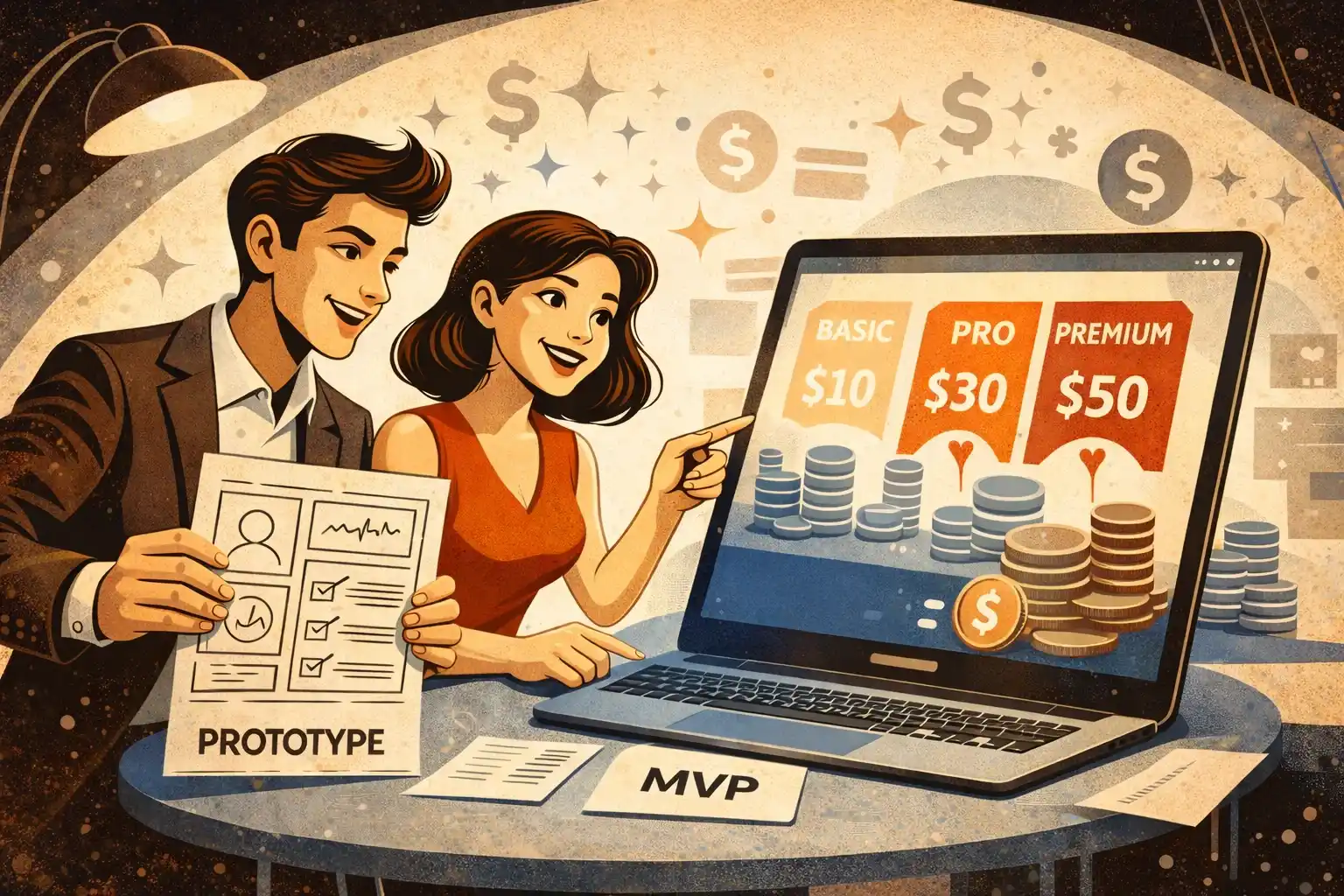
- test pricing early
Many founders assume “build it and they will come.”
But real traction begins only after the MVP is live.
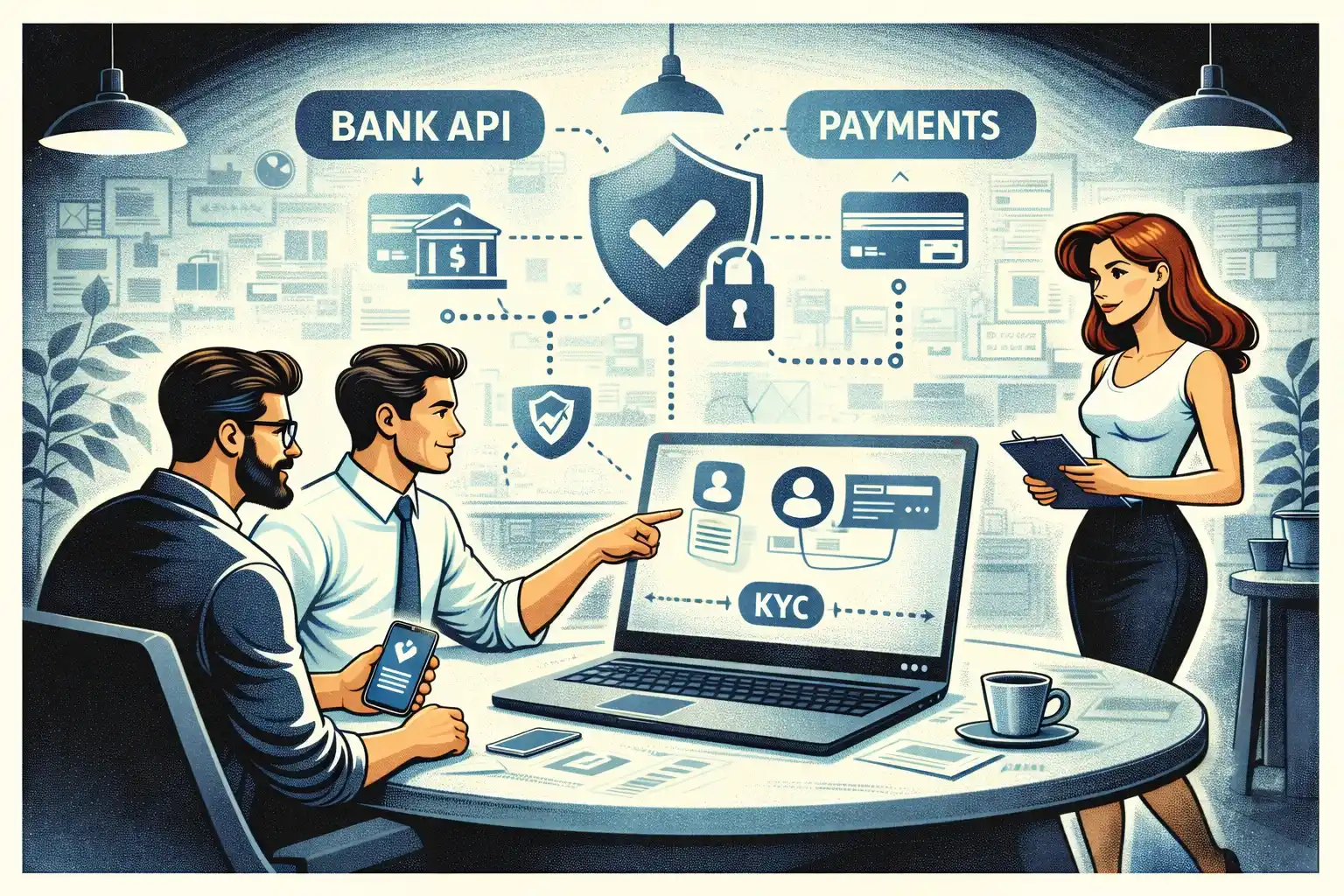
If your product includes regulated data or payment flows, the validation process requires extra care — see “Fintech and Healthcare MVP Development: How Compliance Changes the Plan”.
What full-cycle MVP development actually delivers
By the end of this process, you should have:
A functioning MVP
Clear understanding of your users
Real usage data
Your first paying customers
A roadmap for Version 2
Confidence that the idea has real market potential
Full-cycle development gives founders clarity — not just code.
Want a full-cycle MVP team that guides you from idea to your first paying users?
At Valtorian, you work directly with the founders — a designer and a developer who’ve built 70+ MVPs for non-technical founders. We guide you through every phase: discovery, scoping, design, development, QA, launch, and early traction.
Book a call with Diana
We’ll review your idea and outline the fastest path to your first paying customers.
FAQ — Full-Cycle MVP Development
How long does full-cycle MVP development take?
Typically 4–8 weeks, depending on complexity and team size.
Do I need a technical cofounder for this process?
No. A senior product studio can cover this role temporarily.
What matters more: design or development?
Neither — clarity of scope matters most. Good design reduces dev time, and good development ensures stability.
Should I market before or after launch?
Both. Start soft validation early, then push harder once the MVP is live.
How soon can I expect paying users?
Some founders convert early testers within days — others need several iterations. It depends on the problem and audience.
Can I skip discovery to save money?
Skipping discovery always costs more later. It’s the base of the entire product.
What happens after MVP?
You refine based on data, iterate quickly, and scale features once you see consistent demand.






















.webp)




.webp)