.webp)
Prototype vs MVP in 2026: When to Start Building
Founders often lose months by building the wrong thing at the wrong time: they ship an MVP when they still need a prototype, or they polish a prototype when they should already be in the market. In 2026, you can move faster than ever — but only if you pick the right “version” for the risk you’re trying to remove. This article explains prototypes vs MVPs in plain language, gives a simple decision checklist, and shows when to transition from testing to building.
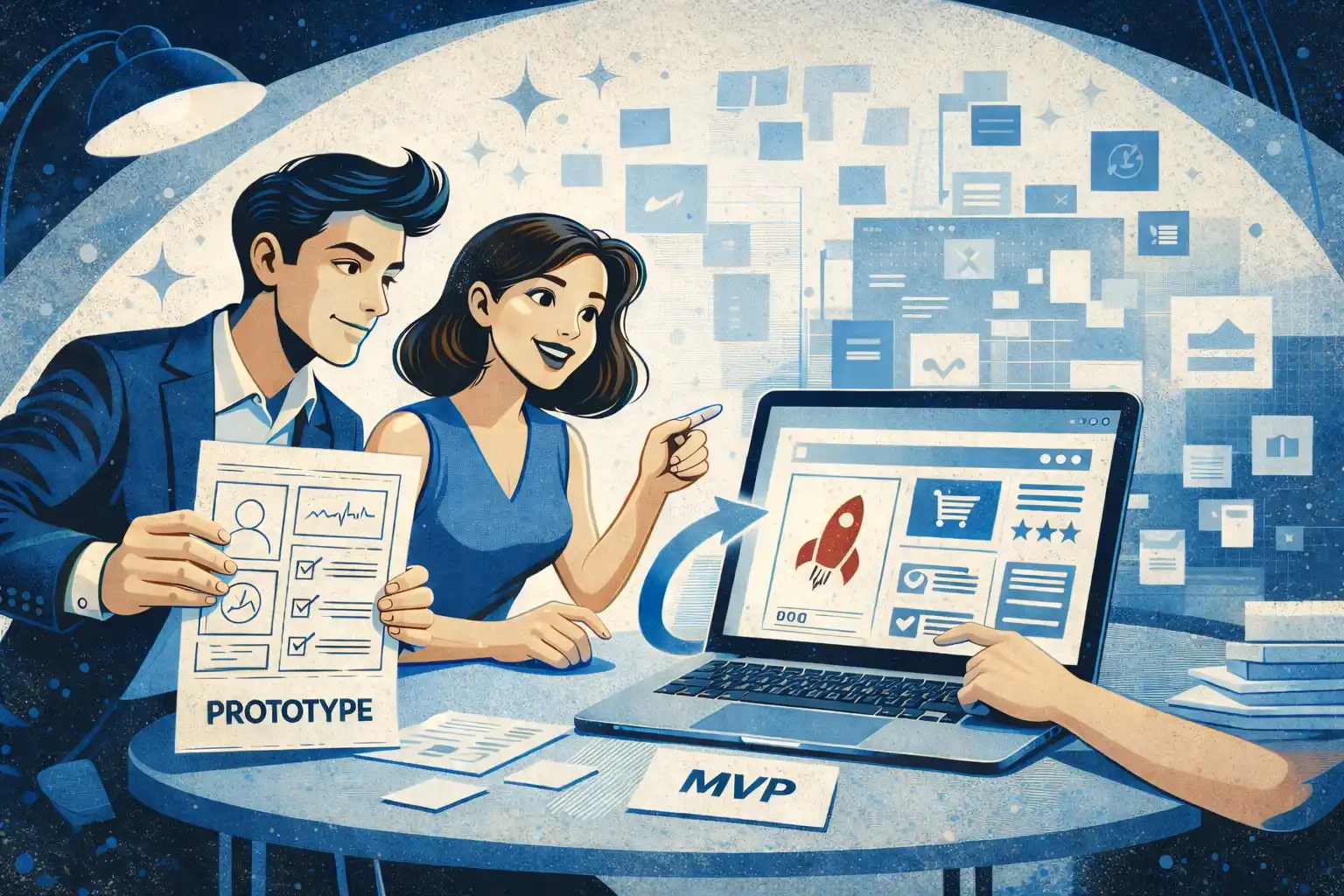
TL;DR: A prototype is for learning and clarity; an MVP is for real usage and real signals.Start building an MVP when you have a clear user, a clear first-value workflow, and a realistic plan to reach people — otherwise prototype first.
Prototype vs MVP: the simplest definitions
Let’s keep it founder-simple.
A prototype is a learning tool
A prototype helps you test assumptions without building the full product.
Common forms:
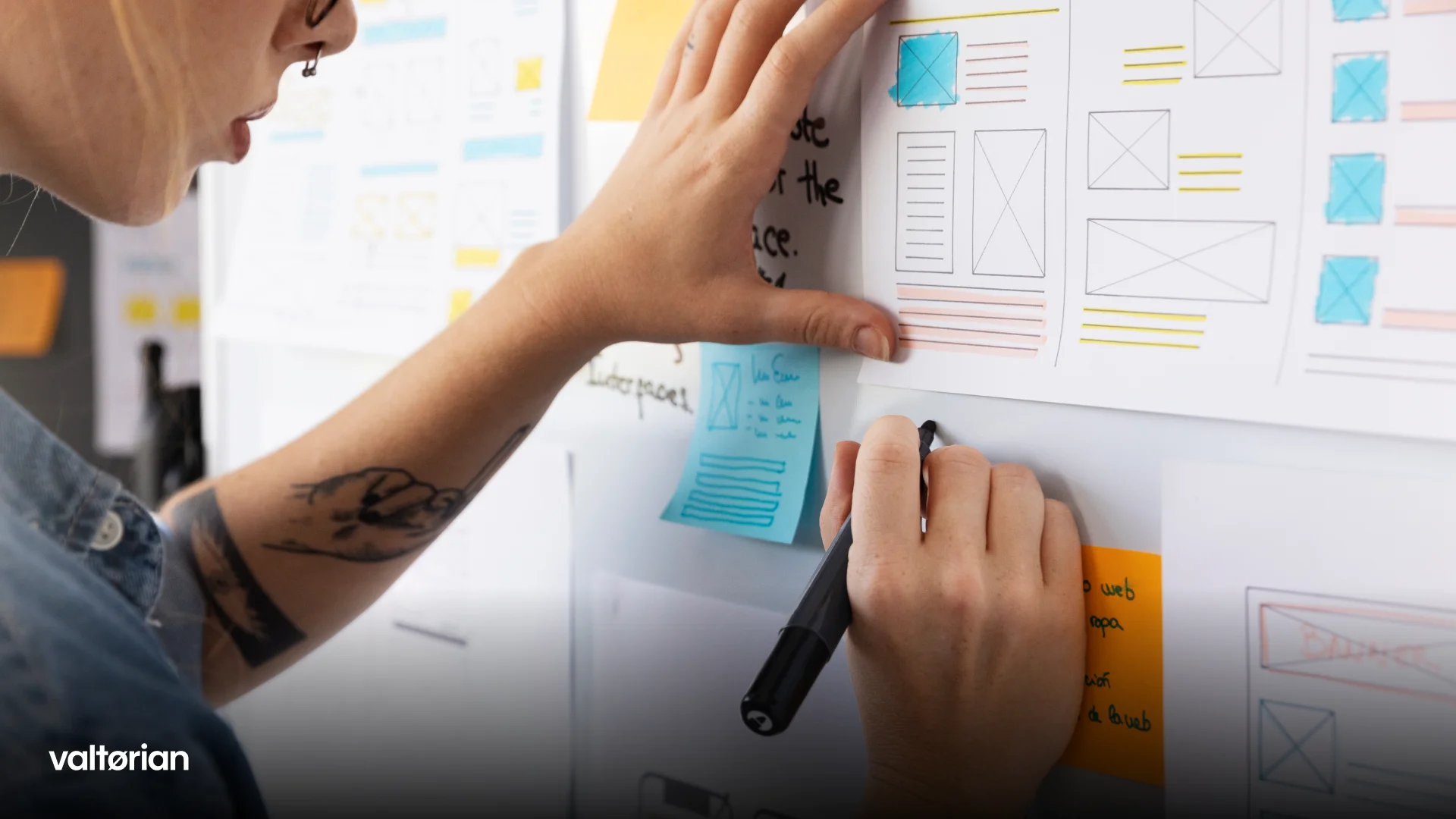
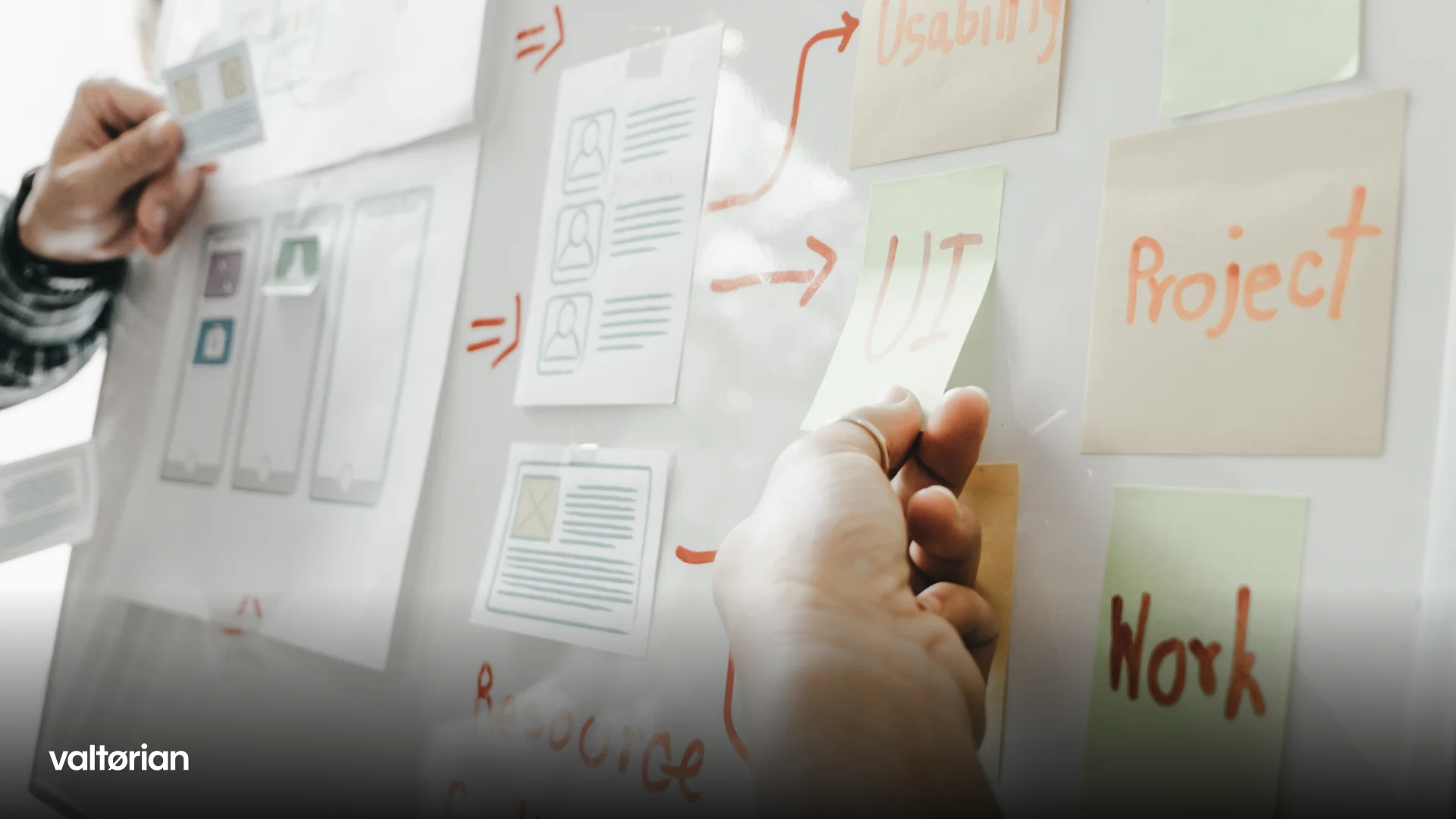
- clickable screens (Figma or similar)
- a “fake door” feature (button that measures interest)
- a concierge version (you deliver the outcome manually)
- a demo that shows the concept, not production behavior
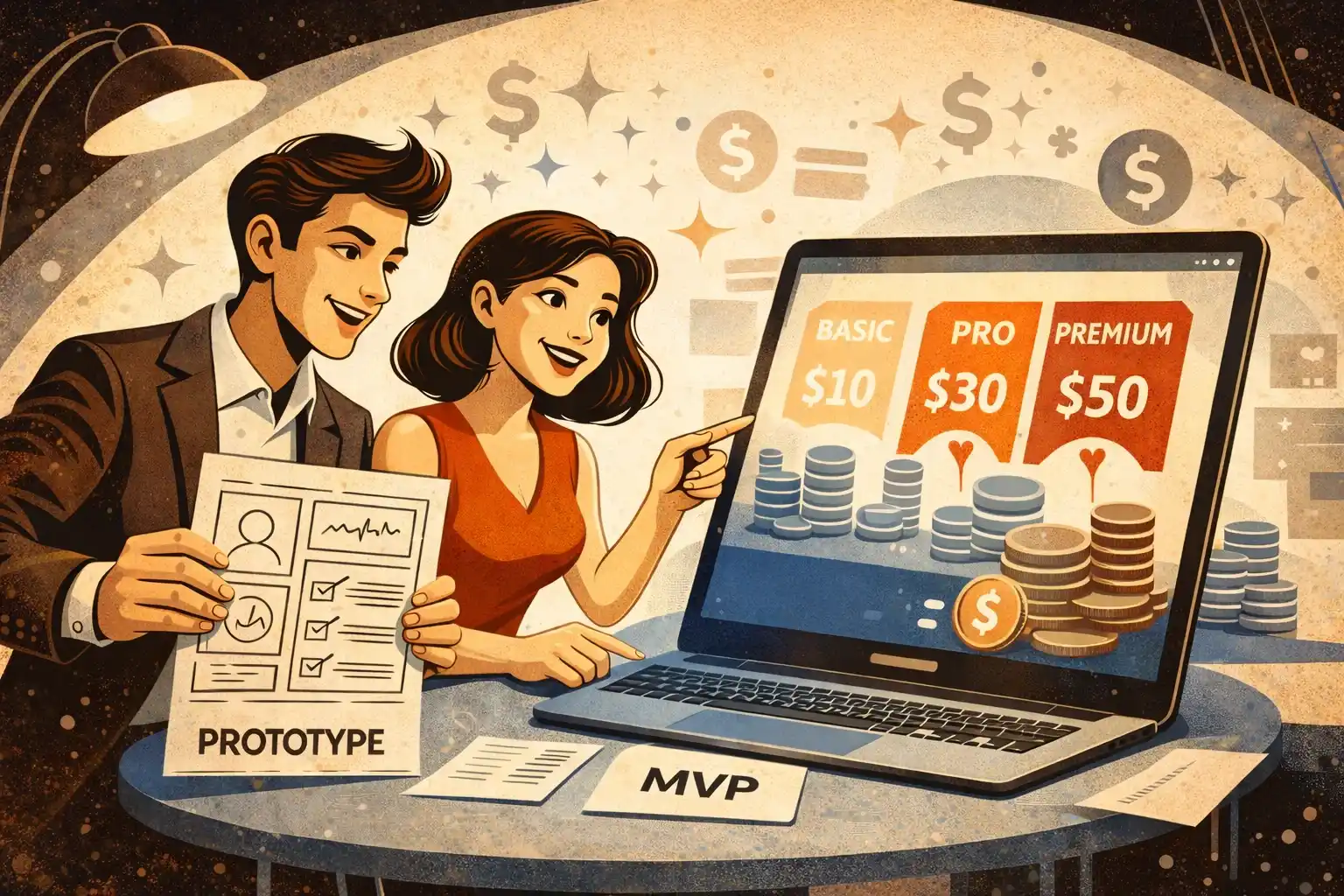
An MVP is a real product loop
An MVP is the smallest version that creates value for real users in the real world.
It usually includes:
- a working core workflow end-to-end
- basic reliability and analytics
- a way to reach users (even if it’s manual outreach)
If you want a practical definition of “smallest useful,” start with What a Good MVP Looks Like in 2026.
The real question: what risk are you trying to remove?
Prototype and MVP are not stages you must “graduate” through.They’re tools for different risks.
Prototype removes risks like:
- “Do users understand this?”
- “Is the workflow intuitive?”
- “Is the value proposition clear?”
MVP removes risks like:
- “Will people actually use it on Tuesday?”
- “Will they come back?”
- “Will they pay, refer, or commit?”
If your biggest risk is demand, you need real behavior — not opinions.
When a prototype is the right move
Choose prototype-first if at least one of these is true:
1) You can’t describe your user and outcome in one sentence
If the audience is “everyone” or the outcome is vague, building software will just hide uncertainty.
2) Your core workflow is still fuzzy
If you’re debating what the first screen should be, you’re not ready to build production.
3) You need usability proof, not engineering
If you suspect people won’t understand the flow, prototype tests will save you months.
4) Your product needs trust before it needs features
For sensitive domains (health, finance, compliance), a prototype can help you validate messaging and process before you store data or integrate systems.
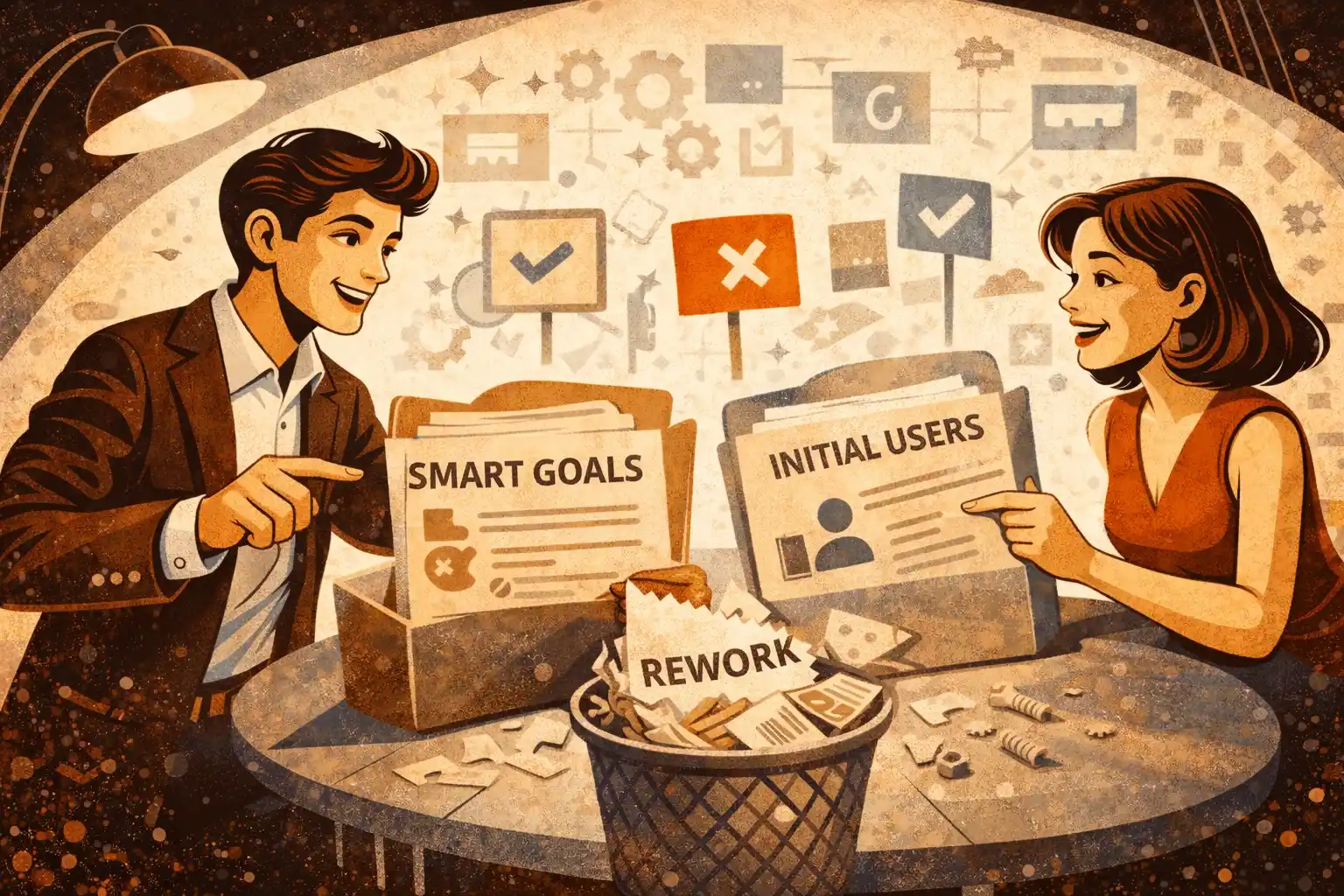
5) You haven’t set pass/fail criteria yet
If you don’t know what success looks like, you’ll ship and still feel unsure.
A good prototype plan is usually a small set of experiments. See Validate a Startup Idea Before Development: 5 Experiments That Work.
When you should start building an MVP
Start building the MVP if most of the statements below are true.
1) You know your “first value” moment
You can say: “A user gets value when they do X and see Y.”
2) You can acquire users in a specific channel
Not “marketing later.” A real channel you can use now:
- outbound for B2B
- communities
- content + waitlist
- partnerships
- app store for consumer (if you’re ready)
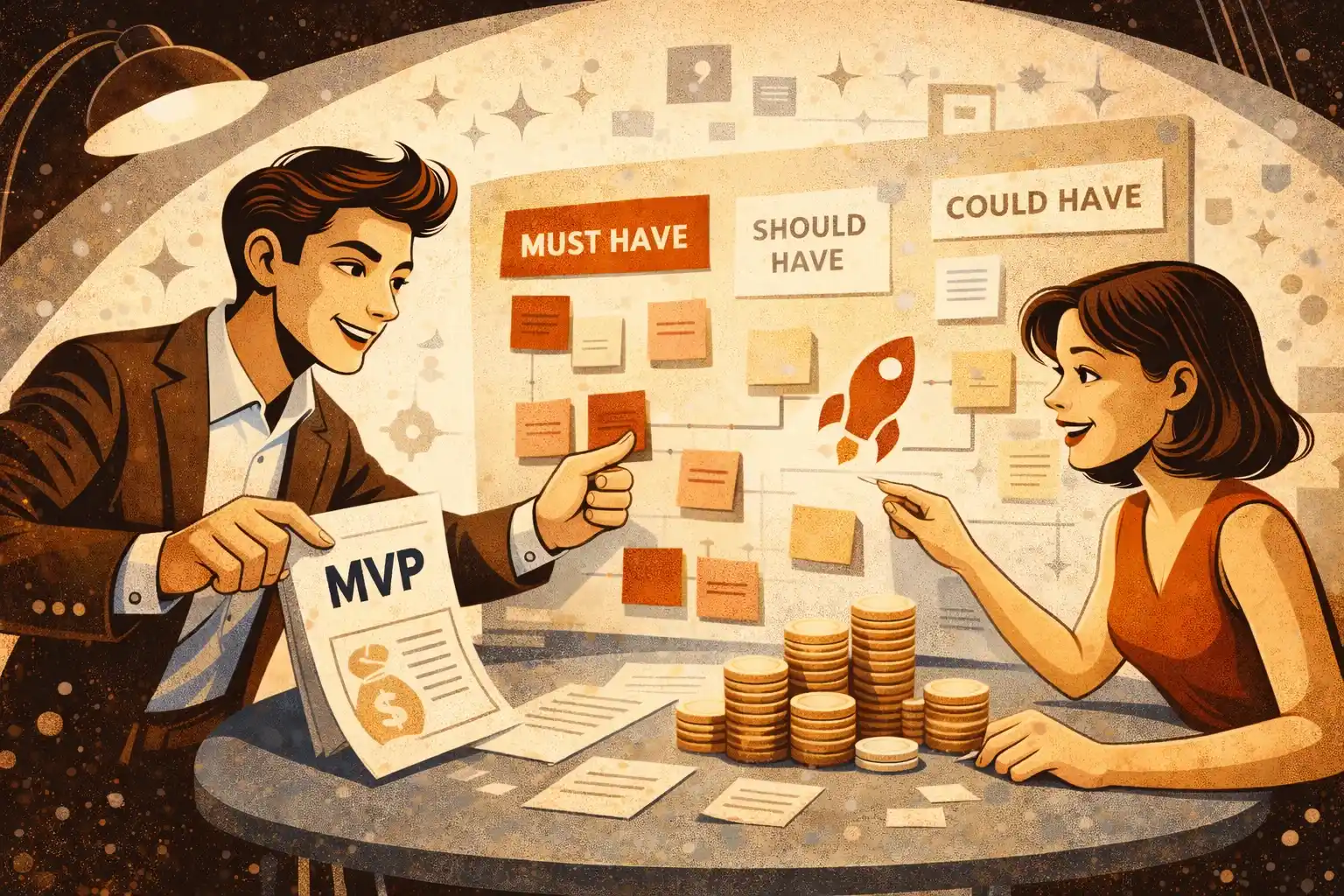
3) Your scope can fit into one release without becoming a ‘mini enterprise’
If your MVP needs 12 roles, 30 settings screens, and 5 integrations, it’s not an MVP — it’s a full product.
If scope keeps exploding, use MVP Scope and Focus in 2026 as a reset.
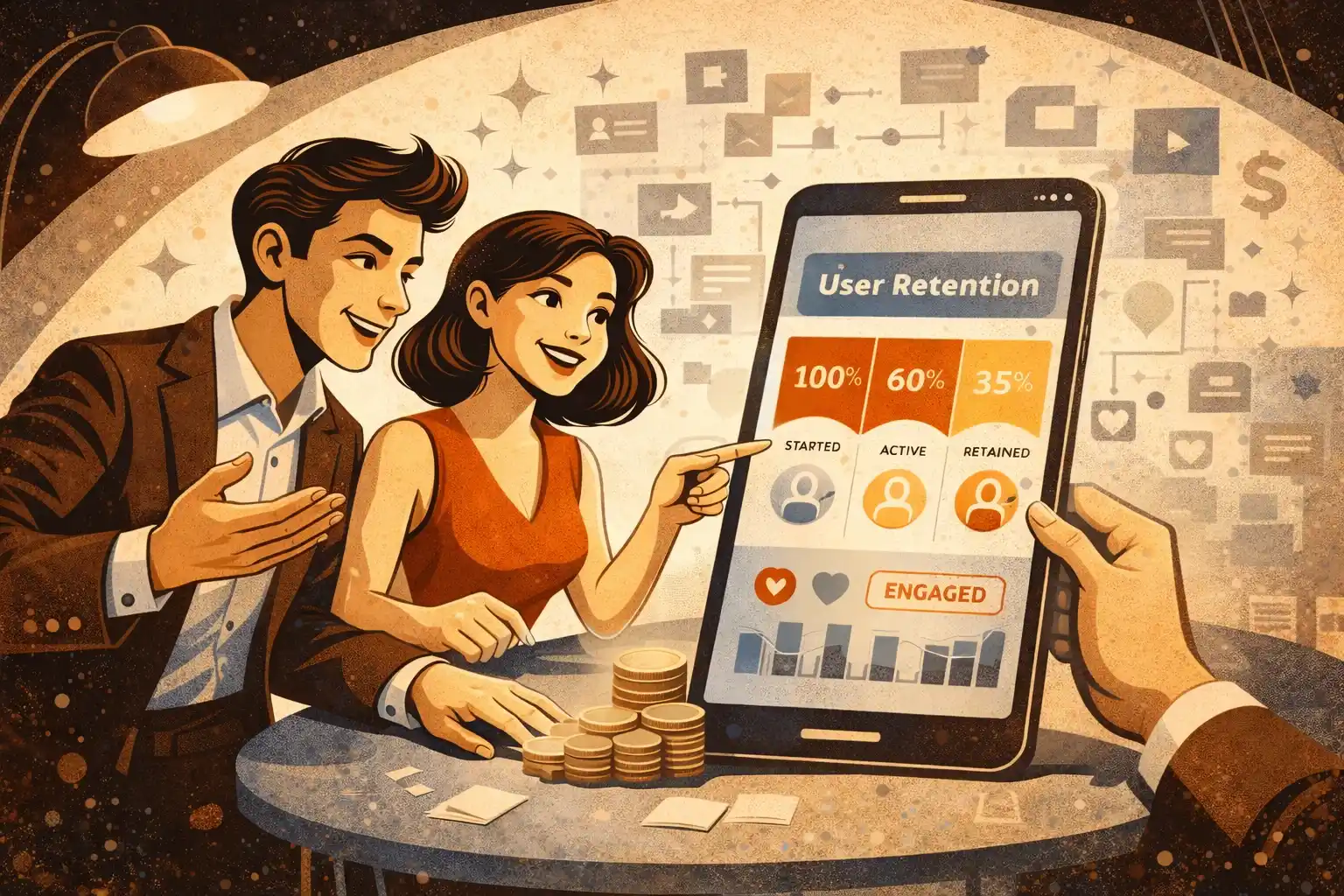
4) You can measure activation and retention
If you can’t define your activation event, you can’t learn from the release.
A simple starting point is:
- onboarding completion (only as a sanity check)
- first meaningful action (activation)
- second meaningful action (early retention)
If you need a no-overkill approach to metrics, read Your First Product Metrics Dashboard: What Early-Stage Investors Want to See.
5) You’re okay shipping something “useful, not perfect”
MVPs win by learning fast, not by looking polished.
The most common trap: a prototype that turns into an MVP by accident
This is how it happens:
- you build a prototype
- users like the idea
- you keep adding “just one more thing”
- the prototype becomes a fragile product without analytics, stability, or a clear core loop
If this sounds familiar, pause and define the smallest real loop.That’s your MVP.
A simple decision framework you can use today
Ask yourself these five questions:
Is the problem urgent and repeated?
If not, prototype-first (or reframe the problem).
Do you have a specific user and job-to-be-done?
If not, prototype-first.
Can you describe the first value moment clearly?
If not, prototype-first.
Do you have a realistic path to reach the first users?
If not, prototype-first.
Do you know what you’ll measure in the first 7–30 days?
If yes, MVP is usually the right next step.
If you want a deeper validation order (what to validate first so you don’t waste build time), use MVP Testing in 2026: What to Validate First.
What to build first once you decide “MVP”
A good MVP build plan is boring—in the best way.
Build the core loop
- one primary user
- one primary workflow
- one success outcome
Add what prevents false negatives
These are the minimum pieces that keep you from misreading results:
- basic onboarding
- error states and empty states
- basic analytics
- simple support channel (even email)
Delay everything that doesn’t change the first win
- advanced personalization
- admin dashboards (unless the product is admin-first)
- complex roles and permissions
- multiple integrations
If you’re unsure what “services” should exist around this process, see MVP Development Services for Startups: What’s Actually Included.
Thinking about building a startup MVP in 2026?
At Valtorian, we help founders design and launch modern web and mobile apps — including AI-powered workflows — with a focus on real user behavior, not demo-only prototypes.
Book a call with Diana
Let’s talk about your idea, scope, and fastest path to a usable MVP.
FAQ
Can I skip prototyping and go straight to an MVP?
Yes — if your user, workflow, and “first value” moment are already clear and you have a channel to reach early users.
Is a clickable Figma demo an MVP?
No. It’s a prototype. It can validate understanding and interest, but it won’t validate real usage, retention, or willingness to pay.
What’s the biggest sign I’m building an MVP too early?
You can’t define activation, your scope keeps changing, and you don’t have a clear plan to reach users.
What’s the biggest sign I’m stuck in prototype mode too long?
You keep polishing screens, collecting opinions, but you never test real behavior with a working end-to-end loop.
How do I avoid overbuilding the MVP?
Write one core loop, set pass/fail criteria, and postpone anything that doesn’t change the first win.
Do investors prefer an MVP or a prototype in 2026?
They prefer credible signals. A prototype can work early, but real usage and clear activation metrics are stronger once you can launch.

























.webp)




.webp)