.webp)
Scalability Planning for Startups in 2026
Scalability in 2026 is less about handling millions of users and more about knowing when and how to grow without breaking your product or budget. Many startups fail not because they can’t scale, but because they plan for scale at the wrong time. This article explains how founders should approach scalability pragmatically — without overengineering or slowing down early learning.

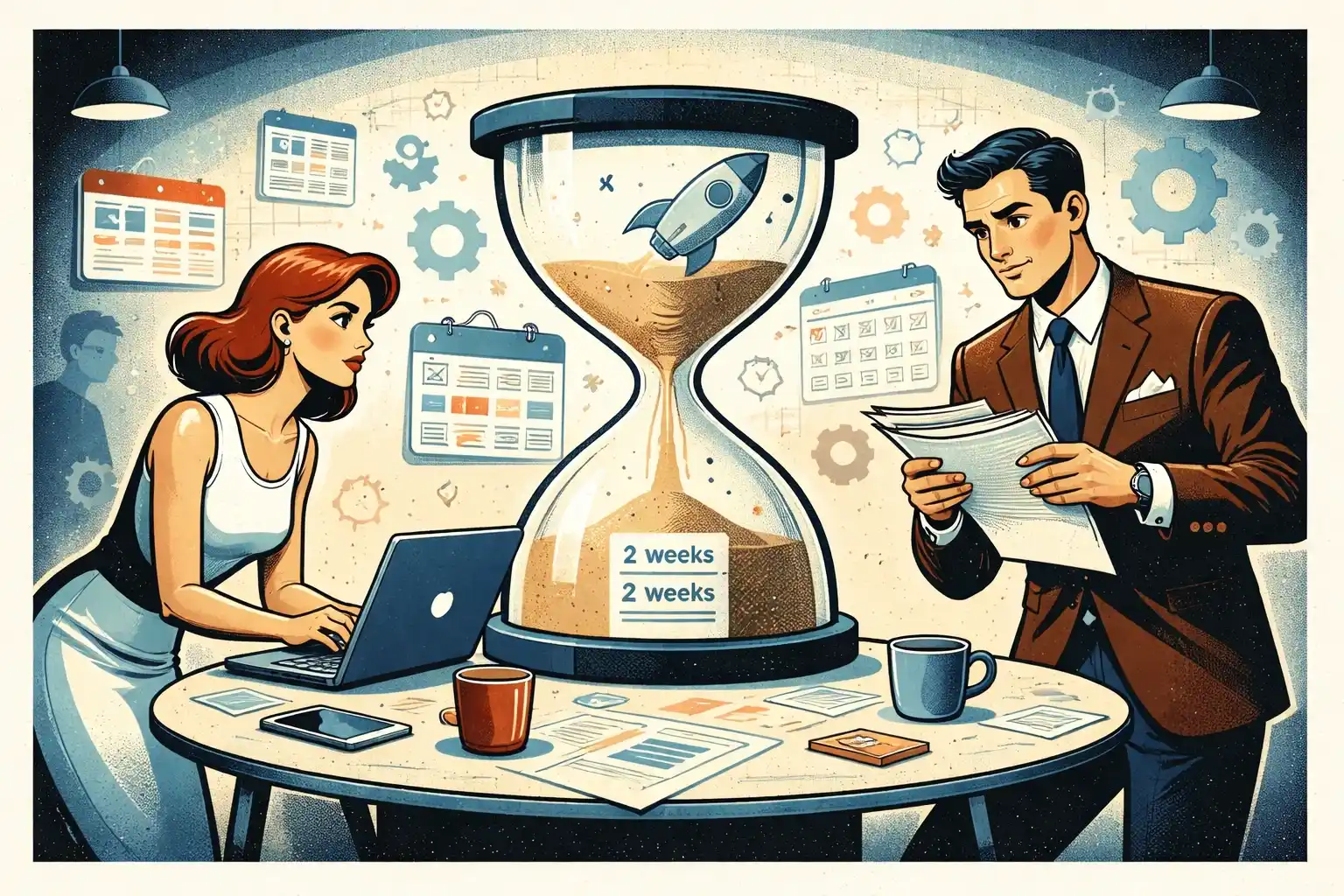
TL;DR: Most startups don’t fail because they can’t scale — they fail because they scale too early.In 2026, smart scalability planning is about timing, not infrastructure.
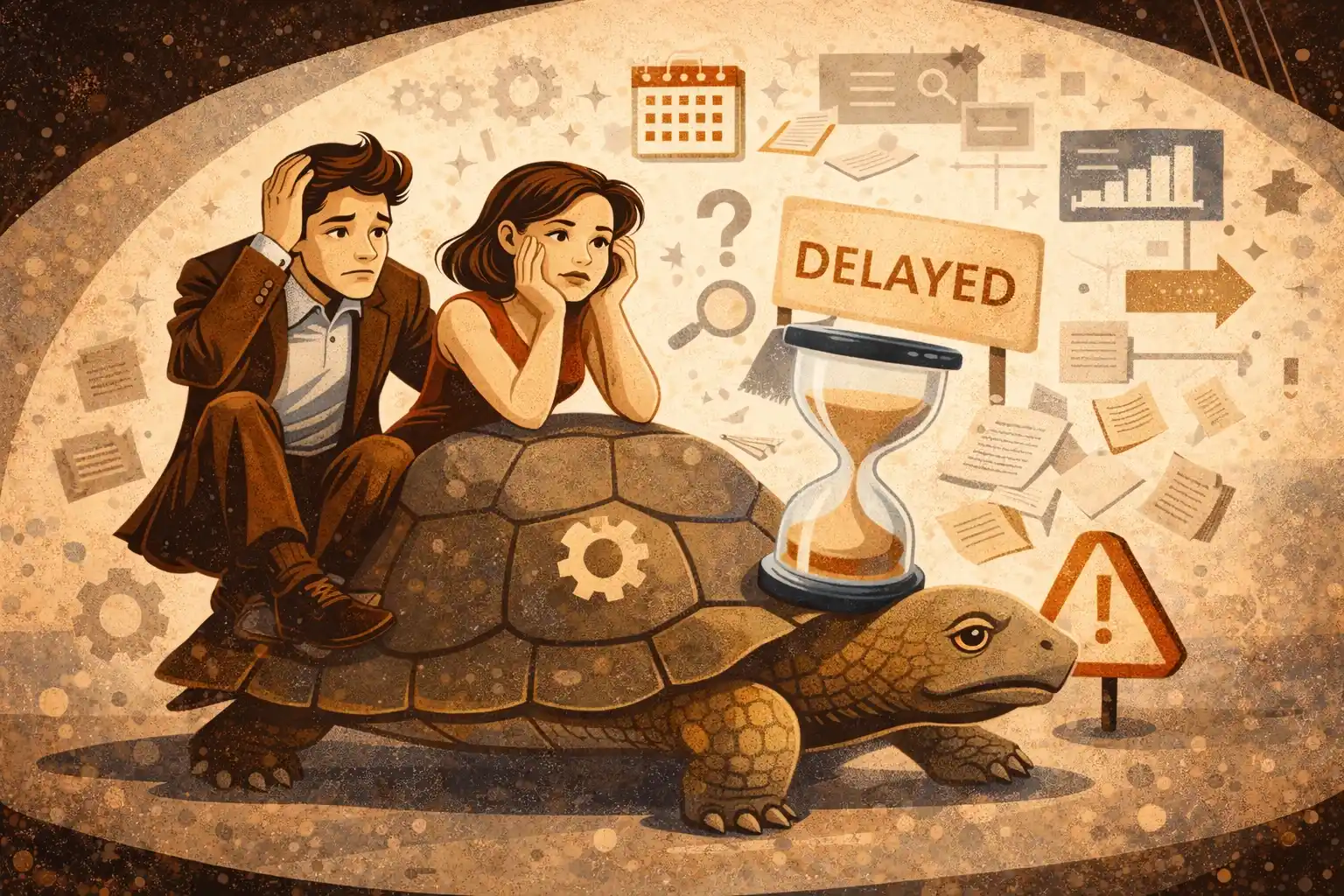
Stop planning for imaginary users
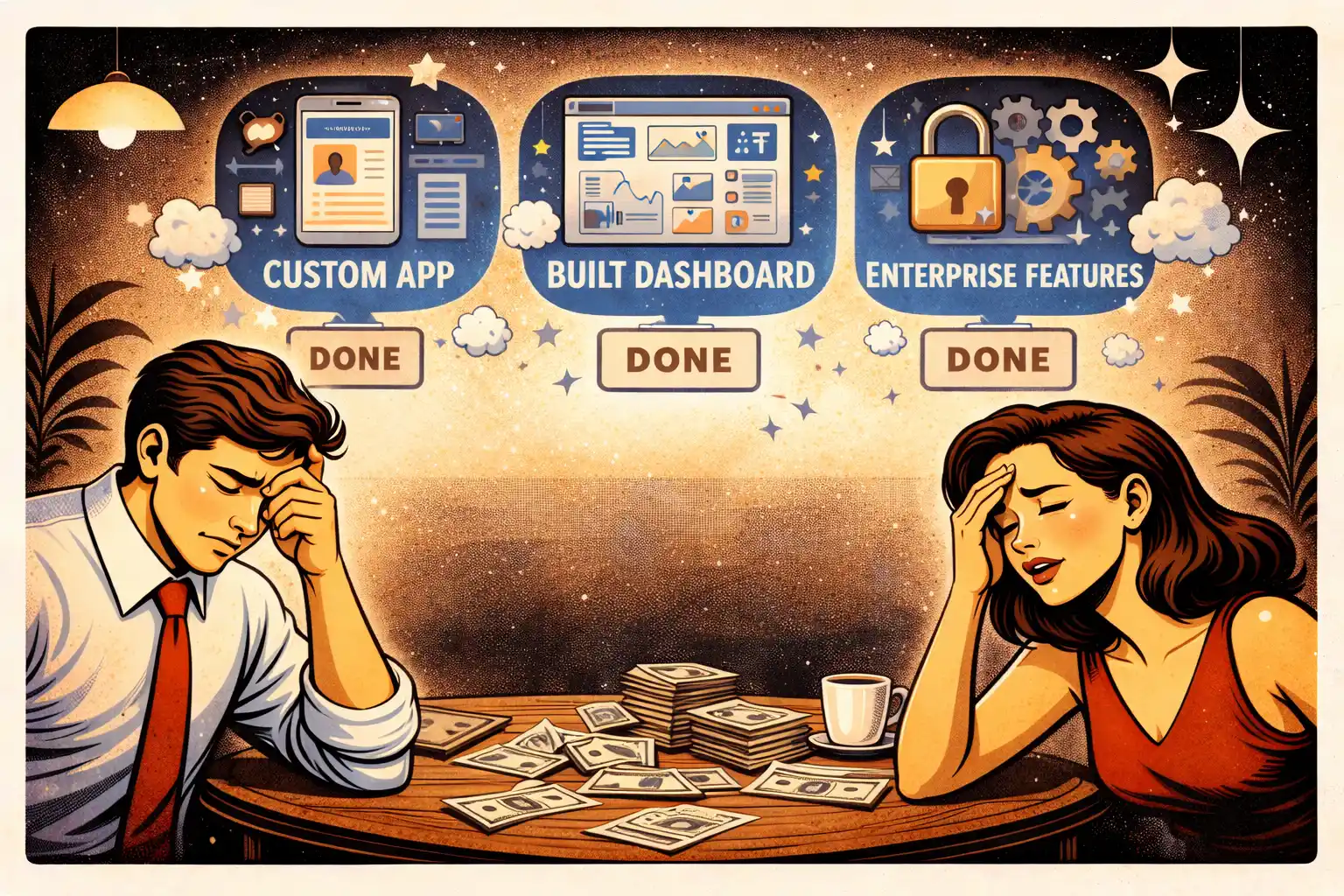
Founders often design systems for users they don’t have yet.
This leads to complex architectures, higher costs, and slower iteration. Early-stage scalability should focus on clarity and changeability, not peak load scenarios.
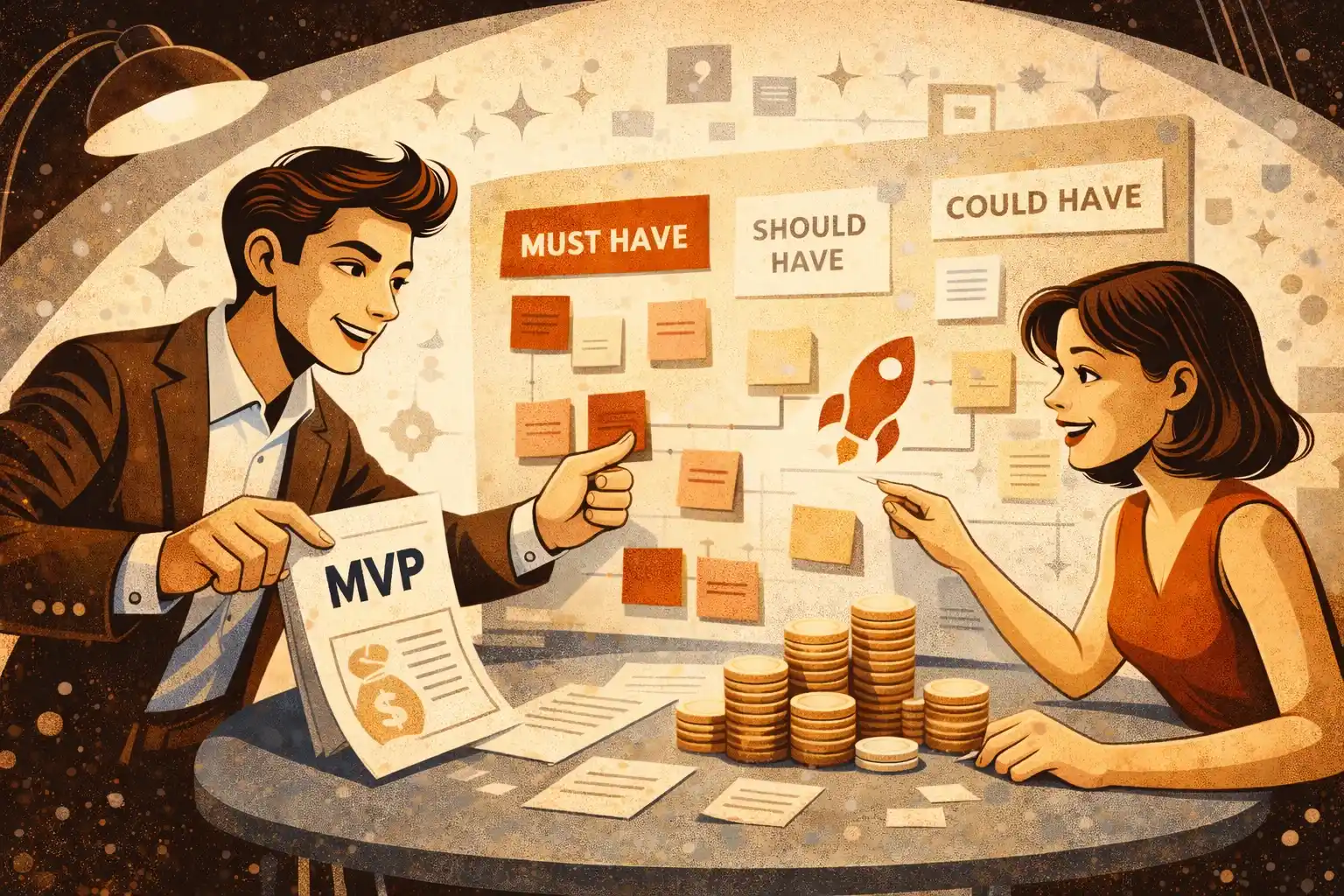
This misunderstanding is closely related to issues discussed in What a Good MVP Looks Like in 2026.
Separate scalability from performance
Scalability is about growth over time, not instant speed.
Many startups invest in performance optimization long before it matters. Instead, teams should design systems that are easy to adjust as usage patterns emerge.
These trade-offs are often misunderstood, as shown in Tech Decisions for Founders in 2026.
Build for replacement, not perfection
In 2026, scalable systems are modular by design.
Founders should expect parts of the system to be replaced as the product evolves. Planning for clean interfaces matters more than choosing the "perfect" stack.
This approach aligns with lessons from Web App Development for Startups: Architecture Basics for Non-Tech Founders.
Avoid scaling the wrong workflows
Automating broken workflows only scales inefficiency.
Before scaling infrastructure, founders should confirm that core user flows actually work. Scaling is meaningful only after users consistently get value.
This mistake appears frequently in Why MVPs Still Fail in 2026.
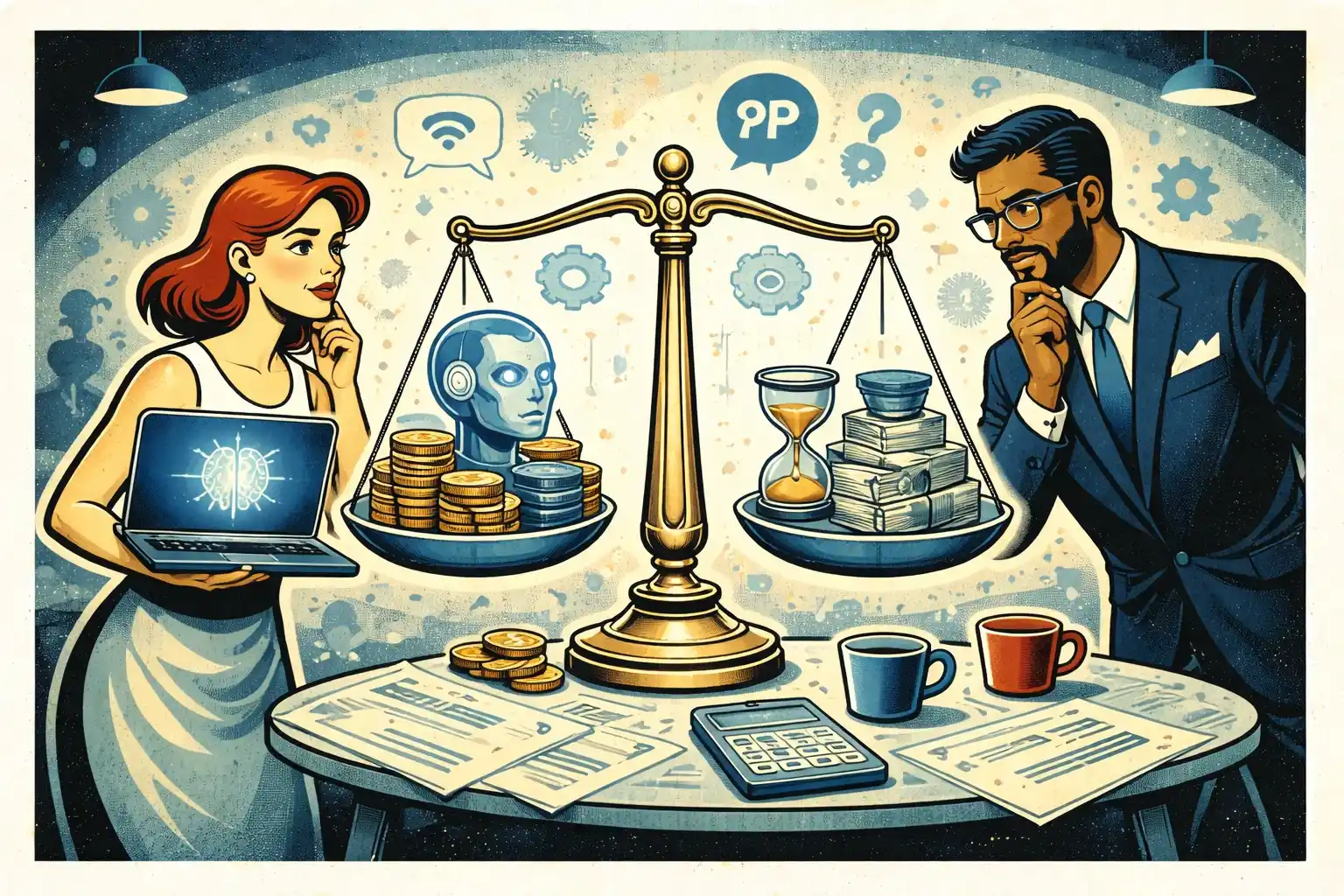
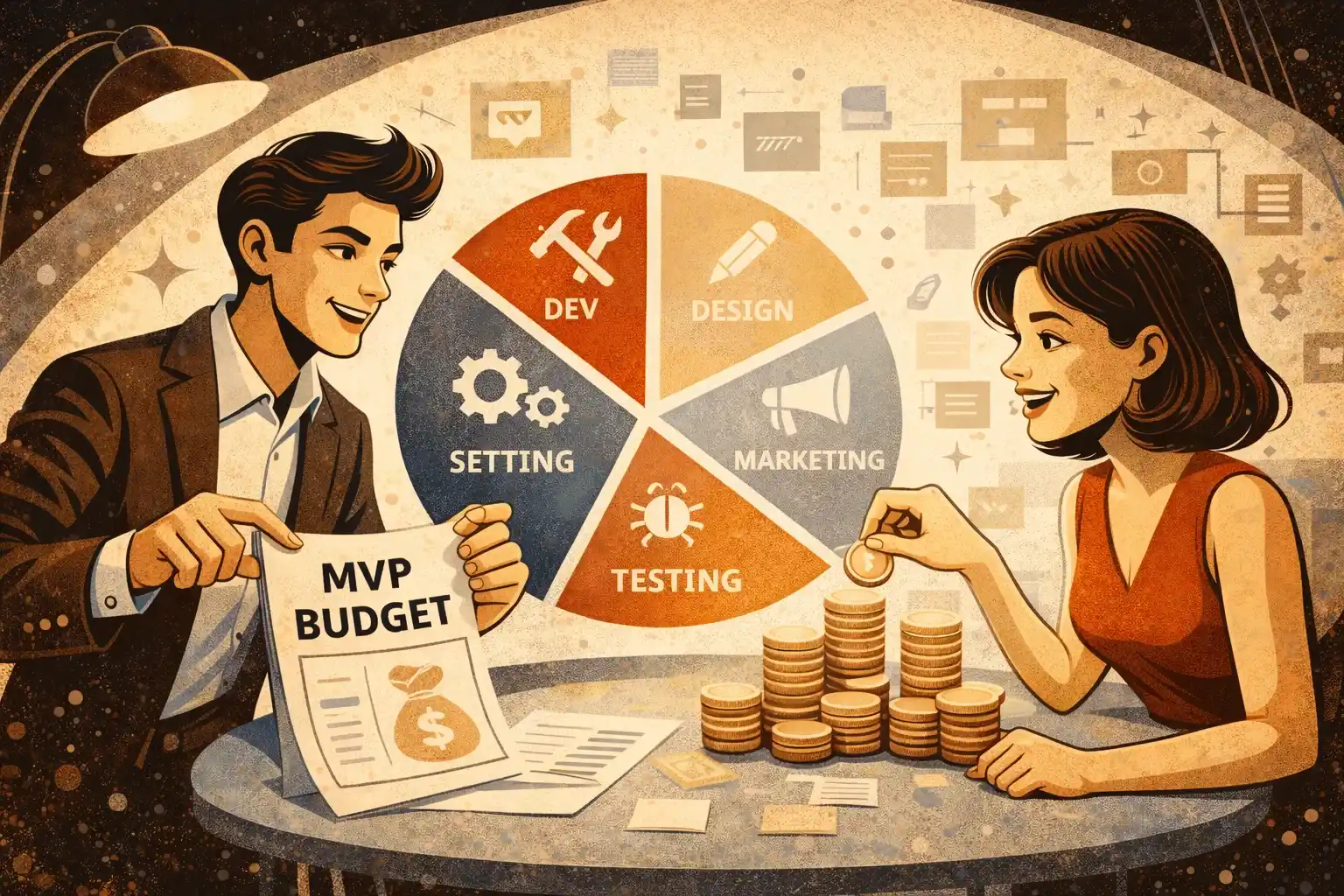
Budget for scaling later, not now
Scalability planning includes financial sequencing.
Founders should reserve budget for future scaling instead of spending it prematurely on infrastructure they may never need.
This perspective mirrors guidance in Budget Planning for Startup MVPs in 2026.
Thinking about scalability for your startup in 2026?
At Valtorian, we help founders design MVPs that can scale later — without overengineering early versions.
Book a call with Diana
Let’s talk about your product, growth assumptions, and when scalability should actually matter.
FAQ
When should startups start thinking about scalability?
When usage patterns become clear and growth is repeatable.
Is it bad to plan for scale early?
Planning is fine; overbuilding infrastructure too early is not.
Should scalability influence tech stack decisions?
Yes, but flexibility matters more than theoretical performance.
Can early MVPs scale later without rewrites?
Often yes, if they are designed with modularity in mind.
What’s the most common scalability mistake?
Assuming growth before proving product value.
How do I know if I’m scaling too early?
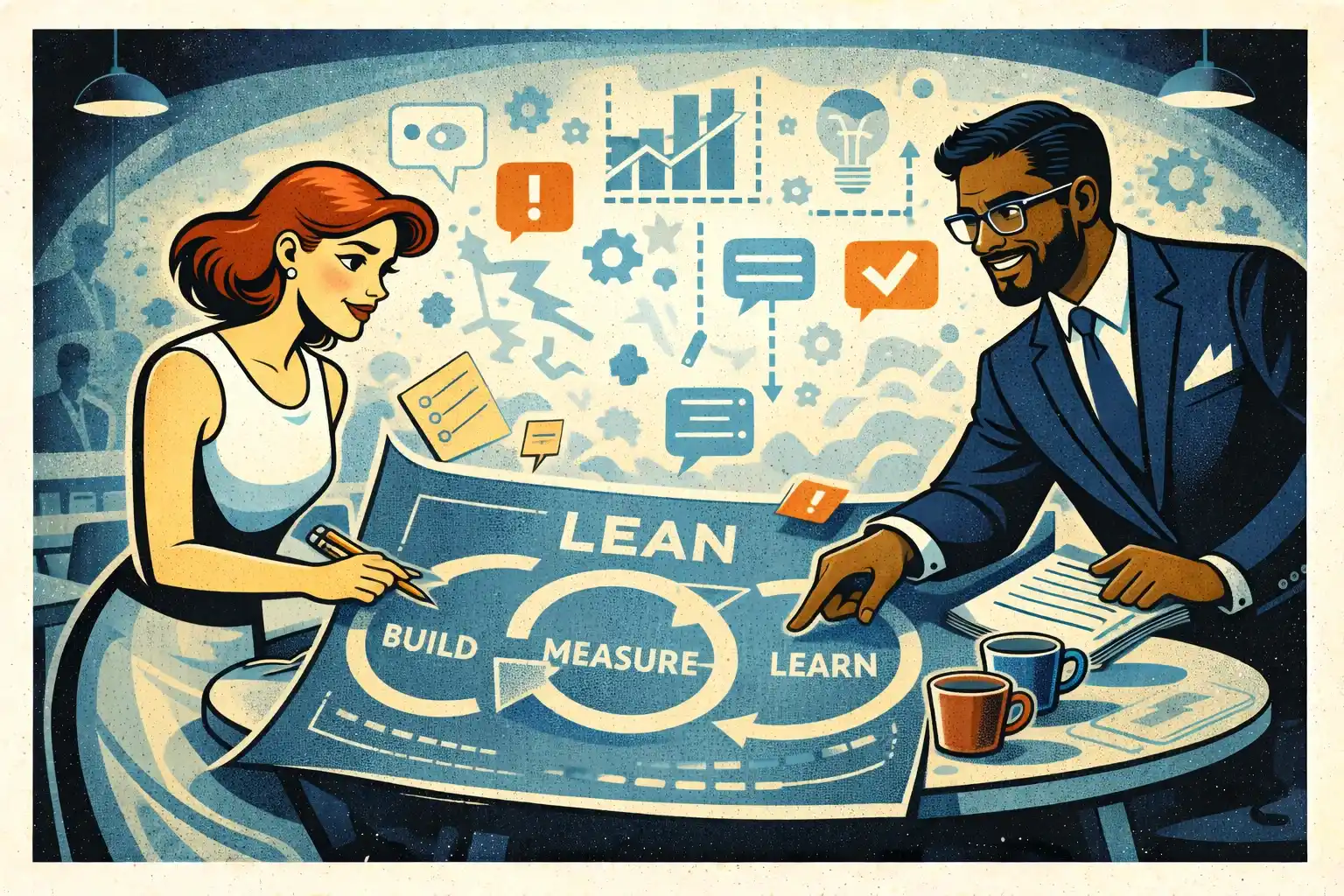
If scaling decisions reduce speed and learning, it’s too early.















































.webp)




.webp)