.webp)
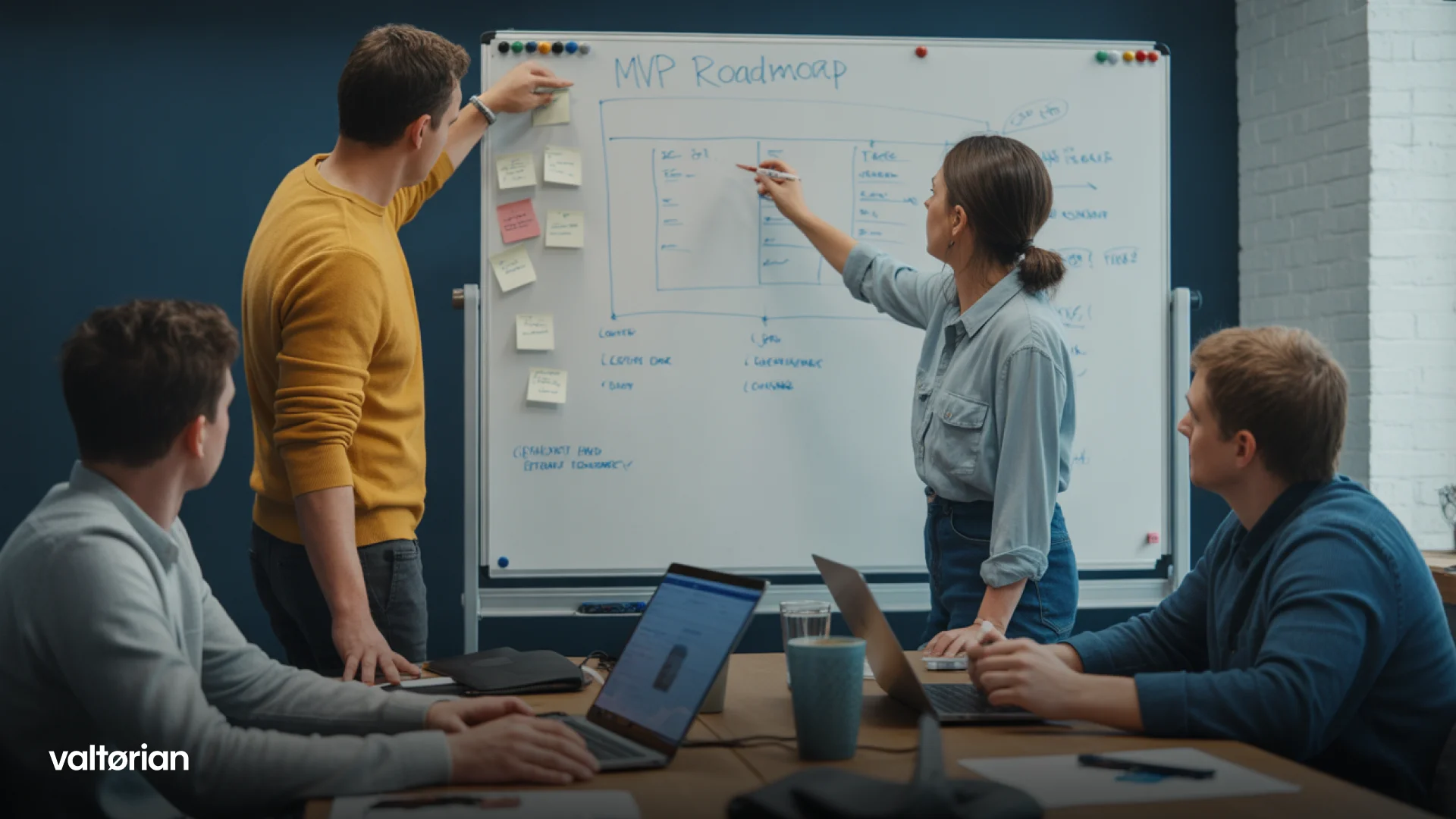
Landing Page to MVP in 2026: The Lean Path
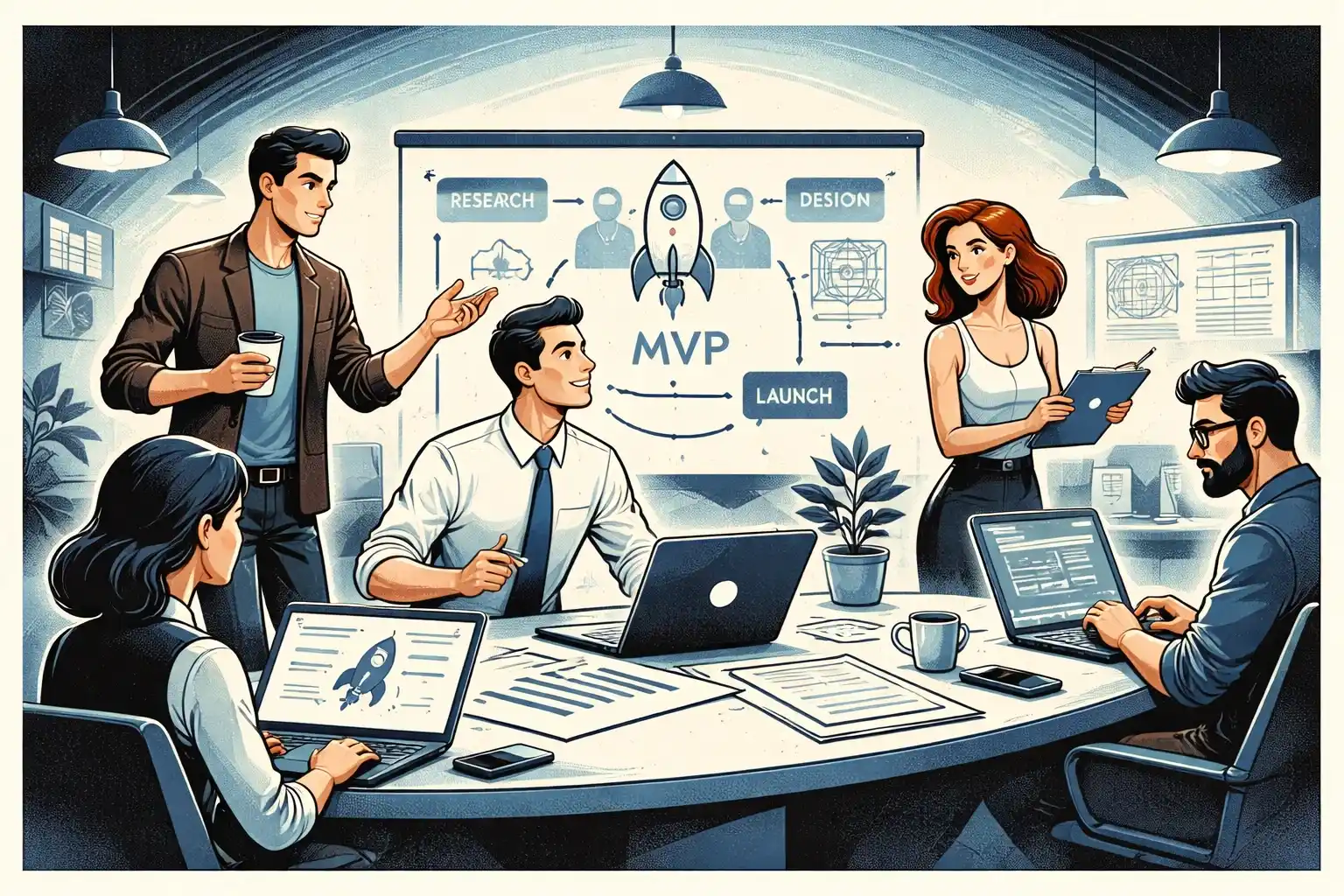
A landing page can validate demand faster than any prototype — but only if you treat it as a decision tool, not a branding project. In 2026, founders can move from “idea” to “live MVP” in weeks, yet many still waste months because they collect the wrong signals or jump into building without a clear scope. This guide shows the lean path: what to test on a landing page, how to decide you’re ready for an MVP, what to build first, and how to keep momentum after launch.

TL;DR: Start with a landing page to test a single promise and capture qualified intent (not vanity traffic). Use those signals to define the smallest useful MVP scope, then ship one end-to-end workflow fast and track a few decision-ready events. The lean path is not “more research” — it’s faster cycles from signal - build - real usage.
Why “landing page first” still works in 2026
Founders often skip landing pages because they want to “build the real thing.”
But a landing page is the cheapest way to answer the most important early questions:
- Do people understand the promise quickly?
- Do they care enough to take a next step?
- Are you attracting the right audience — or the wrong one?
It’s not about perfection. It’s about clarity.
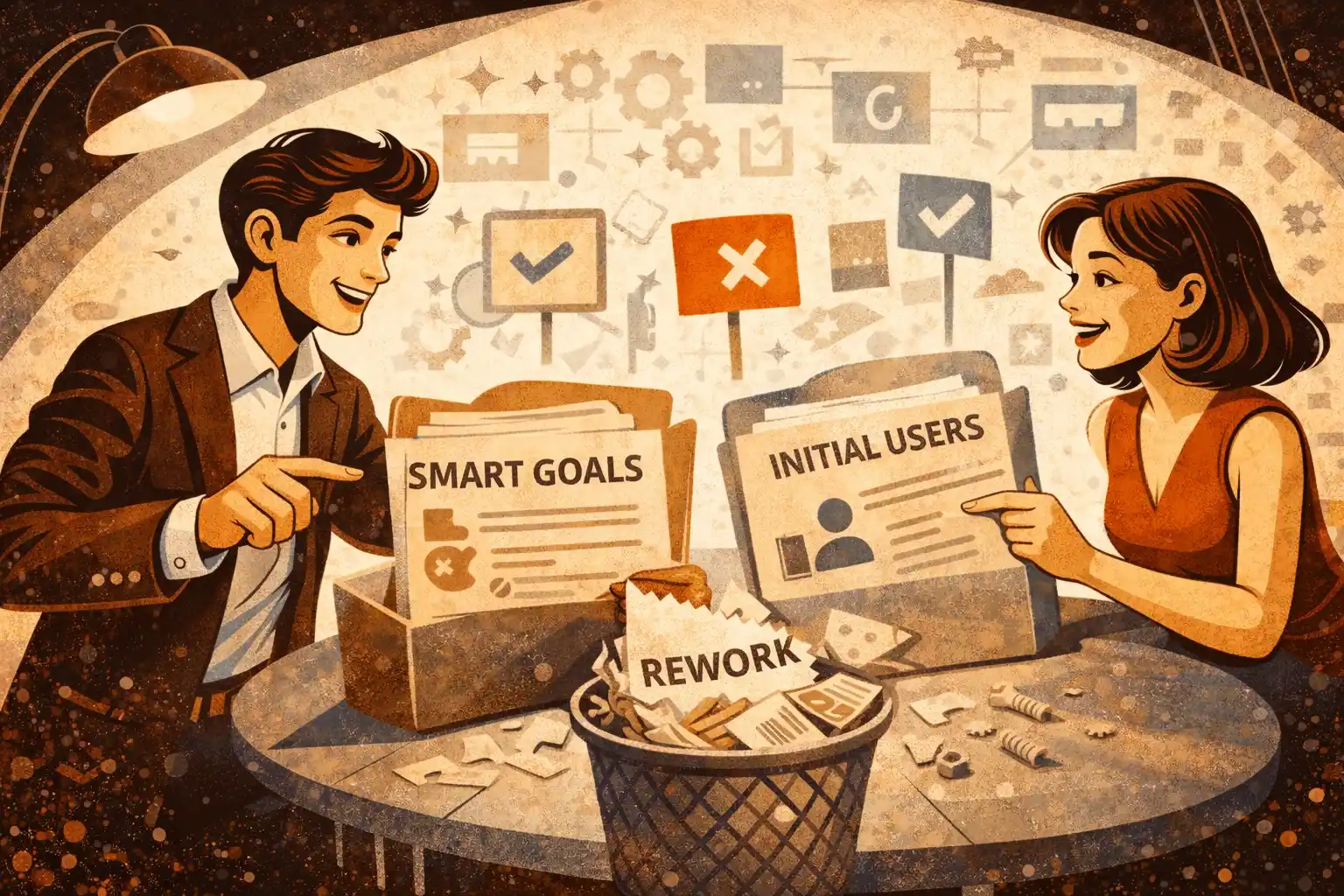
Step 1: Pick one promise (not a full feature list)
A good landing page is built around one sentence:
- “We help [who] achieve [outcome] without [pain].”
If you can’t write this in plain English, you’re not ready to build an MVP — you’re still defining the product.
If you want a practical “what good discovery delivers” standard before you commit to building, see Discovery Phase in 2026: What You Should Receive.
Step 2: Decide what you’re validating on the landing page
There are three common validation goals. Pick one.
Goal A: Message clarity
You want to know if the promise lands.
What to look for:
- People can explain what you do after one read
- They ask the right follow-up questions
- They don’t confuse you with a different category
Goal B: Demand and intent
You want proof that people will take a step.
Good “intent” actions:
- join a waitlist
- request access
- book a call
- start a trial (if you already have a product)
Goal C: Audience quality
You want to confirm you’re attracting the right users.
A simple way: add one qualifying question on signup (role, use case, current solution).
Step 3: Don’t fall for vanity signals
Landing pages create seductive metrics.
These can be misleading:
- page views
- likes and compliments
- “sounds cool” replies
What’s more useful:
- qualified signups (right persona + right pain)
- consistent inbound questions about the same outcome
- willingness to talk (calls) or commit (pre-orders / deposits where appropriate)
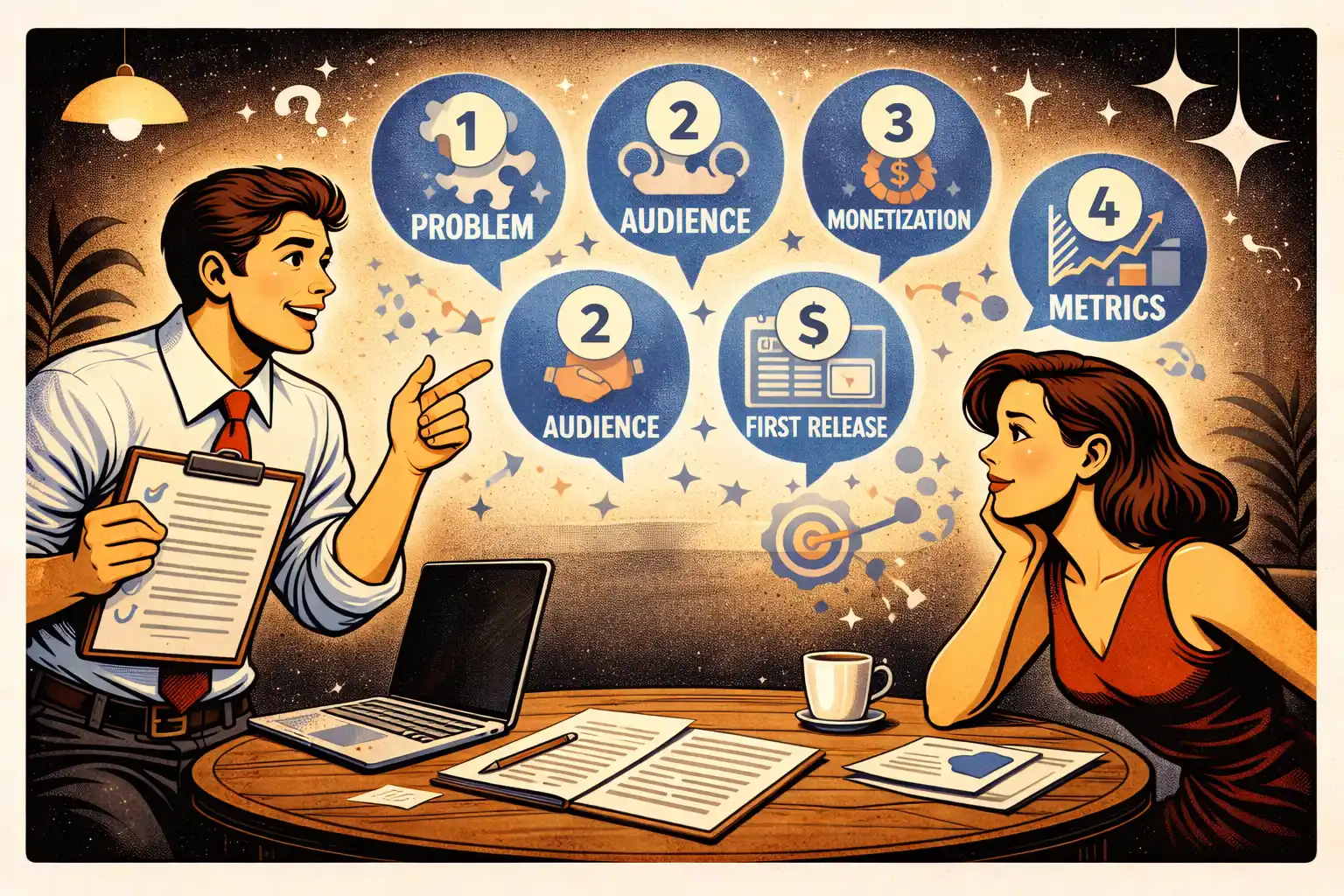
Step 4: Turn signals into MVP scope (the lean handoff)
This is where most founders break the lean path.
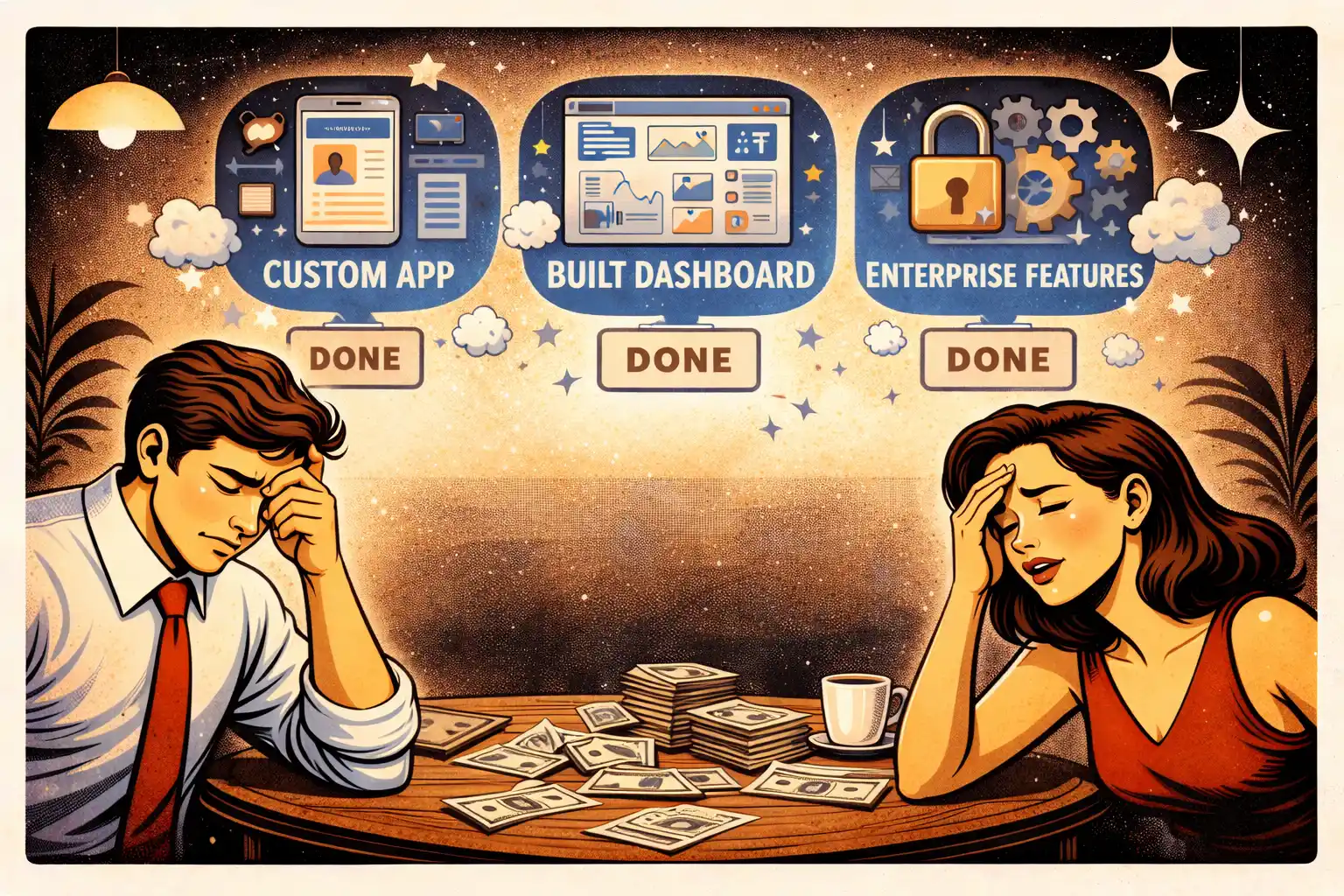
They collect signals, then still build a giant scope.
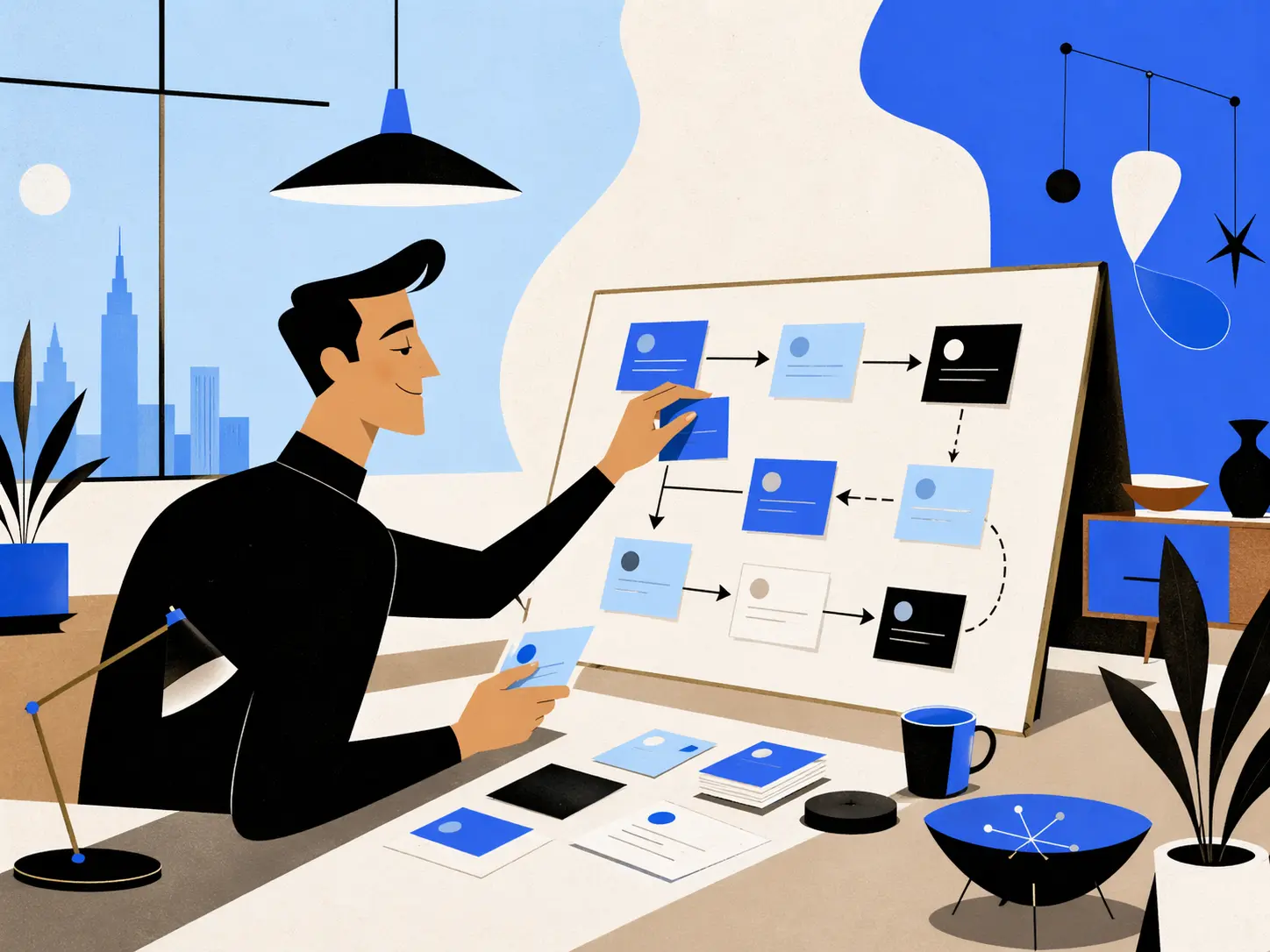
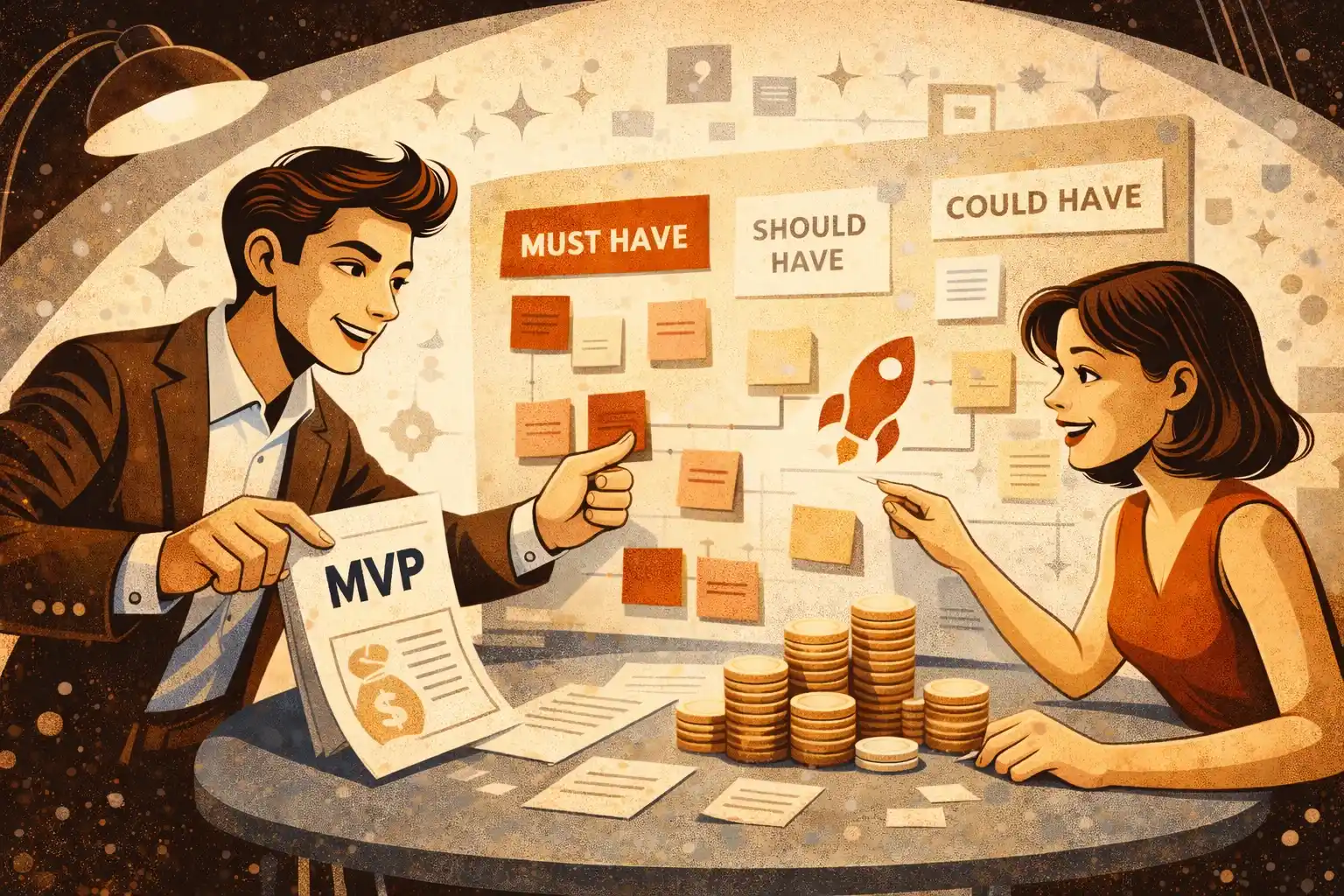
Your MVP should map to one workflow that delivers the promised outcome end-to-end.
Use this rule:
- If a feature doesn’t help the user reach the promised outcome in the first session, it’s not MVP.
If you’re bootstrapping (or just trying to move fast without waste), this helps you cut brutally: How to Prioritize Features When You’re Bootstrapping Your Startup.
Step 5: Choose web vs mobile based on distribution
A landing page is link-based by default. That often favors web-first, because you can:
- iterate faster
- share instantly
- reduce install friction
Mobile-first makes sense when your product requires native behavior (push, camera, offline) or your core loop is habit-based.
Use the platform decision framework here: Web vs Mobile First in 2026: A Founder Framework.
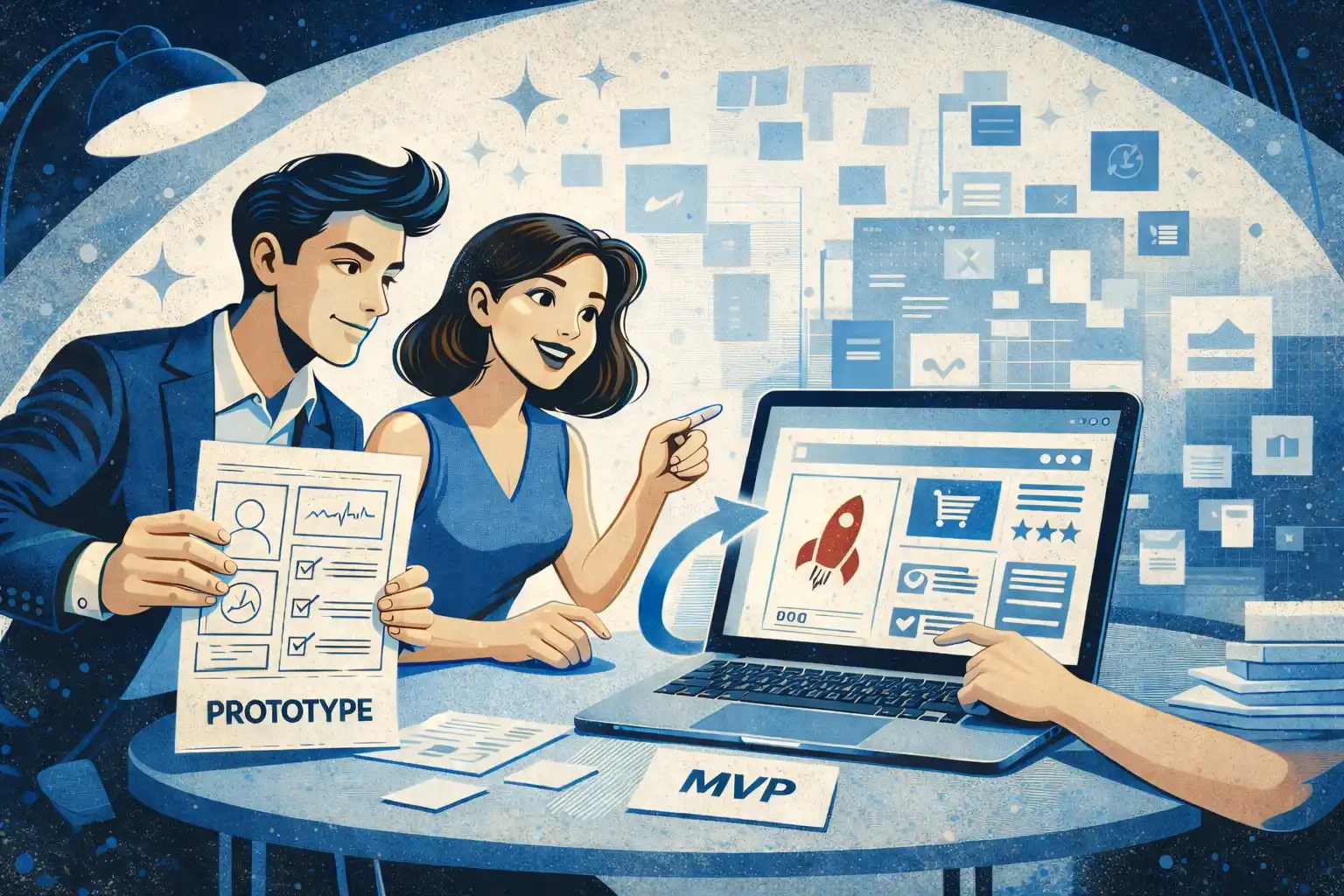
Step 6: Build the “smallest useful” MVP
The MVP is not a smaller version of the full product.
It’s a usable first release that:
- delivers the core outcome
- is stable enough for real users
- creates learning signals (analytics + feedback)
Step 7: Add analytics before you add complexity
The lean path relies on learning from behavior.
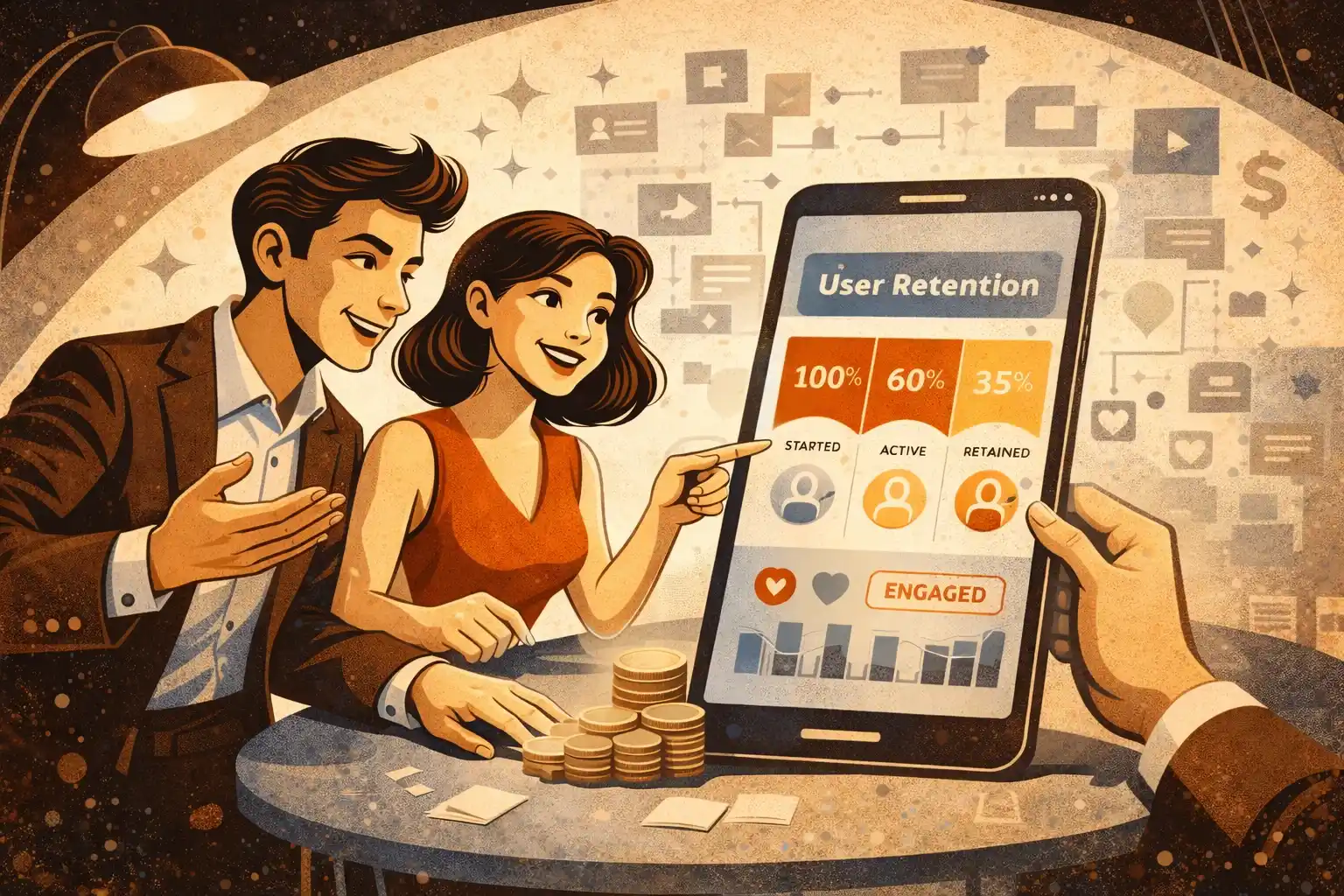
At MVP stage, you only need a few events:
- activation (first value moment)
- core action (the main behavior)
- retention proxy (repeat behavior)
- revenue signal (payment or intent)
Use this event framework: MVP Analytics in 2026: Events to Track Early.
Step 8: Decide when to add payments
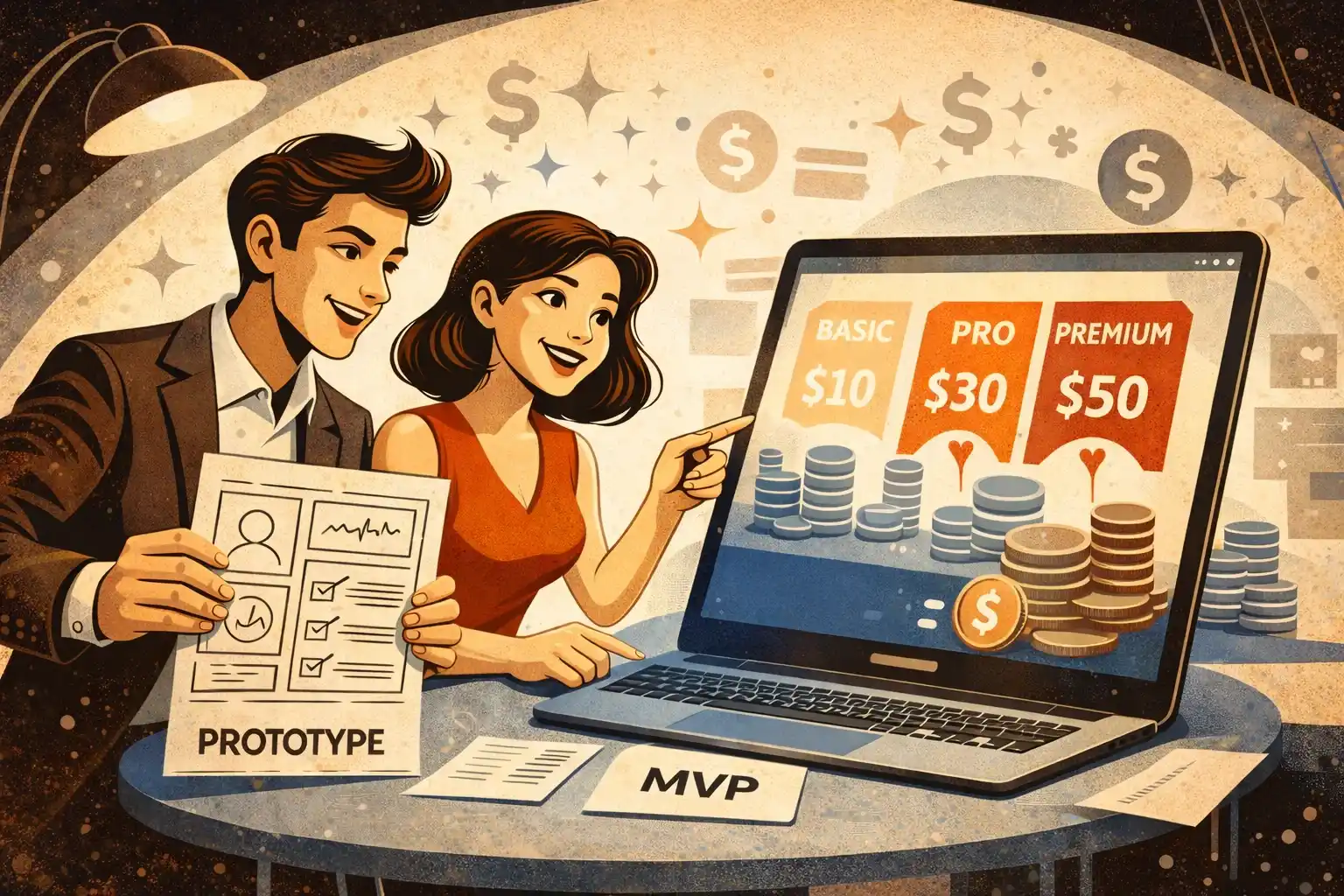
A landing page can validate demand. Payments validate willingness to pay.
But don’t build a billing universe.
Lean payments approach:
- one model (one-time or subscription)
- one price (or two at most)
- reliable webhooks + access rules
If you’re using Stripe, focus on the decisions that matter and skip the rest: Payments for MVPs in 2026: Stripe Decisions That Matter.
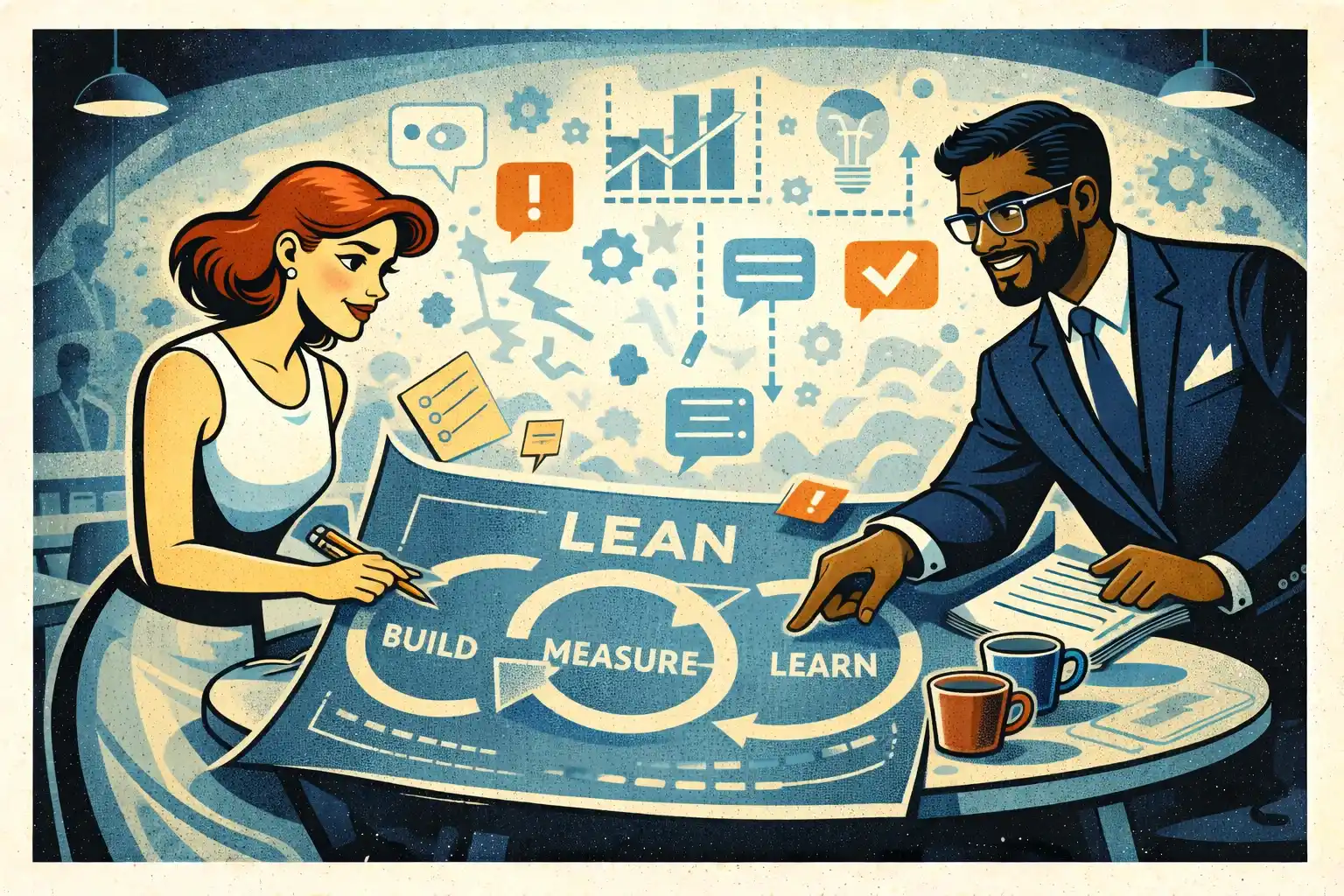
Step 9: Run a simple loop: ship - test - ship
The lean path is a cycle.
A practical rhythm:
- ship a usable MVP
- run 3–5 founder-led user sessions
- fix the top 1–3 blockers
- ship again
Founder-led sessions are your fastest clarity tool. Here’s the setup: Founder-Led MVP Testing in 2026: A Practical Setup.
Common mistakes on the landing-to-MVP path
Mistake 1: Treating the landing page like a marketing site
A landing page is a test, not a brand monument.
Mistake 2: Collecting emails but not learning anything
If you don’t qualify signups, you won’t know who you attracted.
Mistake 3: Turning feedback into scope creep
User feedback should reduce scope, not expand it.
A simple control mechanism that works in 2026 is a freeze rule near launch. See Feature Freeze in 2026: Stopping Scope Creep.
Mistake 4: Waiting for “perfect” before shipping
The lean path rewards speed and learning — not polish for its own sake.
If you want a bootstrapped mindset lens for speed without chaos, see Bootstrapped MVP Strategy in 2026: Ship Faster.
Thinking about building a web or mobile MVP in 2026?
At Valtorian, we help founders design and launch modern web and mobile apps — including AI-powered workflows — with a focus on real user behavior, not demo-only prototypes.
Book a call with Diana
Let’s talk about your idea, scope, and fastest path to a usable MVP.
FAQ
What should a landing page validate before I build an MVP?
One clear promise and qualified intent. You want to know if the right people understand the outcome and will take a next step.
How many signups do I need to move to MVP?
There’s no universal number. Look for consistent patterns: the same persona, the same pain, and people willing to talk or commit — not just anonymous emails.
Should I build a prototype before the MVP?
Only if it reduces risk. A clickable prototype is useful to validate the flow and messaging, but it shouldn’t replace real usage once you can ship.
What’s the minimum MVP after a landing page?
One end-to-end workflow that delivers the promised outcome, basic onboarding, and a few analytics events to measure activation and retention.
Should I start with web or mobile if my landing page performs well?
Choose based on how users will discover and use the product. Link-based distribution often favors web-first; native behavior often requires mobile-first.
When should I add payments?
When you’re ready to validate willingness to pay. Keep billing simple and correct — one model, one price, and reliable webhook-driven access rules.
How do I avoid scope creep once I start building?
Use a strict tradeoff rule: any new feature must replace something or change time/budget. A feature freeze near launch protects shipping.






























.webp)




.webp)