.webp)
The Leanest Way to Test a Startup Workflow in 2026
Testing a startup workflow does not always require software, a full MVP, or a polished interface. In 2026, the leanest approach is usually the one that helps founders see where value is created, where users hesitate, and what part of the process should eventually become product. This article breaks down how to test a startup workflow with the least waste, what to keep manual at first, and how to know when a workflow is finally stable enough to deserve software.

TL;DR: The leanest way to test a startup workflow in 2026 is to run the smallest version of the process manually, keep the user-facing experience simple, and observe where real value, friction, and willingness to continue actually appear.
Why founders overbuild workflow testing
Founders often assume that testing a workflow means building a workflow product.
That is where waste usually starts.
A workflow can be tested long before it becomes software. In many early-stage startups, the fastest learning comes from running the process manually, guiding users through it directly, and noticing which parts matter enough to repeat.
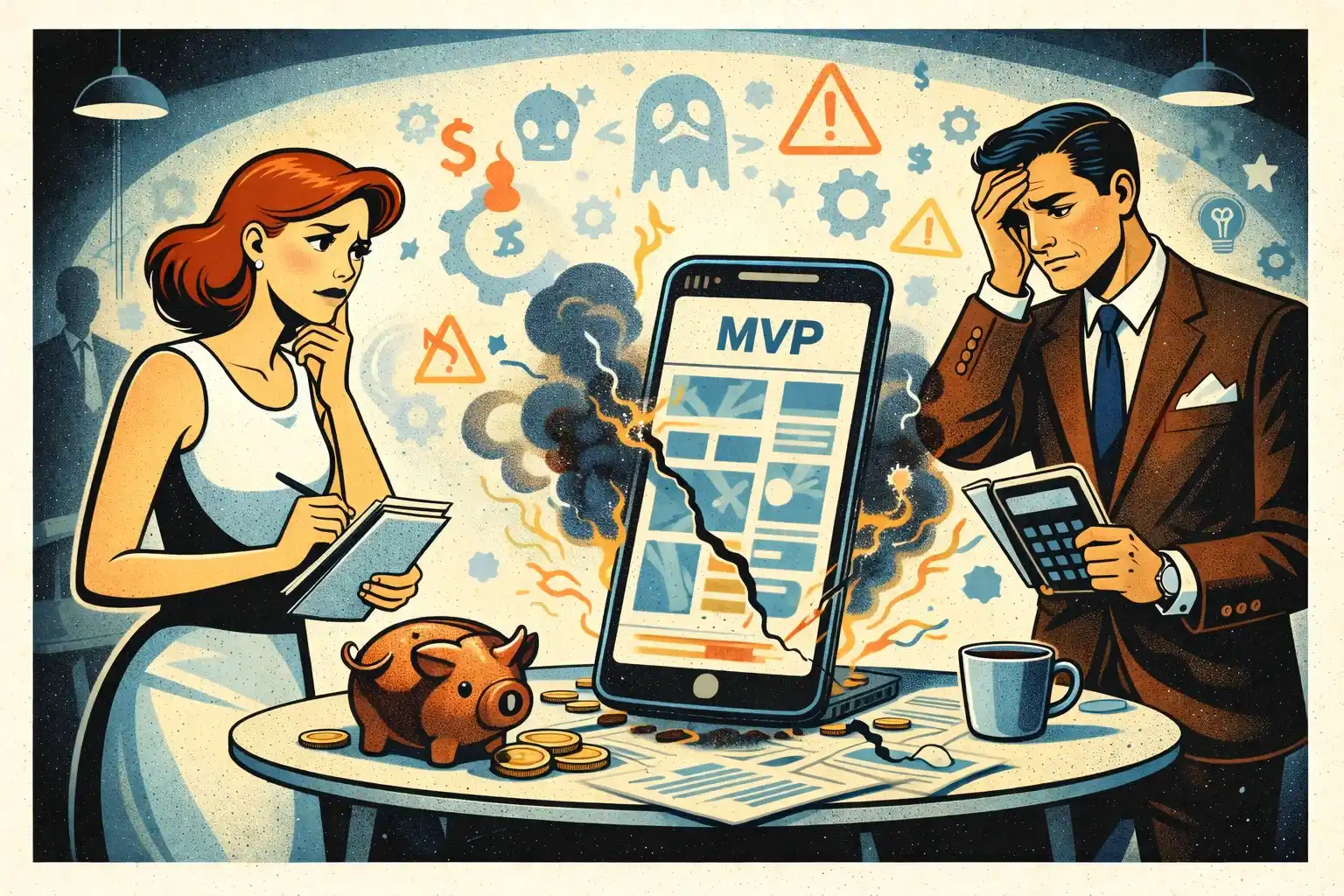
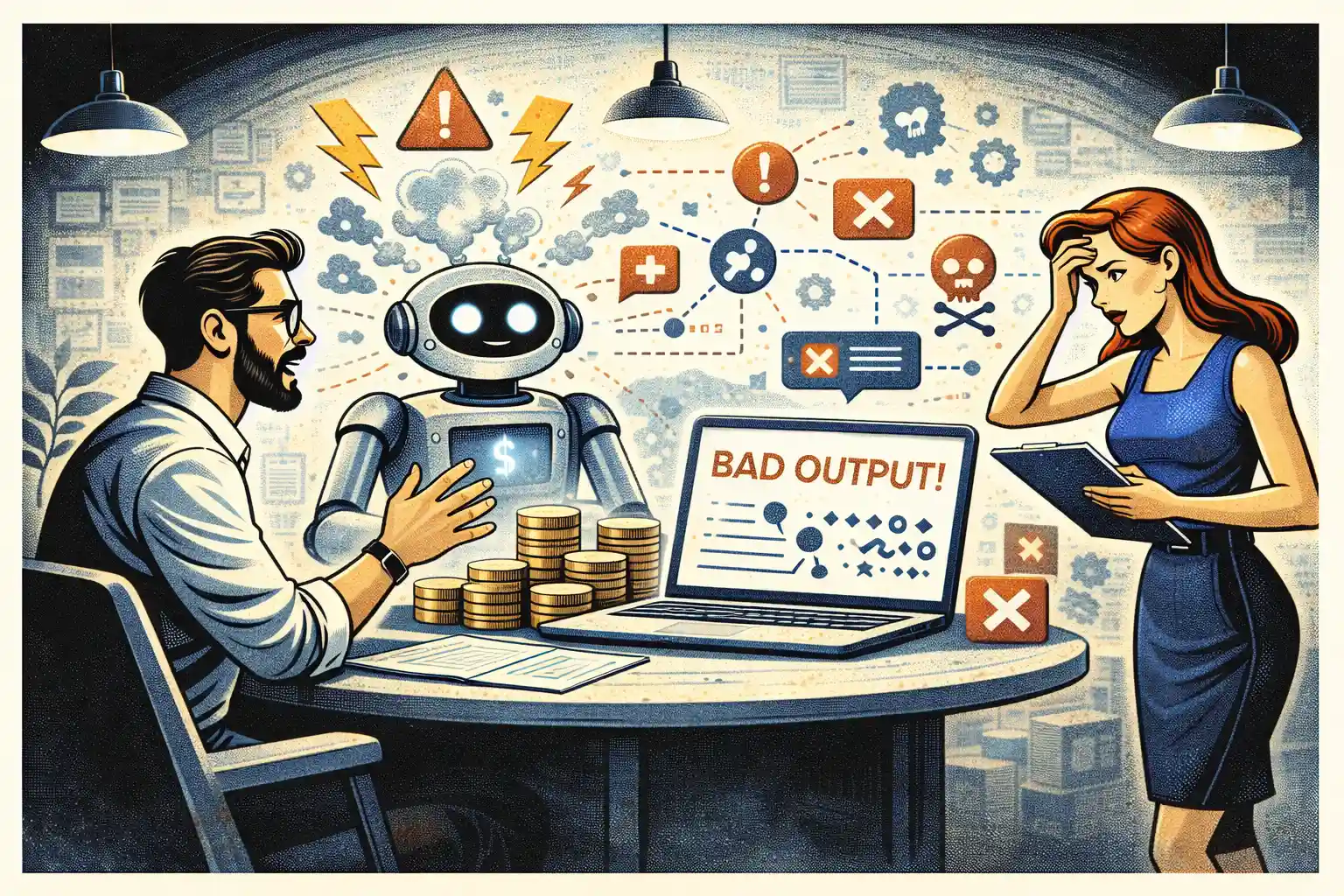
The problem with building too early is that software makes assumptions feel more permanent. If the workflow is still changing, the team may end up encoding the wrong logic, the wrong sequence, or the wrong priorities into the product.
That is why the leanest path is not just about saving money. It is about learning faster before complexity hardens.
Start with the workflow, not the interface
The first thing to test is the sequence of value.
What does the user do first?
What happens next?
Where does the startup create the outcome?
What must happen for the user to say, “Yes, this actually helped”?
Until those steps are clear, an interface is often just decoration.
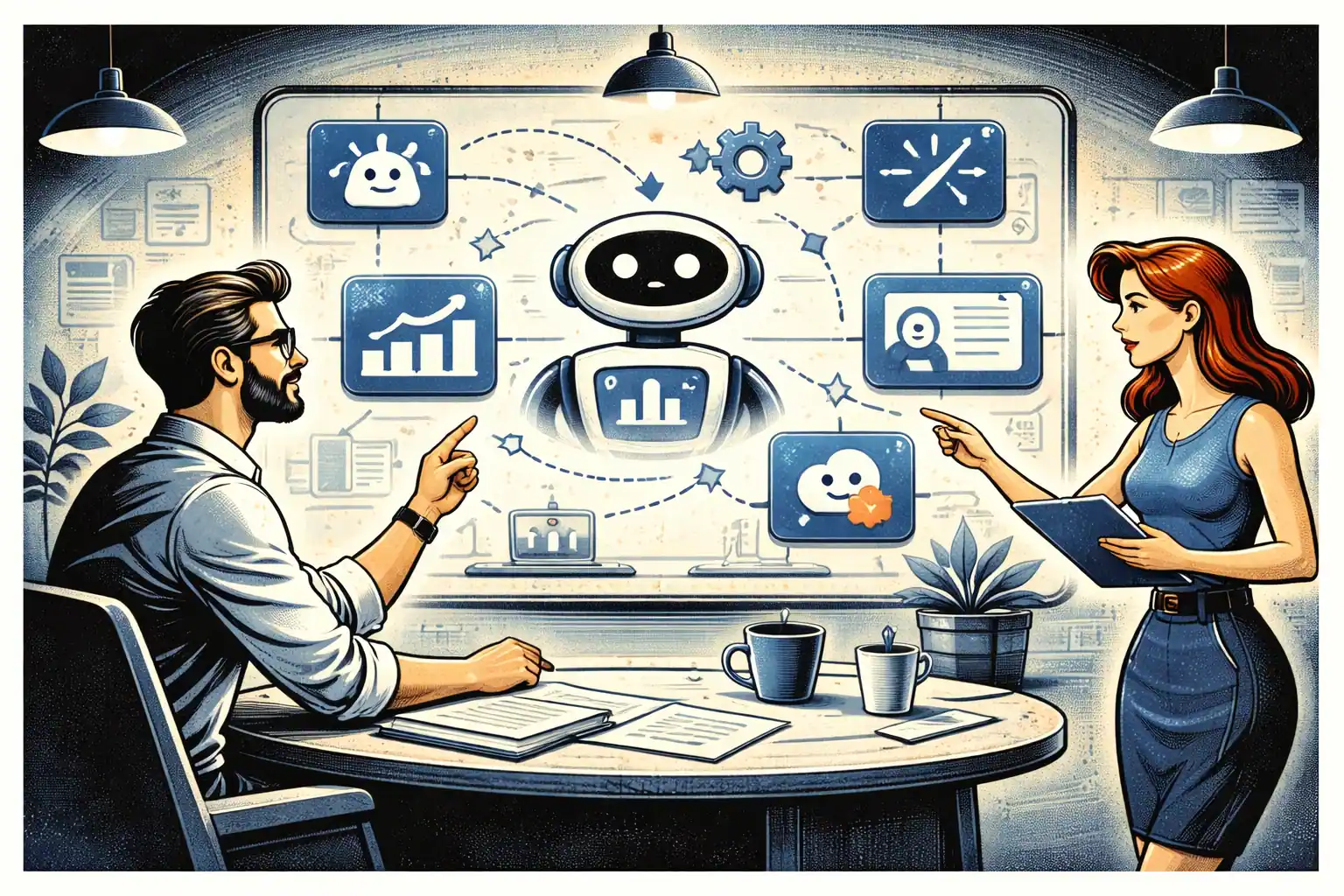
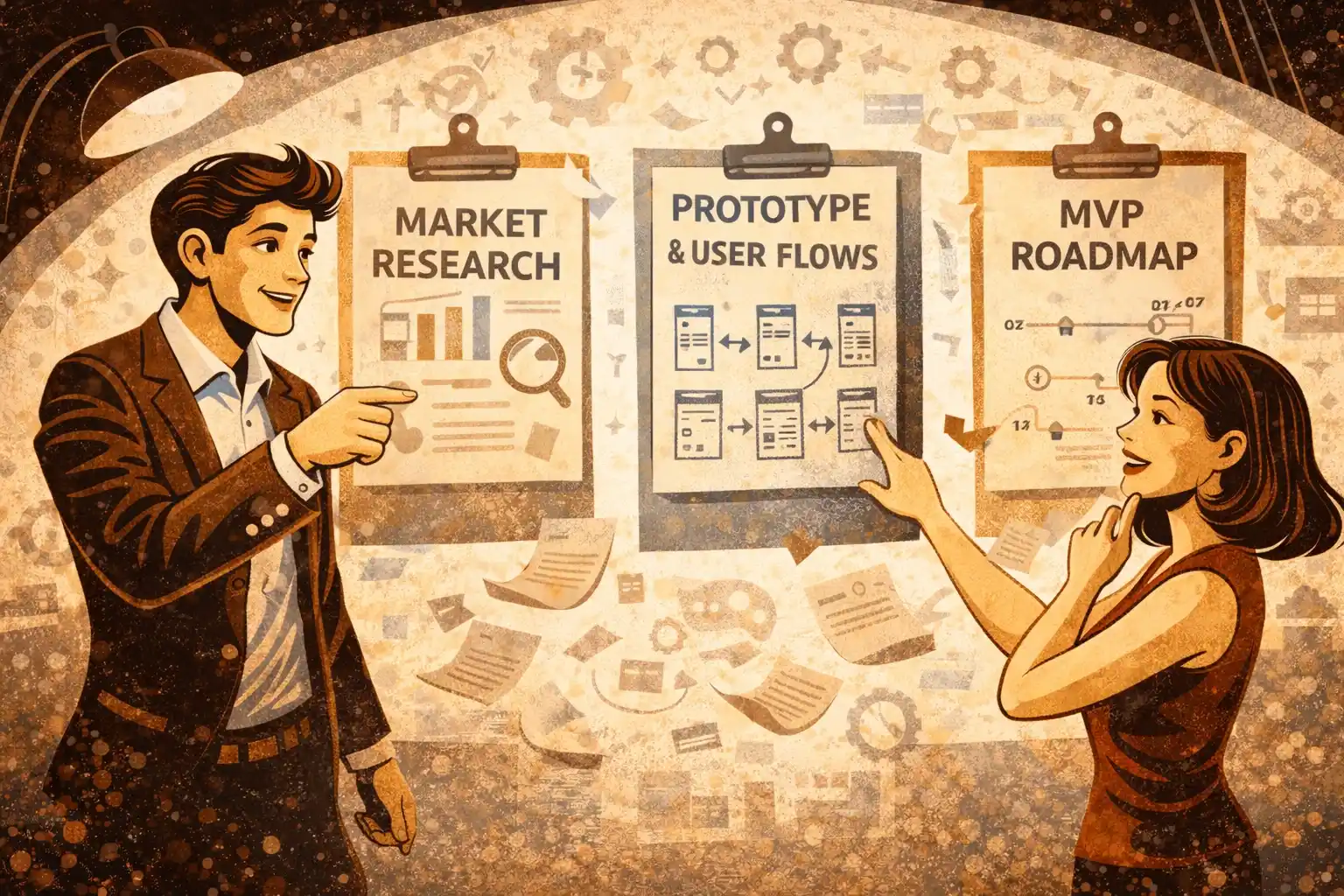
This is why the leanest testing setup usually begins with a written workflow, a simple operational process, and a small number of real users moving through it. The founder does not need to perfect the experience. They need to understand the order, the friction, and the point where value becomes visible.
That connects naturally to The First 5 Product Decisions in 2026.
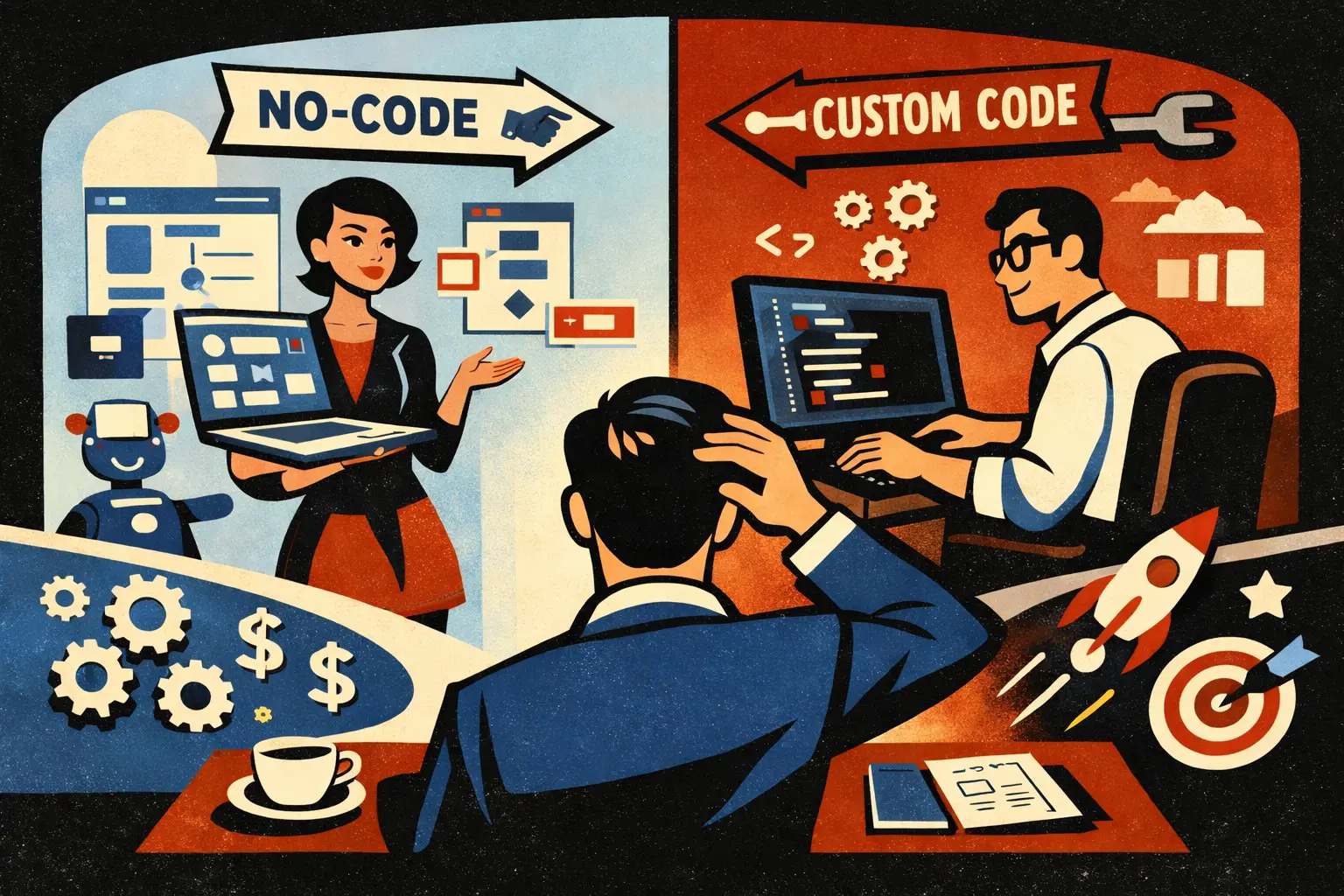
The leanest version is often manual-first
For many workflows, the leanest test is still manual.
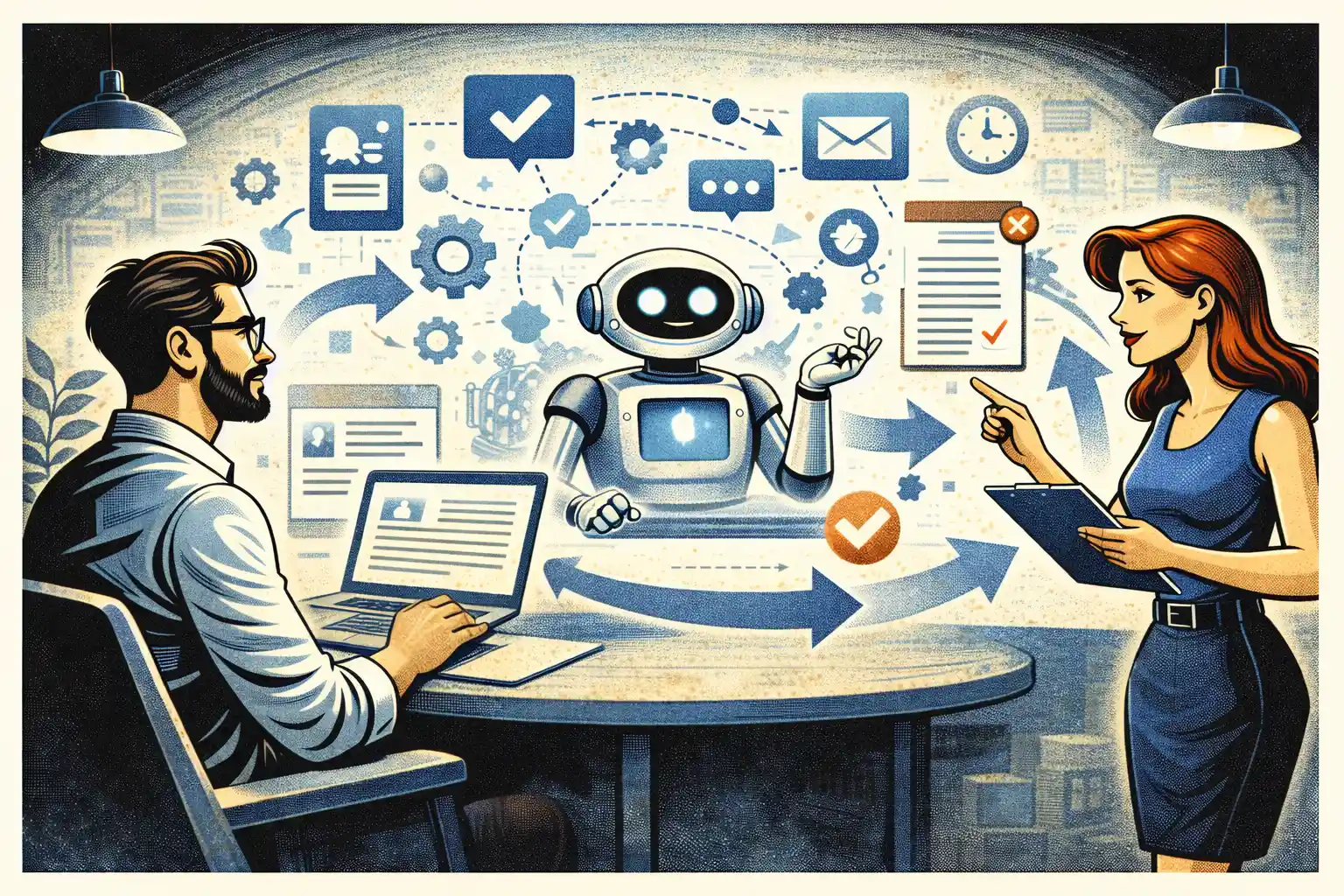
That could mean onboarding users personally, moving requests through email or forms, doing matching by hand, assembling outputs manually, running steps in spreadsheets, or stitching together simple tools behind the scenes.
The goal is not to look scalable. The goal is to learn what the workflow really is.
Manual-first testing is powerful because it keeps the team close to truth. Every awkward moment becomes visible. Every exception teaches something. Every repeated user question becomes a signal about what part of the workflow is unclear or weak.
That is why When to Stay Manual Before Building Software in 2026 is such a strong companion read here.
Keep the user path narrow
The leanest workflow test is always narrower than the founder first imagines.
One user type is usually enough.
One core use case is usually enough.
One clear outcome is usually enough.
The wider the workflow becomes, the less clearly the startup learns from it. If multiple user roles, multiple branches, multiple edge cases, or multiple success definitions are added too early, the team ends up testing too many things at once.
That is one of the biggest reasons workflow testing becomes heavier than it needs to be.
This overlaps directly with How to Know Your MVP Is Too Big in 2026 and MVP Scope and Focus in 2026.
What founders should actually observe
The leanest workflow test is not just about whether the process “works.”
It is about what happens inside the process.
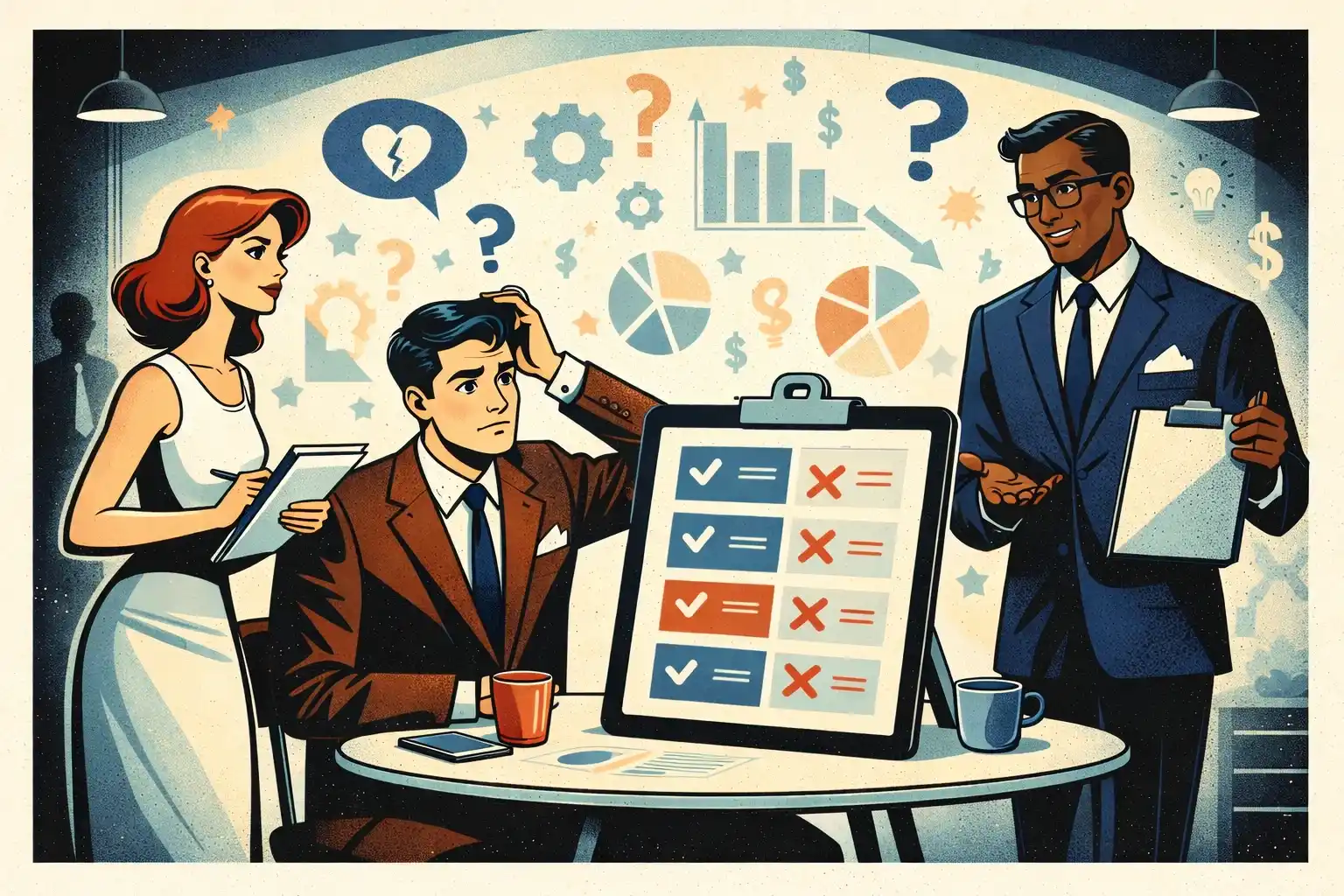
Where do users hesitate?
Where do they need explanation?
What step feels natural?
What step feels forced?
What part do they care about most?
What part do they ignore?
What would they pay for?
What feels like the real product, and what feels like background noise?
These are the questions that matter more than polish.
A workflow test should reveal the shape of the value, not just prove that a sequence can technically be completed.
That also connects well with Founder-Led MVP Testing in 2026: A Practical Setup.
When the workflow is not ready for software yet
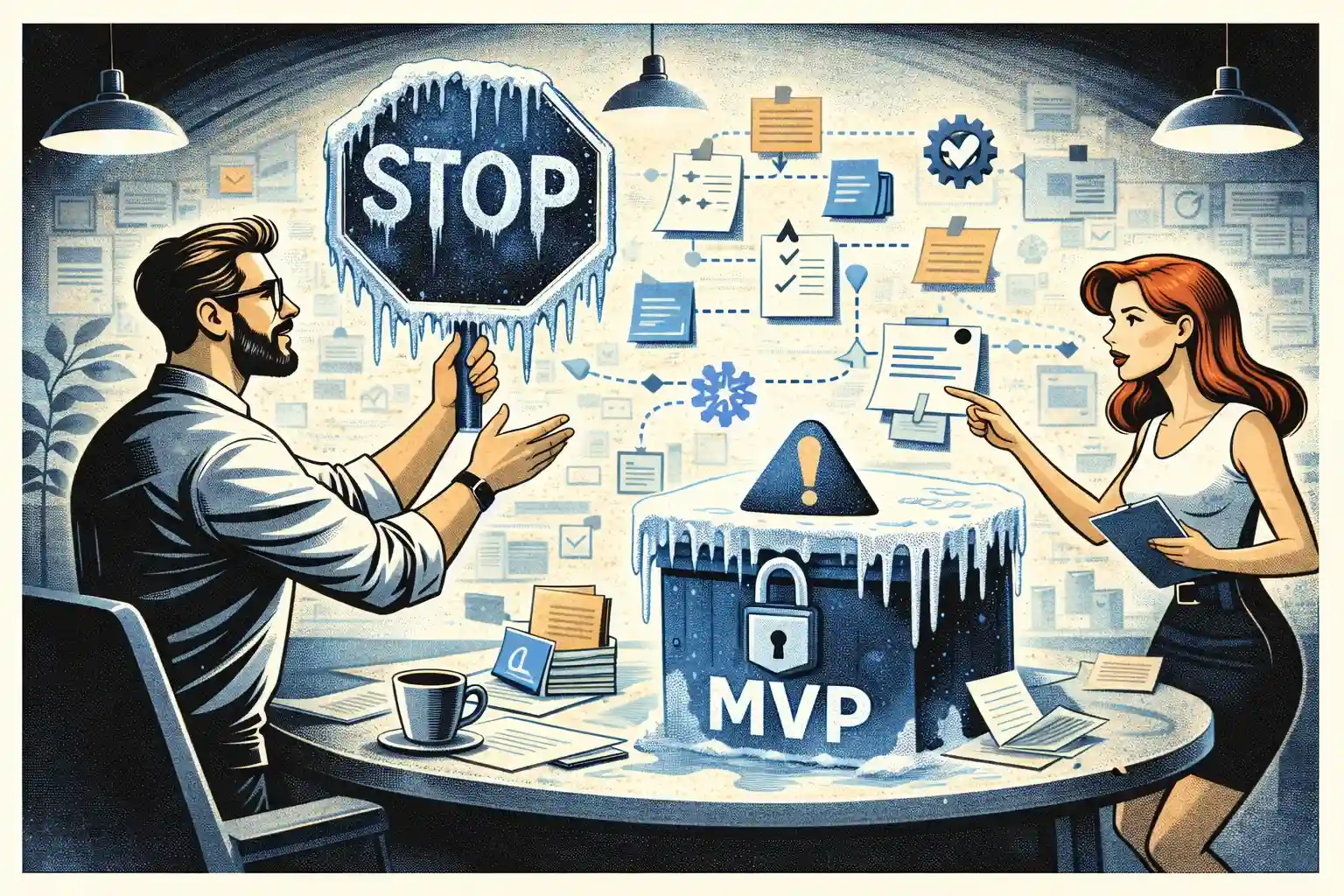
A workflow is usually not ready for software when it still changes every week, still depends heavily on founder judgment, or still teaches something new every time a user goes through it.
That does not mean the startup is failing. It often means the startup is still learning exactly what should be turned into product.
Software should come after the team understands the repeated pattern well enough to encode it.
If the startup builds too early, it may turn unstable logic into stable-looking software and spend time rebuilding it later.
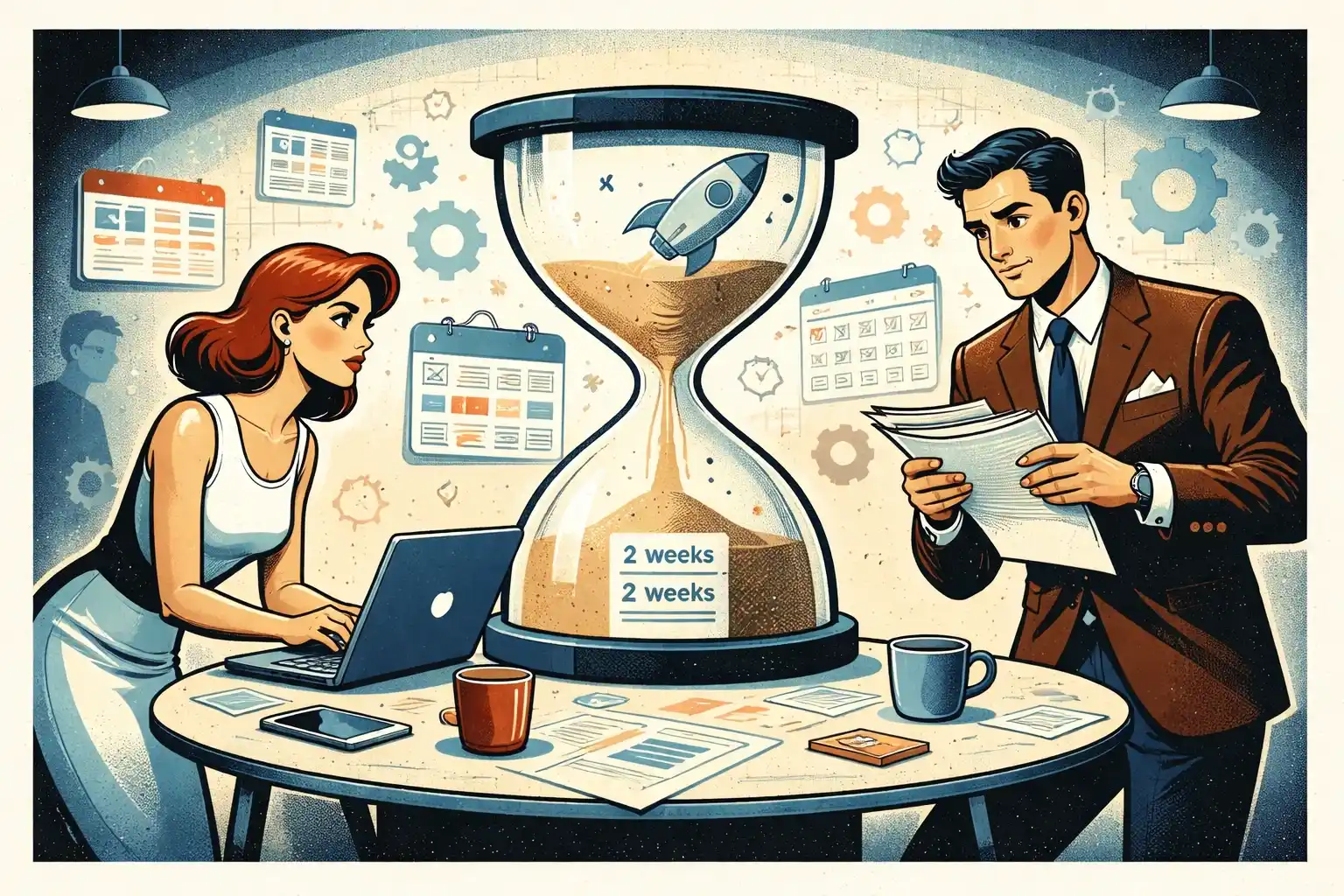
That is why the leanest test is often intentionally temporary.
When to move from workflow test to software
The workflow usually deserves software once three things become true.
First, the core value path is clear.
Second, the process repeats with enough consistency that the team can describe it simply.
Third, the manual layer is now slowing learning or delivery more than helping it.
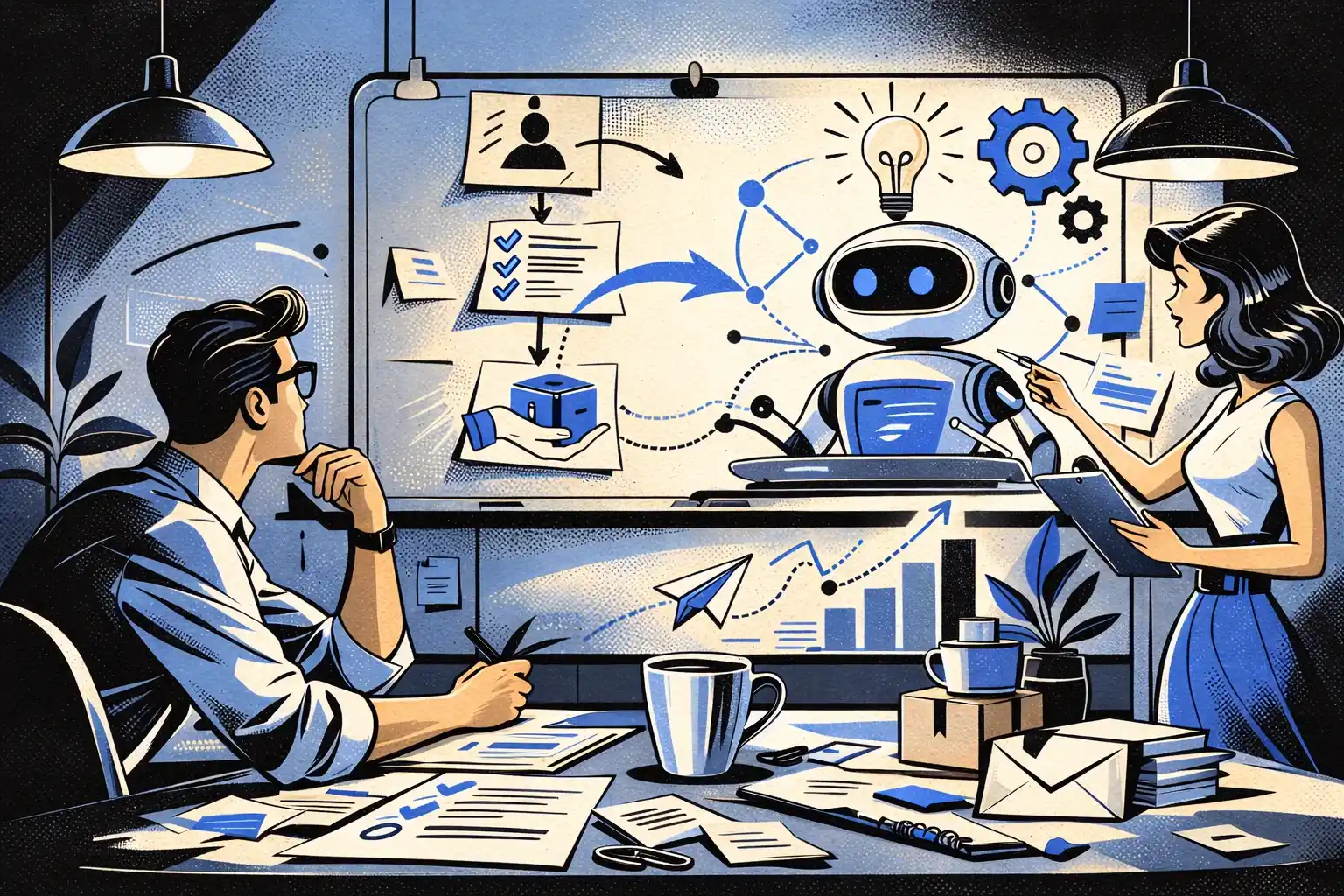
At that point, software is no longer guessing the workflow. It is capturing it.
That is the right moment to move from a lean test into a focused MVP.
And even then, the software should usually support the core path first, not every surrounding comfort feature.
That is why What to Build First in 2026: Website, MVP, or Manual Service belongs in the same conversation.
The biggest mistake: testing too much at once
The leanest workflow test becomes unlean the moment the founder tries to prove everything at once.
Testing demand, onboarding, retention, pricing, automation, multiple user roles, admin logic, analytics, and long-term scalability in one early setup is usually too much.
A strong test answers one major question clearly.
Can users move through this process?
Do they understand the value?
Will they continue?
Will they pay?
Pick the question first. Then shape the workflow test around it.
That is also why What Founders Regret Building Too Early in 2026 fits naturally here.
A practical founder framework
Start with one user type and one workflow.
Run the process manually with the least possible software.
Keep the user-facing experience simple.
Track where value appears and where friction appears.
Note what repeats and what changes.
Then decide what part deserves software because it has become stable, valuable, and worth automating.
That is the leanest path because it keeps the startup close to real behavior while delaying product weight until the business has earned it.
Final thought
The leanest way to test a startup workflow in 2026 is usually not to build the workflow product first.
It is to run the smallest version of the process that can produce real user signal, learn where the value truly sits, and only then turn the repeated parts into software.
The smartest founders do not rush to productize uncertainty. They test the workflow first, understand what matters, and build only what the pattern has already proven.
Trying to test a startup workflow without overbuilding too early?
At Valtorian, we help founders figure out what to keep manual, what to validate first, and when a workflow is finally ready to become a focused MVP.
Let’s look at your process, your proof goal, and the leanest way to test it before you spend too much on software.
FAQ
What is the leanest way to test a startup workflow?
Usually by running the smallest useful version manually, with a simple user-facing flow and as little software as possible.
Do I need an MVP to test a workflow?
Not always. Many workflows can be tested manually first, especially if the core process is still changing or the value is not yet fully clear.
What should I observe during a workflow test?
Watch for friction, repeated questions, value moments, drop-off points, willingness to continue, and what parts of the process repeat consistently.
When is a workflow ready for software?
When the core value path is clear, the process repeats consistently, and the manual layer is now slowing learning or delivery more than helping.
What is the biggest mistake in workflow testing?
Trying to test too many things at once instead of shaping the test around one main proof goal.
Can I use a website and still keep the workflow manual?
Yes. Many early startups use a simple front-end layer while the core delivery still runs manually behind the scenes.
How narrow should the first workflow test be?
As narrow as possible: usually one user type, one core use case, and one clear outcome.



































.webp)




.webp)