.webp)
What Founders Should Automate First in 2026
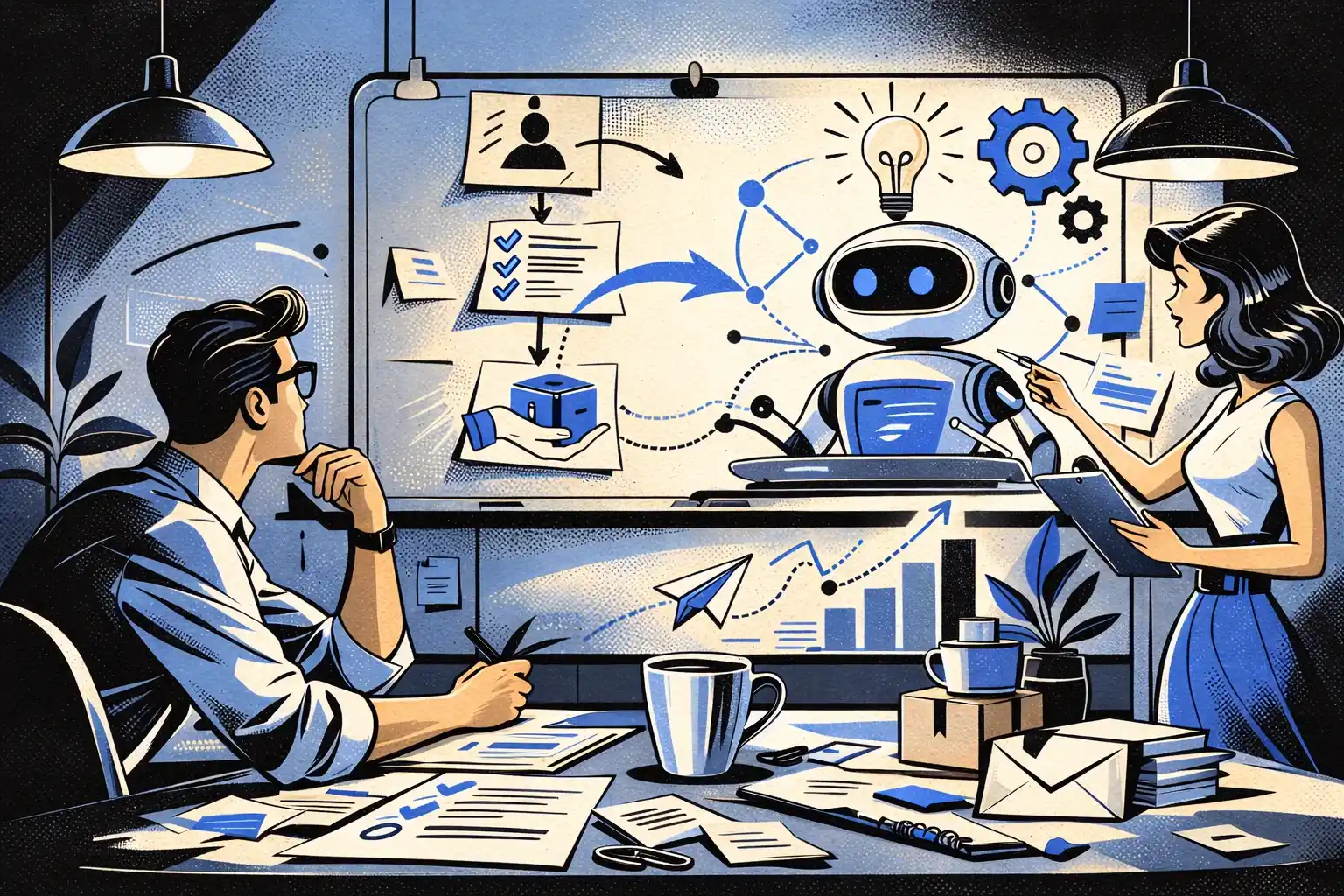
Founders often start automating the wrong things. They automate whatever feels repetitive, visible, or easy to hand to software, even when that process is still poorly understood. In 2026, the better approach is simpler: automate the parts of the business that are already repeated, already clear, and already creating drag. This article explains what founders should automate first, what should stay manual longer, and how to avoid turning automation into a more expensive form of confusion.
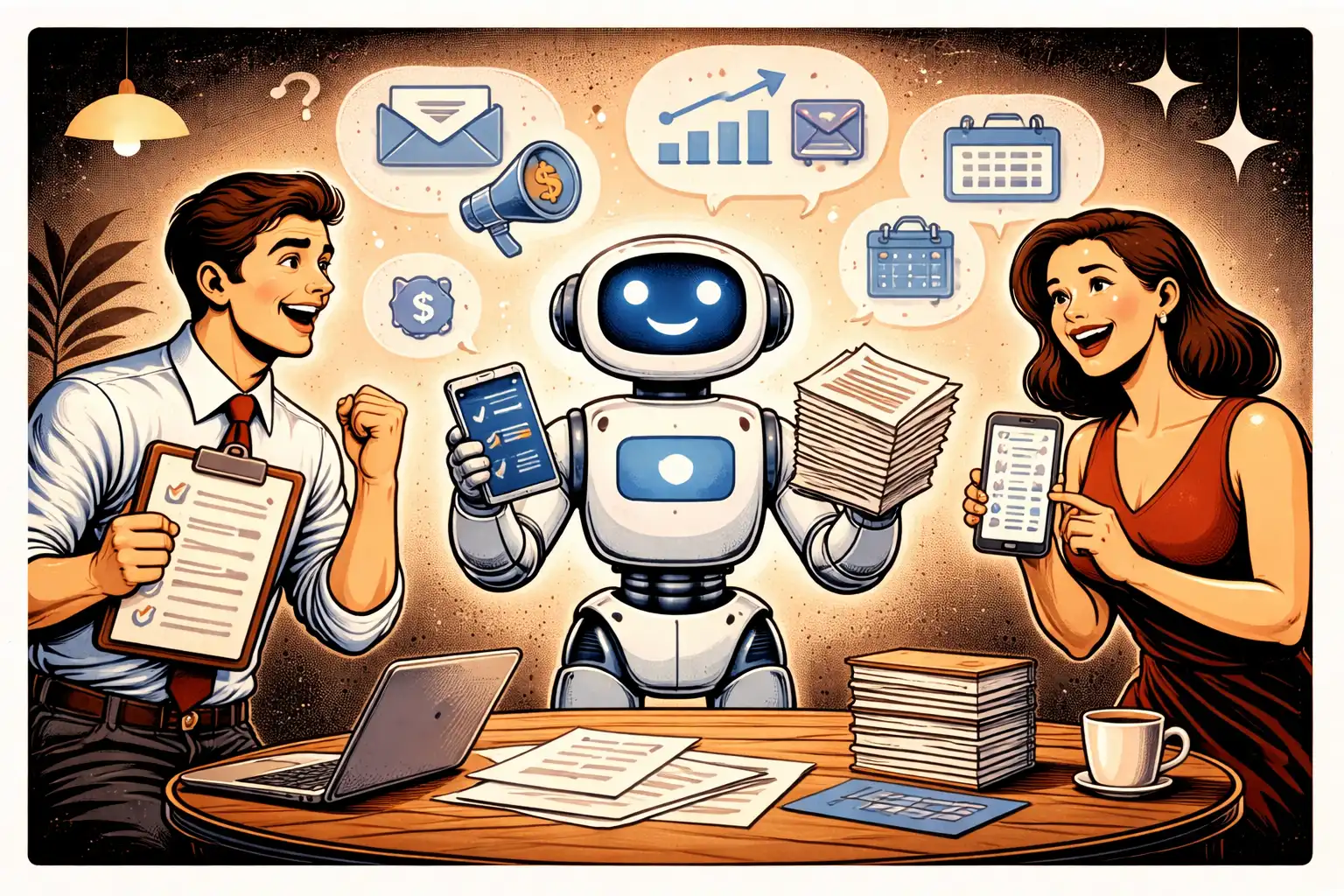
TL;DR: Founders should automate the workflows that are repeated, predictable, and low-risk first. That usually means scheduling, lead routing, basic follow-ups, status updates, repetitive internal admin, and structured data movement.
Why founders automate the wrong things
Founders usually automate too early for one of two reasons.
The first is impatience. A workflow feels annoying, so they want to remove it quickly. The second is image. Automation sounds like progress, sophistication, and scale, so it feels like the kind of thing a serious startup should already be doing.
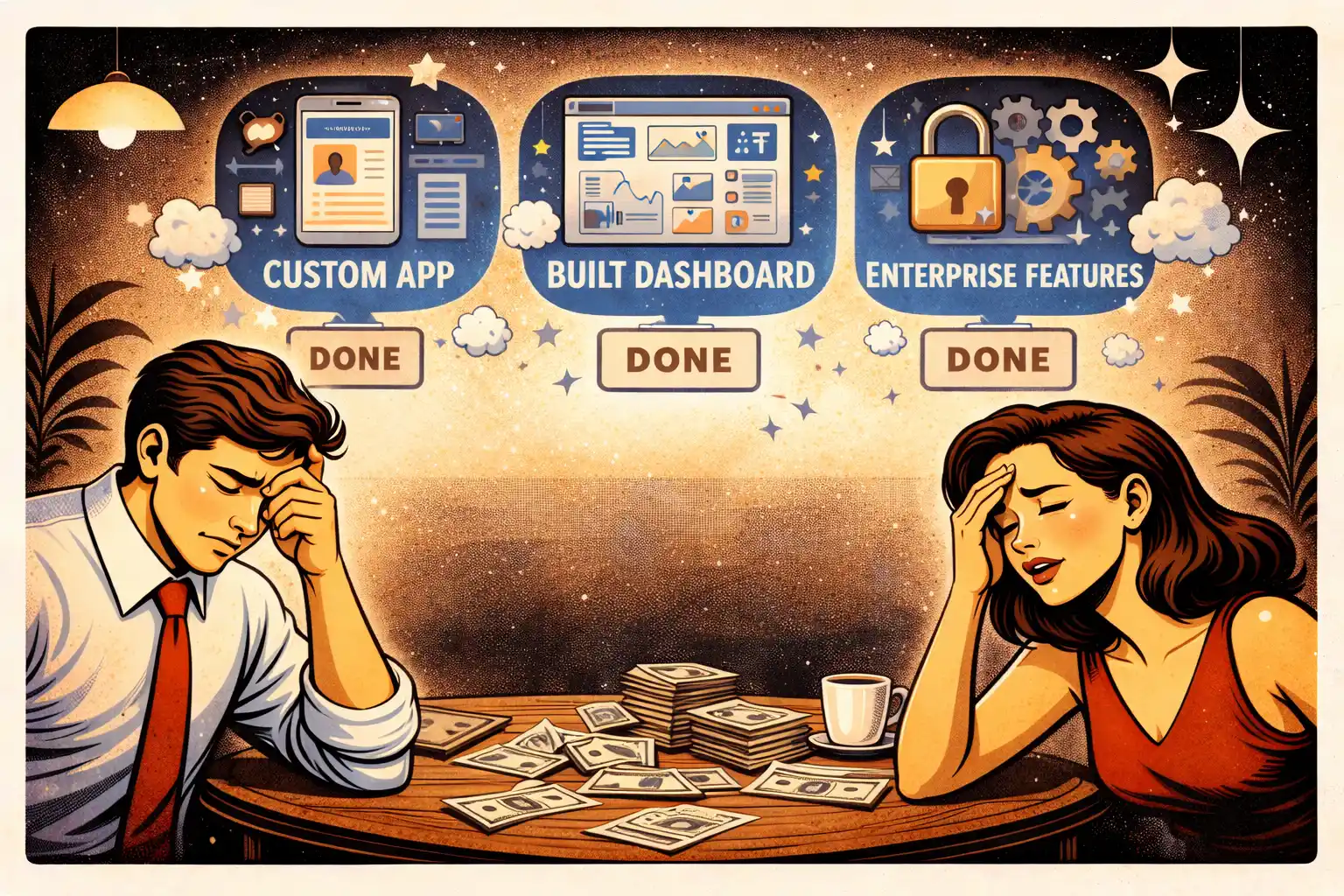
That is how teams end up automating messy processes instead of improving them first.
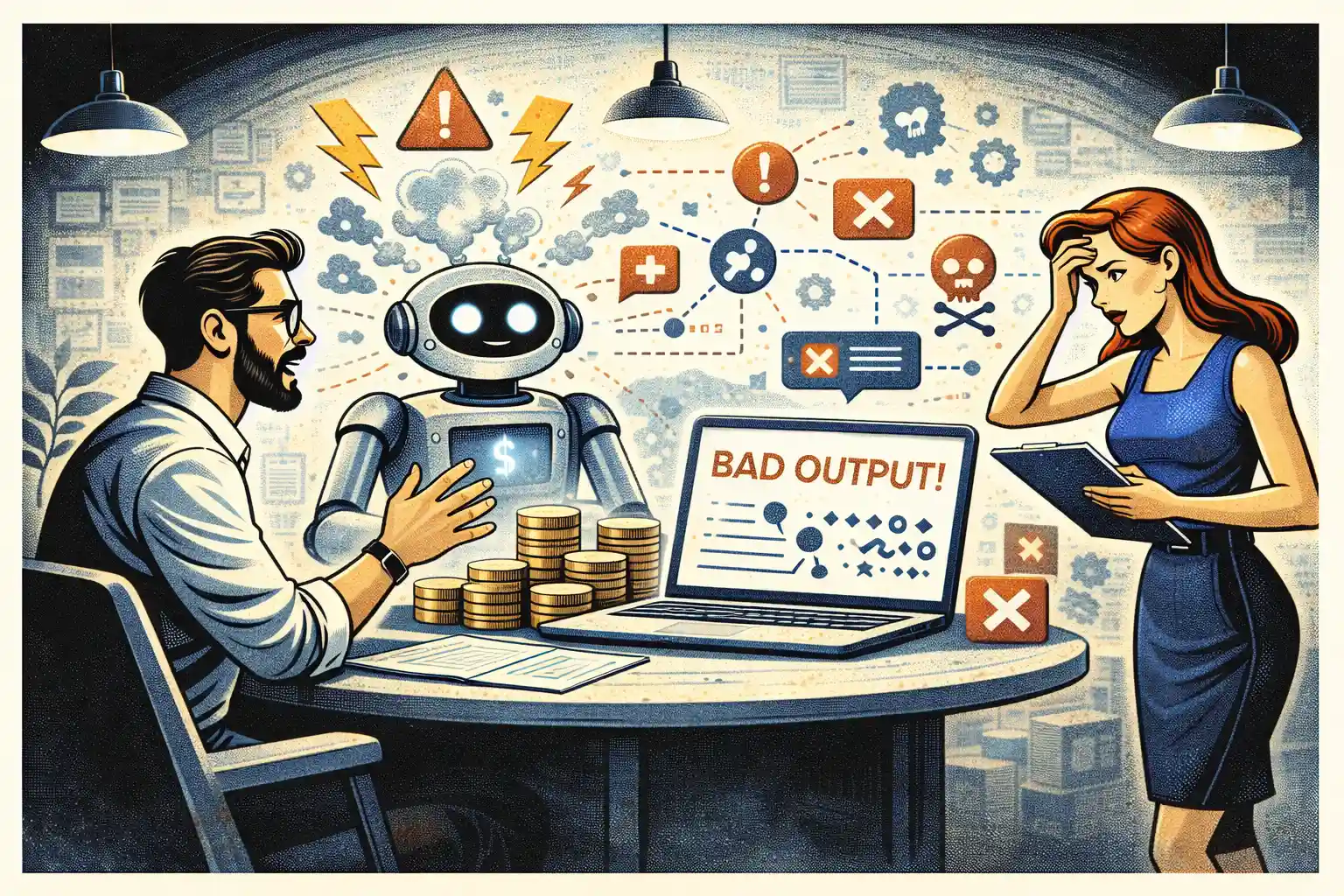
A bad process does not become good because it runs automatically. It just becomes harder to notice, harder to question, and sometimes more expensive to fix later.
The rule founders should use first
A simple rule works well here.
Automate only what is already repeated, already understood, and already worth keeping.
If a workflow still changes every week, still depends on founder instinct, or still teaches you something important about users, it is probably too early to automate.
If a workflow happens often, follows the same pattern, and mostly creates administrative drag, it is usually a better automation candidate.
This rule matters because most early-stage startups are still learning. And learning-heavy work is often exactly the part that should stay manual for longer.
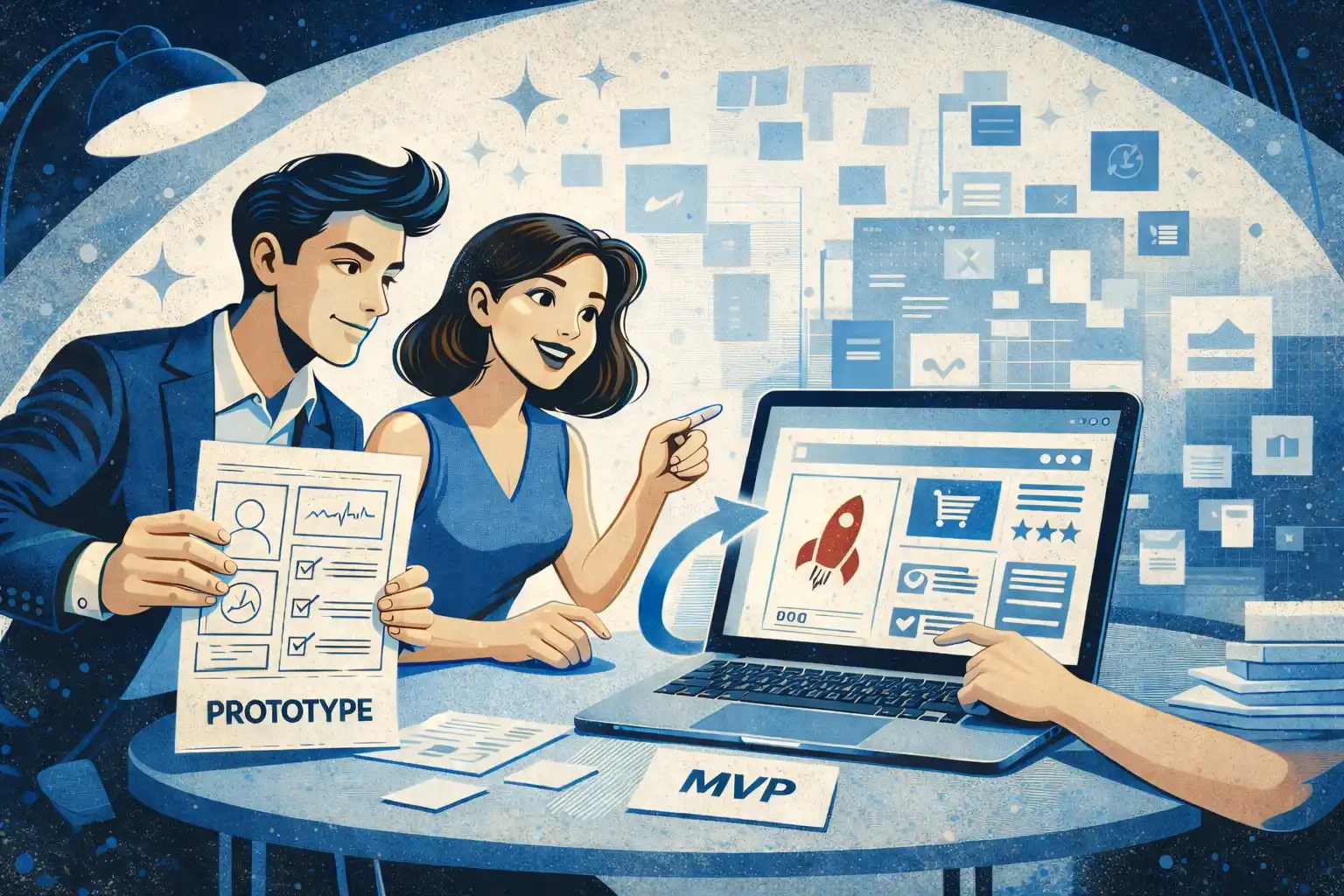
That is why What to Build First in 2026: Website, MVP, or Manual Service is such a natural related read.
What founders should automate first
The best first automation targets are usually operational, not strategic.
Lead intake is a good example. If incoming leads are being copied manually from forms into a CRM, tagged by hand, or forwarded inconsistently, automation can remove real friction quickly.
Scheduling is another. Calendar coordination, reminders, confirmations, and simple routing can usually be automated without much downside.
Basic follow-up workflows also often make sense. Not the important human conversation itself, but the repetitive steps around it: confirmations, reminders, next-step messages, internal notifications, and status tracking.
Founders should also look at internal admin. Repeated updates, simple handoffs, structured reporting, invoice reminders, document collection, and task creation are often better early automation targets than flashy product-side workflows.
Another strong candidate is data movement. If the same information keeps being copied between tools by hand, that is often one of the easiest places to save time without creating strategic blindness.
This logic overlaps directly with AI + Human Workflows in 2026: The Best Hybrid Pattern.
What should stay manual longer
The workflows closest to customer truth should usually stay manual longer.
Sales discovery should stay more human if the founder is still learning what prospects actually care about.
User interviews should stay human if the startup is still trying to understand objections, language, friction, and buying triggers.
Early onboarding should often stay partly manual too, because it shows where users get confused, what they ignore, and what they ask for when nobody is hiding behind automation.
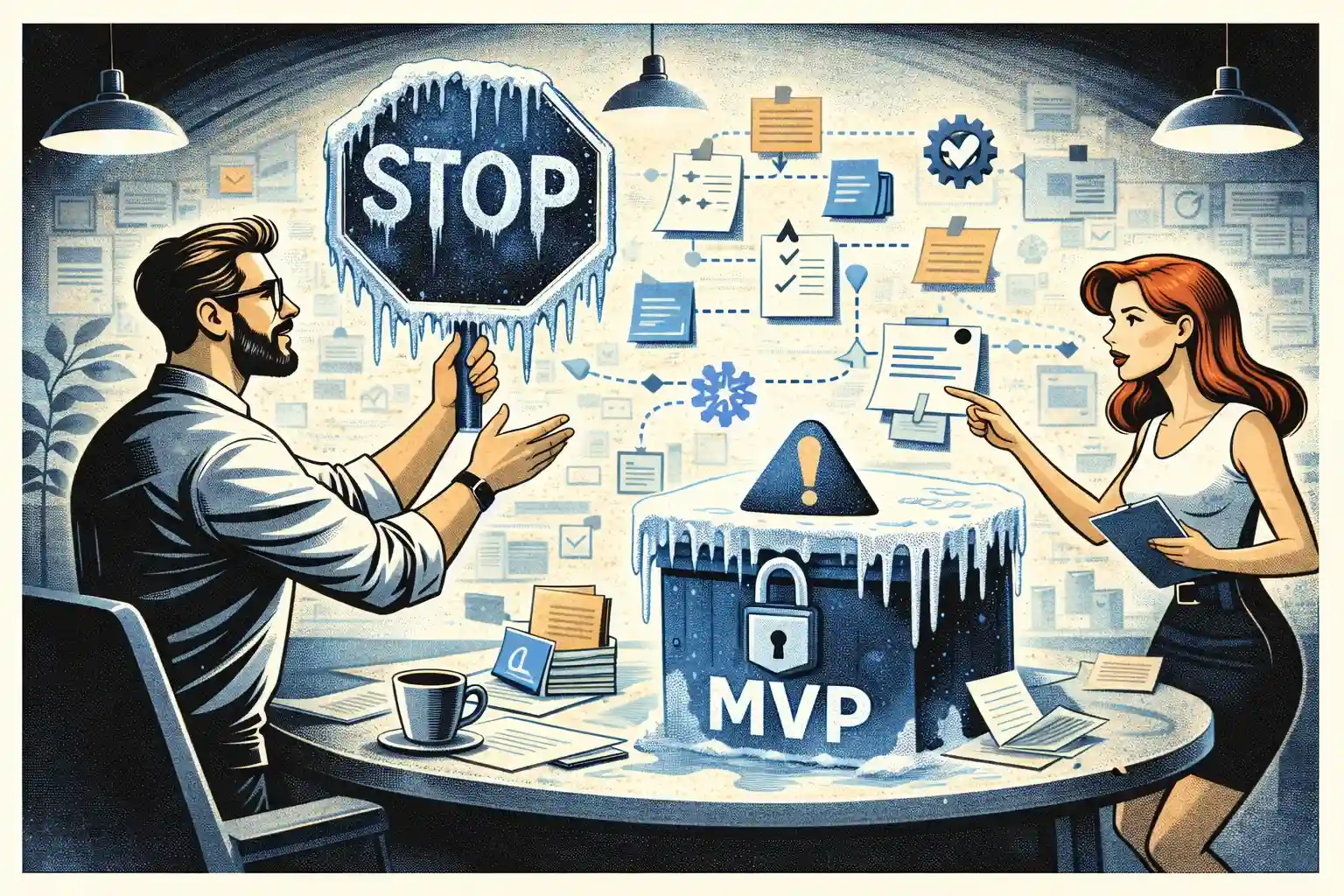
Pricing conversations, problem discovery, product prioritization, and first-user support often contain the richest signals in an early-stage startup. Automate them too early, and the founder may accidentally cut themselves off from the best learning in the company.
That connects naturally to Founder-Led MVP Testing in 2026: A Practical Setup and Manual-First MVPs in 2026: What to Do Before Automating.
Why internal ops usually beat product automation first
Founders are often tempted to automate product features before they automate internal drag.
That is usually backwards.
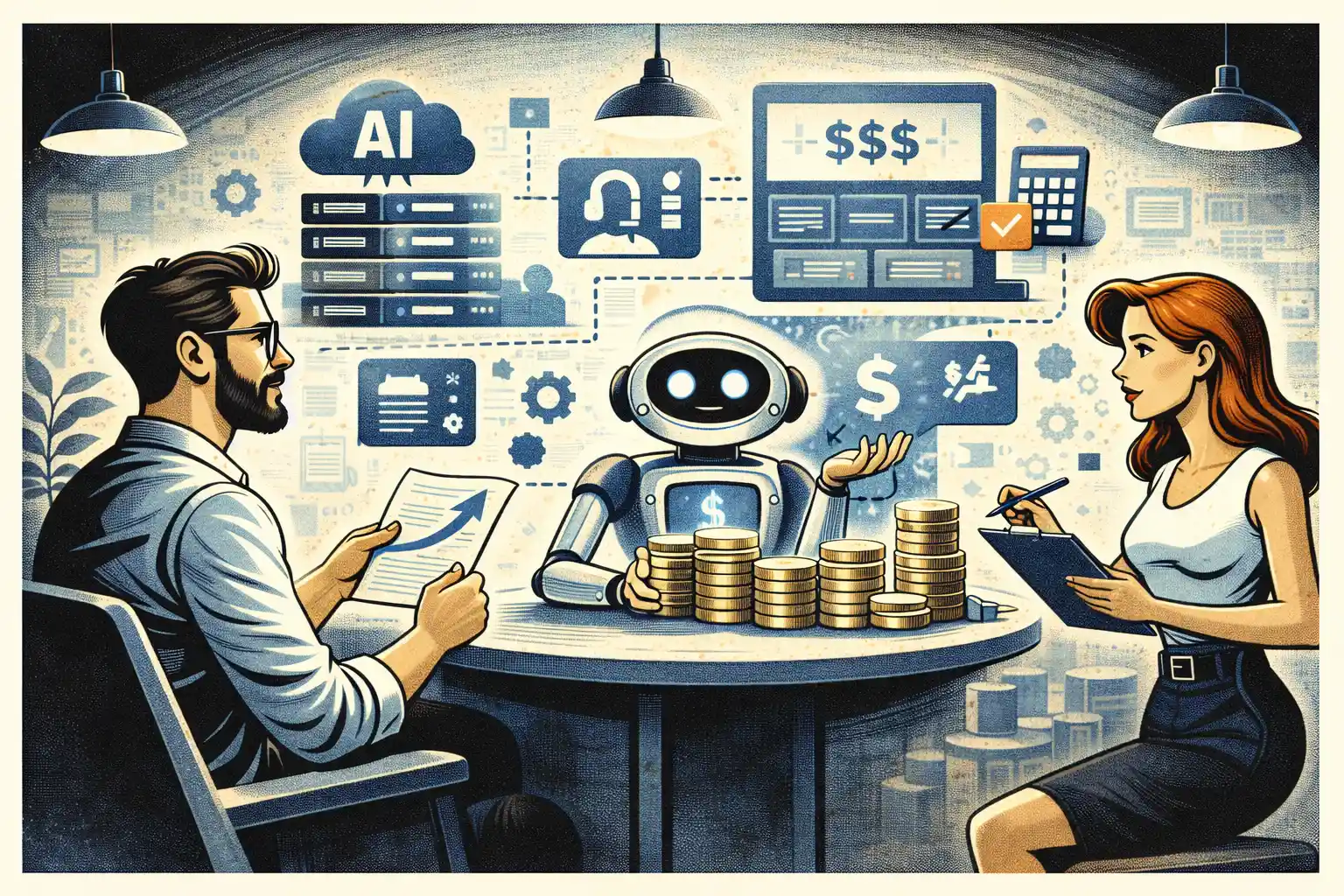
Internal operations are often easier to automate because they are more structured, lower risk, and easier to correct if something goes wrong. Product-facing automation affects the user directly, which means weak logic, bad timing, or missing context can damage trust much faster.
So in early-stage companies, the smarter move is often to automate internal admin first and leave customer-facing decisions more human until patterns are clearer.
That is especially true when the startup is still validating demand, retention, or real workflow value.
Where AI changes the picture in 2026
AI makes more automation possible, but it does not remove the need for judgment.
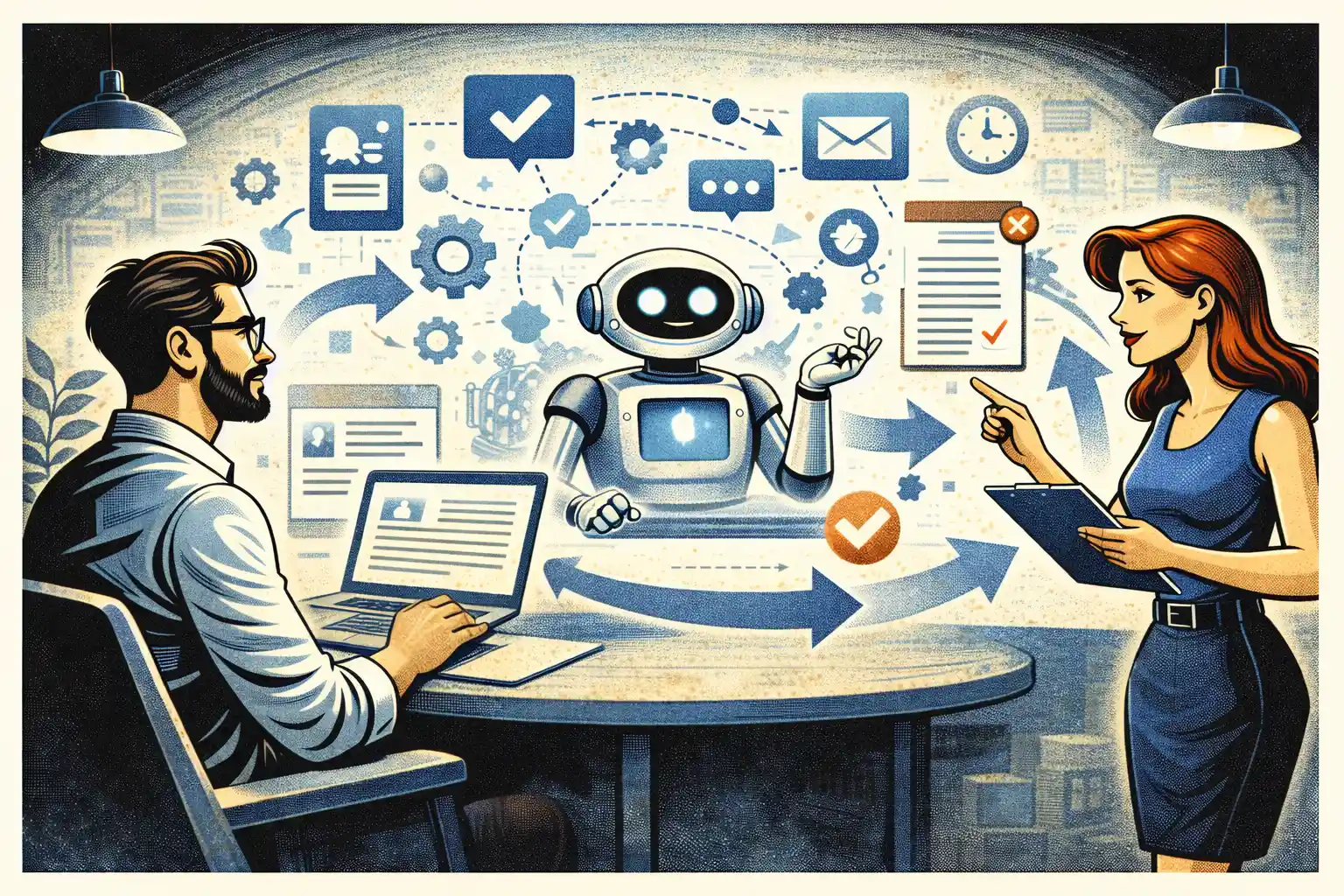
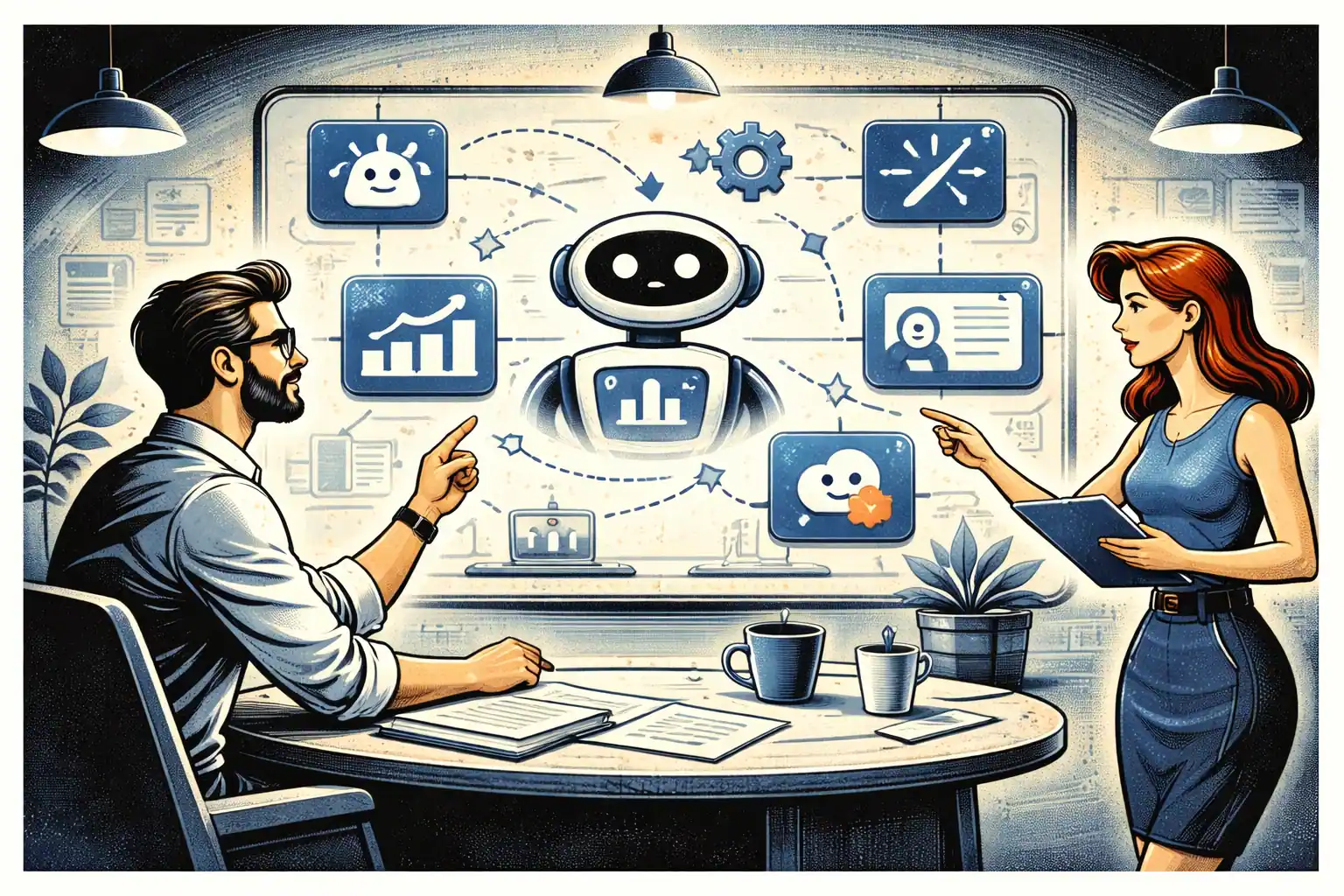
In 2026, founders can automate more of the “messy middle” than before. Drafting messages, summarizing conversations, tagging leads, routing requests, extracting structured information, and generating internal suggestions are all much easier now.
But easier does not always mean smarter.
AI is strongest when it supports a workflow that already has a human owner, a clear standard, and a known outcome. It becomes much riskier when founders use it to replace judgment before the business even understands the judgment it is trying to replace.
That is why the best early use of AI in automation is usually assistive, not fully autonomous.
This is where AI at Work in 2026: Where It Helps and Where It Backfires becomes especially relevant.
How to know a workflow is ready to automate
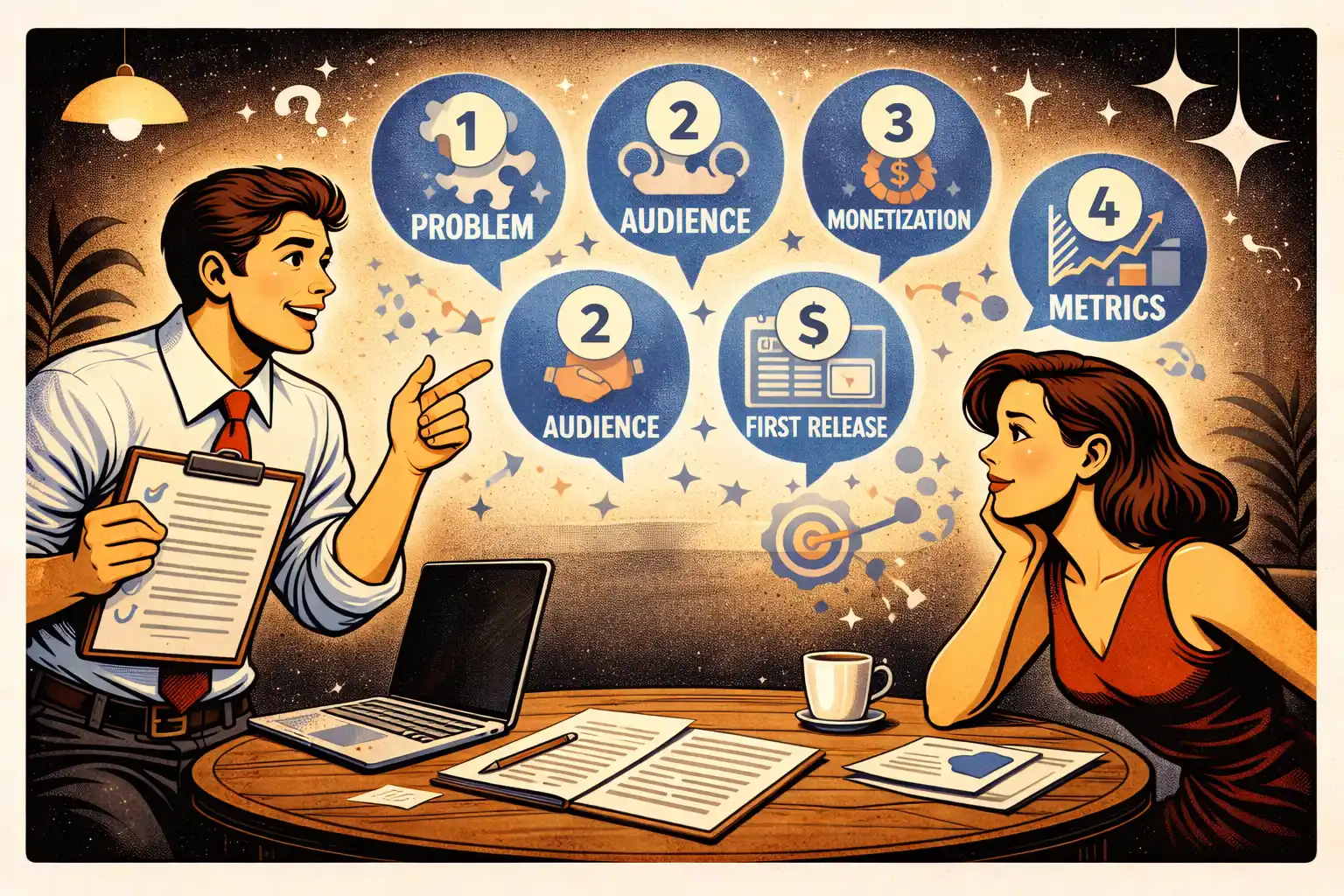
A workflow is usually ready for automation when four things are true.
It happens often.
It follows a recognizable pattern.
The team already understands what “good” looks like.
And if the automation misfires, the downside is manageable.
If even one of those is missing, the startup should slow down.
A workflow that still depends on nuance, still changes frequently, or still teaches the founder something important is usually not ready yet.
A practical founder framework
Start by writing down the tasks that take time every single week.
Then separate them into two groups.
The first group is work that creates learning: sales calls, user conversations, pricing reactions, onboarding pain, product feedback.
The second group is work that mostly creates drag: scheduling, reminders, routing, status updates, repeated admin, copying data between tools.
Automate the second group first.
Only automate the first group once you are confident you are no longer cutting yourself off from important signals.
That is why Tech Decisions for Founders in 2026 and How Agencies Build MVPs in 2026: Process Basics are useful next reads.
Final thought
What founders should automate first in 2026 is usually not the most impressive part of the business. It is the most repetitive part.
The best early automation removes drag from workflows you already understand. It does not replace the conversations, judgment, and messy learning that still shape the startup itself.
Founders usually get the best results when they automate admin before insight, structure before strategy, and repetition before discovery.
Thinking about what to automate, what to keep manual, and what to build next?
At Valtorian, we help founders turn early-stage chaos into practical systems, clear product scope, and launch-ready workflows without overcomplicating the business too early.
Let’s look at your current process, your biggest bottlenecks, and what should actually be automated first.
FAQ
What should founders automate first?
Usually the repeated, structured, low-risk workflows around scheduling, lead routing, reminders, internal admin, and data movement.
What should stay manual longer?
User interviews, sales discovery, early onboarding, pricing conversations, and anything still teaching you important market lessons.
Should startups automate customer support early?
Only the repetitive parts. The signals inside early support are often too valuable to remove completely.
Is AI good for early-stage automation?
Yes, when it assists a clear workflow. It is much riskier when it replaces human judgment too early.
What is the biggest automation mistake founders make?
Automating a messy or poorly understood process instead of fixing and understanding it first.
How do I know a workflow is ready to automate?
It should happen often, follow a pattern, have a clear standard, and carry manageable downside if something goes wrong.
Should product features be automated before internal ops?
Usually no. Internal ops are often the safer and smarter first place to automate because they are more structured and less risky.


























.webp)




.webp)