.webp)
Discovery Phase in 2026: What You Should Receive
In 2026, “discovery” is often sold as a vague workshop. Done right, it’s the fastest way to turn a messy idea into a buildable plan without wasting months on the wrong features. In this article, you’ll learn what a proper discovery phase should produce (specific deliverables, not promises), how to spot low-quality discovery, and how to use the outputs to start MVP development with fewer surprises. You’ll also see what to expect around timelines, ownership, and team involvement.
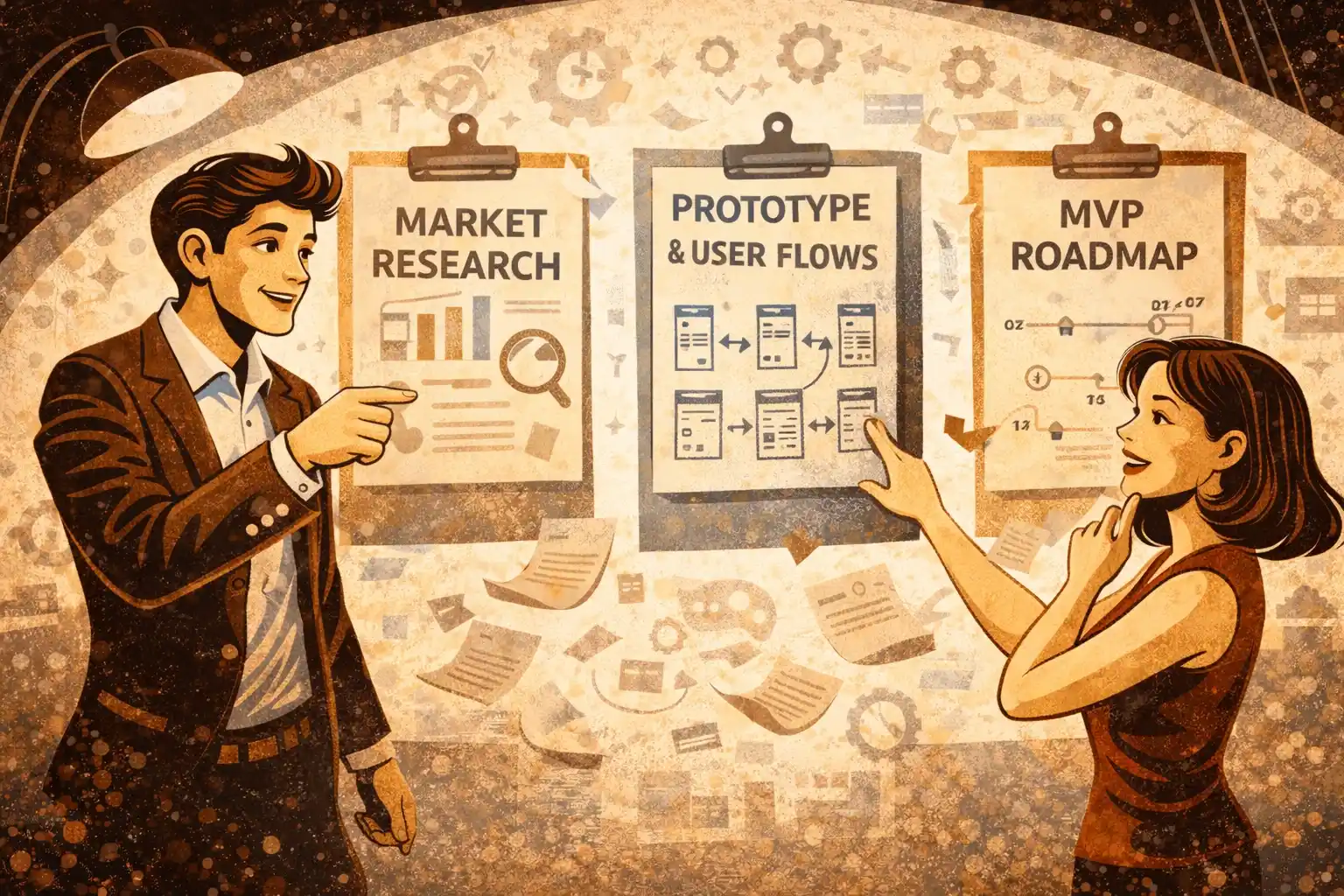
TL;DR: A good discovery phase in 2026 should leave you with a clear MVP scope, a validated user flow, a clickable prototype, and a realistic technical plan with risks and estimates. If you finish discovery and still can’t explain what you’re building, for whom, and what “done” means, you didn’t get discovery — you got meetings
What “Discovery” Actually Means (and what it’s not)
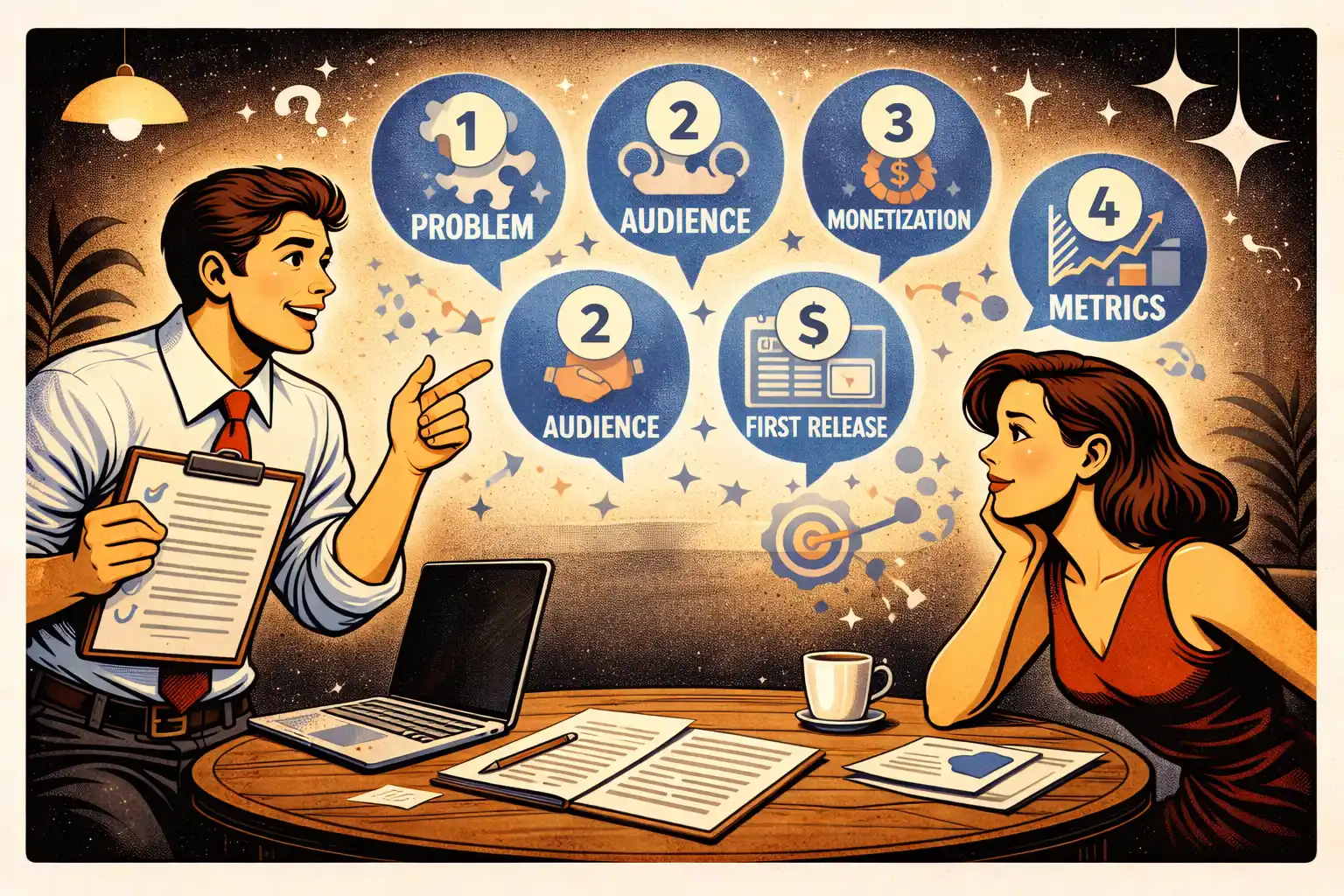
Discovery is a short, structured phase where you convert your idea into a build-ready definition:
- Who the product is for (in plain language)
- What problem you’re solving (and what you’re not solving yet)
- What the first usable version must include
- How you’ll measure whether it’s working
- How the product should be built (enough to estimate and de-risk)
Discovery is not:
- A slide deck full of buzzwords
- A 40-page document nobody reads
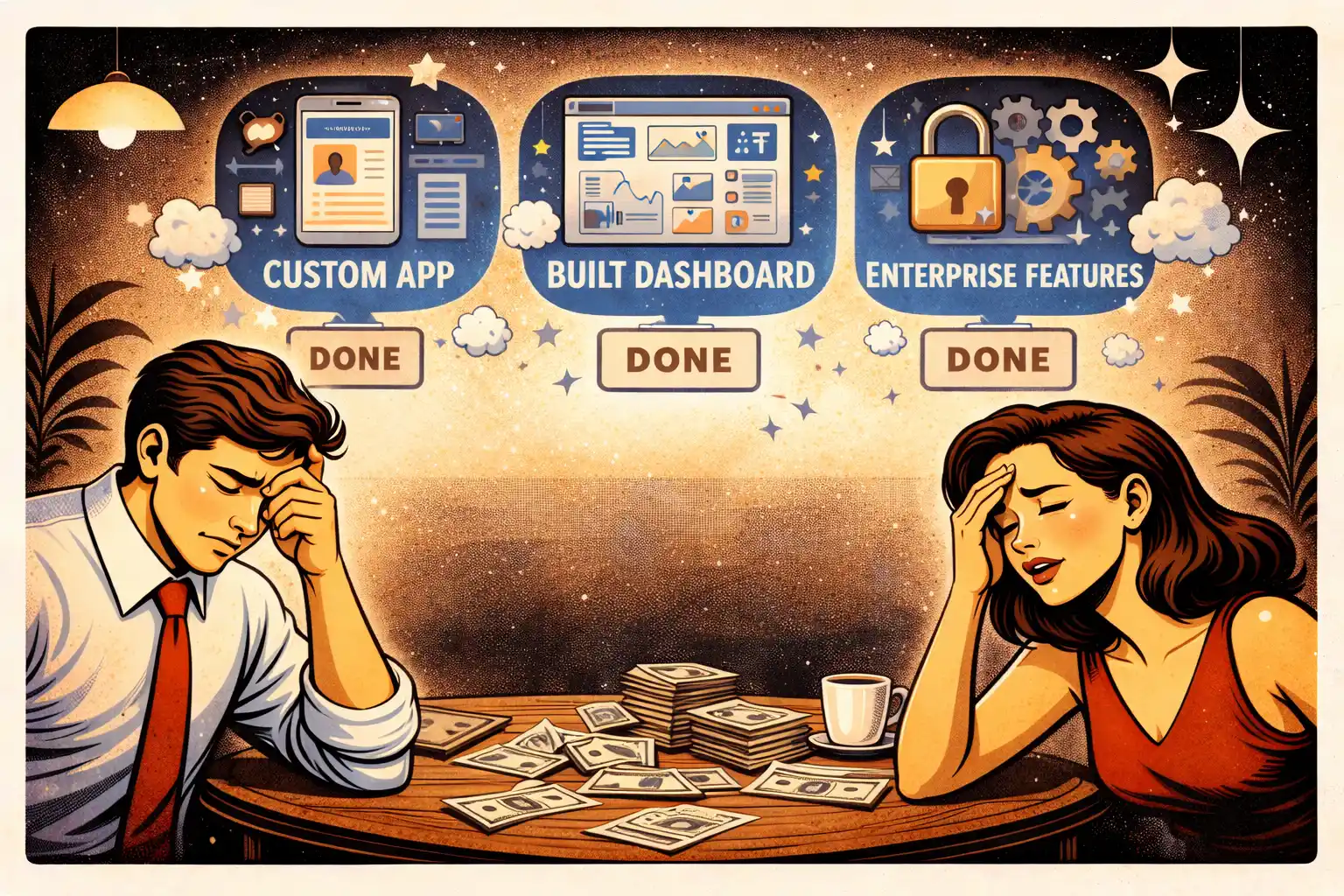
- “Let’s build everything, then we’ll see”
- A disguised sales process to lock you into a big contract
In 2026, building is faster than ever thanks to better tools and AI. That’s exactly why discovery matters more, not less: it’s easy to ship something quickly, and still ship the wrong thing.
If you want the bigger picture of how discovery fits into a full product journey, see Full-Cycle MVP Development: From Discovery to First Paying Users.
Why discovery became more important in 2026
Three trends changed the game:
- Speed increased, mistakes got more expensiveWhen you can build in weeks, you can also burn weeks. The faster you move, the more you need a clear direction.
- AI makes output cheaper, not decisionsAI can generate screens, copy, and even code. It can’t decide your strategy, your MVP boundary, or what users will actually do.
- Investors and early users expect clarityEven if you’re bootstrapping, you’re still “pitching” every day: to users, partners, advisors, and future hires. Clarity beats complexity.
A lot of MVPs still fail because teams confuse shipping with learning. If you want a reality check on common failure patterns, read Why MVPs Still Fail in 2026.
The minimum deliverables you should receive
A solid discovery phase should produce artifacts you can build from. Below is what you should expect — regardless of whether you continue with the same team or not.
1) A crisp problem statement and audience definition
You should walk away with:
- A one-paragraph description of the user and the problem
- The user’s “job” in plain terms (what they came to do)
- The product promise in one sentence
This is your anchor. If it’s fuzzy, everything else will be fuzzy.
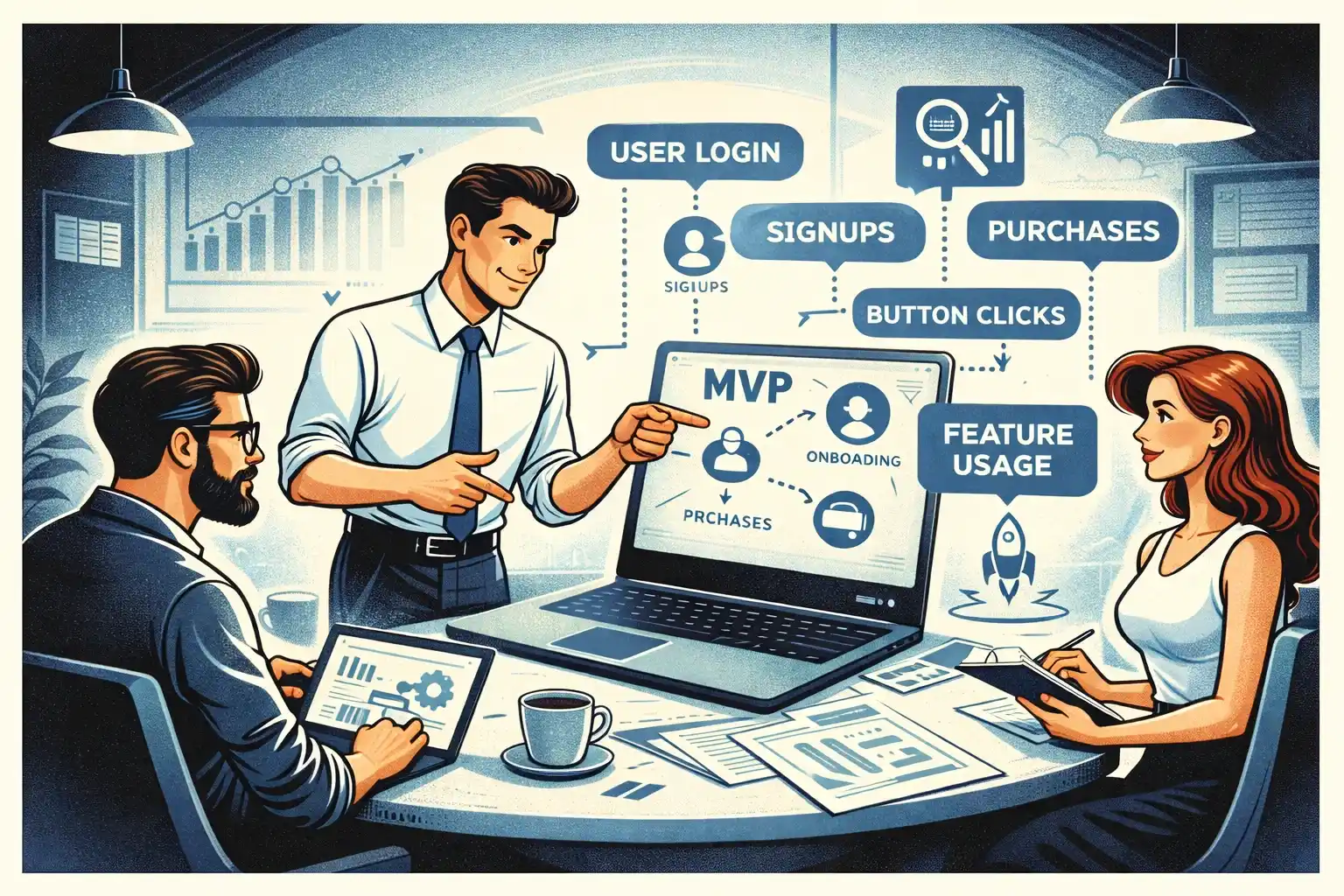
2) Success metrics for the first version
Not “we want growth.”, measurable signals like:
- Activation: what action proves the product is useful?
- Retention proxy: what repeat behavior matters?
- Revenue proxy: what event shows willingness to pay (or intent)?
You don’t need a full analytics system during discovery — but you do need to define what matters. If you want a simple way to think about this, see Your First Product Metrics Dashboard: What Early-Stage Investors Want to See.
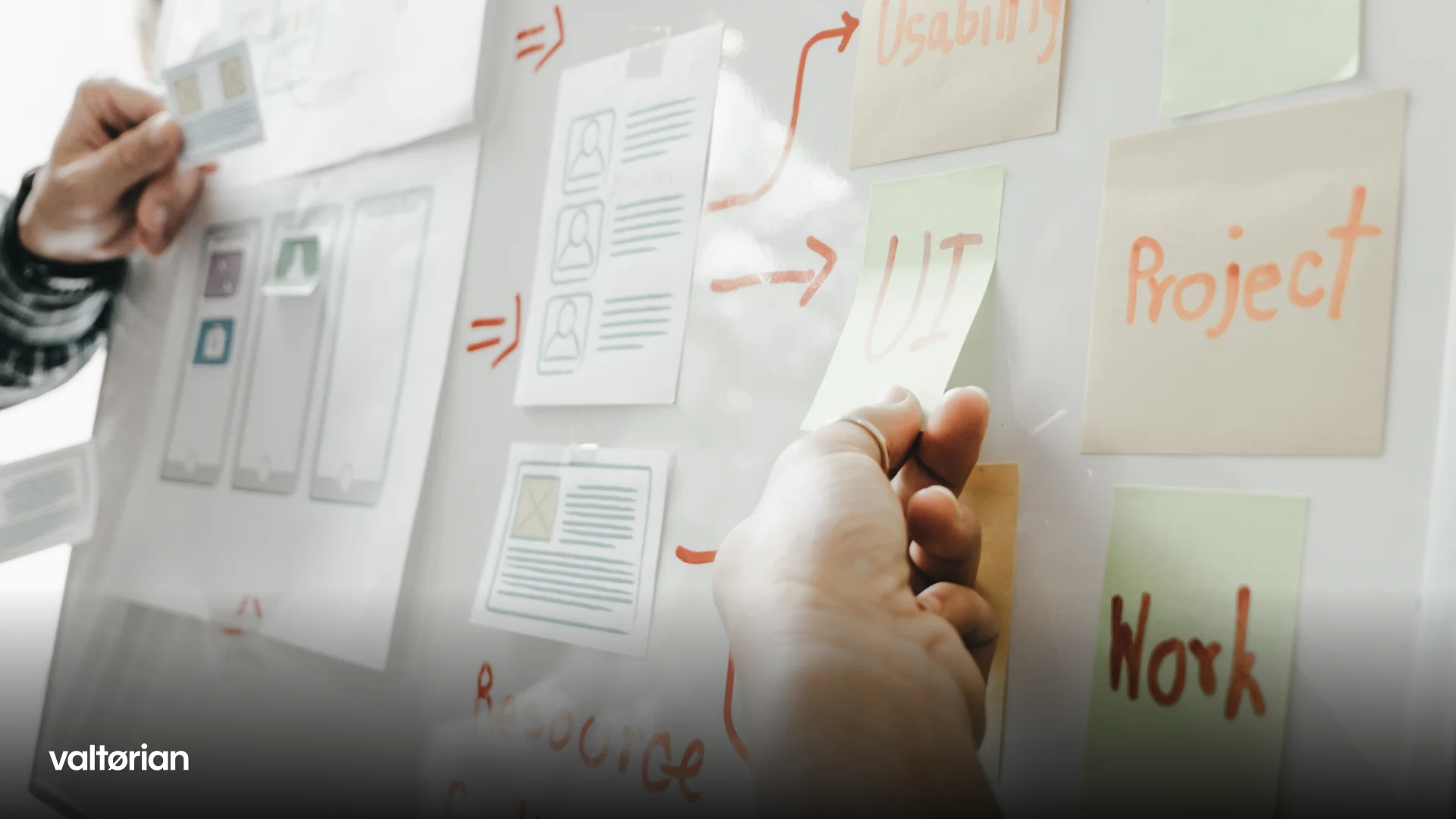
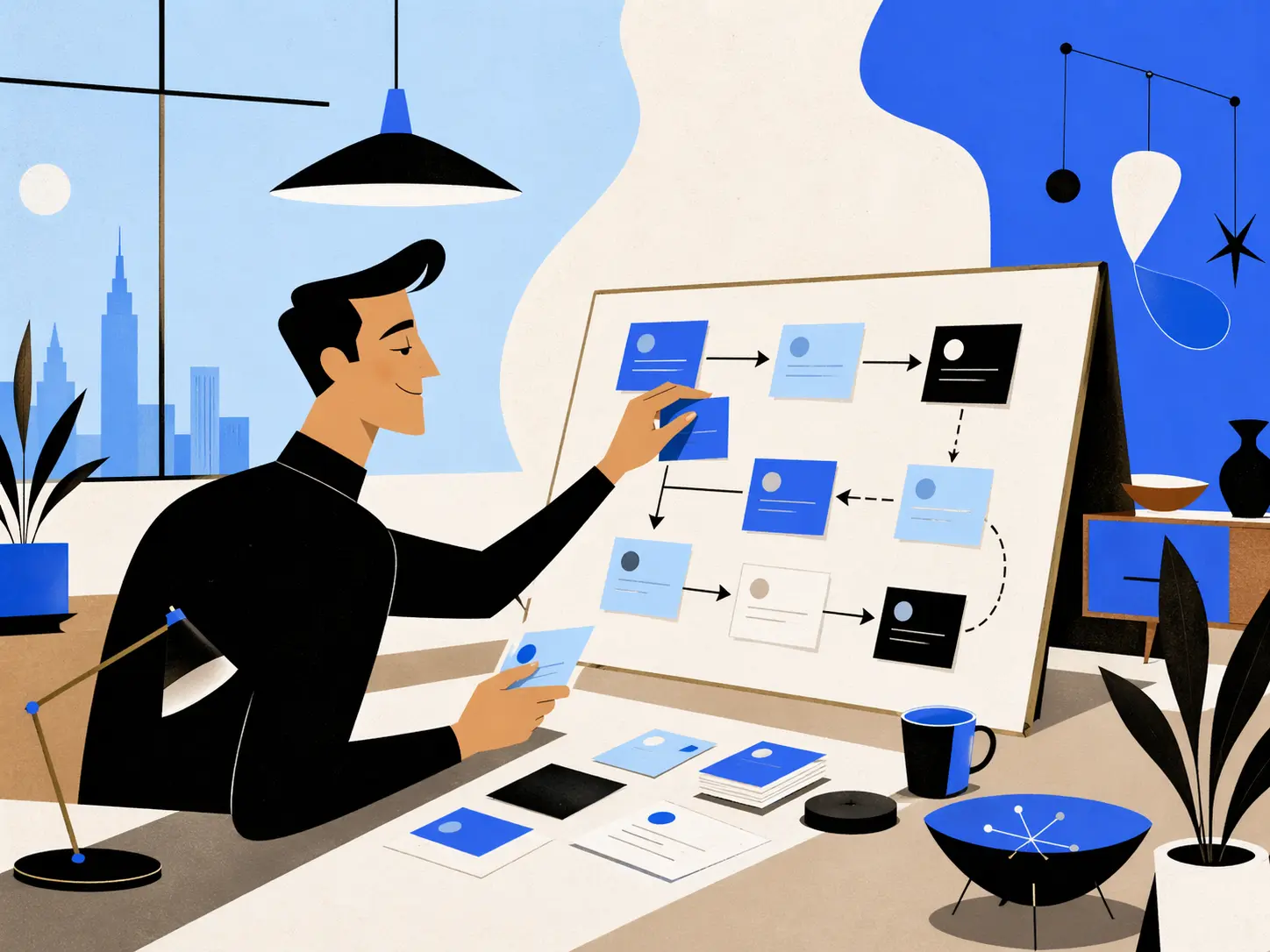
3) User flows that match real behavior
You should receive 2–5 core flows written clearly, usually including:
- Entry point (how the user starts)
- Key steps
- Decision points
- “What can go wrong” notes (edge cases)
If the product is a marketplace, these flows should cover both sides. If it’s SaaS, they should cover onboarding and the first “aha” moment.
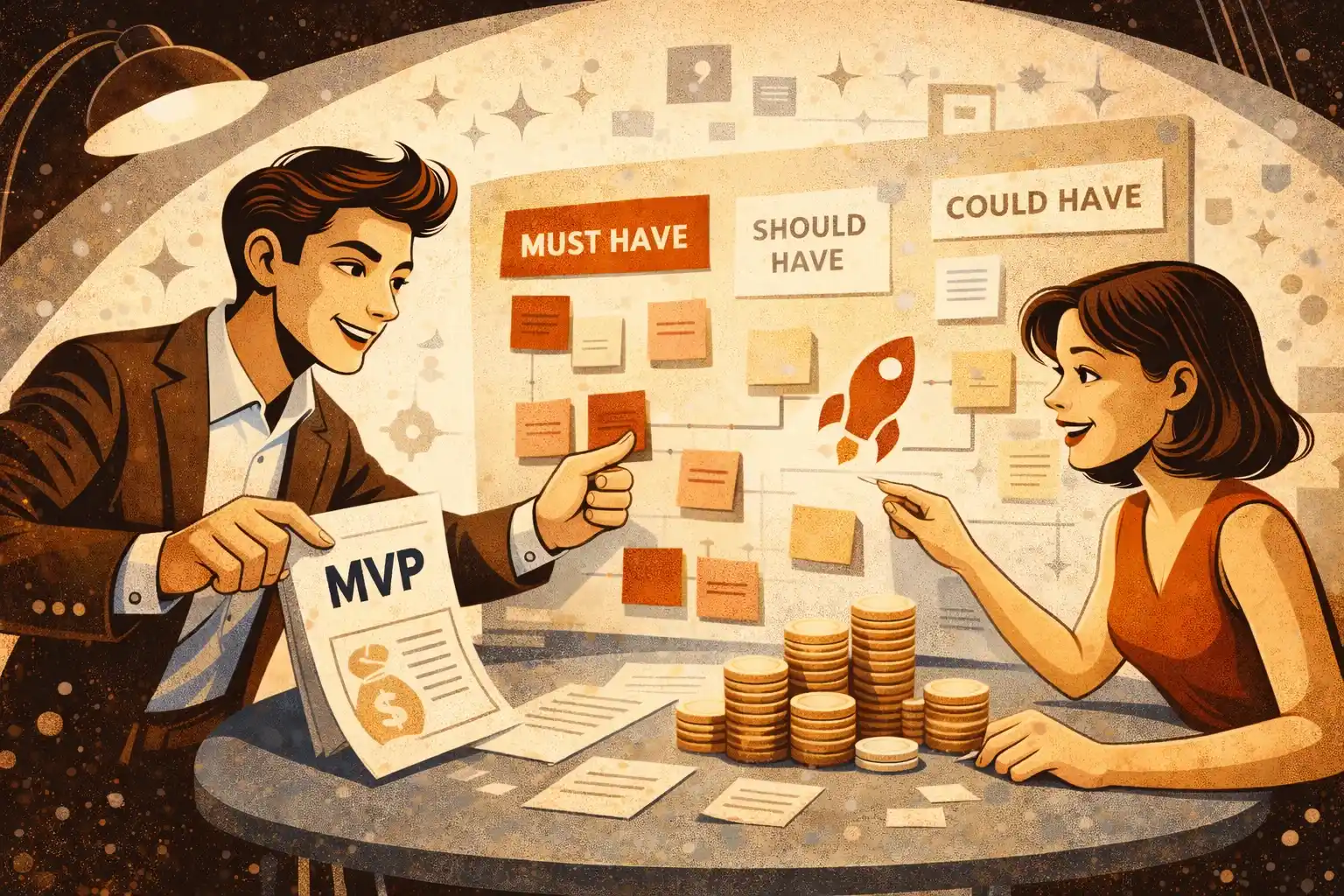
4) MVP scope with priorities (and a clear “not now” list)
This is where most founders get burned.
A proper output looks like:
- A prioritized feature list for MVP (must-have vs nice-to-have)
- A versioned plan (MVP, v1.1, v1.2) if needed
- Explicit exclusions (“we are not building X in MVP”)
If you’re struggling to cut scope without feeling like you’re “ruining” the idea, see How to Prioritize Features When You’re Bootstrapping Your Startup.
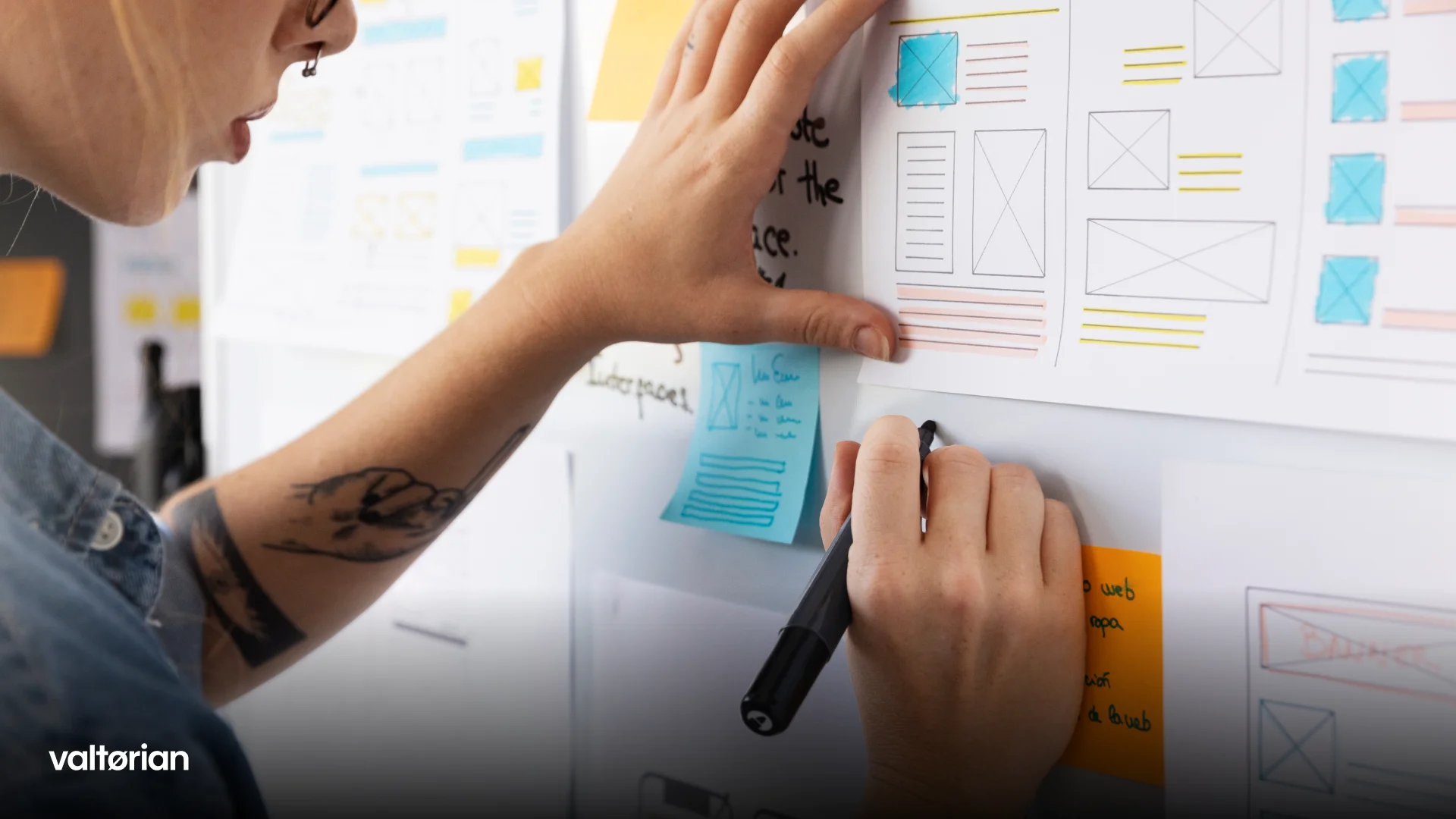
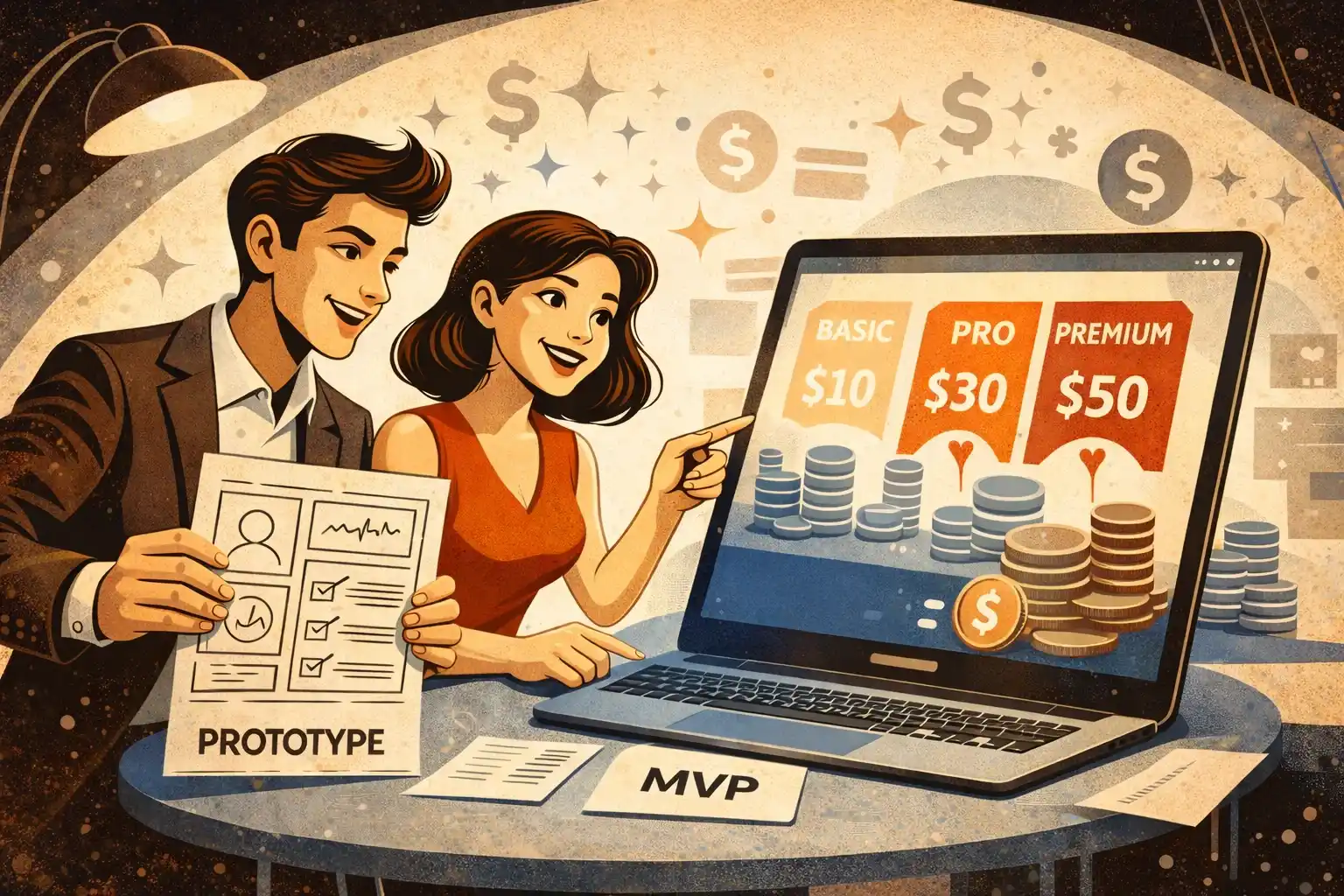
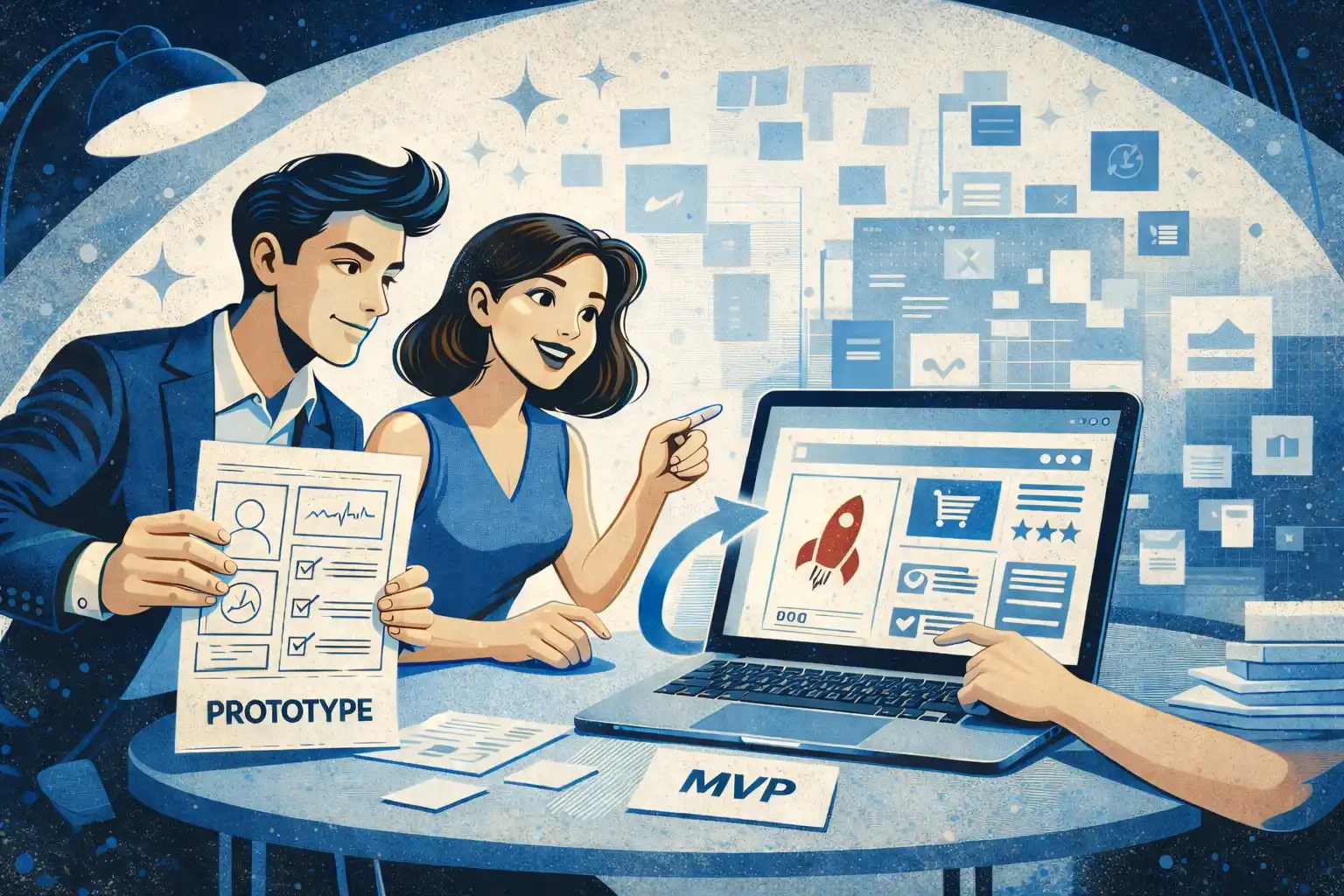
5) A clickable prototype that proves the flow
You should get a prototype that answers:
- Can a new user understand the product in 30 seconds?
- Can they complete the main task without help?
- Is the “payoff” moment obvious?
Important: a prototype is not about looking pretty. It’s about reducing ambiguity before development.
6) Technical plan (simple, but real)
For non-technical founders, “technical plan” should still be readable.
You should receive:
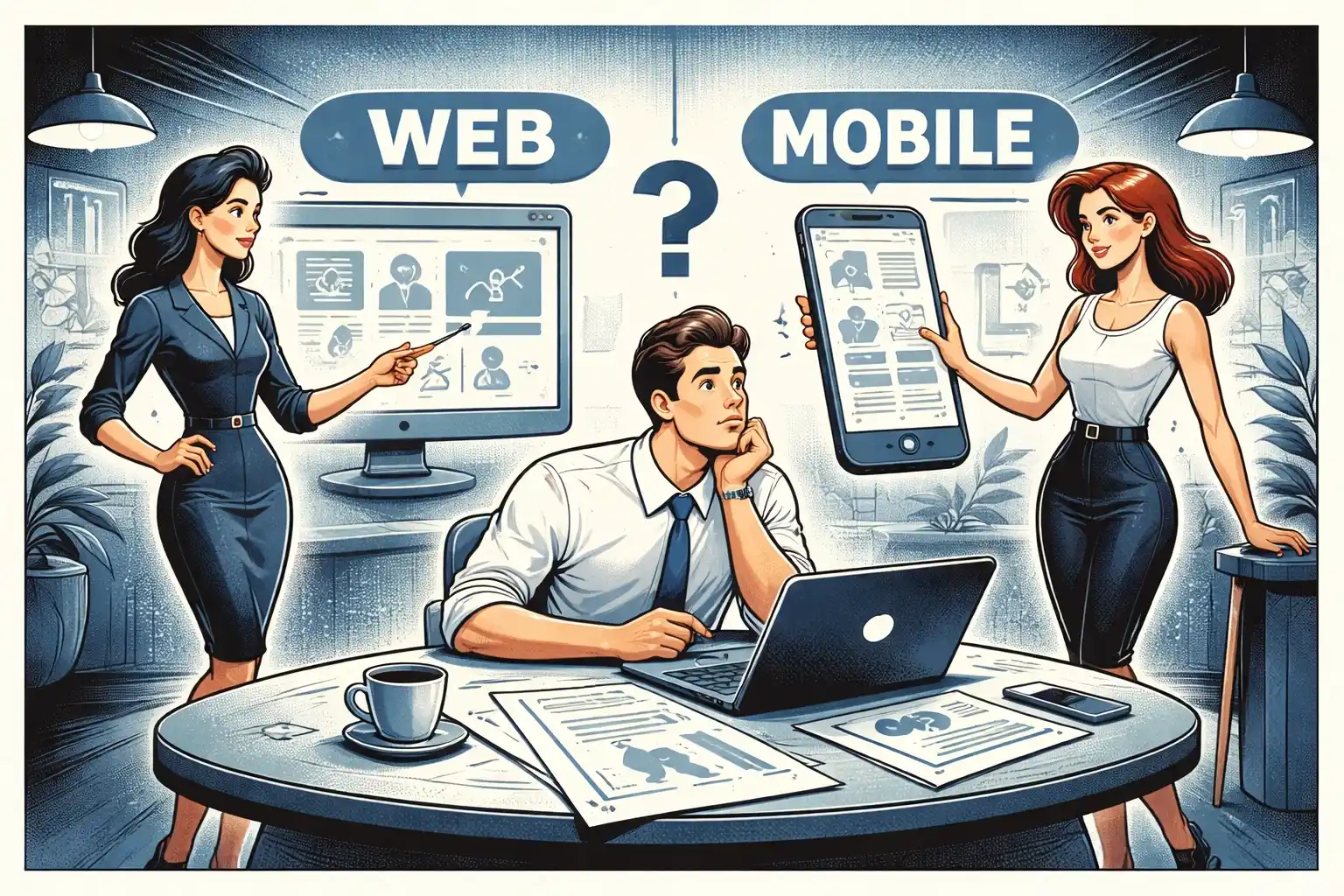
- Recommended approach for web/mobile (and why)
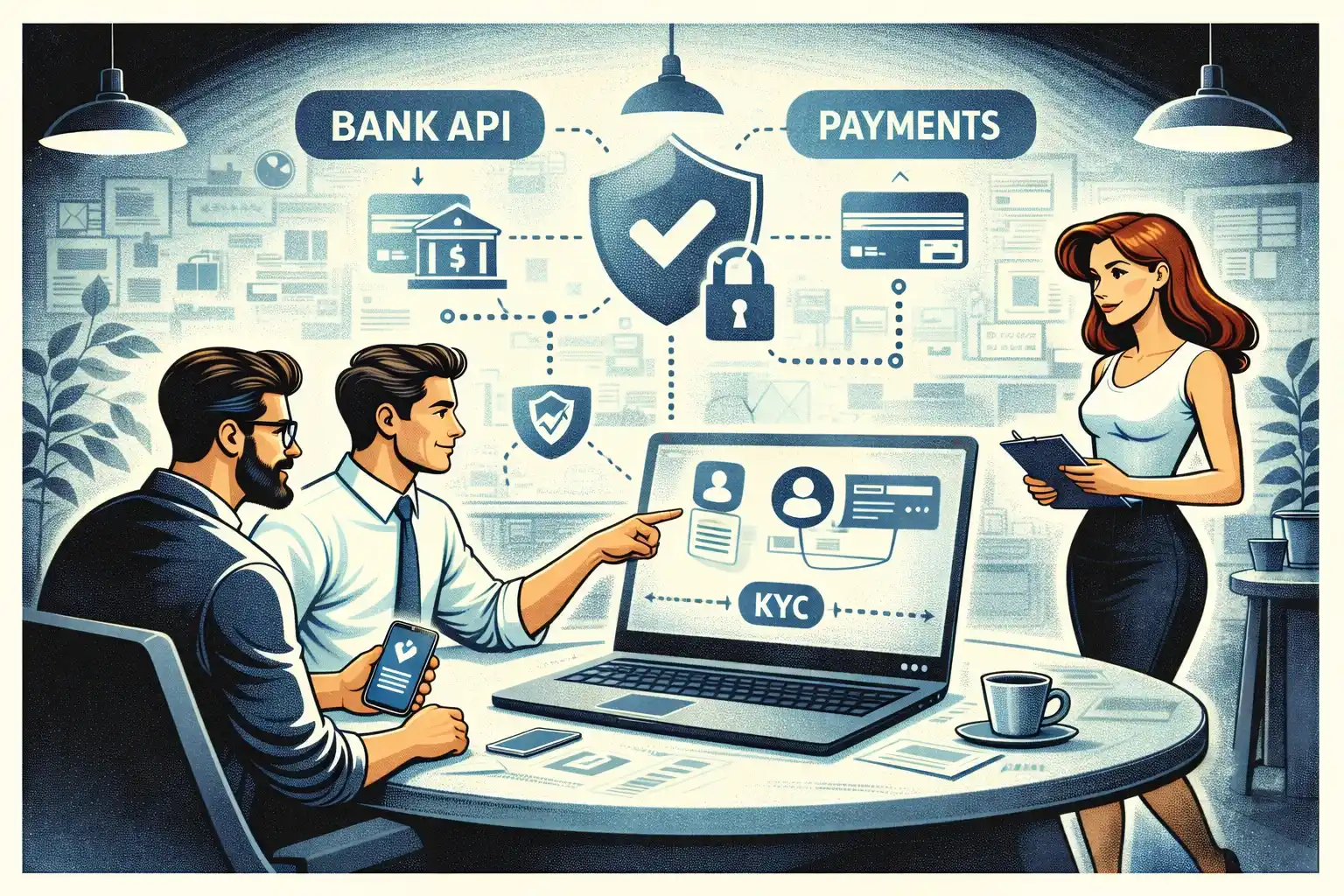
- Key integrations (payments, auth, messaging, etc.)
- Data model at a high level (main entities and relationships)
- Where complexity hides (permissions, matching logic, moderation, sync)
This does not need to be over-engineered. But it must be concrete enough for estimation. If you want a gentle intro to what “architecture” means without going deep, read Web App Development for Startups: Architecture Basics for Non-Tech Founders.
7) Risks, assumptions, and open questions
A good discovery does not pretend everything is “easy.”
You should get a list like:
- Assumptions we’re making (and how to test them)
- Risks that can blow up time/cost
- Unknowns that require a spike or proof-of-concept
- Dependencies (third-party APIs, approvals, compliance)
If risks are missing, they didn’t look hard enough.
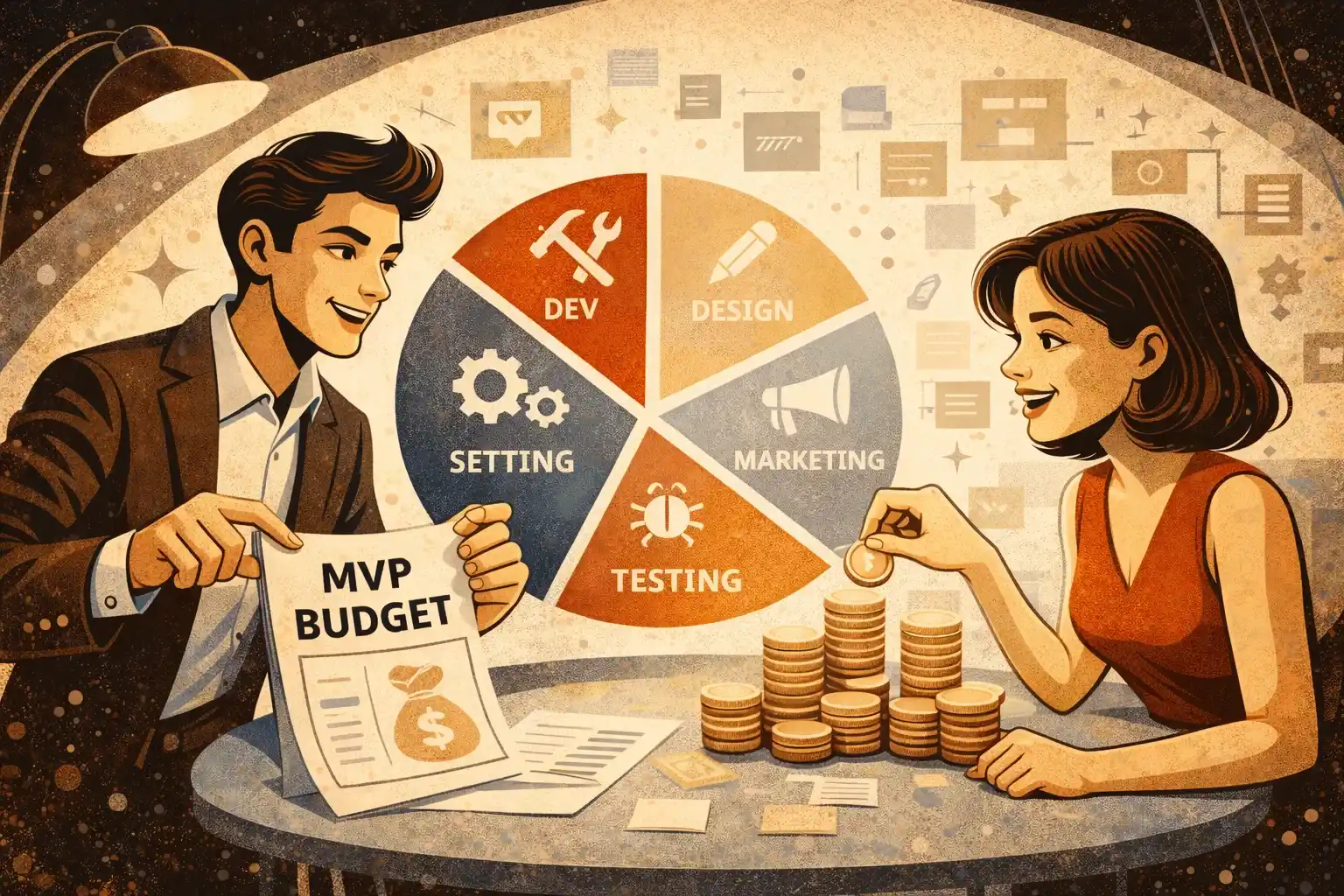
8) Estimates you can actually use
You should receive:
- A time estimate broken into phases (not a single number)
- Clear scope boundaries for the estimate
- What would change the estimate (scope, integrations, platforms)
In 2026, a lot of teams throw “AI speed” into estimates without stating assumptions. You want transparent ranges and what drives them.
9) A handoff package you own
This is underrated. You should be able to take the outputs and continue with another team if you want.
At minimum, you should own:
- The prototype and source files
- The scope/priorities document
- Flows and requirements
- Tech plan + risk list
- A short “decision log” (why key choices were made)
Ownership keeps discovery honest.
What a “good” discovery process feels like
Even without technical knowledge, you can judge the process by the experience.
You should feel:
- Every session ends with decisions, not just discussion
- The team pushes back when scope is too broad
- Unclear parts get turned into testable questions
- There’s a single source of truth (not random chat messages)
You should not feel:
- Confused after each meeting
- Like you’re repeating the same context again and again
- Like everything is “possible” with no tradeoffs
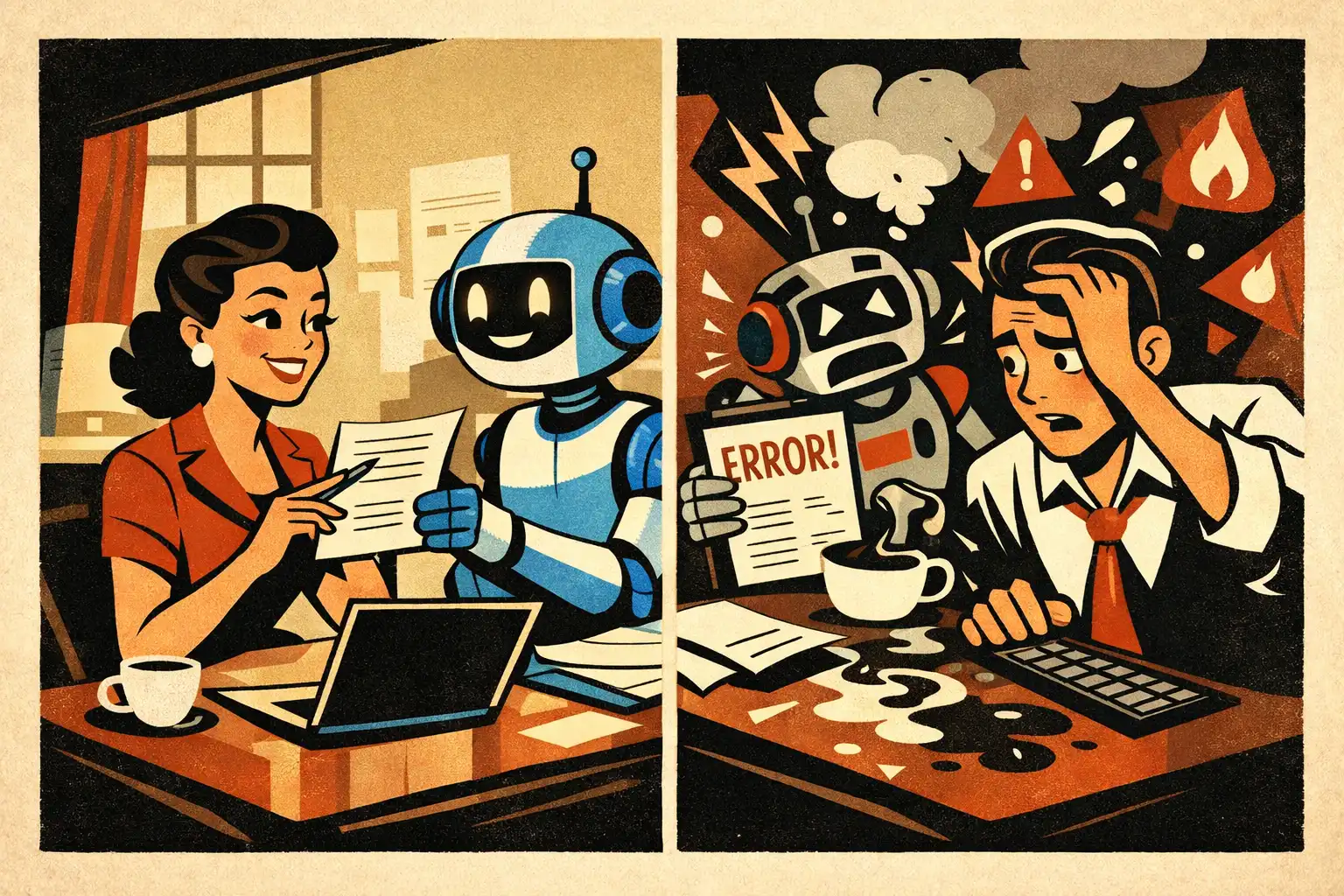
How to use AI during discovery (without turning it into noise)
AI is great for speed, but it needs constraints.
Healthy uses in discovery:
- Drafting user stories from agreed flows
- Generating screen copy for the prototype
- Listing edge cases you might miss
- Summarizing decisions and action items
Unhealthy uses:
- Letting AI define your MVP scope
- Letting AI choose the tech stack with no context
- Generating 50 features and calling it a “plan”
AI should compress time, not replace thinking.
Fast checklist: did you receive real discovery?
If you can answer “yes” to most of these, you’re in a good place:
- I can describe the MVP in 3–5 sentences
- I know the primary user flow and the “aha” moment
- I have a prioritized scope and a “not now” list
- I have a clickable prototype for the key flow
- I have a technical plan that’s readable and specific
- I understand risks and what could change timeline/cost
- I can hand this to another team and they could build it
If not, pause before you start development. Discovery is meant to reduce uncertainty — not just create documents.
Thinking about building a usable MVP in 2026?
At Valtorian, we help founders design and launch modern web and mobile apps — including AI-powered workflows — with a focus on real user behavior, not demo-only prototypes.
Book a call with Diana
Let’s talk about your idea, scope, and fastest path to a usable MVP.
FAQ
How long should a discovery phase take in 2026?
For most early-stage products, 1–3 weeks is enough to define MVP scope, flows, prototype, and a technical plan. Longer can be valid if the domain is complex or compliance-heavy.
How much should discovery cost?
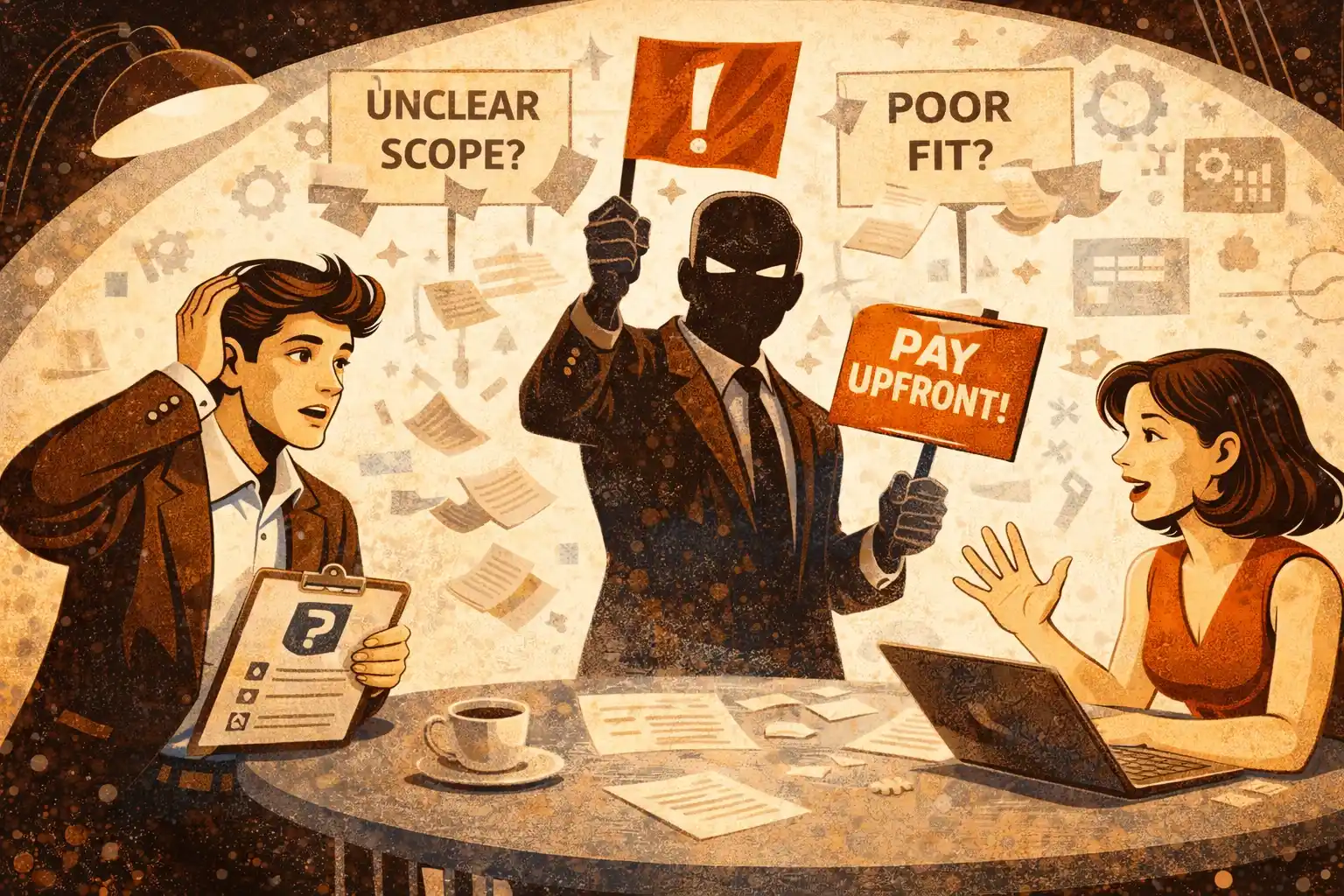
It depends on depth and complexity, but you should pay for tangible outputs (scope, prototype, tech plan, risks, estimates). If pricing is vague and deliverables aren’t listed, that’s a red flag.
Can I skip discovery and just start building?
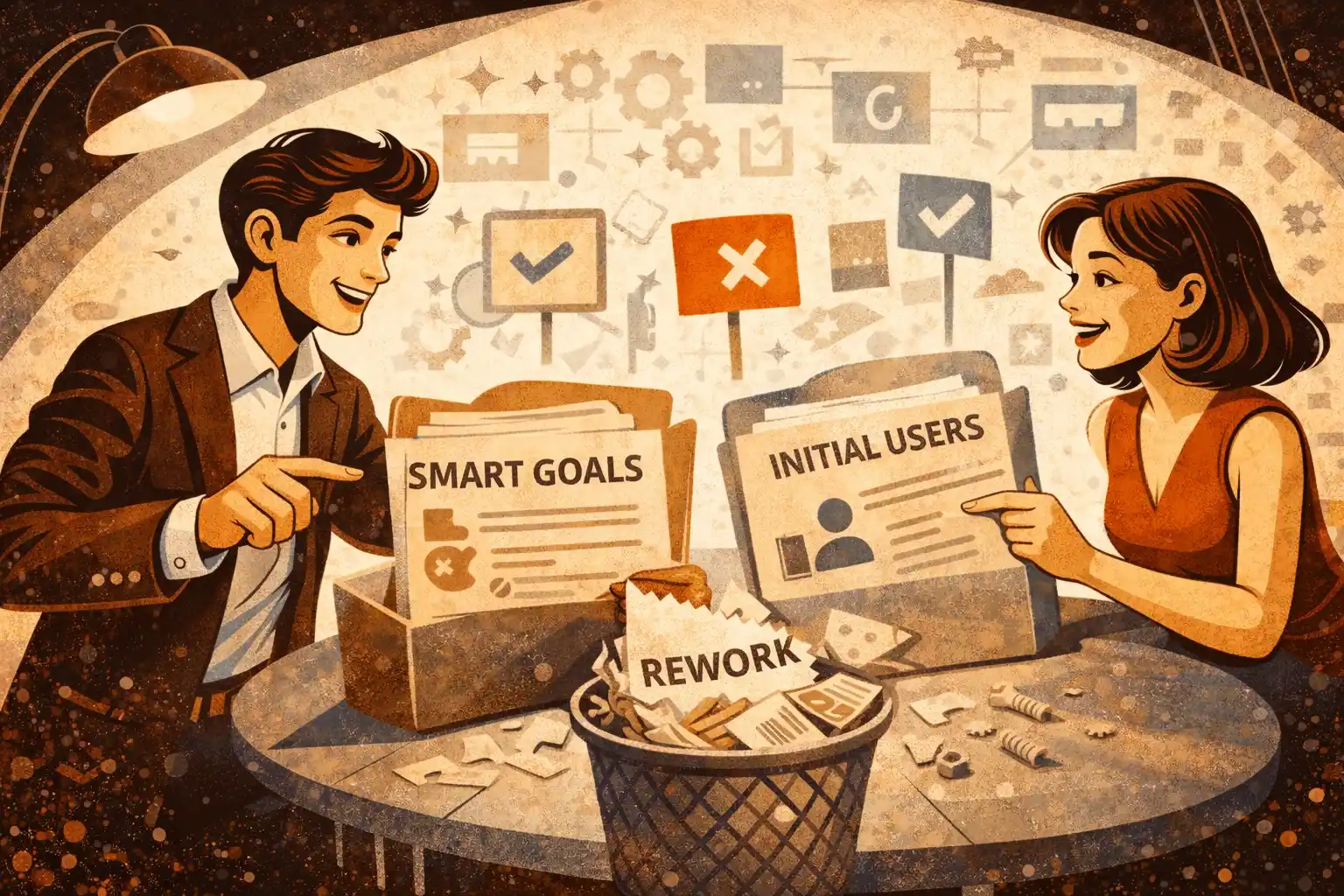
You can, but you’ll usually pay for it later through rework. If you want speed, discovery is often the fastest way to avoid building the wrong thing.
What if I already have designs?
Great — discovery can focus on validating flows, cutting scope, defining metrics, and building a technical plan. Designs don’t replace decisions about priorities and risks.
Who should be involved from my side?
At minimum: you (the decision-maker) and anyone who deeply understands the user problem. If you have a domain expert or a future operator, include them for at least one session.
What do I own after discovery?
You should own the prototype files, scope and priorities, user flows/requirements, and the technical plan with risks and estimates. Ownership should be clear upfront.





























.webp)




.webp)