.webp)
MVP Development for Non-Technical Founders: Common Mistakes
Non-technical founders often struggle with MVP development not because they can’t code, but because they fall into predictable traps: overbuilding, unclear scope, choosing the wrong team, miscommunication, or skipping validation entirely. This guide explains the most common mistakes, why they happen, and how to avoid them — in simple, practical language. By the end, you’ll understand how to structure your MVP, choose the right development approach, and move from idea to launch with fewer risks.

TL;DR: The biggest mistakes non-technical founders make are: overbuilding, unclear scope, hiring the wrong team, skipping validation, obsessing over features instead of outcomes, and misunderstanding cost drivers. MVP success depends more on clarity and discipline than technical skills.
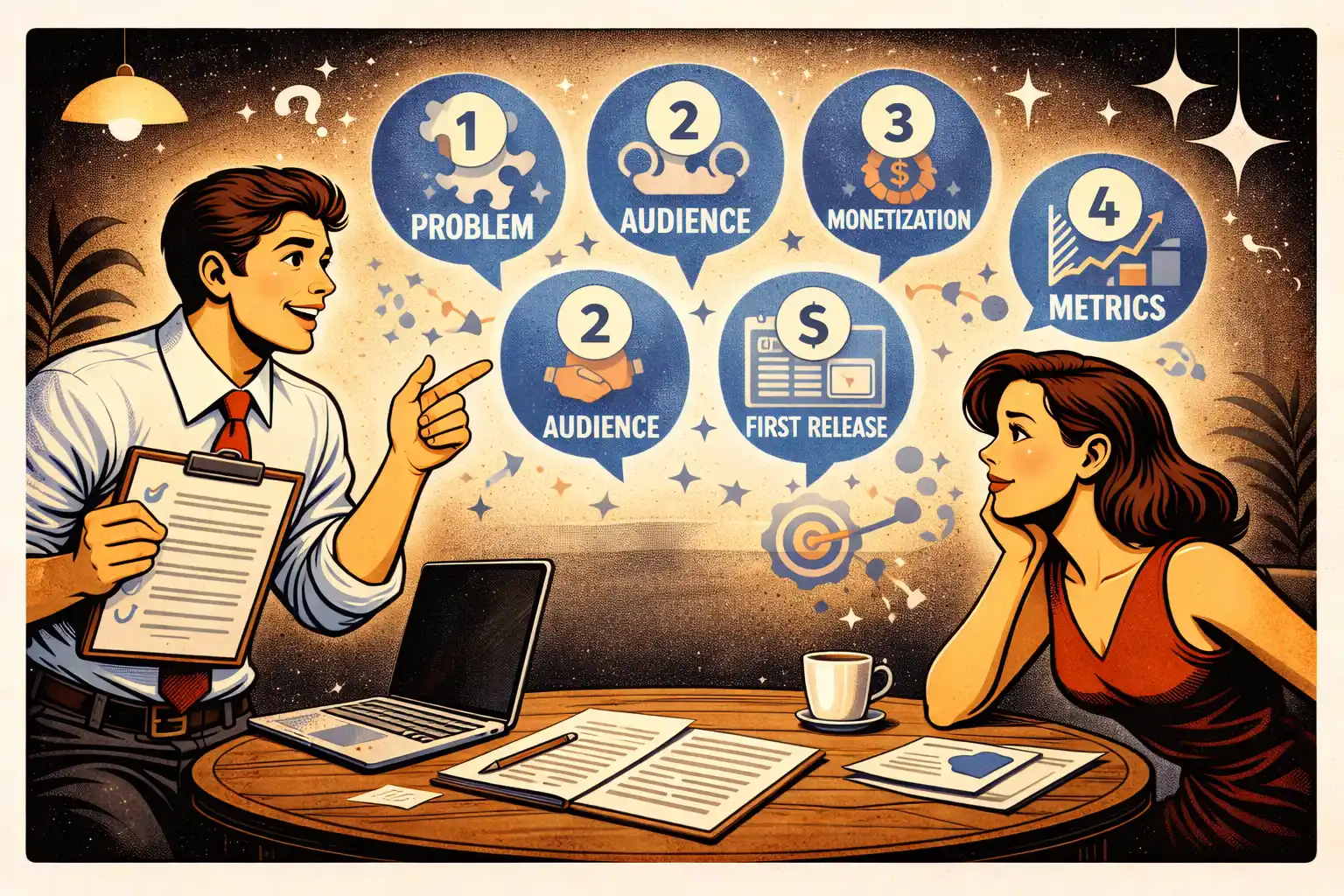
Mistake 1 — Building Without Clear Scope
Most problems in MVP development come from one root cause:
“We’ll figure it out as we go.”
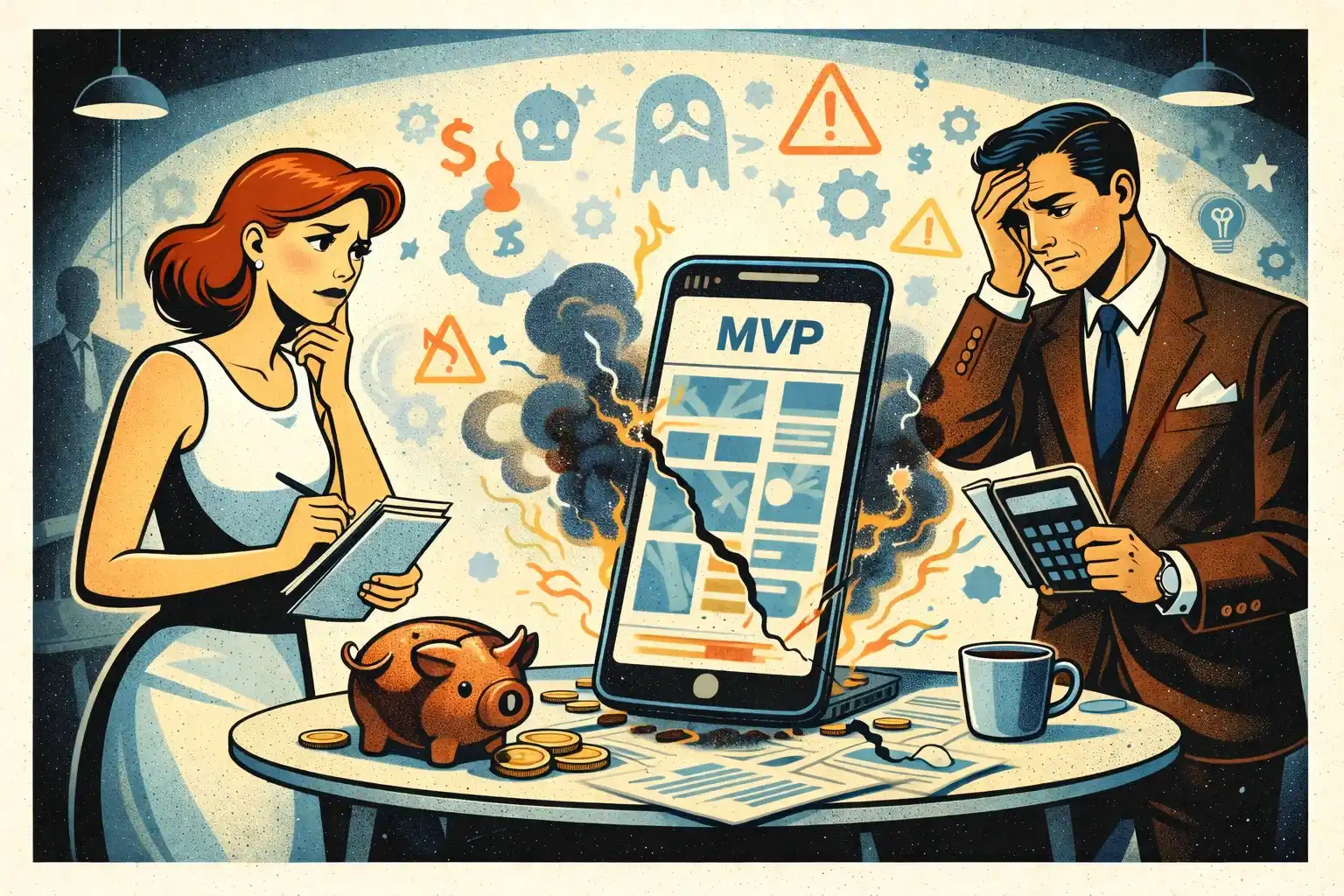
Without a simple, documented scope, founders end up with:
- endless revisions
- misaligned expectations
- blown budgets
- delayed launches
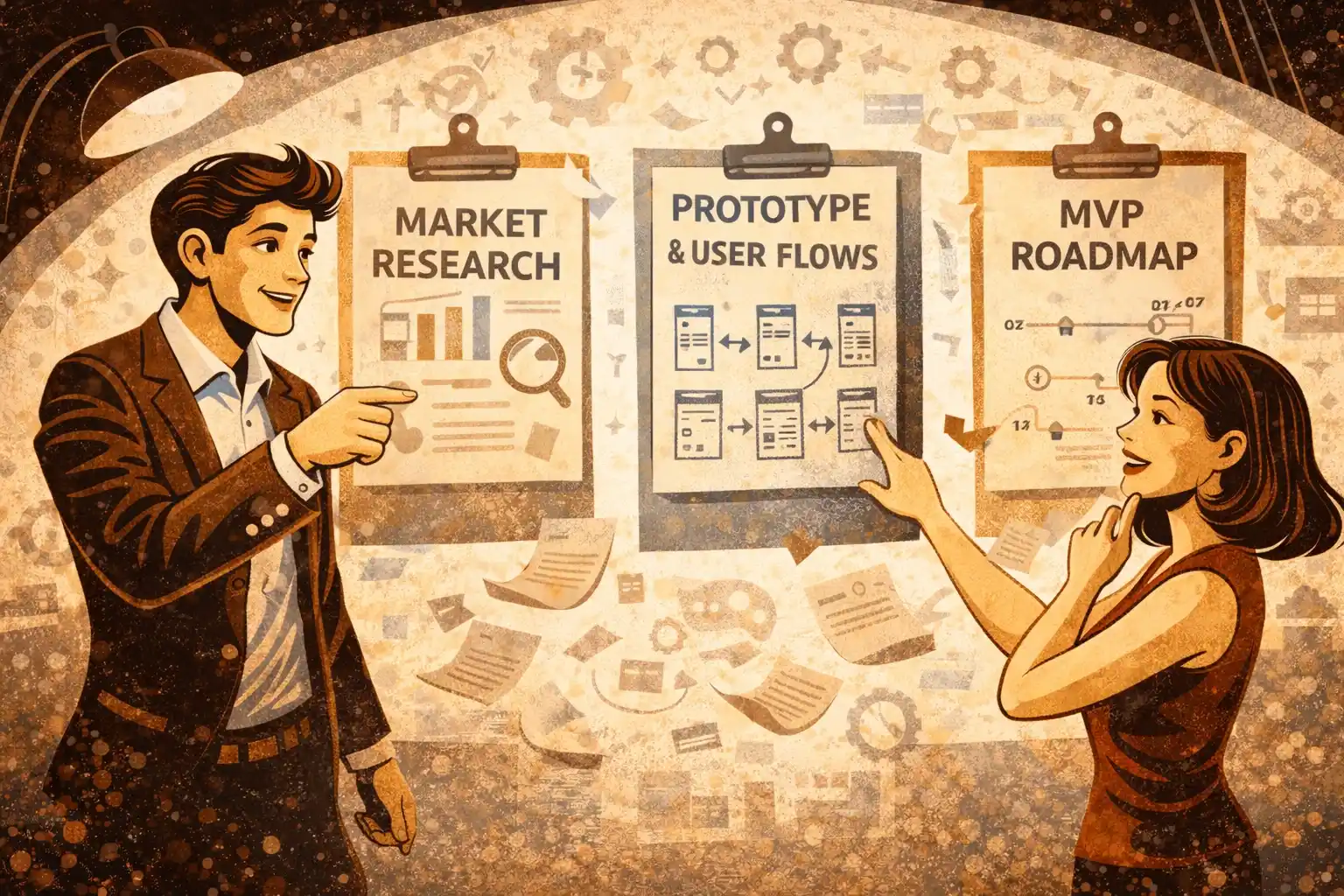
Scope is your roadmap.
No scope = no predictable outcome.
If you don’t yet have a structured MVP outline, start with “App Development for Non-Technical Founders: A Step-by-Step Guide” — it gives you the framework needed before development begins.
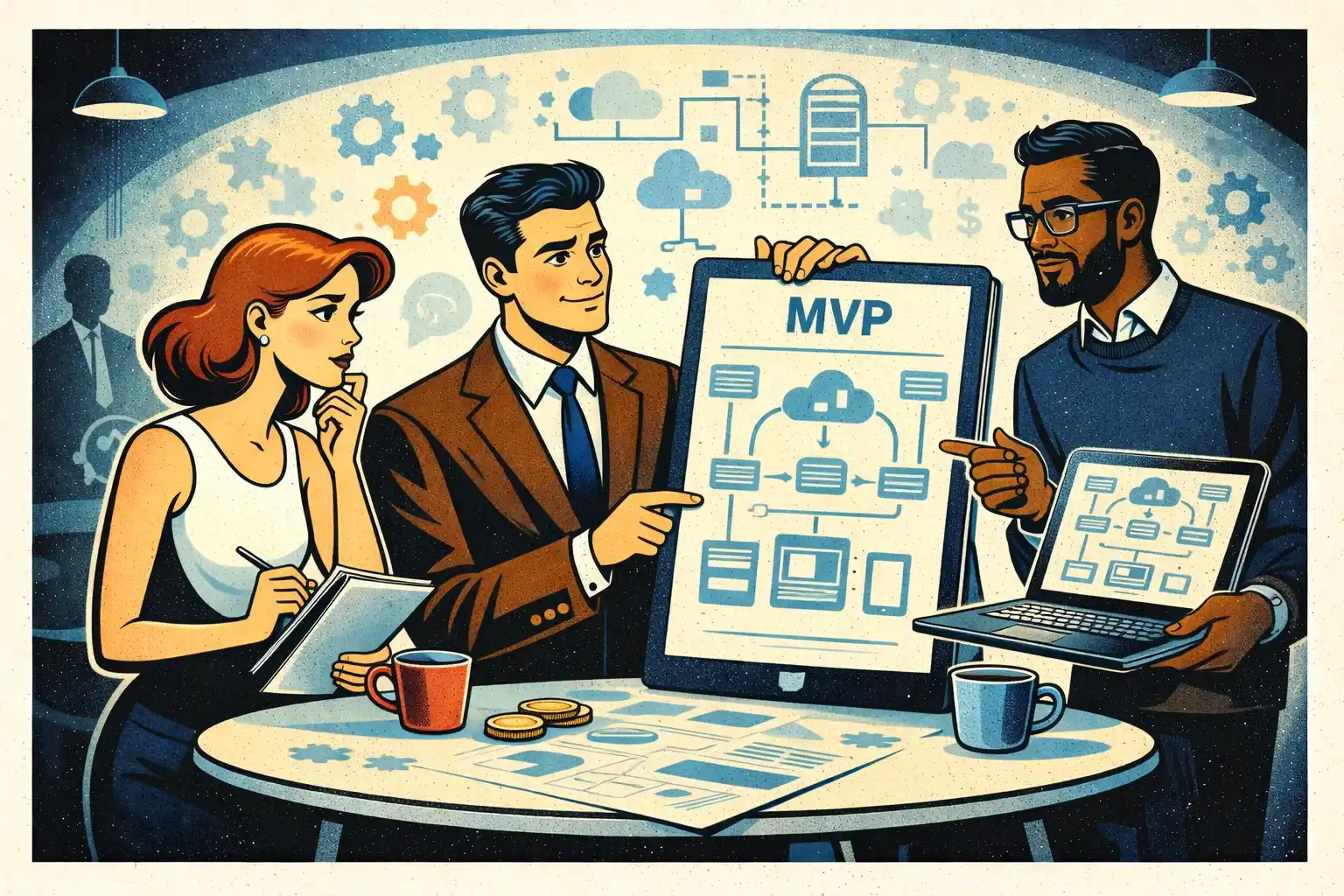
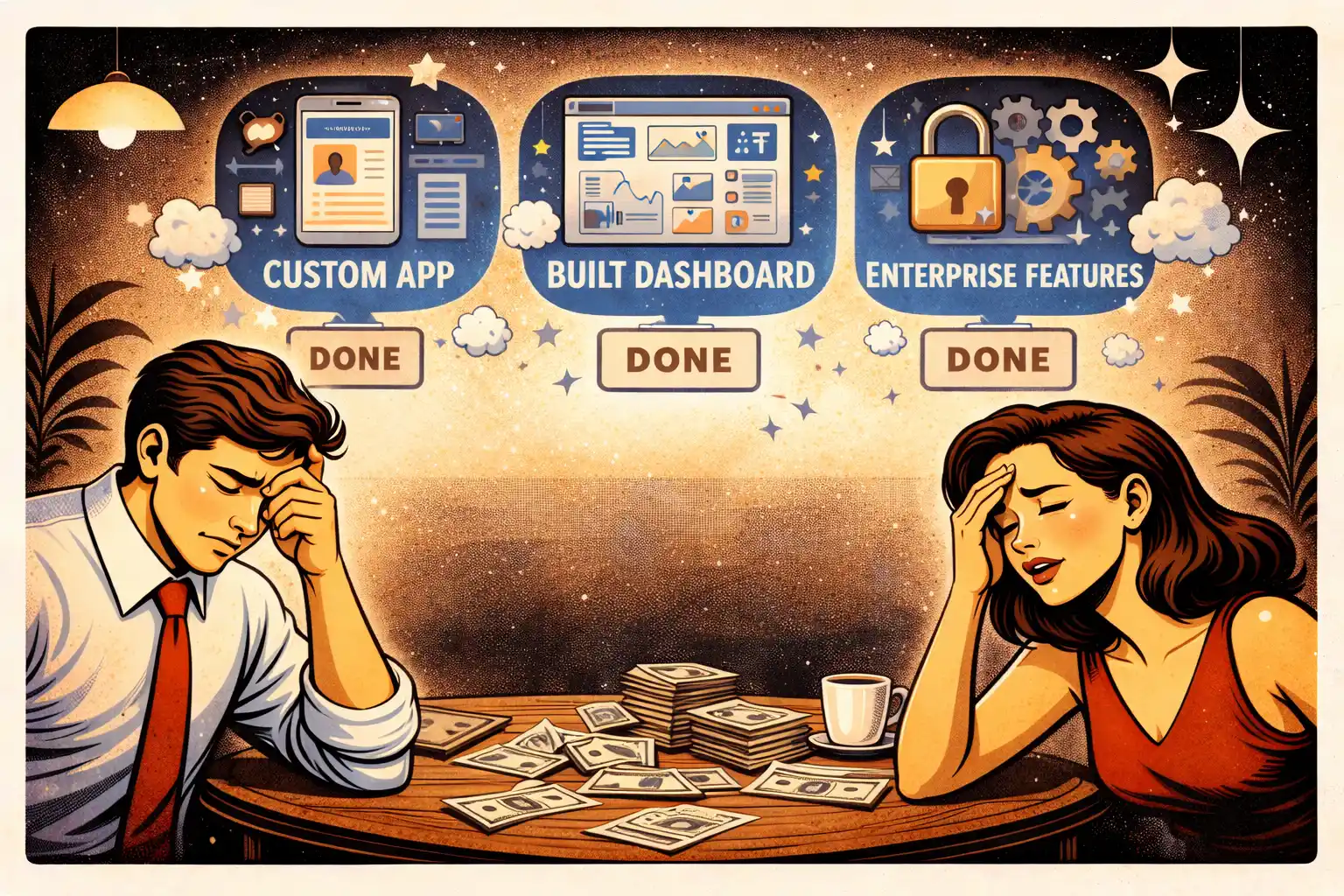
Mistake 2 — Overbuilding (Trying to Create Version 3 Instead of Version 1)
Non-technical founders often misunderstand what “MVP” means.
MVP is not:
- version 1
- the full product
- everything competitors offer
- every idea you have
MVP is:
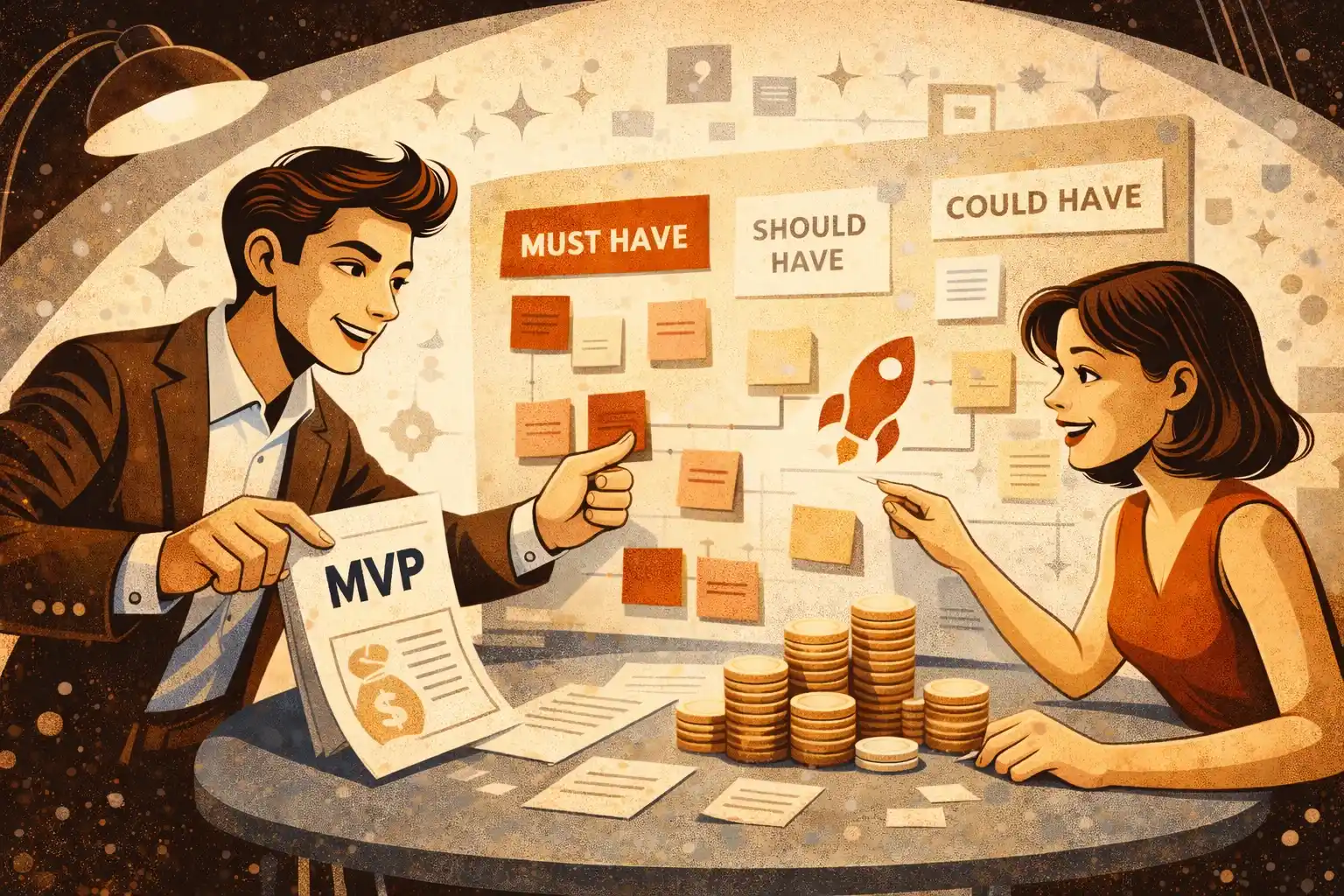
the smallest version that proves people want this.
Typical overbuilding traps:
- dashboards
- messaging systems
- multi-role logic
- complex filtering
- advanced analytics
- notifications
- custom onboarding
- payment automation
If you want a deeper breakdown of avoiding feature bloat, read “MVP Development for Non-Technical Founders: 7 Costly Mistakes” — it’s directly relevant to this point.
Mistake 4 — Not Understanding the Architecture Basics
You don’t need to be technical.
But you do need to understand:
- frontend
- backend
- database
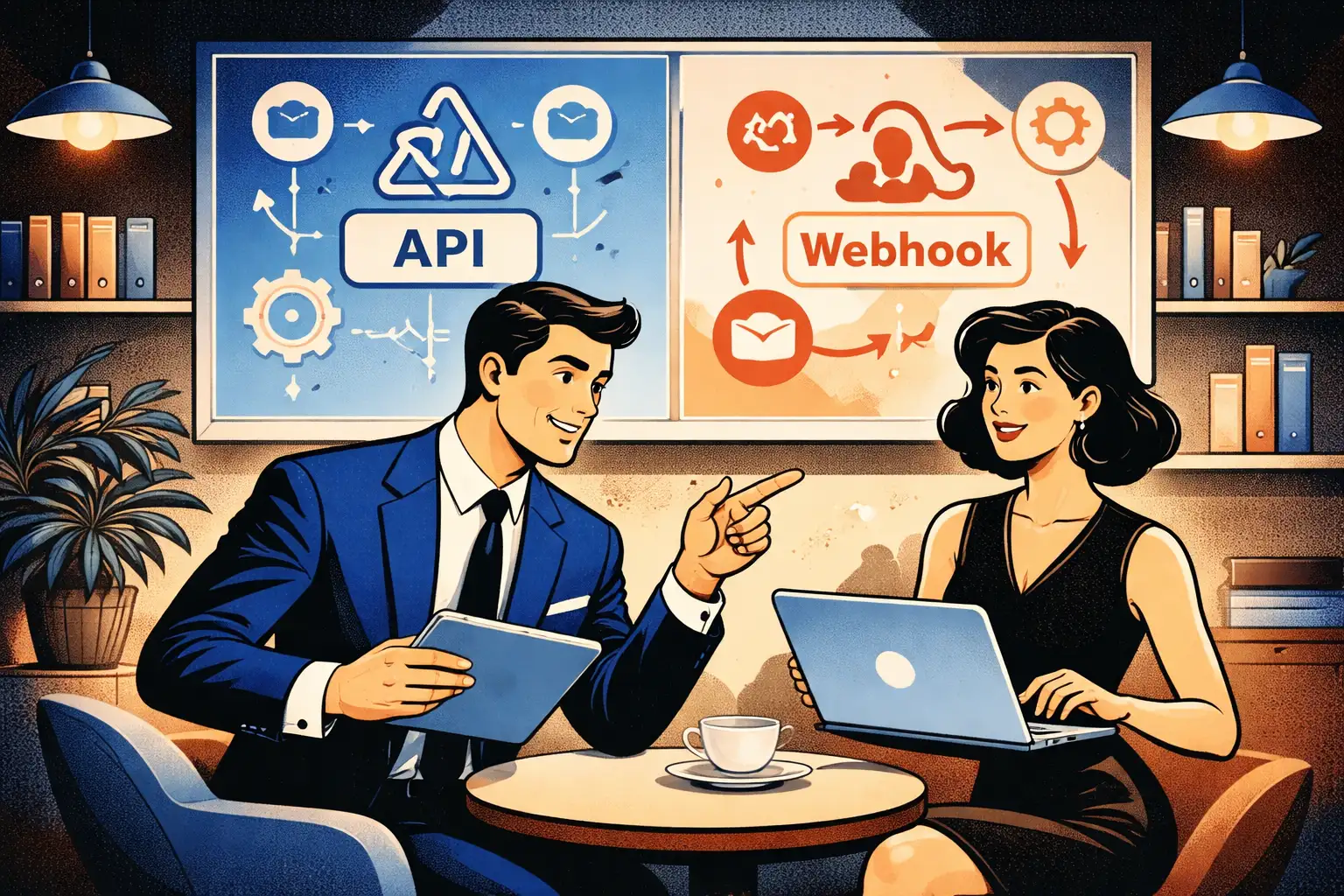
- APIs
- authentication
Why?
Because misunderstanding leads to unrealistic expectations and miscommunication with developers.
If these concepts confuse you, “Web App Development for Startups: Architecture Basics for Non-Tech Founders” explains them simply — no jargon.
Mistake 5 — Skipping Validation Before Development
Many founders assume validation means:
- asking friends
- getting “great idea!” feedback
- analyzing competitors
Real validation is:
- testing desirability
- testing willingness to pay
- observing user behavior
- letting users interact with prototypes
You don’t need code for early validation — just structured conversations and simple prototypes.
If you plan to pitch investors later, understanding early traction is essential.
See “Your First Product Metrics Dashboard: What Early-Stage Investors Want to See”.
Mistake 6 — Miscommunication and Lack of Documentation
When you're non-technical, communication is your superpower — or your downfall.
Common issues:
- verbal instructions
- unclear decisions
- changing requirements mid-sprint
- no written feedback
- vague expectations
Strong teams can handle complexity — but they cannot handle ambiguity.
Clear documentation = faster, cheaper, better MVP.
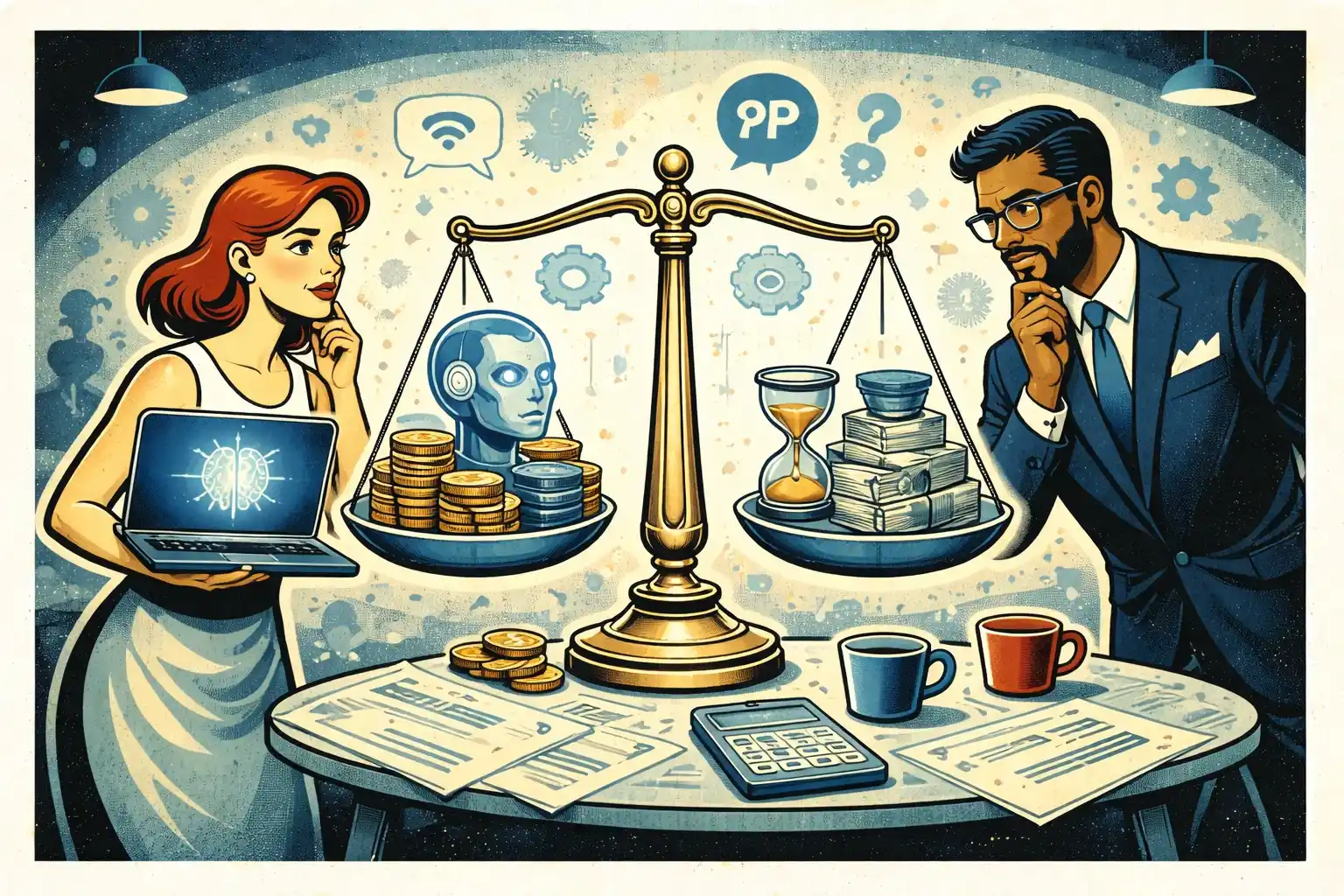
Mistake 7 — Unrealistic Budget and Timeline Expectations
Founders often assume:
- “It’s only 7 screens, should be cheap.”
- “We can do this in two weeks.”
- “Why does backend take so long?”
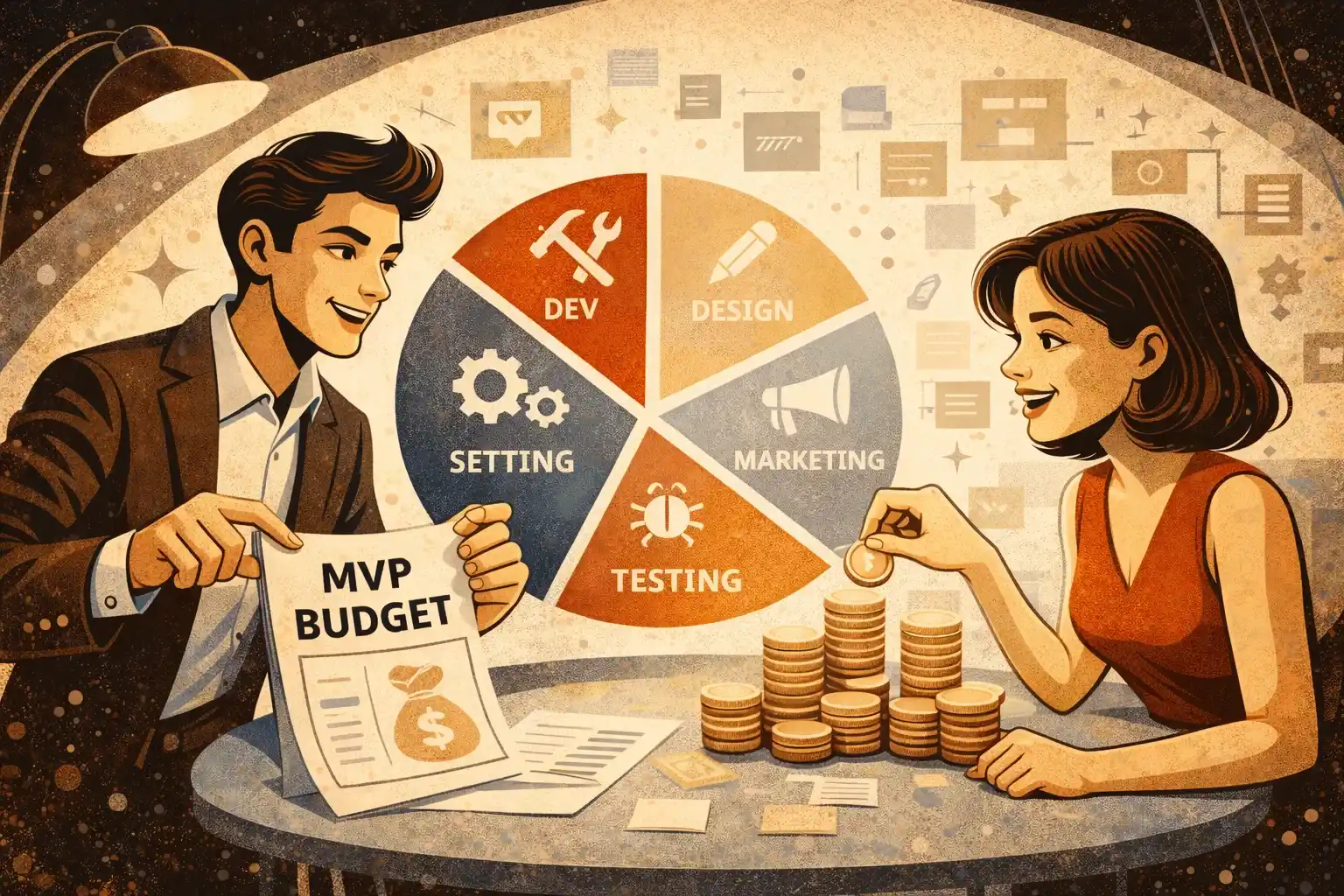
Costs come from architecture, flows, and integrations — not just the number of screens.
For realistic cost expectations, see “MVP Development Cost in 2025: How Much Does It Really Cost?”.
Mistake 8 — Choosing the Wrong Tech Stack
Some founders choose tech based on:
- what’s trendy
- a developer’s personal preference
- what they heard on Twitter
Wrong stack = expensive rebuild later.
Example:
Choosing Firebase for a relational, multi-role SaaS - guaranteed rewrite.
If you’re stuck deciding between mobile frameworks, “React Native vs Flutter for Startup App Development in 2025” is a good starting point.
Mistake 9 — Assuming “If We Build It, Users Will Come”
No.
User acquisition is separate from development.
You need:
- positioning
- landing page
- onboarding
- messaging
- early testers
- feedback loops
Your MVP won’t magically attract users — you need a plan.
Mistake 10 — No Post-Launch Plan
Many founders celebrate launch like it’s the finish line.
But MVP launch is the starting point.
You need to track:
- activation
- retention
- engagement
- monetization
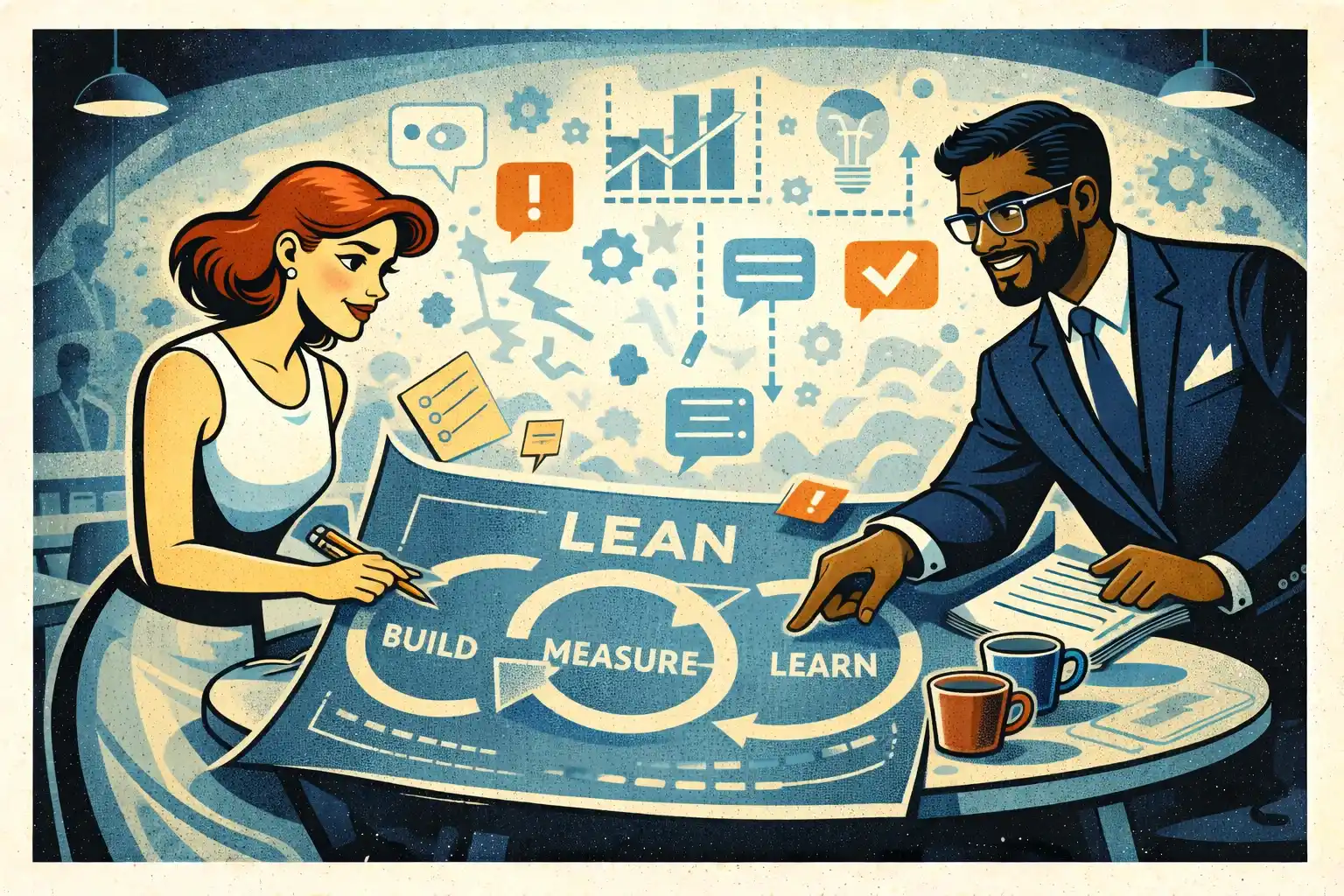
Founders who iterate quickly win.
Founders who stop after launch lose momentum.
The truth: Non-technical founders aren’t disadvantaged — they’re undisciplined
The issue is not lack of coding knowledge.
It’s lack of:
- clarity
- discipline
- validation
- structured decision making
- realistic expectations
If you solve these, you can build an MVP faster than most technical founders.
Want to avoid these mistakes and build a clean, lean, fundable MVP?
At Valtorian, you work directly with the founders — a designer and a developer who’ve built 70+ MVPs for non-technical founders. We help you define scope, avoid overbuilding, choose the right architecture, and launch in 4–6 weeks.
Book a call with Diana
We’ll map out your MVP and give you a realistic timeline and cost.
FAQ — MVP Mistakes for Non-Technical Founders
What’s the most common mistake?
Overbuilding and assuming more features = better product.
Do I need a technical cofounder?
Not for MVP. Many founders bring one in only after traction.
How do I avoid going over budget?
Define scope early, validate often, and keep v1 extremely lean.
Should I build a mobile or web app first?
Usually web — unless your core value requires mobile features.
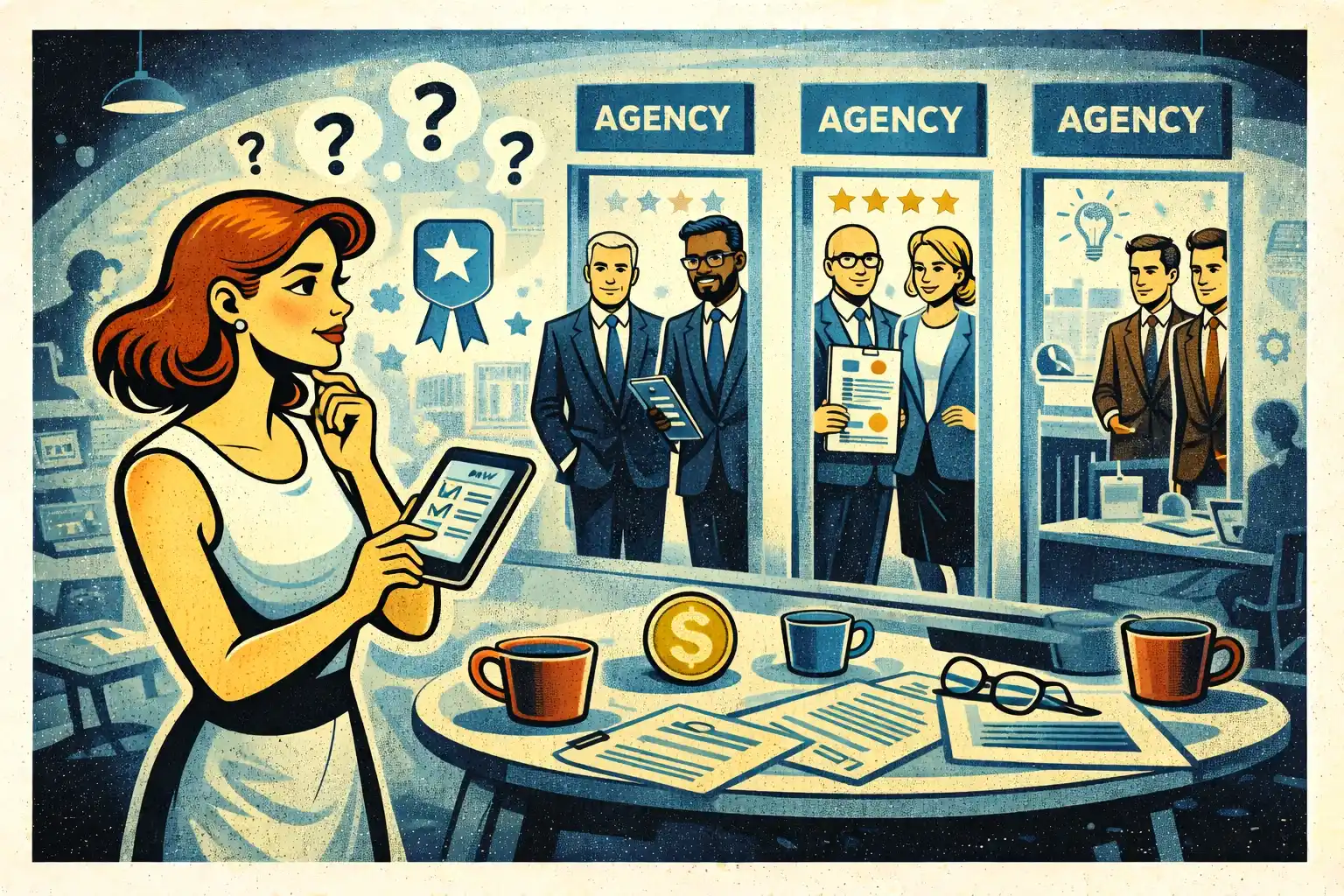
How do I choose the right MVP agency?
Look for clear process, senior involvement, and strong product thinking.
What makes MVP timelines unrealistic?
Ignoring backend complexity, integrations, and QA.
Is validation required even after launch?
Yes — validation is continuous.









































.webp)




.webp)