.webp)
How to Build a Startup Without a Tech Team in 2025
In 2025, building a tech startup without a technical cofounder or in-house engineering team is not only possible — it’s increasingly common. With mature frameworks, experienced boutique product studios, AI-assisted workflows, and well-defined MVP processes, non-technical founders can validate ideas, launch apps, and acquire users without writing code. This guide explains how to build a startup when you’re the domain expert, not the engineer — from scoping and design to development, launch, compliance, and early traction.
.webp)
TL;DR: You don’t need a technical cofounder to build your first version. You need a clear problem, a focused MVP scope, a strong product partner (not just freelancers), and a lean process that gets you to real users fast. Most early-stage failures come from unclear requirements or overbuilding — not from lack of code skills. With the right approach, a small senior team can replace hiring 3–5 full-time engineers.
Why building without a tech team is normal in 2025
Five years ago, startups needed engineers from day one.
In 2025, three things changed:
1. MVP processes became predictable
Boutique founder-led studios now specialize in fast 4–8 week MVPs.
2. Cross-platform frameworks matured
Flutter, React Native, and modern backend stacks reduced engineering overhead.
3. AI eliminated dozens of “developer-only” tasks
Prototyping, research, analysis, documentation, and even testing move faster.
The real challenge is no longer “How do I write code?”, but:
“How do I know what to build first?”
If you aren’t 100% confident in your MVP definition, read “App Development for Non-Technical Founders: A Step-by-Step Guide” — it helps founders structure ideas in a way developers can execute cleanly.
Replace “technical cofounder” with a senior product partner
Trying to find a CTO before you have traction is one of the biggest early-stage mistakes.
Why?
- Senior engineers rarely join at the idea stage.
- It slows you down by months.
- Cofounder equity becomes extremely expensive.
- You don’t yet know what product you’re building long-term.
Instead, you need:
- a product strategist
- a UX/UI designer
- a senior developer
- a project lead who communicates clearly
Together, this small elite team replaces the need for a full tech department.
To understand what such a team should actually deliver, see “MVP Development Services for Startups: What’s Actually Included”.
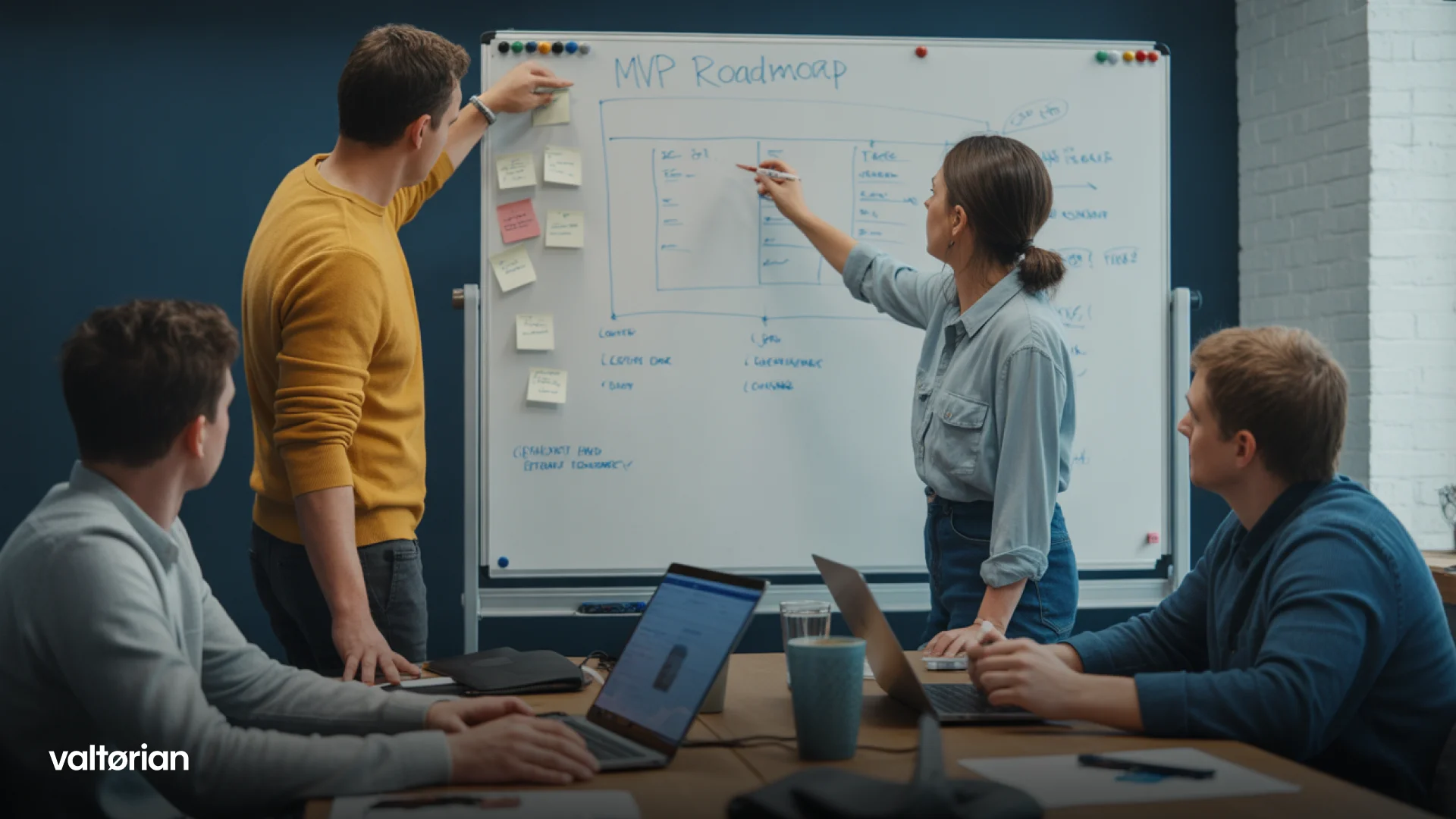
Start with scope, not technology
Founders often want to choose:
- Flutter or React Native?
- Supabase or Firebase?
- Node or Python?
But none of these choices matter before one thing:
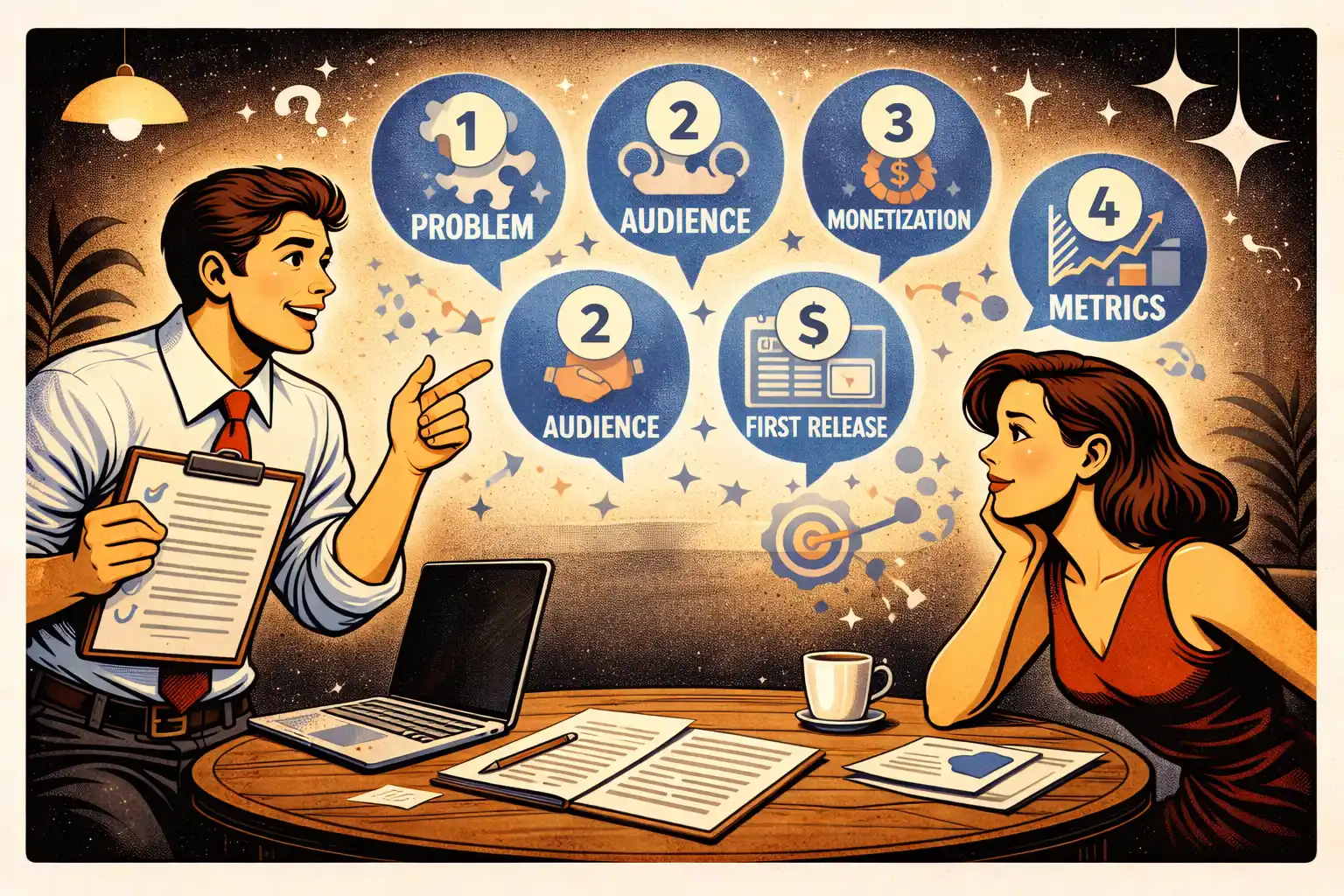
What is the smallest useful version of your product?
Your MVP should contain exactly one core workflow — no more.
Example:
For a marketplace MVP:
- user creates an account
- provider posts an offer
- seeker applies
- provider responds
Everything else = later.
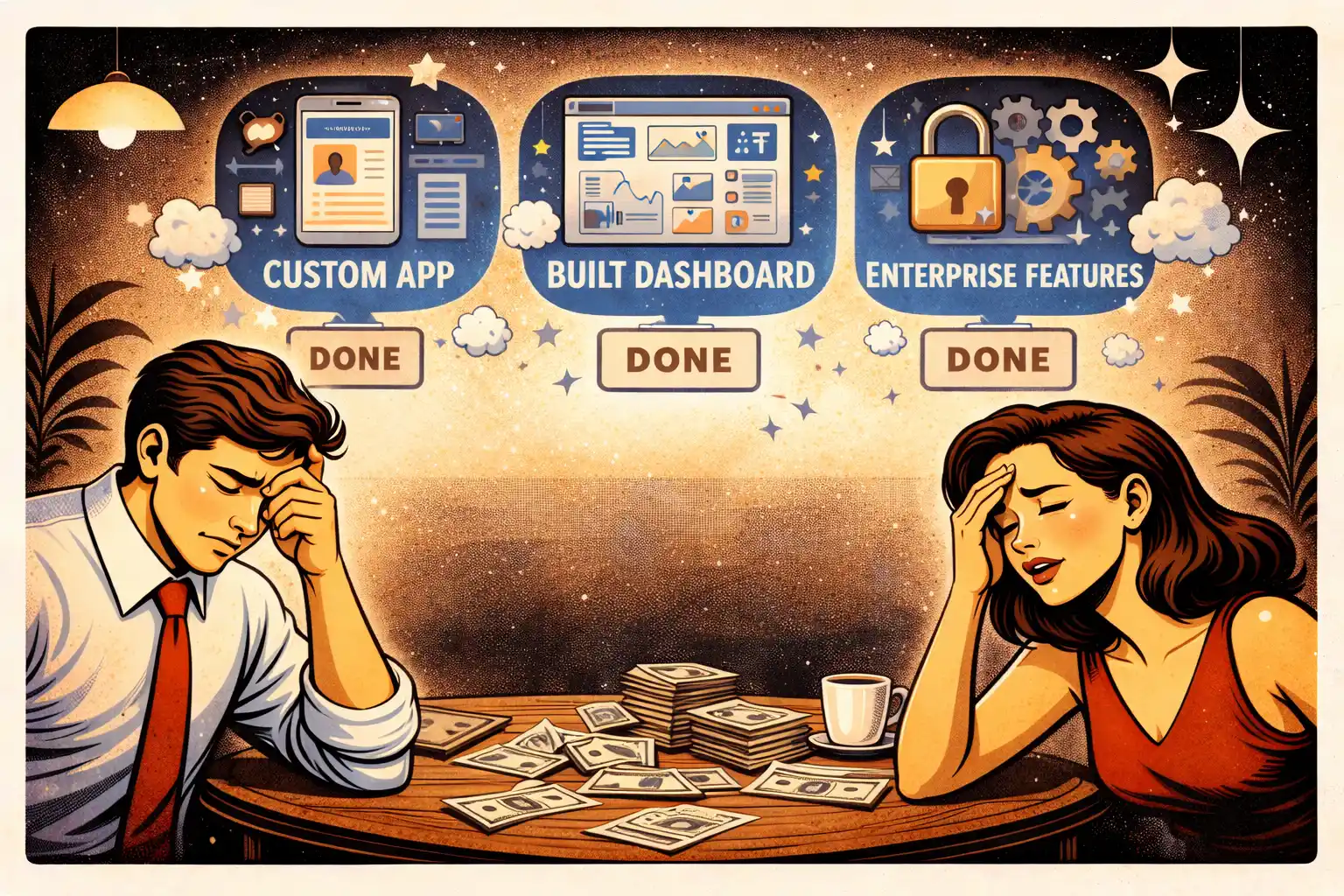
Startups overspend 2–5× when they try to build version 10 as version 1.
Validate with design before writing any code
Without a tech team, design becomes your engine of clarity.
You need:
- user flows
- wireframes
- polished UI
- clickable prototype
- quick feedback from 5–10 real users
This saves thousands of dollars and weeks of development rework.
Good design also prevents “translation issues” between founder and developers — the #1 cause of delays.
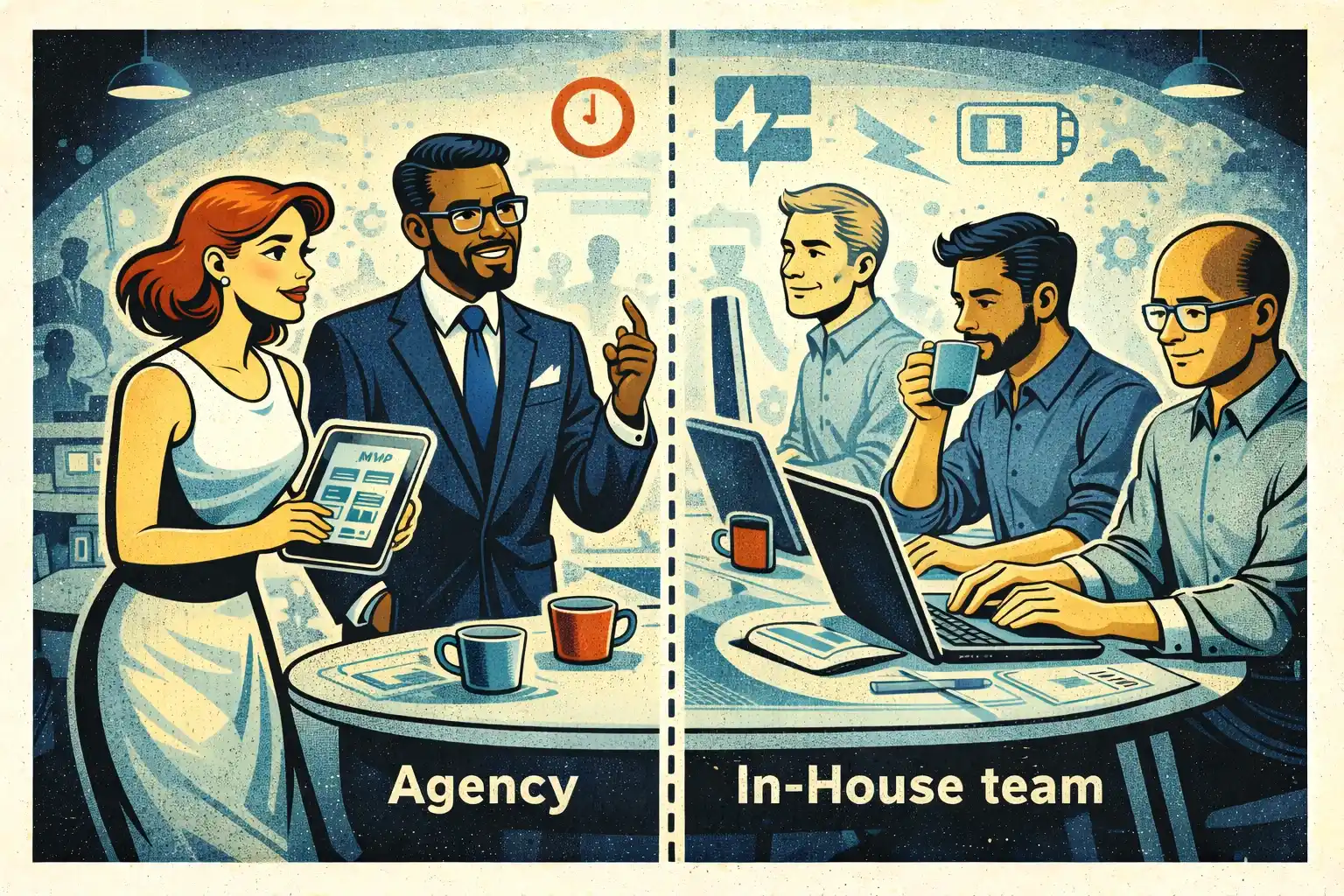
Use small, senior, founder-led studios (not big agencies or freelancers)
This is where most non-technical founders get it wrong.
Big agencies:
- slow
- expensive
- bureaucratic
- assign juniors to MVPs
Freelancers:
- inconsistent
- lack QA
- lack product leadership
- founder becomes project manager
Boutique founder-led studios:
- work directly with founders
- small senior team
- very fast
- strong product thinking
- ideal for 4–8 week MVPs
These are the teams that deliver consistent results for non-technical founders.
If you're unsure how much this should cost, read “MVP Development Cost in 2025: How Much Does It Really Cost?” — it breaks down realistic pricing, ranges, and what affects budget.
Build your MVP the right way (what actually matters)
What must be included:
- one complete end-to-end user flow
- authentication
- data model
- admin panel or dashboard
- analytics
- proper QA
- basic error handling
What you don’t need for v1:
- animations
- complex dashboards
- AI recommendations
- full automation
- advanced settings
- multi-language support
- custom onboarding
MVP ≠ low quality.
MVP = low surface area.
A successful MVP is not big — it’s focused.
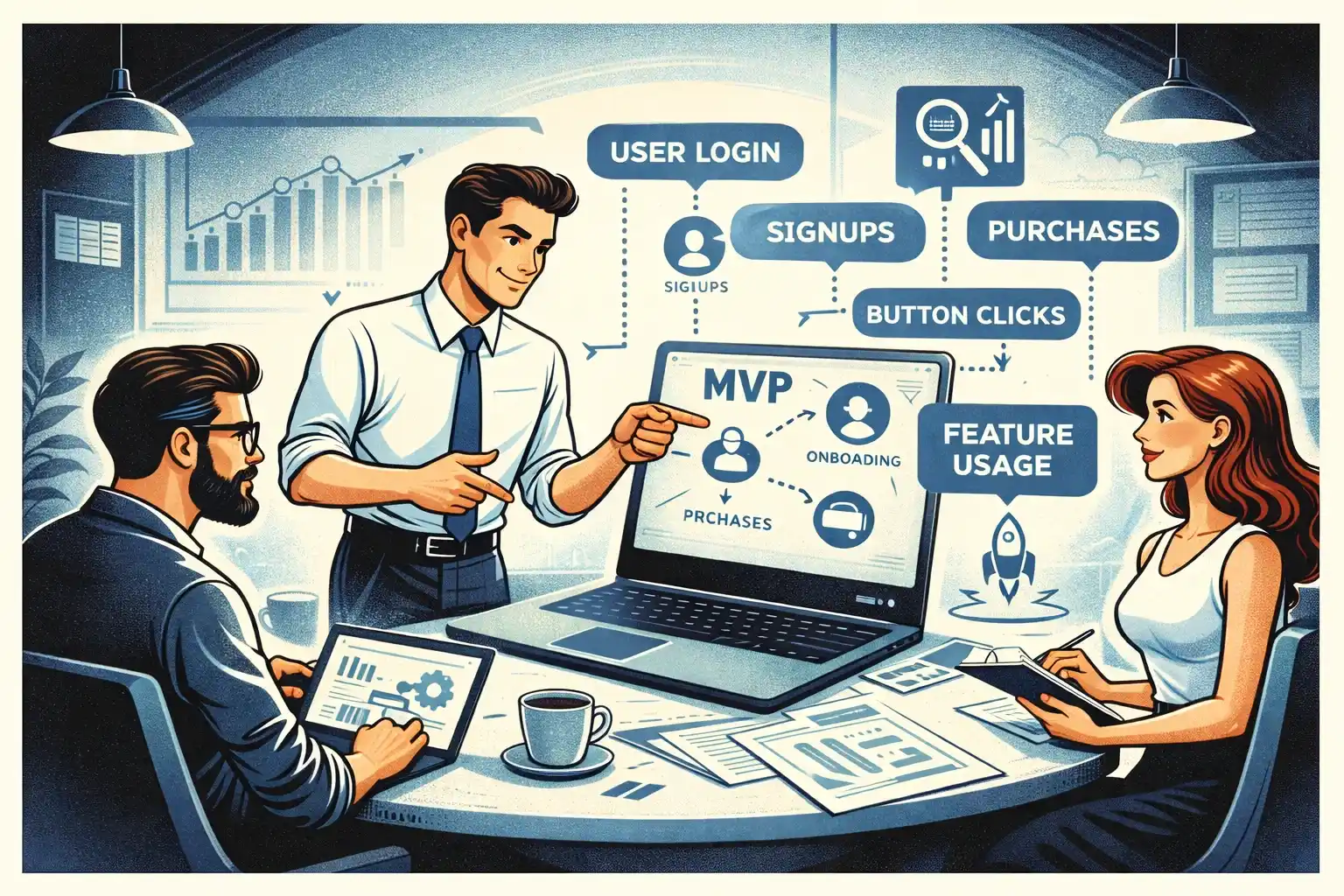
Launch early, track everything, iterate
Launching without analytics is like driving blind.
Track:
- activation
- retention
- main flow completion
- drop-off points
- user messages/complaints
Your first 50 users will give you more direction than any consultant or investor.
This is also where many founders realize:
“We built the wrong thing. Let’s pivot before we scale.”
That’s normal — and exactly why you don’t want a big in-house tech team tied to your early version.
When (and if) to hire your own engineers
You hire engineers when:
- your product has traction
- you understand your roadmap
- you know which skills you need
- you want to scale beyond v1
Not before.
Hiring too early is how many founders burn runway without achieving product-market fit.
What if your startup is in fintech or healthcare?
Then compliance matters from day one.
- KYC/AML
- HIPAA/GDPR
- audit logs
- PHI protection
- secure architecture
Compliance changes both scope and architecture significantly.
If you're building in a regulated market, read “Fintech and Healthcare MVP Development: How Compliance Changes the Plan” — it explains exactly how compliance transforms the MVP roadmap.
Want to build your startup without hiring a tech team — and still launch in 4–6 weeks?
At Valtorian, you work directly with the founders — a designer and a developer who’ve built 70+ products and specialize in helping non-technical founders launch fast, clearly, and without confusion.
If you want clarity on:
- what to build first
- how to structure your MVP
- how to reduce cost and risk
- how to launch without an in-house team
— let’s talk.
Book a call with Diana
We’ll walk through your idea and outline the fastest, leanest path to launch.
FAQ — Building a Startup Without a Tech Team (2025)
Do I really not need a technical cofounder to build an MVP?
Correct. They become essential later — not at the idea/MVP stage.
Isn’t outsourcing risky?
Only if you hire the wrong team. Boutique founder-led studios provide reliability and speed without full-time salaries.
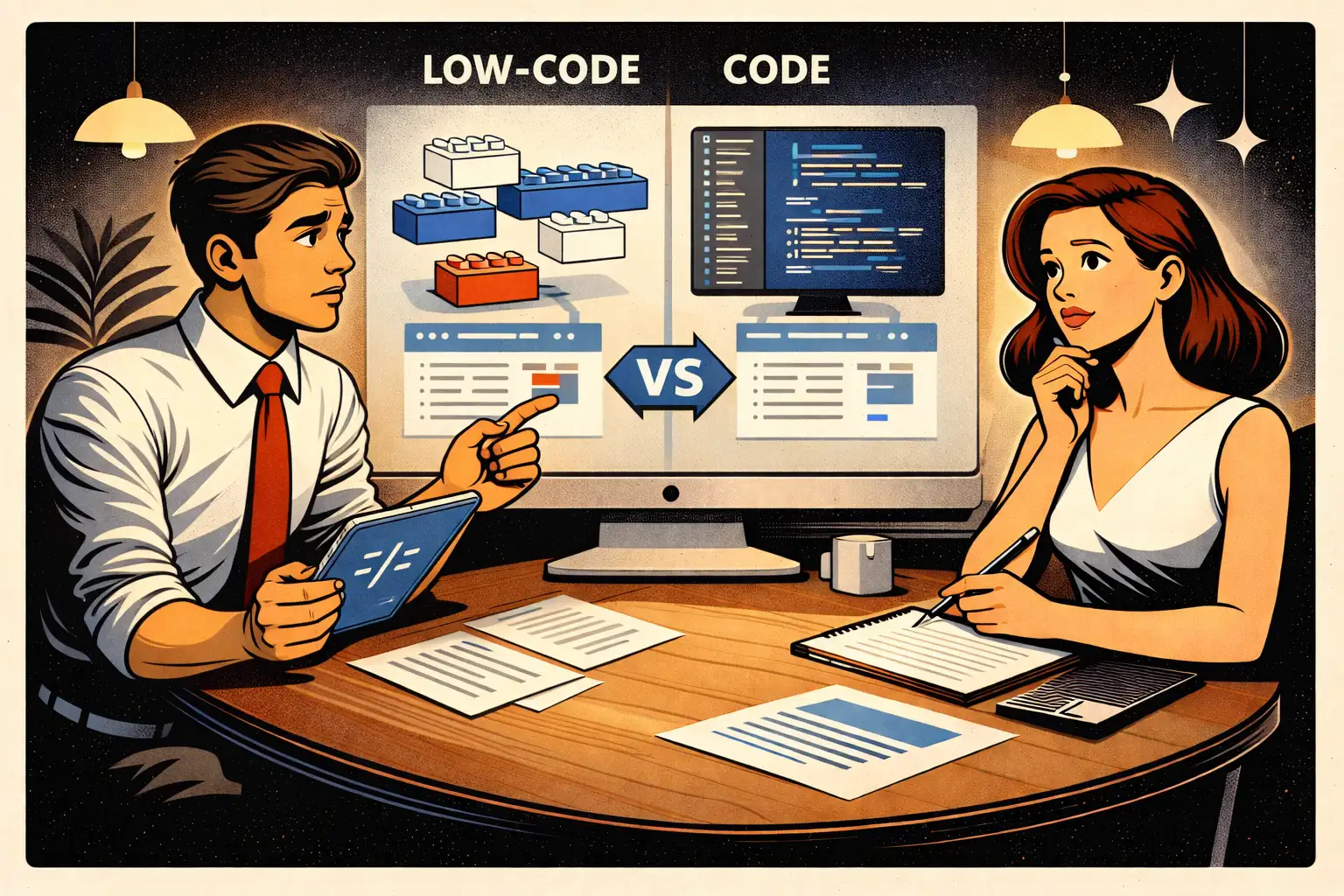
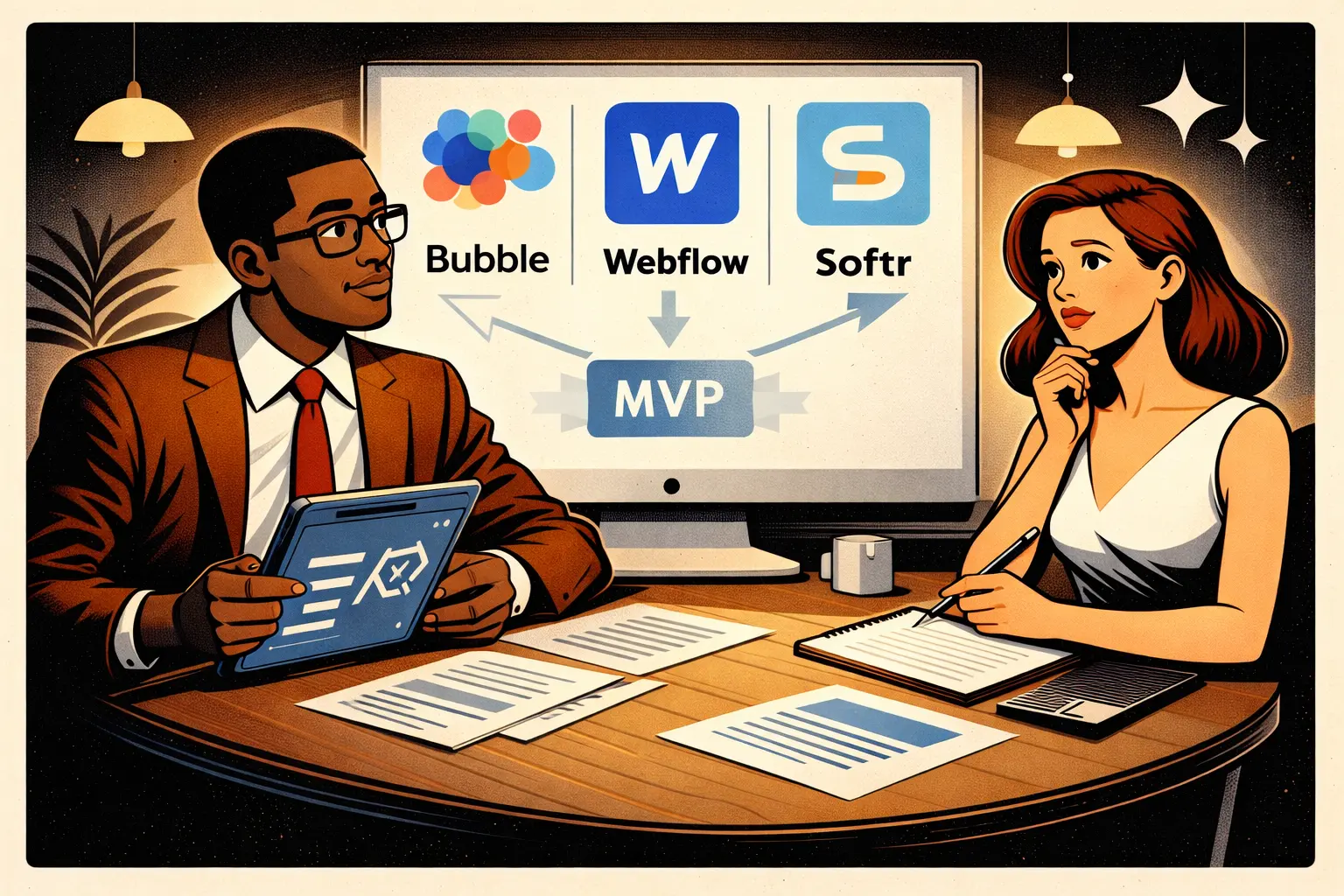
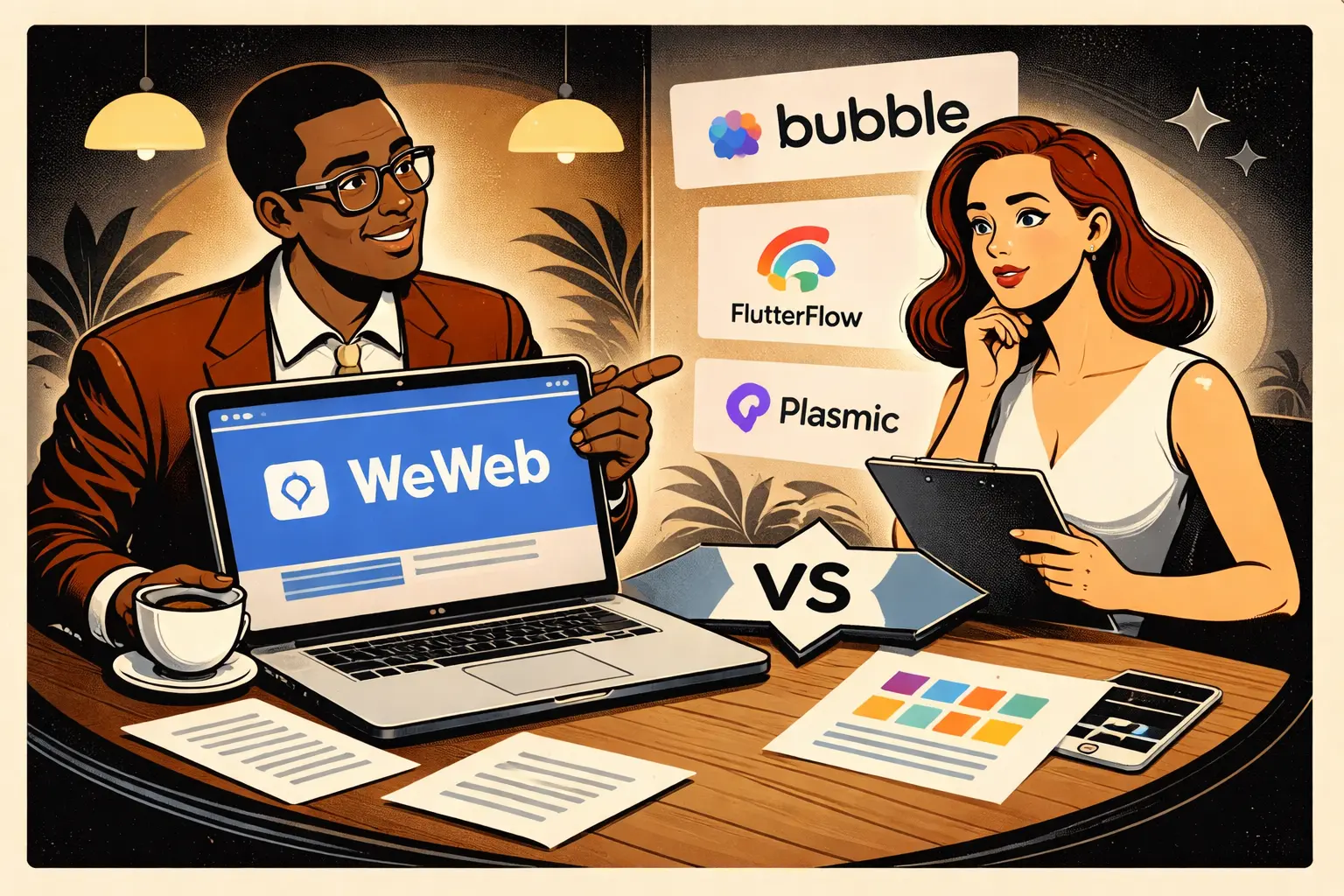
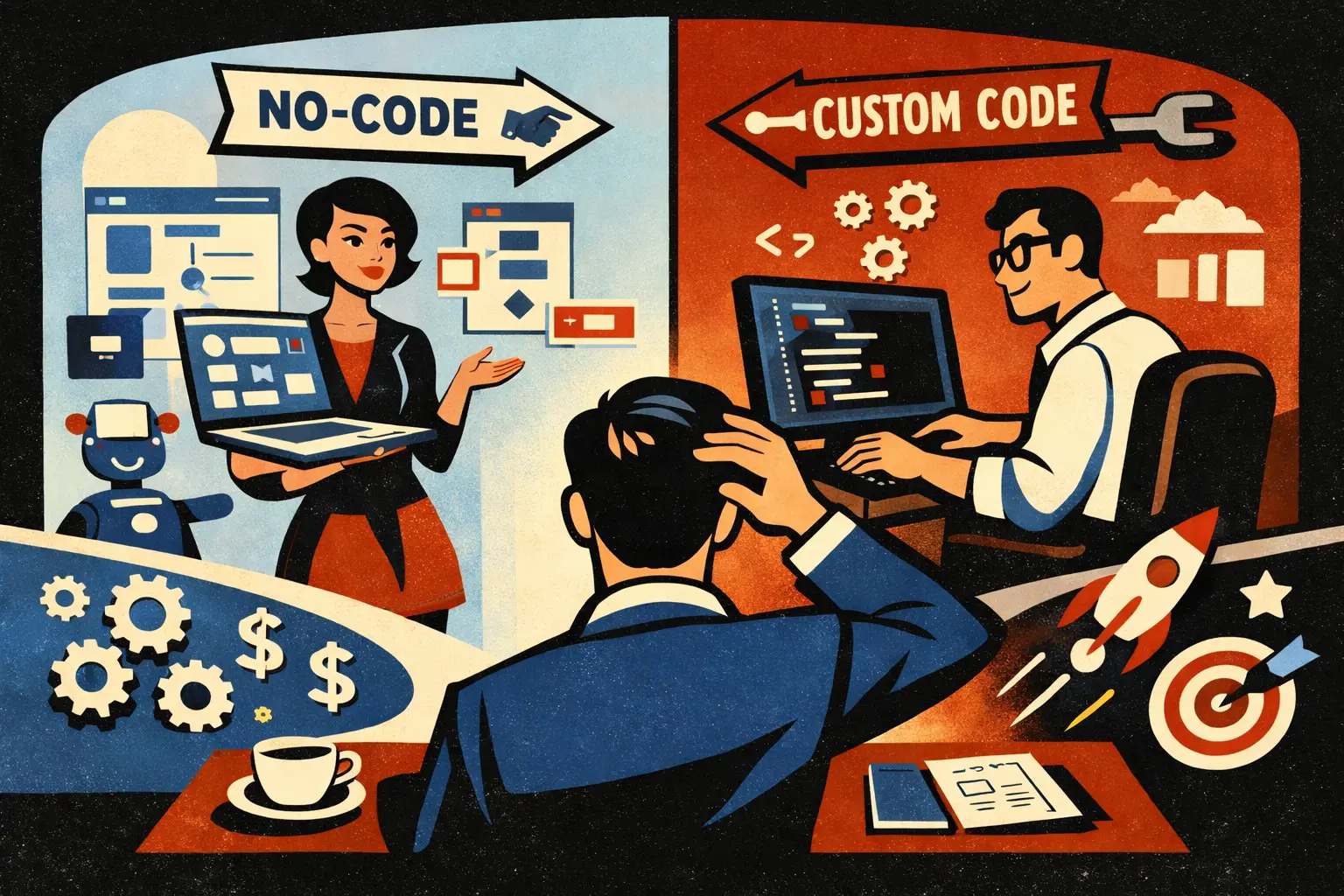
Could no-code tools replace engineers completely?
For extremely simple products — sometimes. For real startups — usually not. But they can speed up certain flows.
How do I avoid overpaying for development?
Define scope clearly and avoid feature creep. A focused MVP is always cheaper.
When should I hire full-time engineers?
After traction, when you know your roadmap and have validated user demand.
What if I need compliance (fintech, healthcare, legal)?
Then compliance dictates your MVP architecture. Avoid shortcuts — they’re expensive later.
What’s the biggest mistake non-technical founders make?
Trying to build too much before talking to users.






















































.webp)




.webp)