.webp)
Using AI in Startup Development in 2026
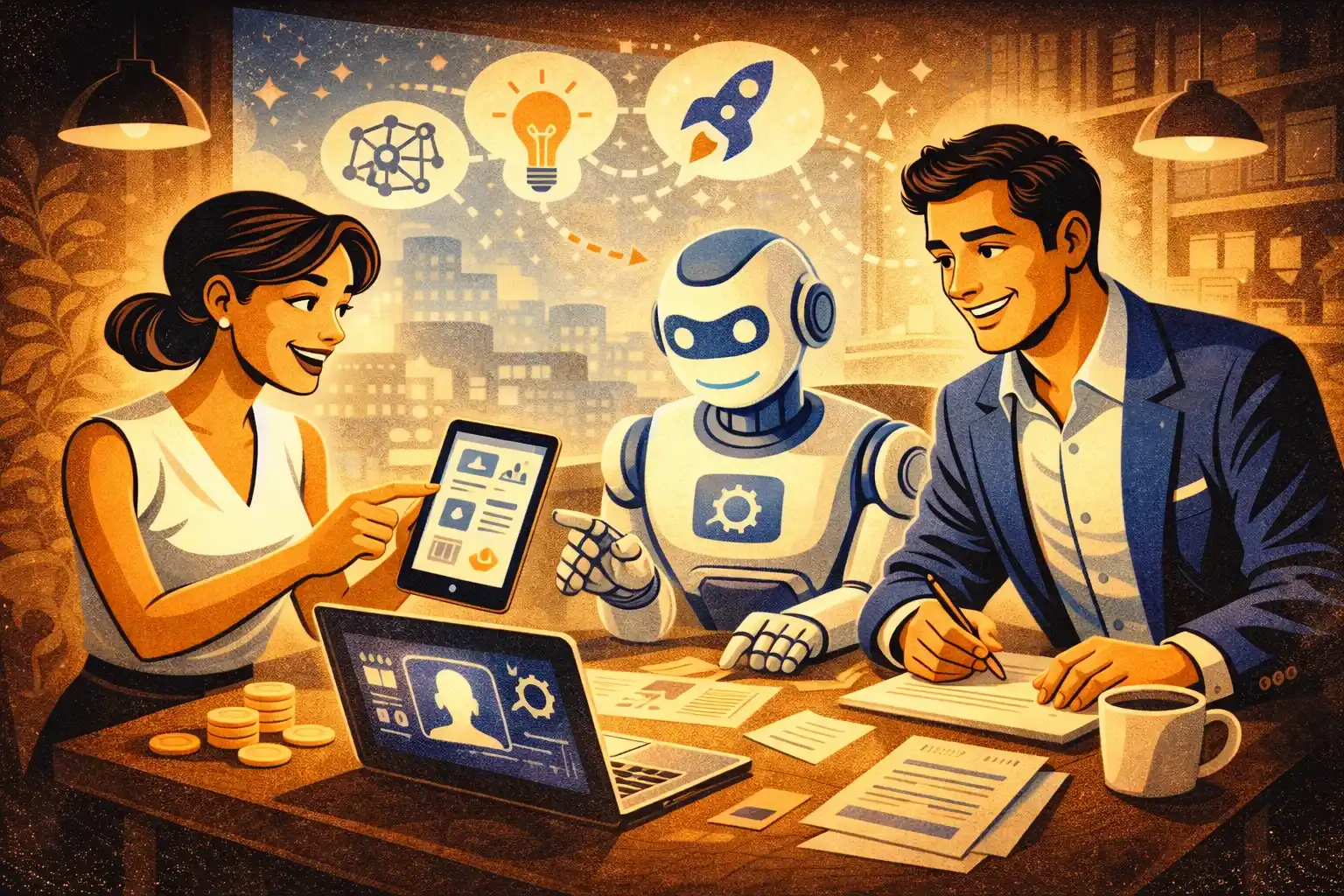
AI has become a default part of startup development in 2026, but its real value is often misunderstood. Many founders expect AI to replace teams or eliminate risk, only to discover new types of mistakes later. In this article, we break down how AI is actually used in modern startup development, where it creates real leverage, and where human judgment remains essential—so you can move faster without trading speed for long-term problems.

TL;DR: AI accelerates startup development in 2026, but it does not replace product thinking.Used correctly, it reduces cost and time; used blindly, it amplifies bad decisions.
AI is now infrastructure, not a differentiator
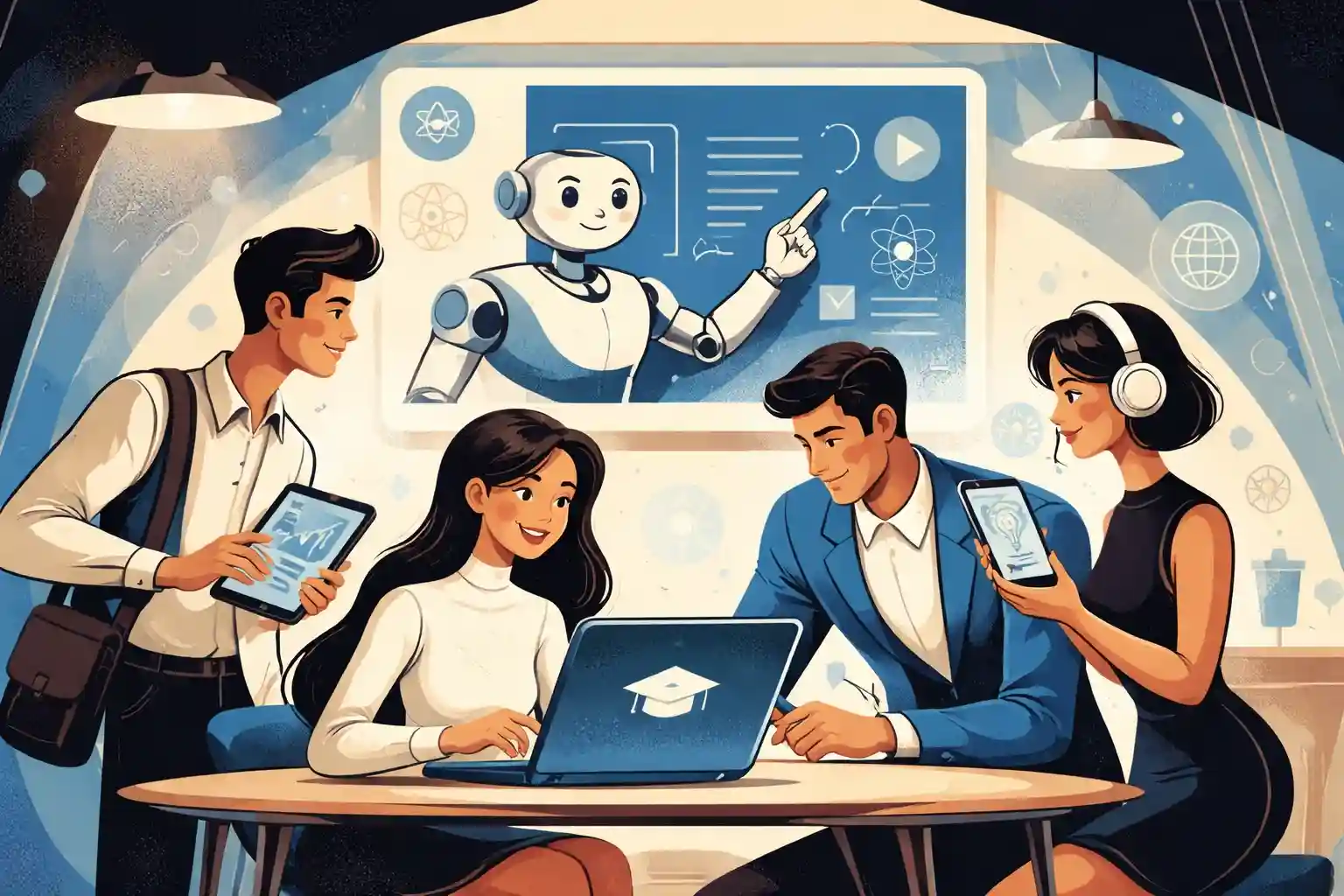
In 2026, almost every development team uses AI.The question is no longer if, but how.
AI tools generate code, review pull requests, assist with design, and even propose architectures.This makes building faster - but also makes it easier to ship the wrong thing at record speed.
If you want context on why speed alone doesn’t guarantee success, see Why MVPs Still Fail in 2026.
Where AI actually helps startup development
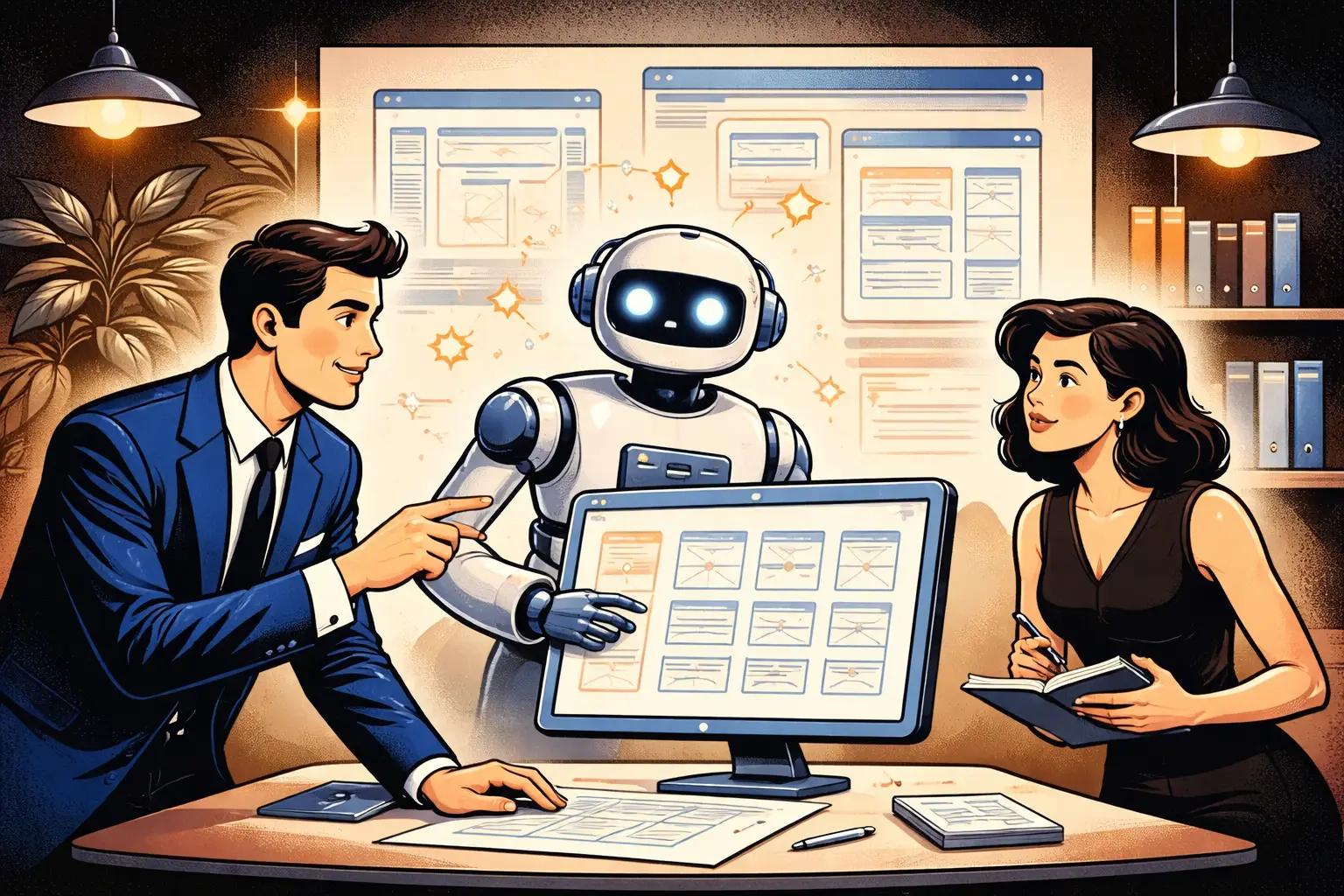
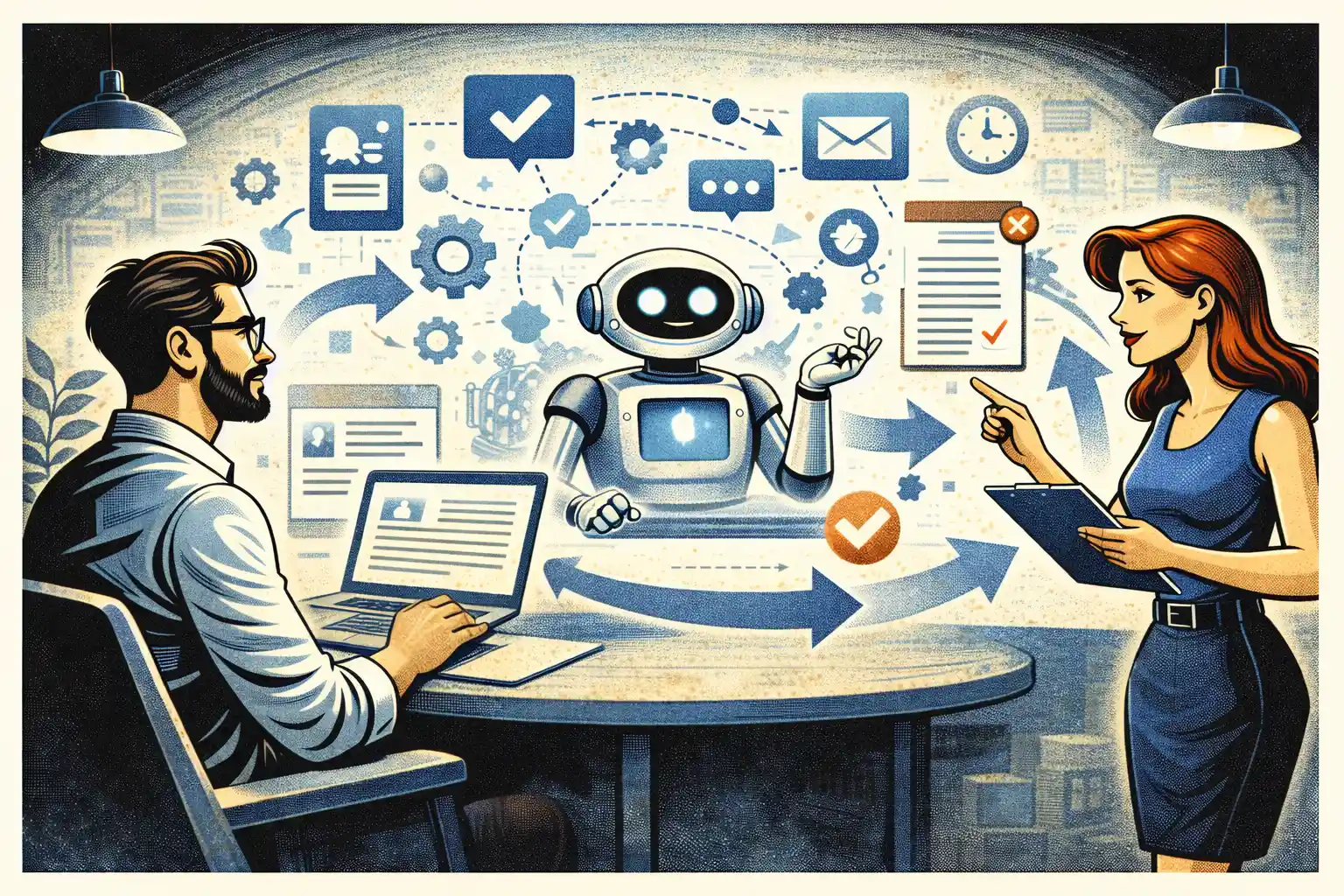
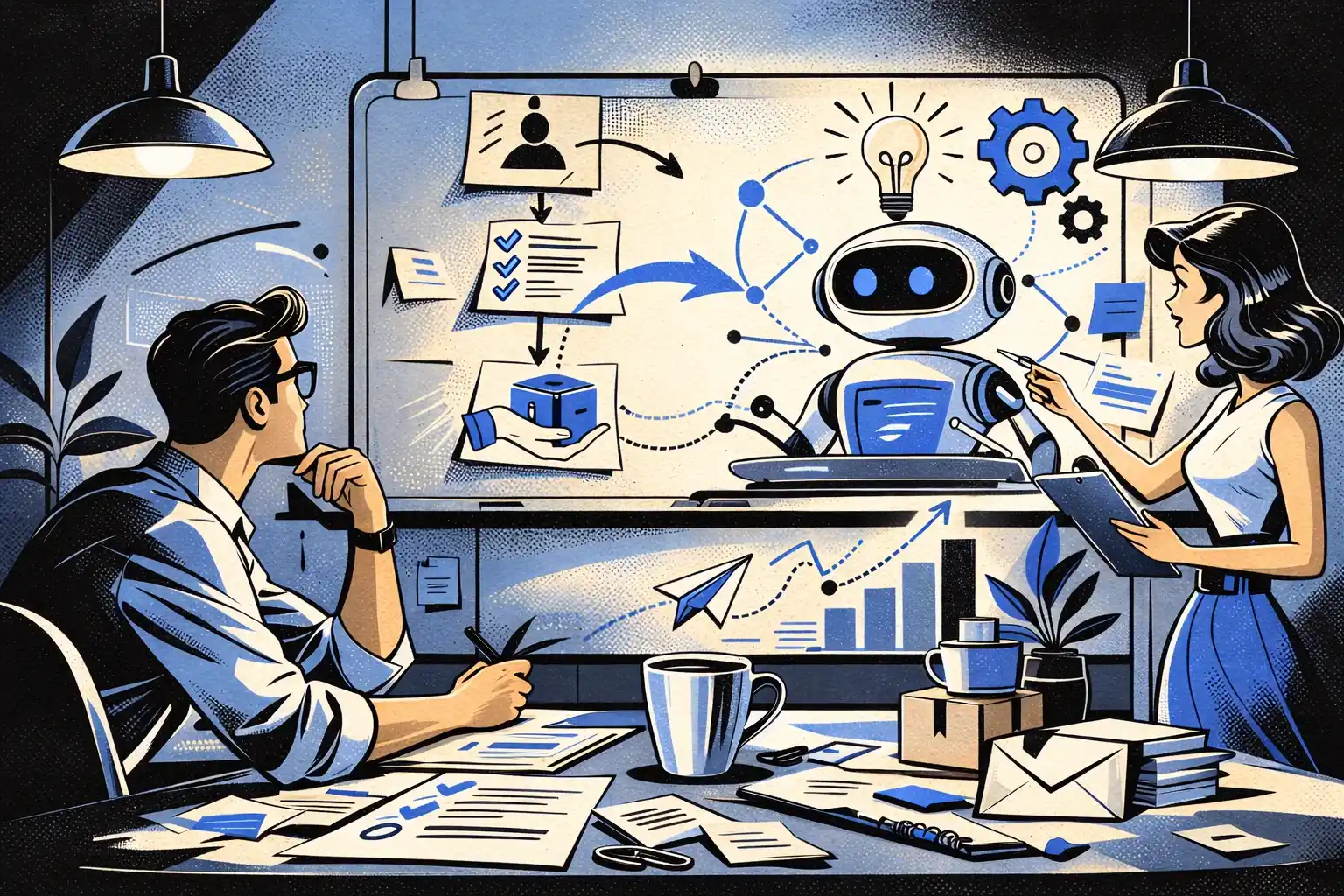
Used intentionally, AI creates leverage in areas that were previously slow or repetitive.
Faster prototyping and iteration
AI helps teams:
- scaffold features quickly
- explore multiple approaches
- iterate on flows without heavy rework
This is especially valuable in early MVP phases where learning speed matters more than polish.
For a grounded look at this approach, read AI-Powered MVP Development: Save Time and Budget Without Cutting Quality.
Reducing boilerplate and manual work
AI shines at:
- repetitive setup
- documentation drafts
- test generation
- internal tooling
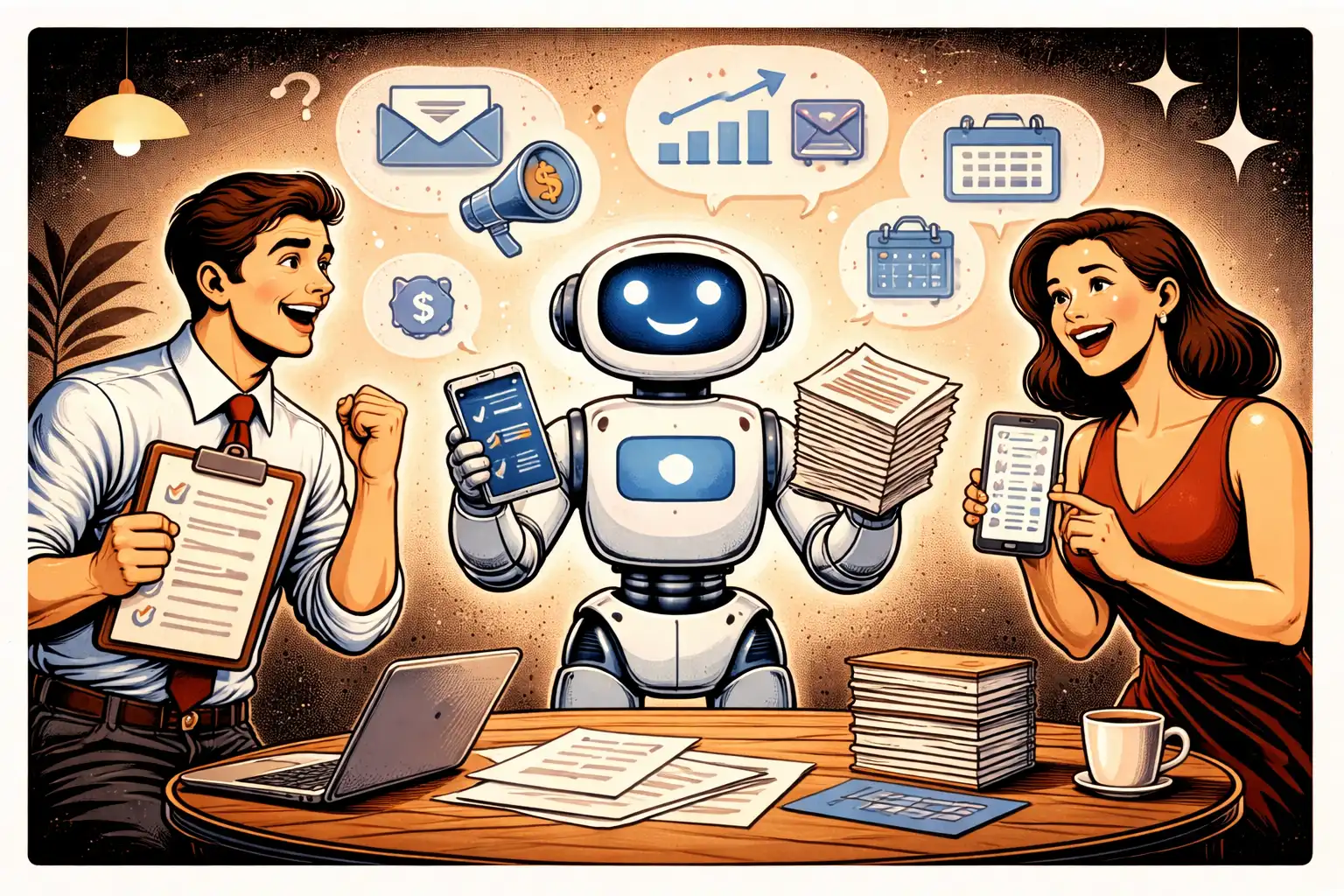
This frees teams to focus on product decisions instead of mechanics.
Where AI does not replace human judgment
AI cannot own accountability.
Founders still need humans to:
- define product priorities
- understand user behavior
- make trade-offs under uncertainty
- decide what not to build
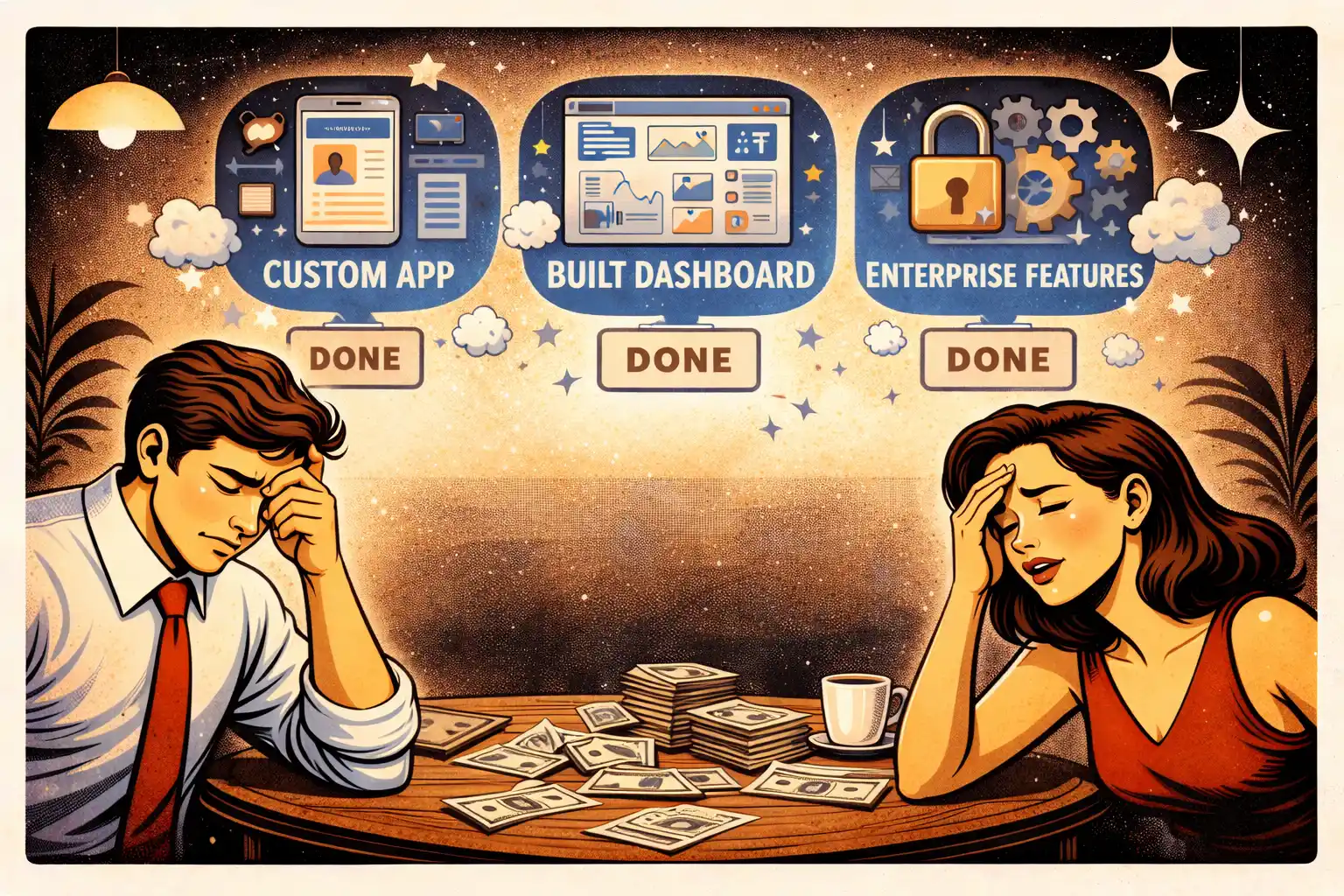
When AI outputs are treated as answers rather than suggestions, technical debt accumulates quietly.
If you’re navigating early-stage decisions, Tech Decisions for Founders in 2026 provides useful context.
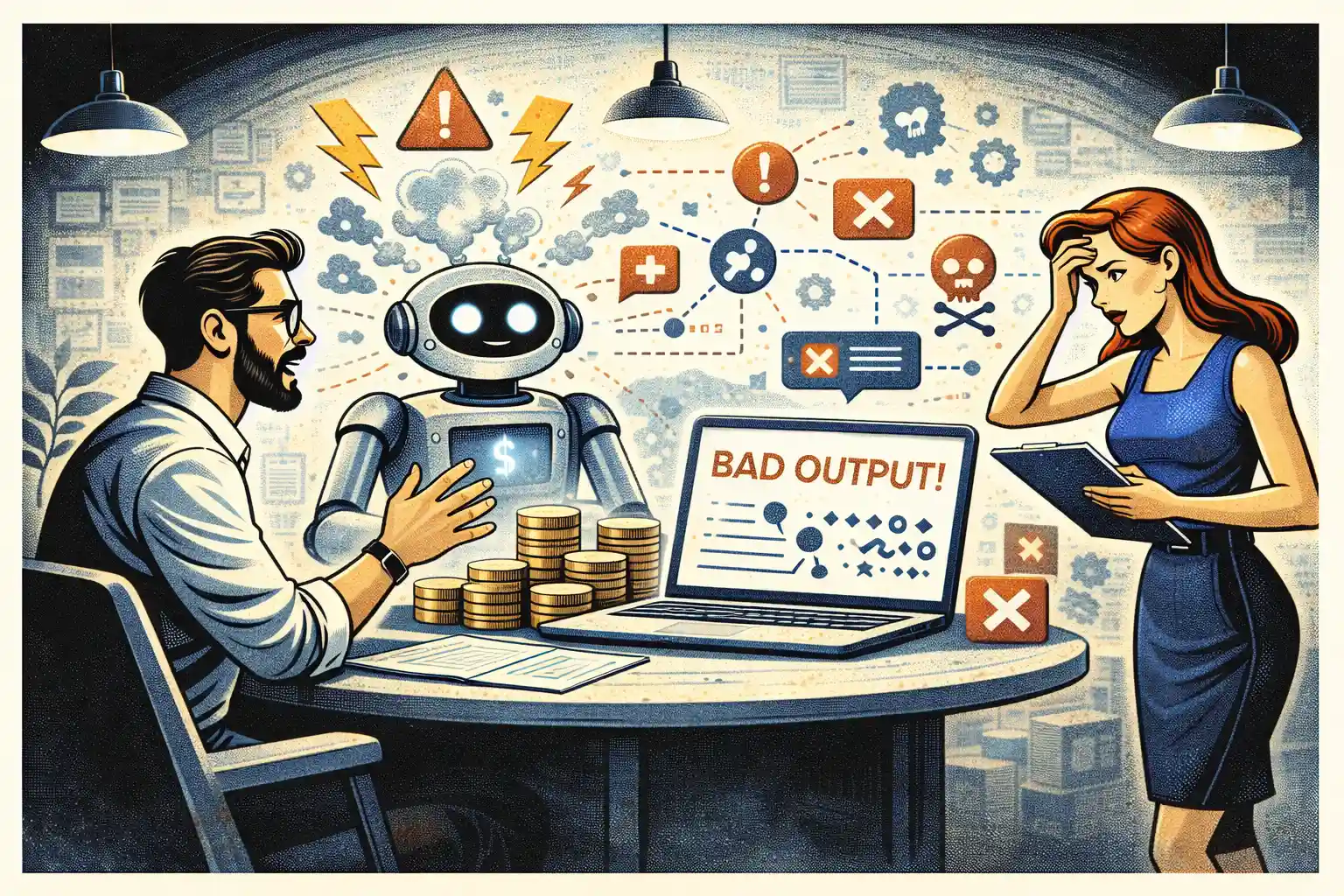
The hidden risks of AI-first development
AI-related risks rarely show up immediately.They surface later as:
- inconsistent architecture
- unclear ownership of logic
- fragile systems that are hard to modify
These risks become costs when direction changes.
For a deeper cost perspective, see Hidden App Development Costs in 2026.
AI and validation: the most overlooked use case
The biggest advantage of AI is not writing code faster.It’s reducing time-to-learning.
Strong teams use AI to:
- simulate edge cases
- analyze early feedback
- explore alternative user flows
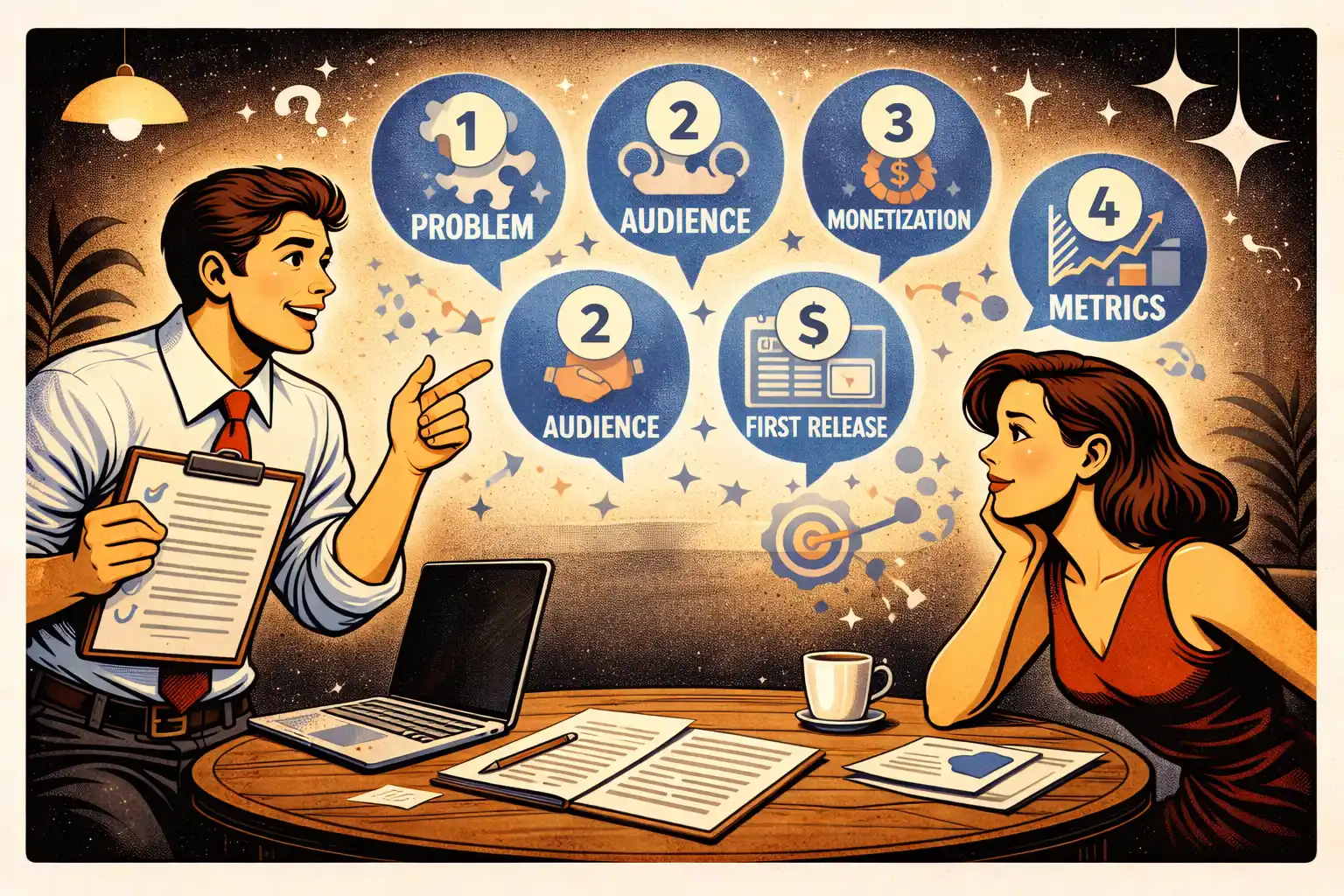
This helps founders test assumptions before committing to irreversible decisions.
If validation is your priority, MVP Development for Non-Technical Founders: 7 Costly Mistakes is a helpful companion.
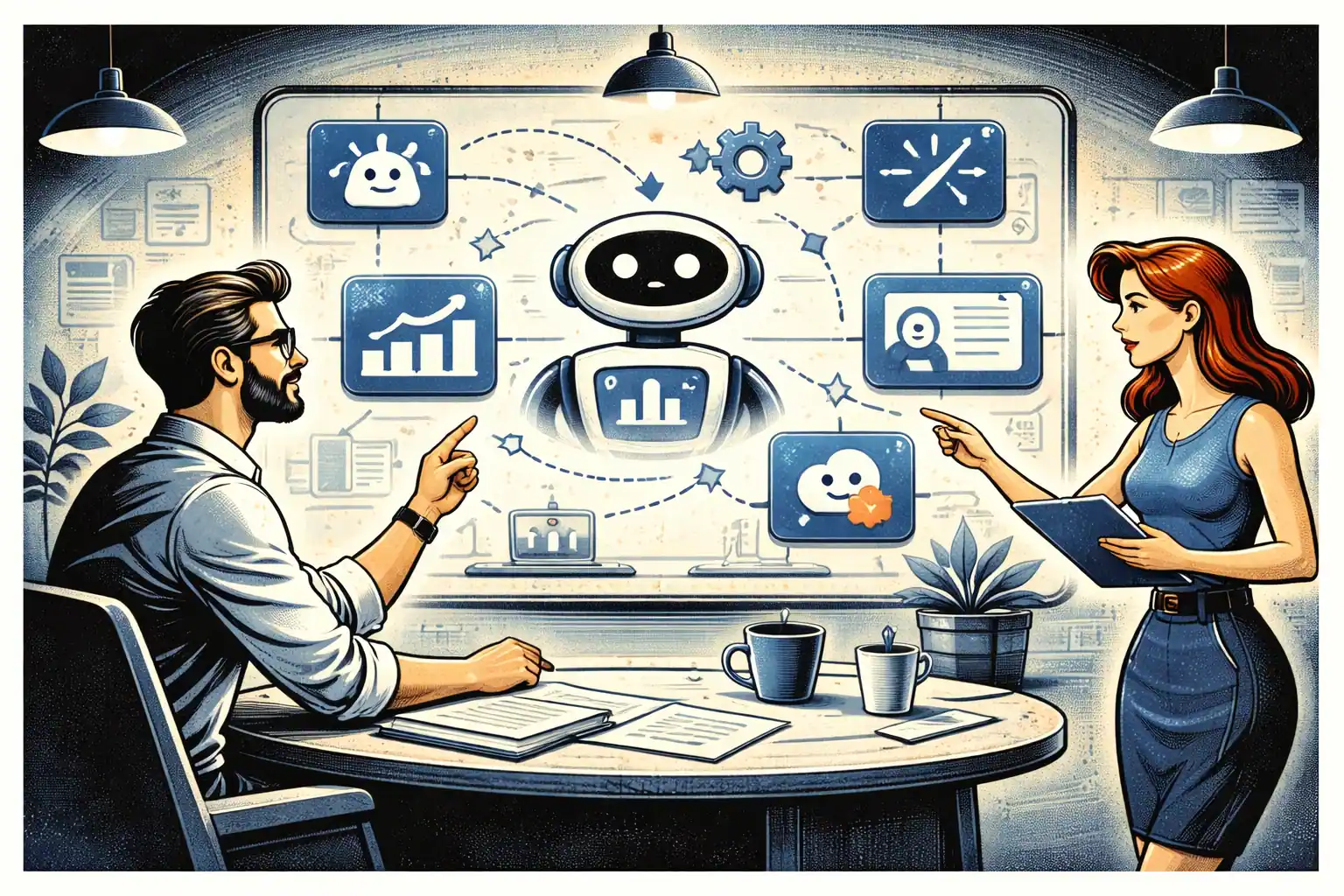
How successful startups use AI in 2026
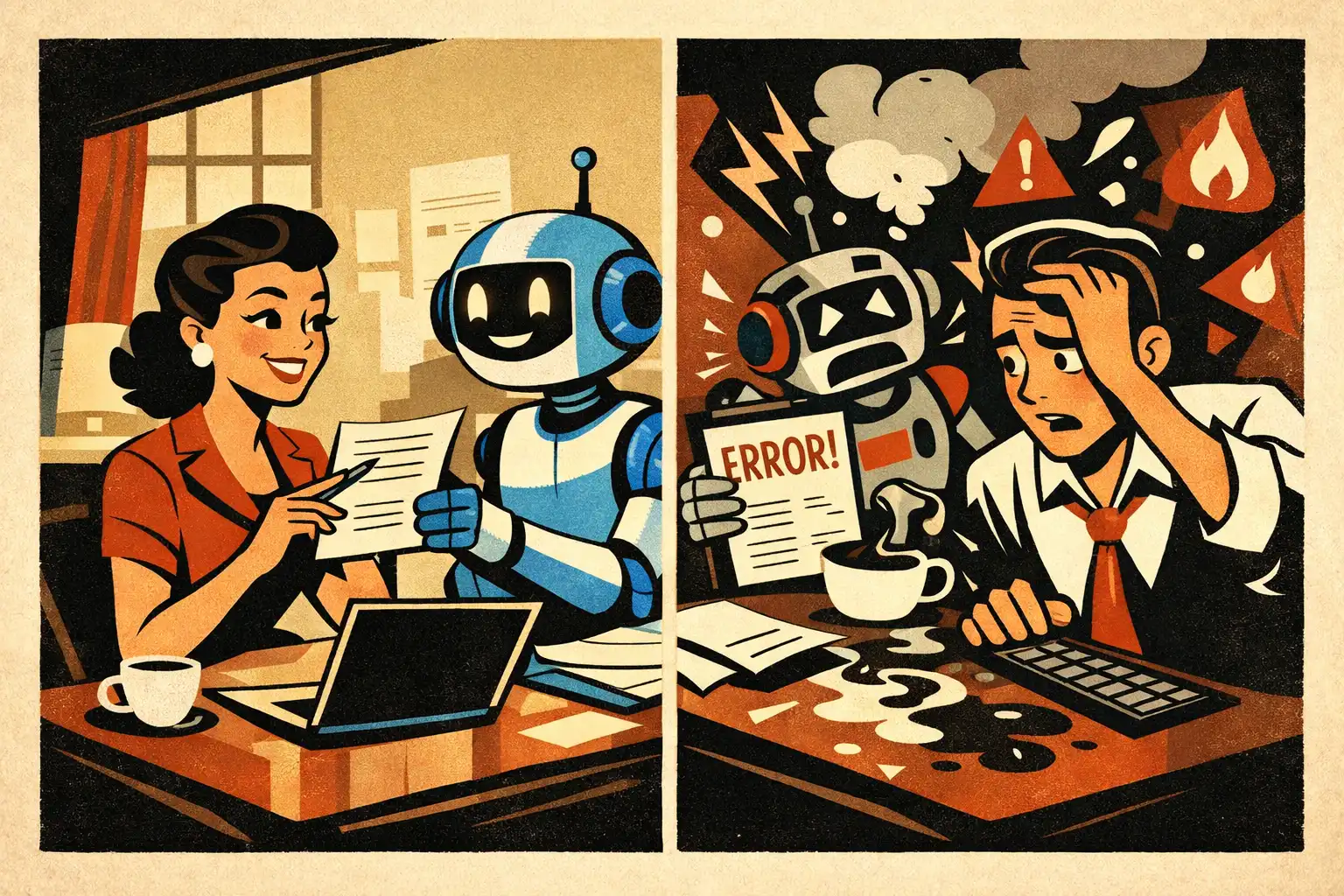
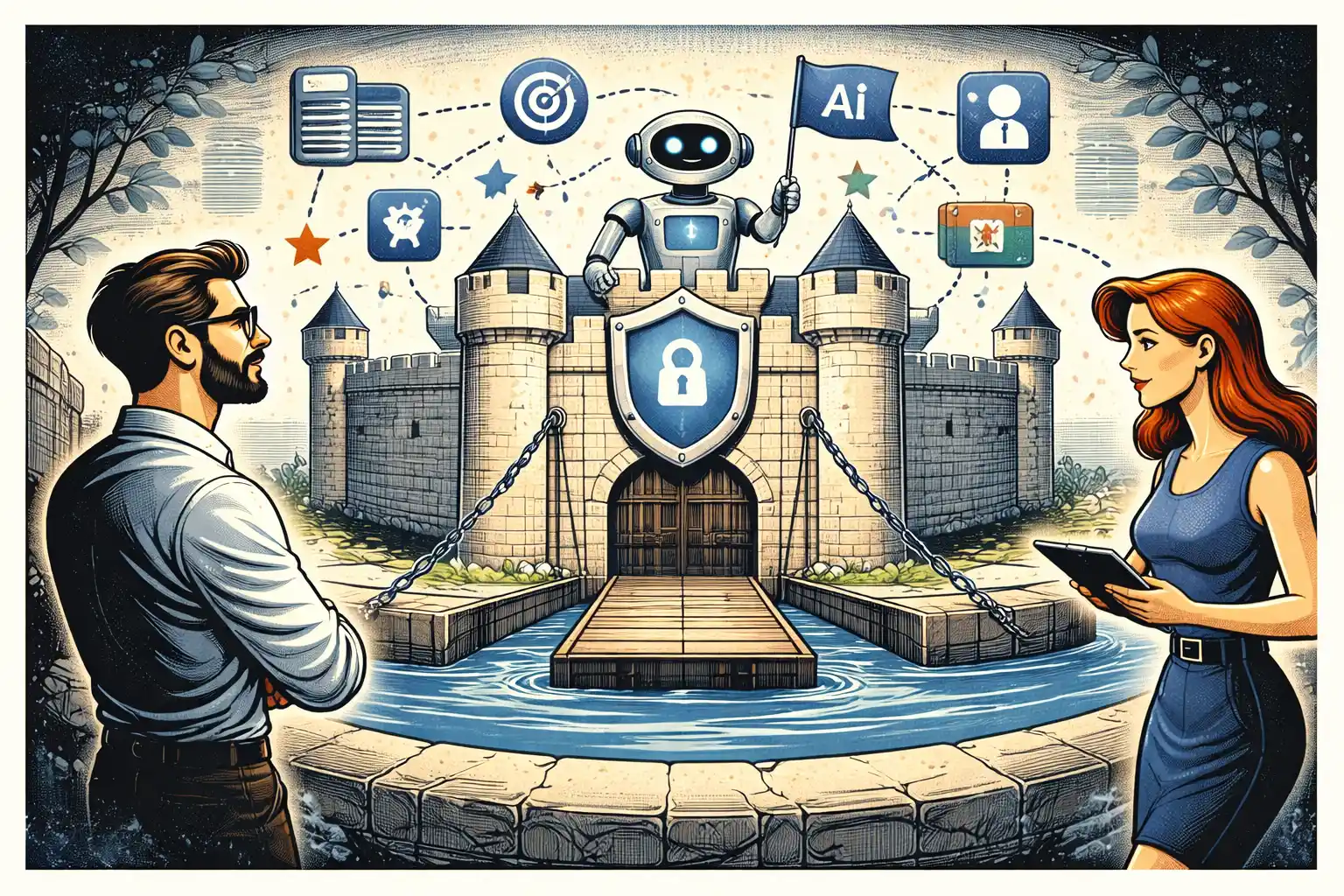
They treat AI as a co-pilot, not an autopilot.
In practice, this means:
- clear architectural guidelines
- mandatory human review
- explicit ownership of decisions
- AI used to accelerate, not to decide
This approach preserves speed without sacrificing control.
When AI can hurt more than it helps
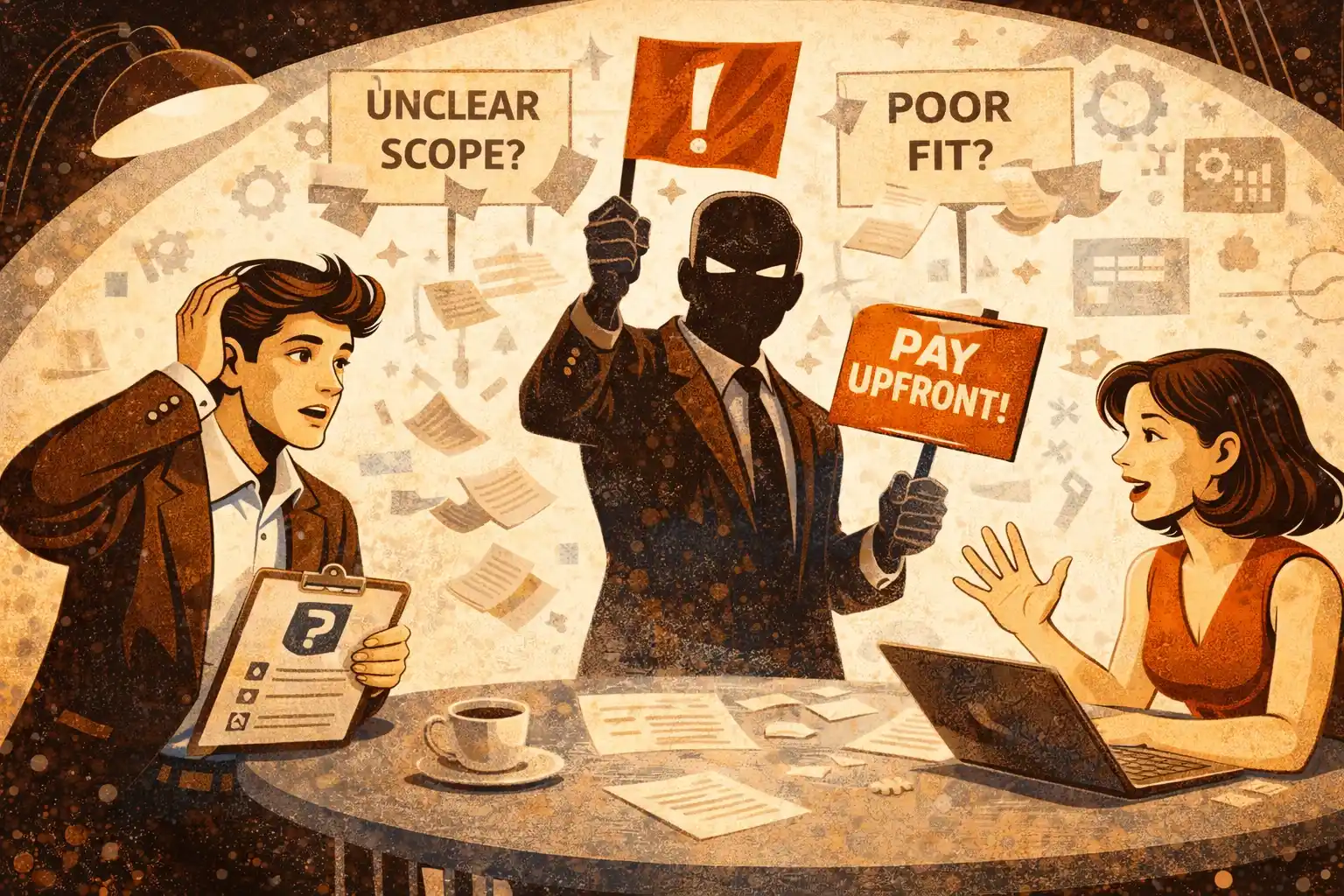
AI is most dangerous when:
- scope is unclear
- requirements change daily
- there is no product owner
- speed is valued over understanding
In these cases, AI magnifies confusion instead of resolving it.
Planning to use AI in your startup development in 2026?
At Valtorian, we help founders integrate AI into development workflows in a way that speeds up delivery without creating hidden technical or product risks.
Book a call with Diana
Let’s talk about where AI makes sense in your product - and where it shouldn’t be used yet.
FAQ
Can AI replace developers for early-stage startups?
No. AI accelerates development, but it doesn’t replace product ownership, architecture decisions, or accountability.
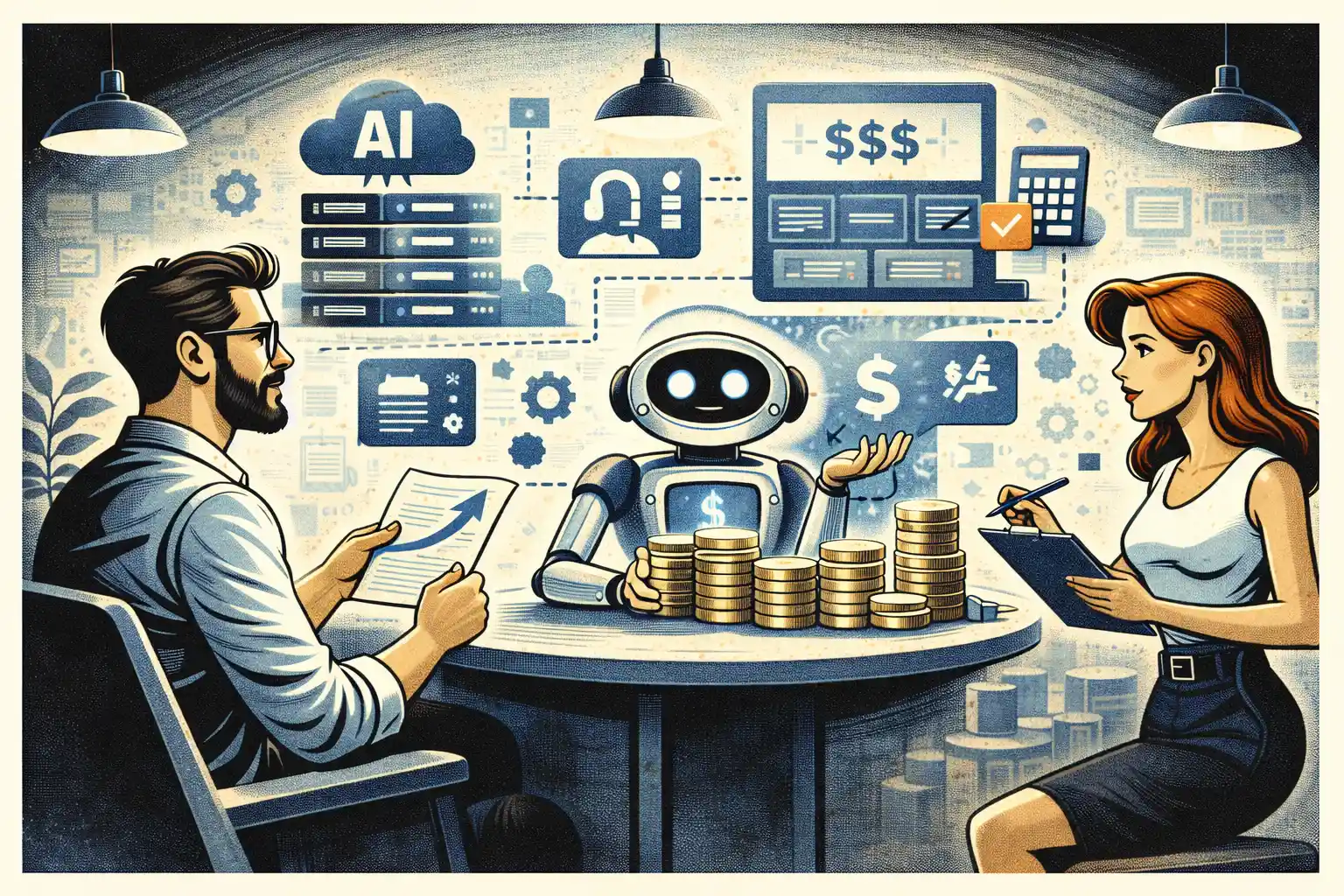
Does AI reduce startup development costs?
It can, when used to remove repetitive work. It increases costs when it accelerates poor decisions.
Is AI-safe code production-ready?
Only with human review, testing, and clear standards. Unreviewed AI code is risky.
Should pre-seed startups rely heavily on AI?
They should use AI selectively - especially for prototyping and iteration - while keeping core decisions human-led.
What’s the biggest AI mistake founders make?
Assuming AI understands their business context as well as they do.
How do I know if my team is using AI responsibly?
They can explain why a decision was made, not just which tool produced it.




























.webp)




.webp)