.webp)
Hidden App Development Costs in 2026
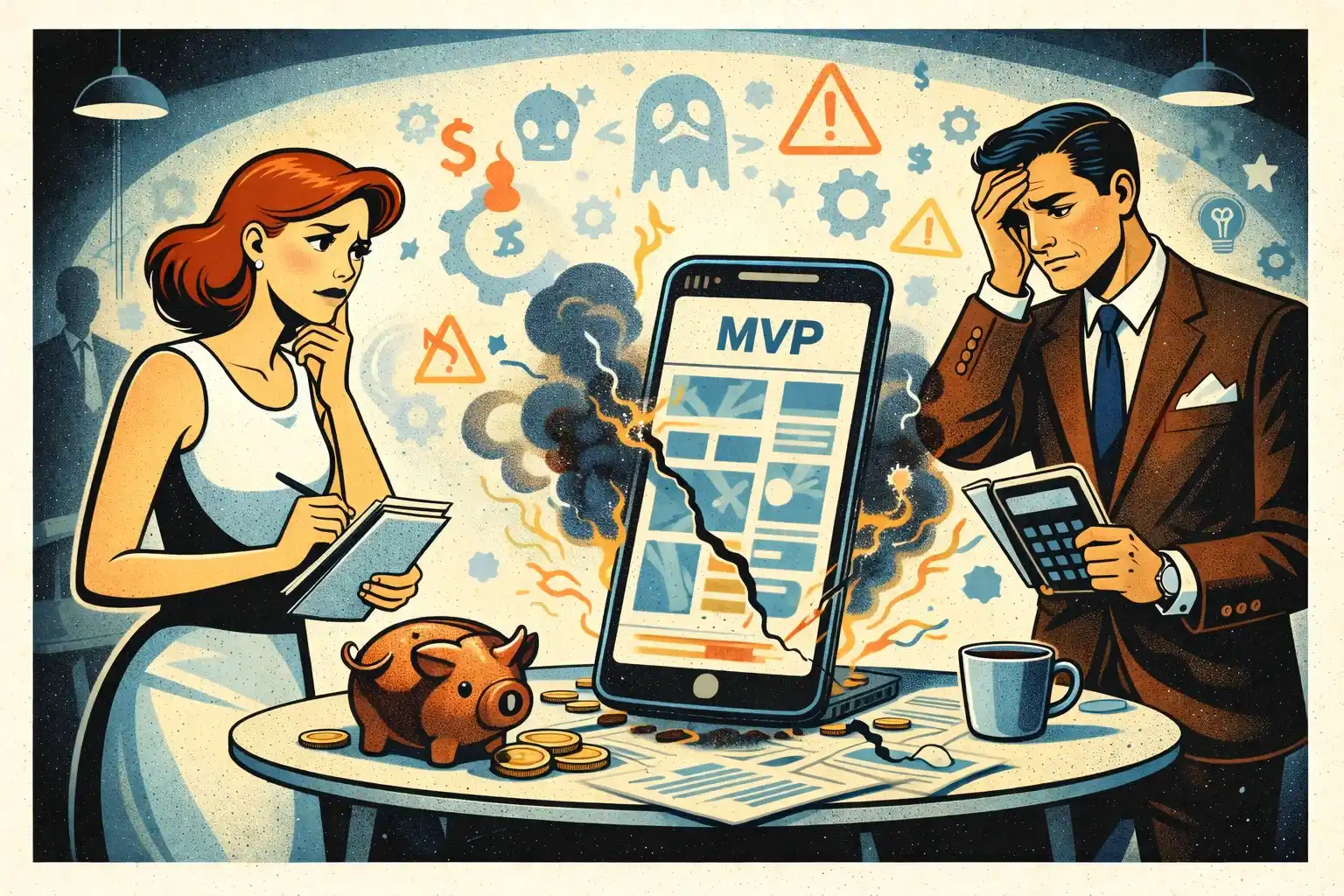
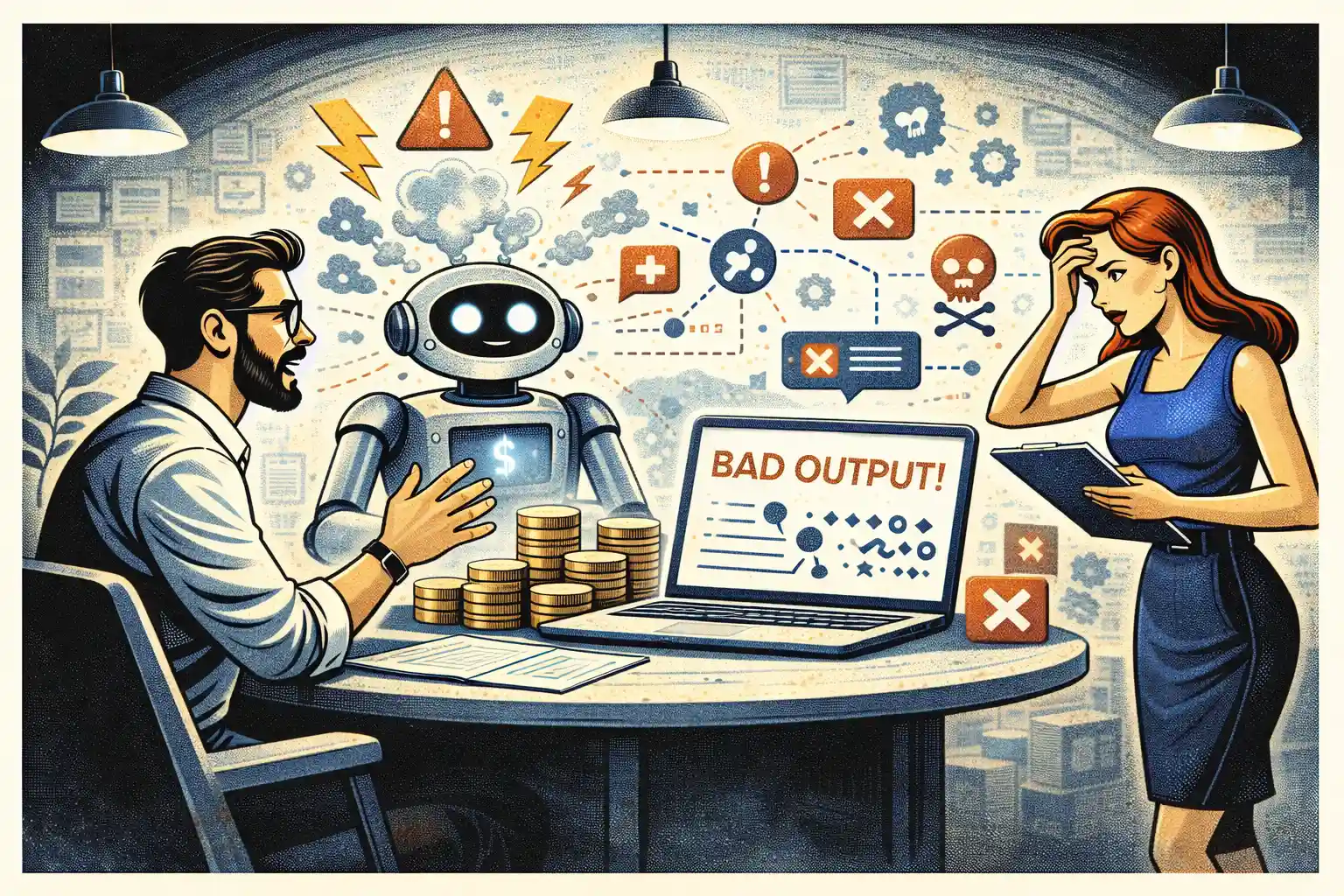
App development in 2026 is faster than ever, but many founders still underestimate how costs quietly accumulate beyond the initial estimate. These hidden expenses rarely appear in proposals, yet they often determine whether an MVP stays on budget or spirals out of control. In this article, we’ll unpack the most common hidden app development costs, explain why they exist, and show you how to anticipate them early—before they turn into painful surprises after launch.

TL;DR: Most app budgets in 2026 don’t fail because of bad estimates—they fail because of hidden costs outside the visible scope.Knowing where these costs come from lets you plan realistically and avoid expensive late-stage corrections.
Why “hidden costs” still exist in 2026
Faster frameworks, AI-assisted development, and mature cloud tooling have shortened build timelines.They have not eliminated uncertainty.
Hidden costs appear when assumptions meet real usage.They are rarely malicious—they’re usually the result of incomplete early decisions.
If you want context on why budgets slip even with modern tooling, read Why MVPs Still Fail in 2026.
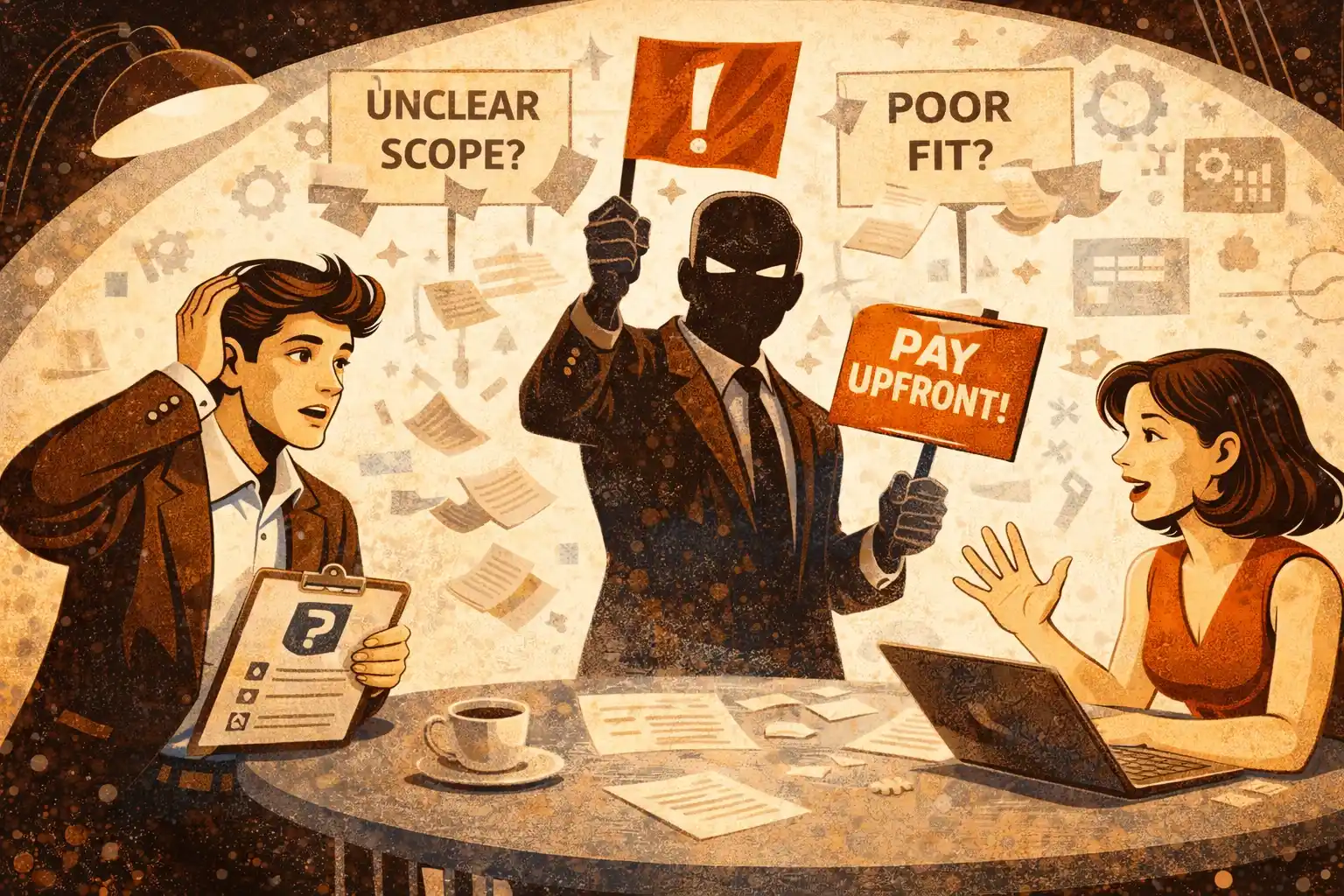
Cost #1: Scope clarification after development starts
Founders often believe scope is “clear enough” at kickoff.It usually isn’t.
As real screens and flows emerge, questions surface:
- edge cases
- role permissions
- error handling
- empty states
Each clarification adds time.
This is why rushed scoping often costs more than a short discovery phase.
For a realistic view of what an MVP should actually include, see MVP Development Services for Startups: What’s Actually Included.
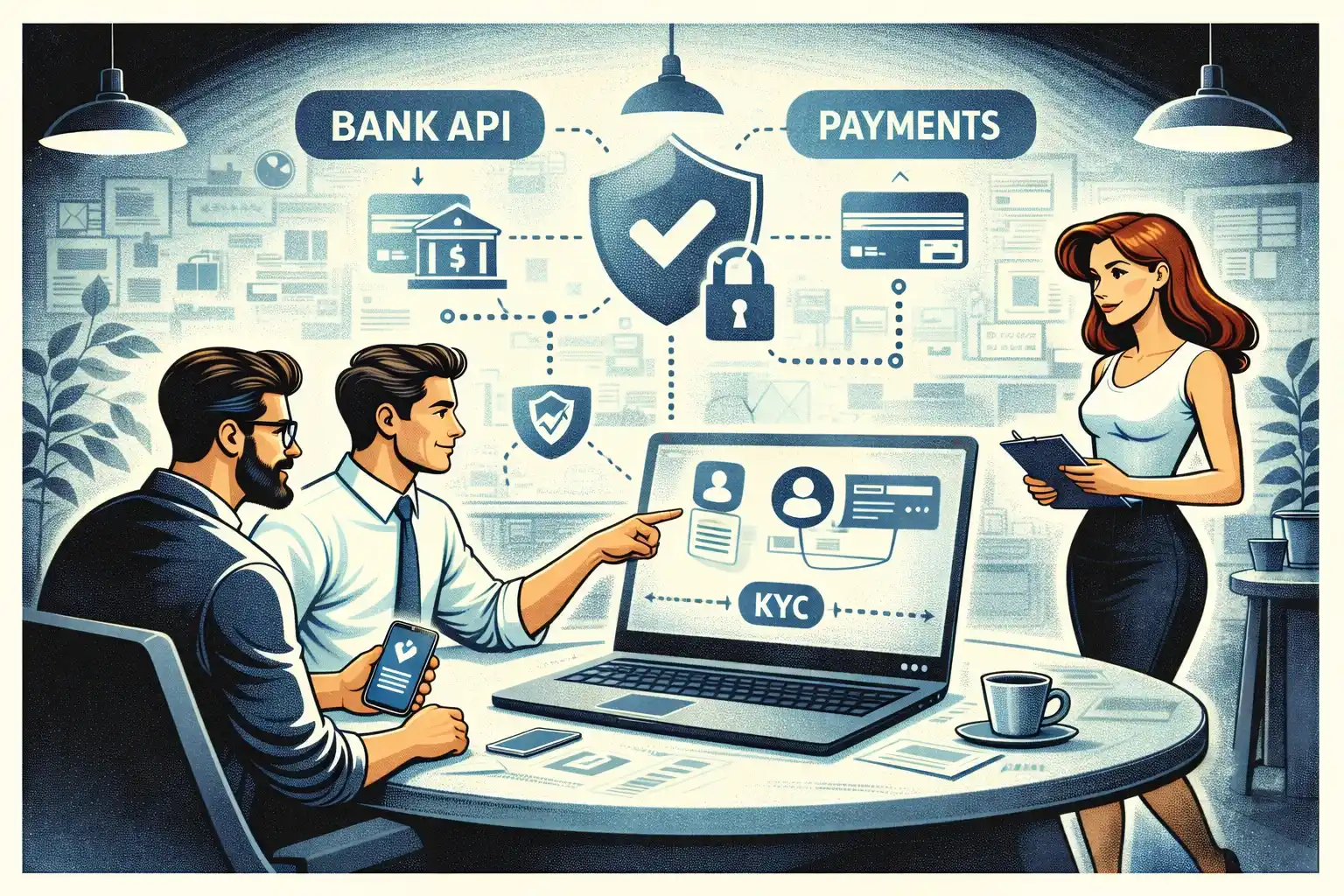
Cost #2: Third-party services you didn’t plan for
Most apps rely on external tools:
- payments
- authentication
- messaging
- analytics
- AI APIs
These services introduce:
- monthly fees
- usage-based pricing
- integration time
Even “free tiers” create future cost exposure once users arrive.
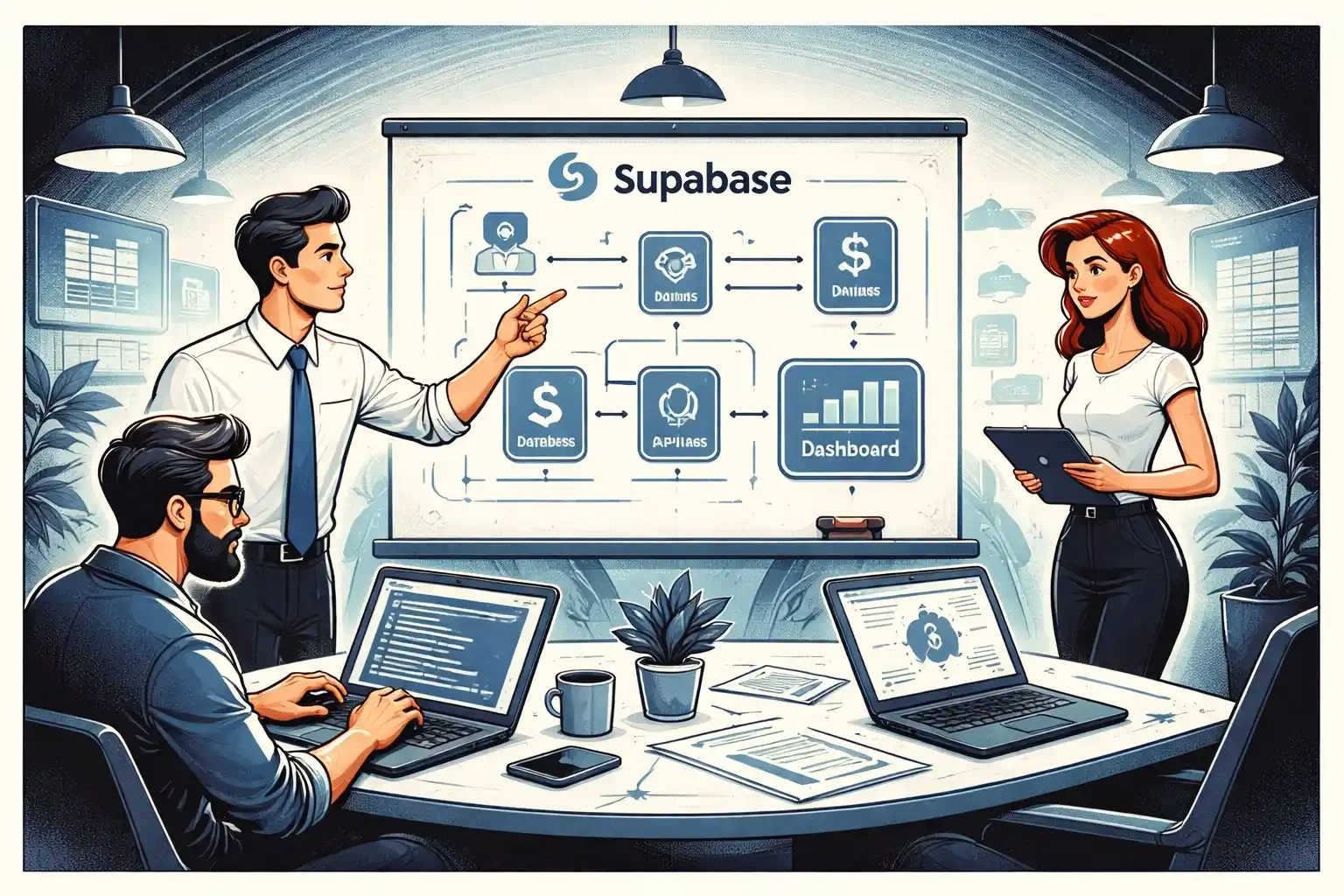
If you want to understand how infrastructure choices affect budgets, read App Development Cost for Startups: Web vs Mobile vs SaaS.
Cost #3: Rework caused by early technical shortcuts
Shortcuts feel efficient early.They rarely stay cheap.
Common examples:
- skipping basic architecture decisions
- hardcoding logic to save time
- ignoring scalability constraints entirely
When the product gains traction - or simply changes direction - these shortcuts demand refactoring.
That refactoring is rarely included in the original estimate.
Cost #4: Post-launch fixes and stabilization
Launch is not the end of development.It’s when real users arrive.
Hidden post-launch costs include:
- bug fixes under real load
- performance tuning
- handling unexpected user behavior
Founders often budget for “development” but forget to budget for stabilization.
To understand what post-launch work typically looks like, see Full-Cycle MVP Development: From Discovery to First Paying Users.
Cost #5: Product decisions made too late
Late decisions are expensive decisions.
Examples include:
- changing pricing logic after launch
- adding a missing user role
- rethinking onboarding flows
Each late change ripples through design, logic, and testing.
If you want to avoid these mistakes, read MVP Development for Non-Technical Founders: Common Mistakes.
Cost #6: Communication gaps and misalignment
Misalignment is a cost multiplier.
When expectations are unclear:
- features are rebuilt
- priorities shift mid-sprint
- assumptions go unchallenged
This doesn’t show up as a line item.It shows up as extra weeks.
If you’re choosing a team, Startup App Development Company vs Freelancers vs In-House Team provides helpful context.
How to reduce hidden costs without slowing down
You can’t remove uncertainty.You can contain it.
In 2026, the most cost-efficient founders:
- invest in early clarity
- accept estimates as ranges
- validate before polishing
- plan for post-launch work explicitly
Hidden costs become manageable when they’re expected.
Planning an app or MVP in 2026 and worried about budget surprises?
At Valtorian, we help founders uncover hidden costs early and design build plans that stay realistic as the product evolves.
Book a call with Diana
Let’s review your idea, scope, and the true cost drivers before development starts.
FAQ
Are hidden app development costs unavoidable?
Some are, because uncertainty is real. The goal is not elimination, but early visibility and planning.
Why don’t agencies include all costs upfront?
Because many costs depend on decisions and usage that can’t be fully known at the proposal stage.
How much buffer should I add to my MVP budget?
A 20–30% buffer is common for early-stage products, especially when requirements are still evolving.
Is a discovery phase worth paying for?
Yes, when your idea includes unknown integrations, multiple roles, or complex flows. It often reduces total spend.
Do AI tools reduce hidden costs?
They reduce build time, but they don’t remove product uncertainty. Poor decisions still cost money.
What’s the fastest way to blow an app budget?
Rushing into development without clear priorities and validation goals.






















































.webp)




.webp)