.webp)
MVP Onboarding in 2026: Flows That Drive Activation
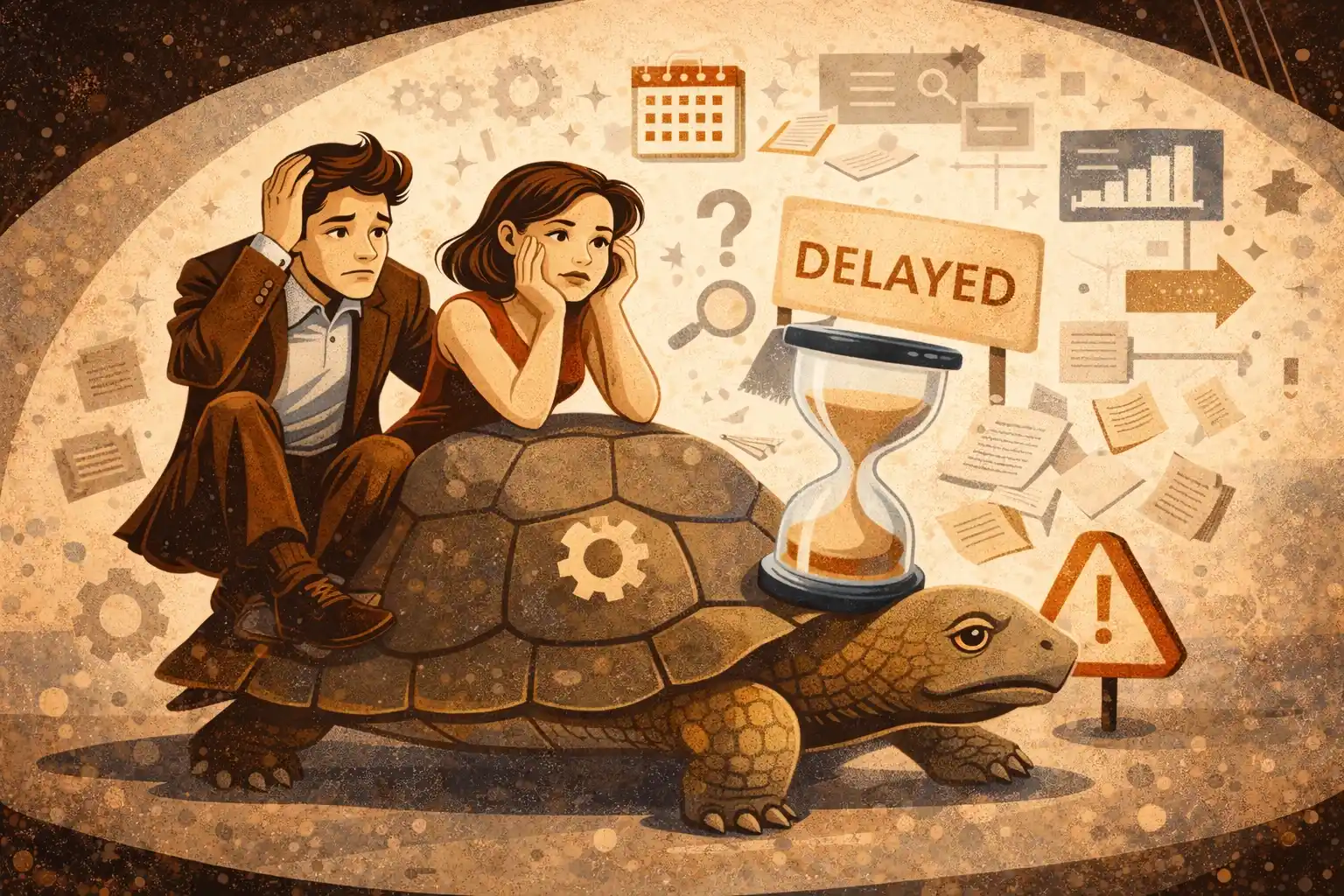
Onboarding is where most MVPs quietly fail: users sign up, get confused, and never reach the “aha” moment. In 2026, the best onboarding isn’t a tour—it’s a short path to first value, with just enough guidance to prevent hesitation. This article breaks down activation-first onboarding flows for web and mobile MVPs, what to validate before you build, and the exact events to track so you know if onboarding is working. You’ll also get a simple checklist you can apply to any product.
.webp)
TL;DR: Your onboarding should move users to first value in minutes, not educate them for 10 screens.Start with one core workflow, remove decisions you can postpone, and measure activation with a few high-signal events.
What “activation” means (so you don’t optimize the wrong thing)
Activation is the moment a user experiences the core value and thinks: “Okay, this solves my problem.”
It’s not:
- completing every onboarding step
- reading a tutorial
- filling out a profile
It is:
- completing the first meaningful action (the one that makes your product useful)
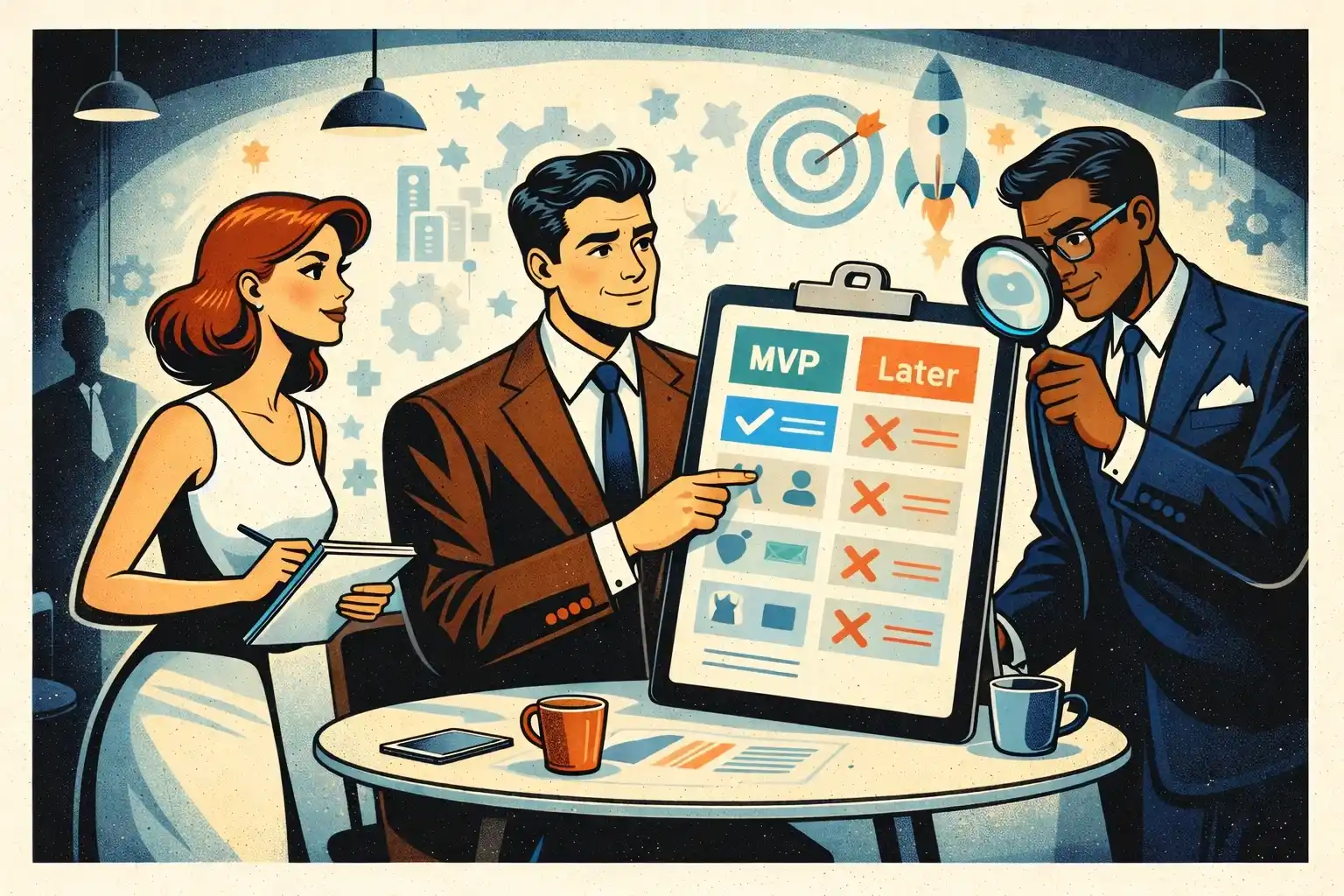
If you’re not sure what your MVP’s “first value” should be, align it with the smallest useful release described in What a Good MVP Looks Like in 2026.
The biggest onboarding mistake in 2026
Founders try to “explain the product” instead of getting the user to a win.
If you need five screens to justify why the app is useful, your value proposition is either unclear — or the onboarding is doing the wrong job.
A better mindset:
- onboarding is a guided shortcut to the first win
- education happens later, in-context
The 5 onboarding goals that actually matter
Every onboarding flow should do these jobs — fast.
1) Reduce uncertainty
Users don’t churn because the app is bad. They churn because they’re unsure what happens next.
Your job: make the next step obvious.
2) Remove early decisions
Every choice is friction. If a choice doesn’t change the first value moment, postpone it.
3) Create a “default path”
New users should never face an empty screen with no clear action.
4) Deliver a quick win
A first win can be small. It just needs to feel real.
5) Set expectations (lightly)
One sentence is often enough: what the user will get, and how long it will take.
Onboarding flows that drive activation (and when to use them)
Below are proven patterns that work well for MVPs.
Flow 1: “Do the thing” first (the fastest path)
Best for: products where the first value is obvious.
Pattern:
- sign up
- land directly in the core action
- show guidance only if they hesitate
Use this when your product is simple enough that a tutorial would slow people down.
Flow 2: Guided setup (only what’s required for first value)
Best for: tools that need minimal configuration to work.
Pattern:
- 2–4 setup questions max
- then immediate output (plan, result, dashboard, match)
The key: setup must clearly connect to the outcome.
Flow 3: Progressive profiling (ask later, not now)
Best for: products that want personalization but can start with a default.
Pattern:
- start with a default experience
- ask for extra info after the first win
This keeps your first session short and reduces drop-offs.
Flow 4: Template-first onboarding
Best for: B2B SaaS, dashboards, workflows.
Pattern:
- choose one template that matches the user’s job-to-be-done
- prefill data and show a “working example”
Templates make the product feel alive instantly.
Flow 5: Concierge onboarding (for early B2B MVPs)
Best for: early-stage B2B where learning is more important than automation.
Pattern:
- minimal product access
- short kickoff call or in-app guided setup
- manual help for the first loop
This can be your best “cheap learning” option before you automate. Pair it with Validate a Startup Idea Before Development: 5 Experiments That Work.
What to show on day one (and what to delay)
If you’re trying to keep onboarding activation-focused, these are safe defaults.
Show on day one
- a single primary action (one clear button)
- a short checklist (2–4 steps max)
- sample content or a working template
- an “empty state” with a reason and next step
Delay (unless it’s required)
- long profile setup
- preference-heavy questionnaires
- advanced settings
- multi-role complexity (admin tools can exist, but don’t make every user pick a role up front)
If your scope keeps expanding because “onboarding needs more,” it usually points to unclear MVP boundaries — see MVP Development Services for Startups: What’s Actually Included.
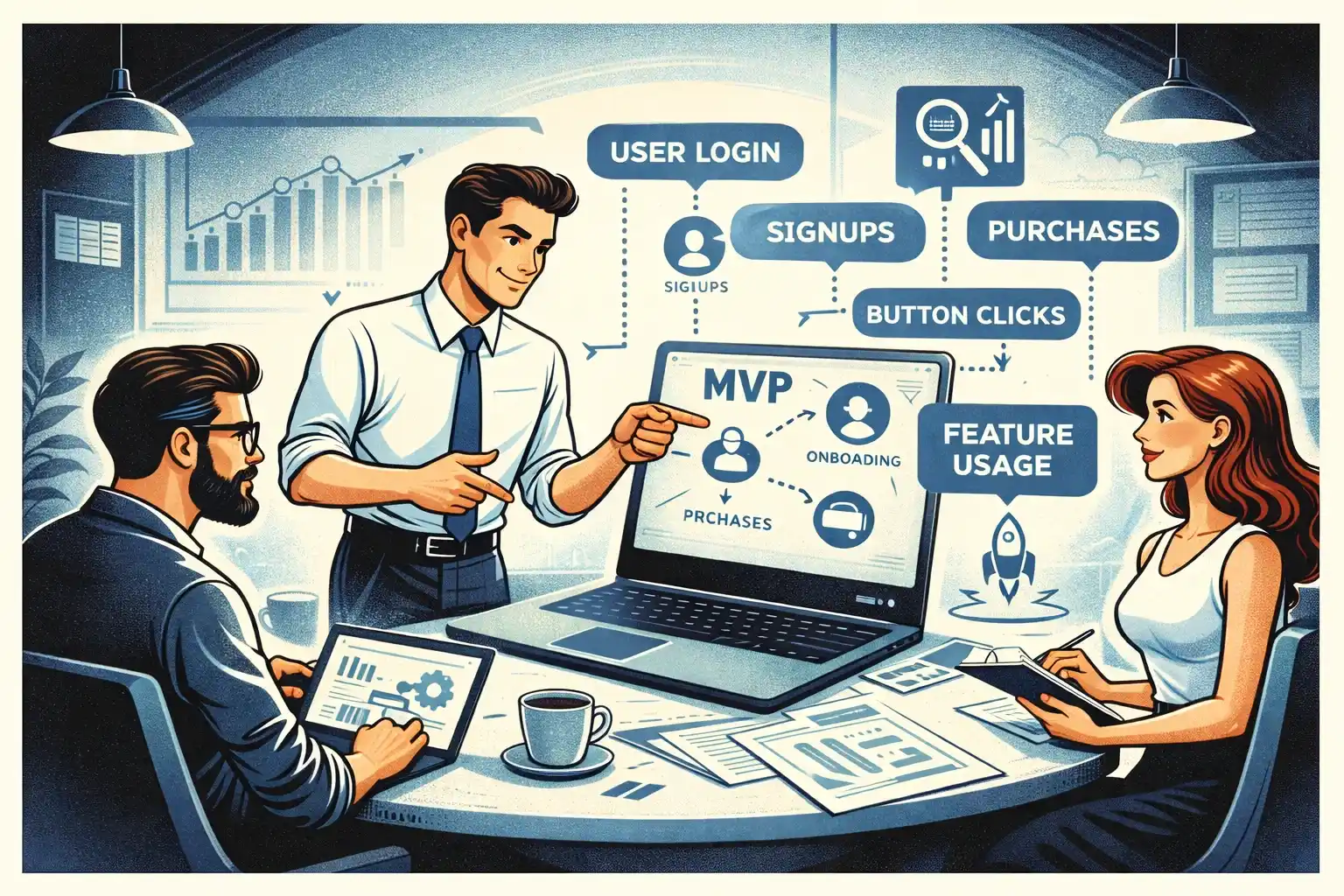
The only onboarding metrics you need at the start
Don’t drown in analytics. Track a few signals that tell you if onboarding is doing its job.
1) Onboarding start - onboarding complete
Useful, but not enough.
2) Time to first value
If it takes 15 minutes, you’re likely losing people.
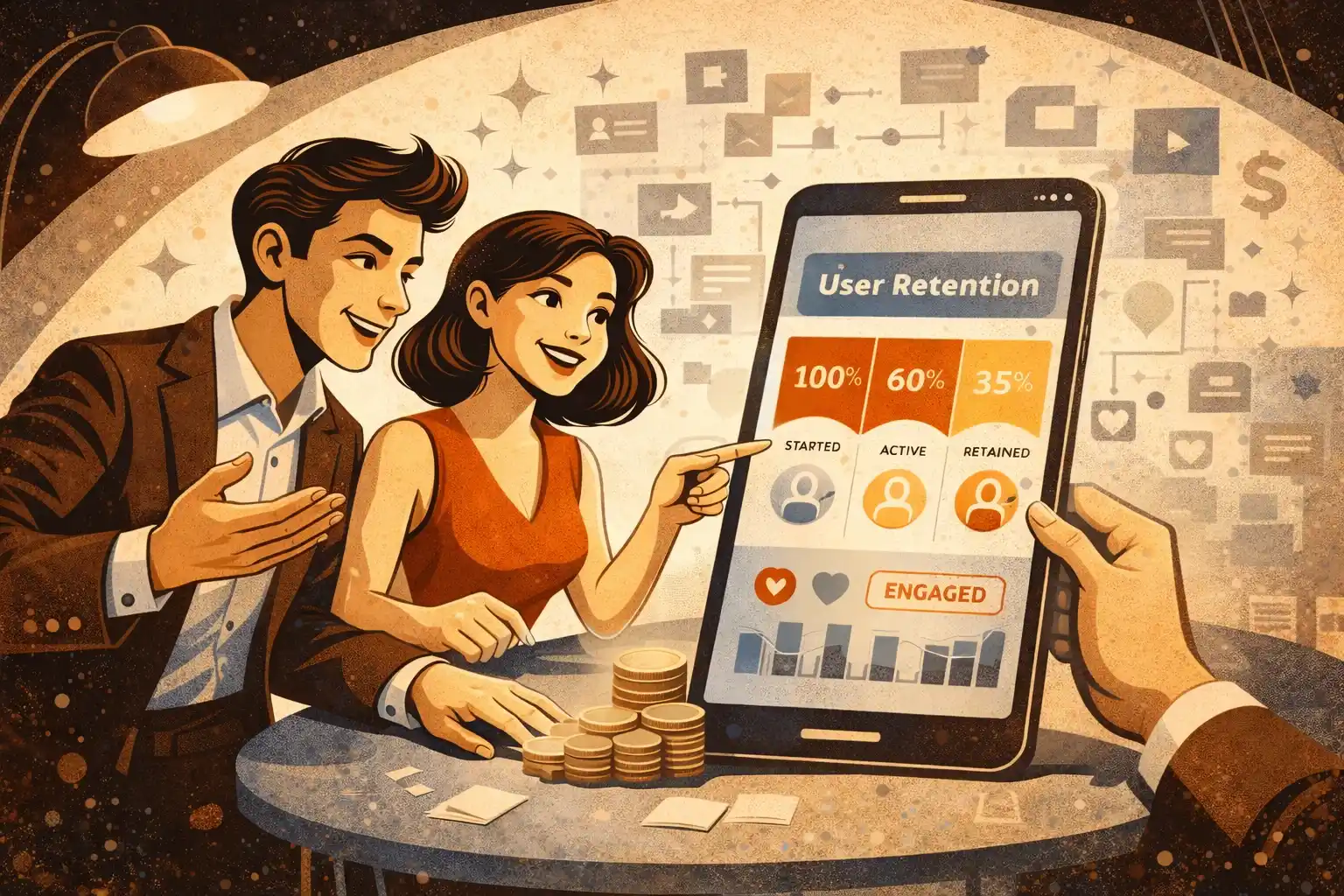
3) Activation rate
% of new users who complete the first meaningful action.
4) Drop-off step
Where people stop moving.
If you want a simple way to structure these metrics (without building a full data warehouse), start with Your First Product Metrics Dashboard: What Early-Stage Investors Want to See.
How to test onboarding without rebuilding your product
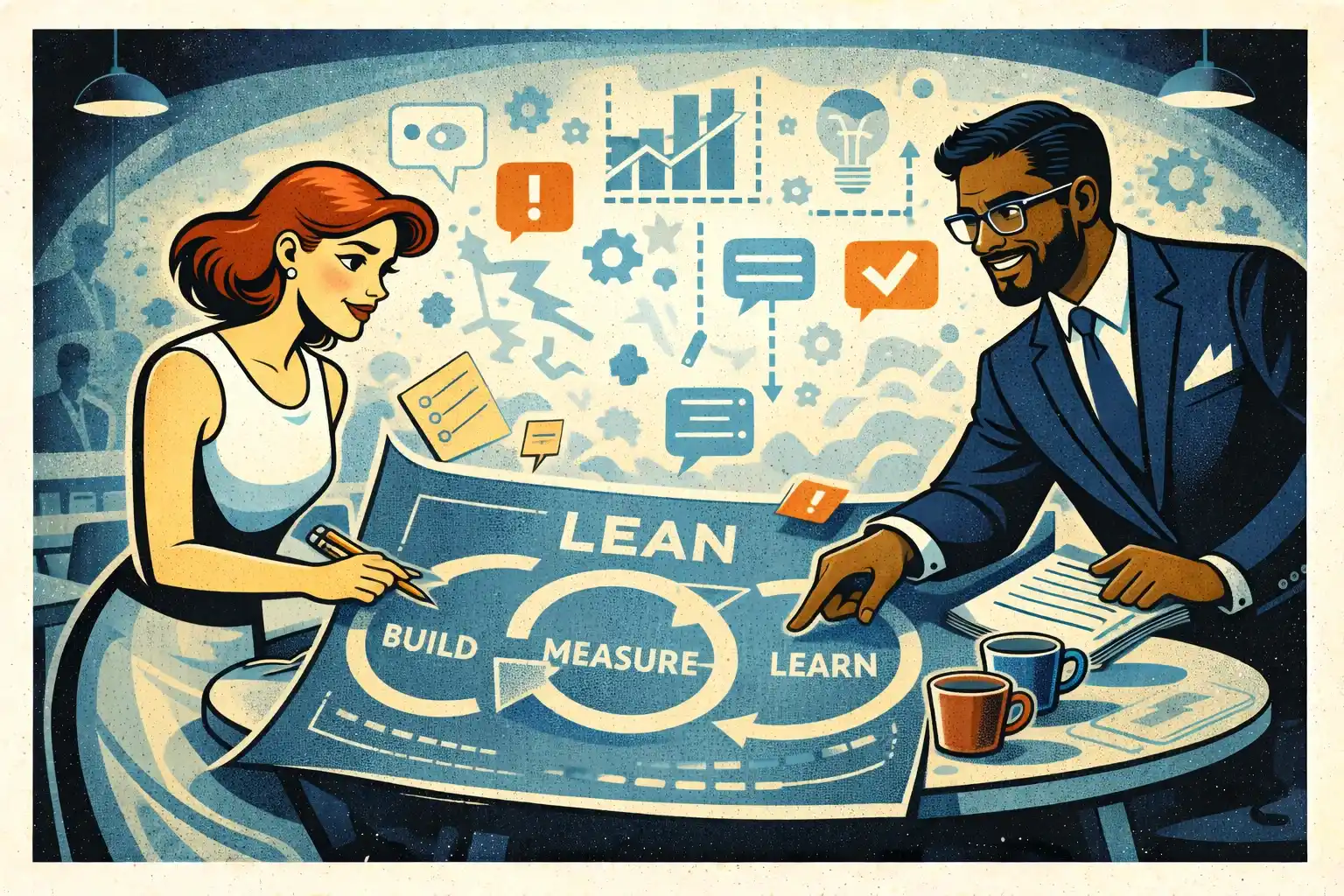
Onboarding is perfect for fast iteration because small changes can move activation a lot.
Quick tests that work well:
- rewrite the first screen to one clear promise + one clear action
- reduce steps (remove one question and see what happens)
- add a template / sample content to remove emptiness
- replace long onboarding with a 3-step checklist
- add one in-context hint at the moment of hesitation
If you want the validation order (what to test first so you don’t waste weeks), read MVP Testing in 2026: What to Validate First.
Thinking about building an MVP in 2026?
At Valtorian, we help founders design and launch modern web and mobile apps — including AI-powered workflows — with a focus on real user behavior, not demo-only prototypes.
Book a call with Diana
Let’s talk about your idea, scope, and fastest path to a usable MVP.
FAQ
What’s the difference between onboarding and activation?
Onboarding is the path you design. Activation is the user reaching the first meaningful value moment.
How long should MVP onboarding take in 2026?
Ideally minutes, not sessions. If first value takes too long, simplify the flow or postpone setup.
Should I use a product tour in an MVP?
Usually no. Use a short checklist, templates, and in-context hints instead of a long tour.
What’s the best onboarding pattern for B2B MVPs?
Template-first or concierge onboarding often works best early because it reduces empty states and helps you learn faster.
What metrics prove onboarding is working?
Activation rate, time-to-first-value, and the step where users drop off.
When should I ask users for preferences and profile info?
After the first win. If it doesn’t change first value, it’s better as progressive profiling.
































.webp)