.webp)
Bootstrapped SaaS Development: How to Build Your First Version on a Small Budget
Bootstrapped SaaS founders don’t have the luxury of burning cash or hiring large teams. Every decision around scope, tooling, and development speed directly affects survival. This article explains how to approach SaaS development when you’re unfunded, how to define a lean first version, and where founders typically overspend. The focus is not on shortcuts, but on building a usable, sellable first version that can grow once revenue appears.

TL;DR: Bootstrapped SaaS development is about discipline, not deprivation. You don’t need a perfect product — you need a focused first version that solves one real problem and can be shipped fast. The biggest budget killers are unclear scope, wrong hiring decisions, and building features before users ask for them.
Why bootstrapped SaaS is a different game
When you’re bootstrapped, time and money are tightly linked.
Every extra feature means:
- more development hours
- higher maintenance costs
- longer time before revenue
Unlike venture-backed startups, bootstrapped founders must think in weeks to revenue, not years to scale.
That’s why the first version should focus on one painful problem, not a full platform.
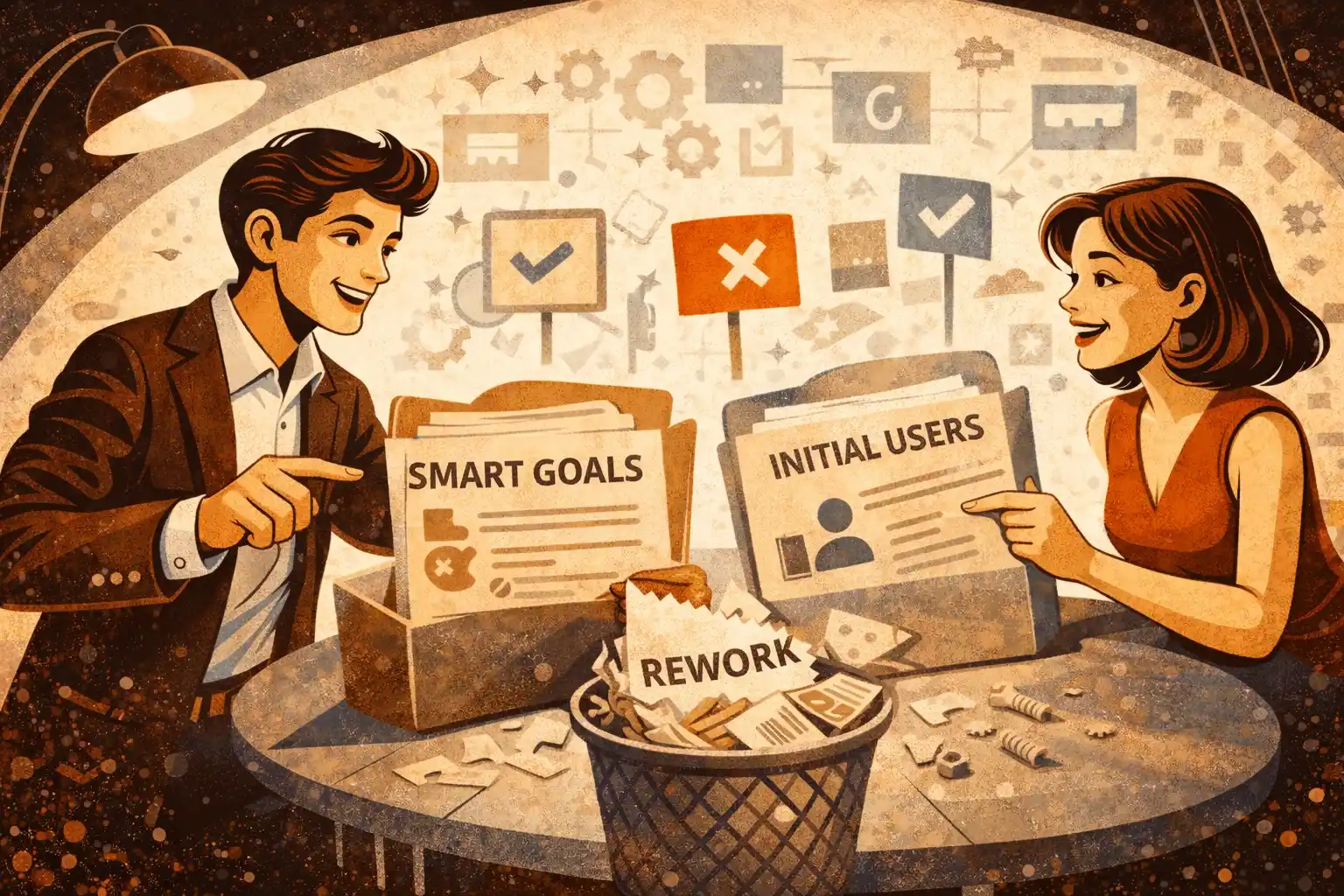
Define a revenue-driven MVP, not a “complete product”
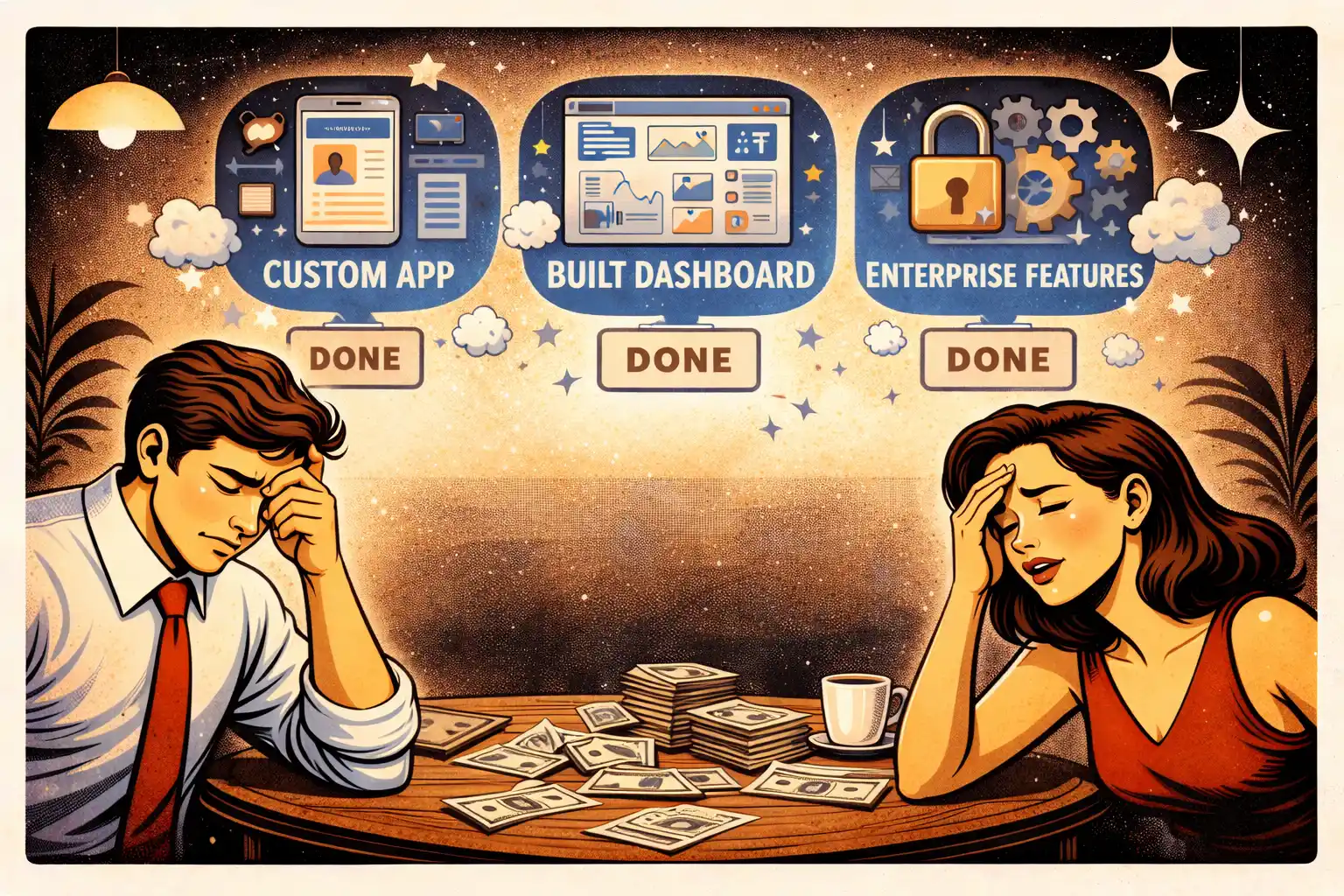
A common bootstrapping mistake is trying to look “enterprise-ready” too early.
Instead, ask:
- what single job does my SaaS do best?
- what can users pay for immediately?
- what can I postpone without breaking the product?
If you’re unsure how to structure MVP scope, “MVP Development for Non-Technical Founders: Common Mistakes” explains where founders usually go wrong.
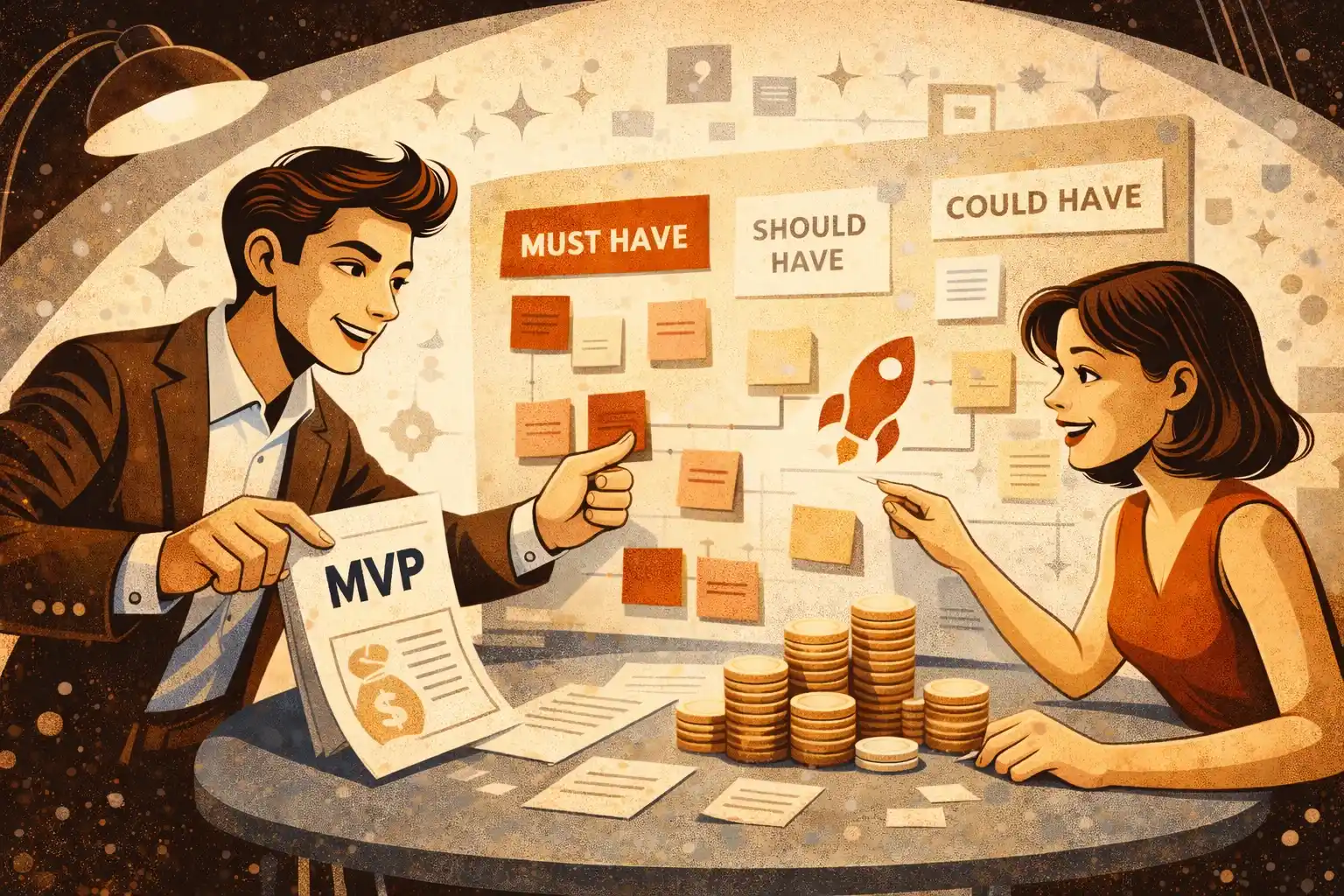
Feature prioritization when every dollar matters
Bootstrapped SaaS products should launch with:
- one core workflow
- minimal settings
- simple onboarding
- manual or semi-manual operations behind the scenes
Automation can come later — validation comes first.
For a practical prioritization mindset, “How to Prioritize Features When You’re Bootstrapping Your Startup” goes deeper into lean decision-making.
Smart technology choices for bootstrapped SaaS
You don’t need cutting-edge architecture at v1.
You do need:
- stable, well-supported frameworks
- fast development speed
- low long-term maintenance cost
Many bootstrapped founders benefit from choosing boring, proven tech rather than custom solutions.
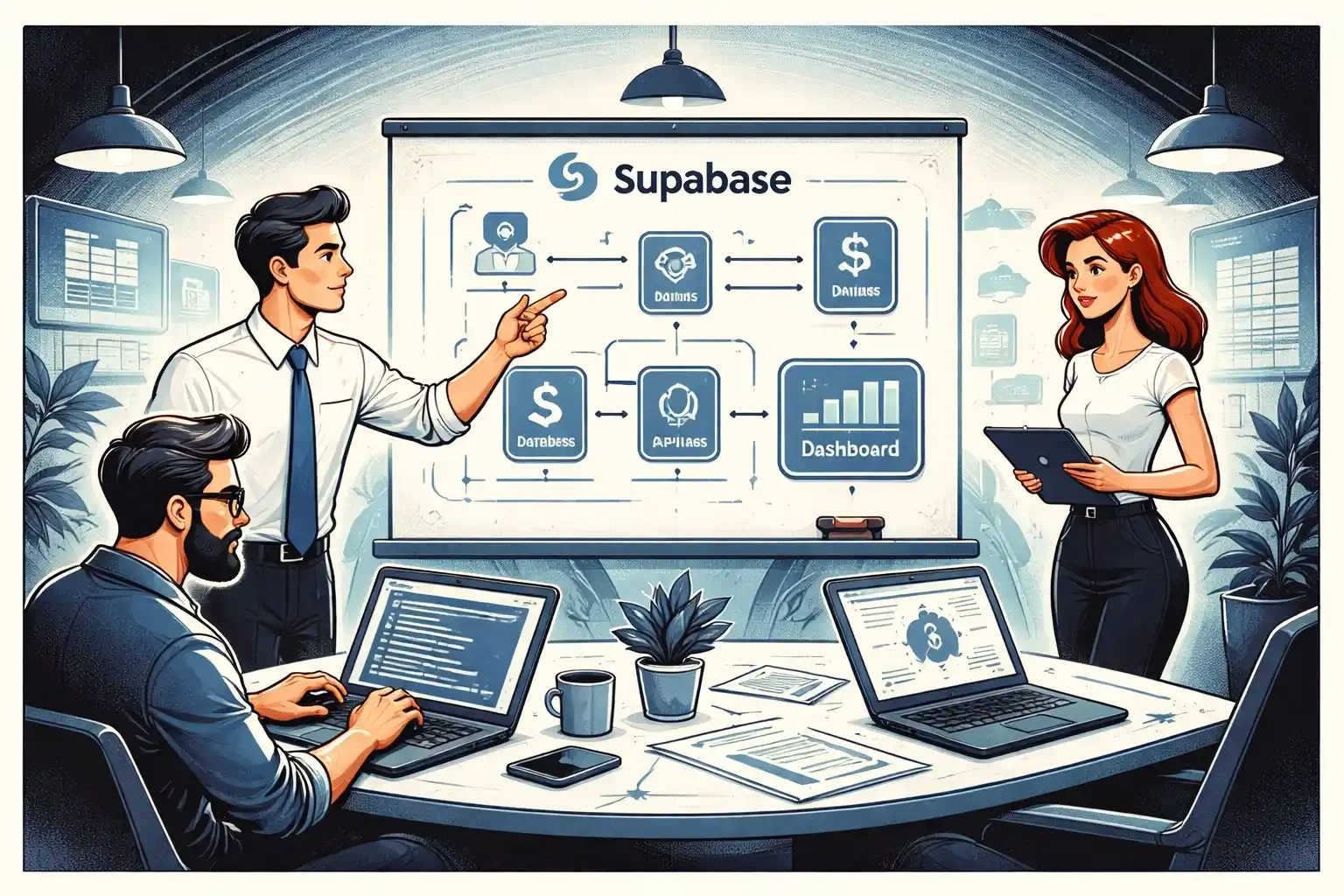
If backend decisions feel overwhelming, “Supabase vs Firebase for Your Startup MVP Backend” offers a practical comparison for early-stage products.
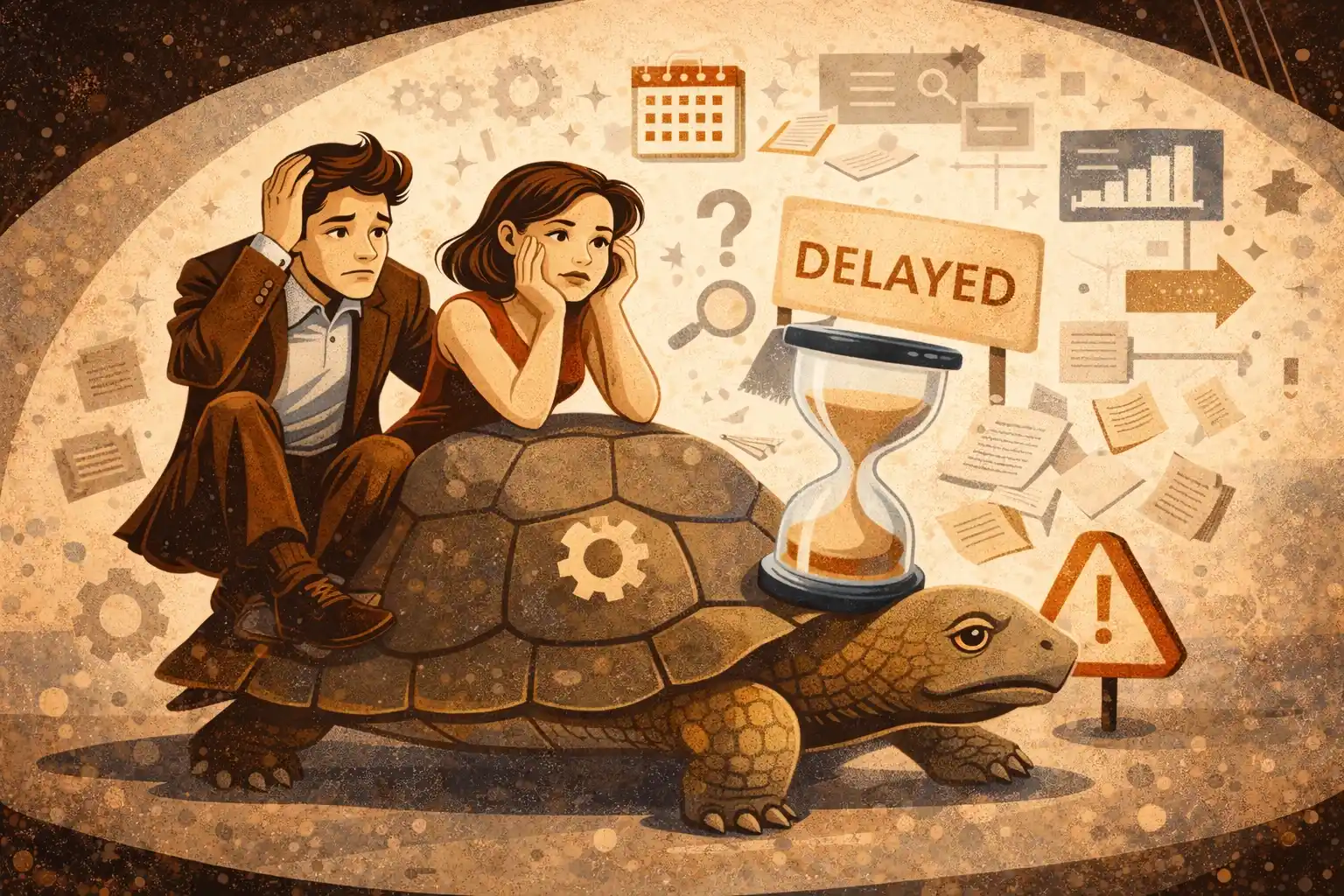
Build speed beats perfect scalability
A bootstrapped SaaS should aim to:
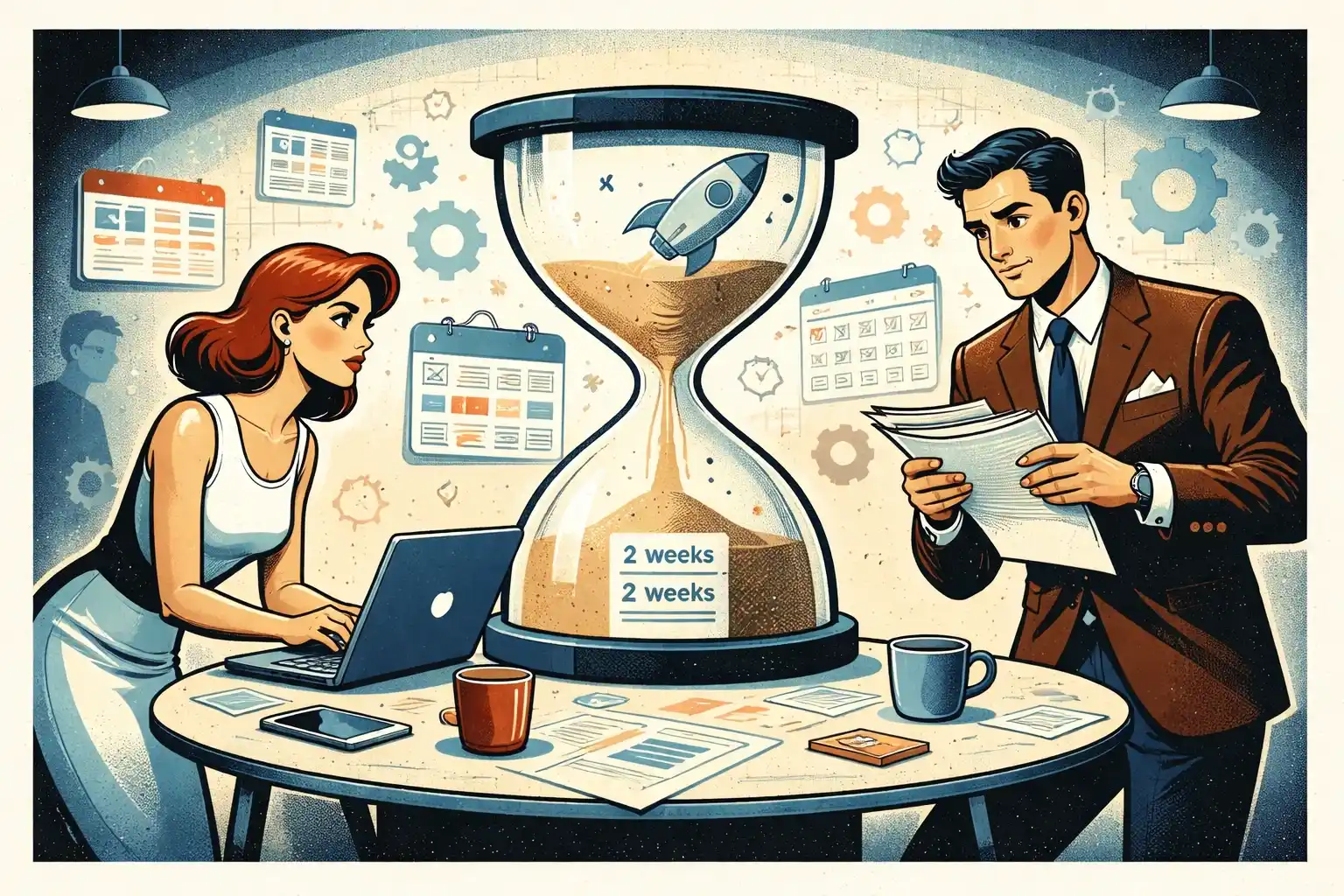
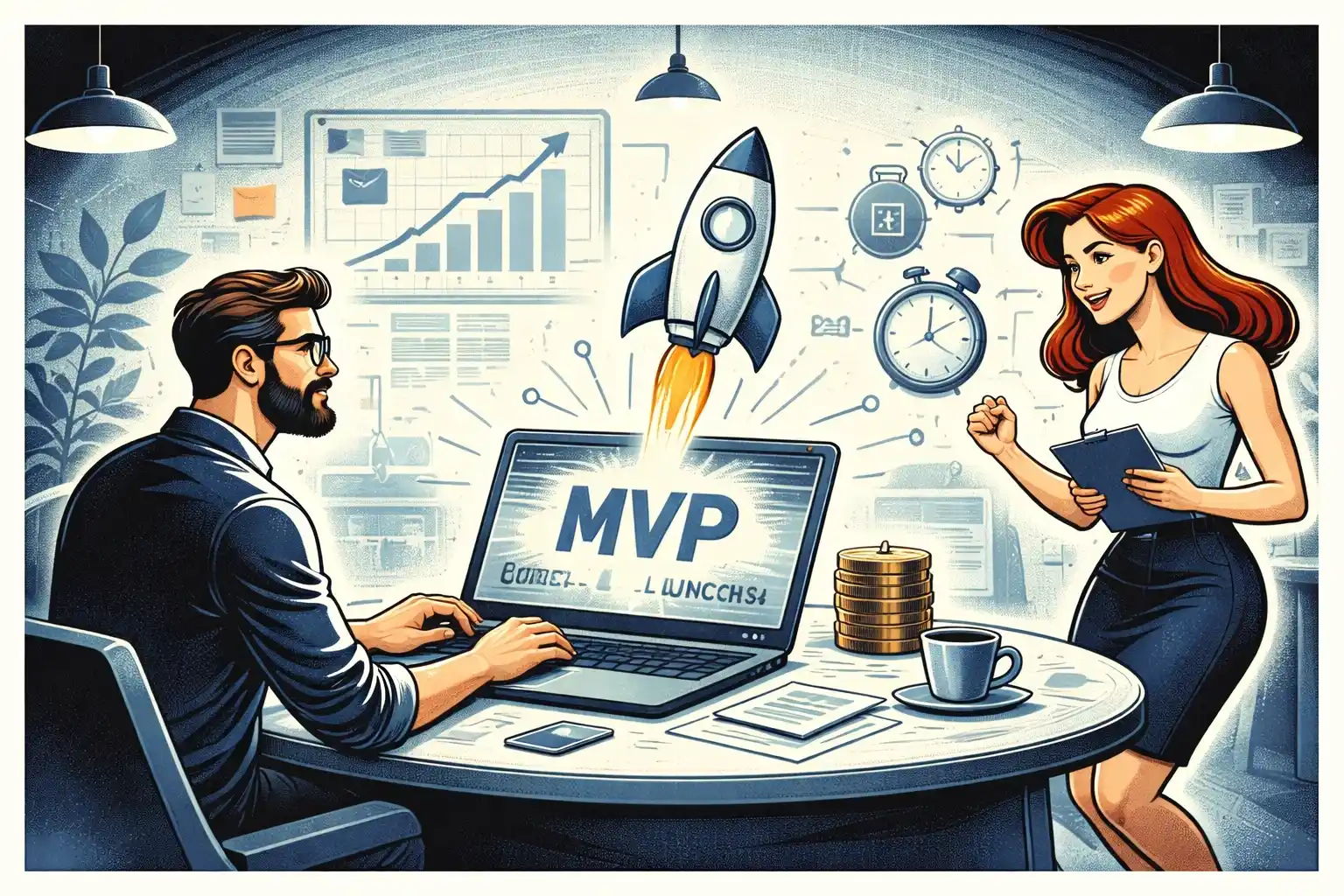
- launch in weeks, not months
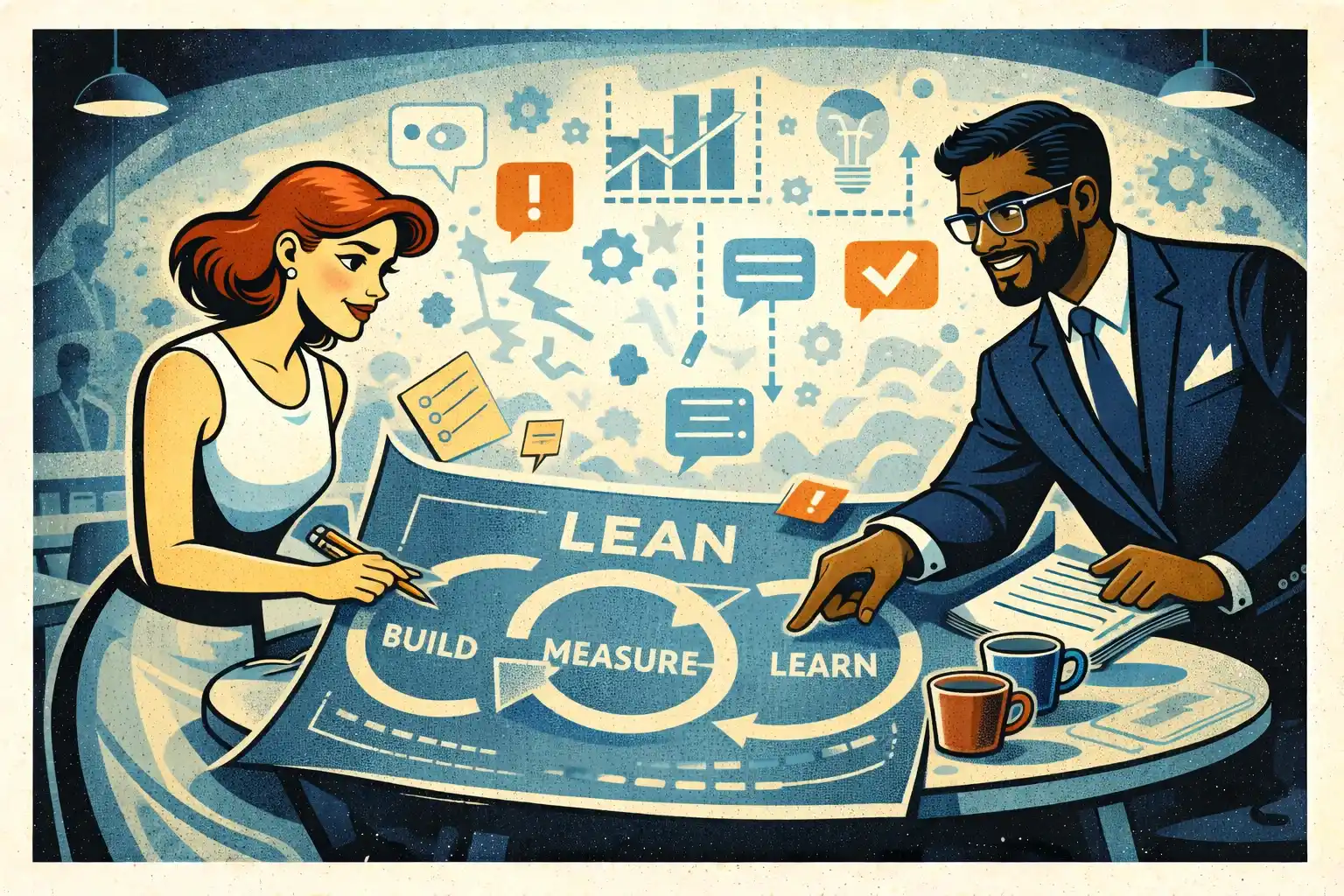
- get real user feedback early
- start charging as soon as possible
Premature scalability often drains budget without increasing traction.
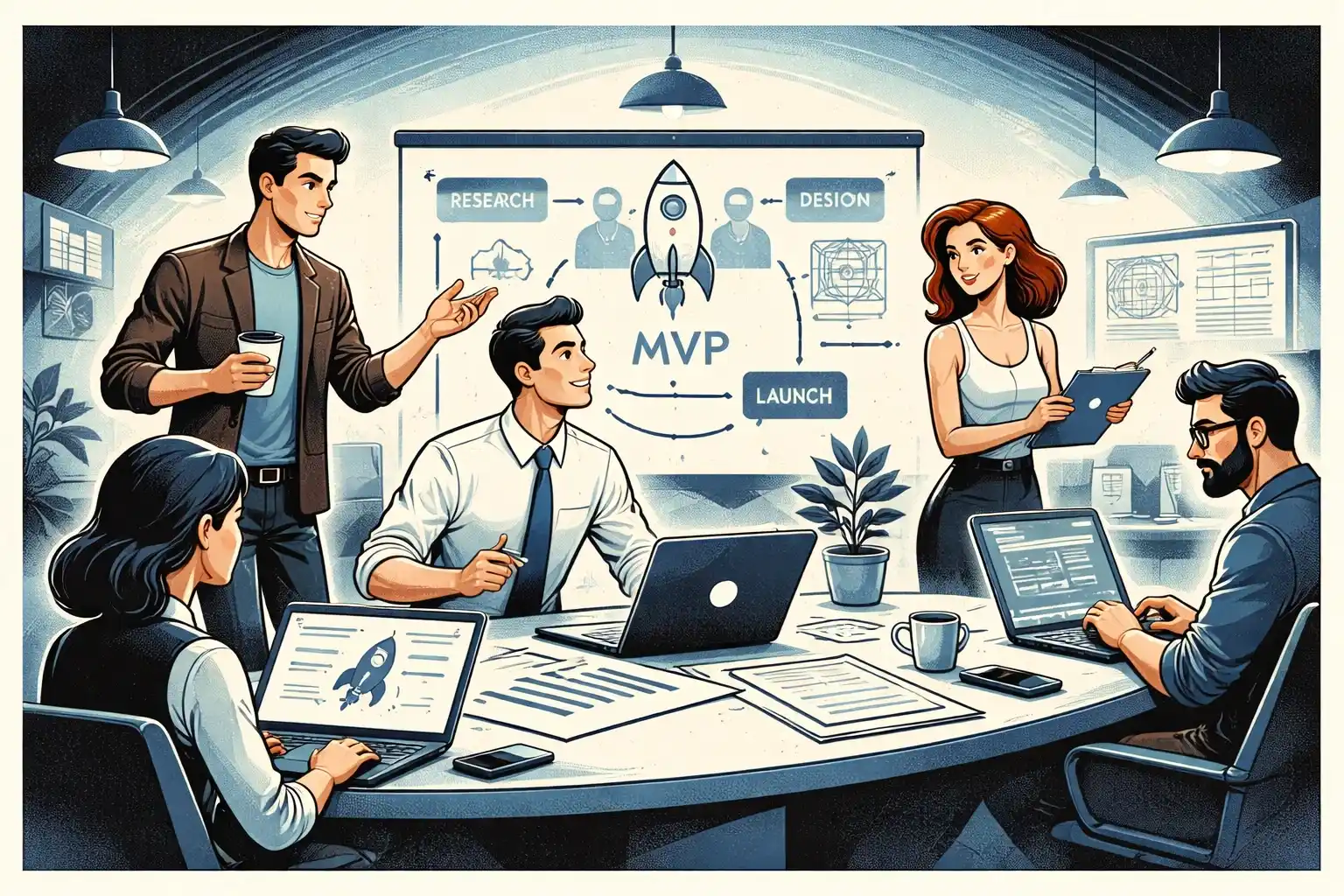
If speed is a priority, “How to Launch an App in Weeks: Fast MVP and First Version Launch Framework” outlines a proven execution approach.
Hiring decisions that protect your budget
Bootstrapped founders often choose between:
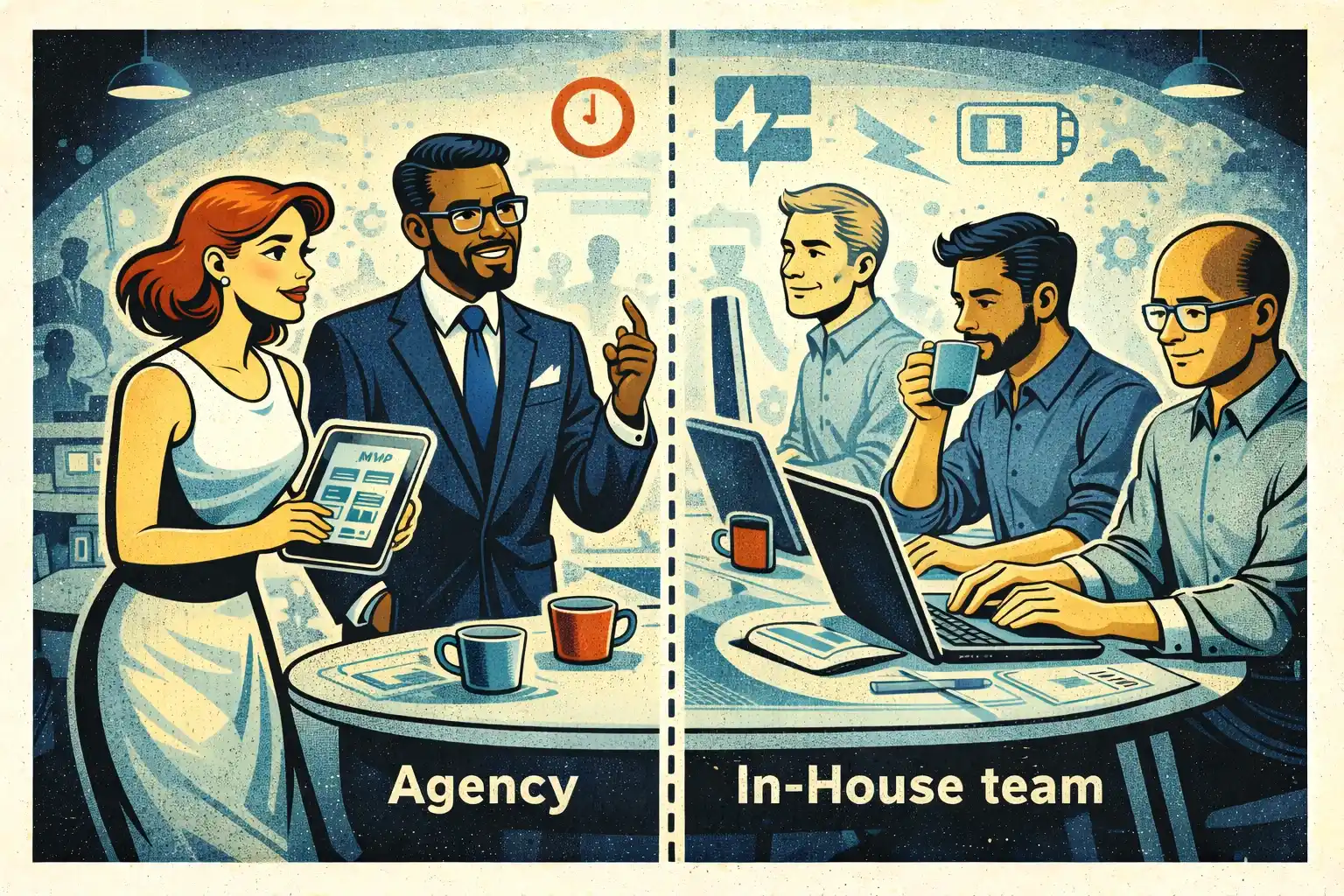
- freelancers
- small development studios
- building everything themselves
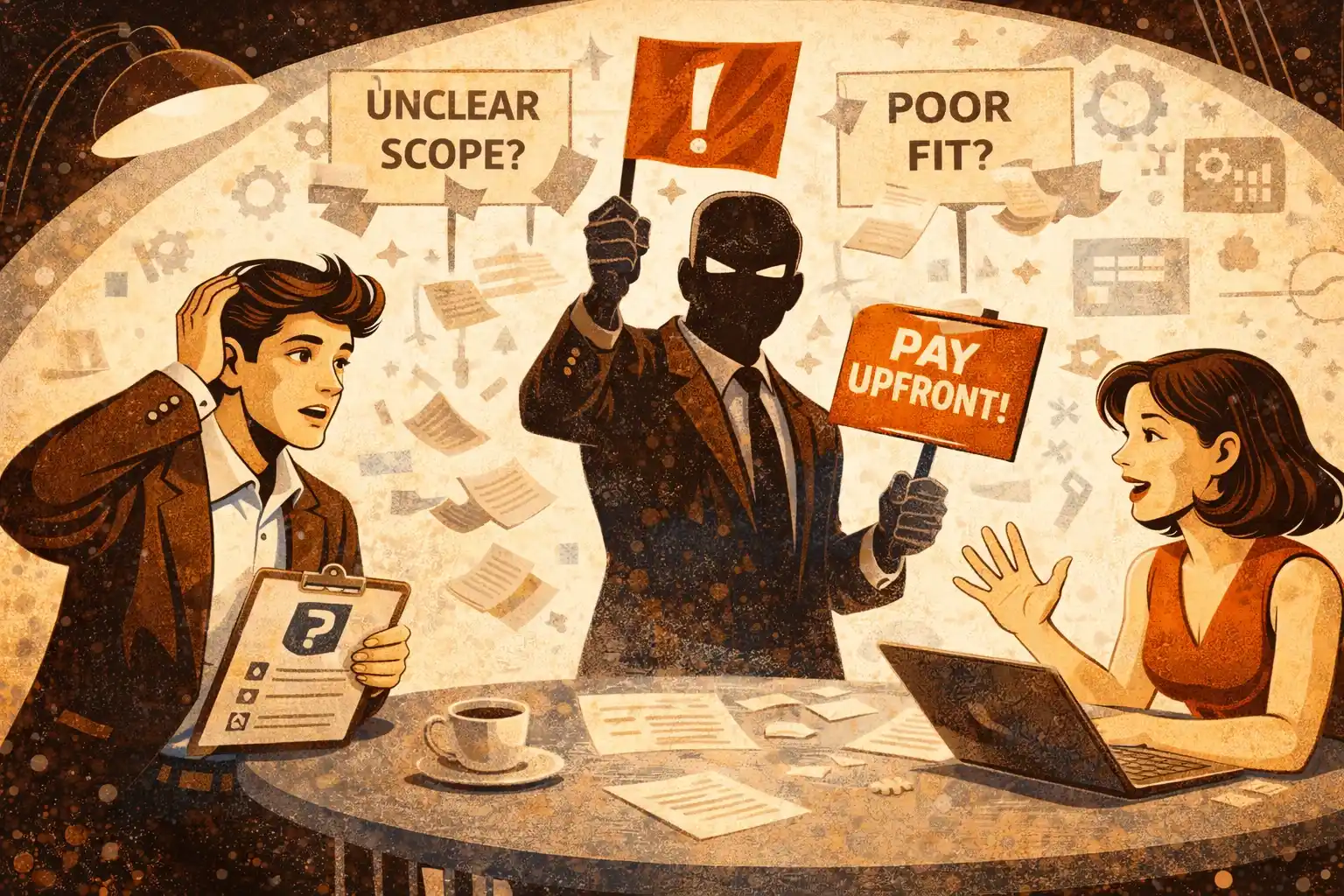
The risk isn’t just cost — it’s misalignment and delays.
For a deeper breakdown of hiring trade-offs, “How Non-Technical Founders Can Hire App Developers for a Startup” explains what to look for and what to avoid.
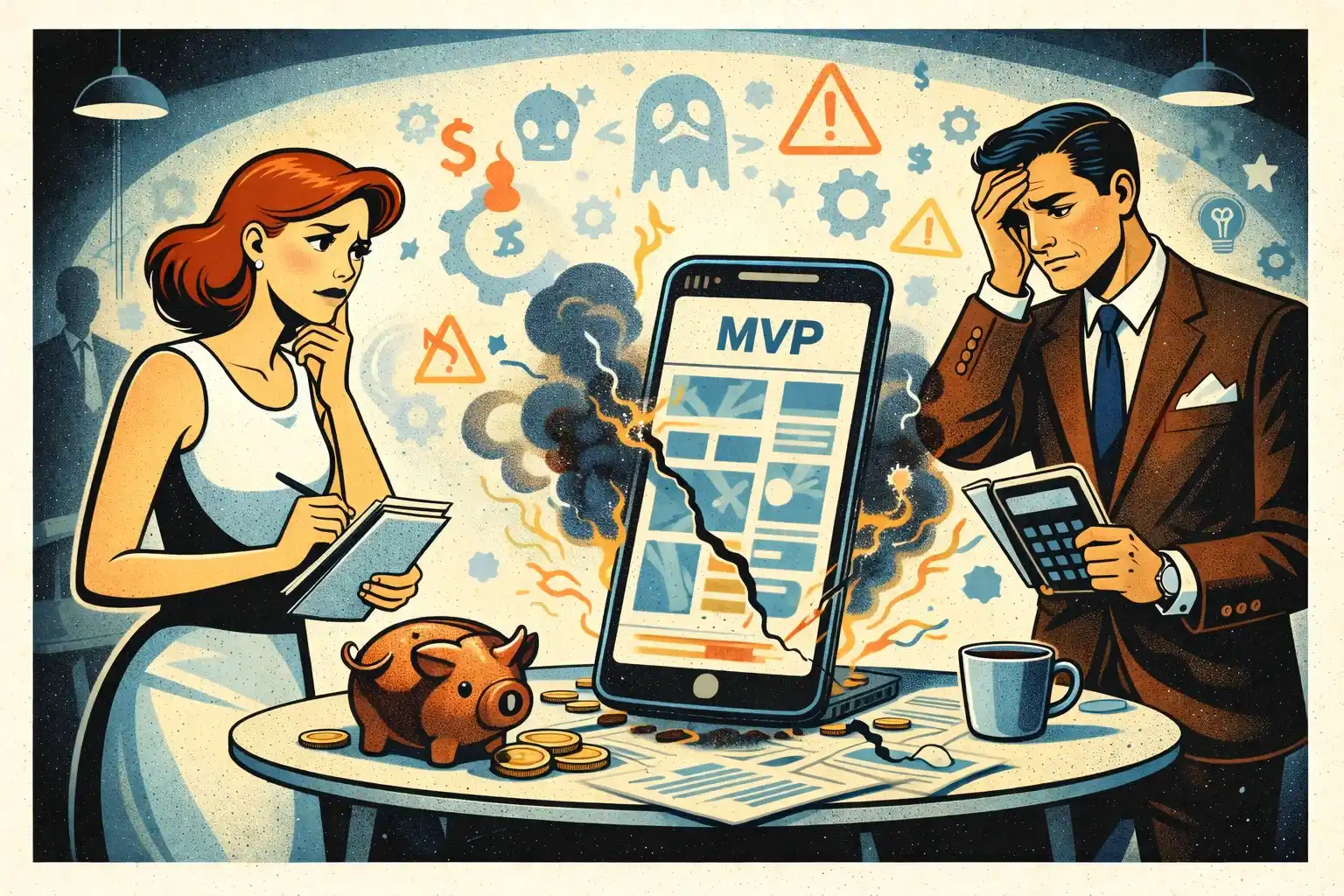
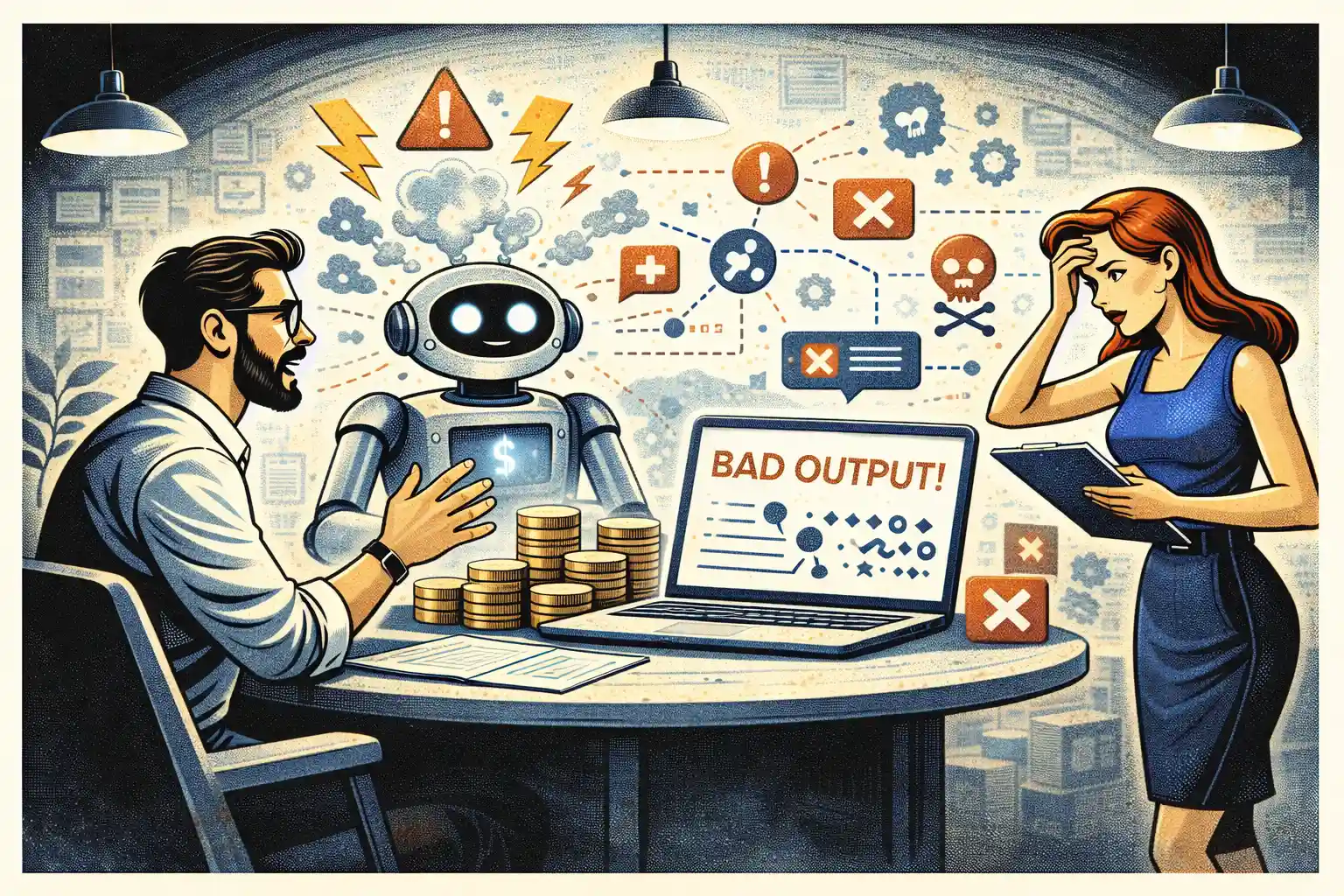
Common budget-killing mistakes
1. Overengineering early
Complex permissions, advanced analytics, and edge-case handling can wait.
2. Building without a pricing plan
If you don’t know how users will pay, you’re guessing what to build.
3. Rewriting instead of iterating
Throwing away v1 is expensive. Designing for iteration is cheaper.
To understand realistic costs, “MVP Development Cost Breakdown for Early-Stage Startups” provides helpful context.
When to reinvest and expand
Once you have:
- active users
- early revenue
- clear usage patterns
You can safely invest in:
- better UX
- automation
- infrastructure improvements
Bootstrapping rewards patience and clarity.
Final takeaway
Bootstrapped SaaS success comes from focus.
Build less. Ship sooner. Charge earlier.
Your first version doesn’t need to impress everyone — it just needs to help someone enough to pay.
Building a bootstrapped SaaS and worried about burning budget too early?
At Valtorian, we help founders define lean SaaS MVPs that can be built fast, launched early, and monetized without overengineering.
Book a call with Diana
Get clarity on scope, timeline, and the most cost-efficient path to your first paying users.
FAQ — Bootstrapped SaaS Development
Can I build a SaaS MVP with a very small budget?
Yes — if scope is disciplined and focused on a single core workflow.
Should bootstrapped founders avoid custom features?
Usually yes, until real users demand them.
Is it better to build or buy tools early?
Buying or using third-party services often saves time and money.
When should I start charging users?
As soon as the product solves a real problem.
How long should a bootstrapped SaaS MVP take?
Typically 4–8 weeks depending on scope.
Can I iterate without rewriting everything?
Yes — if the initial architecture supports iteration.
What’s the biggest bootstrapping mistake?
Trying to look like a large company too early.











































.webp)




.webp)