.webp)
What Makes a Great Startup Development Partner in 2026
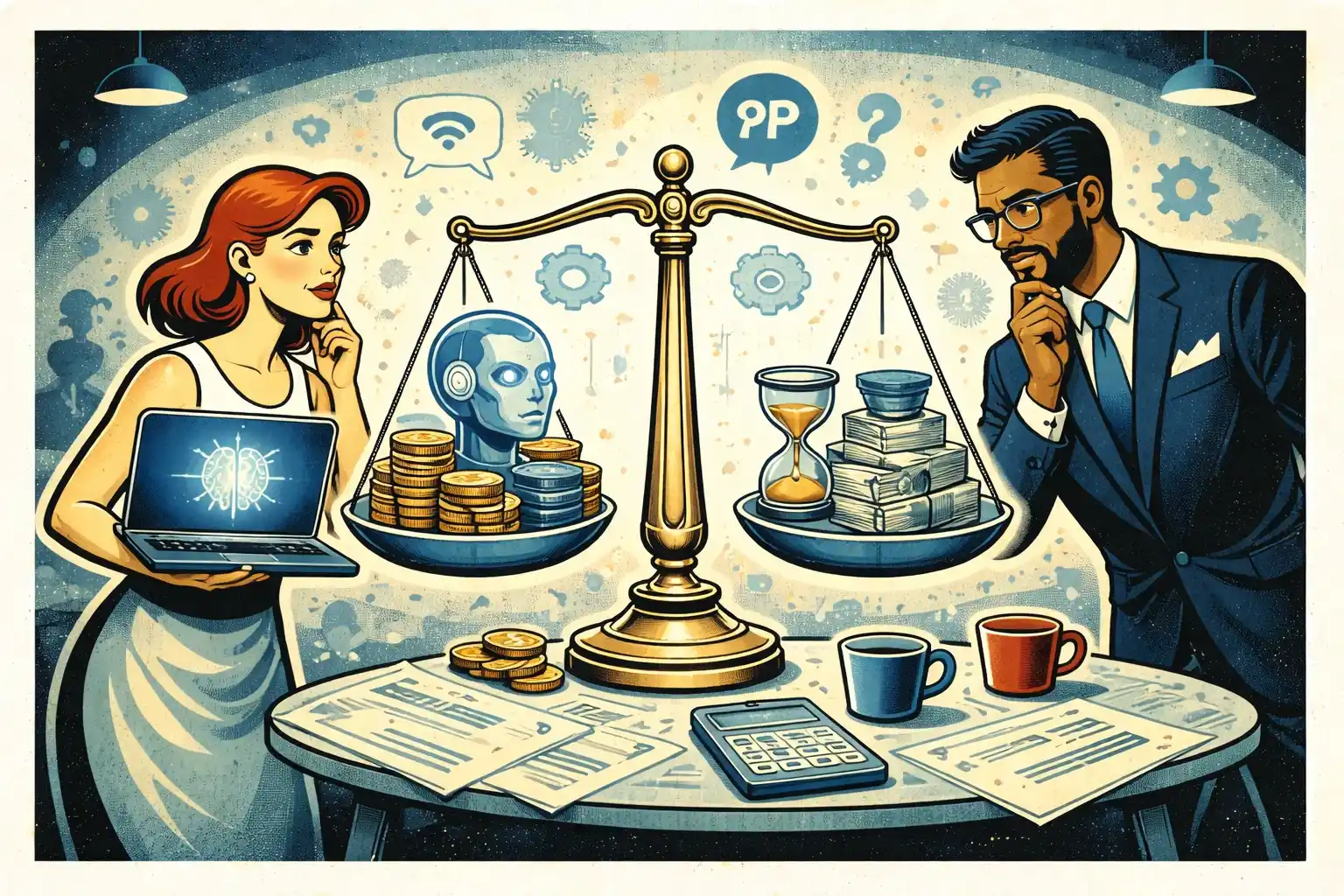
Choosing a development partner in 2026 is less about who can “build” and more about who can reduce risk while moving fast. In this article, you’ll learn what to look for beyond portfolios: how a partner scopes, validates, communicates, and protects your timeline and budget. We’ll cover the signals of a strong discovery process, realistic estimation, product thinking, AI-assisted delivery, and post-launch support—plus red flags that often show up only after you’ve already paid.

TL;DR: A great startup development partner in 2026 is a risk-reduction partner: they turn uncertainty into clear decisions, ship in small validated steps, and keep your budget predictable.Pick the team that can explain trade-offs in plain English, prove how they work, and protect you from building the wrong thing quickly.
The 2026 reality: building is cheap, mistakes are expensive
A few years ago, “Can you build it?” was the main filter.In 2026, almost anyone can build something.The real question is: can they help you build the right thing, in the right order, with predictable downside?
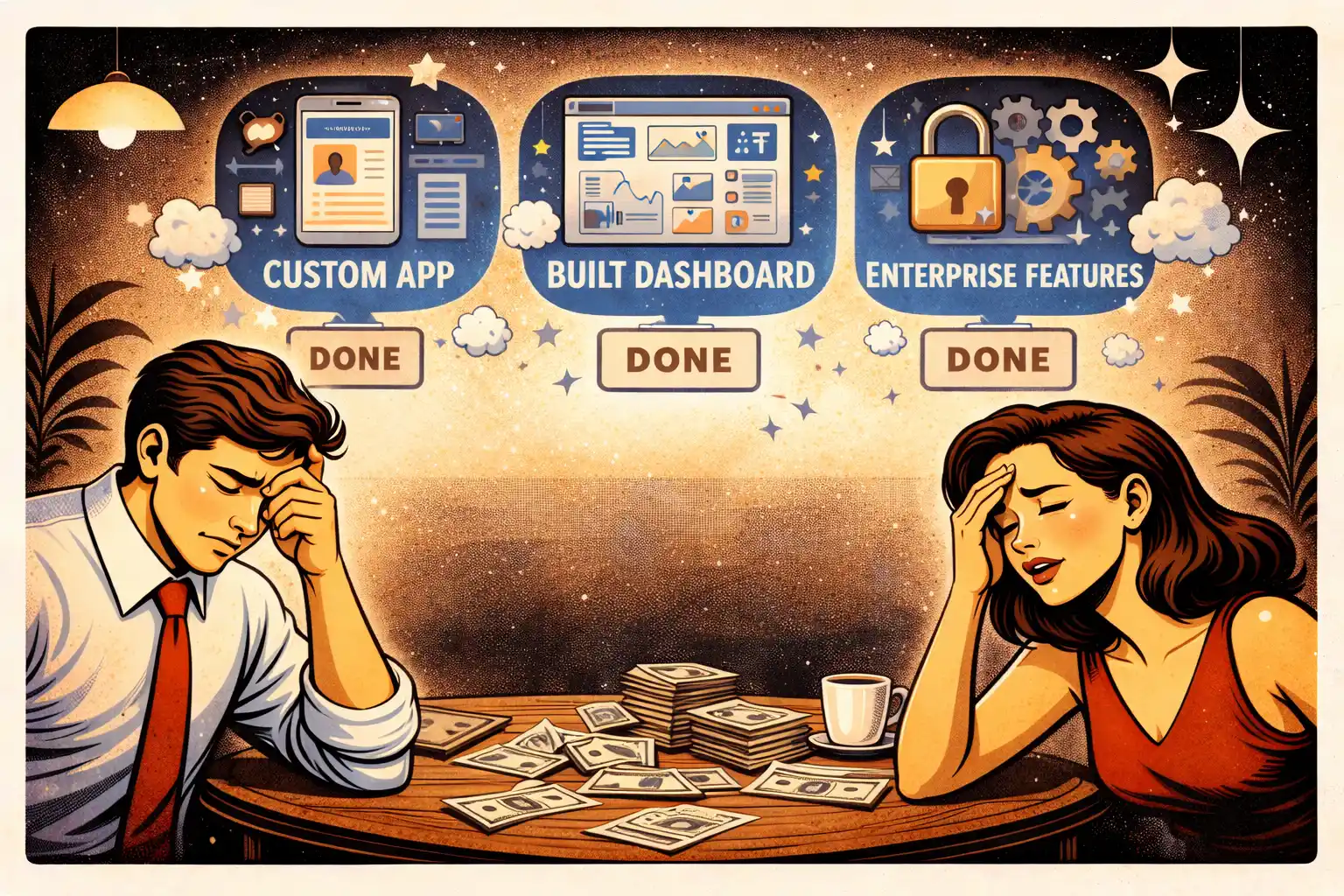
AI-assisted development, templates, and faster tooling have made execution easier. But they’ve also increased a different risk: shipping fast into the wrong direction. Many founders don’t fail because they didn’t ship. They fail because they shipped an impressive product that didn’t create a repeatable reason to pay.
This is why the best partners now behave less like “a dev shop” and more like a product and delivery system: they help you decide what to build, what not to build, and what you need to learn next.
If you want the broader context on why good products still crash even when built well, see Why MVPs Still Fail in 2026.
What “great partner” actually means for a non-technical founder
Here’s the simplest definition:
A great development partner makes your next decision obvious.
They don’t just write code. They help you:
- reduce uncertainty (scope, timeline, tech choices, compliance, integrations)
- convert assumptions into testable hypotheses
- translate business outcomes into product priorities
- build in a way that doesn’t trap you into future rewrites
In other words, they create forward momentum without creating hidden debt.
If you want to understand what a full engagement should include end-to-end, read Full-Cycle MVP Development: From Discovery to First Paying Users.
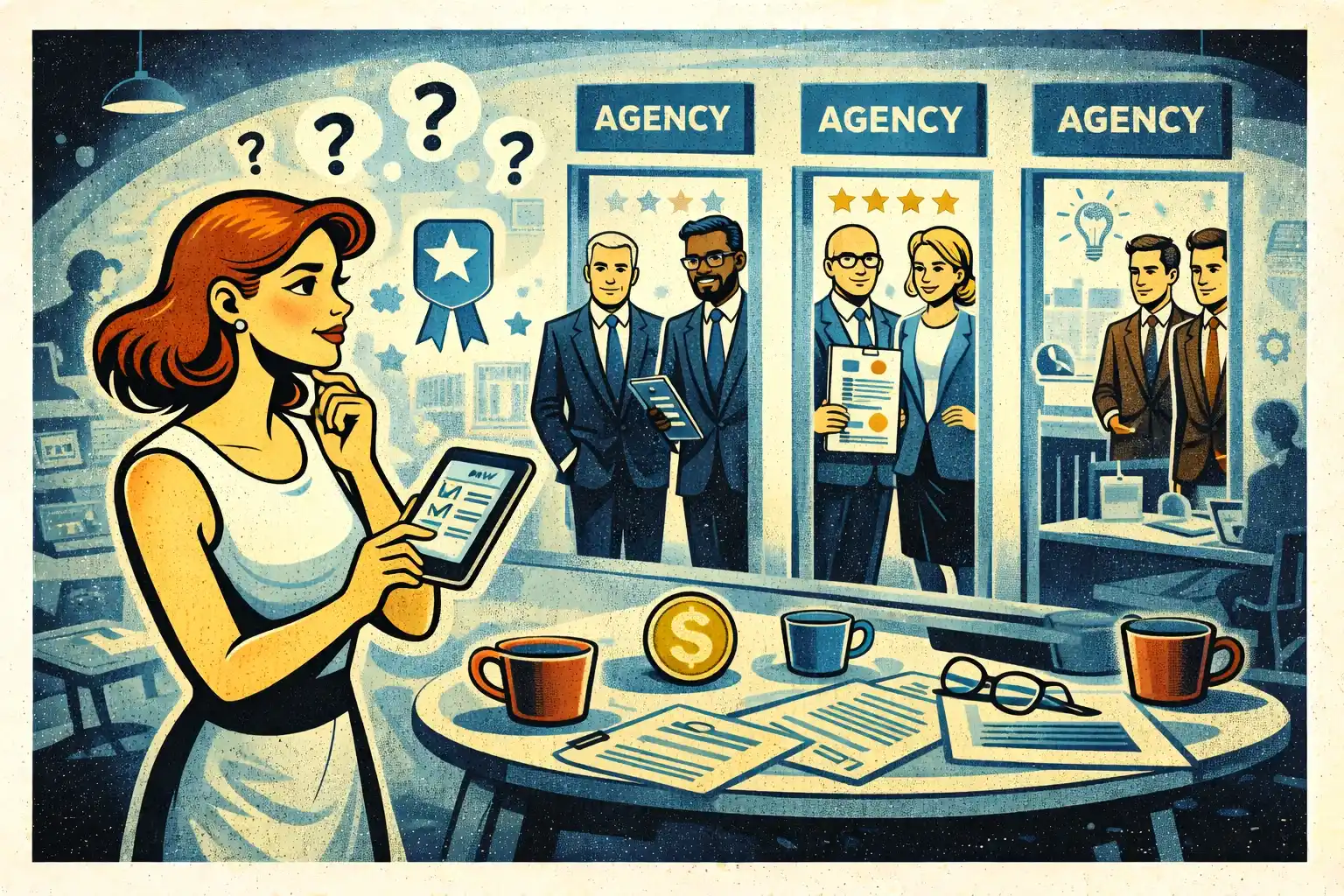
7 signals you’ve found a strong startup development partner
Below are the signals that matter most in 2026. They’re practical, observable, and you can validate them before signing.
1) They can scope without turning your vision into a novel
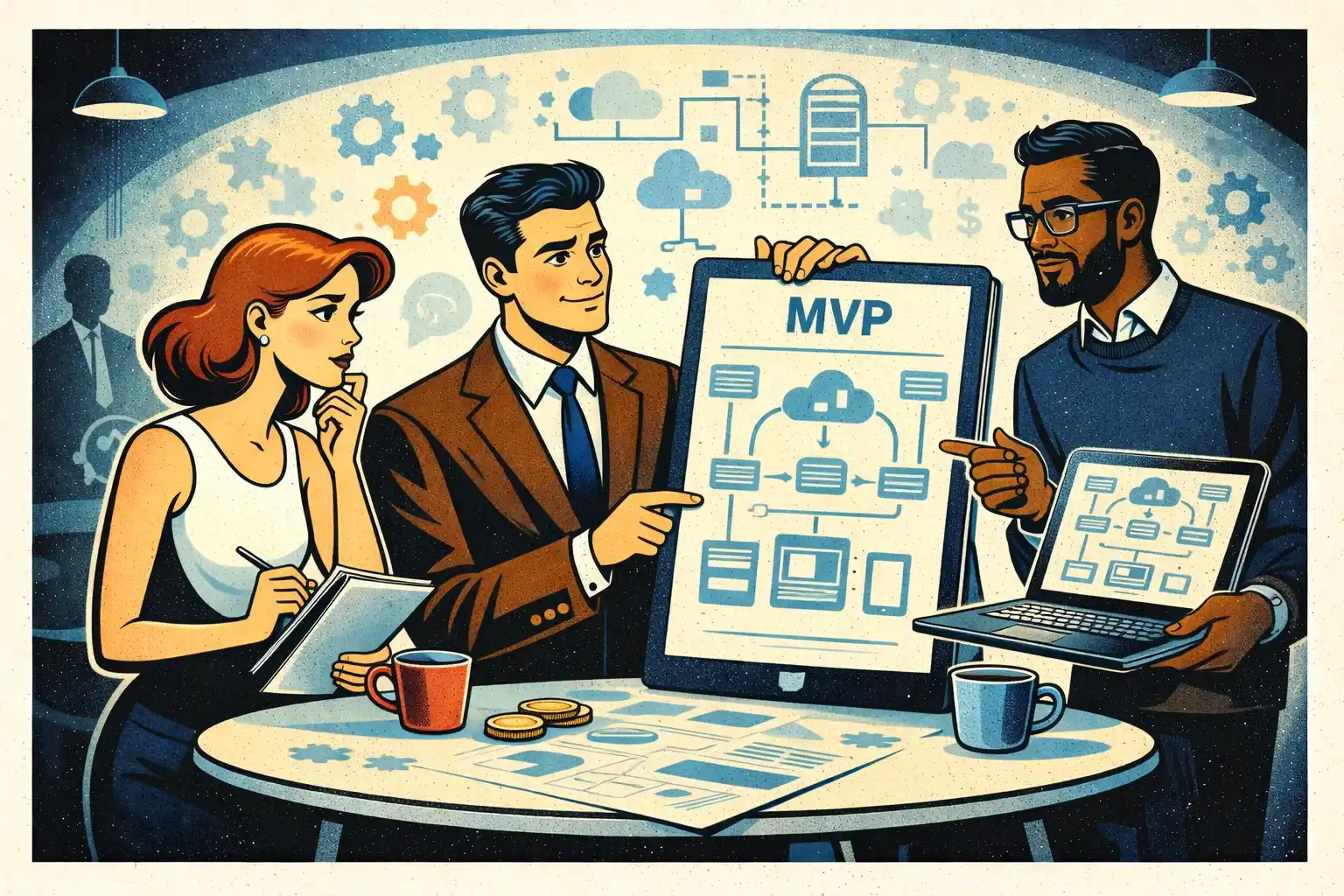
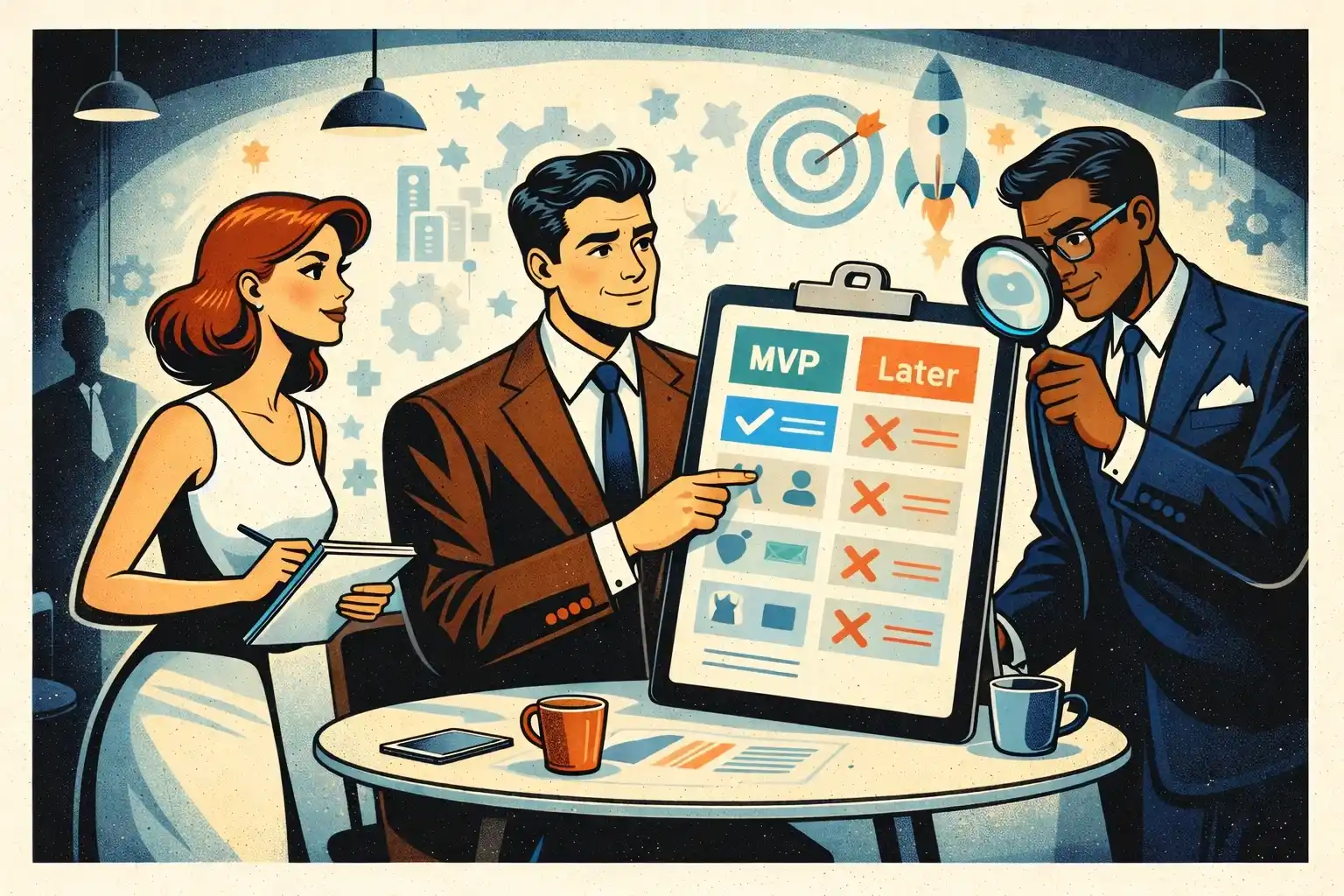
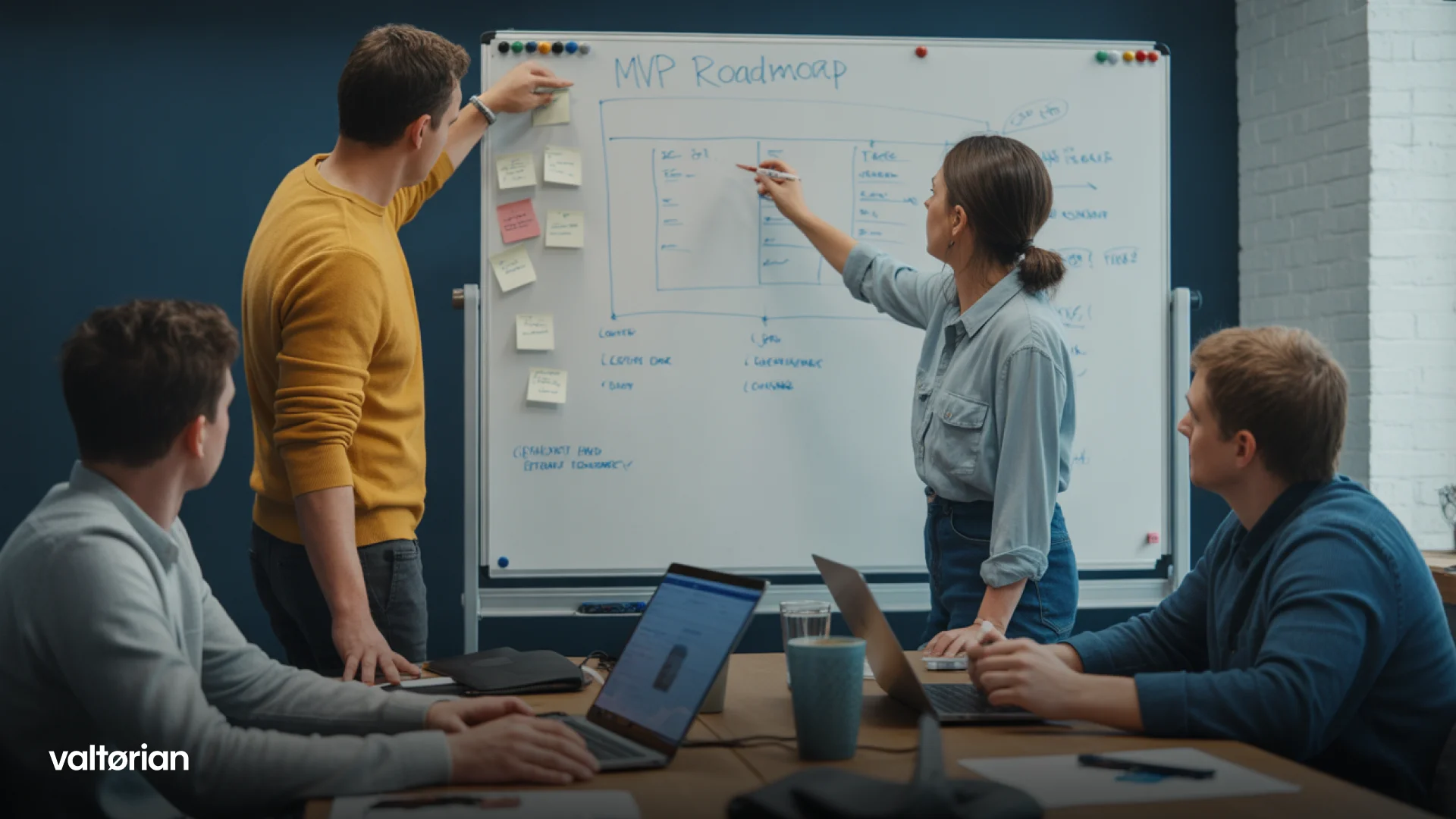
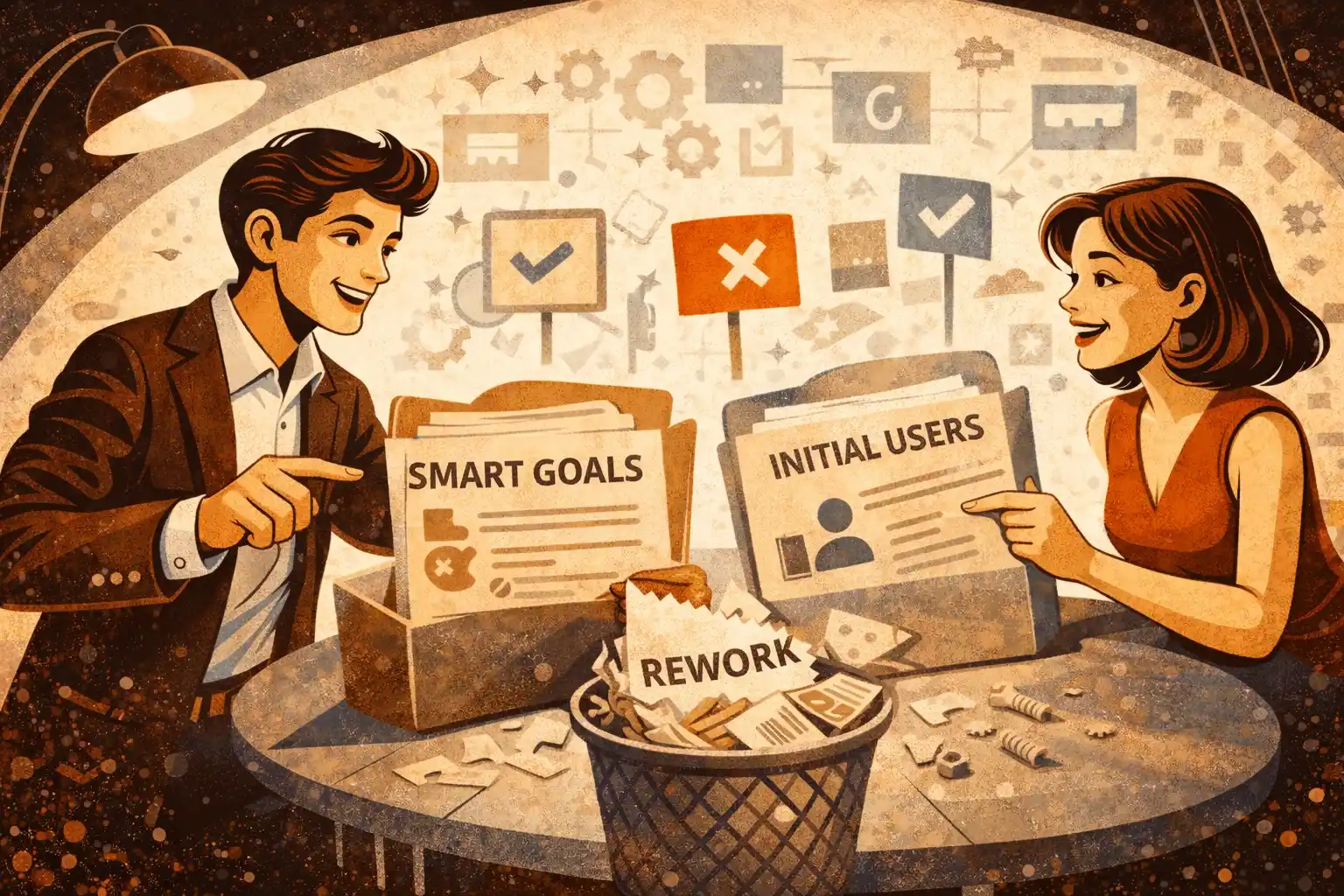
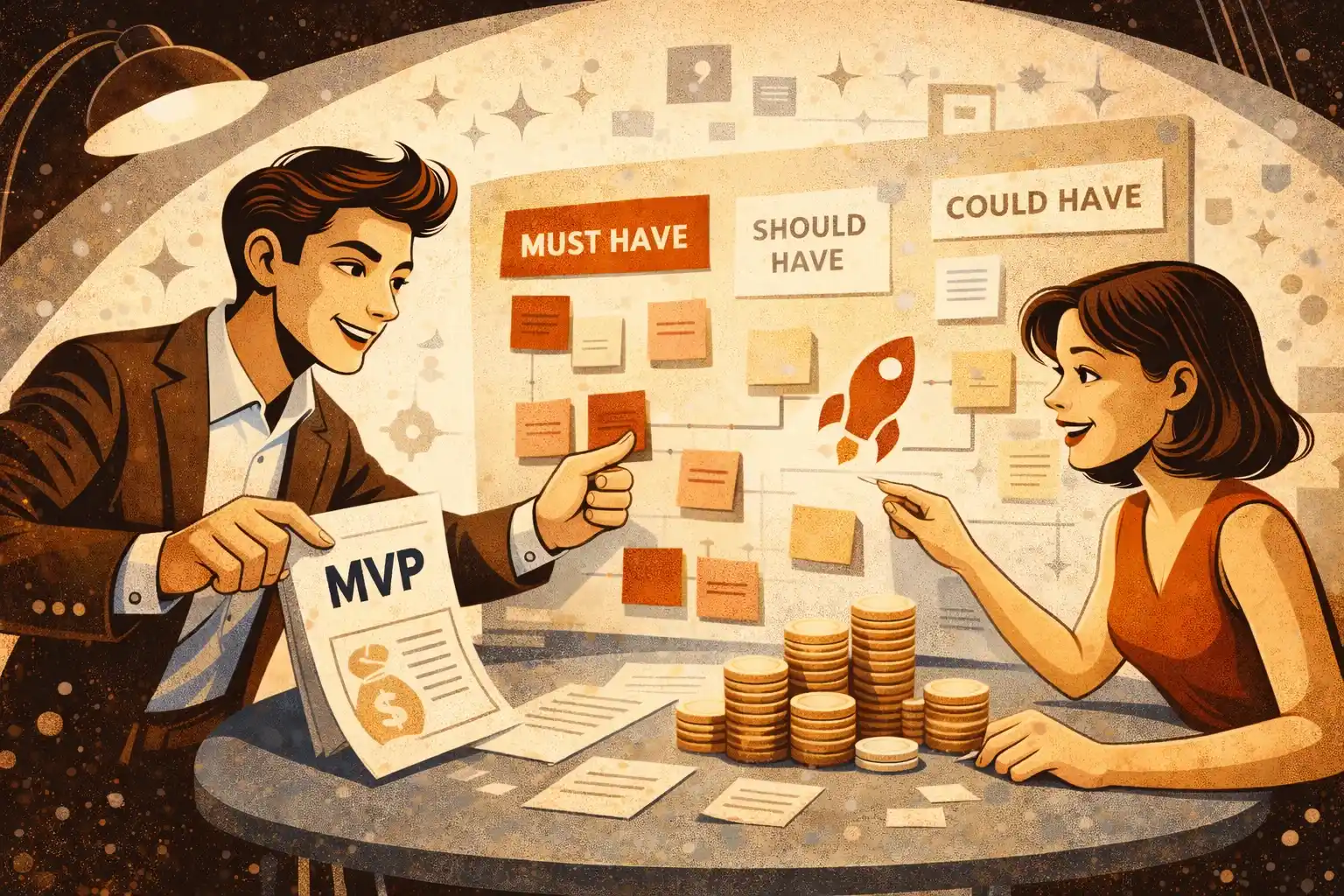
Great partners don’t “scope everything.” They define a smallest version that can create a meaningful learning outcome.
What this looks like in practice:
- they ask what decision the MVP is meant to unlock (fundraising, first revenue, retention proof, operational fit)
- they map your idea into a few user flows—not 50 features
- they identify assumptions and unknowns early (payments, data, compliance, marketplaces, integrations)
What it should not look like:
- endless workshops with no concrete outputs
- a feature list that tries to satisfy every future scenario
A good partner is comfortable saying “not now” and explaining why.
If you want a clear way to make these trade-offs, see How to Prioritize Features When You’re Bootstrapping Your Startup.
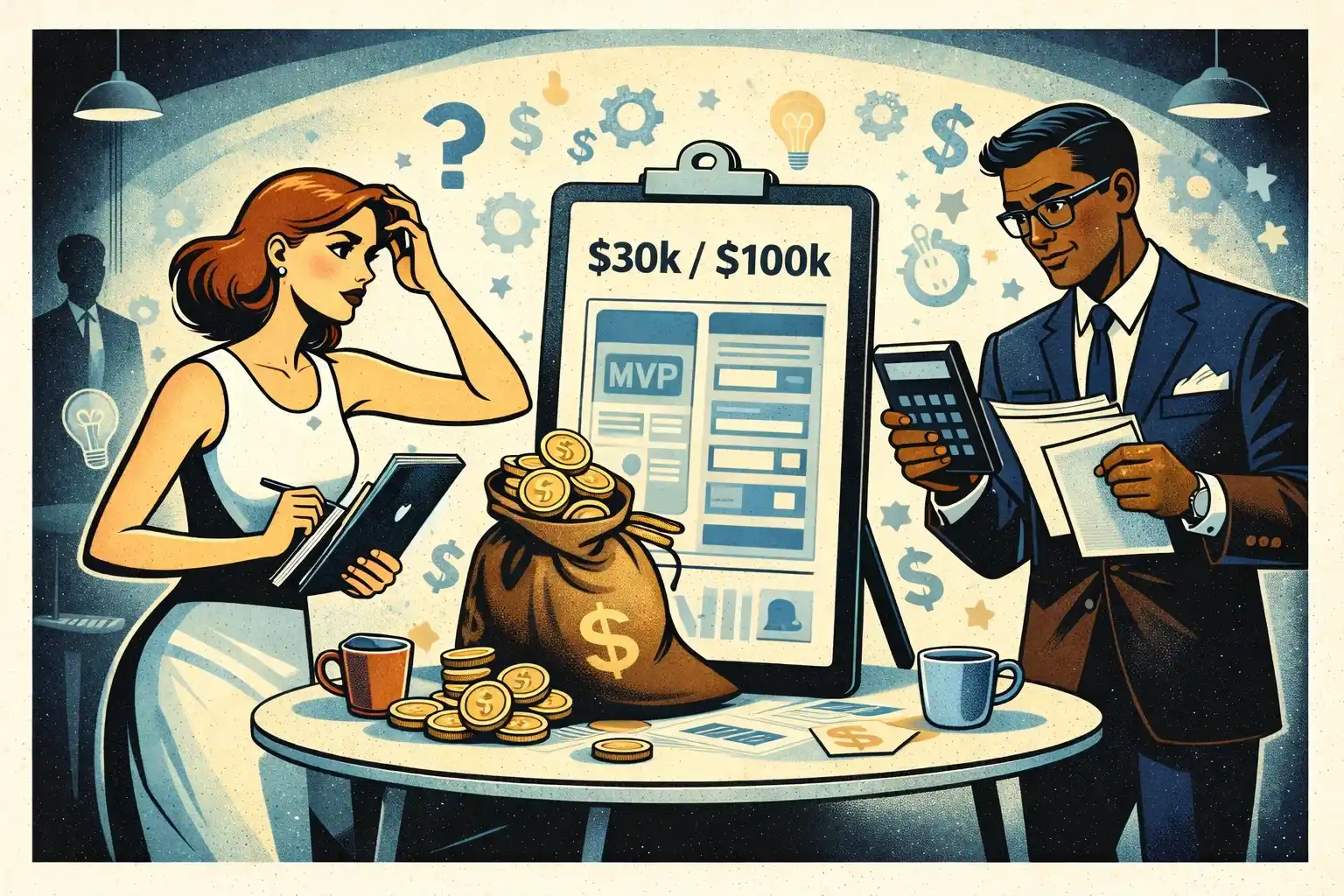
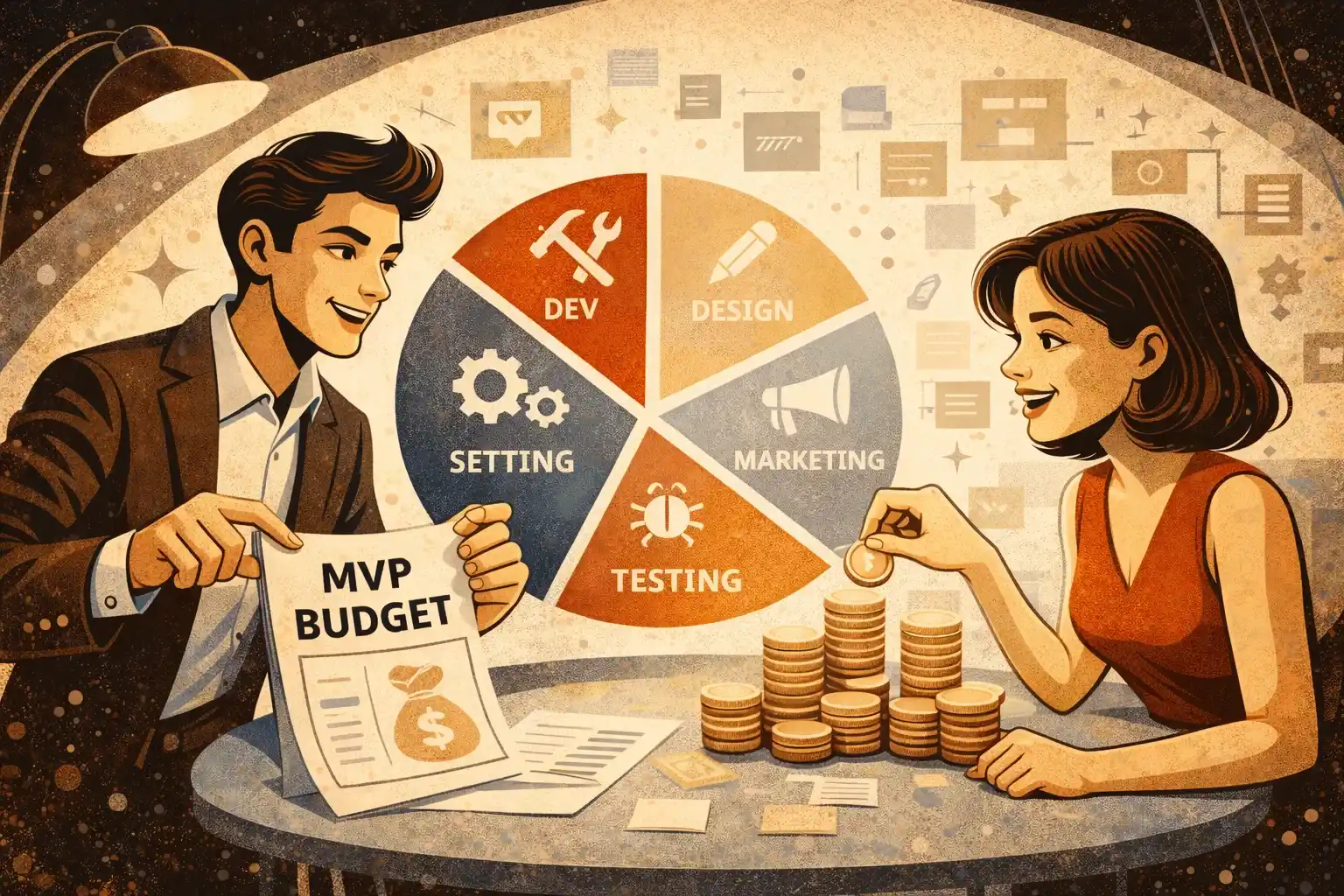
2) Their estimation is honest, structured, and comes with confidence levels
In 2026, “fixed price” is often a story founders tell themselves to feel safe.Real safety comes from transparency.
Strong partners:
- give ranges and explain what widens them
- show what’s included and what’s excluded
- identify risk zones (unknown integrations, unclear roles, edge cases)
- propose a short discovery phase when uncertainty is too high
Weak partners:
- give a single number too early
- promise speed without acknowledging unknowns
- hide trade-offs until after the contract is signed
If you want a realistic view on what drives cost, read MVP Development Cost in 2025: How Much Does It Really Cost? (the mechanics are still relevant in 2026, even if rates vary by market).
3) They explain technical decisions in business language
A founder shouldn’t need to learn frameworks to make good choices.
A strong partner can say:
- “This approach will be faster now, but cost more to change later”
- “This tech is great if you need real-time features; otherwise it’s overkill”
- “This integration will dominate your timeline, so we should validate it first”
They don’t overload you with jargon. They translate decisions into:
- time impact
- cost impact
- risk impact
- future flexibility
If you’re making big choices this year, use Tech Decisions for Founders in 2026 as a companion piece.
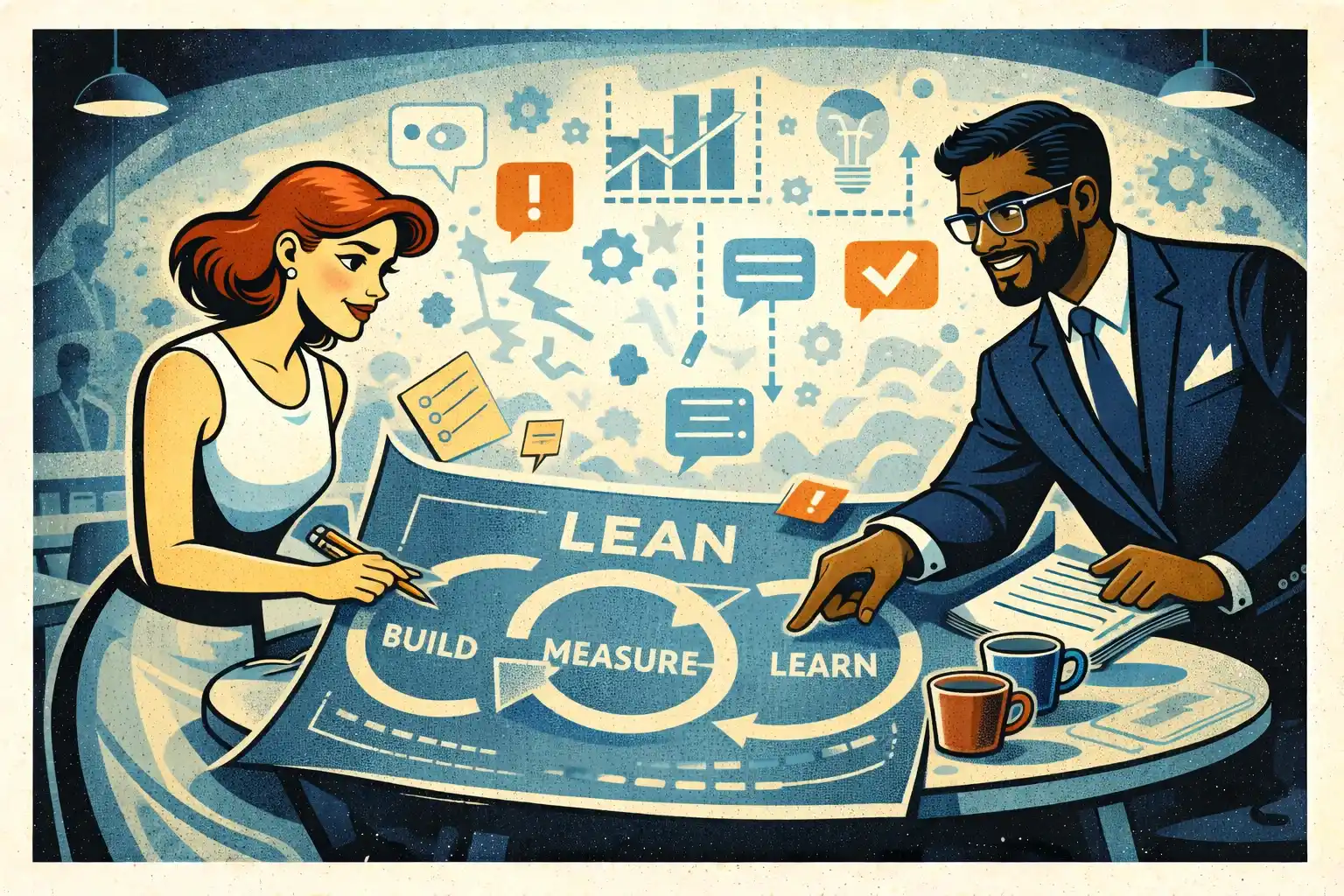
4) They build around validation, not just delivery
In 2026, the best teams measure progress by what became clearer—not by how many screens were delivered.
A validation-driven partner will:
- define what “success” means for the MVP (metrics, conversion, retention, sales cycle signals)
- ship in slices you can test with real users
- treat feedback as an input to the next sprint, not a post-launch surprise
A delivery-only partner may ship a lot, but you’ll still be guessing.
This doesn’t mean you need a massive research phase. It means your build plan includes reality checks.
5) Their communication system is predictable
The biggest hidden cost in software is not code—it’s misalignment.
A great partner has a simple rhythm:
- you always know what’s in progress
- you always know what’s blocked and why
- you always know what decision they need from you
- you can see work in small increments (demos, checkpoints)
Red flags:
- weekly status calls that feel like theatre
- progress reports with no product outcomes
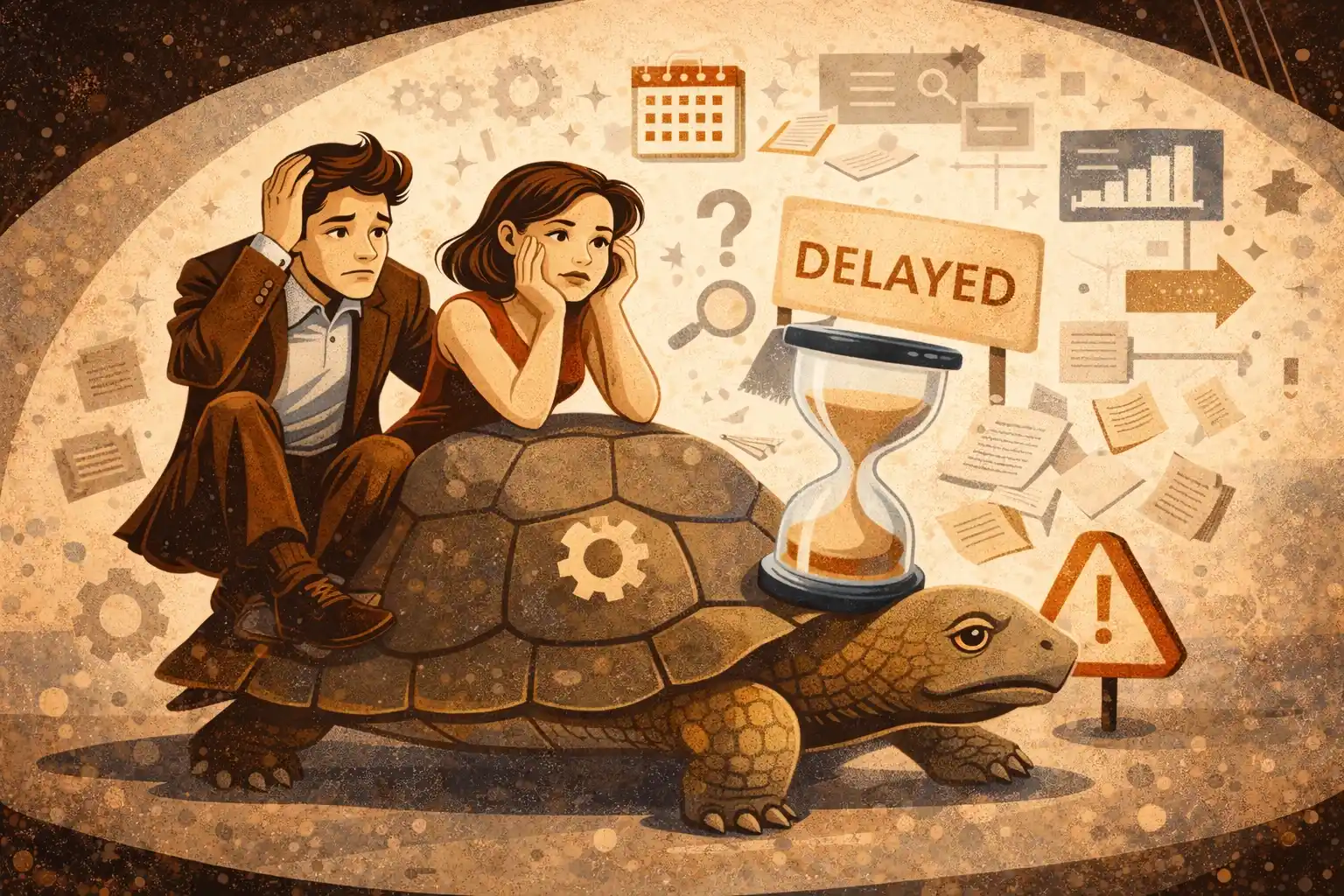
- silence followed by “we need two more weeks”
You should never wonder whether things are moving.
6) They use AI to remove waste, not to gamble with quality
In 2026, every team claims they “use AI.” The difference is whether AI makes delivery more reliable—or more chaotic.
A strong partner uses AI for:
- faster boilerplate and scaffolding
- better test coverage and edge-case thinking
- documentation and knowledge capture
- accelerating iteration while keeping review standards
A weak partner uses AI as an excuse for:
- skipping architecture
- skipping testing
- shipping unreviewed code
- overpromising timelines
What you want is a team with clear guardrails: AI helps them move faster, but decisions and quality are still owned by humans.
If you want a grounded take on this shift, read AI-Powered MVP Development: Save Time and Budget Without Cutting Quality.
7) They plan for “after launch” from day one
Launching is not the finish line. It’s the start of real product learning.
A great partner:
- defines what happens in the first 2–4 weeks after release
- sets up analytics events that match your business model
- creates a lightweight backlog for iteration
- explains what maintenance actually means (bugs vs improvements vs support)
They don’t lock you into a long contract. They help you get to the point where you have options.
The red flags founders should take seriously
These red flags don’t always mean the team is “bad.” But they do mean the risk is higher.
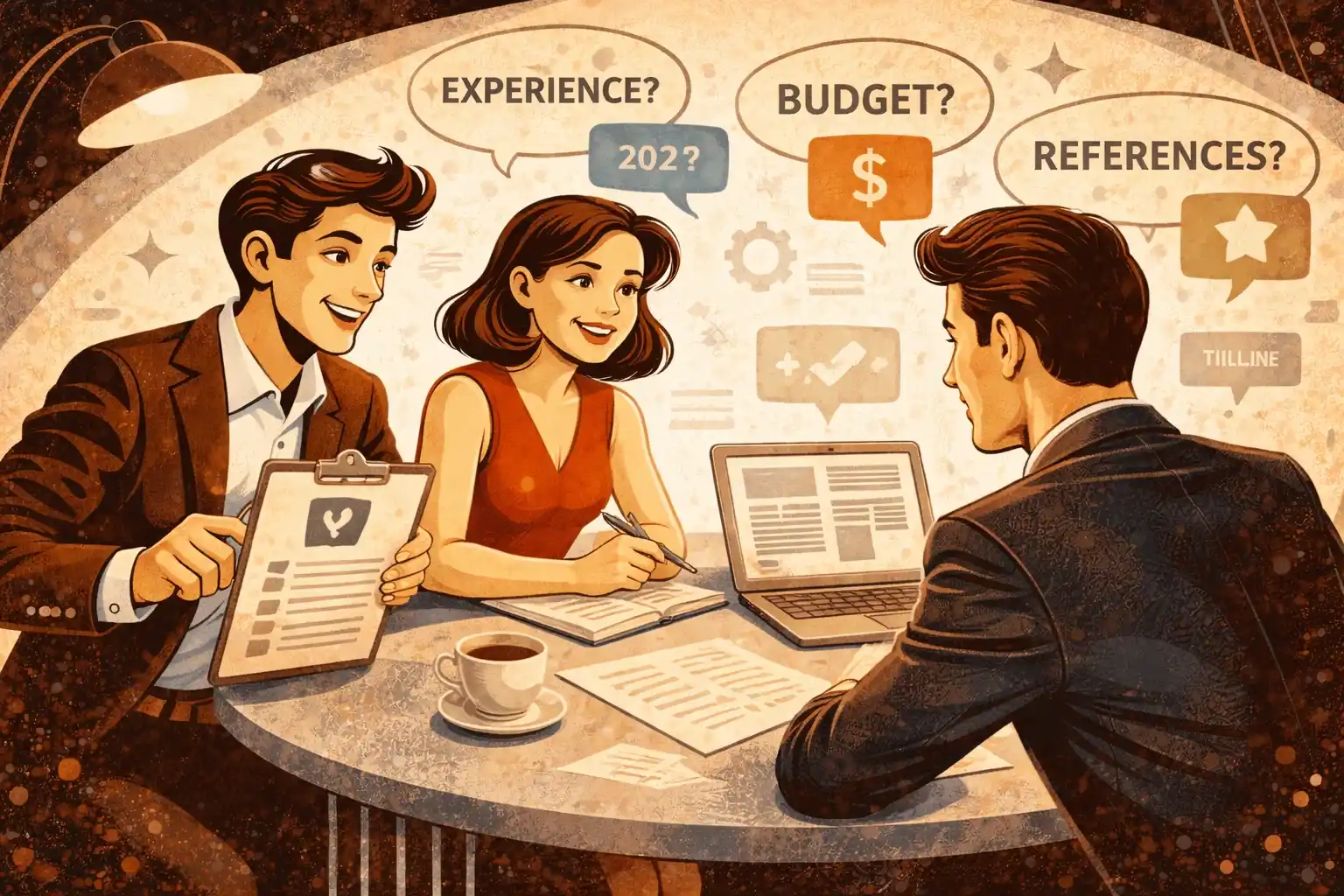
“We can build everything you listed”
A partner who never pushes back will cost you more than one who does.
“We’ll figure it out as we go” (without a discovery plan)
Iteration is good. Wandering is expensive.
Portfolio-first conversations
A portfolio can prove taste and capability. It cannot prove how they work under uncertainty.Ask for process evidence, not just past results.
Too much focus on output, not outcome
If every update is “we finished X screens,” you may get a polished product that doesn’t sell.
No mention of constraints
Great teams talk about constraints early: time, budget, scope, compliance, and unknowns. If they avoid it, you’ll meet those constraints later - at the worst time.
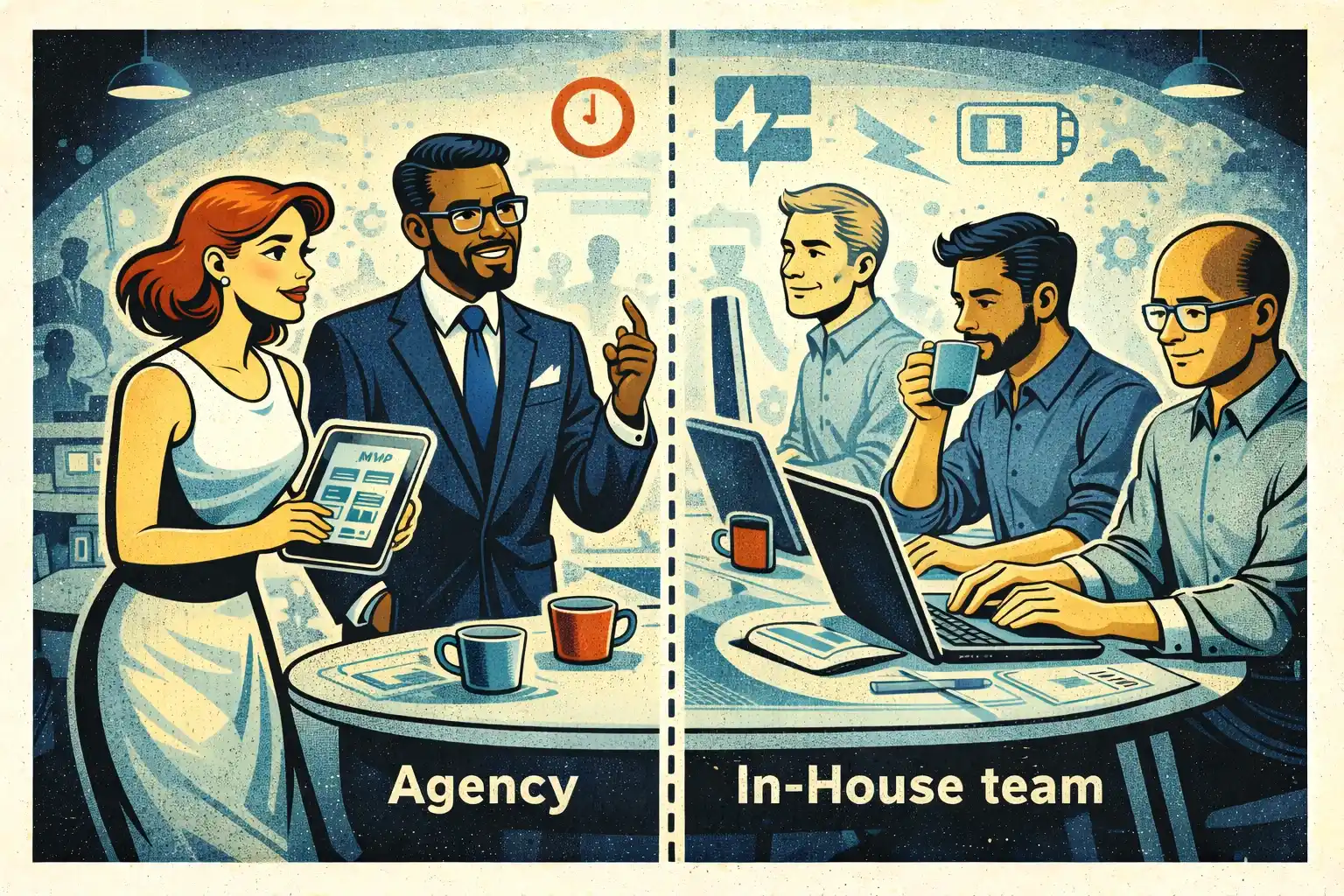
Partner type: agency vs freelancers vs in-house (and the 2026 twist)
Most founders think this is about cost.In 2026, it’s more about control of risk.
- Freelancers can be great for clear, contained tasks.
- In-house is great once you have steady product direction and continuous roadmap.
- A startup-focused partner is often best when you need speed plus structure—especially before you’ve reached product clarity.
If you want a deeper comparison, see Startup App Development Company vs Freelancers vs In-House Team.
A simple decision framework (so you don’t overthink it)
If you’re stuck between options, use this filter:
- Which team reduces uncertainty fastest?
- Which team communicates in a way you can actually run a business with?
- Which team has a plan for your first paying users, not just your first release?
When you pick a partner, you’re not buying code.You’re buying a system for turning unknowns into progress.
Thinking about building an MVP in 2026 and choosing the right dev partner?
At Valtorian, we help founders design and launch modern web and mobile products - with AI used as a speed tool, not a quality shortcut - so you can move fast without guessing.
Book a call with Diana
Let’s talk about your idea, scope, and fastest path to a usable MVP.
FAQ
How do I know if a development partner is truly “startup-focused”?
They optimize for learning and speed under uncertainty, not for perfect documentation or enterprise-style process. They can define an MVP that proves something measurable.
Should I start with a paid discovery phase?
If your scope includes unknown integrations, compliance, or multiple user roles, a short discovery phase usually reduces total cost by preventing rework and bad assumptions.
Is it risky to rely on a partner that uses AI heavily?
Not if they have guardrails: code review, testing, and clear ownership of decisions. The risk comes from teams that use AI to skip discipline.
What’s the most common way founders get overcharged?
Scope drift. It happens when requirements aren’t anchored to a clear outcome and decisions aren’t documented as trade-offs.
How much should I expect to be involved as a founder?
Expect to make decisions weekly. Your job is not to manage developers—it’s to clarify priorities, validate assumptions, and unblock product decisions.
What deliverables should I expect from a solid partner?
A working MVP release, clear scope boundaries, a transparent backlog, and a plan for post-launch iteration (analytics, bug-fix window, and next experiments).
When should I consider building an in-house team instead?
When your roadmap is steady, you have predictable revenue or funding, and the product requires continuous iteration that justifies full-time ownership.





























.webp)




.webp)