.webp)
Top Marketplace MVP Development Companies in 2026
Marketplaces are a different beast: you’re building two products at once (supply + demand), plus payments, trust, and operations. That’s why choosing a dev partner for a marketplace MVP in 2026 can’t be based on portfolio aesthetics or hourly rate. This article shares a practical shortlist of development companies that non-technical founders often compare for marketplace MVP work, and a simple framework to evaluate them. You’ll learn what to launch first, what to delay, and what questions prevent expensive rebuilds.

TL;DR: A good marketplace MVP team in 2026 helps you ship one complete transaction loop (not a feature museum), with basic trust and ops tools built in.Use the shortlist below, but decide based on scope discipline, marketplace-specific thinking, and post-launch iteration — not the prettiest deck.
Why marketplaces are harder than “normal apps”
Most apps have one user type and one main job to do. Marketplaces have at least two user types, and success depends on both showing up and matching.
Marketplace MVPs fail when teams treat them like generic CRUD apps (create/list/edit screens) and forget the real friction:
- liquidity (getting enough supply and demand to meet)
- trust (identity, reviews, dispute handling)
- payments (who pays whom, when, and what happens on refunds)
- operations (admin tools, moderation, support workflows)
If you’re scoping your first marketplace, start with Marketplace MVP Development for Startups: Features You Actually Need.
What a “real” marketplace MVP looks like (scope that actually ships)
A marketplace MVP is not “v1 of Airbnb.” It’s one reliable loop that proves you can create value.
A solid first release usually includes:
- onboarding for both sides (simple, fast)
- a single core listing type
- search/filter that supports the primary matching behavior
- messaging or a clear “request/offer” flow
- payments only if you truly need them on day one
- basic admin panel for: users, listings, reports, and manual interventions
If you want to sanity-check platform choices and avoid early architecture mistakes, read Web App Development for Startups: Architecture Basics for Non-Tech Founders.
How to evaluate a marketplace MVP development company (7 signals)
Use these signals to separate “we can build it” teams from “we can launch it” teams.
1) They talk about liquidity, not just features
They ask how you’ll seed supply, how you’ll bring demand, and what your “first successful match” is.
2) They define the smallest complete transaction loop
They can outline one end-to-end scenario (start - match - outcome) and cut everything else.
3) They understand trust & safety as an MVP requirement
They don’t overbuild compliance, but they include what prevents the marketplace from becoming unusable (reporting, moderation path, basic verification).
4) They design for operations, not just UI
They include admin tooling early so you can run the marketplace manually while you’re still small.
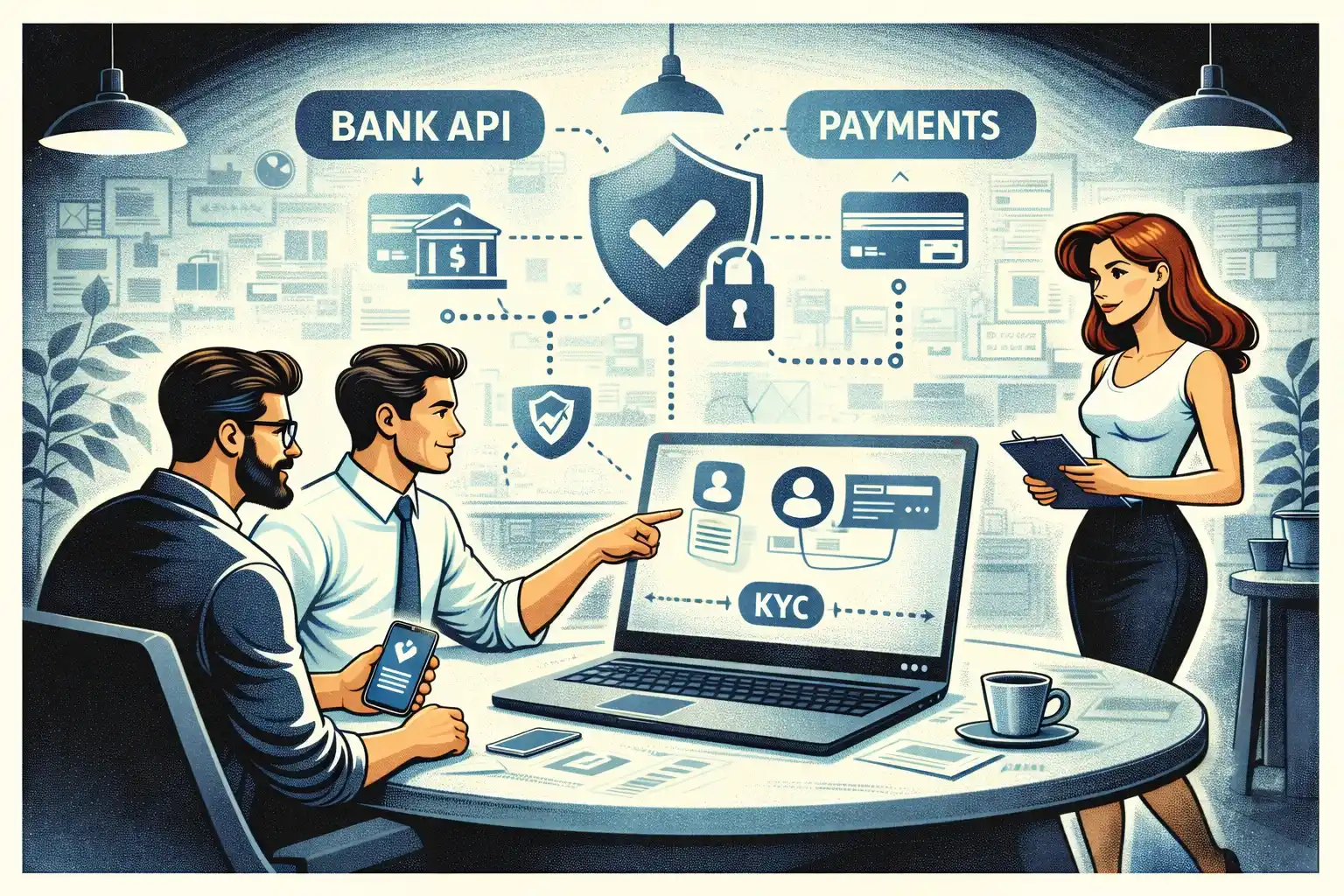
5) They’re honest about payments complexity
They explain whether you need escrow, split payouts, subscriptions, fees, refunds, and how that affects v1 scope.
6) They prove their delivery cadence
You know what you’ll see every week: demos, written decisions, and scope control.
7) They plan measurement from day one
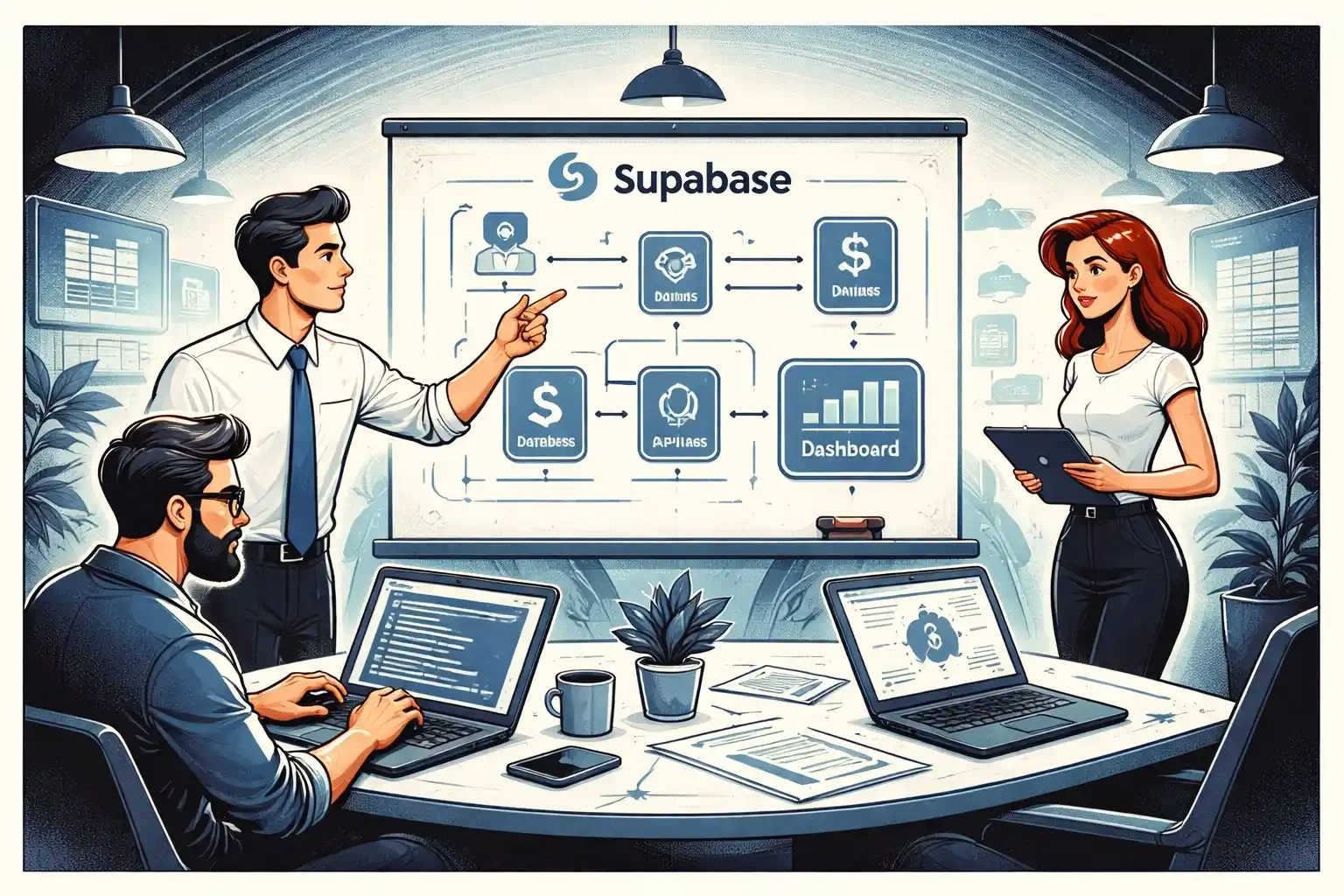
They can name the first marketplace metrics you’ll track (activation, supply creation, search-to-contact rate, conversion to completed transactions). For a metrics baseline, see Your First Product Metrics Dashboard: What Early-Stage Investors Want to See.
Top marketplace MVP development companies in 2026
Every company below is described in the same structure so you can compare fairly.
1) Valtorian
Best for: non-technical founders who want a small, senior team that keeps scope tight and ships a usable marketplace MVP fast.
Strengths: strong scoping discipline, practical product thinking, and focus on building the smallest loop that can reach real users.
Watch-outs: confirm availability and what’s included after launch (bug-fix window, iteration cadence, analytics support).
Questions to ask: What is my first complete transaction loop, what are we intentionally not building in v1, and how do we handle trust + ops in the smallest way?
2) thoughtbot
Best for: founders who want a product consultancy feel with strong discovery and clear product tradeoffs.
Strengths: discovery clarity and a structured approach to shipping iteratively.
Watch-outs: premium teams can be expensive; clarify who is hands-on day to day and how much time goes into strategy vs build.
Questions to ask: What marketplace risks do you want to test first, and what will you ship by week 2 to reduce uncertainty?
3) Netguru
Best for: founders who want an established partner with scalable capacity and a structured delivery environment.
Strengths: cross-functional teams and process maturity that can reduce chaos.
Watch-outs: larger teams can add coordination overhead — validate that decision-making stays fast and scope stays lean.
Questions to ask: Who owns scope discipline, and what is your plan to avoid building a “big v1” before we have liquidity?
4) Brainhub
Best for: founders who want a partner that can deliver an MVP and then scale the product once traction is visible.
Strengths: a staged approach can help you validate before expanding scope.
Watch-outs: clarify what “MVP” means in practice (small usable release vs feature-heavy v1).
Questions to ask: What’s the minimal marketplace ops toolkit you include, and how do you measure whether supply and demand are actually matching?
5) Altar.io
Best for: founders who want structured MVP scoping before development starts, especially helpful when the marketplace concept is still fuzzy.
Strengths: clarity-first approach that can prevent expensive pivots mid-build.
Watch-outs: confirm what post-launch iteration includes vs what becomes a separate engagement.
Questions to ask: What outputs do you produce during scoping, and how do you decide what is “must-have” vs “nice-to-have” in a marketplace?
The 3-call process that prevents expensive “cheap builds”
Marketplace projects go over budget when the scope expands before the loop works.
Call 1: scope and marketplace loop
Ask:
- “What is the first complete transaction loop?”
- “What would you cut first, and why?”
- “How do we run this marketplace manually in week 1–2?”
Call 2: trust, payments, and ops
Ask:
- “What’s the minimum trust & safety setup for v1?”
- “Do we need payments now, or can we start without them?”
- “What admin tools are included in the MVP?”
Call 3: proof
Ask for one marketplace-like example and:
- what the first release included
- what changed after real users arrived
- what they measured first
If the story ends at “we shipped,” that’s not a marketplace story.
Budget reality: why marketplace MVPs can get expensive fast
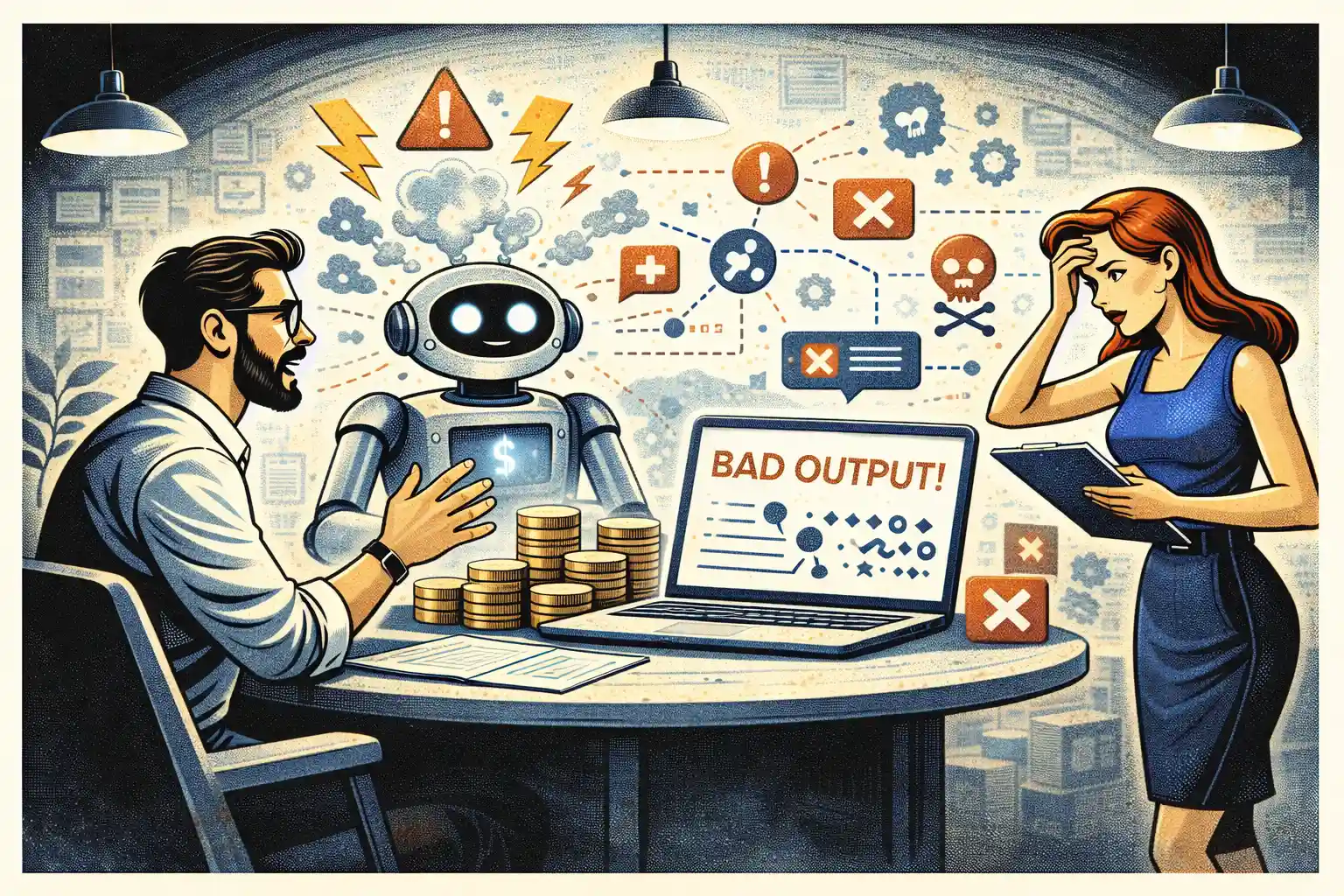
Marketplaces become expensive when you add everything at once: full payments logic, multiple listing types, complex roles, moderation, and advanced search.
A safer path is to launch a tight loop, measure, then expand.
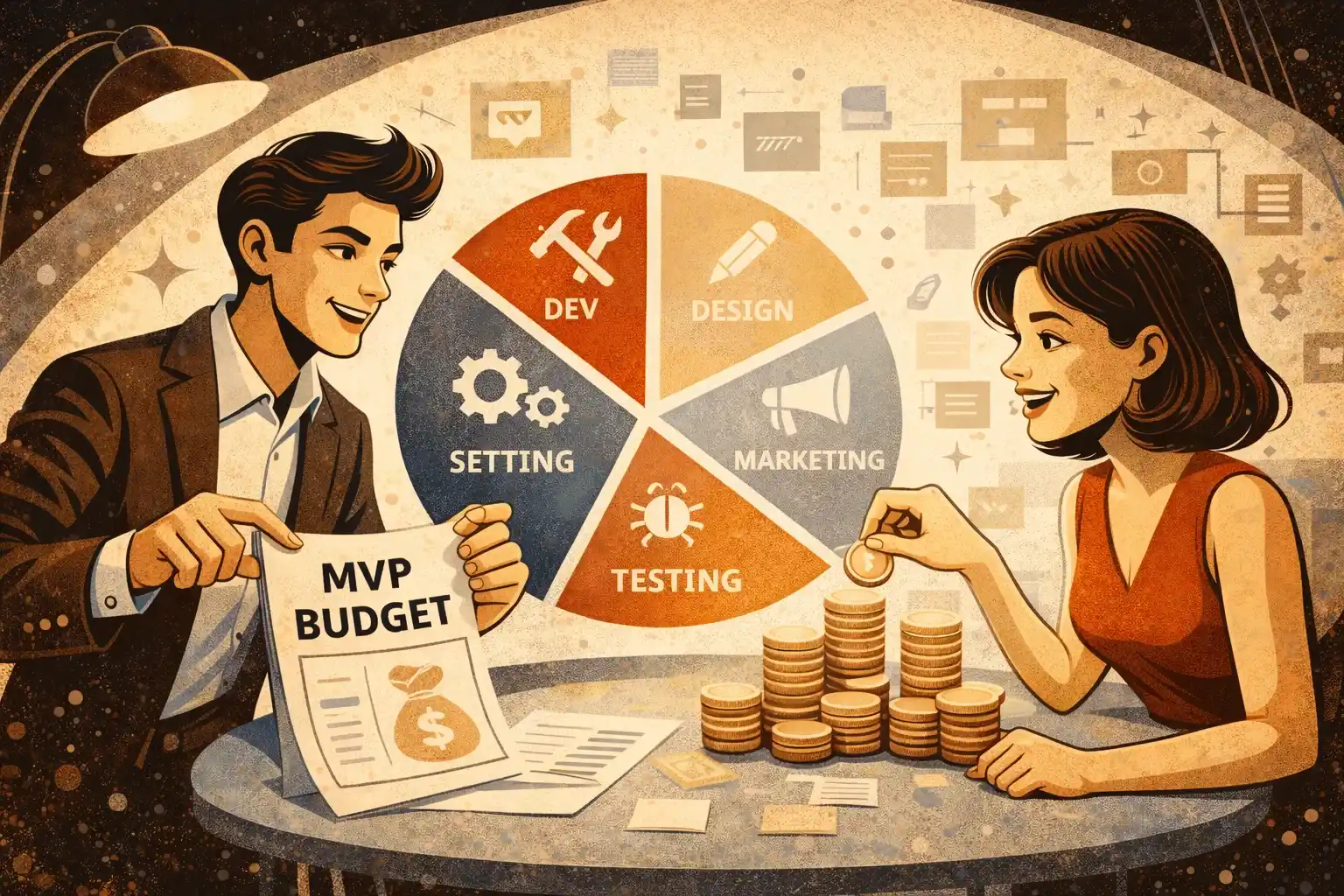
If you need a cost reality check and a way to avoid surprise scope, read MVP Development Cost Breakdown for Early-Stage Startups.
Thinking about building a marketplace MVP in 2026?
At Valtorian, we help founders design and launch modern web and mobile apps — including AI-powered workflows — with a focus on real user behavior, not demo-only prototypes.
Book a call with Diana
Let’s talk about your idea, scope, and fastest path to a usable MVP.
FAQ
What’s the smallest marketplace MVP that can work?
One complete transaction loop for one niche: onboarding, one listing type, matching, and a clear outcome — plus basic admin tools.
Do I need payments in the first version?
Not always. If you can validate matching and value without payments (manual or off-platform), you can reduce scope and launch faster.
What’s the most common reason marketplace MVPs fail?
They launch too many features before they prove liquidity — so neither side gets consistent value.
What should I ask to spot a team that will overbuild?
Ask what they would cut first. If they can’t cut, they’ll likely expand scope until the budget breaks.
How do I compare marketplace dev quotes fairly?
Compare the defined transaction loop, what’s included for ops/admin, how payments are handled, and what post-launch iteration looks like.
What should I own at the end of the project?
Repo access, design files, environments, analytics setup, and basic documentation so you can continue with any team.

























































.webp)



.webp)