.webp)
Building an App With Limited Budget in 2026
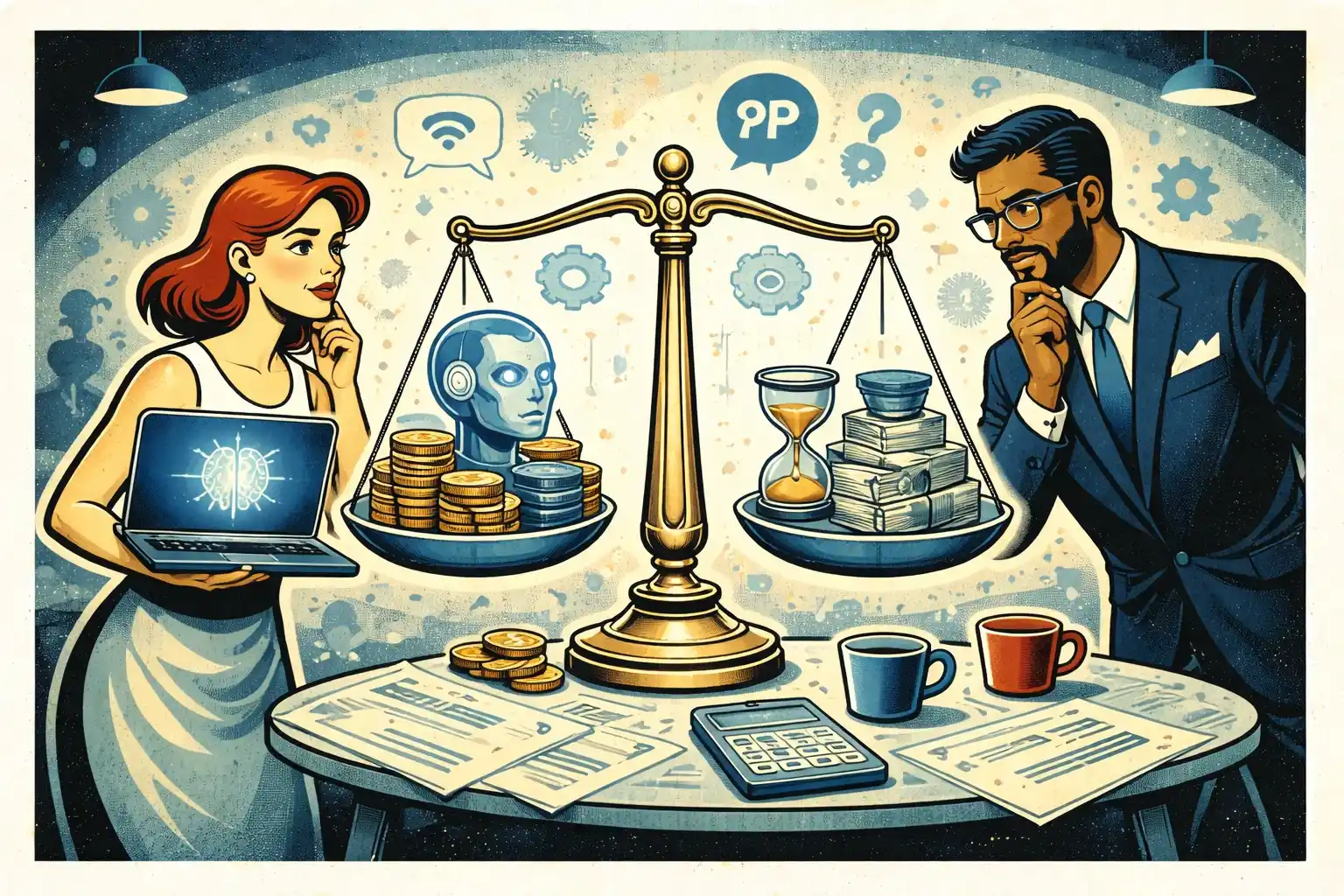
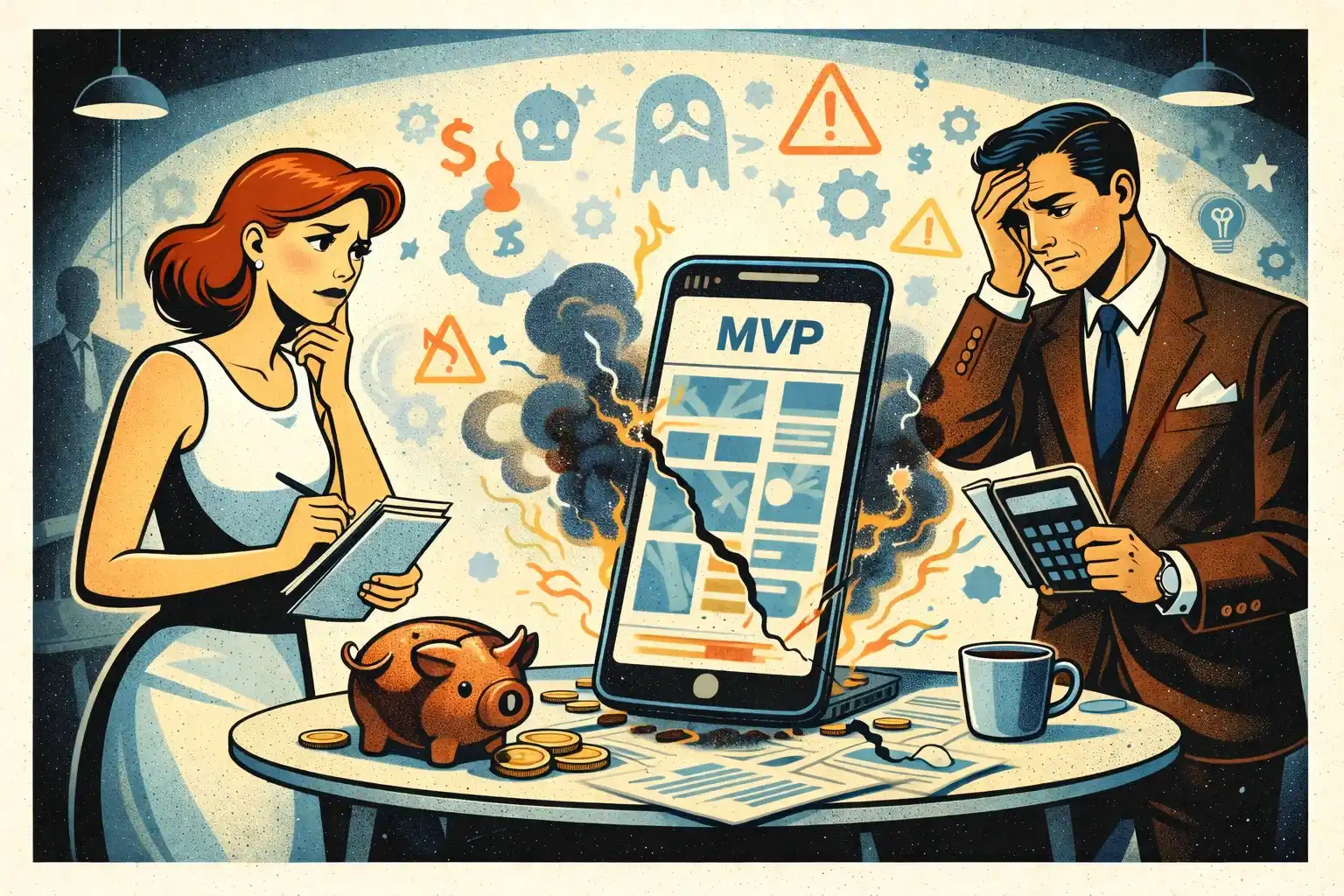
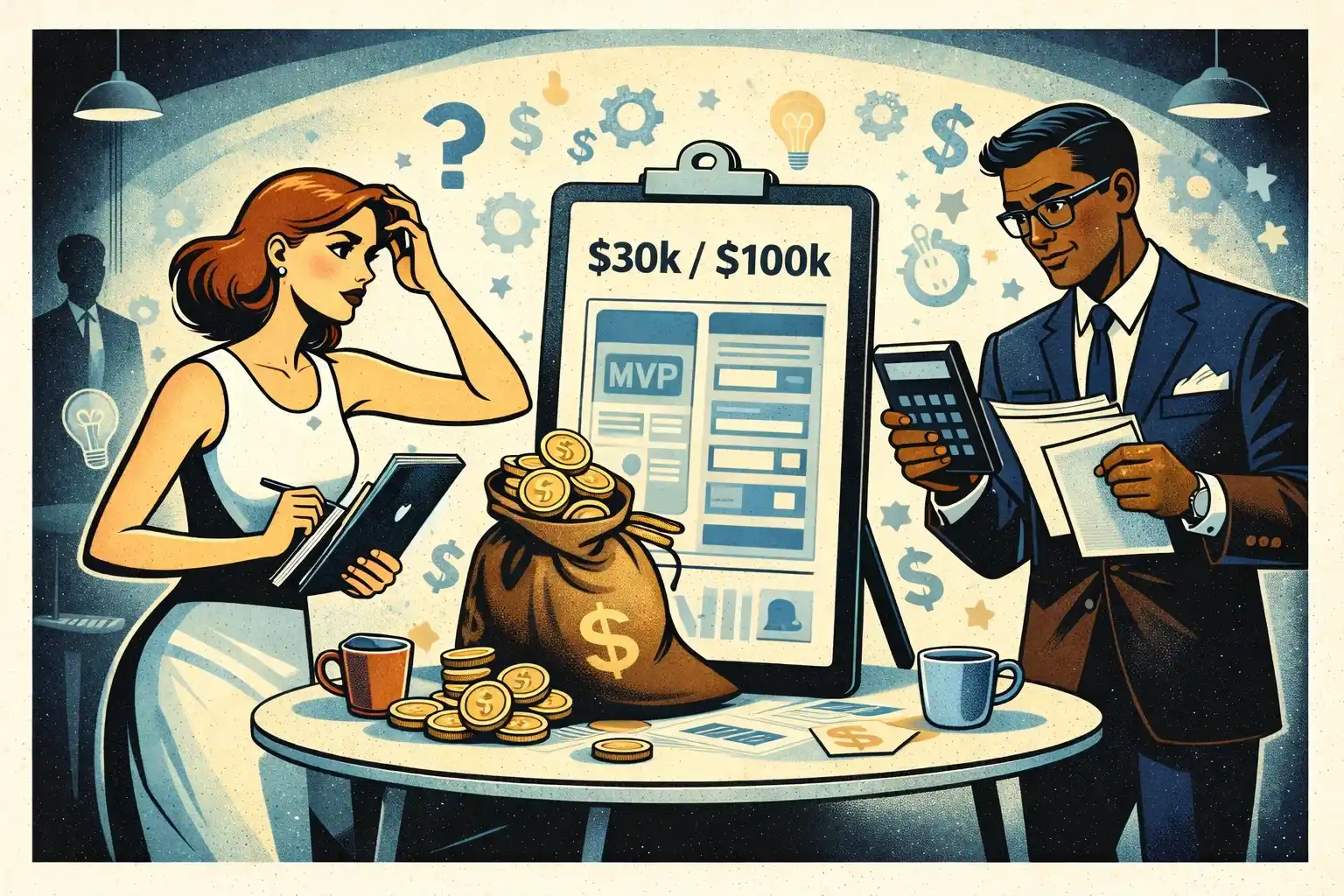
Building an app with a limited budget in 2026 is no longer about cutting corners. It’s about making deliberate trade-offs that protect learning, speed, and optionality. Founders who succeed on small budgets don’t spend less by accident — they spend with intent. This article explains how early-stage startups can build real products with constrained resources while avoiding the most common budget traps.

TL;DR: Limited budgets don’t kill startups — bad spending decisions do.In 2026, focus, validation, and sequencing matter more than raw budget size.
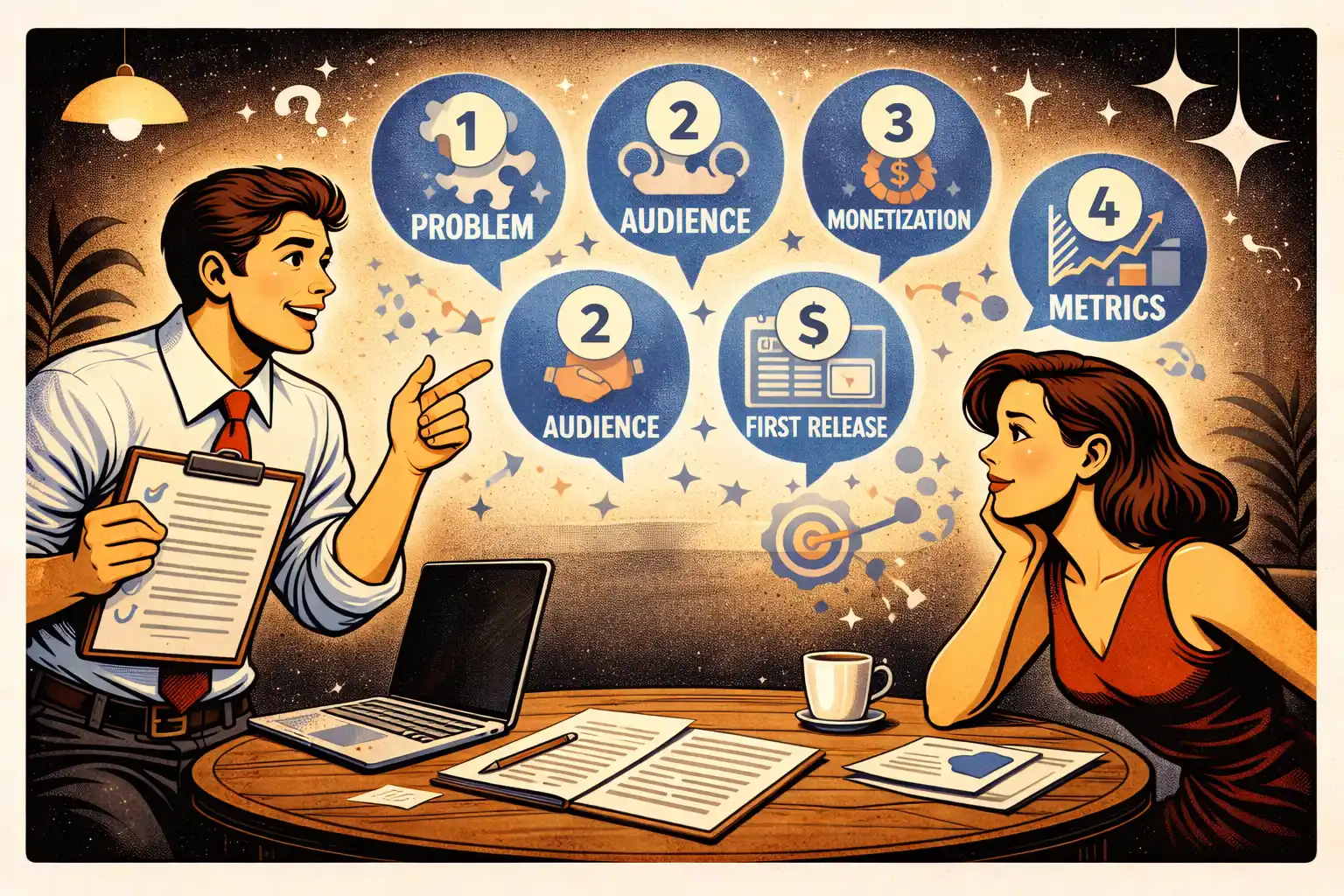
Start with decisions, not features
Founders on tight budgets often try to predefine every feature upfront. This usually locks them into the wrong direction.
A better approach is to define the key decision the app must support: go forward, pivot, or stop. Everything else becomes optional.
This mindset is closely aligned with What a Good MVP Looks Like in 2026.
Scope discipline is your main advantage
Smaller budgets force sharper focus.
Successful founders intentionally:
- limit user roles
- reduce edge cases
- postpone automation
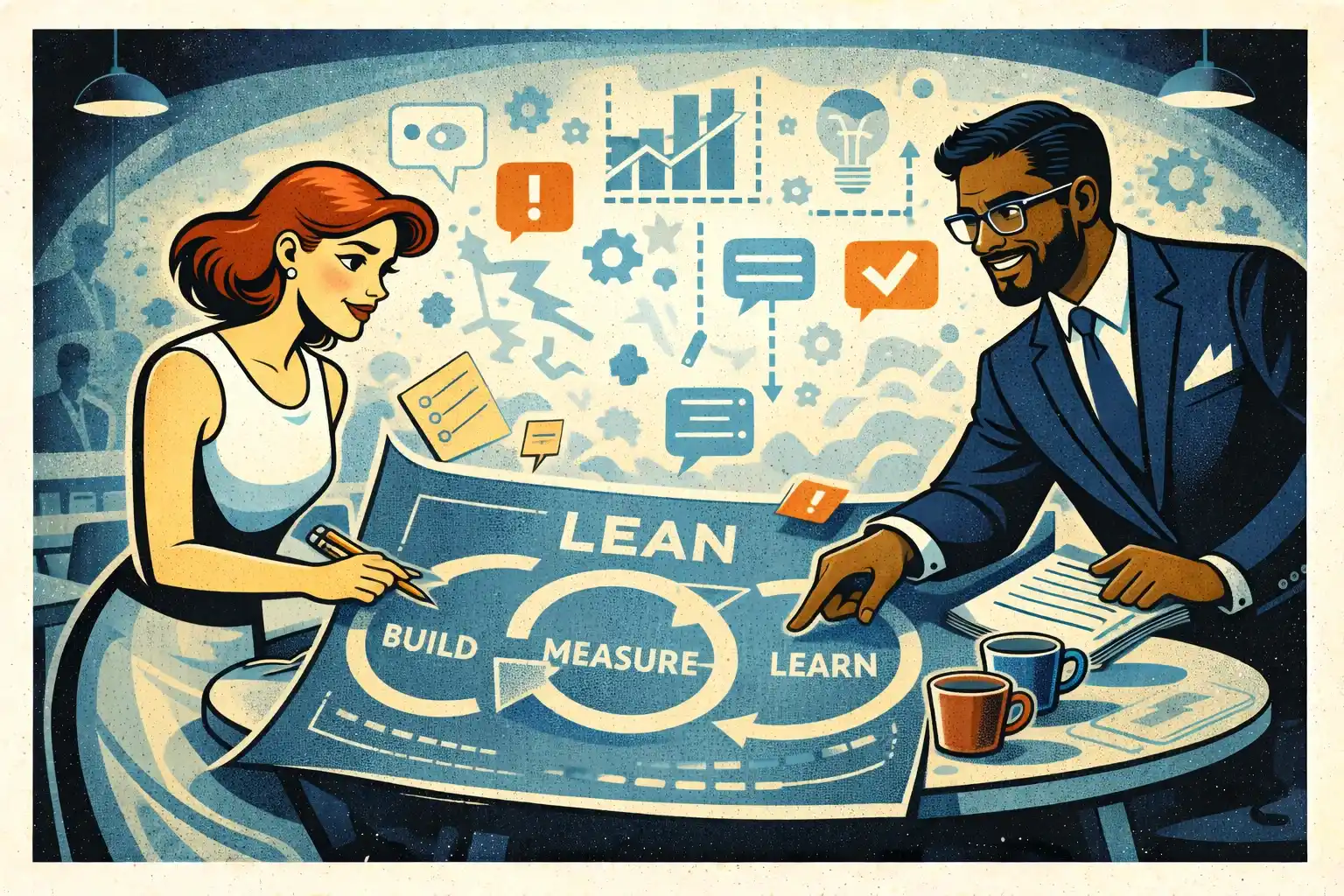
This creates faster feedback and fewer rebuilds.
Many early failures come from ignoring this discipline, as described in MVP Development for Non-Technical Founders: Common Mistakes.
Choose speed over polish
Perfection is expensive.
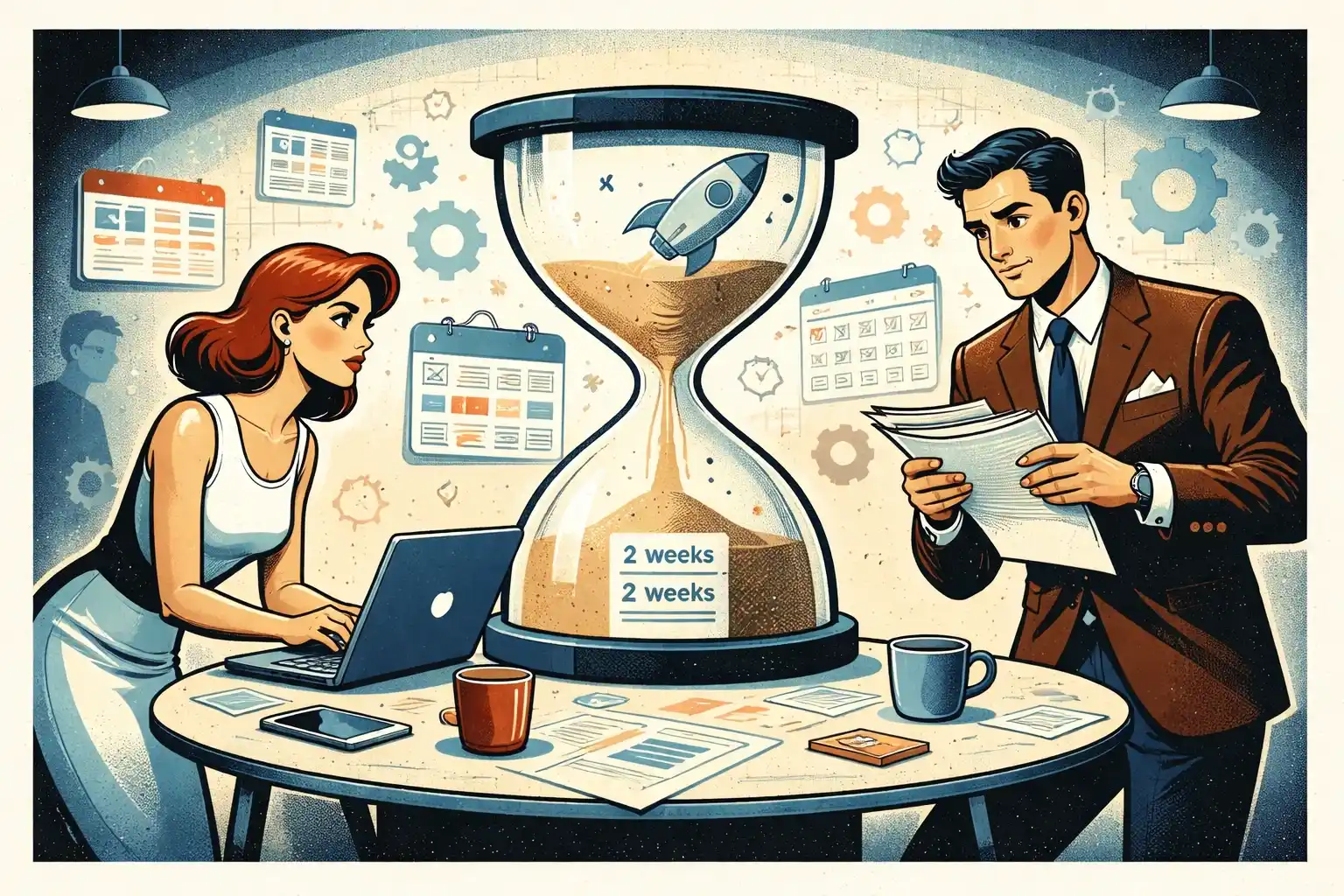
A usable app that reaches users in weeks beats a polished product delivered months later. Early traction depends on clarity, not aesthetics.
The cost implications of this trade-off are explained in MVP Development Cost Breakdown for Early-Stage Startups.
Use AI and tooling selectively
AI can reduce costs when used intentionally. It should speed up design, testing, or repetitive tasks — not drive product decisions.
Teams that misuse AI often increase complexity instead of reducing it. This risk is covered in AI Product Mistakes Startups Make in 2026.
Don’t skip post-launch budget
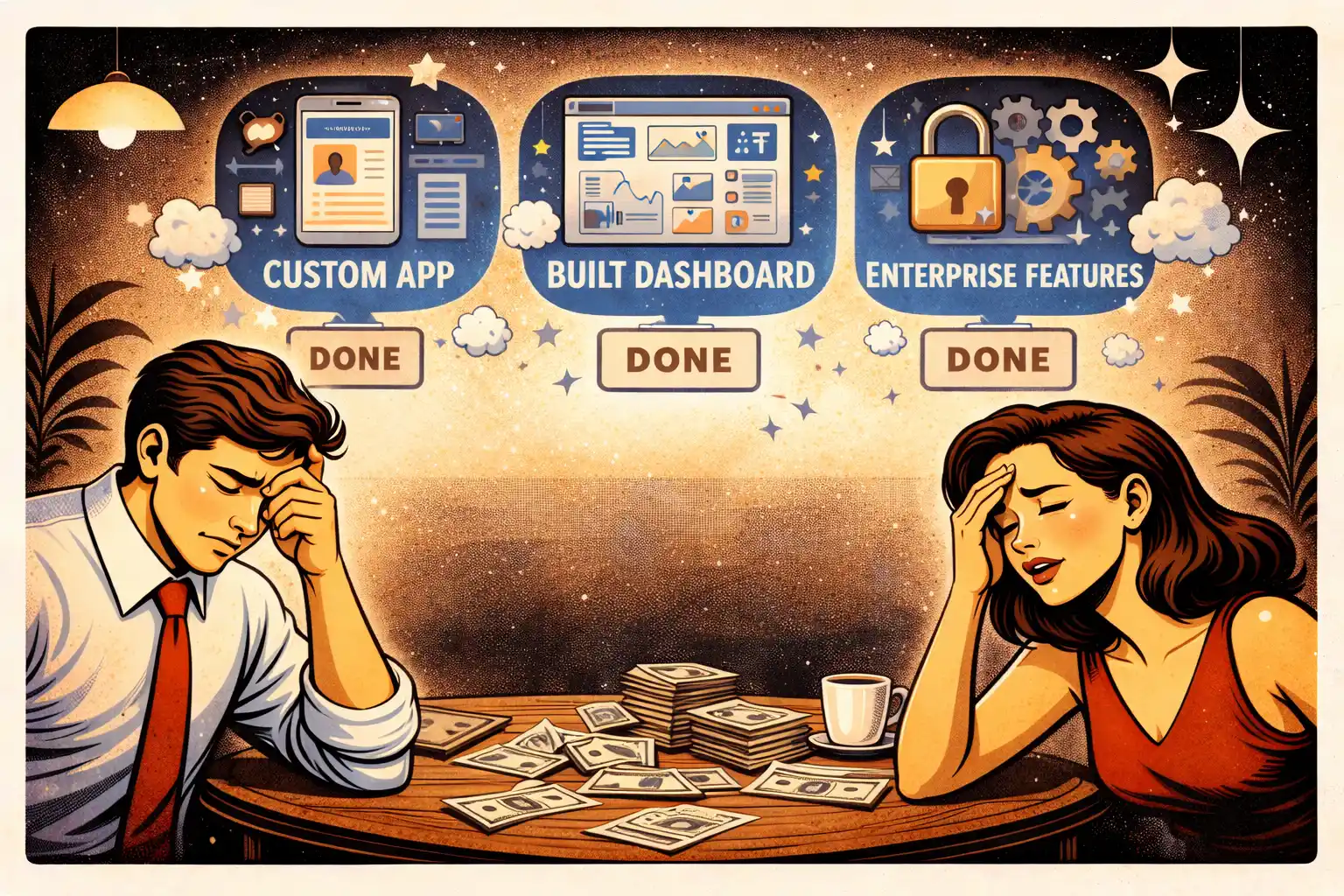
Many limited-budget founders spend everything on development and leave nothing for iteration.
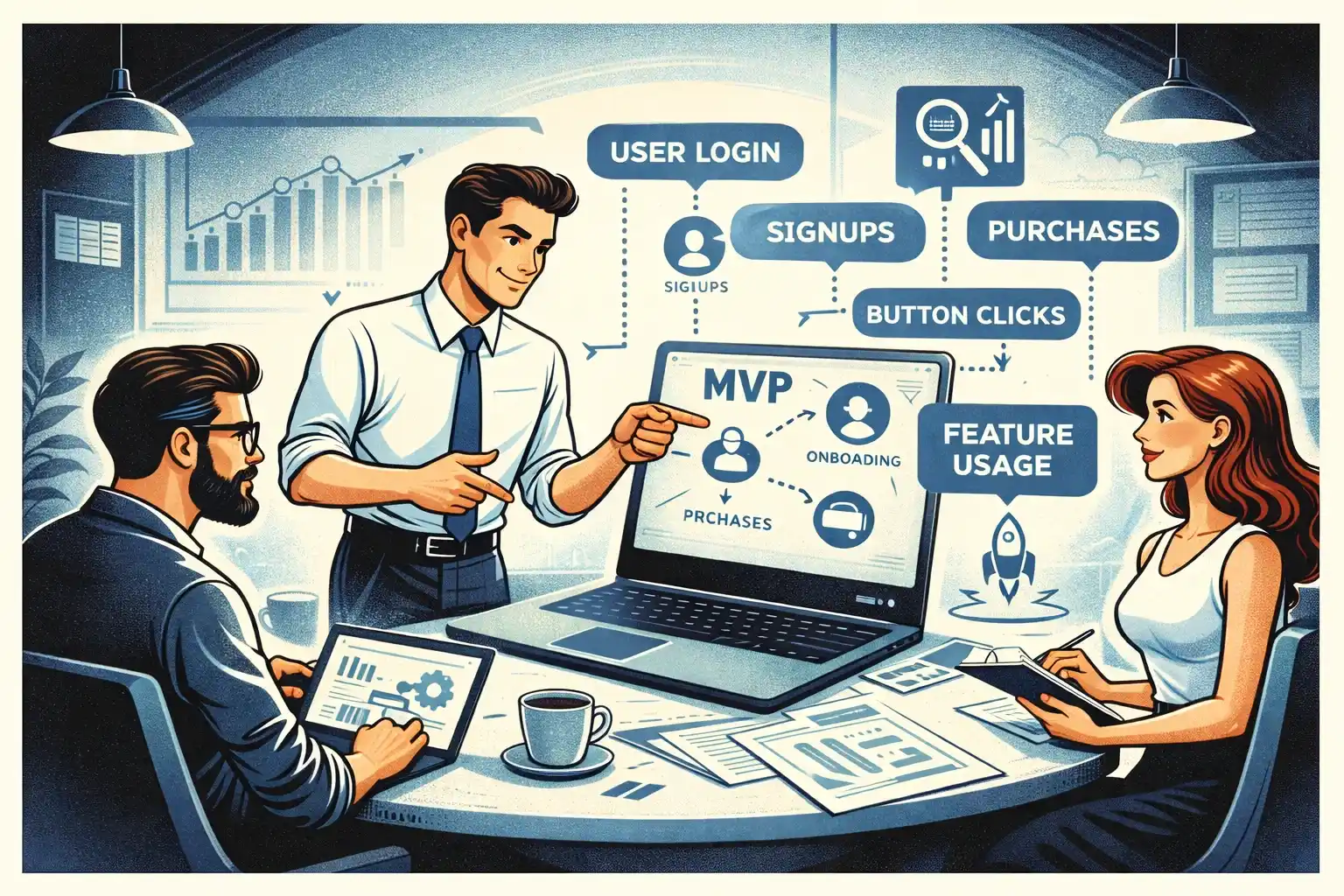
A small buffer for fixes, analytics, and feedback loops is critical.
What to track early is explained in Your First Product Metrics Dashboard: What Early-Stage Investors Want to See.
Know when not to build
Sometimes the smartest move is delaying development until assumptions are clearer.
Short validation steps can save more money than any technical optimization.
This approach mirrors lessons from Pre-Seed MVP Development for Unfunded Startups on a Budget.
Building an app in 2026 with a limited budget?
At Valtorian, we help founders define the smallest useful version of their product and launch it fast — without burning runway or overbuilding.
Book a call with Diana
Let’s talk about your idea, constraints, and the most efficient path to a usable MVP.
FAQ
Can I build a real app with a small budget in 2026?
Yes, if the scope is disciplined and the goal is validation, not completeness.
What’s the biggest budget mistake founders make?
Trying to build too much before learning from real users.
Should I choose web or mobile first on a limited budget?
Choose the platform your first users already use most.
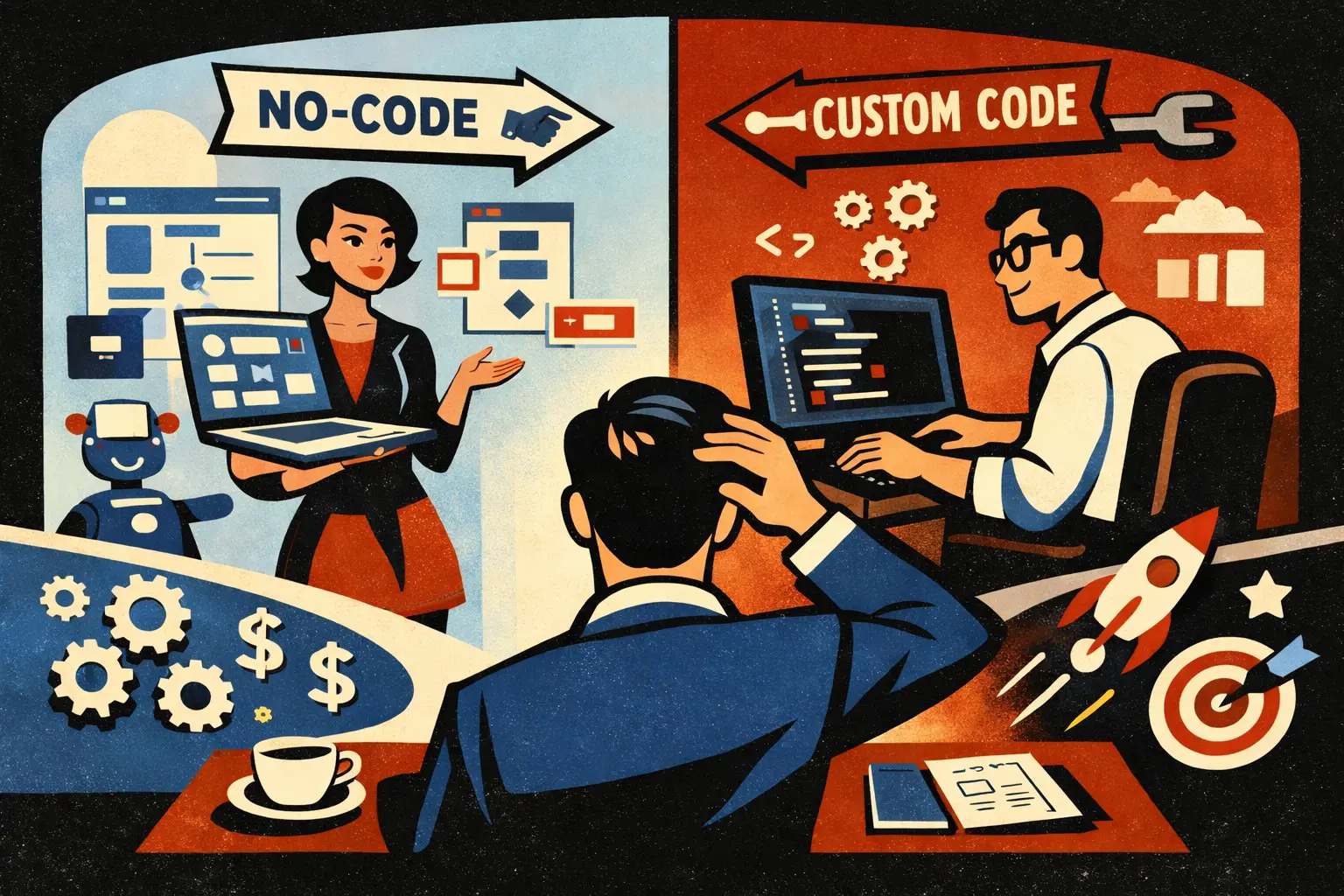
Is no-code a good option for small budgets?
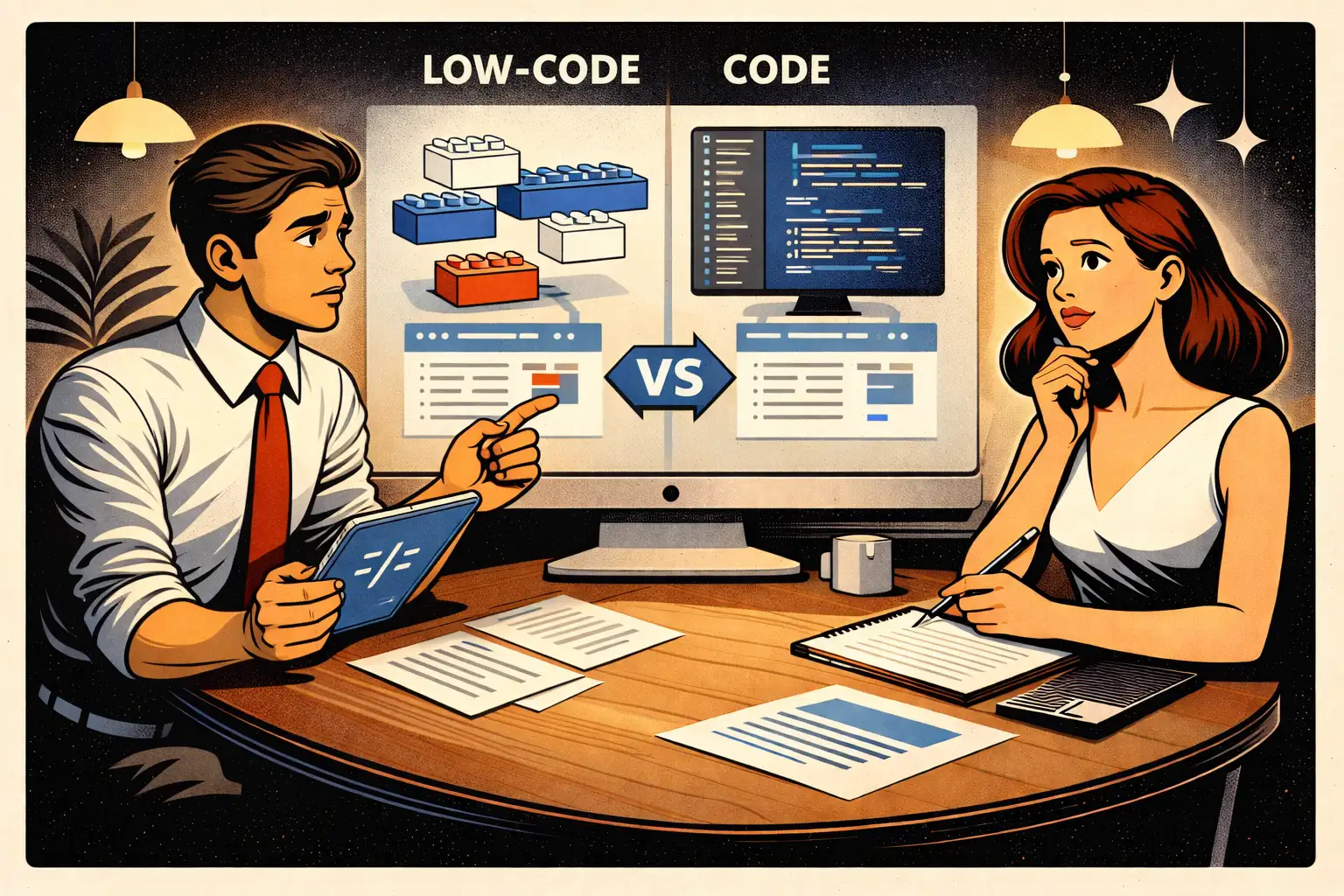
It can help validate ideas, but founders should be careful about long-term limitations.
How much buffer should I leave after launch?
Even a small buffer for fixes and iteration can make a major difference.
When should I stop building and reassess?
When new development no longer produces meaningful learning.








































.webp)




.webp)