.webp)
How to Vet an Agency in 2026: The Right Questions
Choosing an agency in 2026 is harder than it looks: polished portfolios and fast prototypes are everywhere, but delivery quality still varies wildly. This article gives you a founder-friendly set of questions that reveal how a team actually works — how they estimate, handle scope changes, ship reliably, and support you after launch. You’ll also learn common red flags, what “good” answers sound like, and a simple way to compare multiple agencies without turning it into a beauty contest.

TL;DR: Don’t vet an agency by their portfolio alone — vet their decision-making, delivery habits, and what happens when reality changes.Ask questions that expose scope discipline, team seniority, QA, ownership, and post-launch support (then compare answers side-by-side).
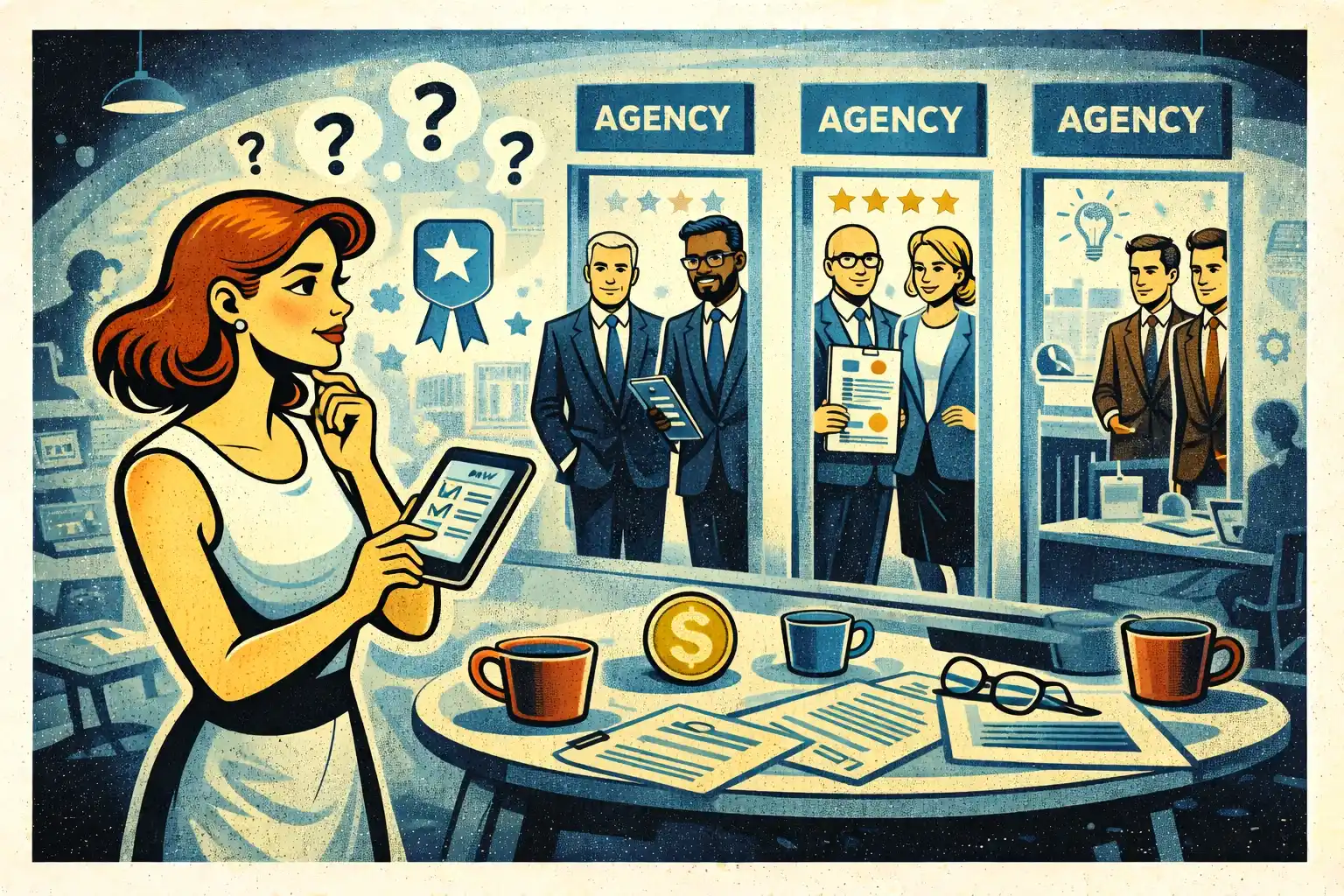
Why agency vetting changed in 2026
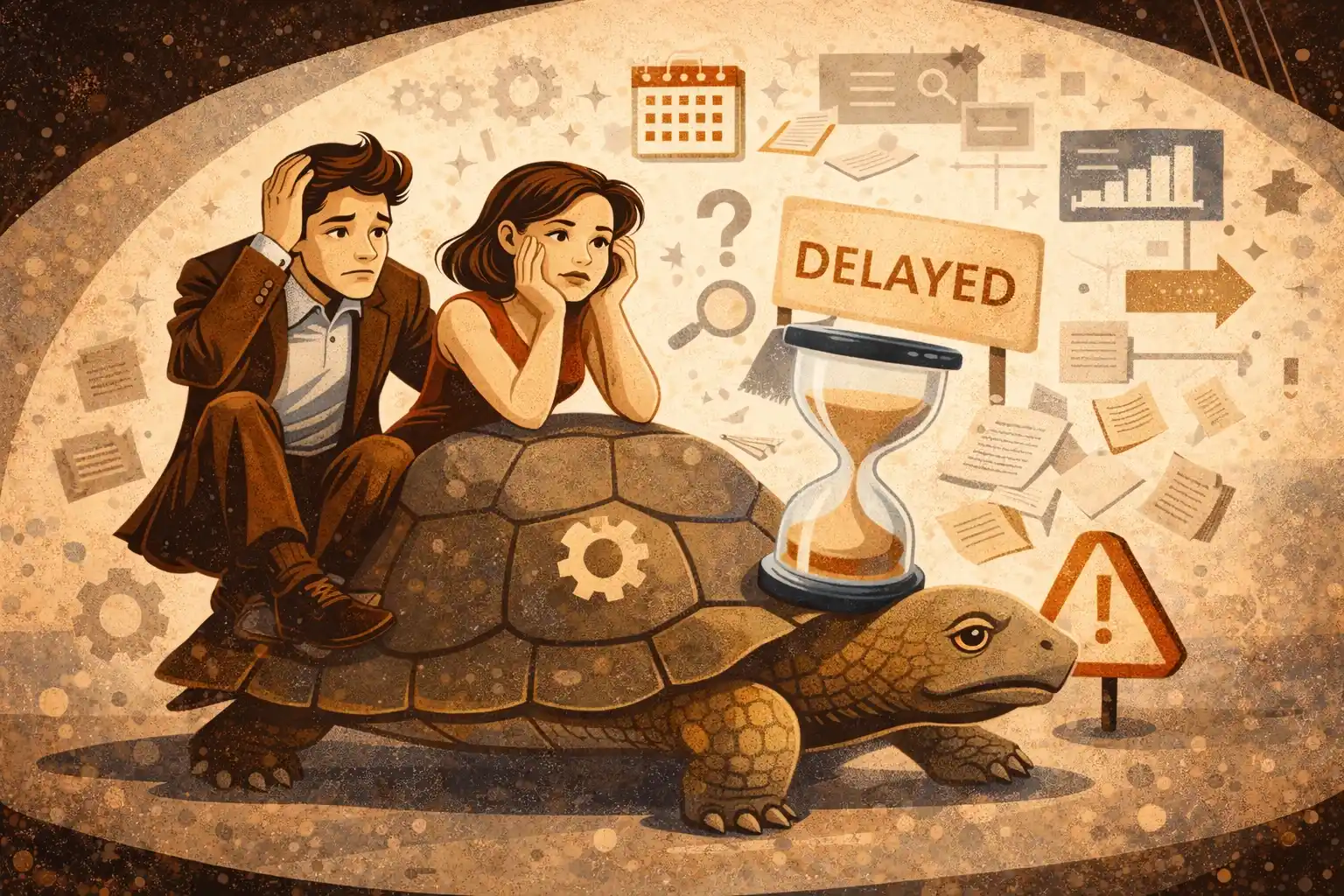
In 2026, it’s easy to get something that looks like a product.AI tools and templates can produce a polished demo quickly.
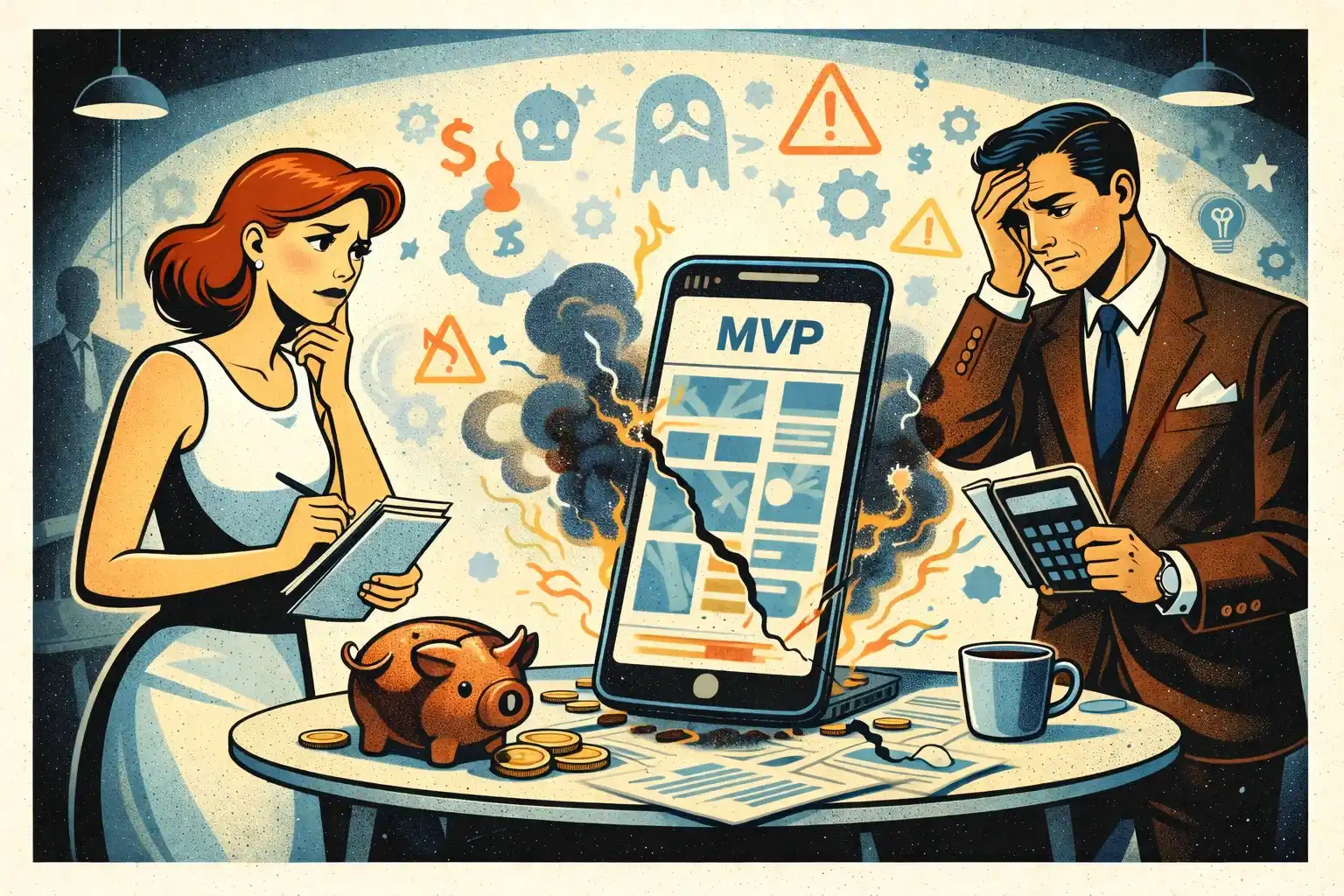
Your real risk is different:
- shipping late because scope quietly grows
- building the wrong thing because nobody pushes back
- getting stuck after launch because the agency disappears
So the goal isn’t “find the smartest team.”The goal is “find the team that reduces risk.”
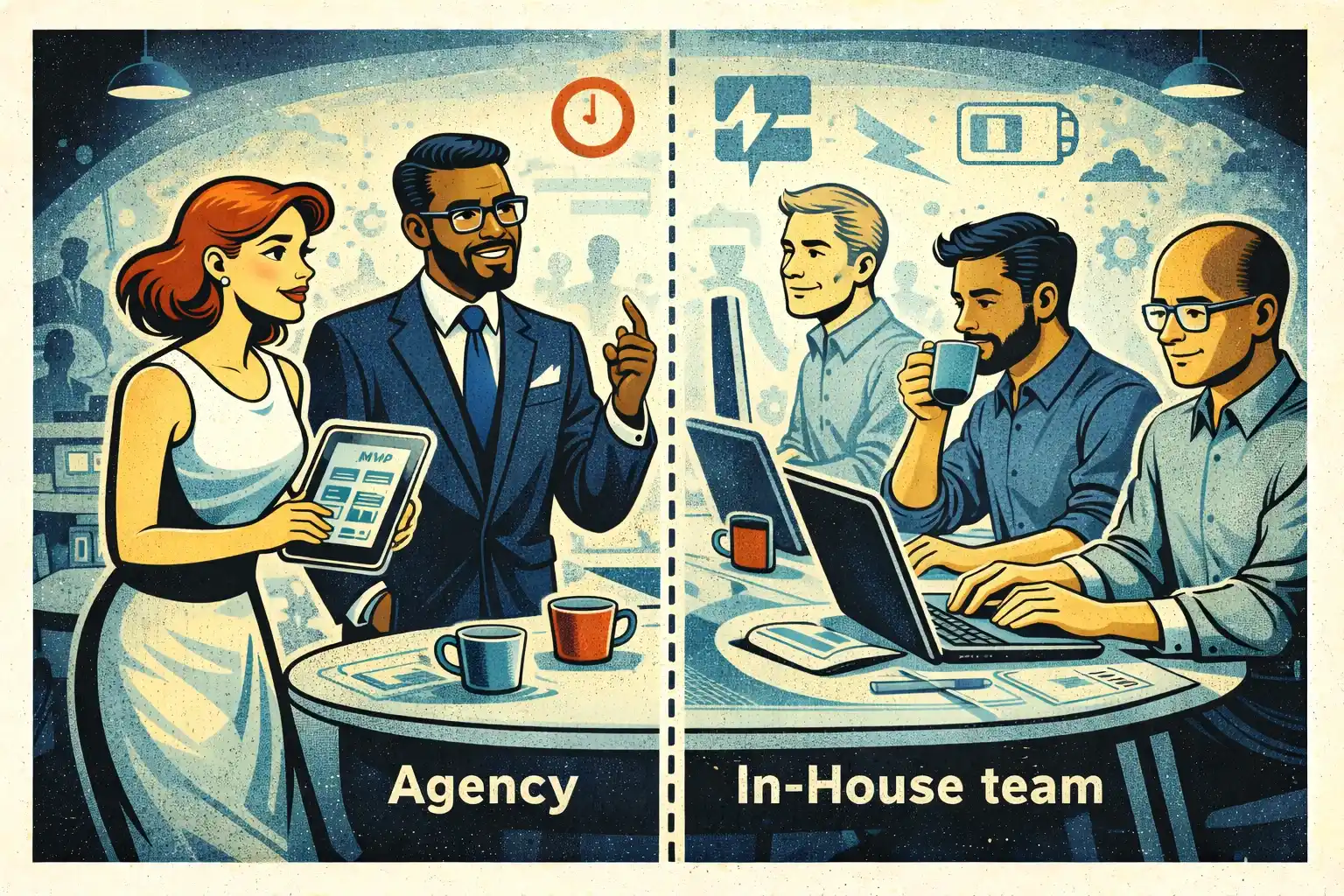
If you’re still deciding whether an agency is even the right route, revisit Startup App Development Company vs Freelancers vs In-House Team.
Before you talk to any agency (15 minutes of prep)
You’ll get better answers if you walk into the call with a few basics:
- Your one-sentence core user problem
- Your v1 success metric (activation, paid conversion, booked calls — whatever fits)
- The features you think are “must-have” (even if you’re not sure)
- Your hard constraints (deadline, platform, compliance needs)
If you don’t have clarity here yet, it’s very easy for an agency to fill the gaps with assumptions.
The right questions (and what they’re really testing)
Below are questions you can copy/paste. You don’t need to ask all of them — pick the ones that match your situation.
1) “Who will actually do the work — by name and role?”
You’re testing: seniority and accountability.
Follow-ups:
- Who is the day-to-day product lead?
- Who reviews code and design decisions?
- If someone gets sick/blocked, what’s your backup plan?
A good answer is specific. A weak answer is “we have a team.”
2) “What do you need from me weekly to keep momentum?”
You’re testing: whether they can run a clean process.
Listen for:
- a clear cadence (weekly review, async updates, decision checkpoints)
- how they collect feedback (and how they prevent endless revisions)
- how they surface risks early
If they can’t explain their rhythm simply, the project will feel chaotic.
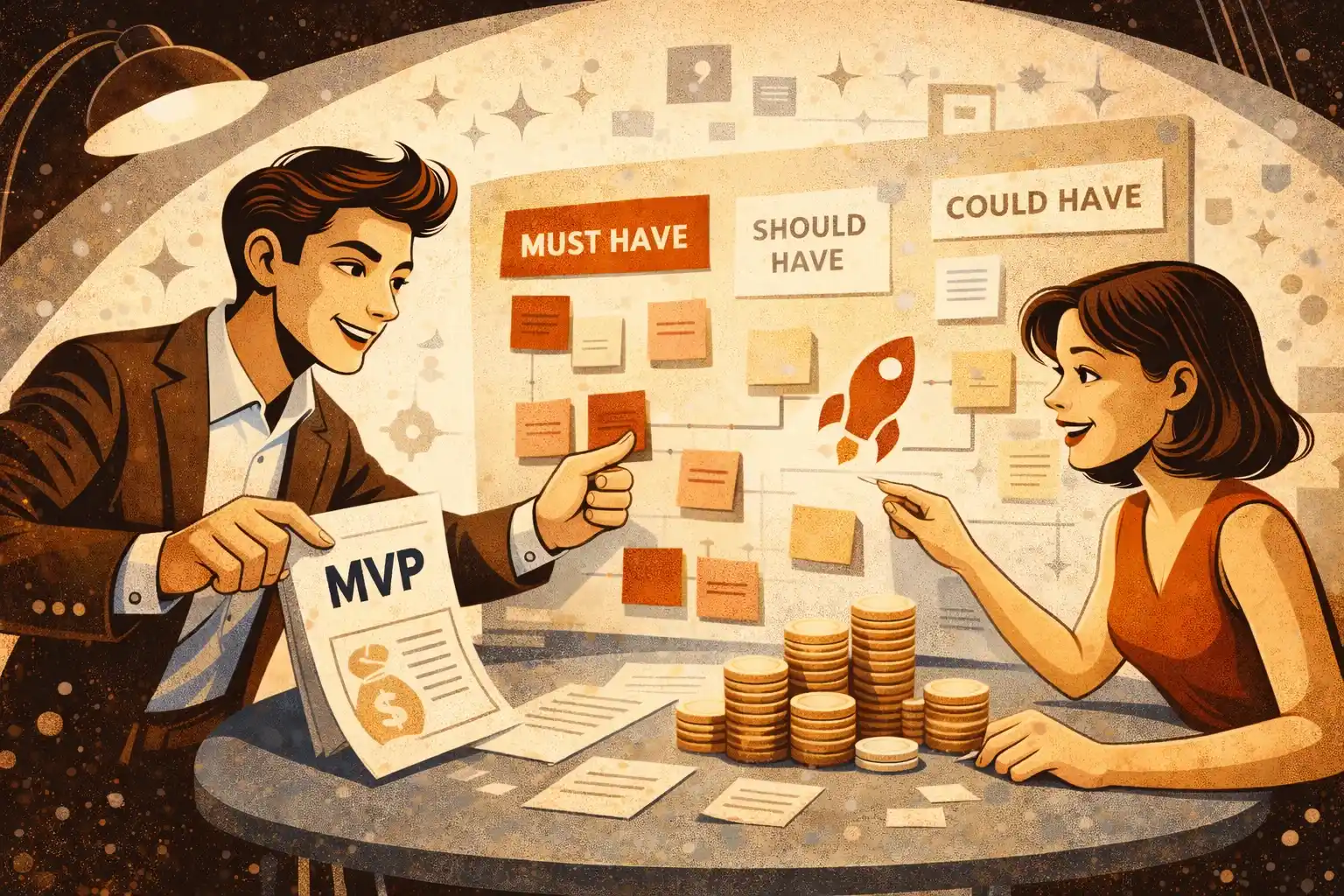
3) “How do you define MVP scope so it doesn’t explode?”
You’re testing: scope discipline.
Strong teams can explain:
- what goes into v1 vs later
- how they prevent “just one more feature” from becoming five
- how they make trade-offs when time gets tight
If they push you to build a huge v1, read Outsource Development for Startups: Pros, Cons, and Red Flags before you sign anything.
4) “What will you ship in the first 2–3 weeks?”
You’re testing: whether they can create progress you can see.
Great answers include tangible outputs, for example:
- validated user flows
- clickable prototype for core loop
- agreed ‘definition of done’ for v1
- a working thin slice (one real flow end-to-end)
If the answer is “we’ll set up the project and start building,” that’s not a plan.
5) “How do you estimate — and what usually breaks the estimate?”
You’re testing: honesty and maturity.
Ask:
- How do you estimate: based on screens, flows, or user stories?
- What assumptions are inside the estimate?
- What causes overruns most often (integrations, unclear rules, extra roles)?
The best teams talk about assumptions openly.If they promise certainty without conditions, be careful.
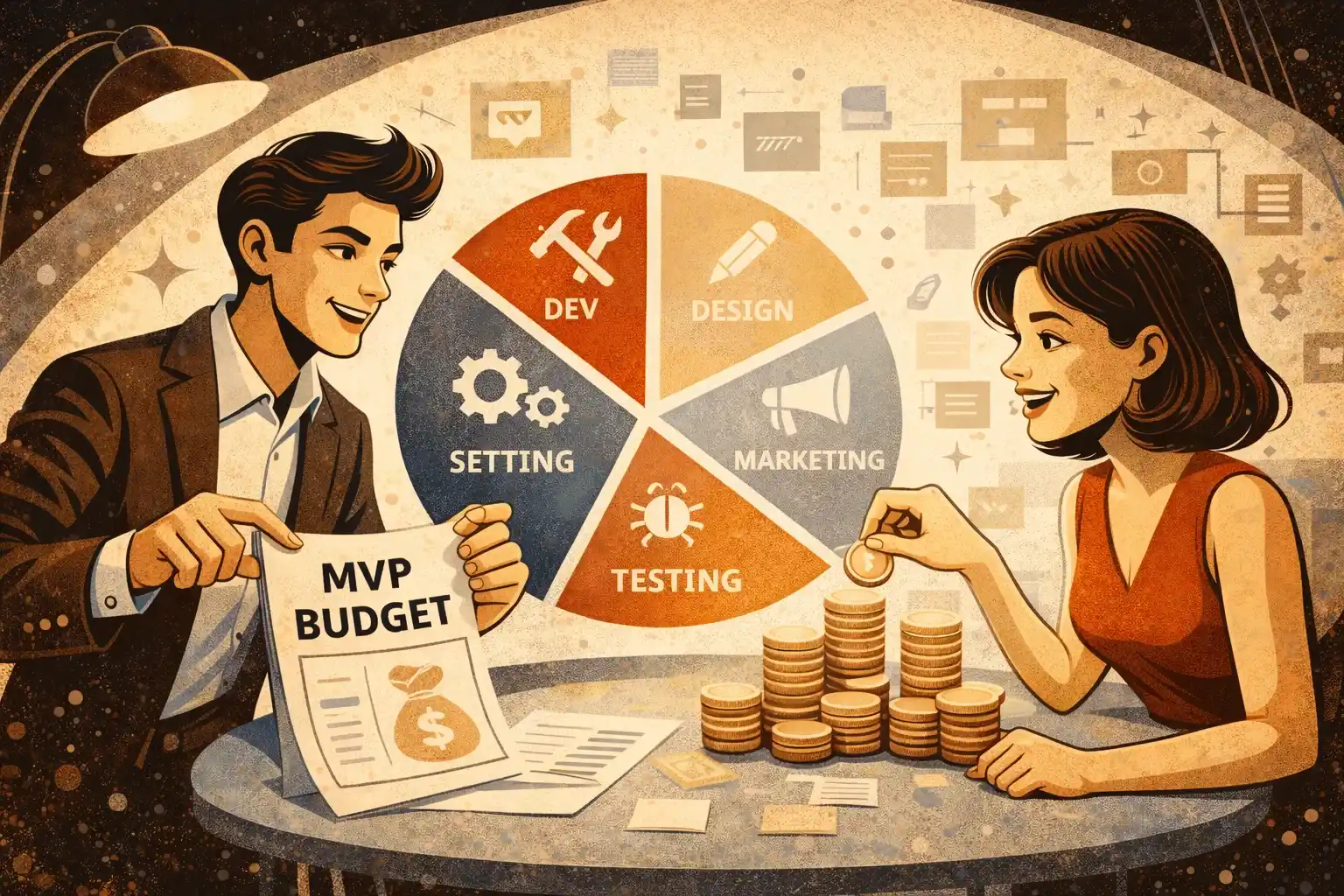
6) “What’s included in your delivery — exactly?”
You’re testing: hidden scope.
Ask for clarity on:
- UX/UI (design system? responsive states?)
- backend + database
- analytics/events
- QA + bug-fix window
- deployment + store releases (if mobile)
- documentation and handoff
If you want a baseline of what ‘included’ usually means, check MVP Development Services for Startups: What’s Actually Included.
7) “How do you handle change requests without drama?”
You’re testing: whether the relationship will stay healthy.
Look for a simple rule like:
- “We freeze scope for the sprint. Changes go to a backlog. We trade features, not timelines.”
Red flag answer:
- “Sure, we can add that” (with no discussion of trade-offs).
8) “How do you test the product before launch?”
You’re testing: reliability.
Ask:
- Do you have QA or developer-led testing?
- Do you use staging environments?
- What do you test on every release (auth, payments, critical flows)?
If QA is treated as optional, you’ll pay for it later.
9) “Who owns what at the end — code, design files, IP, accounts?”
You’re testing: control.
You want clear answers on:
- source code ownership
- design files ownership
- who owns accounts (GitHub, hosting, analytics)
- access levels and handoff
No ambiguity here. This should be boring and clear.
10) “What happens after launch?”
You’re testing: whether you’ll be abandoned.
Ask:
- Do you offer a post-launch stabilization window?
- How do you handle hotfixes?
- Can you support small iterations based on real user data?
This matters because the first release rarely survives reality unchanged.
To reduce rewrites after you learn from users, read Reducing MVP Rework in 2026: Key Decisions.
Red flags that look ‘normal’ in sales calls
These are easy to miss because they sound confident.
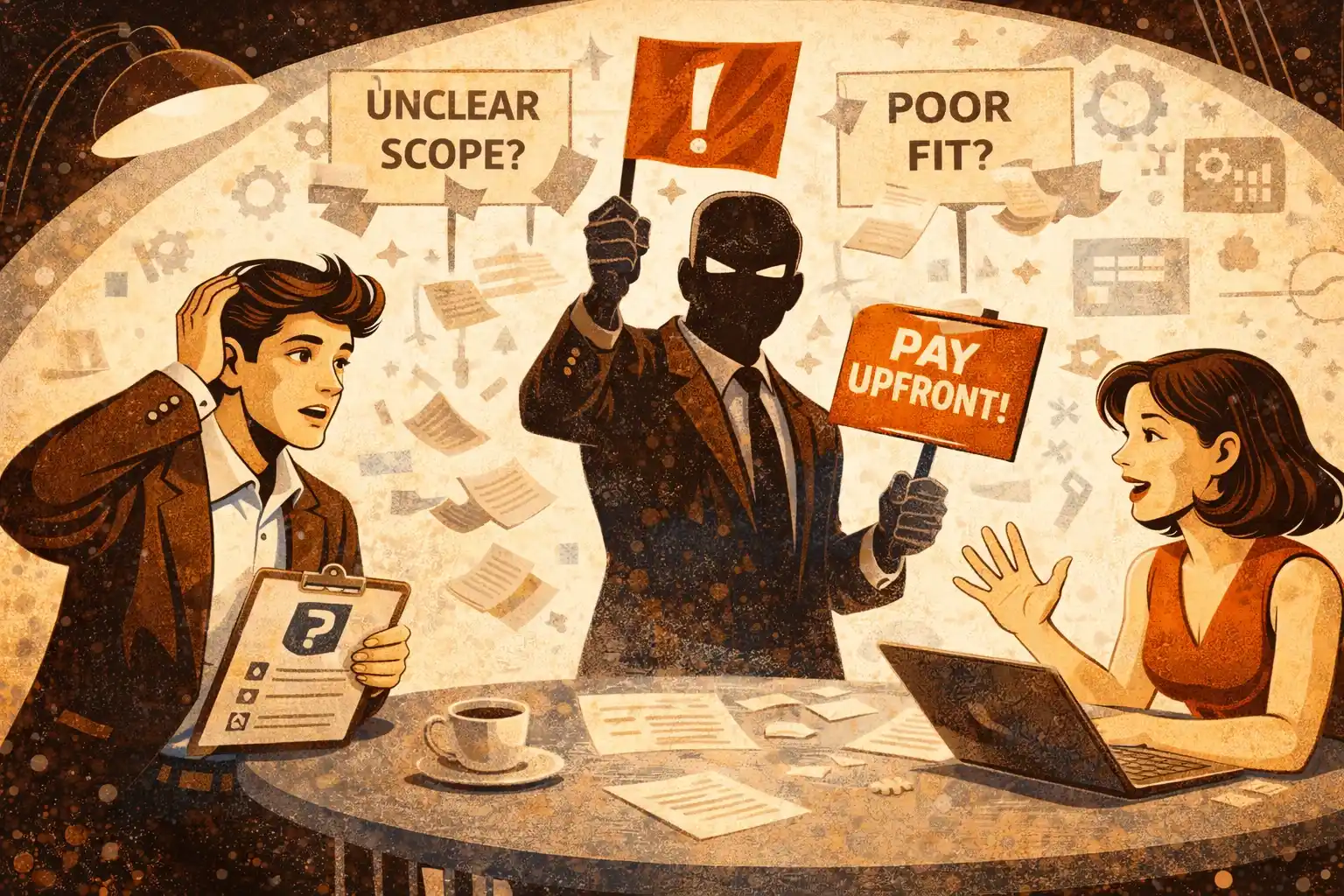
- “We can build everything you listed.” (No pushback = no product thinking.)
- “We’ll figure scope out during development.” (That’s how budgets die.)
- “We don’t really do analytics.” (Then you’re shipping blind.)
- “Our senior architect will oversee it.” (But you never meet them.)
- “We estimate by number of screens.” (Screens don’t equal complexity.)
If you need a quick way to pressure-test scope, use Estimating MVP Scope in 2026: A Simple Method.
A simple way to compare agencies (without tables)
After calls, write a quick 1–5 score (gut-feel plus evidence) for:
- Clarity: did they explain things in plain language?
- Scope discipline: did they push for a smaller v1?
- Ownership: did they clearly define who does what?
- Risk handling: did they name assumptions and unknowns?
- Post-launch: did they have a plan after release?
Then pick the team with the best “risk reduction” score — not the best pitch.
Thinking about building an MVP in 2026?
At Valtorian, we help founders design and launch modern web and mobile apps — including AI-powered workflows — with a focus on real user behavior, not demo-only prototypes.
Book a call with Diana
Let’s talk about your idea, scope, and fastest path to a usable MVP.
FAQ
How many agencies should I talk to before choosing?
Usually 3–5 is enough to see patterns in pricing, process, and quality — more than that often creates noise.
Is portfolio quality a reliable signal?
It’s a weak signal on its own. Great-looking work can still hide poor estimation, weak QA, or a lack of ownership.
Should I ask for references?
Yes — ideally for a similar stage (pre-seed/early-stage) and a similar product type (SaaS, marketplace, mobile app).
What’s the biggest red flag in an agency call?
No pushback on scope. If they agree to everything, they’re not protecting your time or budget.
How do I know if the estimate is realistic?
Look for assumptions, exclusions, and how they handle unknowns (integrations, roles, edge cases). A confident number without detail is risky.
What should be clearly written in the contract?
Deliverables, ownership/IP, payment milestones, change request process, acceptance criteria, and post-launch support terms.


















































.webp)




.webp)