.webp)
How Bootstrapped Founders Can Build an App Without a Full-Time Dev Team (2026)
Bootstrapped founders in 2026 face a familiar constraint: limited runway and no room for hiring a full-time development team too early. Fortunately, building an app without in-house developers is no longer a disadvantage if done intentionally. This article explains how bootstrapped founders can approach app development today, what models actually work, and how to stay in control of scope, budget, and decision-making without carrying permanent payroll.
TL;DR: You don’t need a full-time dev team to build an app in 2026.You do need ownership, clear scope, and a development model that protects runway.
Why bootstrapped founders avoid full-time dev teams
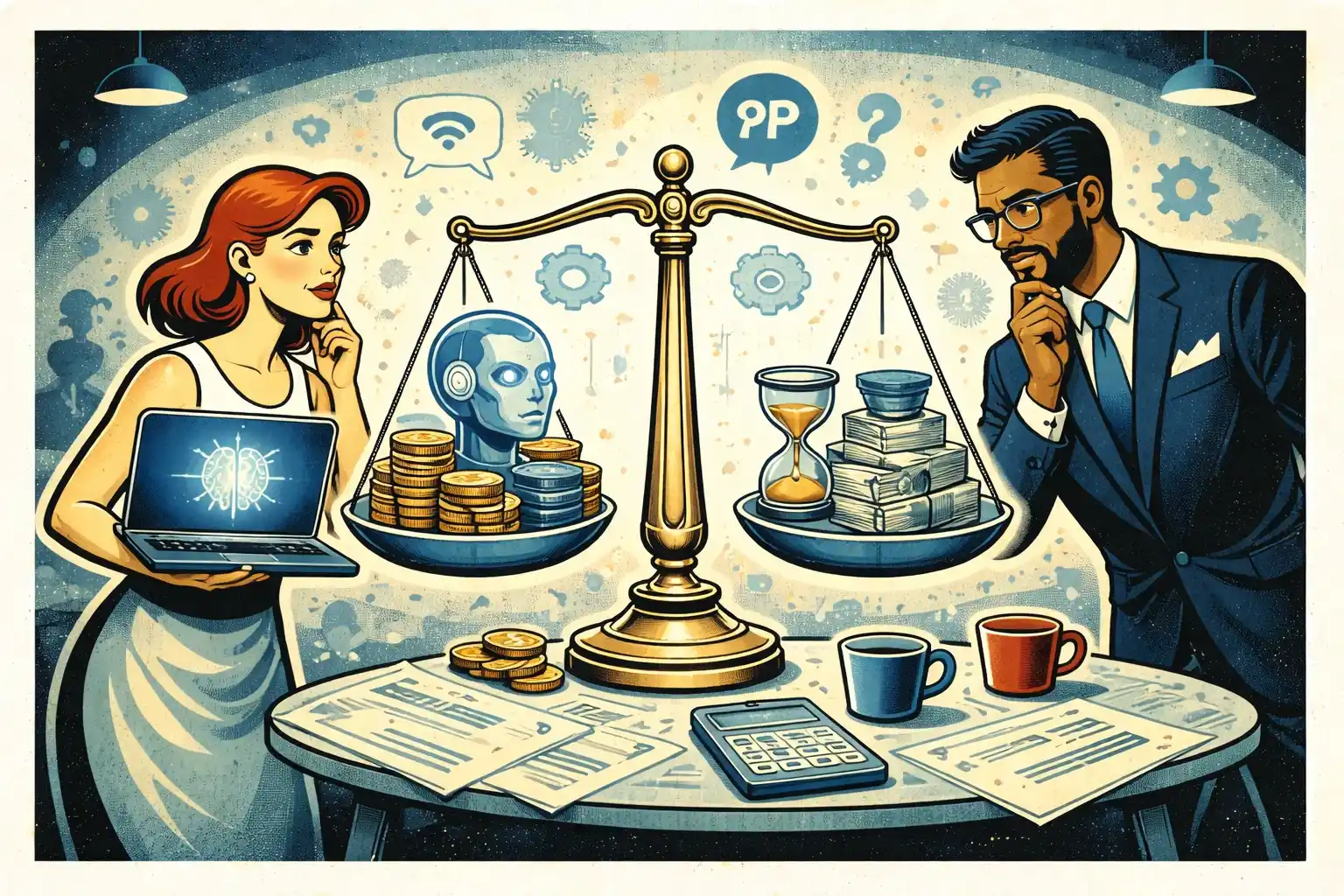
Hiring a full-time dev team early creates fixed costs before demand is proven.For bootstrapped startups, this is often fatal.
In 2026, many successful founders delay hiring until:
- product direction is validated
- early traction exists
- iteration speed becomes critical
Until then, flexibility matters more than ownership.
If you’re starting without technical skills, I Have a Startup Idea but No Developer: What to Do Next offers a practical starting point.
The real ways to build without a full-time team
Not hiring developers doesn’t mean avoiding development.It means choosing the right access model.
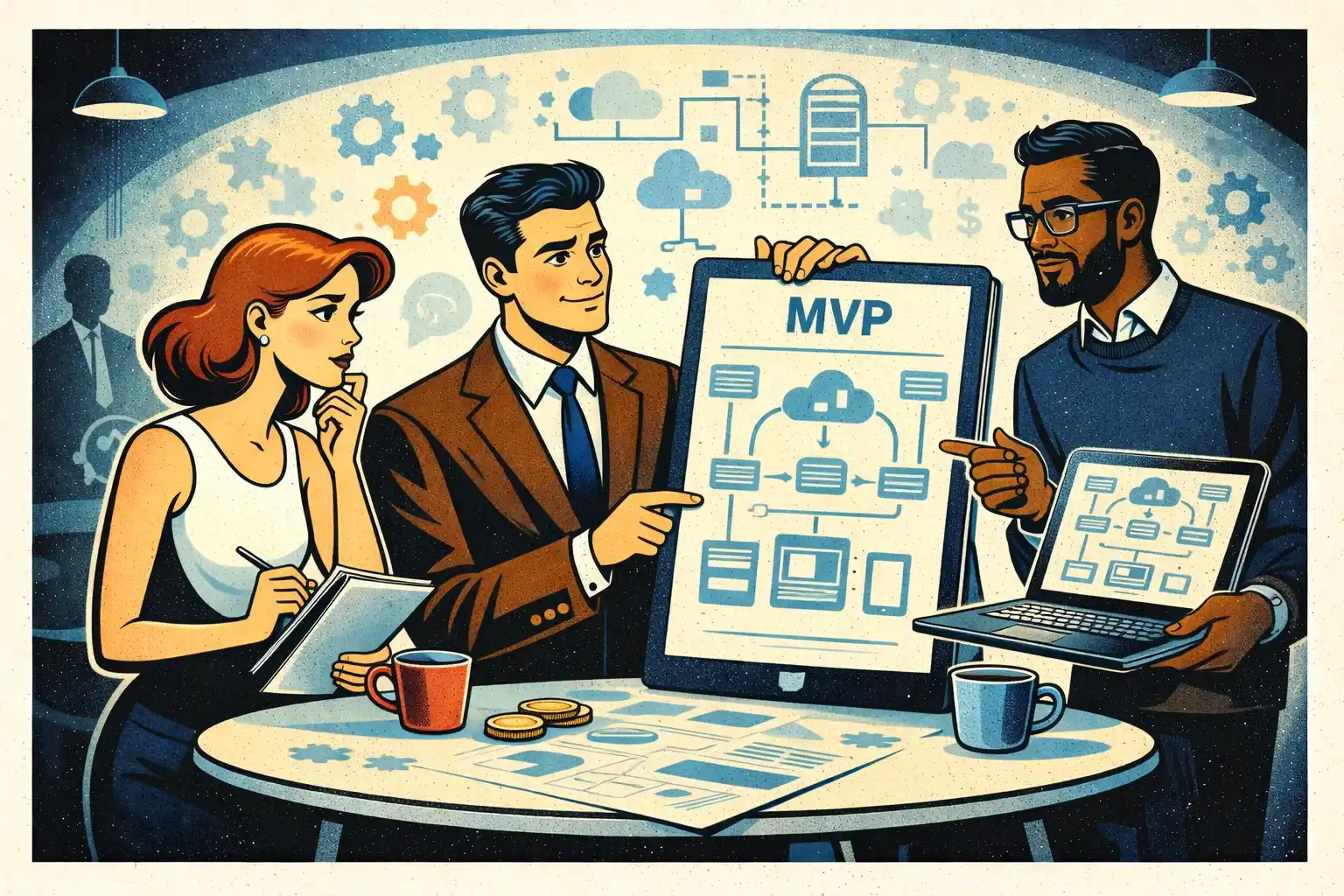
Work with a small product-focused studio
Studios act as temporary tech teams.
This works best when:
- goals are clear
- scope is limited
- founders stay deeply involved
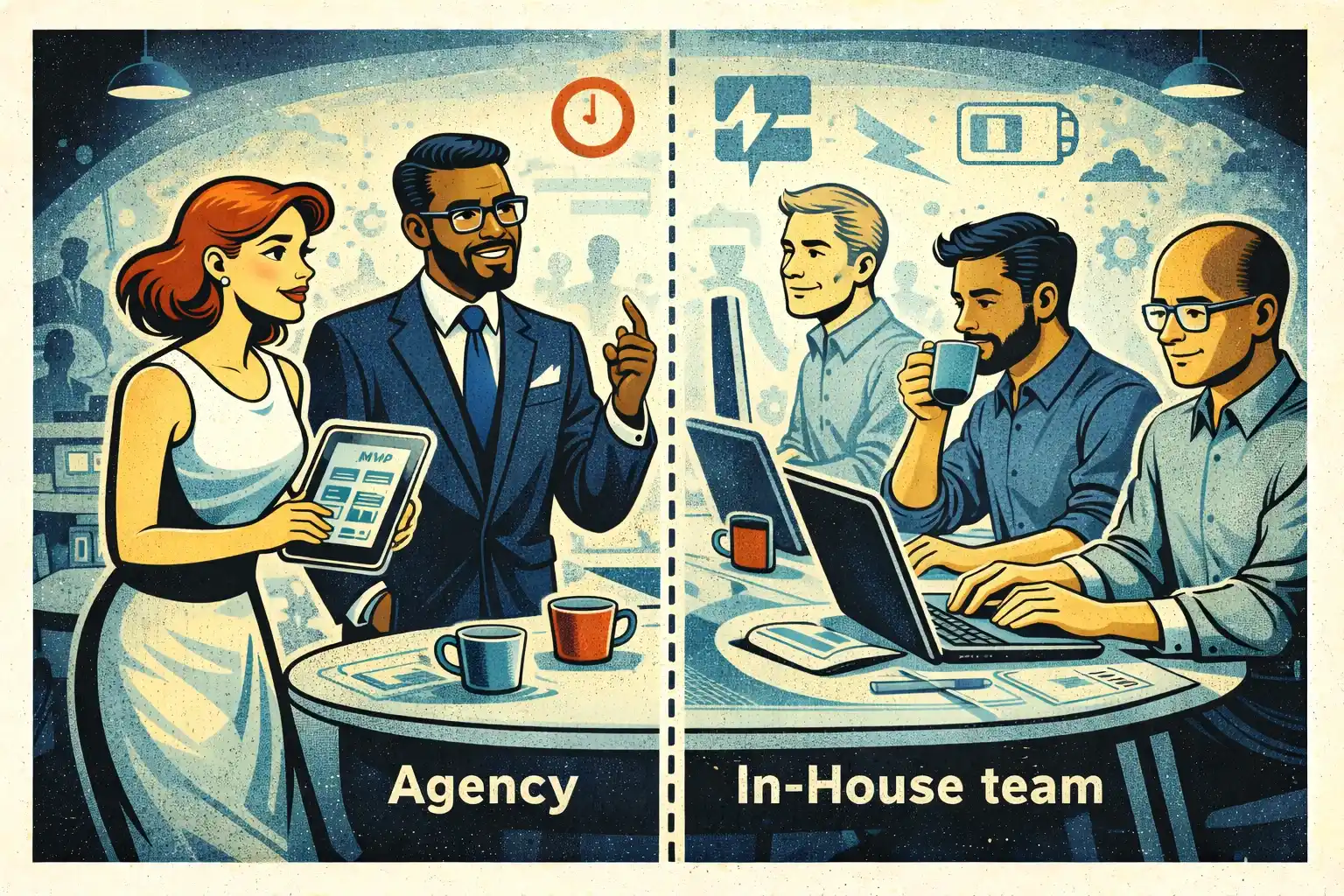
For a balanced comparison, see Startup App Development Company vs Freelancers vs In-House Team.
Combine external development with lightweight internal ownership
Many bootstrapped founders keep:
- product decisions
- prioritization
- user feedback
internally, while execution stays external.
This reduces burn while preserving control.
If you’re using modern tooling and AI, AI-Powered MVP Development: Save Time and Budget Without Cutting Quality provides useful context.
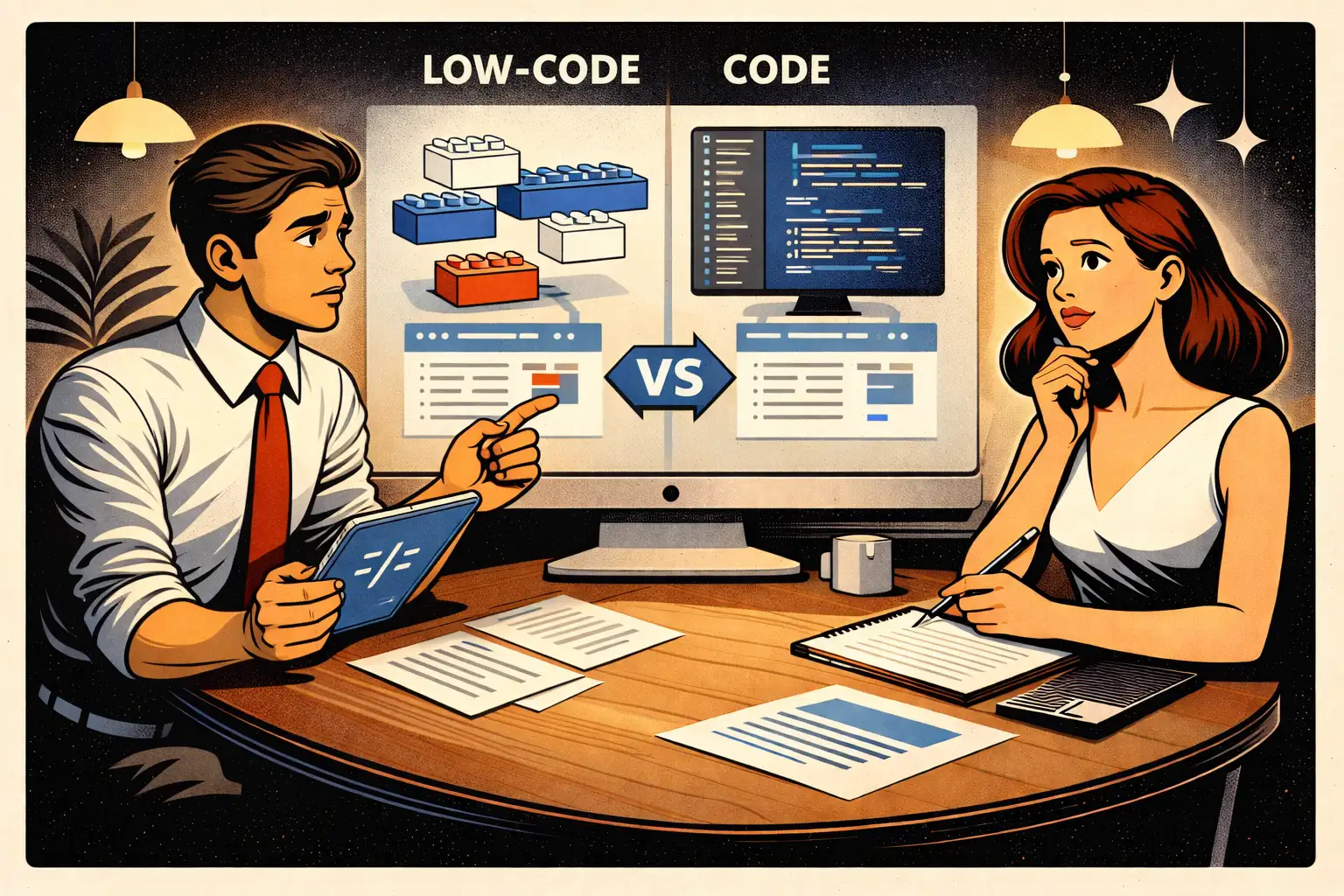
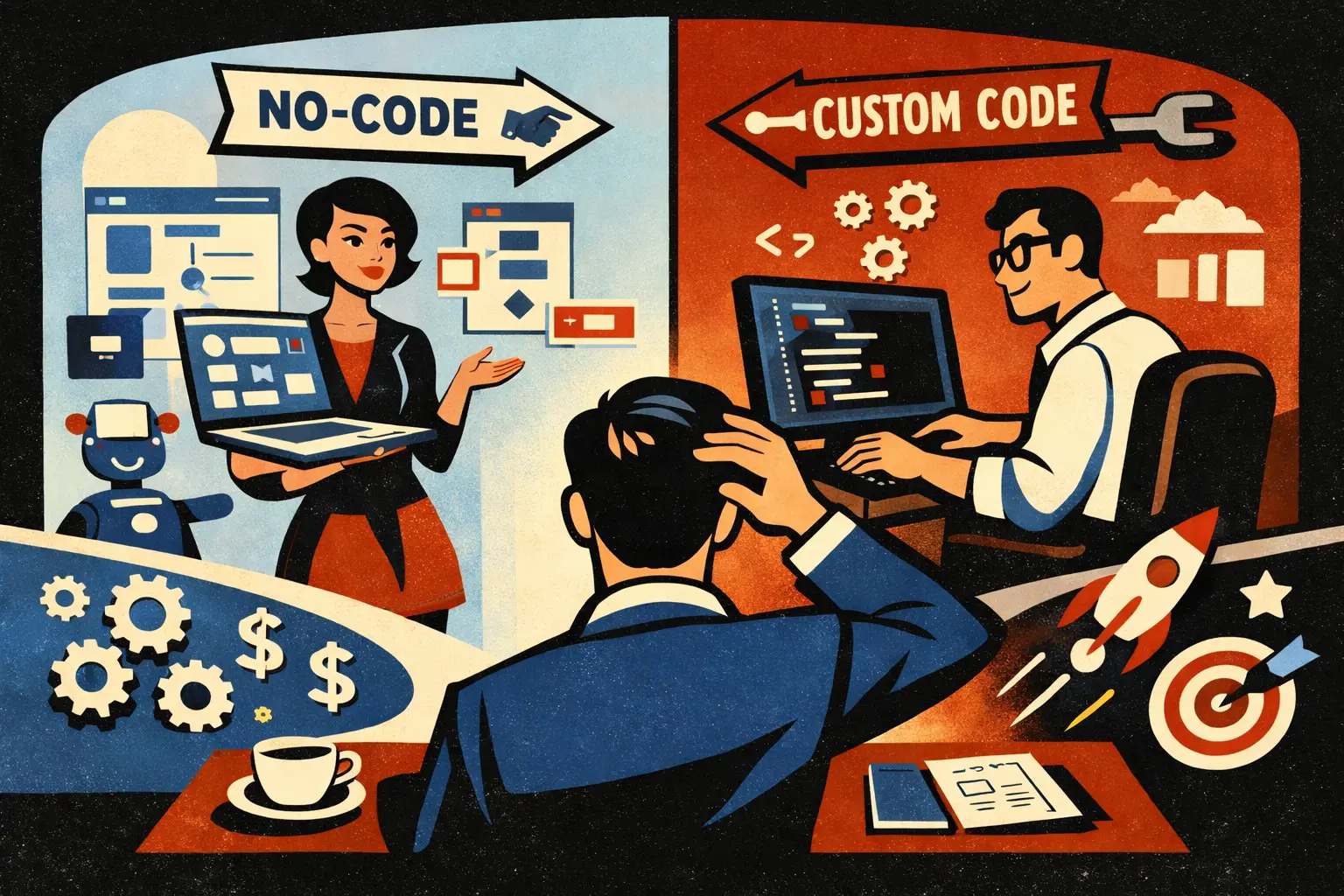
Avoid over-reliance on no-code
No-code tools are helpful for validation.They become risky when used beyond their limits.
Bootstrapped founders should be cautious about building long-term products entirely on tools they can’t easily evolve.
To understand cost implications, see Hidden App Development Costs in 2026.
What founders must still own
Outsourcing execution does not remove responsibility.
Founders must own:
- vision
- priorities
- validation criteria
- go/no-go decisions
When ownership is missing, budgets drift and products stall.
Common pitfalls are outlined in MVP Development for Non-Technical Founders: Common Mistakes.
When hiring in-house finally makes sense
A full-time dev team becomes logical when:
- the core product is validated
- technical iteration is a competitive advantage
- burn can be sustained
Before that point, external teams offer safer optionality.
For budget-focused guidance, Pre-Seed MVP Development for Unfunded Startups on a Budget is relevant.
How bootstrapped founders succeed in 2026
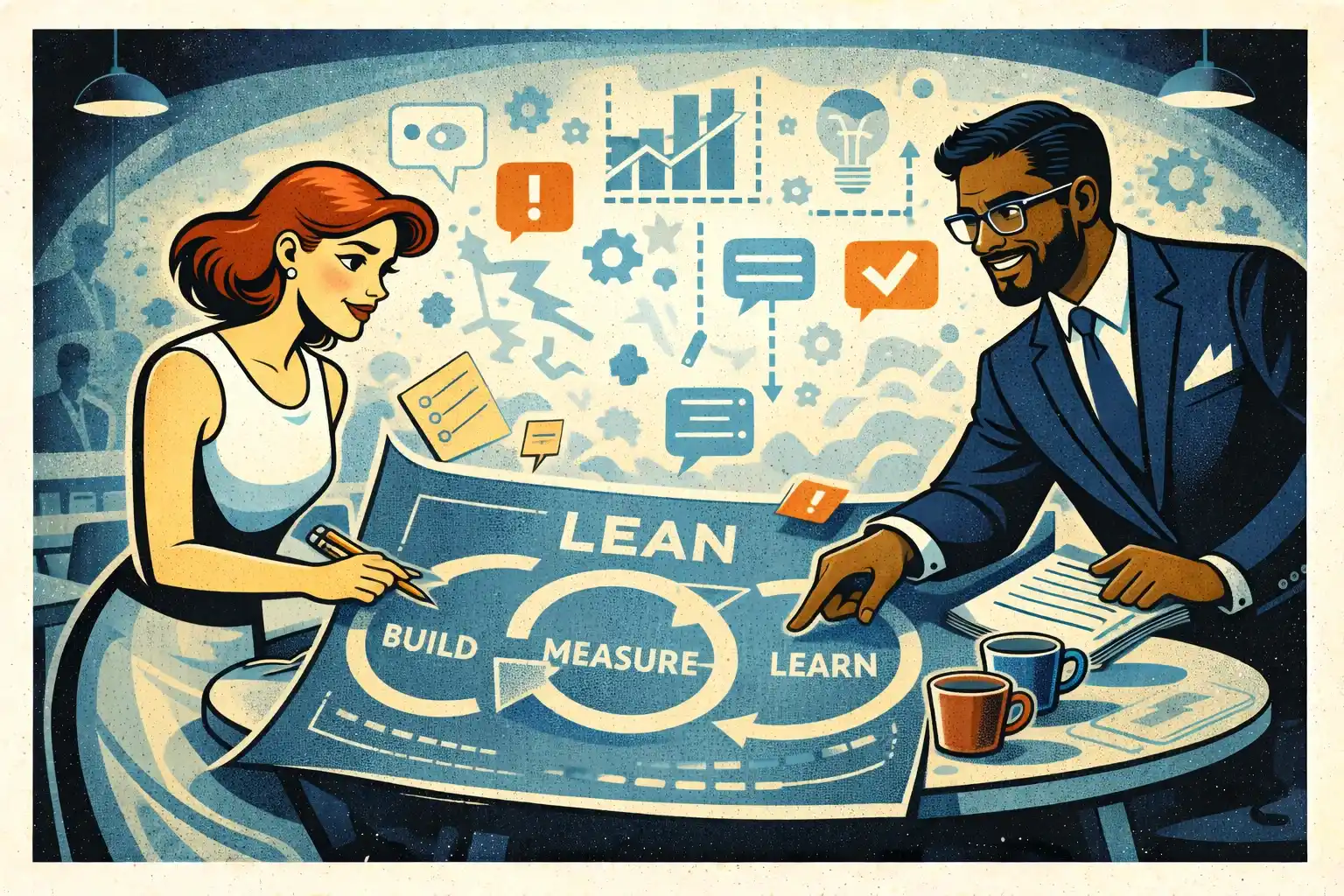
They optimize for learning, not headcount.
Successful teams:
- keep scopes small
- validate early
- revisit decisions frequently
This approach preserves runway while building momentum.
Bootstrapping an app and unsure how to build without a full-time dev team?
At Valtorian, we help founders design lean MVPs and work as a product partner - so you can build, validate, and move forward without locking yourself into permanent hiring.
Book a call with Diana
Let’s talk about your idea, constraints, and the smartest way to build in 2026.
FAQ
Can I build a serious app without a full-time dev team?
Yes. Many early-stage startups do this successfully using external partners and clear ownership.
Is outsourcing risky for bootstrapped founders?
It is risky when ownership and priorities are unclear. With the right structure, it’s often safer than early hiring.
Should I use no-code tools for my MVP?
They can help validate ideas, but founders should be cautious about relying on them for long-term products.
When should I hire my first in-house developer?
After validation, when speed of iteration becomes critical and budget allows.
What’s the biggest mistake bootstrapped founders make?
Hiring too early or outsourcing without staying involved in product decisions.
How do I control budget without a tech background?
By tying spending to validation milestones, not feature lists.






























.webp)




.webp)