.webp)
Budget Planning for Startup MVPs in 2026
Budget planning for an MVP in 2026 is no longer about finding the cheapest development option. It’s about deciding where money reduces risk and where it doesn’t. Many early-stage startups run out of runway not because development was expensive, but because the budget was spent in the wrong order. This article explains how founders should approach MVP budgeting today, what costs are usually underestimated, and how to stay flexible without losing financial control.

TL;DR: A good MVP budget in 2026 is tied to learning goals, not feature lists.Founders who plan budgets around validation and decision points avoid most overruns.
Why MVP budgets fail more often than they should
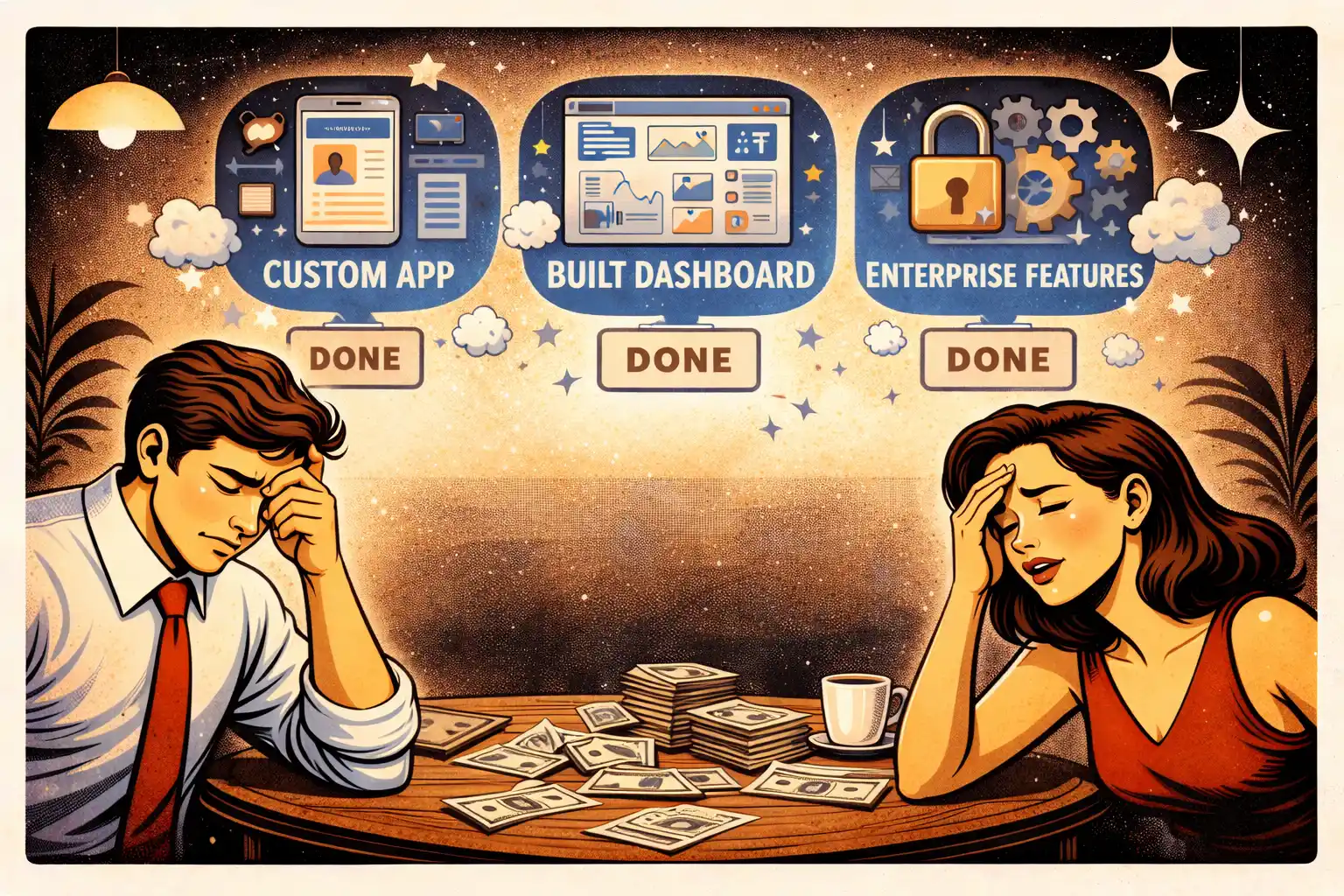
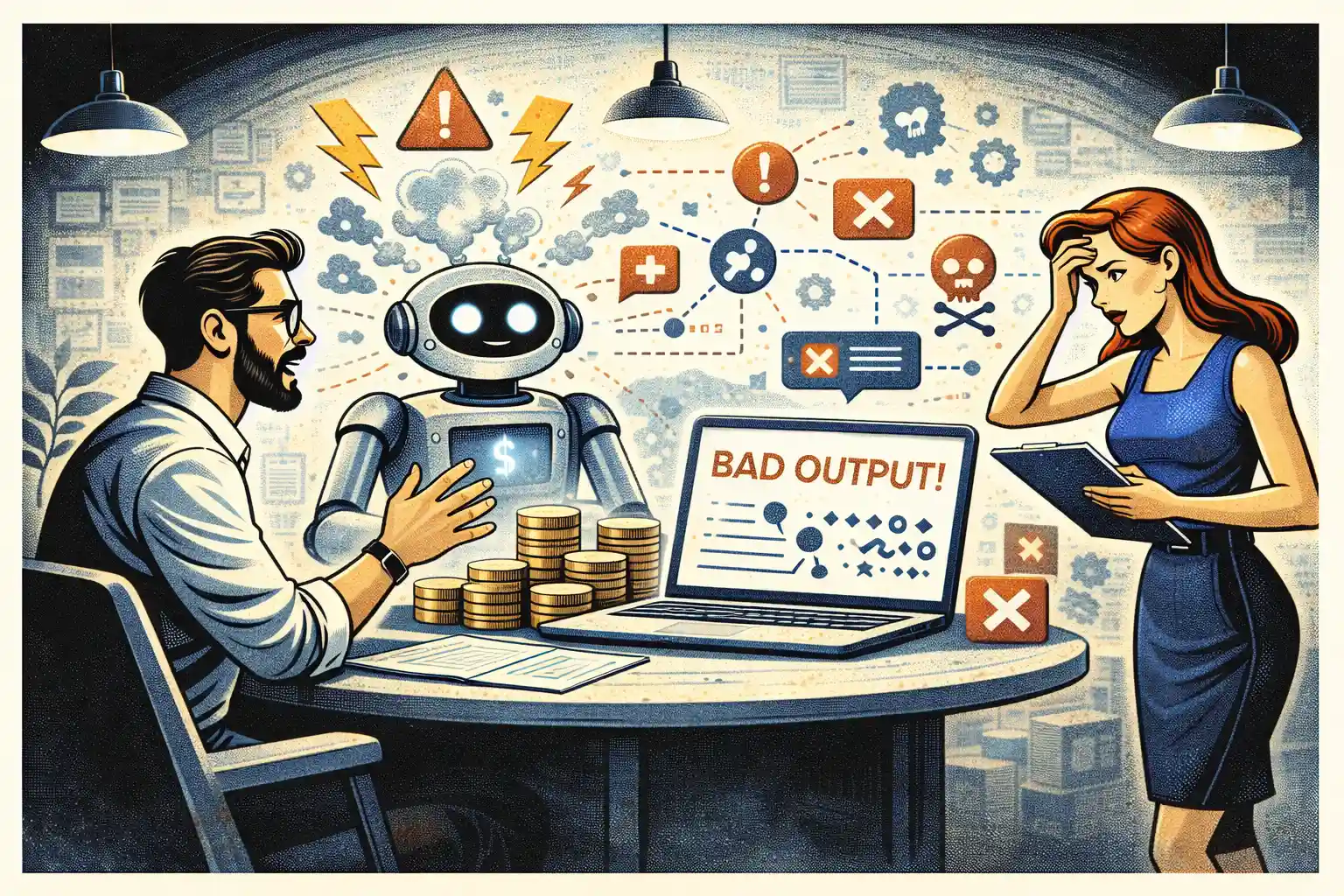
Most MVP budgets fail for one simple reason: they are treated as fixed numbers instead of controlled experiments.
Founders often approve a budget before answering what the MVP must prove. Without that clarity, every new insight becomes a budget change.
This pattern explains why well-built products still collapse early. A broader view of this problem is covered in Why MVPs Still Fail in 2026.
Budgeting starts with validation, not development
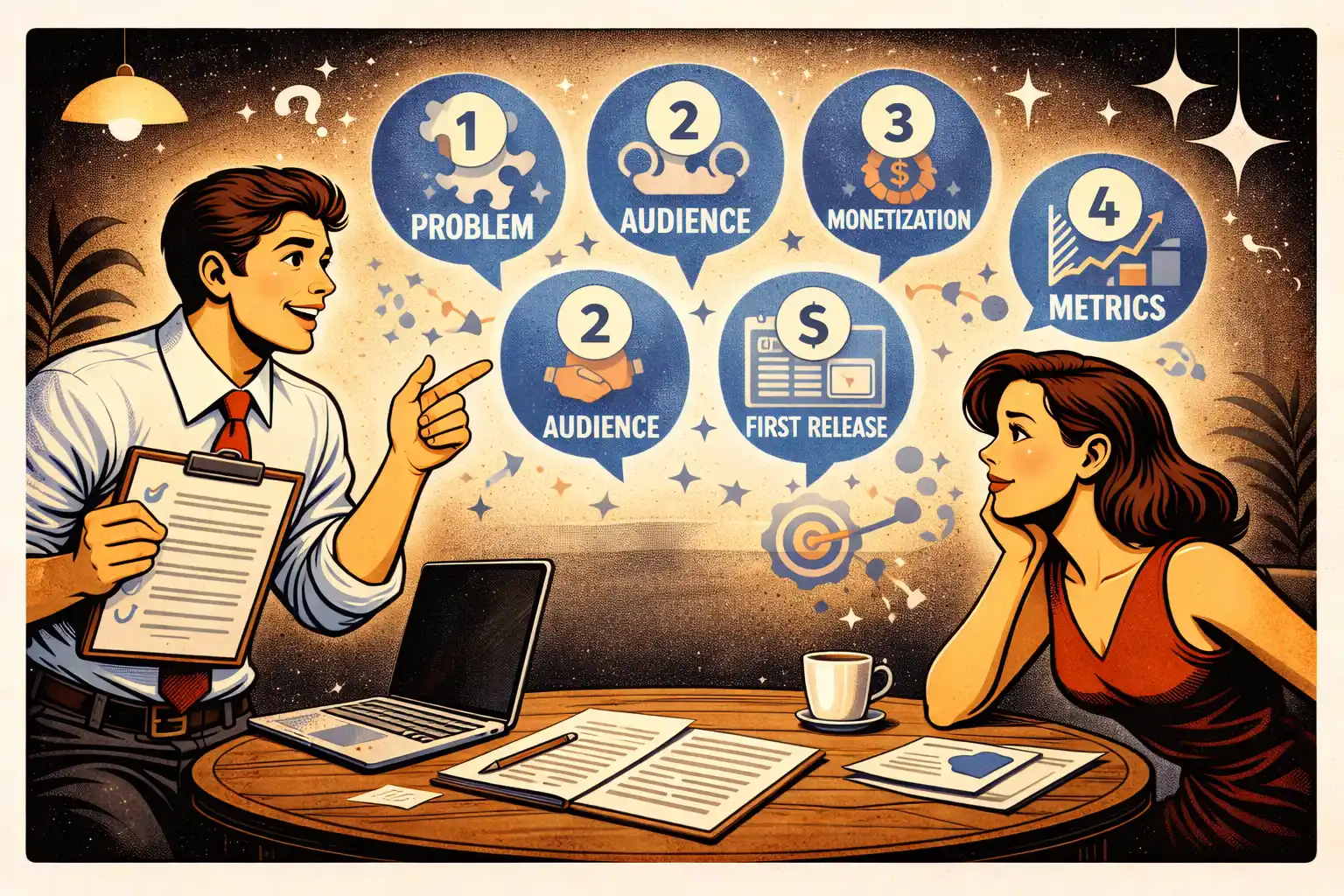
Before estimating screens or features, founders should define:
- which assumption must be tested first
- what outcome changes the next decision
- when to stop or pivot
When these questions are unanswered, development continues without direction.
This is why many MVP estimates feel “wrong” later. The mechanics behind this are explained in MVP Development Cost in 2025: How Much Does It Really Cost?.
Where MVP budgets quietly leak
Budget leaks usually don’t look dramatic.They accumulate.
Common sources include:
- scope clarification after development starts
- late feature additions
- unplanned post-launch fixes
These issues are rarely visible in the first proposal but show up quickly in execution.
For a deeper breakdown, see Hidden App Development Costs in 2026.
Why smaller MVPs outperform bigger ones
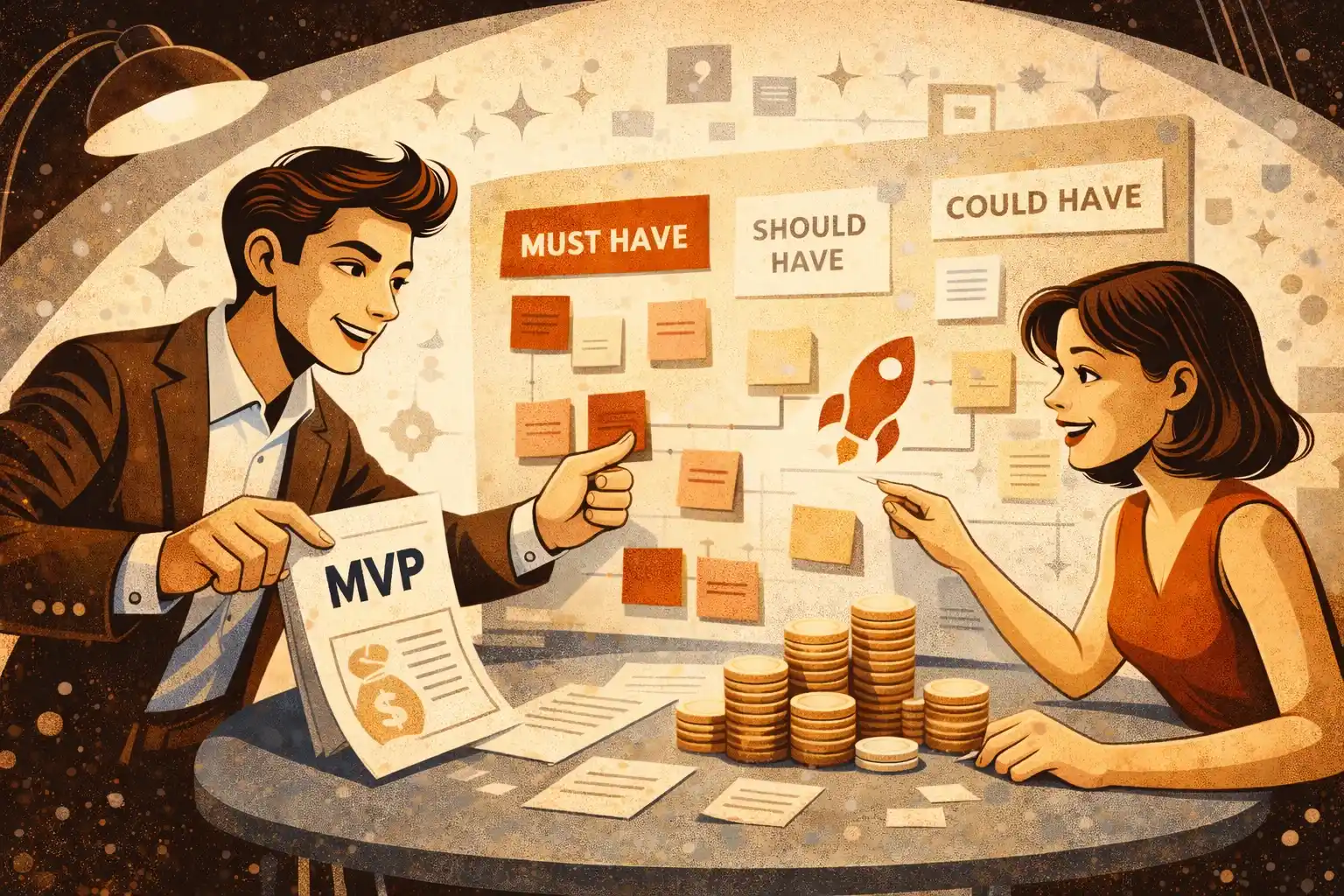
In 2026, smaller MVPs win because they create clarity faster.
Large MVPs:
- delay learning
- increase rework
- burn runway before feedback arrives
Focused MVPs:
- reach users sooner
- generate usable signals
- protect optionality
This trade-off is discussed in detail in How to Prioritize Features When You’re Bootstrapping Your Startup.
Architecture decisions that affect your budget later
Overengineering early feels responsible.It rarely is.
Choosing flexibility over optimization allows teams to change direction cheaply.
Founders who optimize for scale too early often pay for refactoring later.
If you’re making early technical choices, Tech Decisions for Founders in 2026 provides useful guidance.
Budgeting for what happens after launch
An MVP without iteration is just a prototype.
Post-launch budget should include:
- bug fixing under real usage
- basic analytics
- small iteration cycles
Ignoring this phase leads to stalled products.
What investors expect to see at this stage is explained in Your First Product Metrics Dashboard: What Early-Stage Investors Want to See.
A simple MVP budget framework for 2026
Strong founders don’t ask, “How cheap can this be?”They ask, “What do we need to learn next?”
Budgets that survive 2026 are:
- milestone-based
- range-driven, not fixed
- aligned with validation checkpoints
This mindset keeps spending intentional.
Planning an MVP in 2026 and unsure how to allocate your budget?
At Valtorian, we help founders plan realistic MVP budgets focused on validation, speed, and clear decision points - not feature inflation.
Book a call with Diana
Let’s talk through your idea, constraints, and the smartest budget strategy for your MVP.
FAQ
How much should an MVP cost in 2026?
There’s no single number. A realistic MVP budget depends on scope clarity, validation goals, and the level of uncertainty involved.
Why do MVP budgets often exceed initial estimates?
Because decisions are made too late. Unclear priorities and scope changes are the most common causes.
Should I fix my MVP budget before speaking to developers?
You should define a range and goals, then refine it with a team that understands MVP trade-offs.
Is it better to cut features or increase budget when things change?
In early stages, cutting features usually reduces risk more than increasing budget.
Do I need to budget for analytics in an MVP?
Yes. Without analytics and feedback loops, you can’t validate assumptions.
What’s the biggest budgeting mistake founders make?
Treating an MVP like a finished product instead of a learning tool.























































.webp)




.webp)