.webp)
How to Prioritize Features When You’re Bootstrapping Your Startup
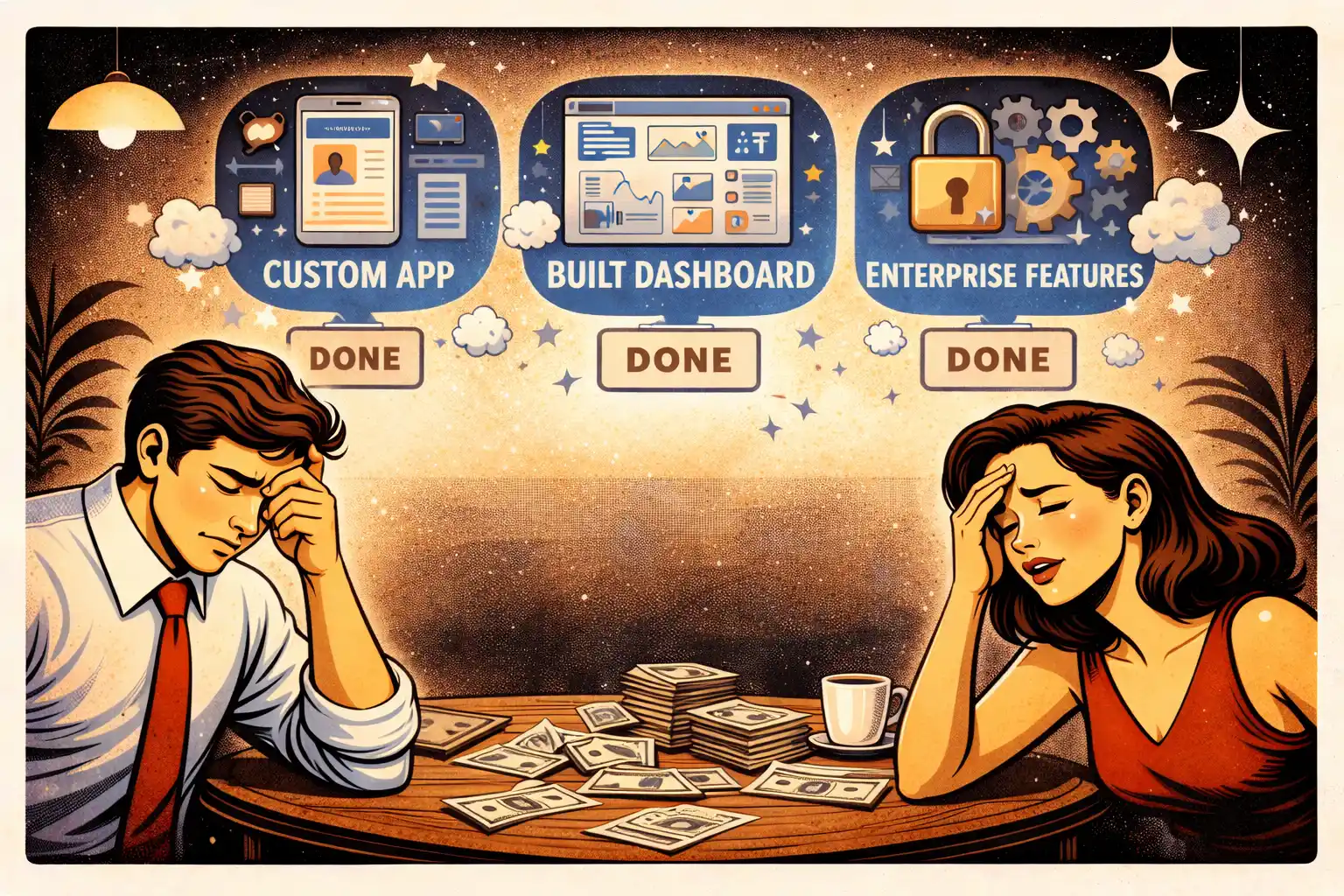
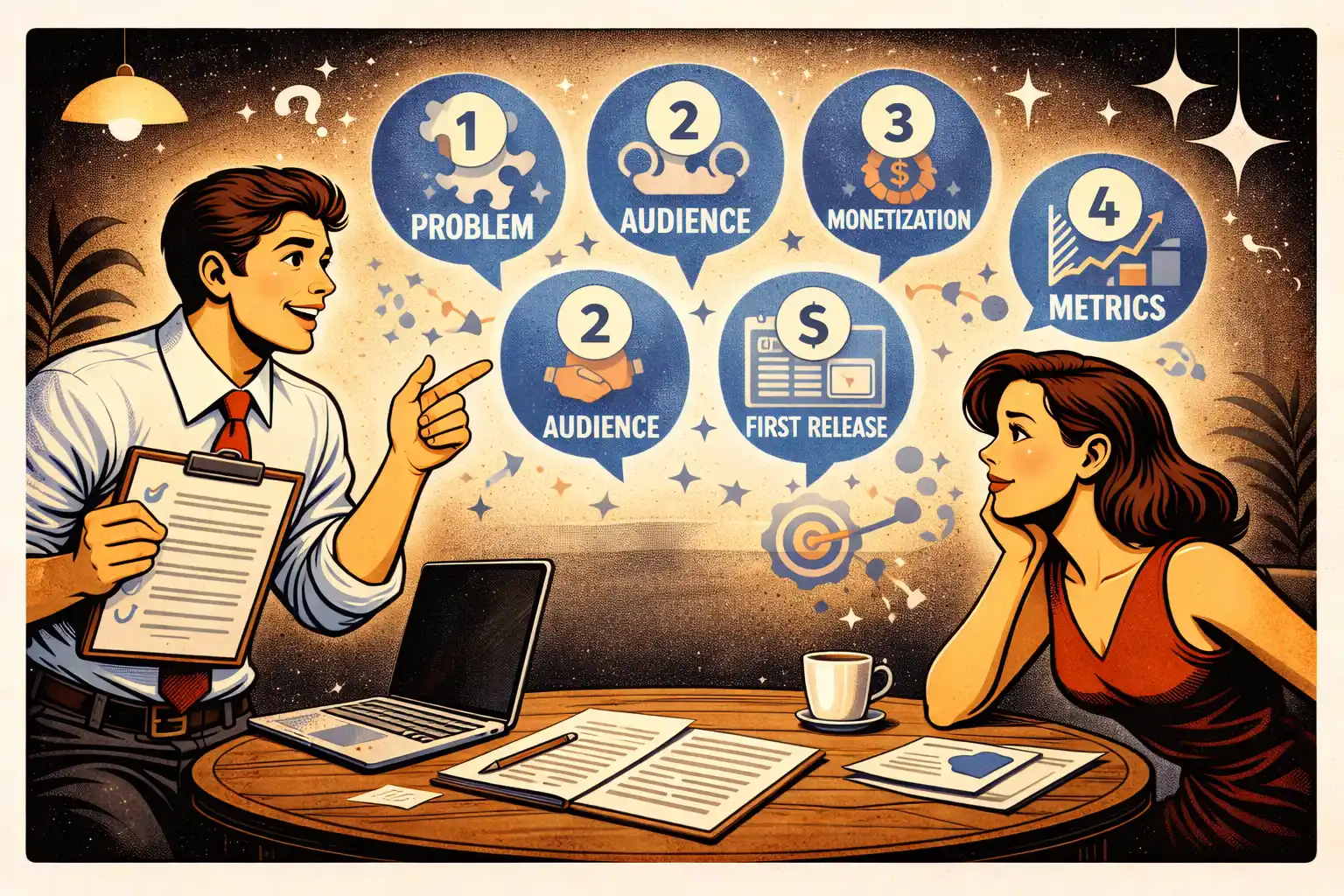
Bootstrapped founders can’t afford to build every idea or follow bloated product roadmaps. Prioritization becomes the most important skill — it determines your timeline, budget, and whether users even understand your core value. This guide explains how to prioritize features using simple criteria, how to avoid overbuilding, how to validate decisions with real users, and how to turn constraints into a competitive advantage. It’s written for non-technical founders who need clarity before paying for development.

TL;DR: Startups don’t fail because they build too little — they fail because they build too much before validation. When bootstrapping, prioritize only features that directly support your core value, help users complete the main flow, or validate willingness to pay. Everything else belongs in Later, Never, or Not Until Traction.
Bootstrapping changes everything — including how you build
When you're bootstrapped:
- every feature costs time + money
- every extra idea increases risk
- every week of development delays feedback
You don’t have the luxury of “building everything just in case.”
Your budget is your strategy.
If you still haven't formalized your MVP scope, start with “App Development for Non-Technical Founders: A Step-by-Step Guide” — it helps you define what truly matters before development begins.
Step 1 — Define Your Core Value (The One Thing Users Must Experience)
Every startup has one essential value moment:
- the workout completed
- the listing created
- the order placed
- the AI output generated
- the file uploaded
- the task marked done
This moment is the activation event — and without activation, no feature matters.
If you need clarity on structuring your MVP process, “MVP Development Services for Startups: What’s Actually Included” explains how agencies break products down into flows and priorities.
Prioritize ONLY features that:
- Lead to this value moment
- Remove friction from reaching it
- Validate whether users want it
Everything else - not v1.
Step 2 — Identify Your Primary User Flow (Your North Star)
Your primary flow is the shortest, simplest path from:
User - Value - Outcome
Examples:
- Sign up - Create listing - Publish - Track interest
- Upload data - AI processes - Output delivered
- Choose meal - Generate plan - View shopping list
Bootstrapped founders must defend this flow like their runway depends on it — because it does.
If you want a deeper breakdown of avoiding overbuilding, read “MVP Development for Non-Technical Founders: 7 Costly Mistakes” — mistake #3 covers feature bloat perfectly.
Step 3 — Sort Features Into Four Buckets
No table — just simple logic:
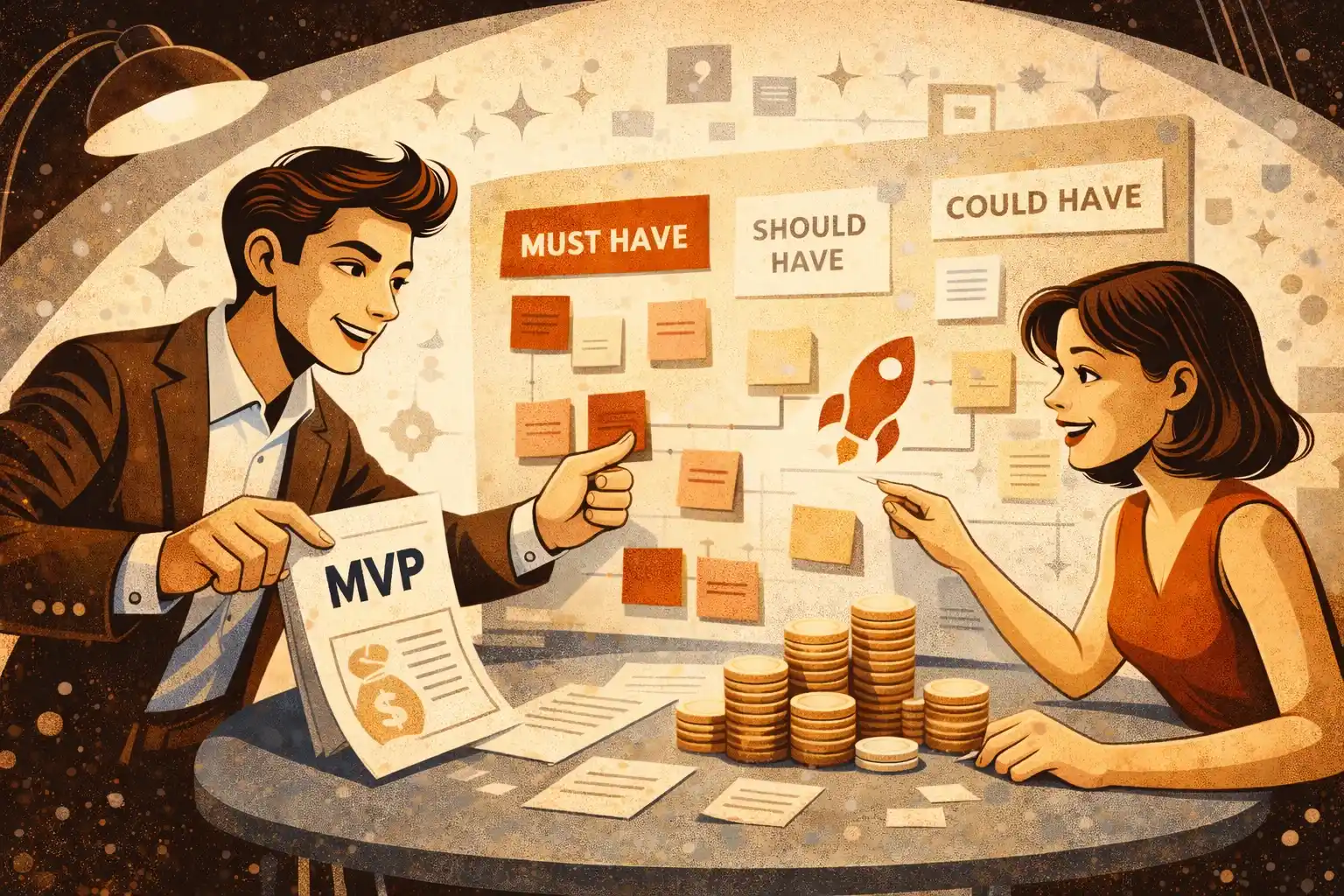
1. Must-Have (Core Flow Only)
If removed, the app no longer delivers its primary value.
2. Should-Have (Friction Reducers)
Helpful but not required for launch.
3. Could-Have (Nice-to-Have)
Adds delight, not validation.
4. Not-for-MVP
For traction, version 2+, or never.
Bootstrapped MVPs should ship with Bucket #1 only.
Step 4 — Validate Before You Build
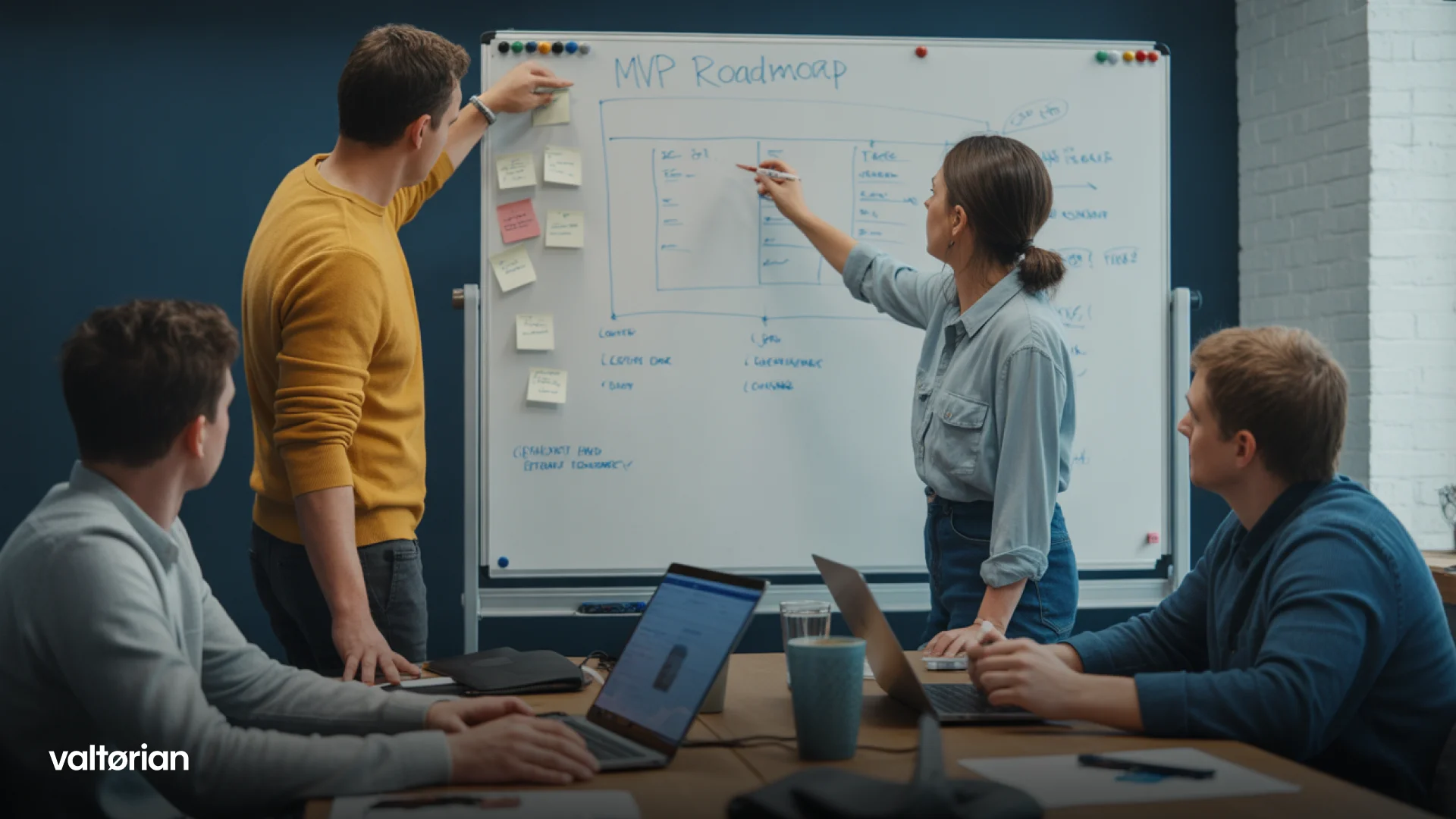
Feature prioritization becomes much easier if you validate with:
- interviews
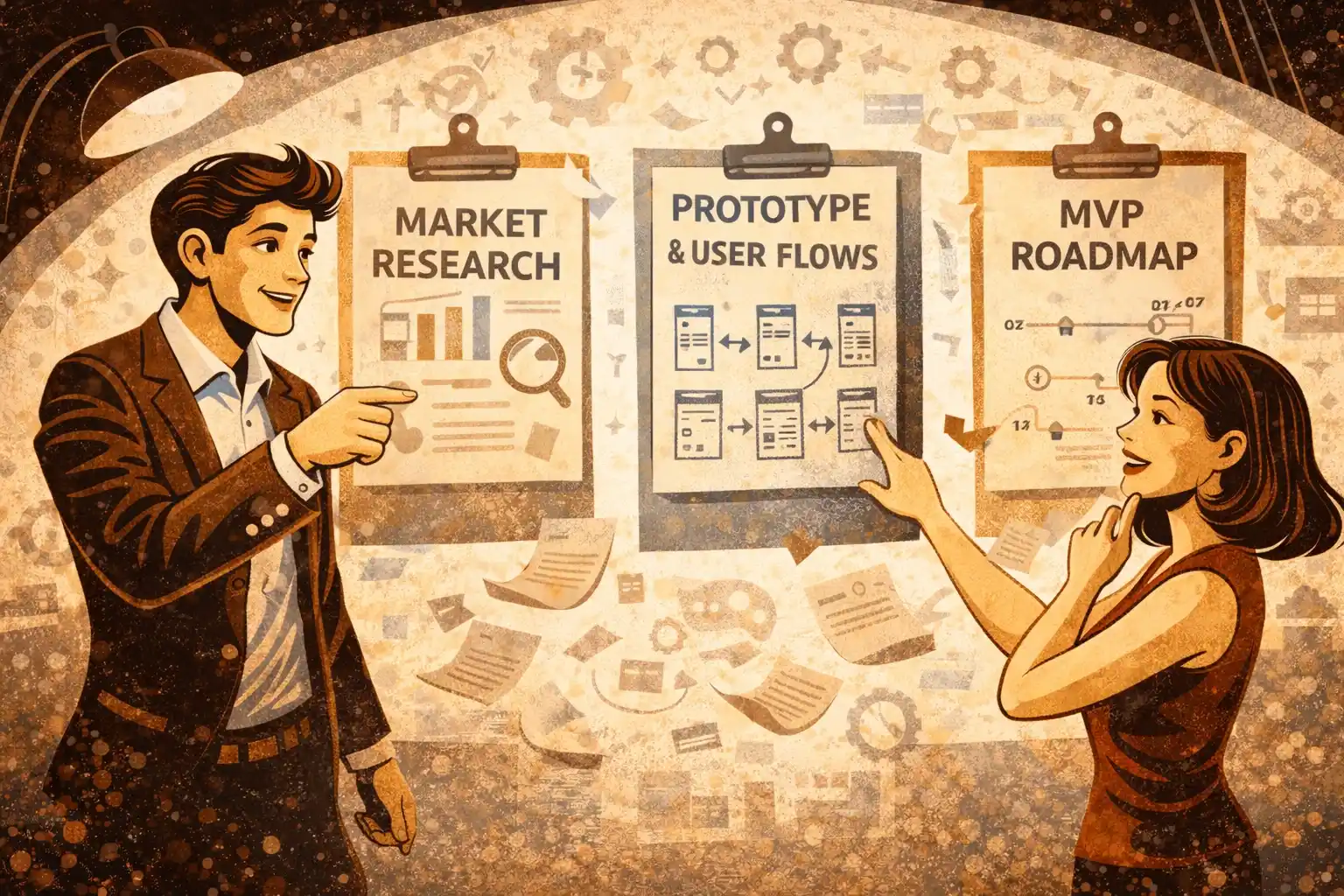
- clickable prototypes
- manual workflows
- fake door tests
- payment willingness checks
You don't need engineering to validate.
You need conversations, prototypes, and honest feedback.
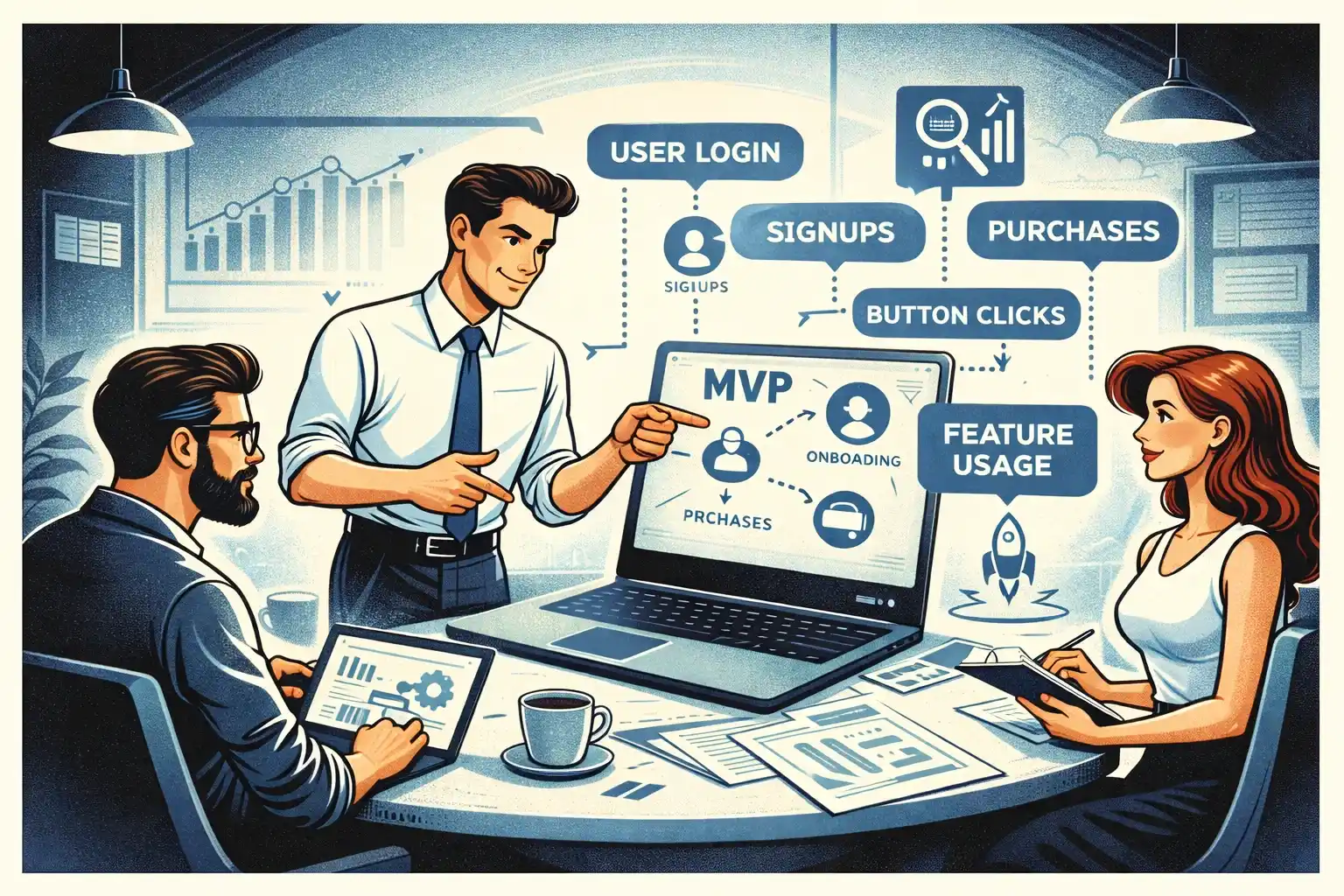
If you want to measure early traction properly, “Your First Product Metrics Dashboard: What Early-Stage Investors Want to See” explains which metrics matter most.
Step 5 — Choose the Leanest Technical Approach
Sometimes the right move isn’t “build,” but:
- automate with Zapier
- use a no-code backend
- build a web app instead of mobile
- delay notifications, analytics, or dashboards
If architecture feels overwhelming, “Web App Development for Startups: Architecture Basics for Non-Tech Founders” explains all the core concepts in simple terms.
Bootstrapped founders win by choosing simple, repeatable, reliable solutions.
Step 6 — Estimate Development Cost Early (and Realistically)
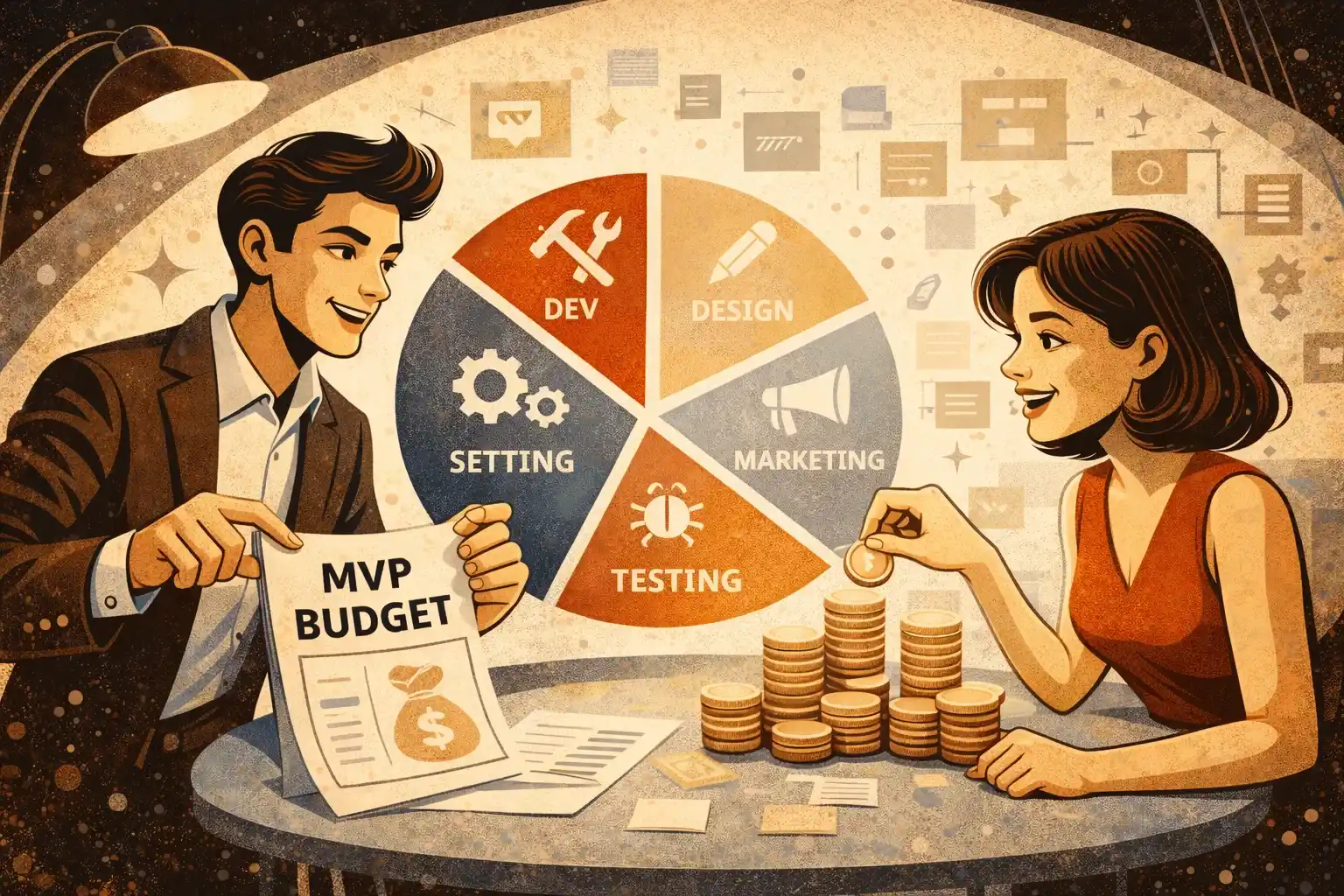
Cost is not determined by screens — it’s determined by complexity:
- user roles
- backend logic
- integrations
- payment systems
- dashboards
Before adding features, understand how they affect cost.
To get a realistic picture, see “MVP Development Cost in 2025: How Much Does It Really Cost?” — it details which components inflate budgets.
Step 7 — Stay Ruthless About Cutting Features
Bootstrapping requires discipline.
No feature is sacred.
Ask:
- Will this help users reach the core value faster?
- Will this validate willingness to pay?
- Does this solve today’s problem or a hypothetical future one?
- Can we delay this without hurting the MVP?
If the answer isn’t a clear yes - cut.
Step 8 — Adjust Priorities After Real User Feedback
After launch, your users will tell you the truth:
- what confuses them
- what they actually use
- what they ignore
- what they’re willing to pay for
Prioritization becomes easier with data and activation insights.
If you're outsourcing development, “Outsource Development for Startups: Pros, Cons, and Red Flags” helps you choose a partner who supports iterative improvement.
Bootstrapping = freedom through constraint
Your limited budget forces clarity.
Your limited time forces focus.
Your limited resources force creativity.
This is why many bootstrapped startups outperform funded ones — they build what matters first.
Need help defining a lean, bootstrapped MVP scope?
At Valtorian, you work directly with the founders — a designer and a developer who’ve built 70+ MVPs for resource-constrained startups. We help you choose the essentials, cut the noise, and build a focused MVP in 4–6 weeks.
Book a call with Diana
We’ll help you prioritize features and turn your idea into a lean, buildable plan.
FAQ — Feature Prioritization for Bootstrapped Founders
How many features should an MVP have?
Usually 3–5 core actions that support one primary user flow.
Should I include features users ask for?
Only if they support the core value. Most user requests belong in later versions.
How do I know if a feature is necessary?
If removing it breaks the main flow or prevents value delivery, it’s required.
What tools help with prioritization?
User interviews, prototypes, sticky notes, simple scoring — not heavy frameworks.
Should I delay analytics or notifications?
Yes — unless they’re essential to delivering the core value.
Does bootstrapping mean building less?
It means building only what confirms demand.
When should I add more features?
After launching, validating activation, and observing real user behavior.



















































.webp)




.webp)