.webp)
AI Product Mistakes Startups Make in 2026
AI has become a default ingredient in startup products by 2026. Tools are cheaper, models are more accessible, and expectations are higher than ever. Yet many AI-powered products still fail — not because of the models, but because of product decisions made too early. This article breaks down the most common AI product mistakes startups make and how founders can avoid wasting time, budget, and momentum.
TL;DR: Most AI startups fail due to product mistakes, not weak models.Clear user value and scope matter more than technical sophistication.
Mistake #1: Leading with AI instead of the problem
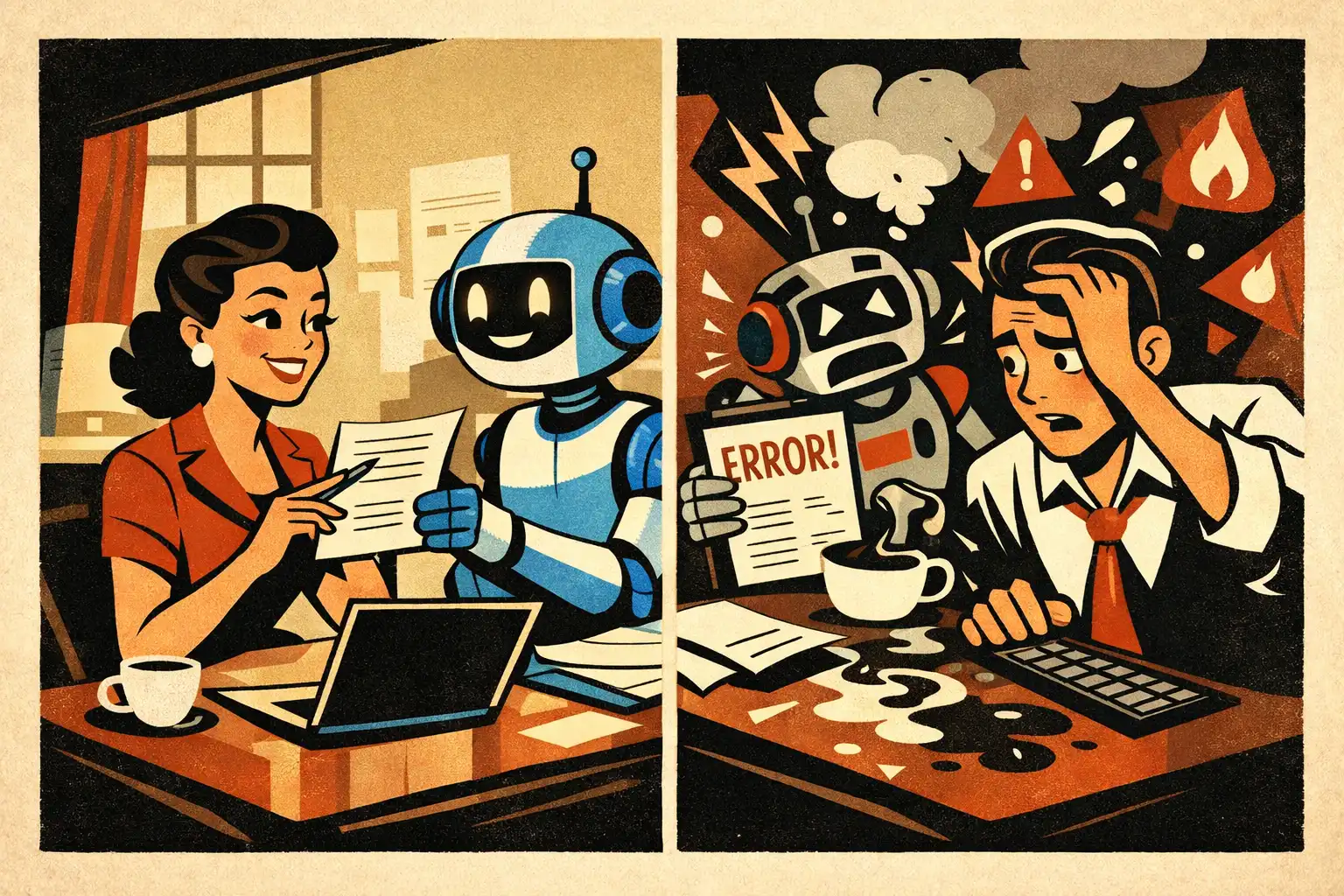
Many startups still pitch their product as “AI-powered” without clearly explaining what problem it solves. Users don’t buy AI — they buy outcomes. When AI becomes the headline instead of the tool, products feel vague and interchangeable.
This mistake often appears early, when founders skip problem validation. The risk is described in more detail in Why MVPs Still Fail in 2026.
Mistake #2: Building too much before real user feedback
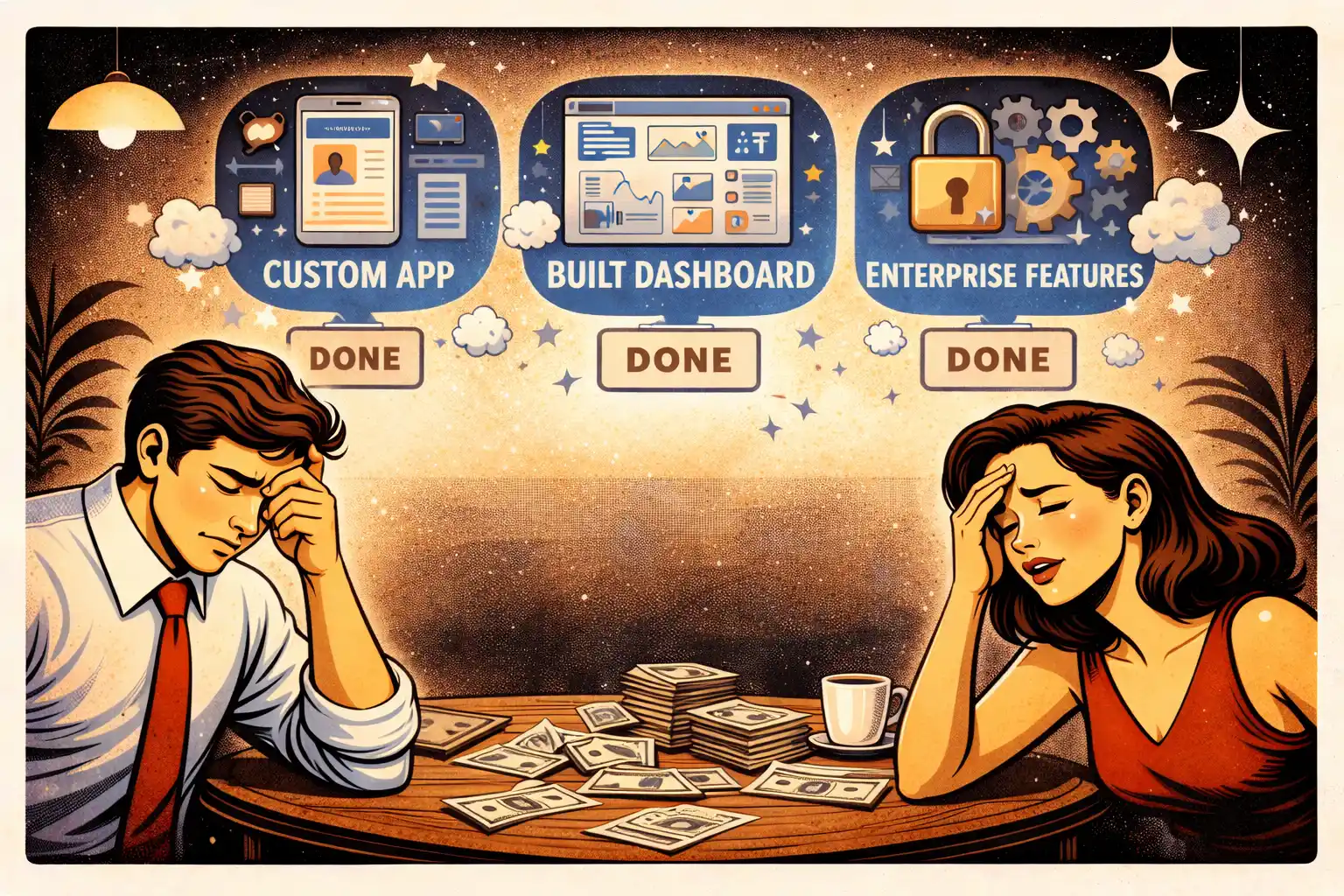
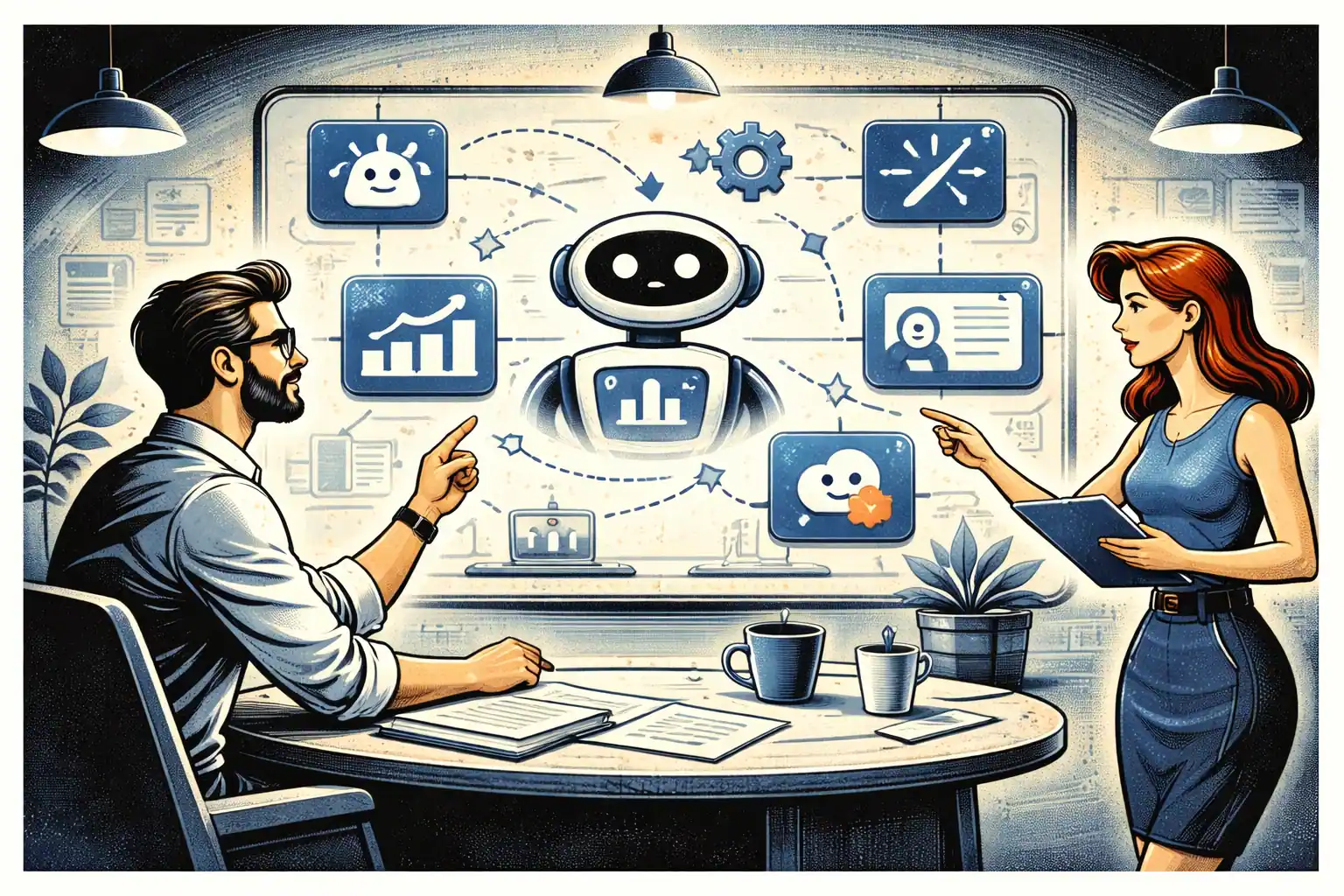
AI makes it tempting to automate everything at once. Startups end up with complex pipelines before anyone has validated the core workflow. In practice, most MVPs need only one narrow AI-driven function to test demand.
A more grounded approach is outlined in AI-Powered MVP Development: Save Time and Budget Without Cutting Quality.
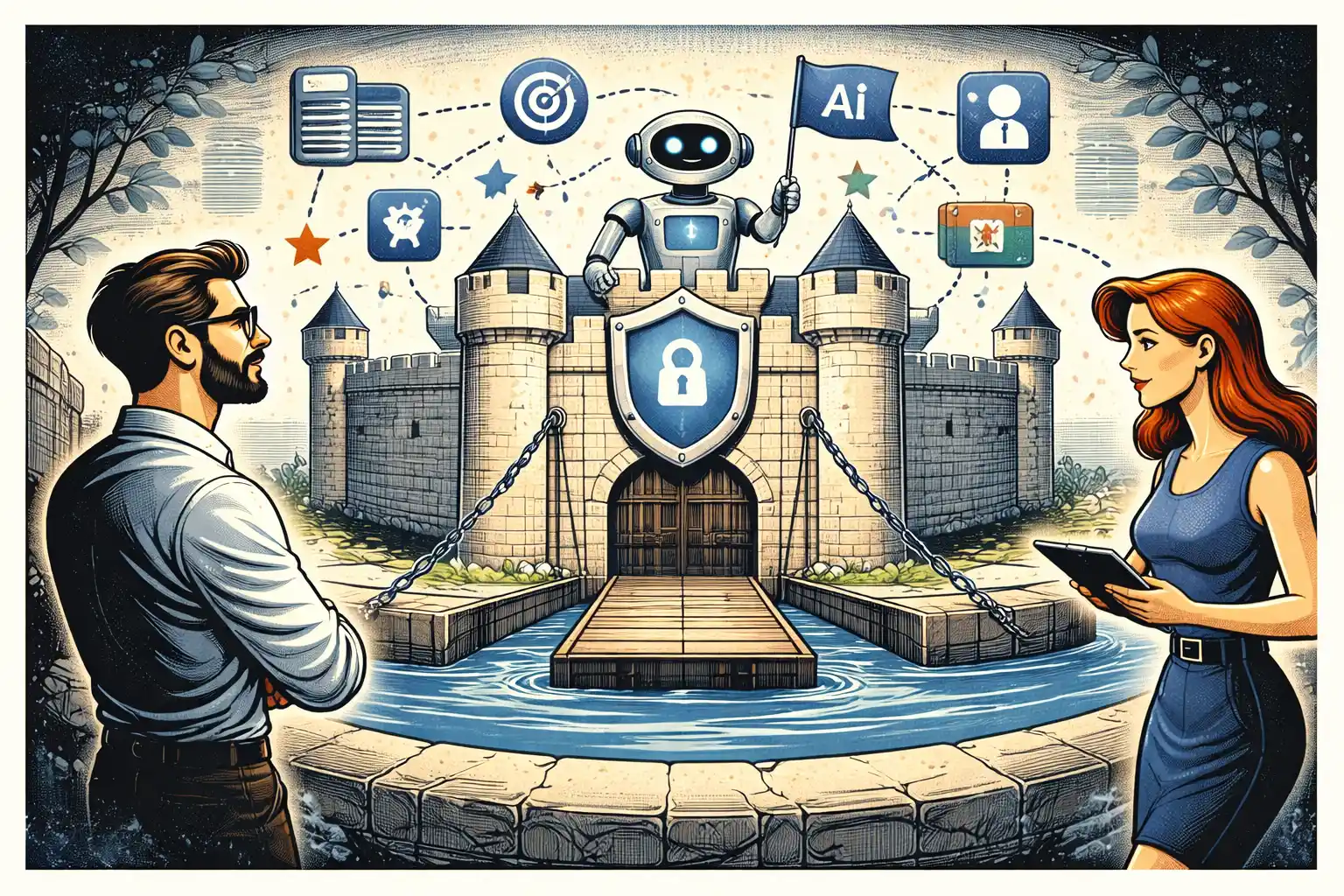
Mistake #3: Assuming AI creates defensibility by default
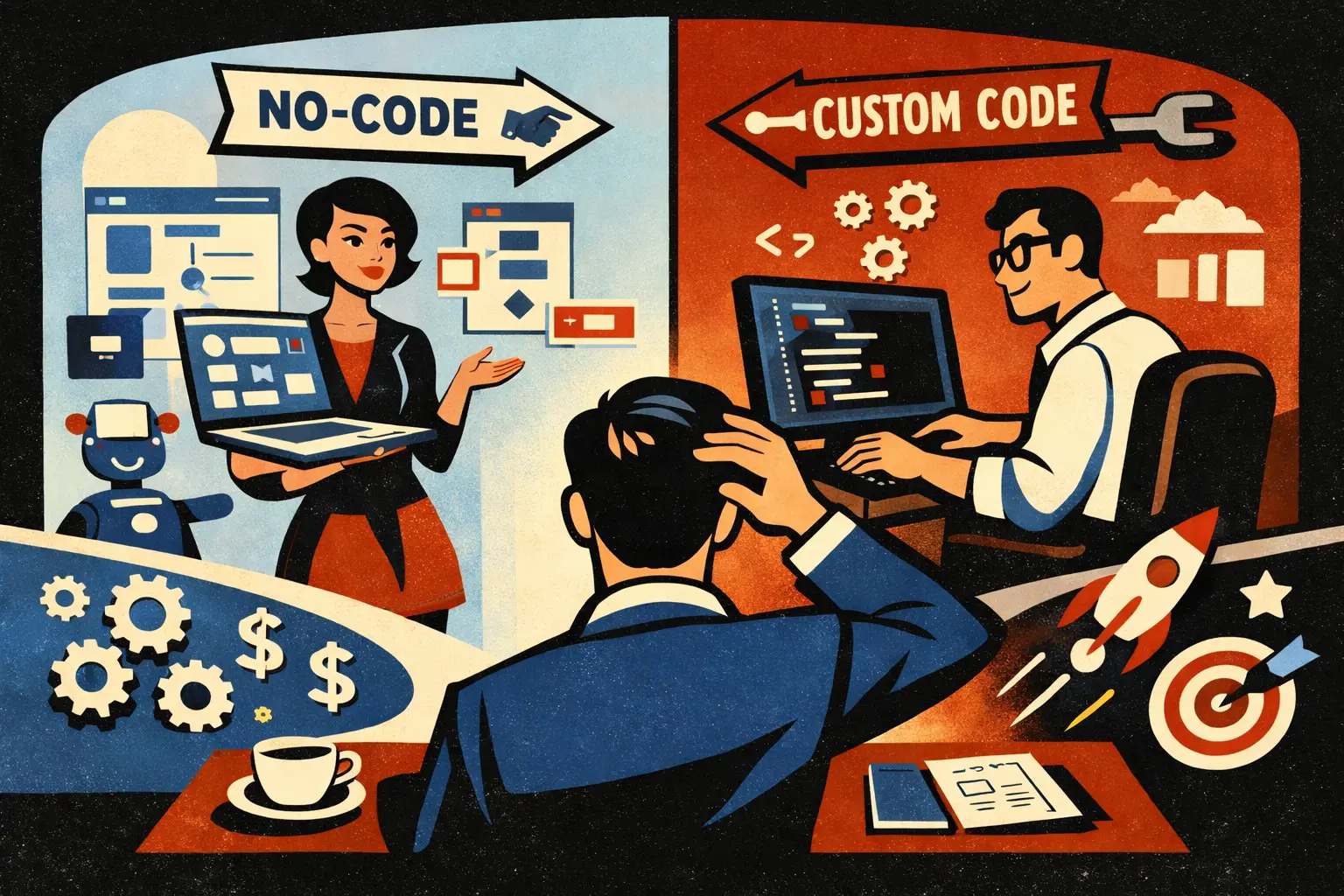
Using popular models rarely creates a moat. Without proprietary data, strong UX, or workflow integration, AI features are easy to replicate. Founders often discover this too late, after competitors launch similar products within weeks.
This mistake overlaps with broader product positioning issues covered in Tech Decisions for Founders in 2026.
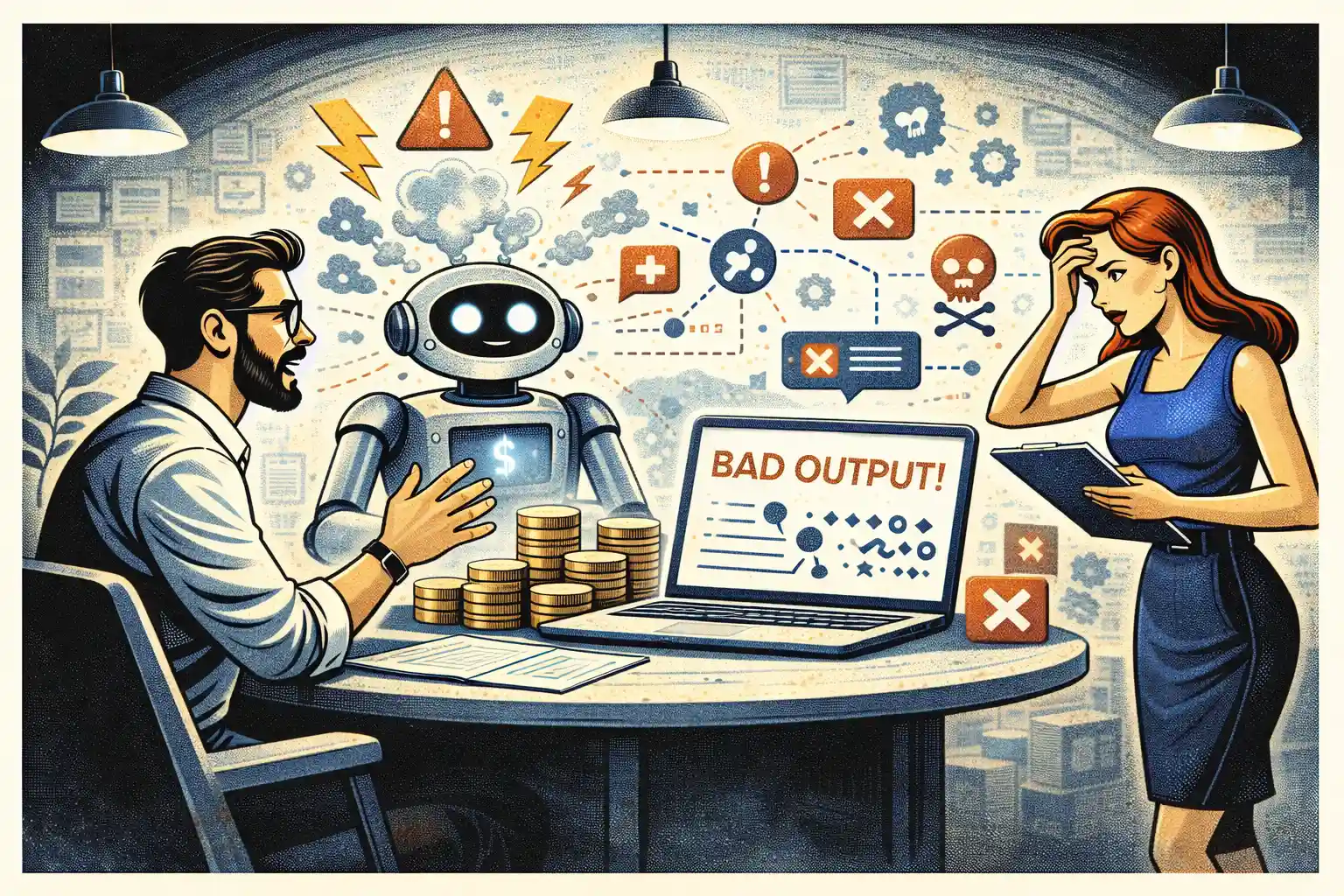
Mistake #4: Ignoring operational complexity
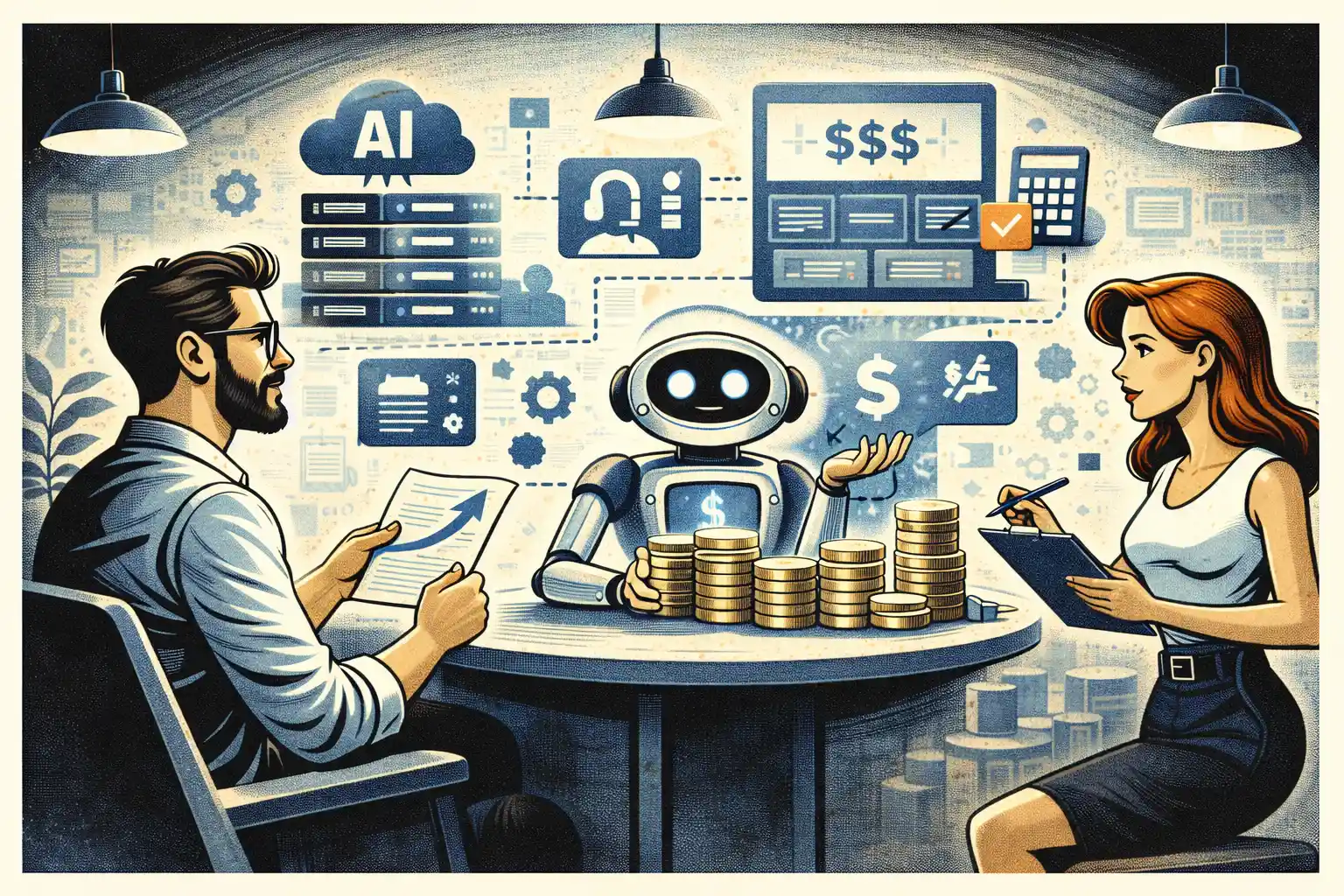
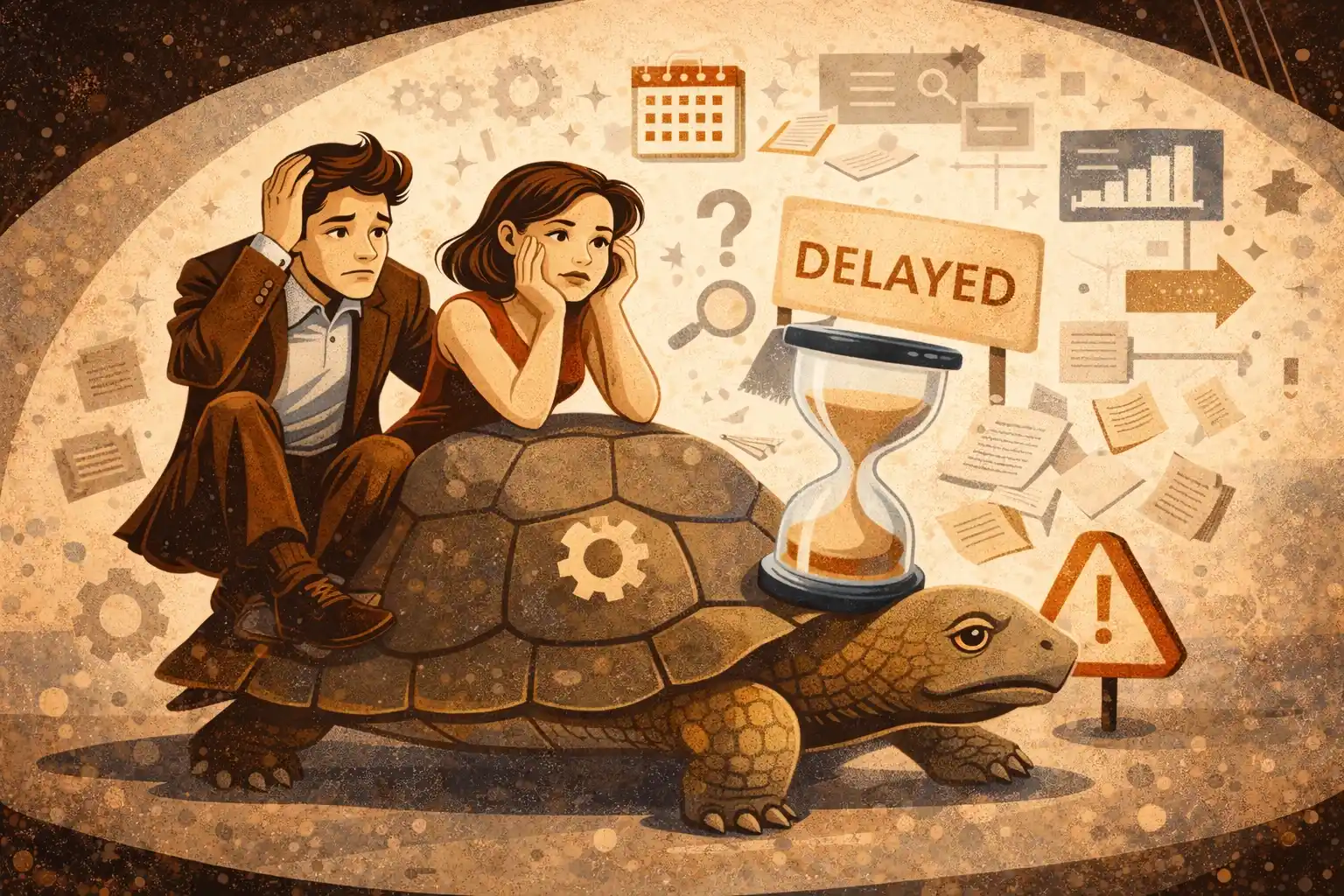
AI features often introduce hidden costs: prompt tuning, edge cases, monitoring, and failure handling. Many startups underestimate the operational burden that comes after launch.
These overlooked costs align closely with issues discussed in Hidden App Development Costs in 2026.
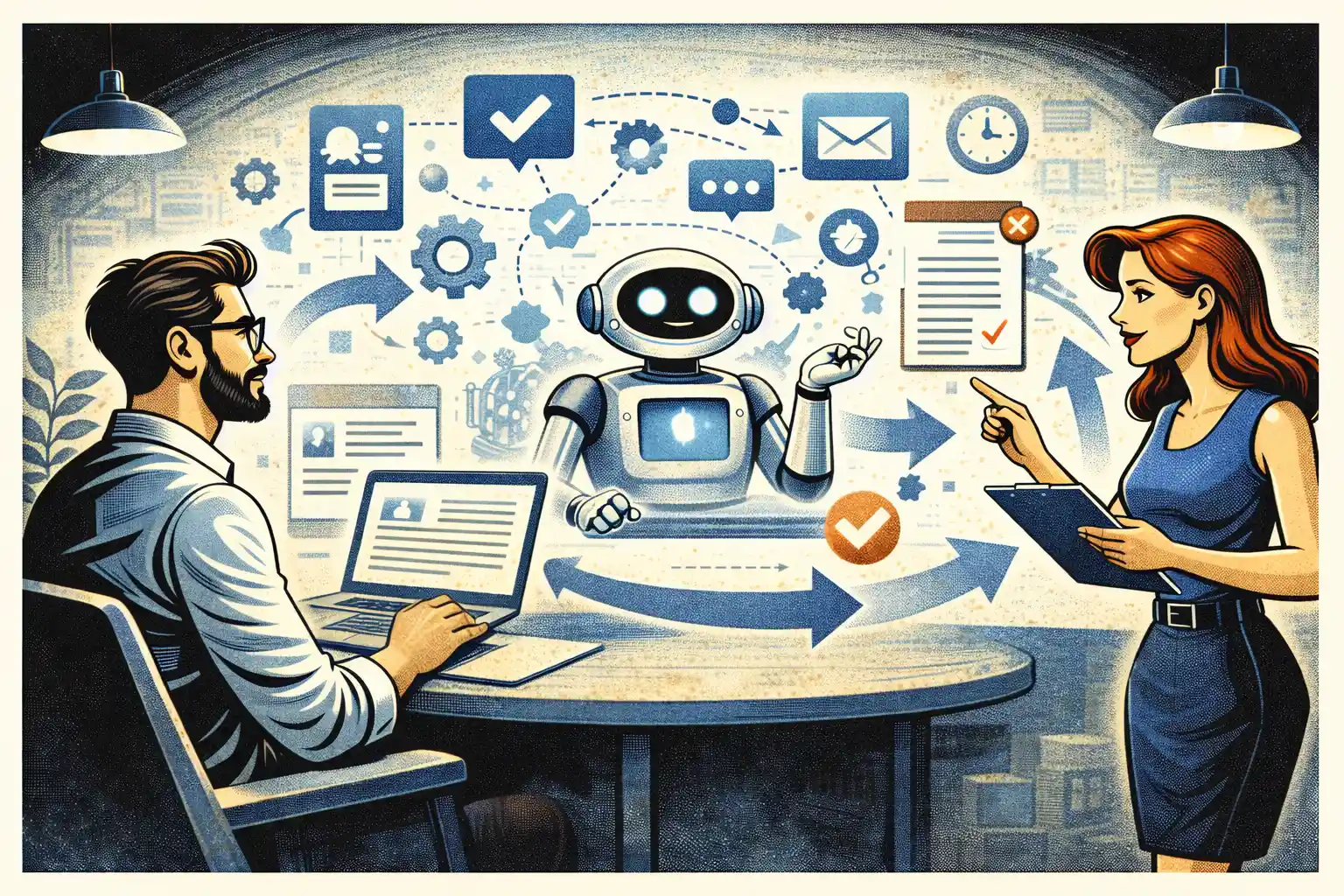
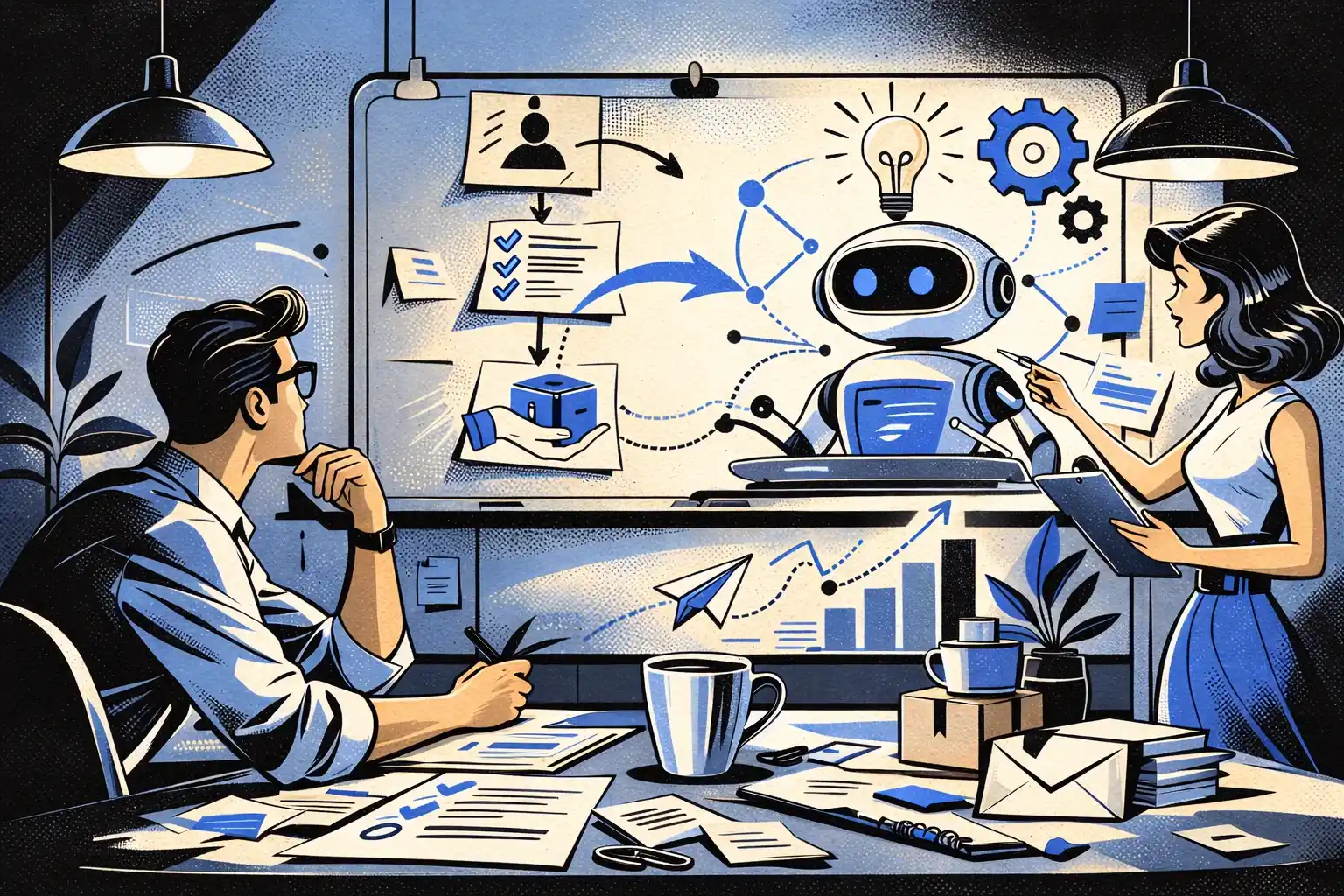
Mistake #5: Treating AI as a replacement for product thinking
AI can accelerate development, but it doesn’t replace clear product decisions. Startups that rely too heavily on automation often ship confusing experiences or inconsistent results.
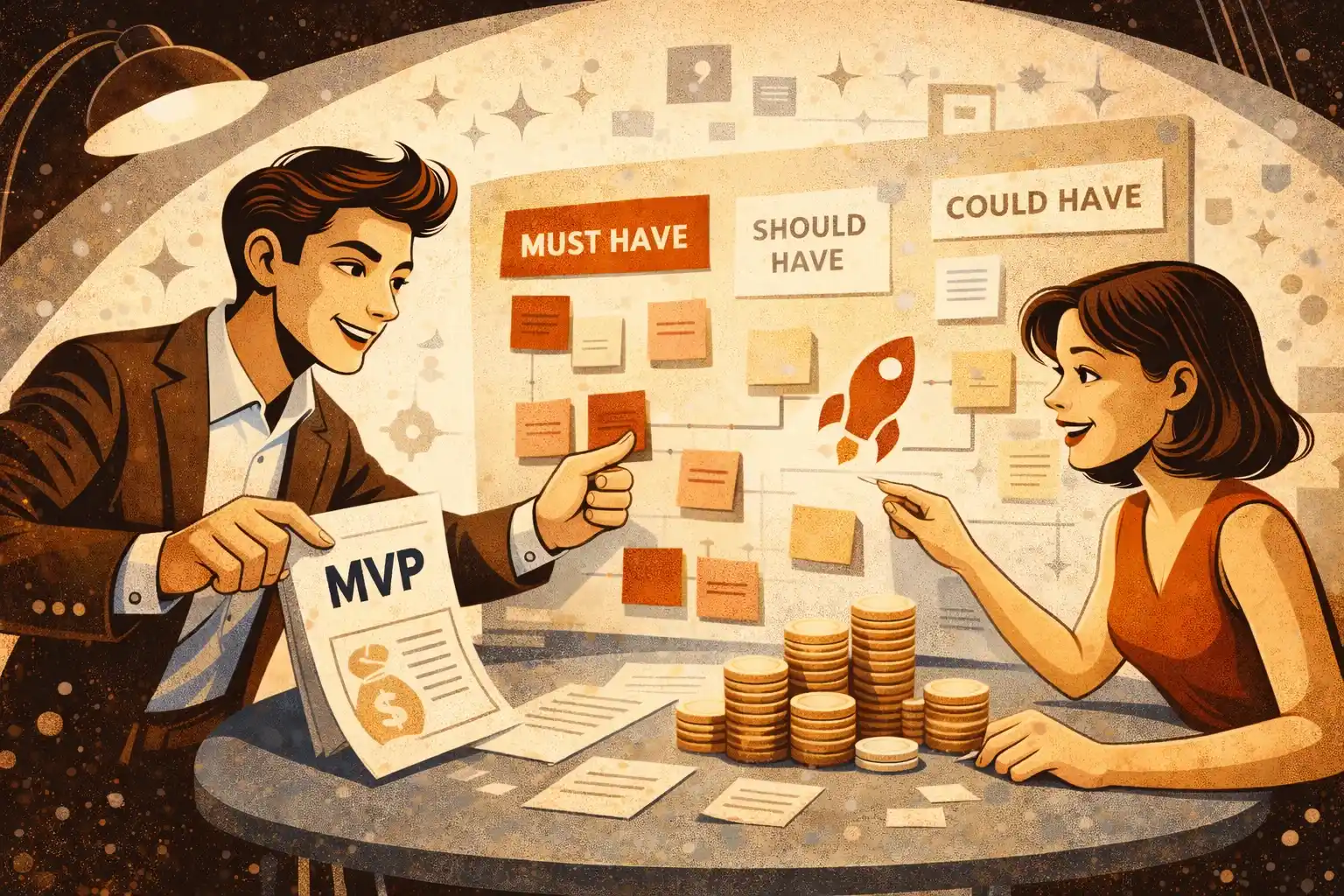
Founders still need to prioritize features deliberately, as explained in How to Prioritize Features When You’re Bootstrapping Your Startup.
Thinking about adding AI to your product in 2026?
At Valtorian, we help founders design AI-powered products that focus on real user value — not buzzwords or overbuilt systems.
Book a call with Diana
Let’s talk about your idea, scope, and the fastest path to a usable AI MVP.
FAQ
Do startups still need AI to compete in 2026?
Not always. Many successful products use AI selectively, where it clearly improves the user experience.
Is using popular AI models a problem?
No, but relying on them as your main differentiation usually is.
Should AI be included in the first MVP?
Only if it directly supports the core user workflow being validated.
Are AI products more expensive to maintain?
Often yes, due to monitoring, tuning, and edge cases.
Can non-technical founders build AI products?
Yes, with partners who help scope AI realistically and avoid overengineering.
When should a startup invest in custom AI models?
After validating demand and collecting meaningful proprietary data.


























.webp)




.webp)