.webp)
Avoiding Bad Outsourcing in 2026: Red Flags
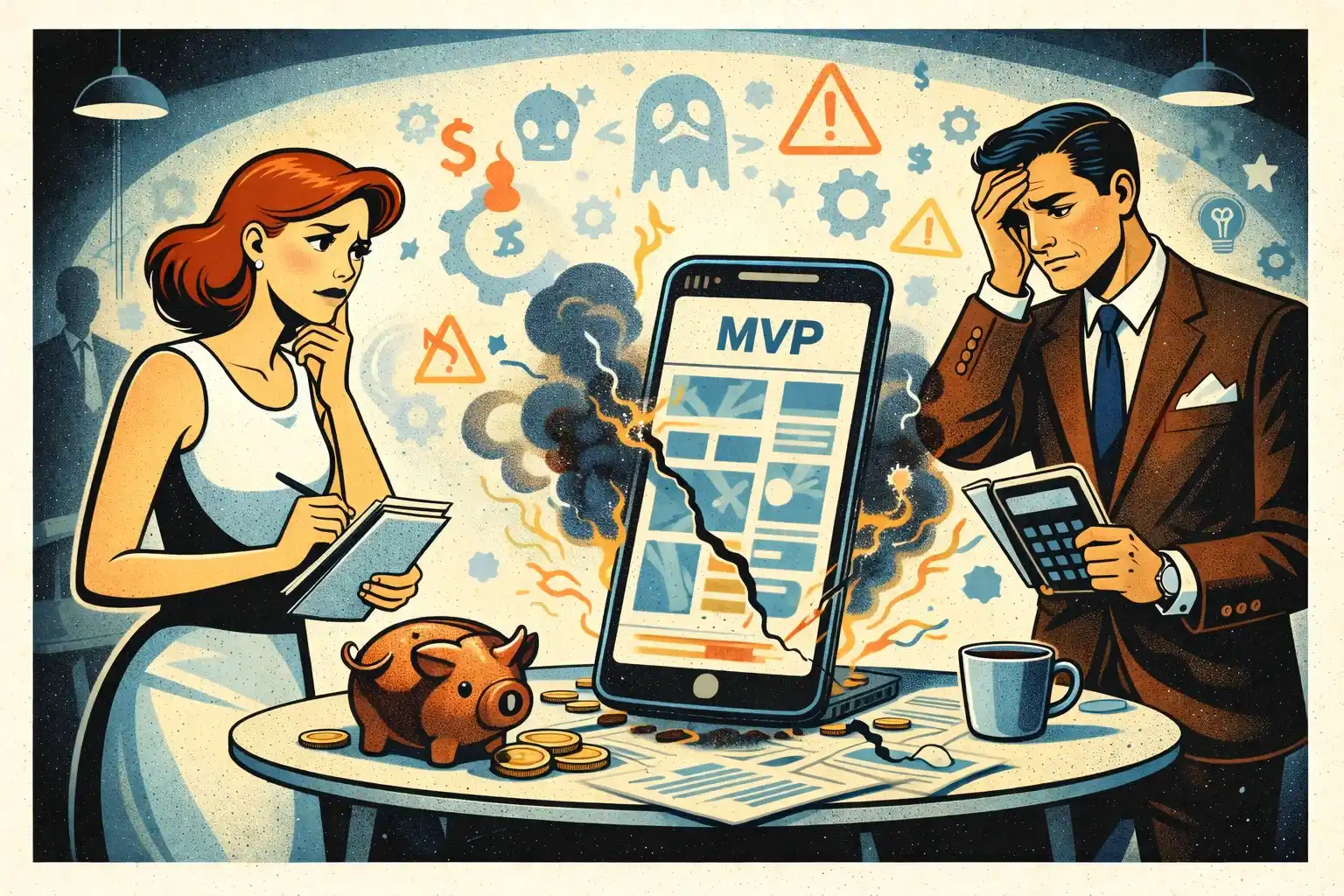
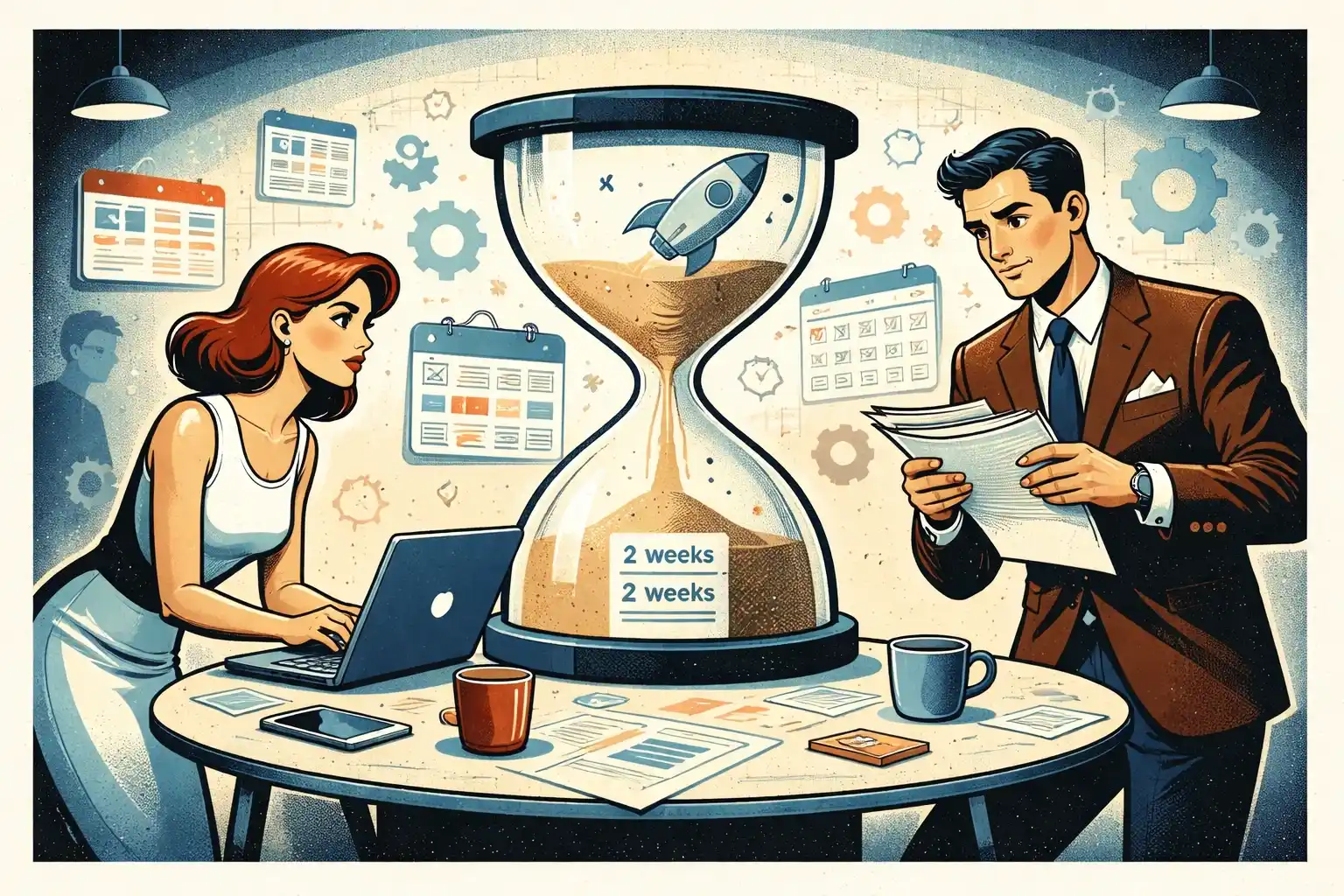
Outsourcing can be the fastest way to ship an MVP in 2026 — or the fastest way to burn runway with nothing usable. The difference is rarely “skill” alone. It’s how the team handles scope, decision-making, QA, and accountability when real-life complexity shows up. In this guide you’ll learn the most common red flags before and during development, what good teams do differently, and a simple way to de-risk an agency or freelancer shop without turning the process into months of vendor interviews.
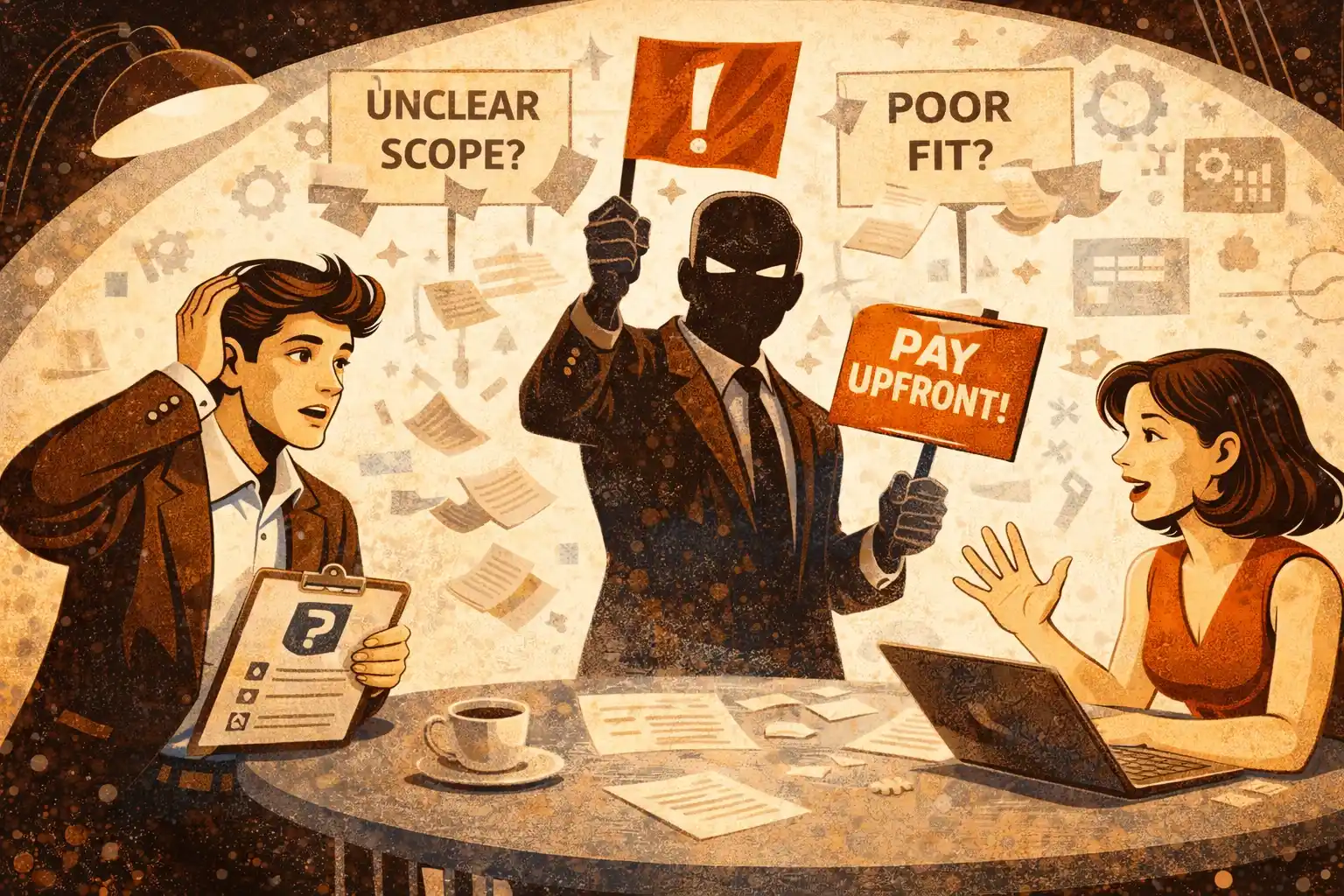
TL;DR: Bad outsourcing usually starts with vague scope and ends with “surprise” complexity, delays, and endless rework.Use red-flag checks that reveal how a team estimates, tests, communicates, and protects your time and budget.
Why bad outsourcing is easier to fall into in 2026
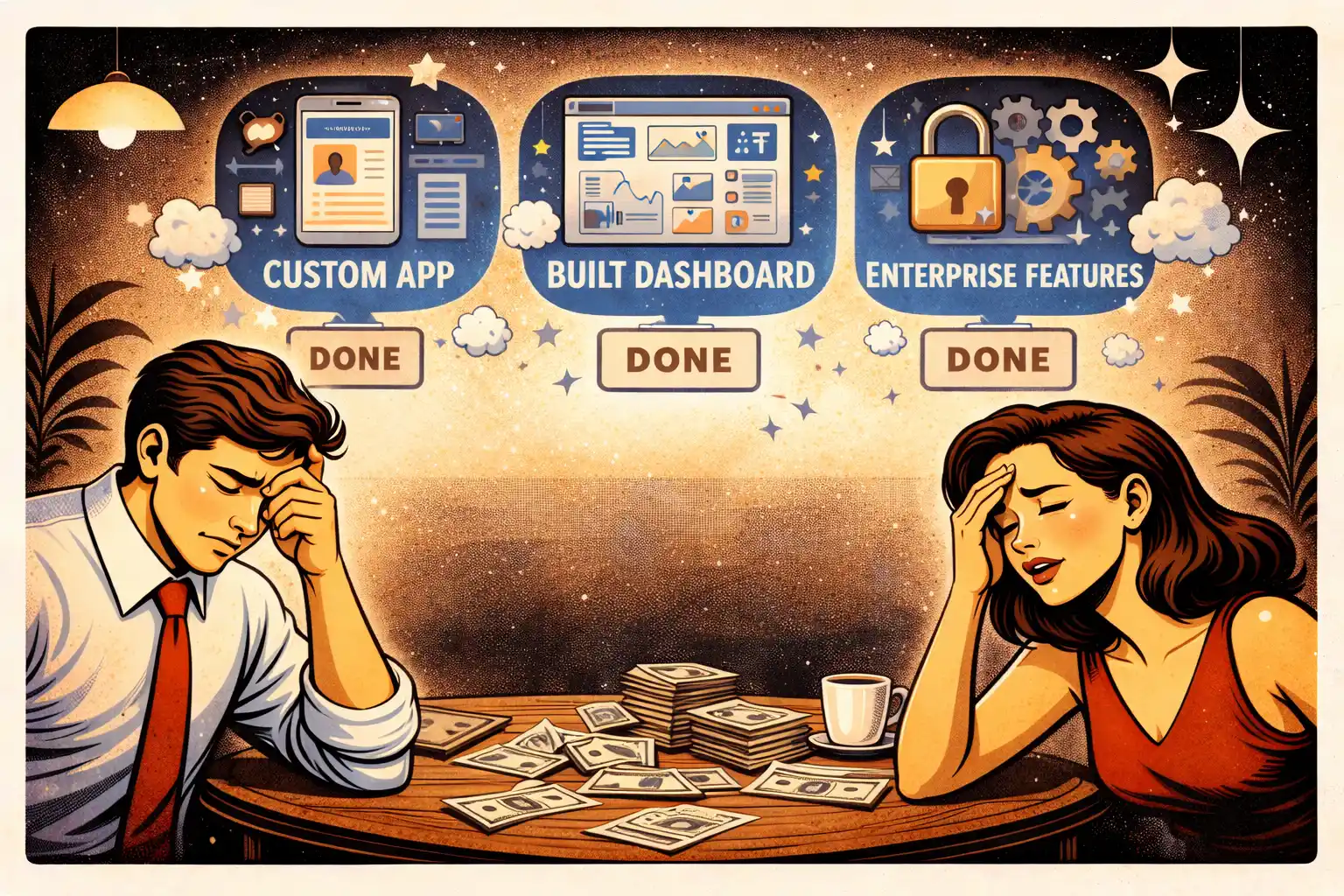
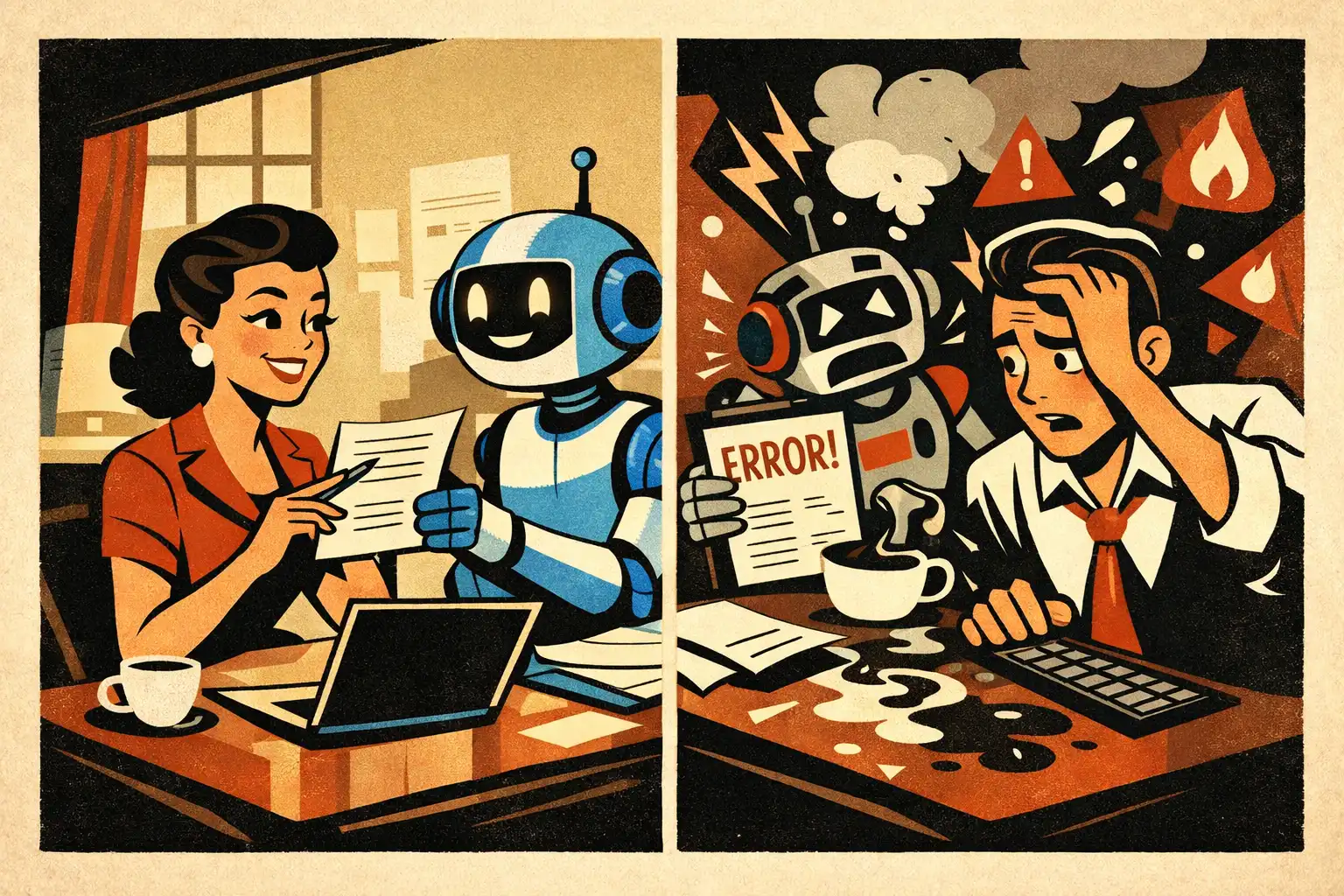
In 2026, almost everyone can demo something quickly. AI-assisted coding and templates make early progress look convincing.
The trap: speed hides the real risks — quality, ownership, and predictable delivery.
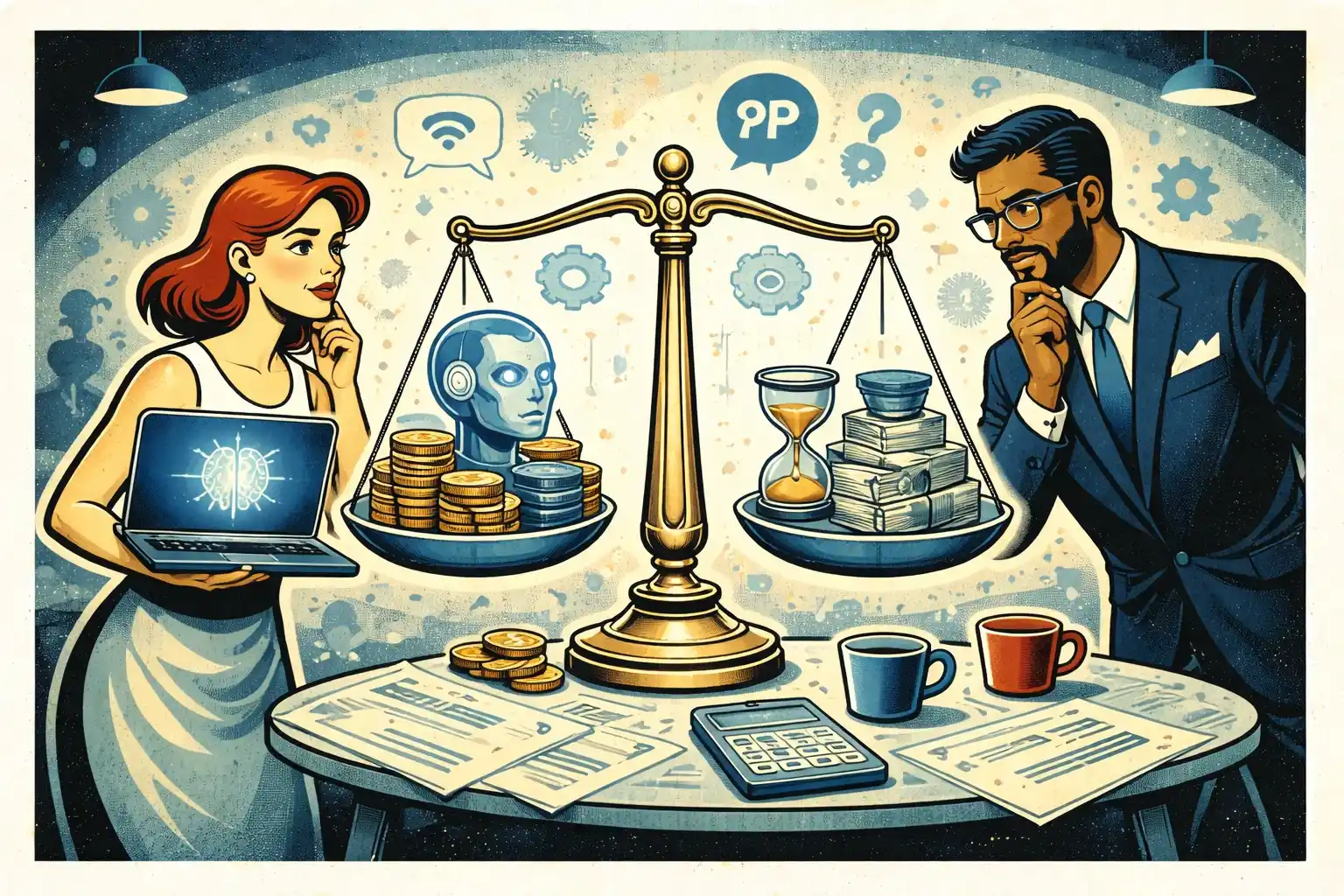
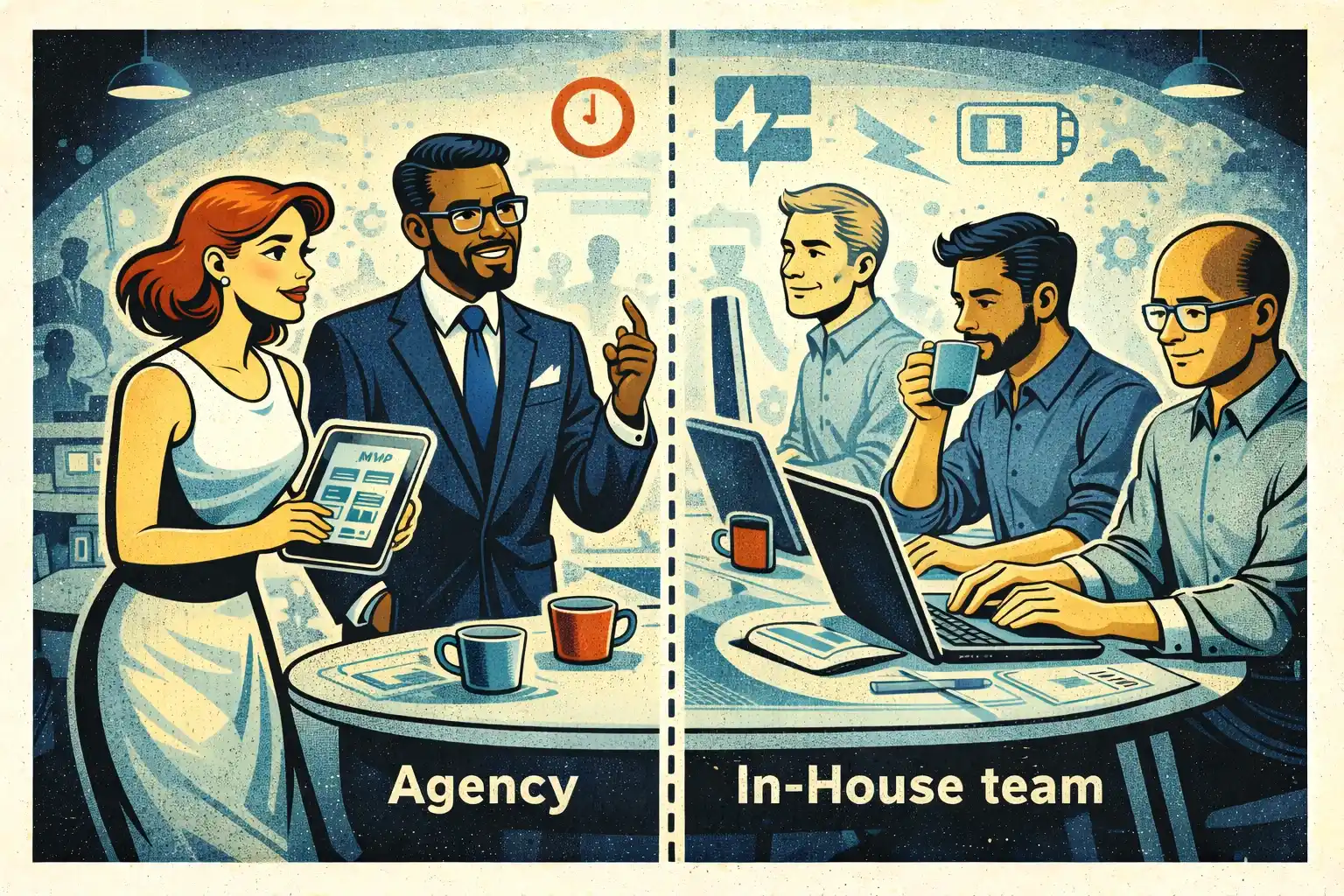
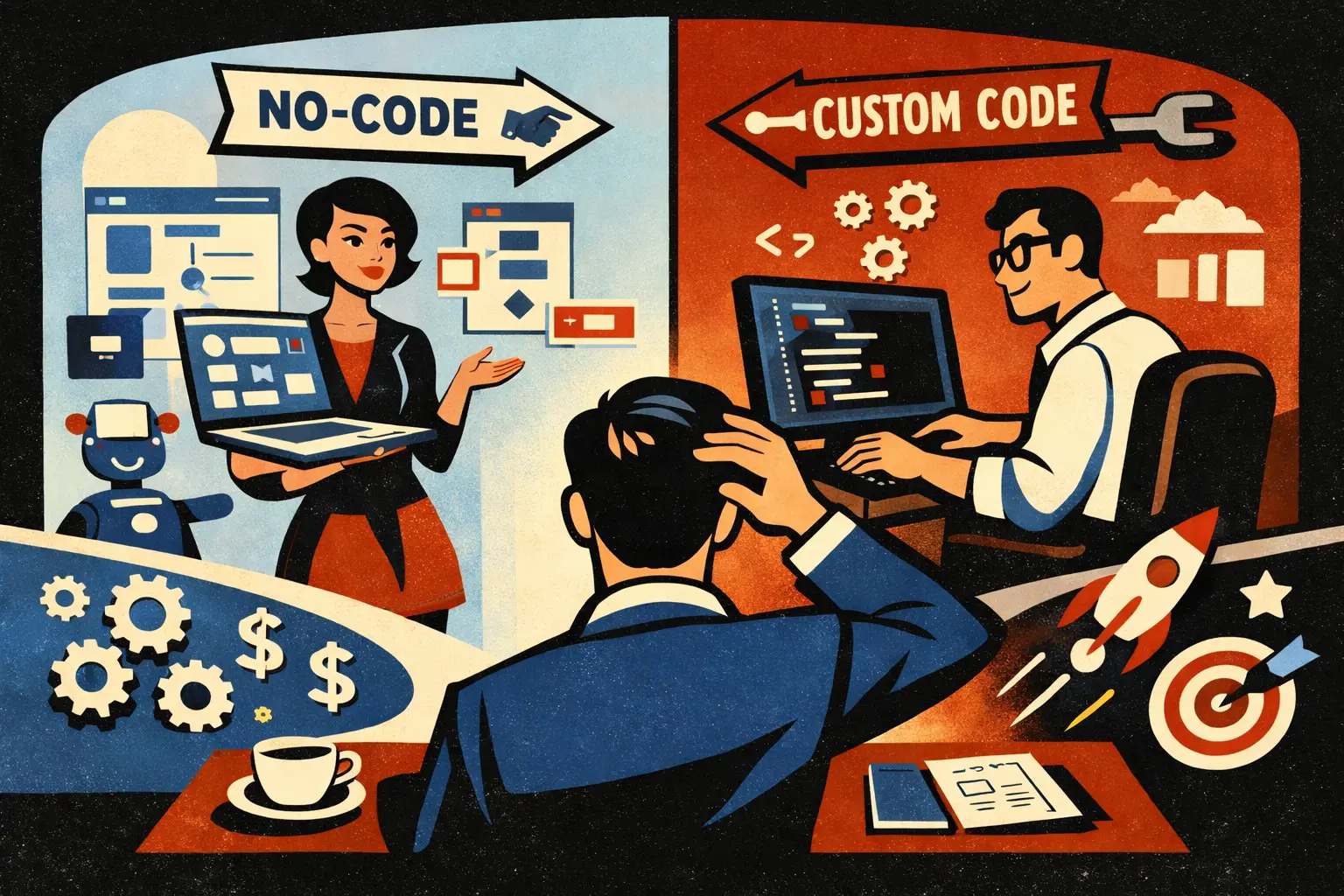
If you’re still deciding whether outsourcing is your best path at all, read Startup App Development Company vs Freelancers vs In-House Team.
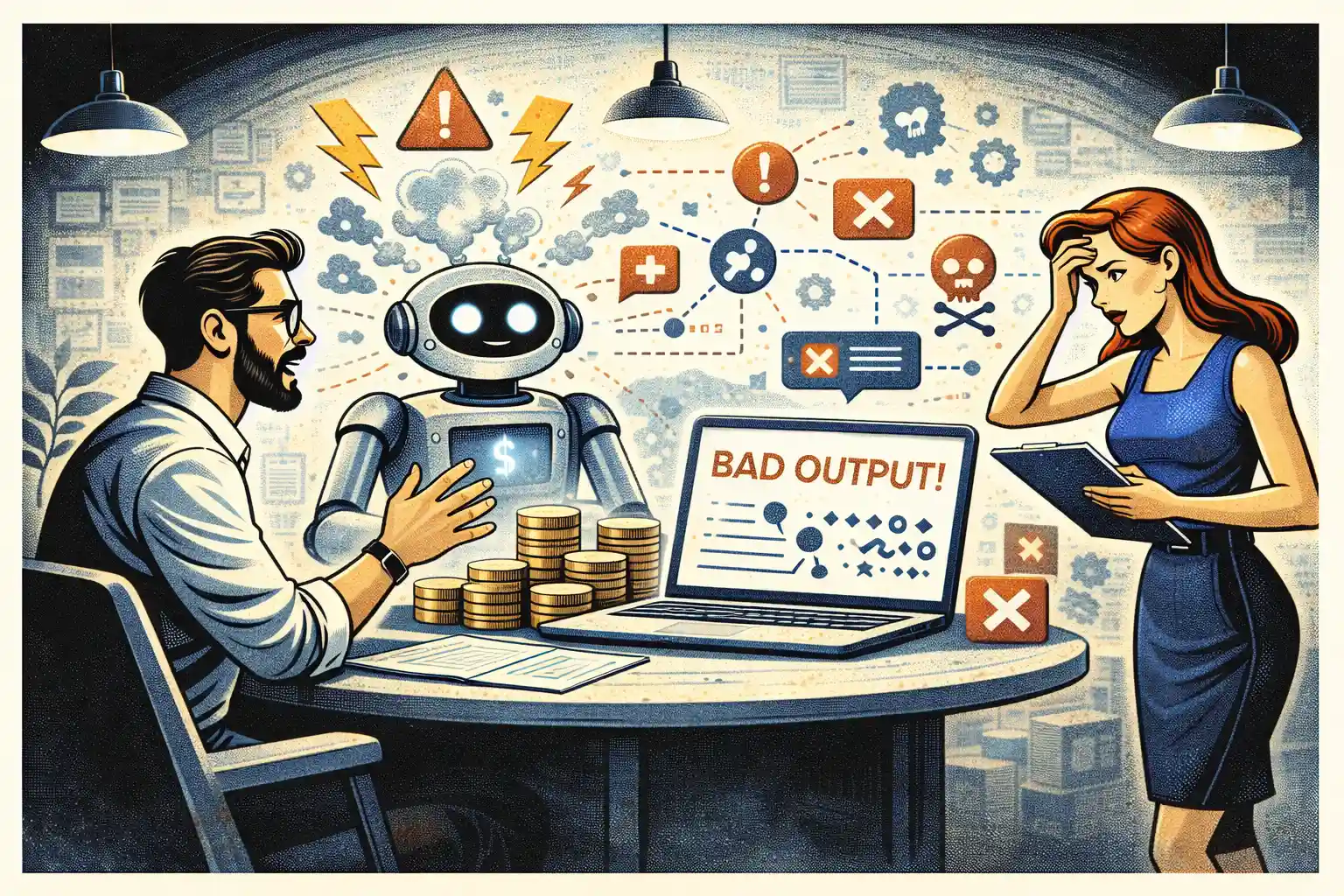
The 3 categories of outsourcing failures
Most painful projects fail in one (or more) of these buckets:
- Scope failureYou didn’t buy a product — you accidentally bought a moving target.
- Process failureThe team “builds” but doesn’t manage decisions, feedback loops, and risk.
- Accountability failureNobody owns outcomes. Everything becomes “that wasn’t in scope.”
This article focuses on red flags that predict these failures early.
Red flags before you sign
1) They agree with everything you say
If you list 25 features and they respond with “yes, we can do all of that,” you’re not getting product thinking.
What you want instead:
- pushback on scope
- trade-offs (“if you want X, we drop Y”)
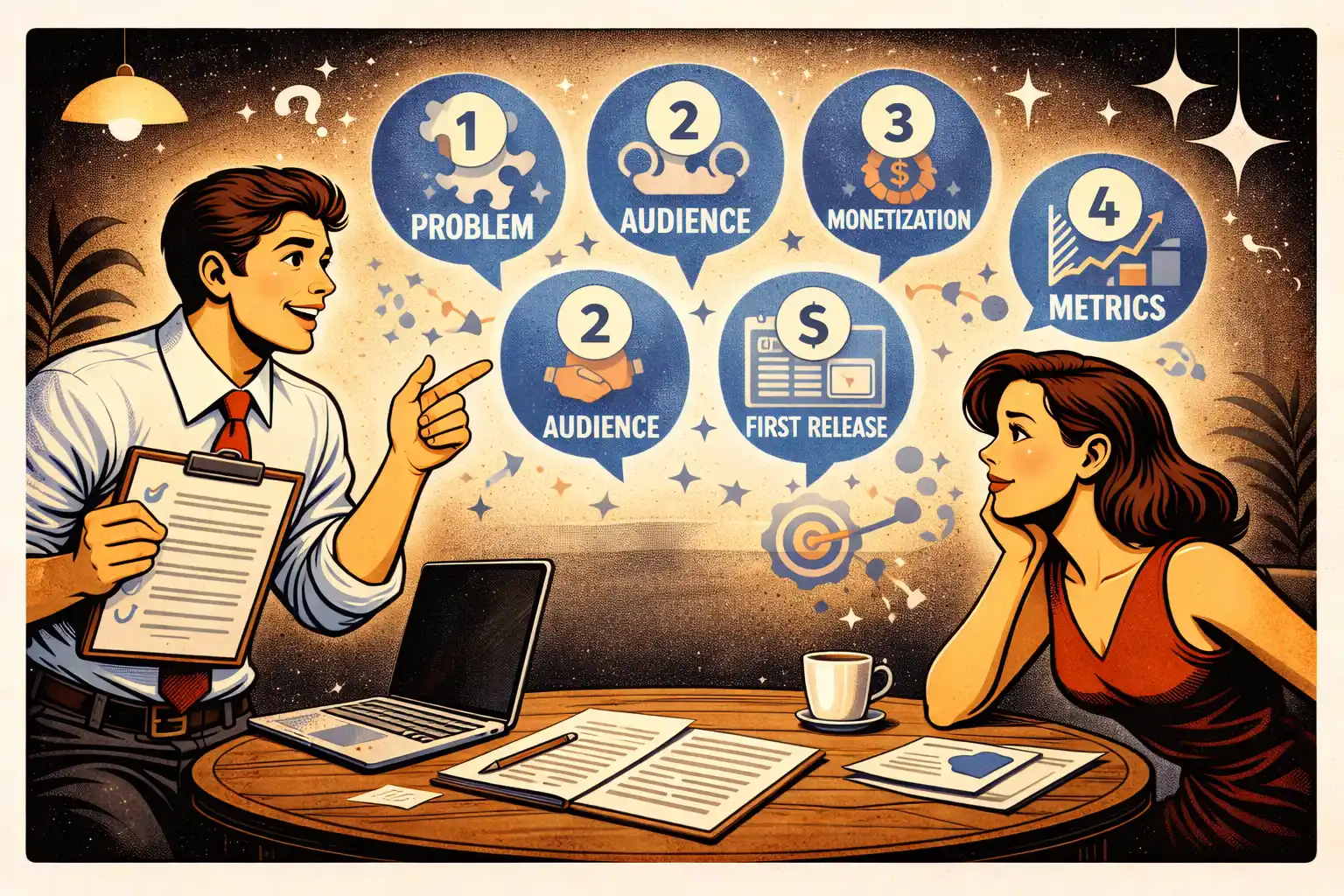
- a smaller first release built around one core user flow
If you’ve never scoped an MVP before, study MVP Development for Non-Technical Founders: 7 Costly Mistakes.
2) The estimate is a single number with no assumptions
A healthy estimate explains:
- what’s included and excluded
- what’s assumed (roles, integrations, platforms)
- what can change the timeline (payments, real-time features, admin workflows)
Red flag language:
- “It’s fixed, don’t worry.”
- “We’ll see during development.”
If you want a baseline for what should be included in an MVP delivery, use MVP Development Services for Startups: What’s Actually Included.
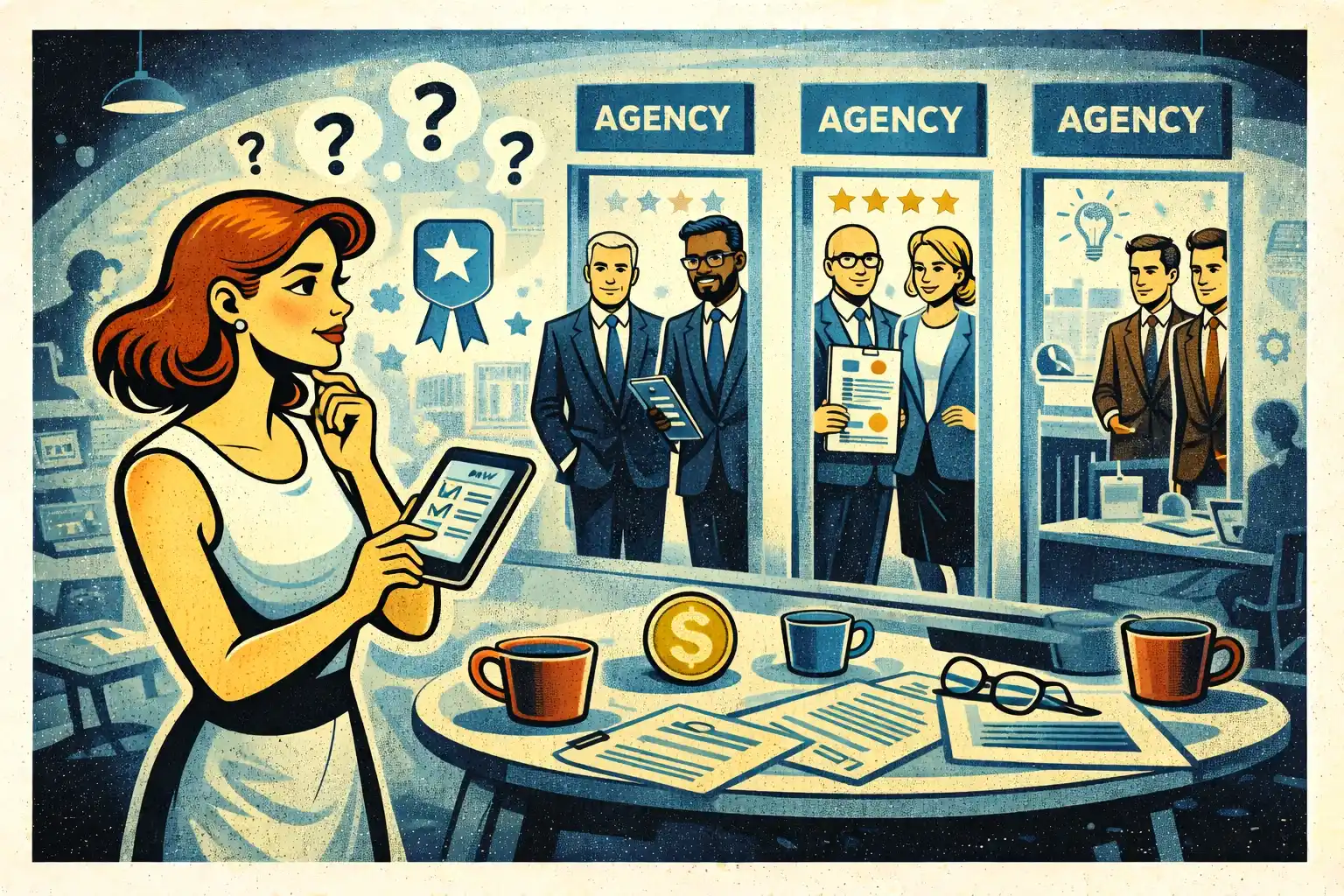
3) You can’t meet the people doing the work
If you only talk to sales or an account manager, you won’t know:
- who makes architecture decisions
- who reviews code
- how senior the team really is
A good team is transparent about roles and shows you who’s responsible for delivery.
4) Ownership is unclear (code, design, accounts)
This should be boring and explicit:
- you own source code and design files
- accounts are in your name (hosting, analytics, app stores)
- you get access from day one
If they dodge this, assume future lock-in.
5) “QA is optional”
In early-stage builds, QA doesn’t need to be heavy — but it must exist.
If they treat testing as “we’ll check it at the end,” expect:
- broken core flows
- last-minute delays
- expensive bug cycles after launch
Red flags during delivery
6) Weekly progress is not visible
You should see progress in one of two forms:
- working software (even if rough)
- a clear prototype + confirmed flows + decisions recorded
Red flag: weeks of “setup,” “refactoring,” or “backend work” with nothing usable you can touch.
7) They don’t write decisions down
If decisions live only in chat, you will:
- re-discuss the same things
- lose context
- argue about “what was agreed”
A good team creates a lightweight decision log: what we decided, why, and what it impacts.
8) Scope changes happen without trade-offs
Bad pattern:
- you request a change
- they say “sure”
- the timeline slips quietly later
Good pattern:
- changes go to a backlog
- you swap features (trade scope, not surprise the timeline)
- you ship a smaller version on time
If you’re bootstrapping, scope discipline is survival. Read How to Prioritize Features When You’re Bootstrapping Your Startup.
9) Everything becomes over-engineered
Over-engineering looks like:
- building “future scalability” that v1 users don’t need
- adding abstractions no one can explain simply
- refactoring before real usage data exists
MVPs should be stable, but not complicated.
10) They can’t explain the product in plain English
If the team can’t summarize what they’re building and why, they likely don’t understand it.
A strong team can explain:
- the core user loop
- what success means for v1
- what you will validate after launch
If you need a good mental model for the first release, see Full-Cycle MVP Development: From Discovery to First Paying Users.
A quick “red flag filter” you can use in one call
You don’t need a perfect process. You need predictable delivery.
Ask these five questions and listen for clarity:
- What will be shipped in the first 2–3 weeks?
- What assumptions are inside your estimate?
- What do you test on every release?
- How do you handle scope changes?
- Who owns architecture and final QA sign-off?
If answers are vague, you’re buying risk.
If you’re already in a risky outsourcing situation
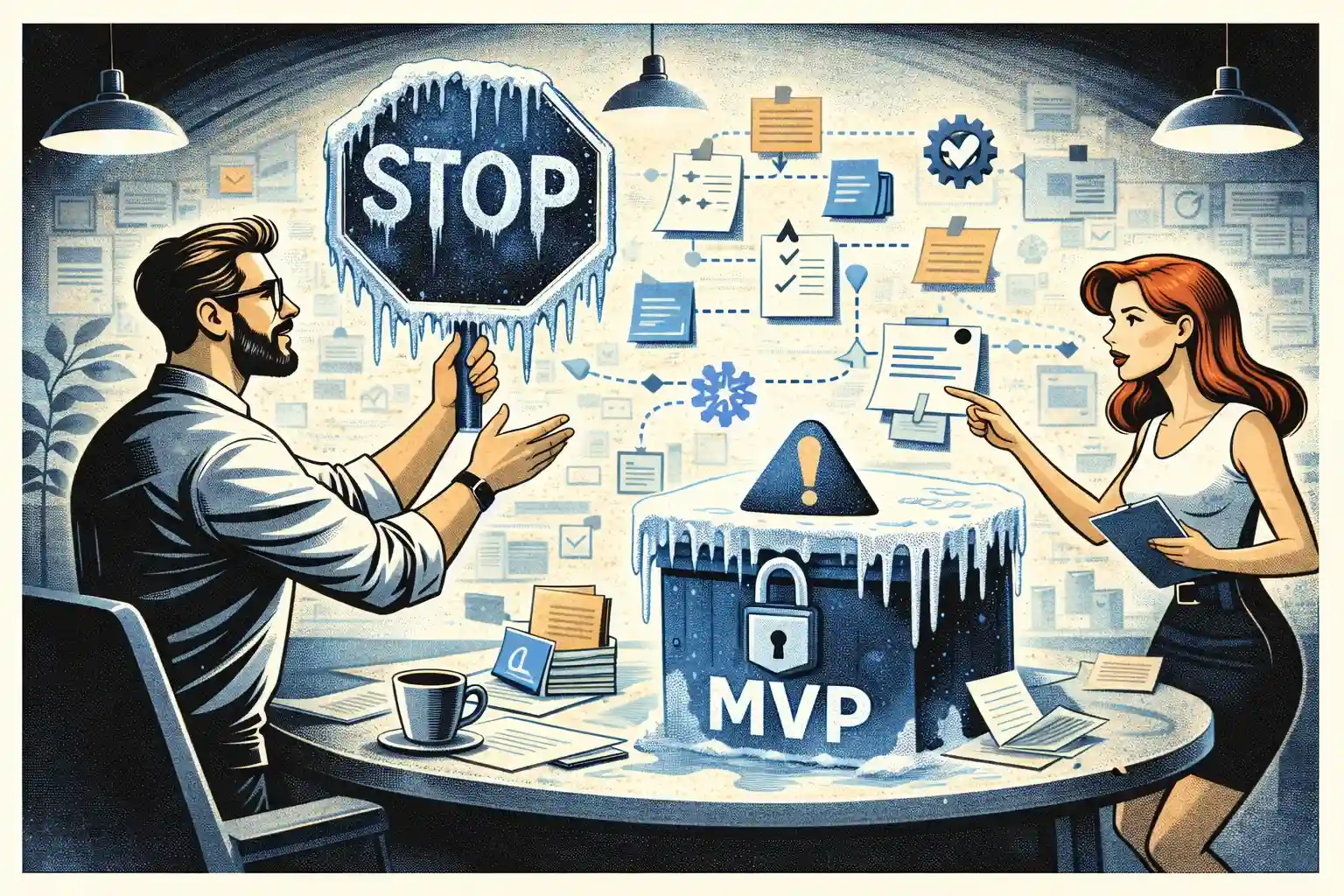
Here’s how to reduce damage fast:
- Freeze scope for 7–14 daysNo new features. Only fix core flows.
- Define “usable” in one pageWrite acceptance criteria for the core loop.
- Demand a weekly demoNot a status update — a demo.
- Secure ownership immediatelyGet repo access, hosting access, design files, credentials.
- Consider a clean handoffIf trust is gone, negotiate a structured exit (deliverables + documentation + final bug window).
Thinking about building an MVP in 2026?
At Valtorian, we help founders design and launch modern web and mobile apps — including AI-powered workflows — with a focus on real user behavior, not demo-only prototypes.
Book a call with Diana
Let’s talk about your idea, scope, and fastest path to a usable MVP.
FAQ
What’s the biggest red flag when outsourcing in 2026?
A team that agrees with everything and doesn’t force trade-offs. That usually leads to scope creep and missed timelines.
Are fixed-price contracts safer than hourly?
Not automatically. Fixed-price can still hide vague scope. The safer factor is clarity: assumptions, acceptance criteria, and change control.
How can I verify seniority if I’m non-technical?
Ask who owns architecture and QA sign-off, request a short walkthrough of a similar project, and look for clear explanations without jargon.
How do I prevent “endless development”?
Ship around one core user loop, lock scope per sprint, and require weekly demos tied to acceptance criteria.
Should I start with a prototype before development?
Often yes — especially if user flows are unclear. But don’t confuse a clickable demo with a usable MVP that real users can test.
What should I own from day one?
Source code repo access, hosting/project access, analytics accounts, and design files. If you don’t own access, you don’t control the product.

















































.webp)




.webp)