.webp)
Development for Pre-seed Startups: Life hacks and tips (2026)
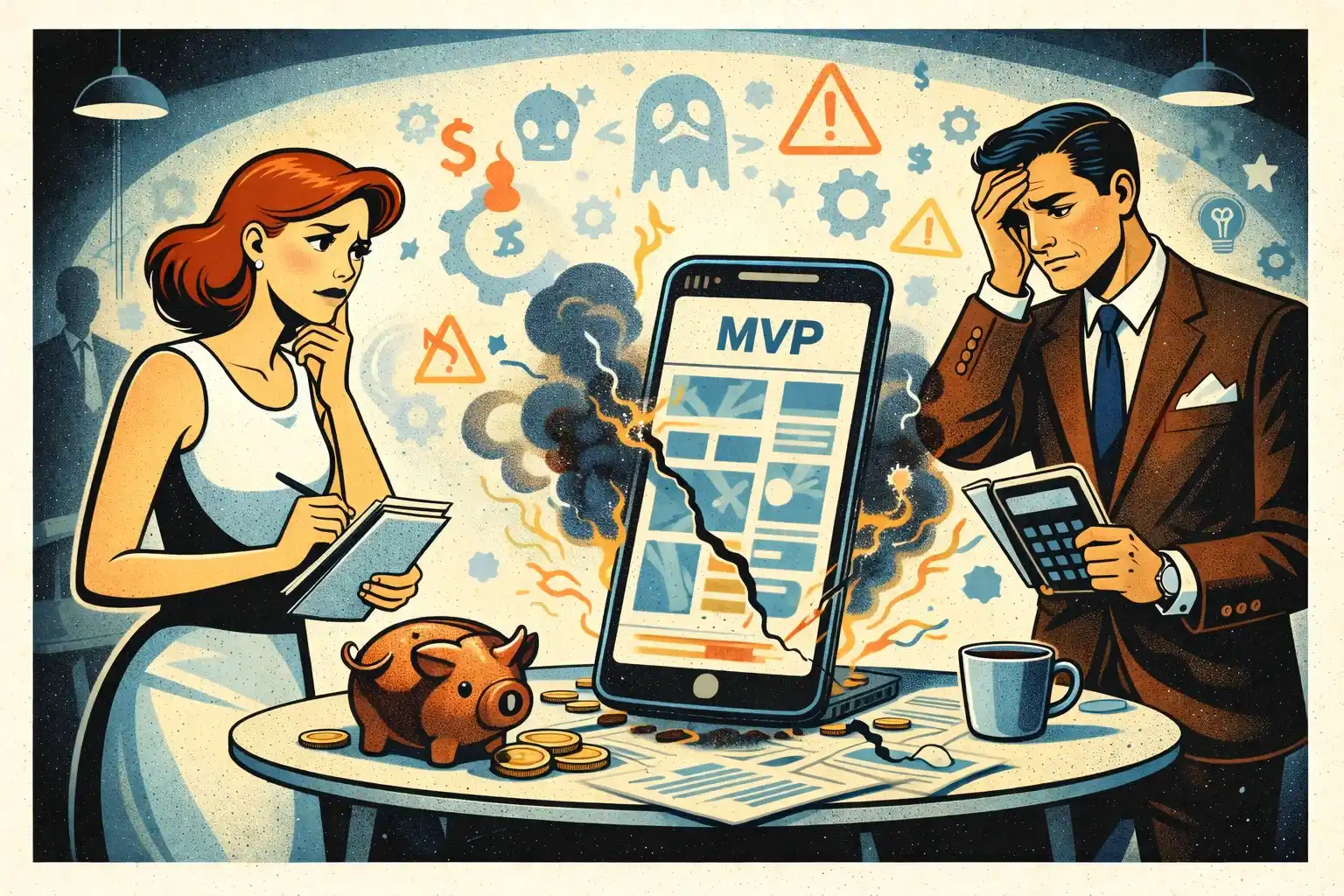
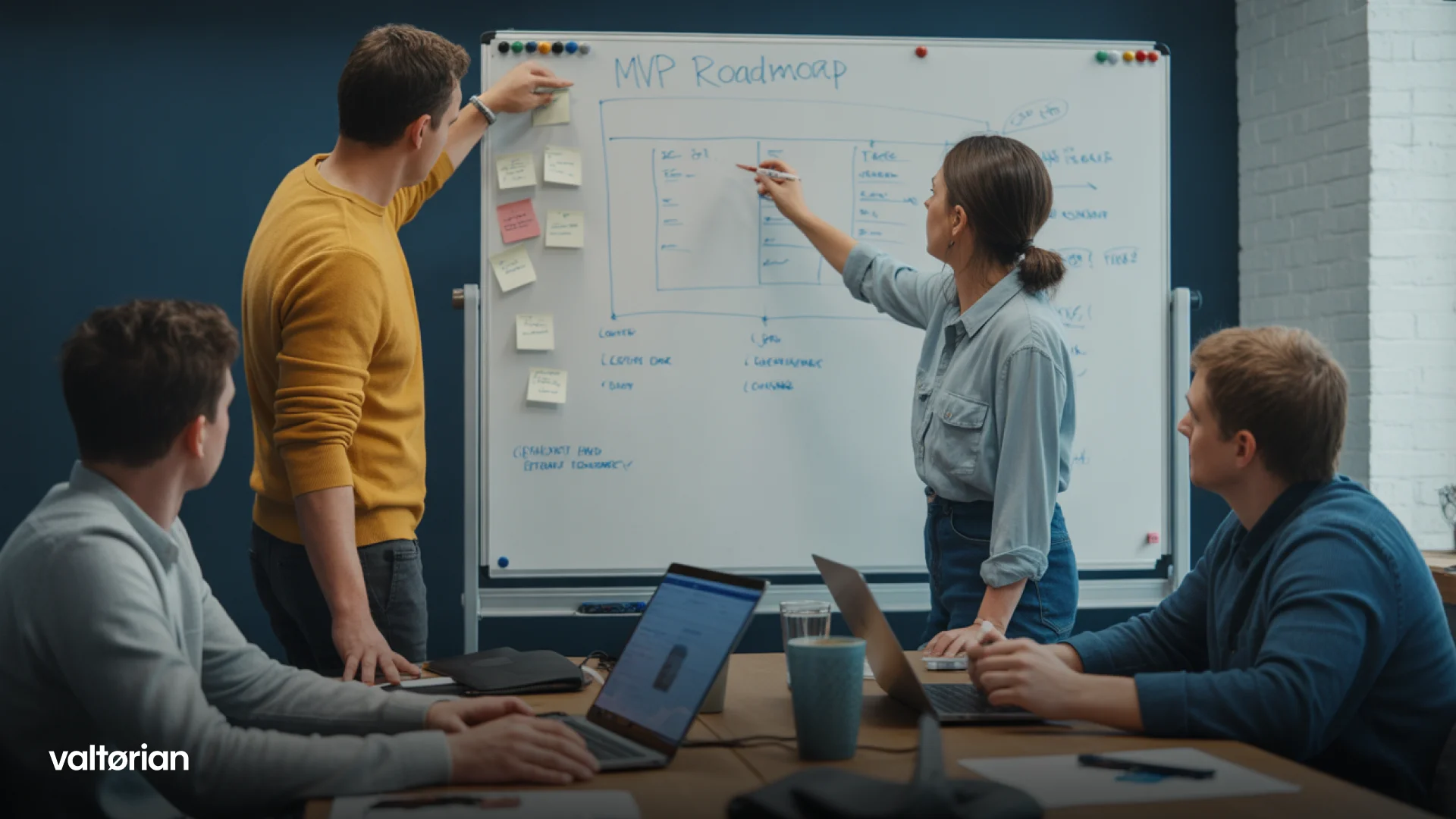
Pre-seed startups live in a narrow window where speed matters more than polish and every decision affects runway. In 2026, development is faster than ever, but pre-seed founders still make the same costly mistakes: overbuilding, choosing the wrong tech path, or validating too late. This article shares practical life hacks and development tips tailored specifically for pre-seed teams - so you can ship faster, spend less, and learn what actually matters before raising capital.
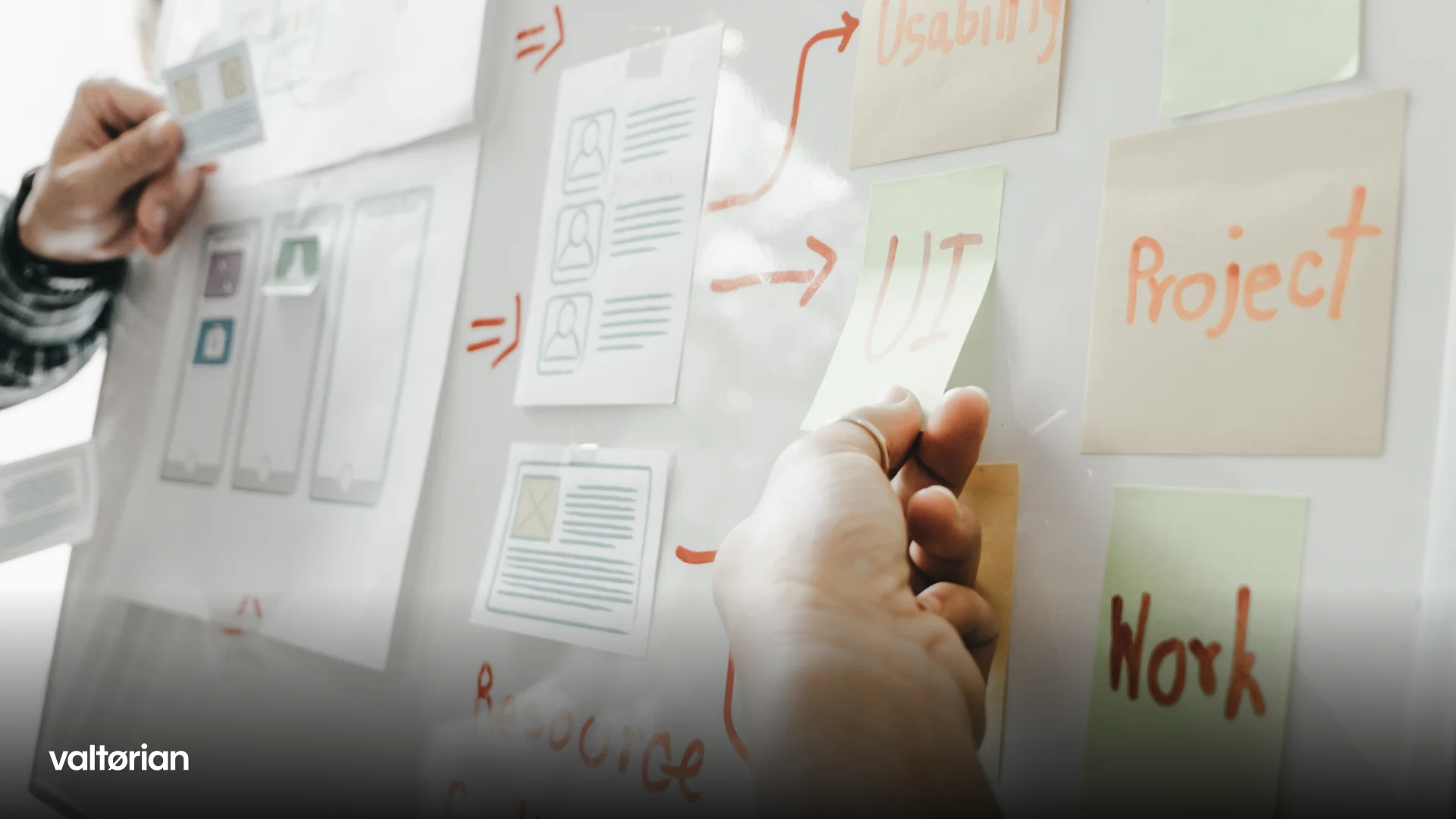
TL;DR: At pre-seed, development is a learning tool, not a production exercise.The goal is to reduce uncertainty quickly while protecting your limited runway.
Pre-seed reality in 2026: you’re not building a company yet
At pre-seed, you’re not scaling.You’re proving that something should exist.
Most founders get this intellectually - but not operationally.They still behave as if investors are watching architecture diagrams.They aren’t.
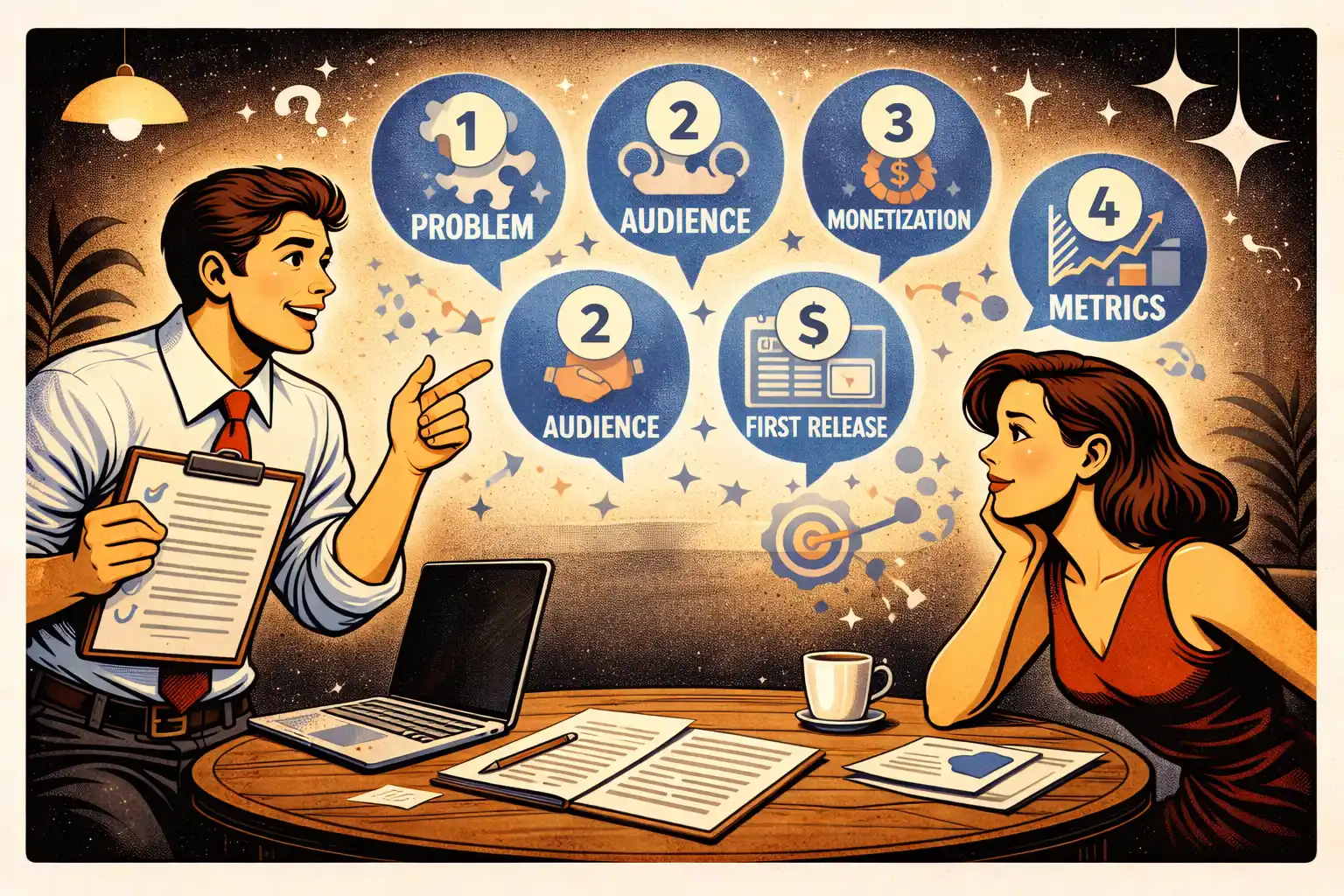
What matters is whether you can show:
- a real problem
- a clear user
- a believable path to value
If you want a high-level view of why early products still fail, start with Why MVPs Still Fail in 2026.
Life hack #1: treat your MVP like an experiment, not a product
Pre-seed MVPs fail when founders expect them to last.
Instead, define your MVP as:
- a hypothesis
- a learning goal
- a short-lived artifact
This mindset makes it easier to cut features, accept imperfection, and change direction without emotional attachment.
For clarity on what an MVP should actually include, read MVP Development Services for Startups: What’s Actually Included.
Life hack #2: optimize for clarity, not speed alone
Shipping fast is good.Shipping blindly is expensive.
In 2026, the fastest pre-seed teams:
- pause briefly to clarify scope
- document assumptions
- decide what they are not building
Ten hours of clarity can save weeks of rework.
If you’re unsure how to cut scope safely, How to Prioritize Features When You’re Bootstrapping Your Startup is a useful reference.
Life hack #3: delay irreversible technical decisions
Pre-seed is not the time for:
- custom infrastructure
- complex microservices
- heavy optimization
Choose options that are:
- easy to change
- well-documented
- widely supported
You are buying flexibility, not performance.
For guidance on early tech choices, see Tech Decisions for Founders in 2026.
Life hack #4: use AI as leverage, not a shortcut
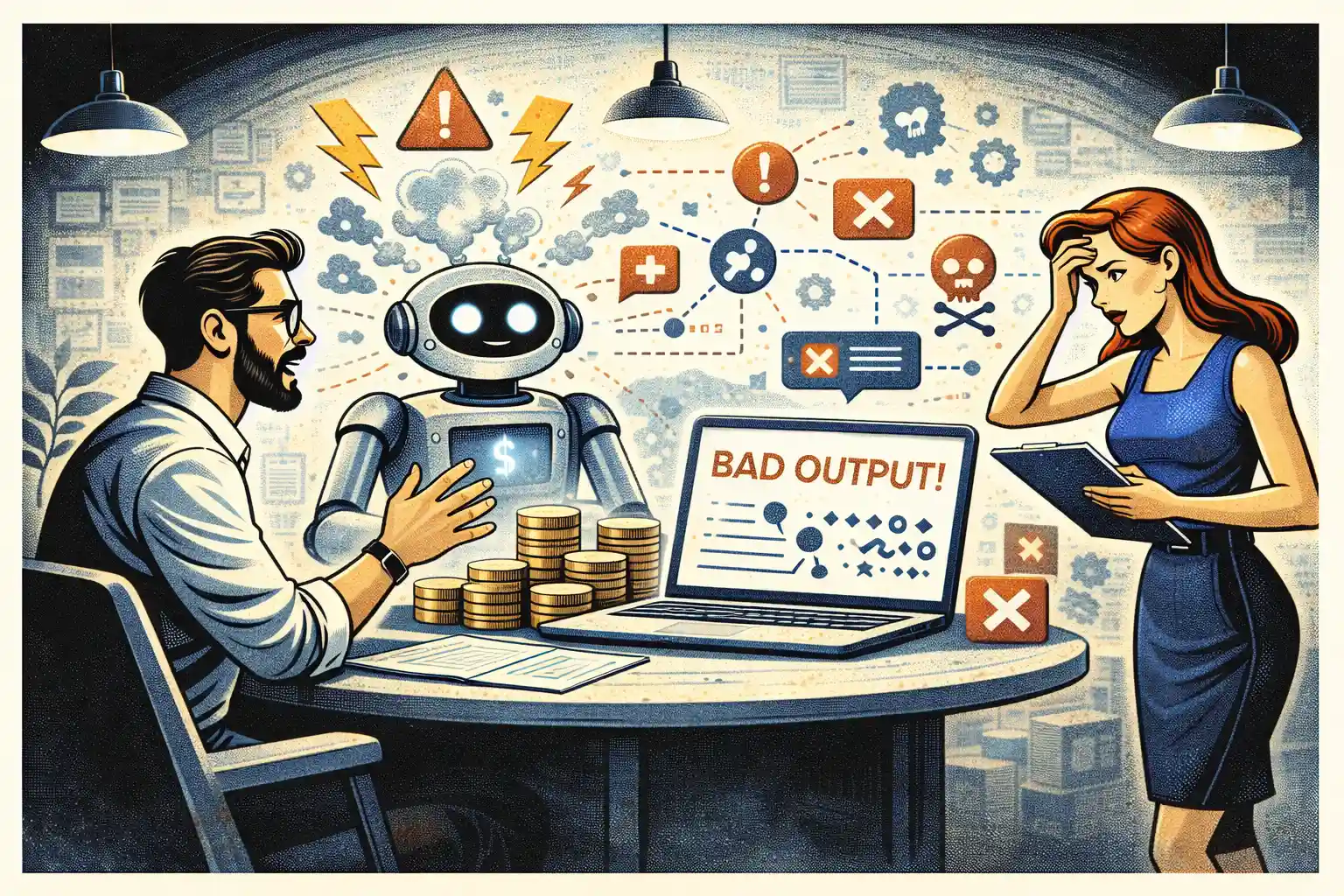
AI can compress timelines dramatically.It can also hide bad decisions.
Strong pre-seed teams use AI to:
- generate boilerplate
- speed up iterations
- explore alternatives quickly
They do not use AI to skip thinking.
For a balanced perspective, read AI-Powered MVP Development: Save Time and Budget Without Cutting Quality.
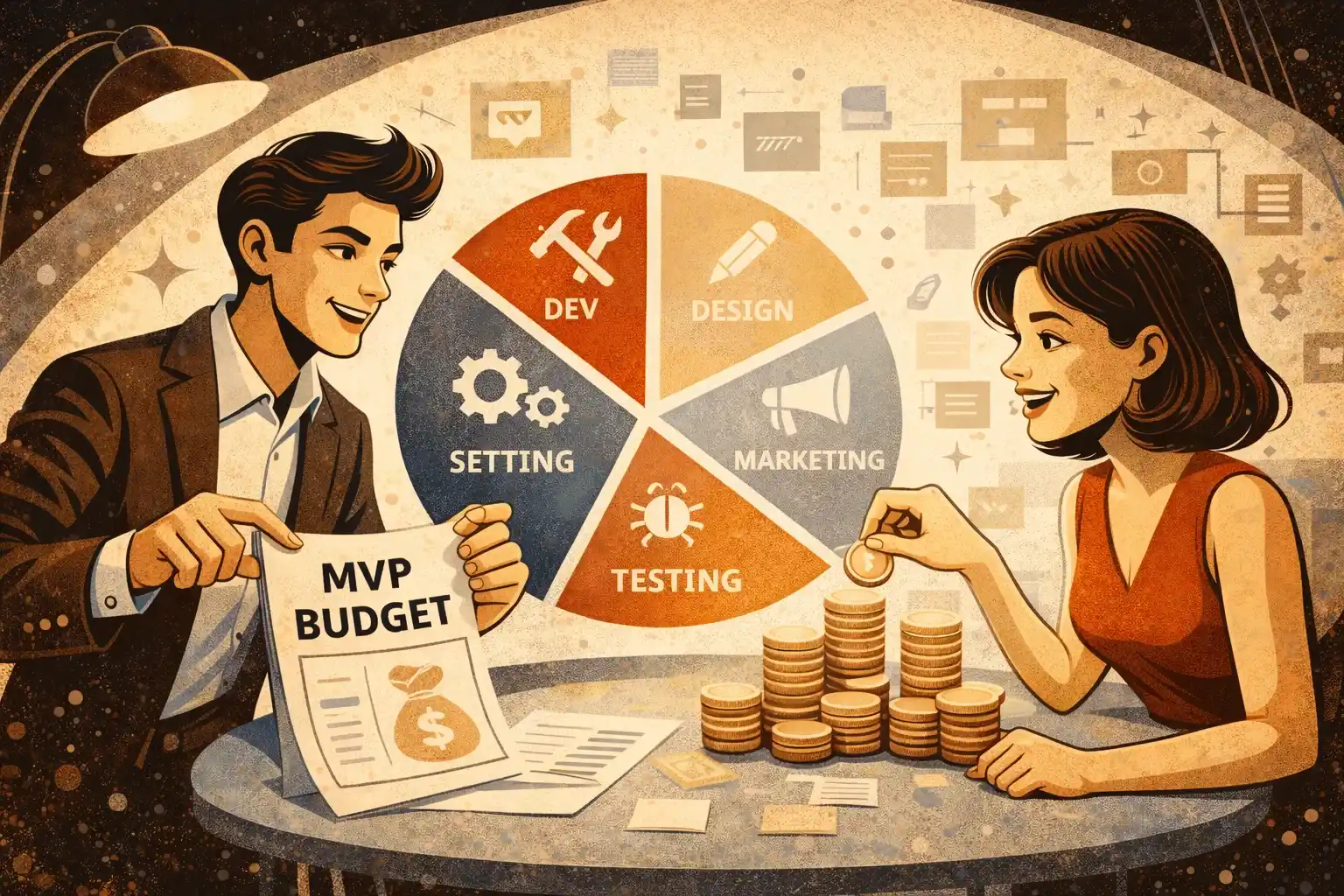
Life hack #5: spend money where mistakes are expensive
Not all costs are equal.
At pre-seed, invest in:
- early scoping
- UX clarity
- core user flows
Save money on:
- visual polish
- automation
- secondary features
This allocation protects you from rebuilding the wrong thing later.
To understand cost traps, see Hidden App Development Costs in 2026.
Life hack #6: validation beats perfection
A working product with no users is still a failure.
Pre-seed validation can be:
- manual
- messy
- uncomfortable
That’s normal.
Your job is not to impress - it’s to learn.
If you’re operating without funding, Pre-Seed MVP Development for Unfunded Startups on a Budget offers additional guidance.
What pre-seed founders should stop doing
Some habits actively slow you down:
- polishing before testing
- copying competitors feature-by-feature
- building “just in case” functionality
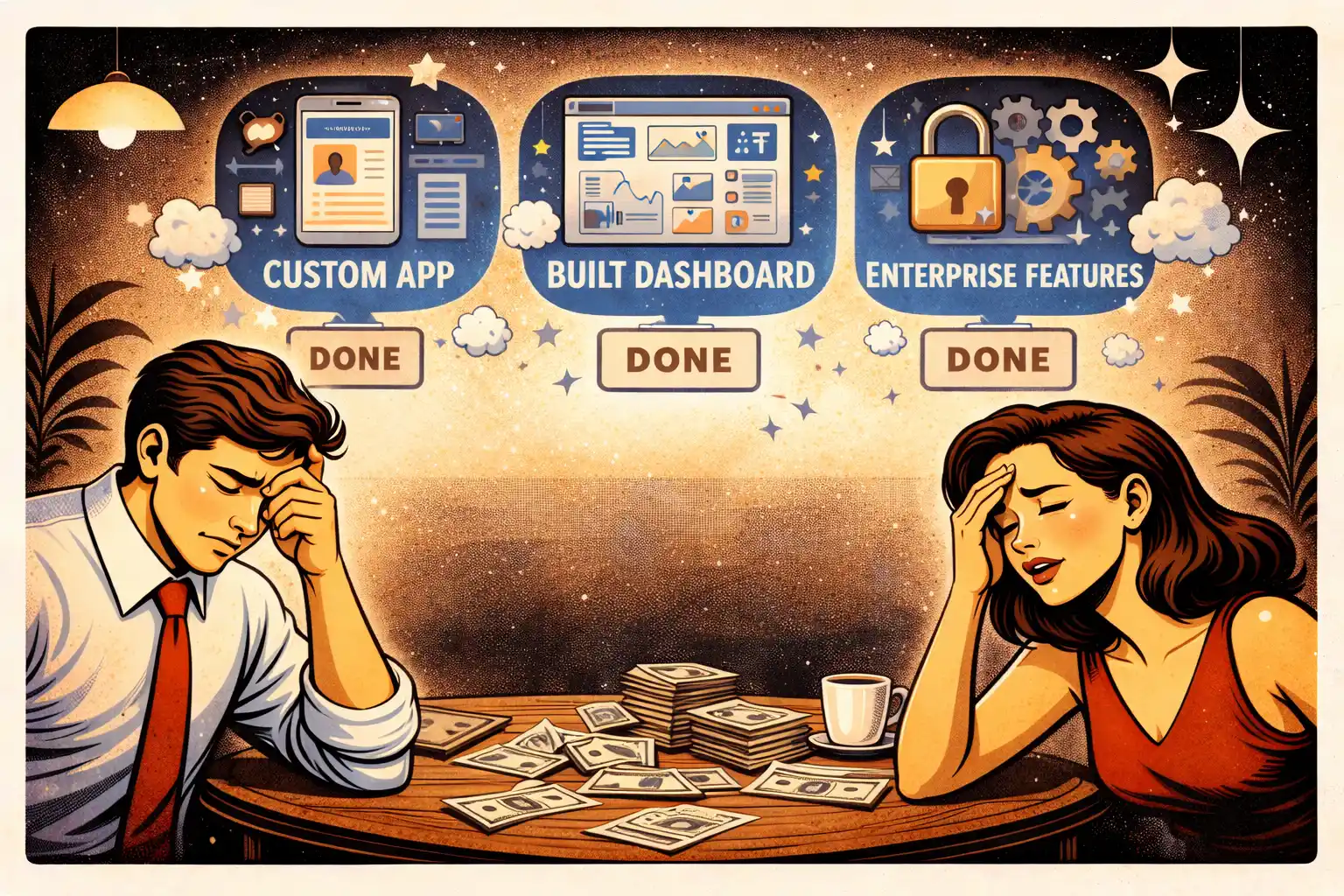
Every extra feature increases burn without increasing confidence.
Building a pre-seed product in 2026 and unsure where to focus?
At Valtorian, we help founders design lean MVPs that reduce risk, preserve runway, and create real validation - before fundraising pressure kicks in.
Book a call with Diana
Let’s talk about your idea, scope, and the smartest development path at pre-seed.
FAQ
How much should a pre-seed MVP cost in 2026?
There’s no single number, but pre-seed MVPs should be scoped to learn quickly, not to look complete. Cost depends heavily on clarity and constraints.
Should I build or validate first?
Validation should guide what you build. Development without validation increases risk and burn.
Is it okay to use no-code or AI tools at pre-seed?
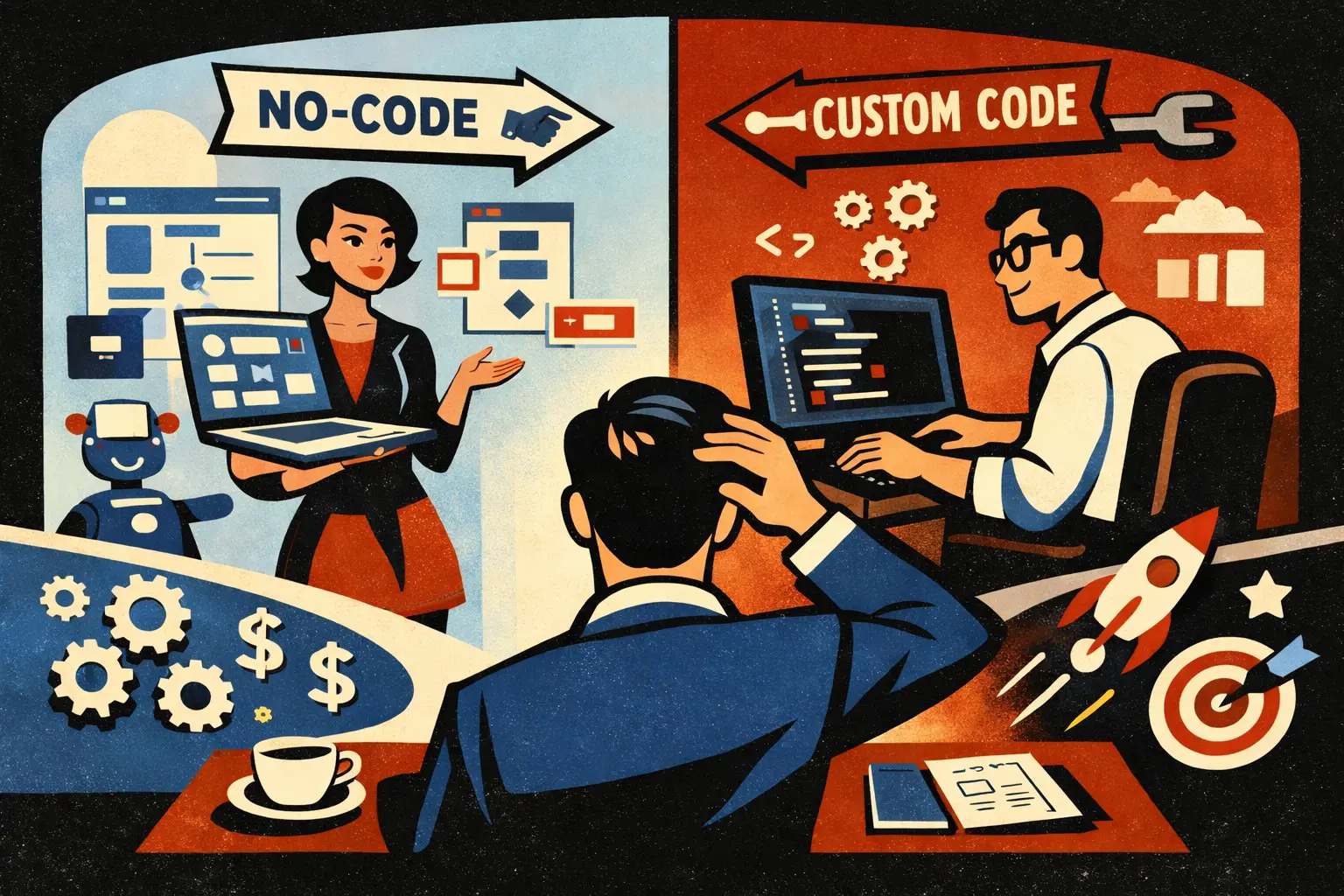
Yes. Flexibility and speed matter more than long-term purity at this stage.
How long should pre-seed development take?
Often 6–10 weeks for a focused MVP, depending on scope and unknowns.
What’s the biggest pre-seed development mistake?
Overbuilding before understanding user behavior.
When should I worry about scalability?
After you’ve validated demand and direction. Pre-seed is about learning, not optimization.


















































.webp)




.webp)