.webp)
Manual-First MVPs in 2026: What to Do Before Automating
Manual-first MVPs are how many great products start: you deliver the value with a mix of lightweight software and human operations, then automate only after you understand the workflow. In 2026, AI makes automation tempting early, but premature automation often locks you into the wrong process. This article explains what to keep manual, what to build as “minimum software,” and which signals tell you it’s time to automate. You’ll also get a practical checklist to avoid turning your MVP into a fragile automation project.
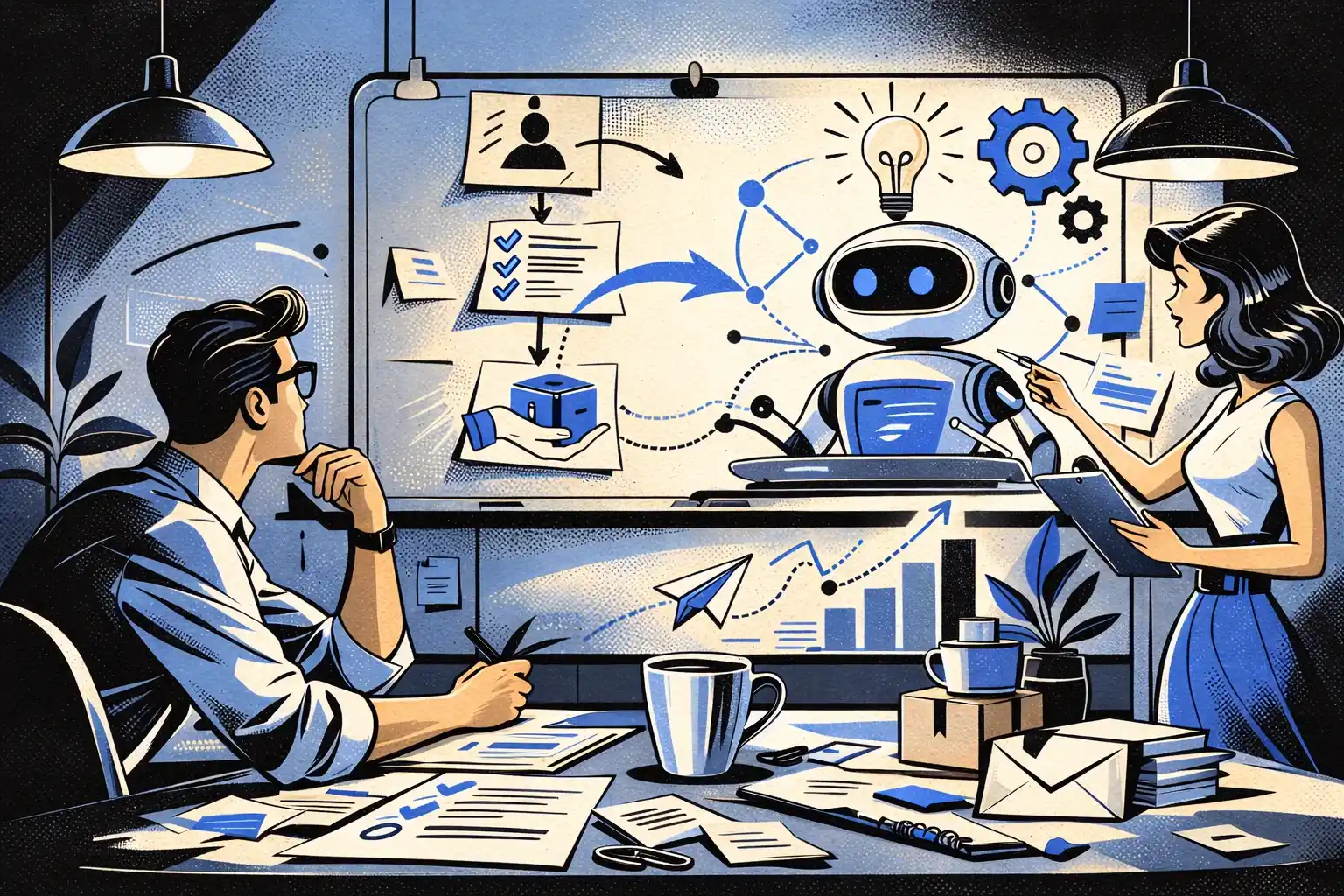
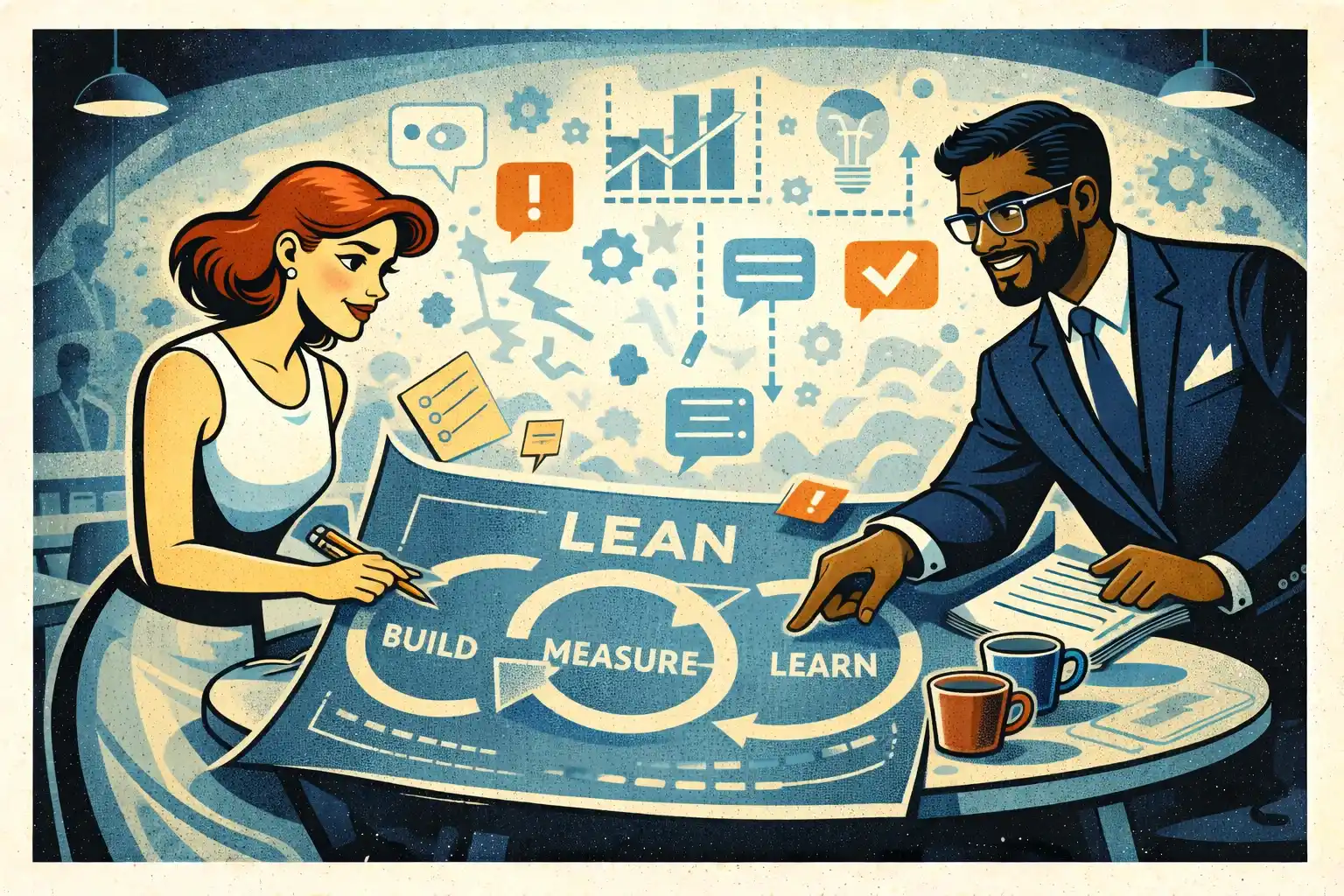
TL;DR: A manual-first MVP is not “no product.” It’s a product where software captures intent and tracks state, while humans handle the uncertain parts until the workflow is proven. In 2026, the fastest path is usually: manual delivery - measurable repeatability - selective automation.
What “manual-first” actually means (and what it doesn’t)
Manual-first means you deliberately keep high-uncertainty steps human while you validate:
- what users truly ask for
- what “good outcome” looks like
- how often edge cases happen
- what should be automated versus guided
It doesn’t mean:
- running everything in DMs forever
- no data, no tracking, no process
- building a fake UI that hides chaos
A good manual-first MVP still has structure. It just postpones the expensive automation until you’ve earned it.
If you’re a non-technical founder, this mindset pairs well with I Have a Startup Idea but No Developer: What to Do Next.
Why manual-first is even more useful in 2026
Two reasons:
- Automation is cheaper to start — and easier to do wrong.AI can generate workflows and code quickly, but it can’t tell you whether your workflow is the right one.
- Early-stage products are mostly “unknowns.”Manual-first is how you turn unknowns into knowns without burning runway.
If you’re tempted to automate because “AI makes it easy,” read AI-Powered MVP Development: Save Time and Budget Without Cutting Quality.
The manual-first rule: automate only what’s stable
Before automation, you need stability.
A step is stable when:
- it repeats the same way for most users
- the inputs are clear (no constant clarification)
- exceptions are rare and recognizable
- success can be measured consistently
If your team can’t describe the step in one sentence, it’s not ready to automate.
What to keep manual in a manual-first MVP
These are the best candidates for human-led delivery early.
1) Decision-heavy steps
Anything that requires judgment:
- matching users to options
- reviewing submissions
- approving or rejecting edge cases
- deciding “what’s next” for the user
2) Support and onboarding
Early onboarding is basically product discovery.
Keep manual:
- “what are you trying to do?” calls or chats
- guided setup
- troubleshooting
You’ll learn what the product must do later.
3) Operations that would be expensive to build wrong
Examples:
- complex scheduling logic
- advanced permissions
- multi-role dashboards
- heavy reporting
Build only the minimum scaffolding first.
If you’re unsure what belongs in MVP vs later, see How to Prioritize Features When You’re Bootstrapping Your Startup.
What you should still build (minimum software)
Manual-first MVPs fail when founders keep everything “in heads and spreadsheets.”
Minimum software is the layer that:
- captures user intent
- stores state
- creates a reliable handoff for humans
- produces data you can learn from
The minimum software building blocks
- IntakeA form, simple UI, or chat flow that captures what you need — no more.
- State tracking A clear lifecycle like: requested - in progress - delivered - feedback.
- Admin controls A basic internal view to run the workflow without chaos.
- Notifications Simple “we received it / it’s ready / next step” messaging.
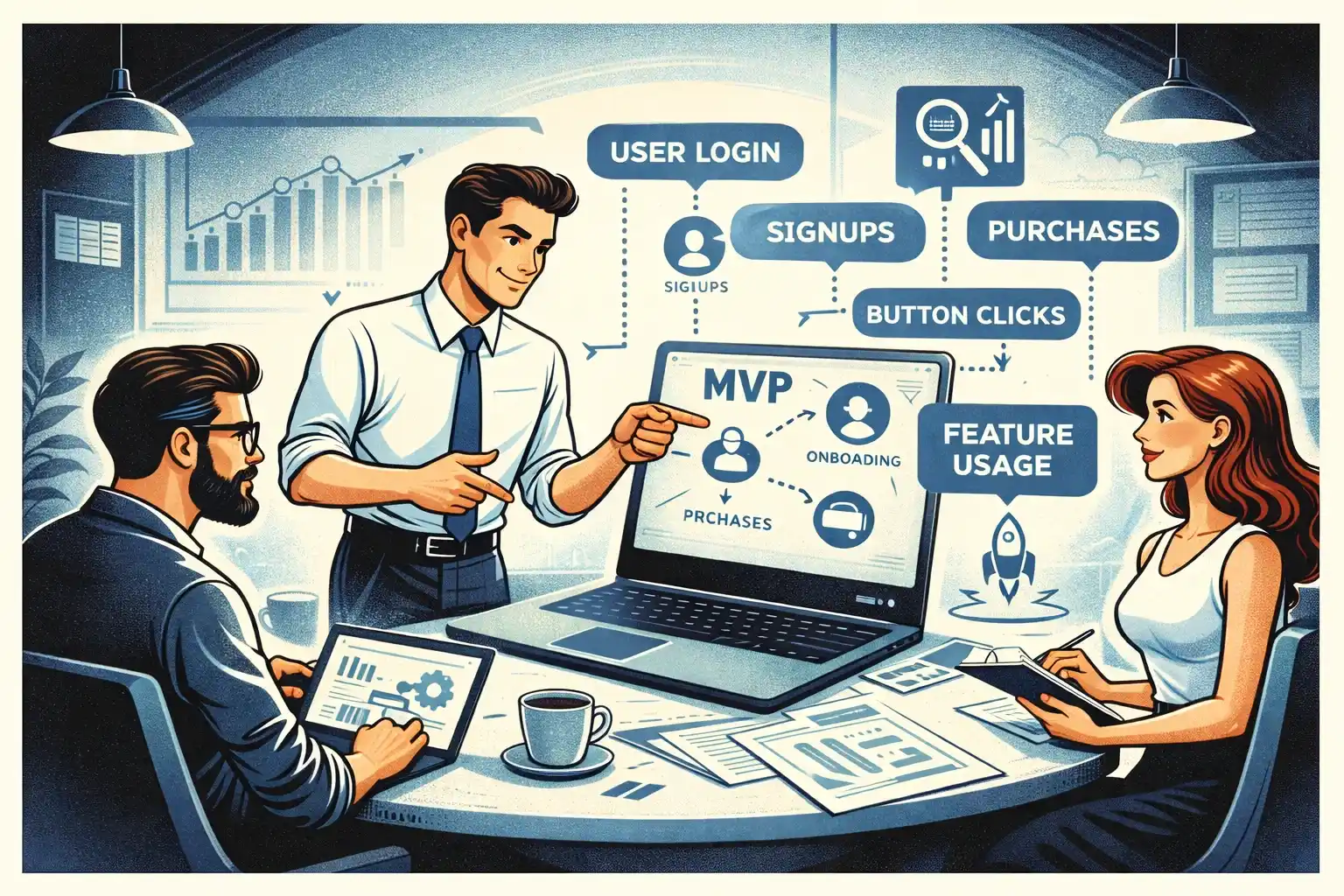
- Analytics hooks Track a few key events so you can learn from behavior.
If you want a founder-friendly end-to-end MVP path (including launch and first traction), read Full-Cycle MVP Development: From Discovery to First Paying Users.
The “wizard behind the curtain” pattern (done ethically)
A classic manual-first approach is “Wizard of Oz”: the user experiences a product, but humans do part of the work behind the scenes.
Done well, it’s honest:
- you don’t promise full automation if it isn’t
- you set reasonable timing expectations
- you use the phase to learn and improve
Done poorly, it becomes deception.
Founder rule: never claim a feature is automated if it isn’t.
What to measure before you automate
Automation should be pulled by evidence, not pushed by excitement.
Track:
- Time-to-value: how long until the user gets the outcome?
- Repeat rate: do users come back for the same outcome?
- Failure reasons: what breaks most often?
- Human effort per outcome: what steps take the most time?
- Willingness to pay: do users value the outcome enough?
If you want a clean early measurement mindset, Your First Product Metrics Dashboard: What Early-Stage Investors Want to See is a helpful reference.
When it’s time to automate (real signals)
You’re ready to automate when you have:
- a stable workflow that repeats
- a consistent input schema (users provide the same info)
- clear edge-case categories
- enough volume that manual work becomes a bottleneck
A simple rule:
- If you’re spending time repeating the same action, automate that action.
- If you’re spending time thinking and deciding, keep it human until the decision logic stabilizes.
How to automate without rebuilding everything
A practical sequence:
- Productize the state machine Make statuses explicit and consistent.
- Automate the “happy path” Leave exceptions for manual handling.
- Add guardrails Validation rules, rate limits, and audit trails.
- Expand coverage gradually Only after you see the happy path working.
This is how you avoid the classic trap: shipping a fragile automation system that collapses on real users.
Common manual-first mistakes
Mistake 1: Staying manual too long
Manual-first is a phase, not a lifestyle.
Fix: set a clear trigger (volume or repeatability) that forces automation decisions.
Mistake 2: No system of record
If your “process” lives in Slack messages, you’ll lose track.
Fix: build minimal intake + state tracking early.
Mistake 3: Automating the wrong step
Founders often automate what feels exciting, not what reduces friction.
Fix: automate the biggest bottleneck, not the flashiest feature.
Mistake 4: Hiring a team that overbuilds
Manual-first MVPs die when teams insist on “proper enterprise architecture” before proof.
If you’re outsourcing, this is a useful red-flag lens: Outsource Development for Startups: Pros, Cons, and Red Flags.
Thinking about building a usable MVP in 2026?
At Valtorian, we help founders design and launch modern web and mobile apps — including AI-powered workflows — with a focus on real user behavior, not demo-only prototypes.
Book a call with Diana
Let’s talk about your idea, scope, and fastest path to a usable MVP.
FAQ
Is a manual-first MVP still an MVP?
Yes. If users can complete the core workflow and receive the promised outcome, it’s an MVP — even if humans handle some steps behind the scenes.
What should I build first in a manual-first MVP?
Build intake, state tracking, and a simple admin view. Those three make manual delivery scalable enough to learn.
When should I start automating?
When the workflow repeats consistently, inputs are standardized, and manual work becomes a clear bottleneck. Automate the happy path first.
Will users be upset if parts are manual?
Not if you’re transparent about timing and outcomes. Users care about results and reliability more than whether a step is automated.
How do I avoid getting stuck in “ops forever”?
Define automation triggers upfront (volume, time per task, repeat rate). Treat manual-first as a learning sprint with a clear next phase.
Should I use AI to automate early?
Use AI to speed up repeatable tasks and reduce boilerplate, but don’t let it define your workflow. Automate only what’s stable and measurable.
What’s the biggest risk with manual-first MVPs?
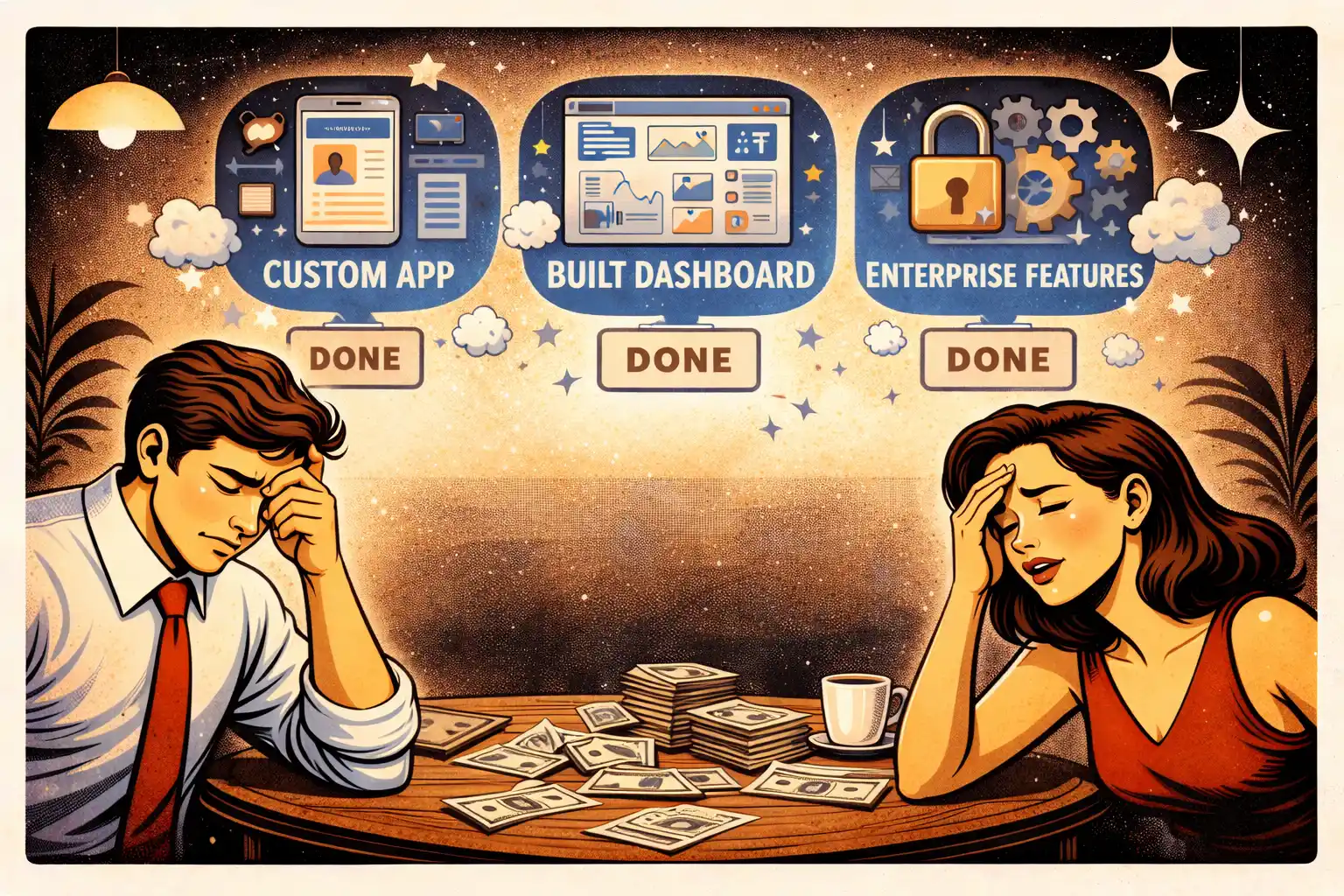
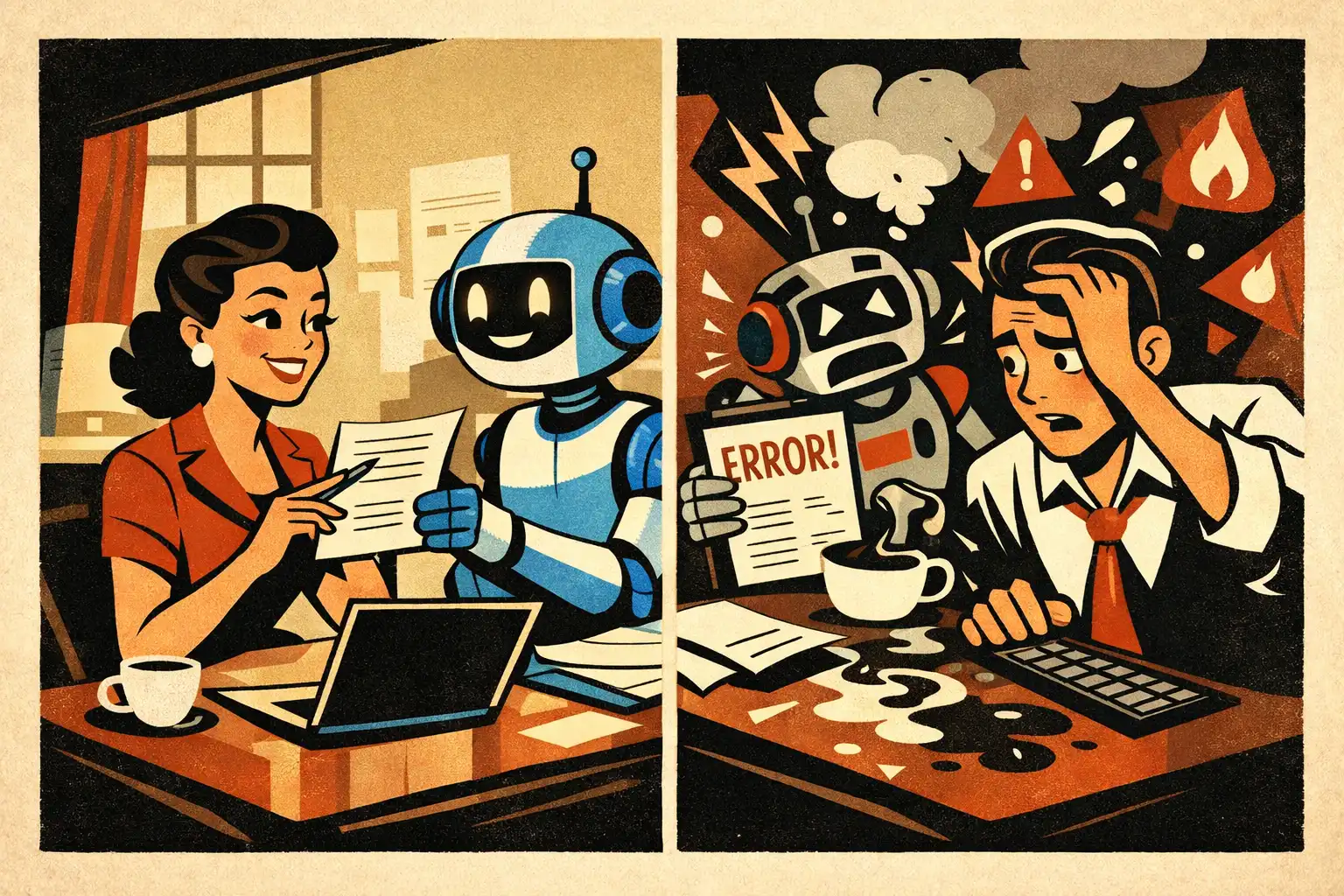
Either staying manual too long (no leverage) or automating too early (locking in the wrong process). The fix is clear measurement and staged automation.

























.webp)




.webp)