.webp)
Generative AI for Retail Startups in 2026: Use Cases, Costs, and First Steps
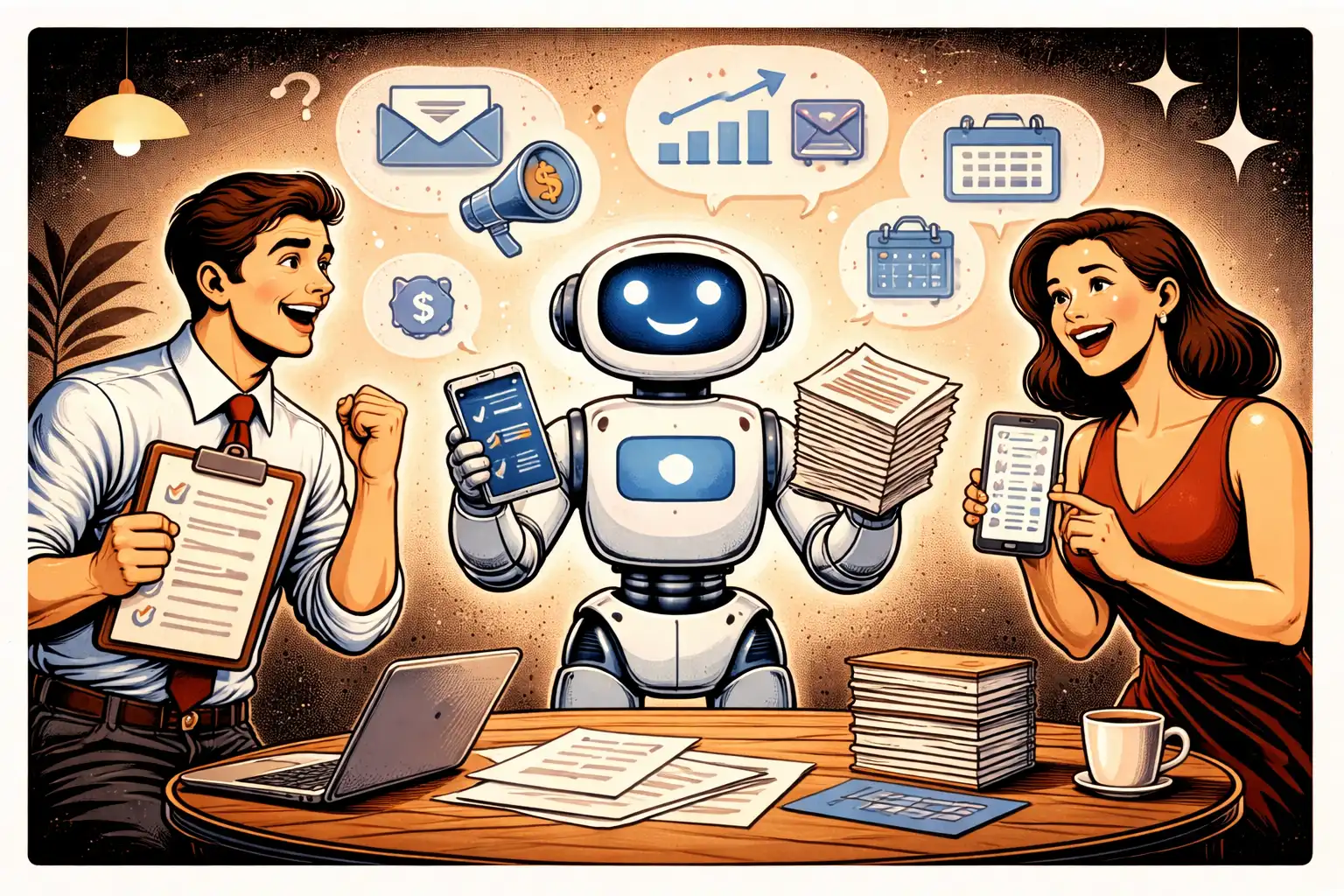
Generative AI is becoming more relevant for retail startups, but most teams still struggle with the same question: where does it create real value, and where does it just add noise, cost, or false complexity? In 2026, the smartest retail founders are not trying to automate everything. They are choosing a few narrow use cases that improve merchandising, content, support, discovery, or operations without making the product harder to trust. This article breaks down where generative AI fits in retail, what usually drives cost, and how to take the first step without overbuilding.
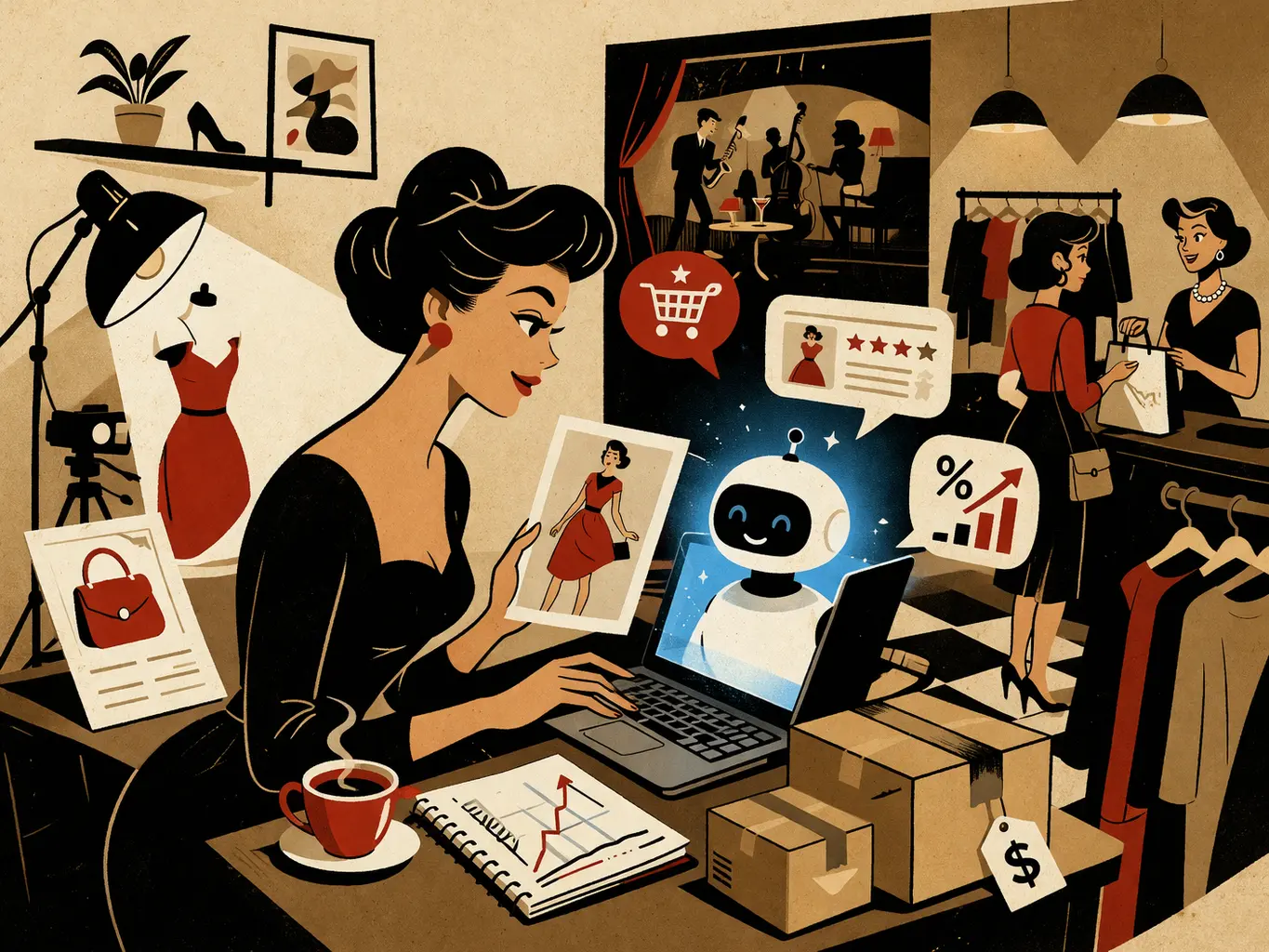
TL;DR: Generative AI can help retail startups most in product content, search and discovery, support assistance, merchandising workflows, and internal operations. It becomes risky when founders try to turn it into a broad “AI layer” before proving one useful workflow.
Why retail startups are looking at generative AI now
Retail has always had a lot of repetitive work. Product descriptions, catalog cleanup, support replies, campaign drafts, tagging, recommendations, and merchandising decisions all create operational load. That makes generative AI attractive because founders immediately see where time could be saved.
But retail is also a trust-heavy environment. If the output is wrong, inconsistent, misleading, or too generic, it affects conversion, support burden, and customer confidence. So the opportunity is real, but the tolerance for sloppy implementation is low.
That is why retail startups should think about generative AI as a workflow decision, not just a technology trend. The question is not whether AI can generate something. The question is whether that generation improves an actual retail outcome.
If you are thinking more broadly about where AI genuinely helps and where it causes problems, AI at Work in 2026: Where It Helps and Where It Backfires is a natural related read.
Where generative AI helps most in retail
The clearest wins usually come from product content and catalog operations. Retail startups often spend too much manual time cleaning listings, rewriting descriptions, formatting titles, grouping attributes, or preparing collections. Generative AI can speed that up if the inputs are structured and the review process is clear.
Another strong area is search and discovery. AI can help customers navigate large catalogs through better query understanding, conversational product discovery, or smarter filtering support. This is especially useful when a normal keyword search is too rigid for how customers actually shop.
Support assistance is another practical use case. AI can help draft replies, summarize customer issues, or surface likely answers faster for the human team. Used this way, it reduces response time without giving the model too much authority.
Merchandising is also promising. AI can help with bundle ideas, seasonal draft campaigns, product grouping suggestions, and internal content workflows that otherwise slow a small retail team down.
For early-stage founders, the pattern is simple: generative AI works best where there is repeated structure, clear input, and enough human context to catch weak outputs before they matter.
That logic aligns with AI + Human Workflows in 2026: The Best Hybrid Pattern.
Where founders usually overestimate its value
Many retail founders imagine a broad AI shopping assistant, fully automated content engine, or deeply personalized recommendation layer before they have even validated one reliable use case. That is usually where things go wrong.
The first problem is that retail data is often messy. Product feeds are inconsistent, stock changes constantly, naming standards vary, and brand voice is rarely as clean as founders think. If the underlying data is weak, generative AI often amplifies that weakness instead of fixing it.
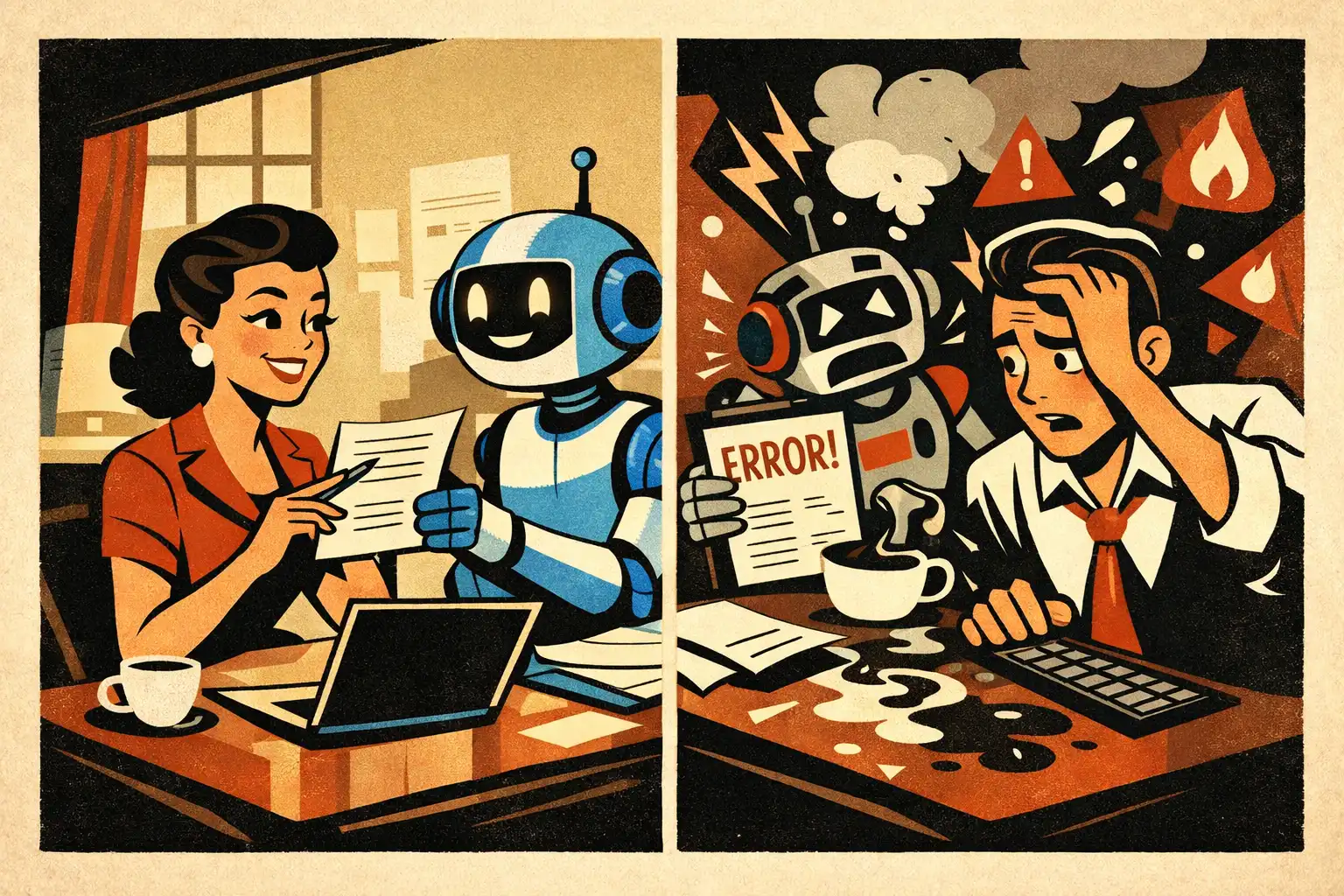
The second problem is user trust. If an AI-generated recommendation feels off, hallucinates product details, or creates misleading descriptions, the damage goes beyond one bad output. It makes the store feel less reliable.
The third problem is scope. Once founders see AI generate something impressive, they start attaching it to multiple flows at once. That turns one narrow test into a broader, harder, more expensive product layer before the first result is even proven.
This is closely related to AI Product Mistakes Startups Make in 2026.
The retail use cases that usually make sense first
For most retail startups, the best first use case is not the most futuristic one. It is the one that improves either team efficiency or a specific customer experience with limited downside.
A strong starting point is AI-assisted product content. If your team manages a growing catalog, speeding up product descriptions, titles, attributes, or collection drafts can create immediate value. The risk stays manageable because humans can still review the output.
Another practical first use case is internal support assistance. Instead of letting AI talk directly to customers without control, startups can use it to help agents respond faster and more consistently.
A third good option is guided product discovery, but only if the catalog is structured enough and the recommendations are easy to inspect. If the AI is guessing too much, this becomes fragile fast.
Those kinds of first steps are much safer than trying to build a giant AI shopping brain from day one.
That is why AI MVP Features in 2026: What’s Worth Building fits naturally into this topic.
What actually drives cost
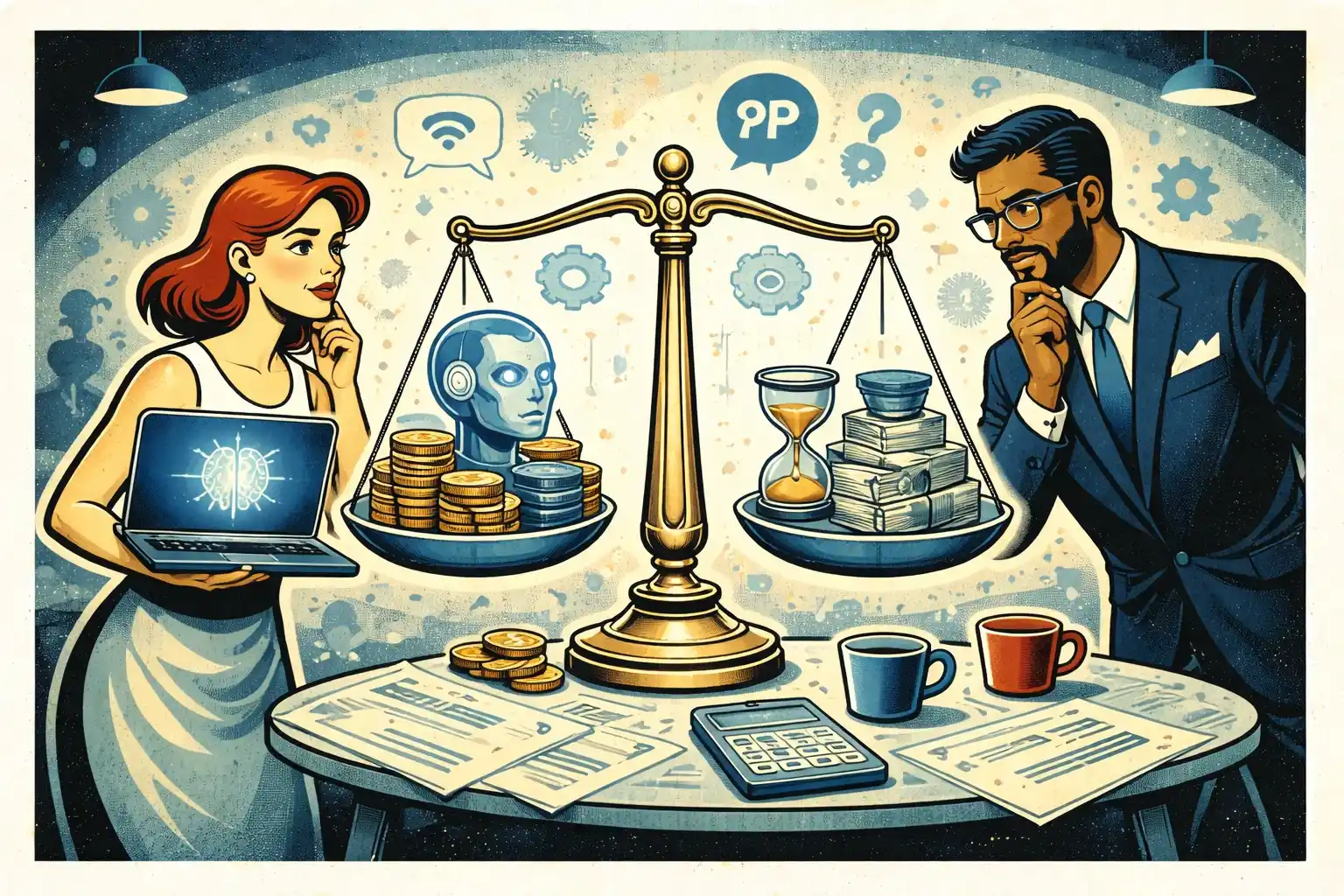
The biggest mistake founders make is thinking AI cost is just “the model cost.” In practice, the API bill is only one part.
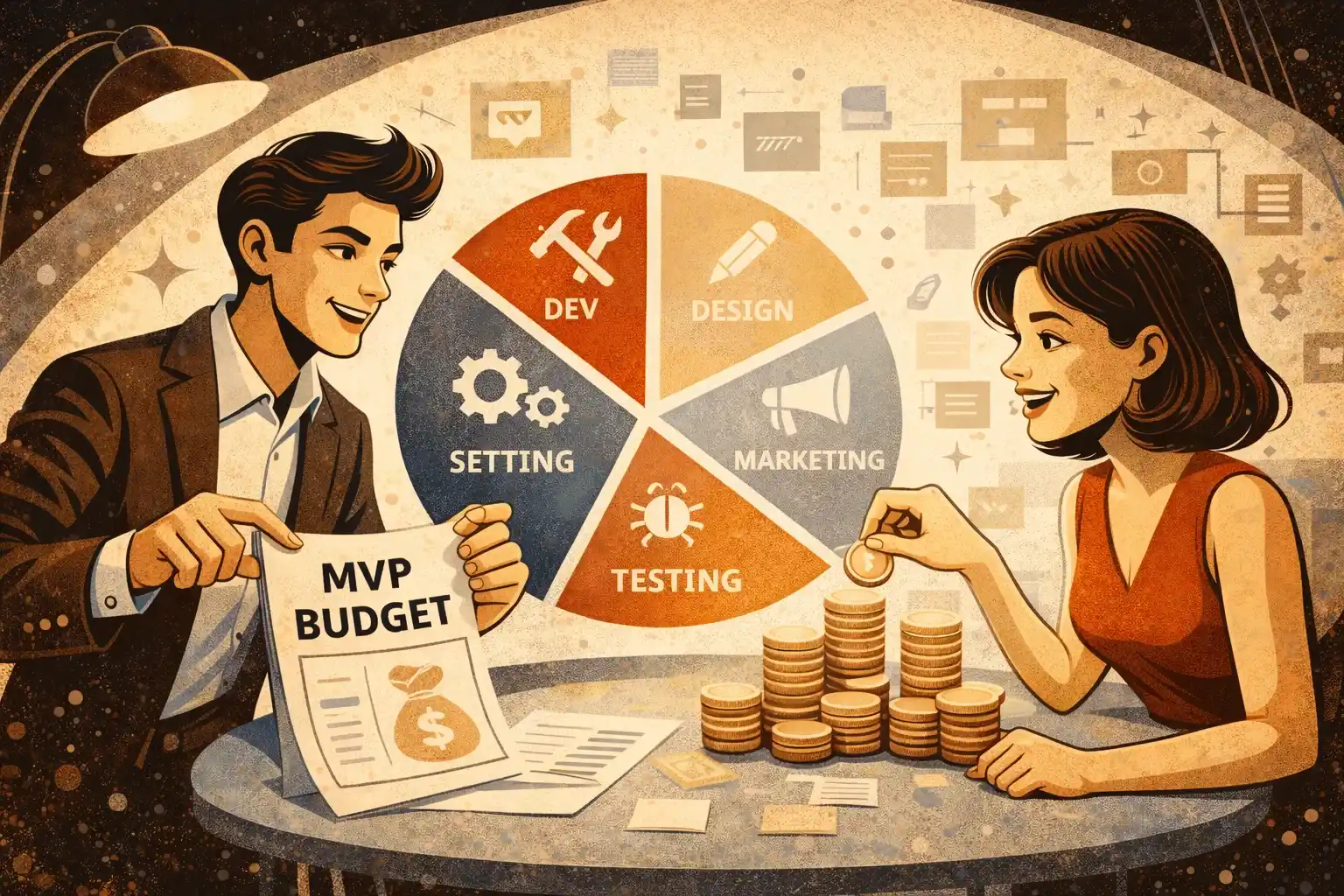
The real cost usually comes from five things: how often the model is called, how much context is sent with each request, how much cleanup your data needs, how much human review stays in the loop, and how much product work is needed around the AI layer itself.
If your workflow requires long product context, large catalogs, image inputs, or repeated generation across thousands of items, the spend can rise quickly. If the output also needs quality control, your operational cost stays tied to the process even if the generation itself is fast.
Then there is product cost. Even a simple generative AI feature still needs interface design, fallback behavior, logging, analytics, permissions, and user handling. That part is often underestimated more than the model bill itself.
This connects well with AI Costs for Startups in 2026: What Drives Spend.
Why retail startups should start narrower than they want
Retail is one of those categories where founders can imagine ten AI features immediately. That is exactly why they should start with one.
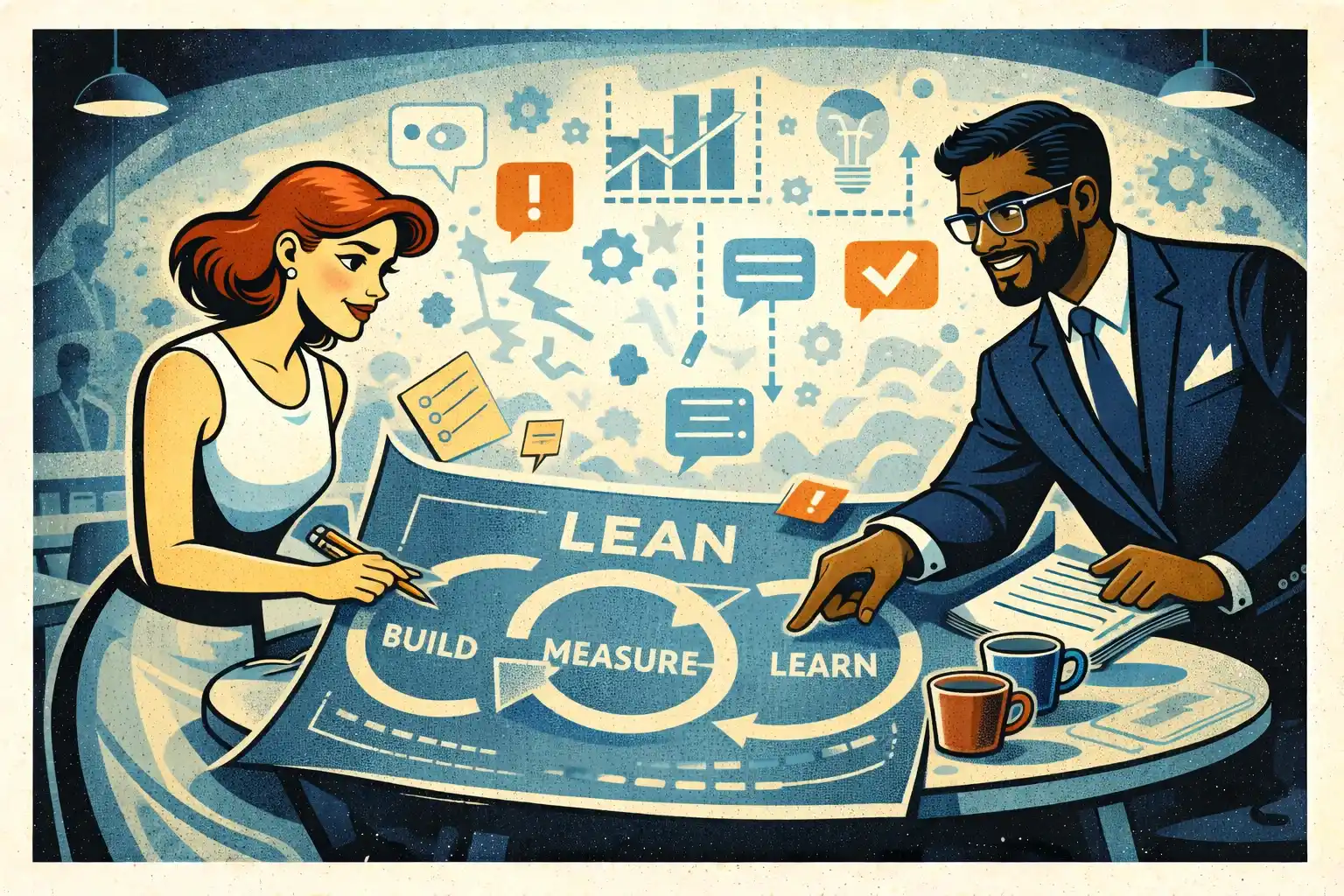
A narrow first use case gives you cleaner signals. You can see whether the output quality is actually useful, whether the team saves time, whether customers engage differently, and whether the economics make sense before expanding further.
A broad AI rollout creates too many moving parts at once. If something underperforms, the team no longer knows whether the problem is the data, the interface, the prompt logic, the use case itself, or the lack of operational control.
The smaller the first AI feature, the easier it is to judge honestly.
That discipline is very close to MVP Scope and Focus in 2026.
A practical first-step framework for founders
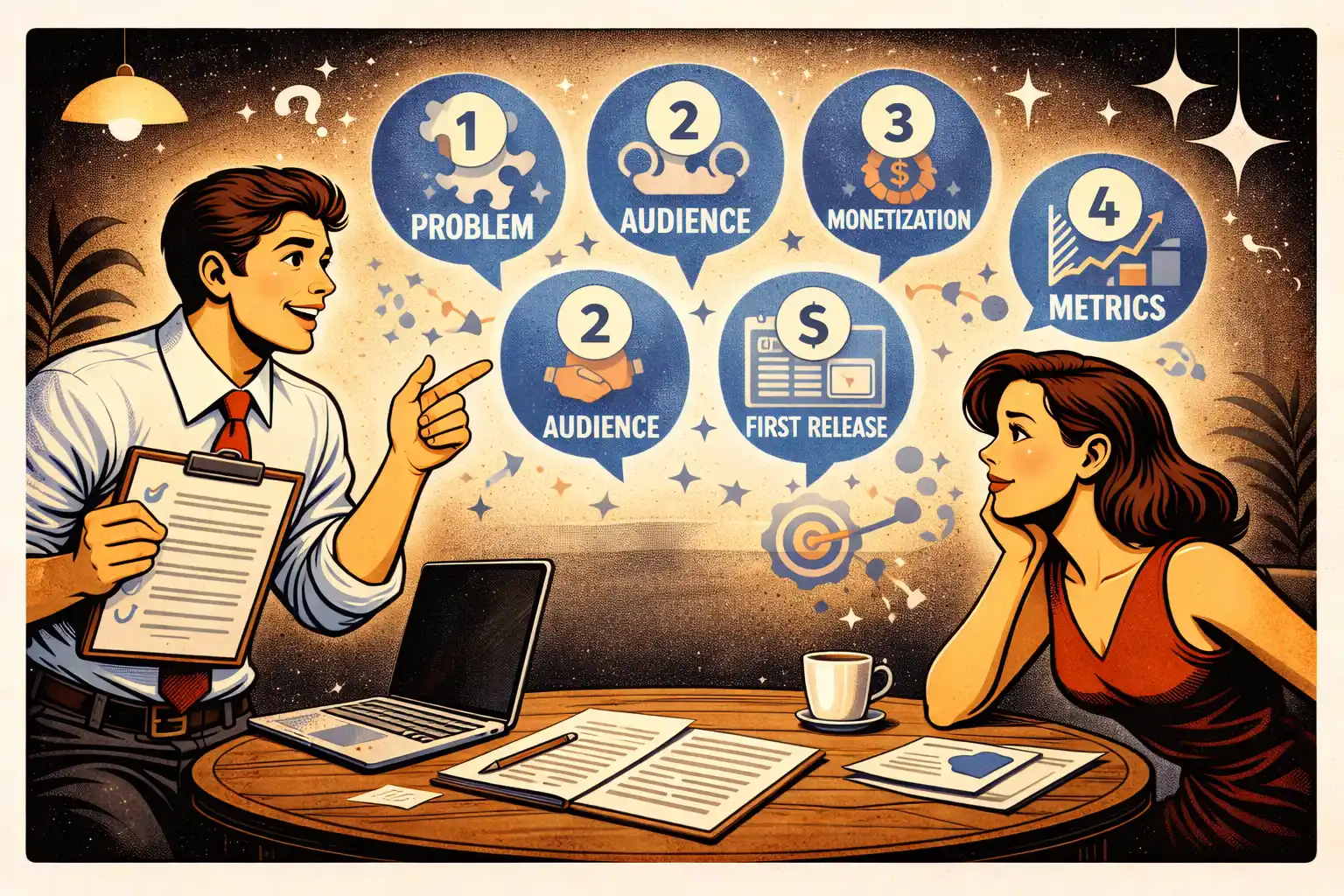
Start by asking where your retail startup loses the most repeated time or friction today. Not in theory — in the actual weekly workflow.
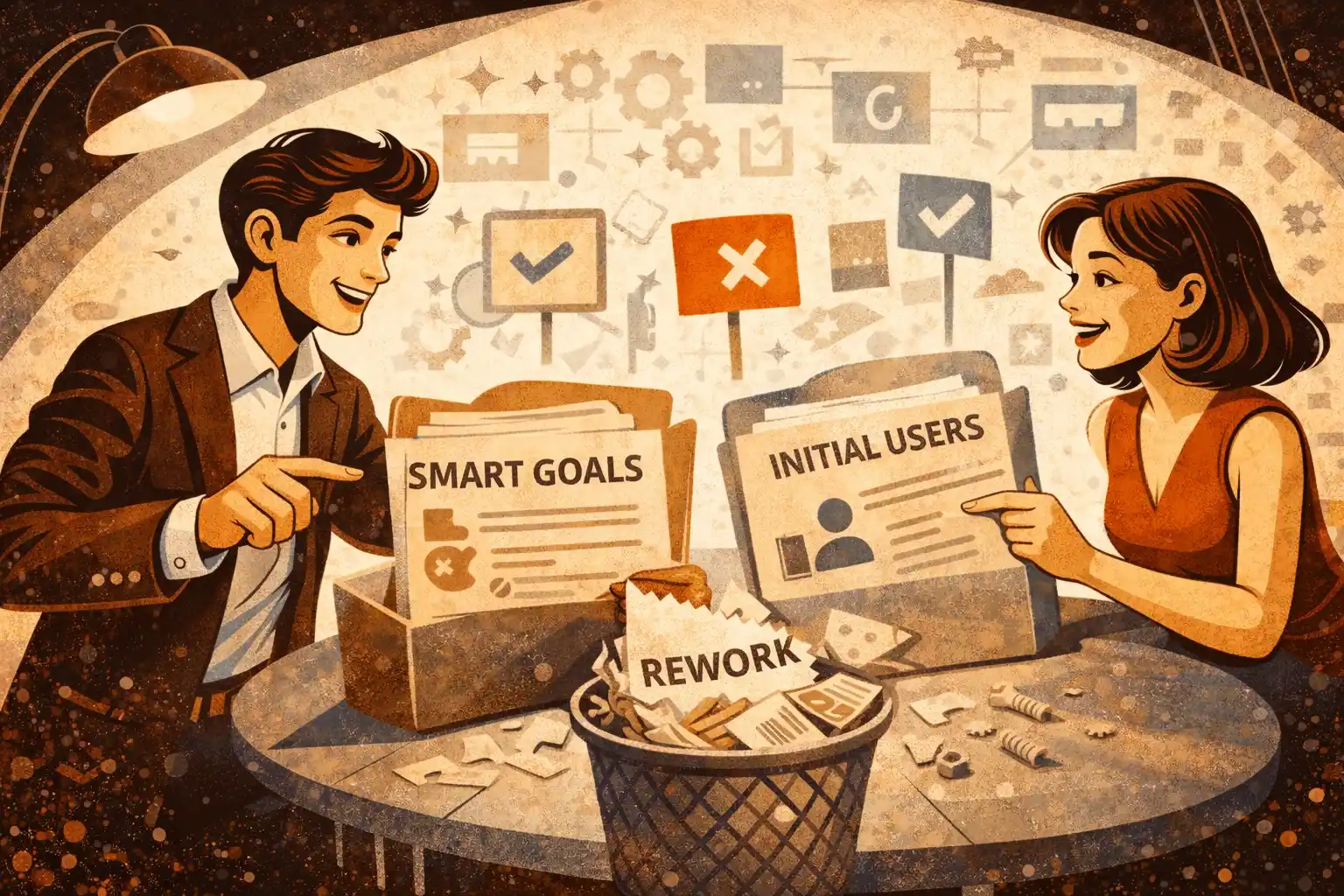
Then look for a use case with three traits. It should happen often, it should have structured enough input, and it should be easy to review before it creates damage.
Then design the workflow around the real user of the feature. Sometimes that user is the customer. Sometimes it is your content manager, support lead, or merchandising person. Founders often skip this and jump straight to the model.
Then define what success means. Faster content turnaround, lower support handling time, improved search engagement, higher conversion from assisted discovery, or reduced manual ops hours are all much better measures than “the AI seems cool.”
Then keep the launch narrow. One use case, one feedback loop, one clear metric.
What should stay manual at first
Retail startups often get better results when some parts stay human-led longer.
Brand voice is one example. AI can help generate draft content, but final tone often still benefits from human editing, especially for premium or differentiated retail brands.
Sensitive recommendations are another. If a recommendation could create returns, disappointment, or trust issues, it often needs guardrails or a softer role.
Escalation logic should also stay clear and human-owned. If the AI cannot confidently help, the system should route the case or step down gracefully instead of pretending to know more than it does.
This is where AI Reliability in 2026: How to Avoid Bad Outputs becomes important.
Final thought
Generative AI can be very useful for retail startups in 2026, but only when it is tied to a real operational or customer problem. The teams that get value from it are usually not the ones chasing the most impressive demo. They are the ones improving one meaningful workflow at a time.
For most founders, the smartest move is simple: pick a narrow retail use case, understand the real cost beyond the API, keep humans close to the risky parts, and expand only after the first workflow proves itself.
Thinking about building an AI-powered retail MVP in 2026?
At Valtorian, we help founders design and launch modern web and mobile apps — including AI-powered workflows — with a focus on real user behavior, not demo-only prototypes.
Book a call with Diana
Let’s talk about your idea, scope, and fastest path to a usable MVP.
FAQ
What is the best first generative AI use case for a retail startup?
Usually one that improves repeated internal work, such as product content, support assistance, or catalog organization, without putting too much trust pressure on customer-facing outputs.
Is generative AI expensive for retail startups?
It can be, but the main cost is not only model usage. Data cleanup, review time, interface work, and product logic often matter just as much.
Should retail startups build AI shopping assistants first?
Usually no. They sound attractive, but they often require better data, tighter controls, and more trust than early-stage teams expect.
Can AI help with product descriptions and catalog work?
Yes. That is one of the most practical early use cases, especially when the team still reviews the output before publishing.
What is the biggest mistake founders make here?
Trying to add too many AI features at once before one useful workflow has been proven.
Does generative AI improve retail conversion automatically?
No. It only helps if it improves the customer journey or team operations in a measurable way.
How should a founder start?
Choose one repeated workflow, define the success metric, keep the rollout narrow, and review the output closely before expanding.

































.webp)




.webp)