.webp)
Startup Website or Web App in 2026: A Practical Launch Plan for Founders
Many founders say they need “a website” when what they really need is either a launch-ready marketing site, a usable web app, or both — but in the right order. In 2026, this decision affects budget, speed, scope, and how quickly you can start learning from real users. This article breaks down the difference in plain English, explains when each option makes sense, and gives a practical launch plan for non-technical founders who want traction without building too much too early.

TL;DR: A startup website and a web app solve different problems. A website helps you explain, validate, and attract interest, while a web app helps users actually do something. In most early-stage cases, founders should not build both at full scale from day one. The smarter path is to choose the smallest useful launch setup based on your product stage, user behavior, and what you need to prove first.
Why founders confuse these two things
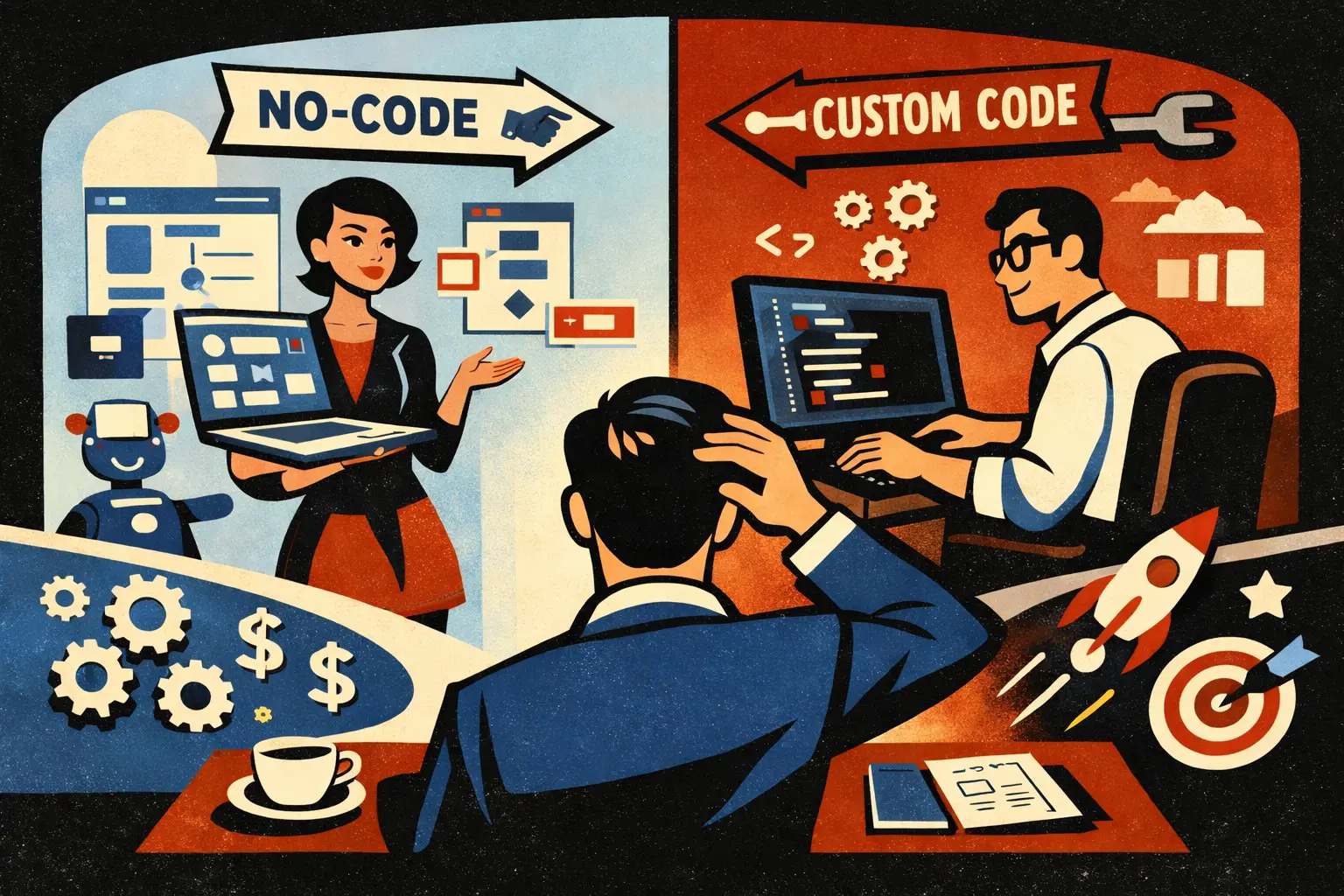
This confusion usually starts with language. A founder says, “I need a website,” but after ten minutes of discussion it turns out they mean user accounts, dashboards, role-based access, saved data, internal logic, payments, or workflows. That is not just a website anymore. That is a web app.
The opposite also happens. A founder starts planning a full product build when what they really need first is a simple website that explains the value, collects leads, validates demand, and gives them something concrete to show users or investors.
That is why the first decision is not design. It is product intent. What exactly are you trying to prove in the next few weeks?
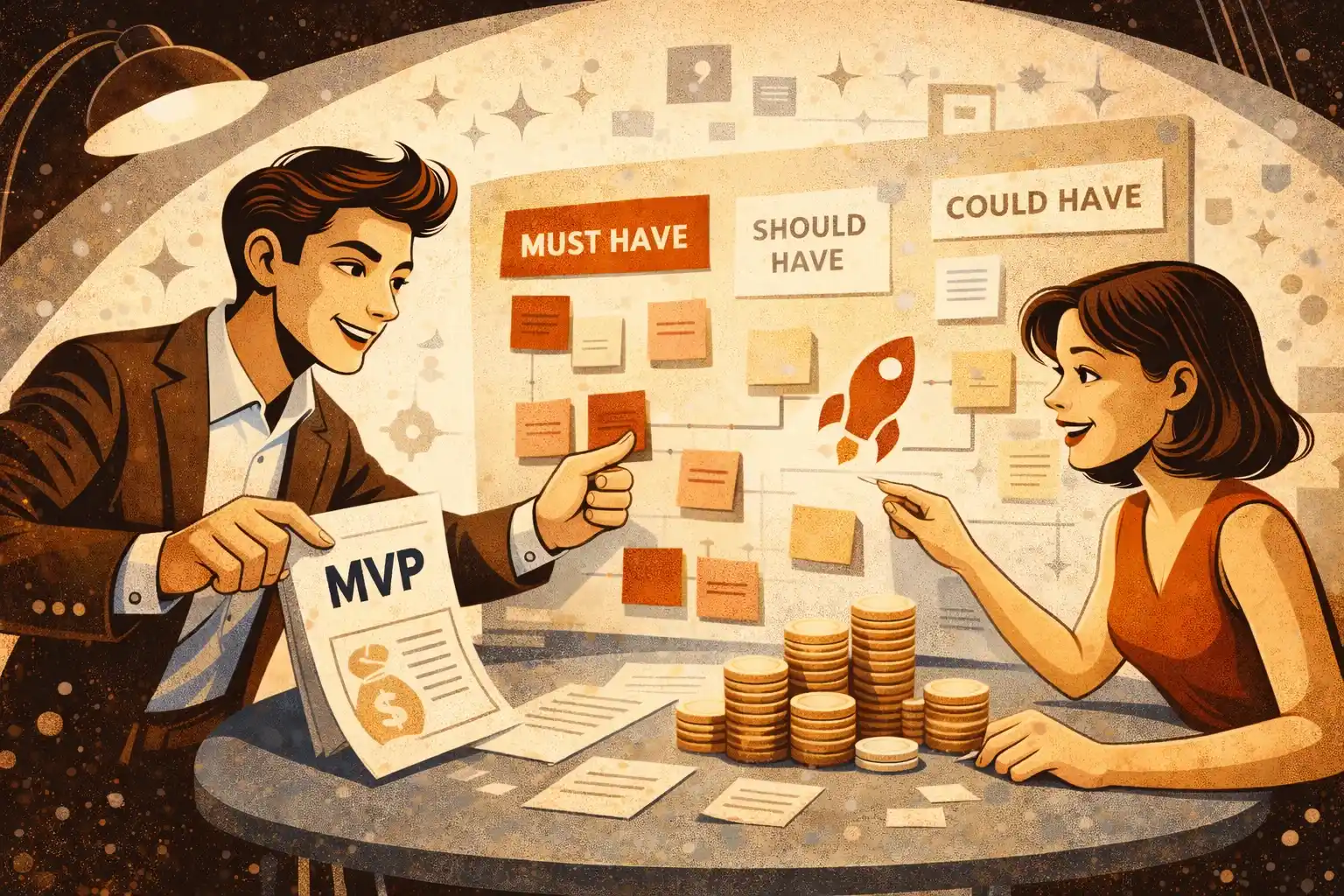
If you are still unclear on that, What a Good MVP Looks Like in 2026 is the better place to start.
What a startup website is actually for
A startup website is mainly for communication and traction. It tells people what the product is, who it is for, why it matters, and what they should do next. That next step might be joining a waitlist, booking a demo, submitting a lead form, or trying a very simple first workflow.
A good startup website can help you validate messaging, test positioning, collect early interest, and support outreach. It can also give your startup a more credible public presence before the product is fully built.
For many early founders, a website is enough at first — especially if the core risk is not product engineering yet, but whether anyone cares about the problem.
This is where Validate a Startup Idea Before Development: 5 Experiments That Work fits naturally.
What a web app is actually for
A web app is for action, not just explanation. It is where users log in, complete tasks, manage data, receive output, or interact with the product logic itself.
If your users need a dashboard, a workflow, a profile, a subscription area, analytics, a marketplace flow, or some kind of interactive product experience, you are talking about a web app. That means more scope, more decisions, and usually more budget than a basic website.
But it also means you are closer to real product learning. A web app can show whether users actually get value from the experience, not just whether they say the idea sounds interesting.
When a website should come first
A website should usually come first when your main uncertainty is market interest, positioning, or audience clarity. If you still need to understand who responds, what message converts, or which user segment is most promising, jumping into a full web app too early can be expensive.
A website-first path also makes sense when the product can be partially delivered manually in the beginning. For example, if users can request a service, submit information, or book a consultation before you automate the full experience, you may not need a web app yet.
This route is often better for pre-seed founders, solo founders, and teams with limited runway. It gives you a public presence fast without forcing you to define every product detail at once.
That logic overlaps with Landing Page to MVP in 2026: The Lean Path.
When a web app should come first
A web app should come first when the value of the product only appears through actual interaction. If a user must upload something, generate something, track something, collaborate, manage operations, or access personalized information, a simple website will not tell you enough.
This is especially true for SaaS tools, internal workflow products, portals, dashboards, marketplaces with user actions, and AI products where the value depends on real input and real output.
In those cases, a website may still matter, but it should not become the main project. The main project is the smallest useful web app that gets the user to one meaningful outcome.
If your product sits closer to SaaS logic, B2B SaaS MVP in 2026: The Real Minimum adds useful context.
When founders actually need both
Sometimes the answer is both — but not both at the same level of effort.
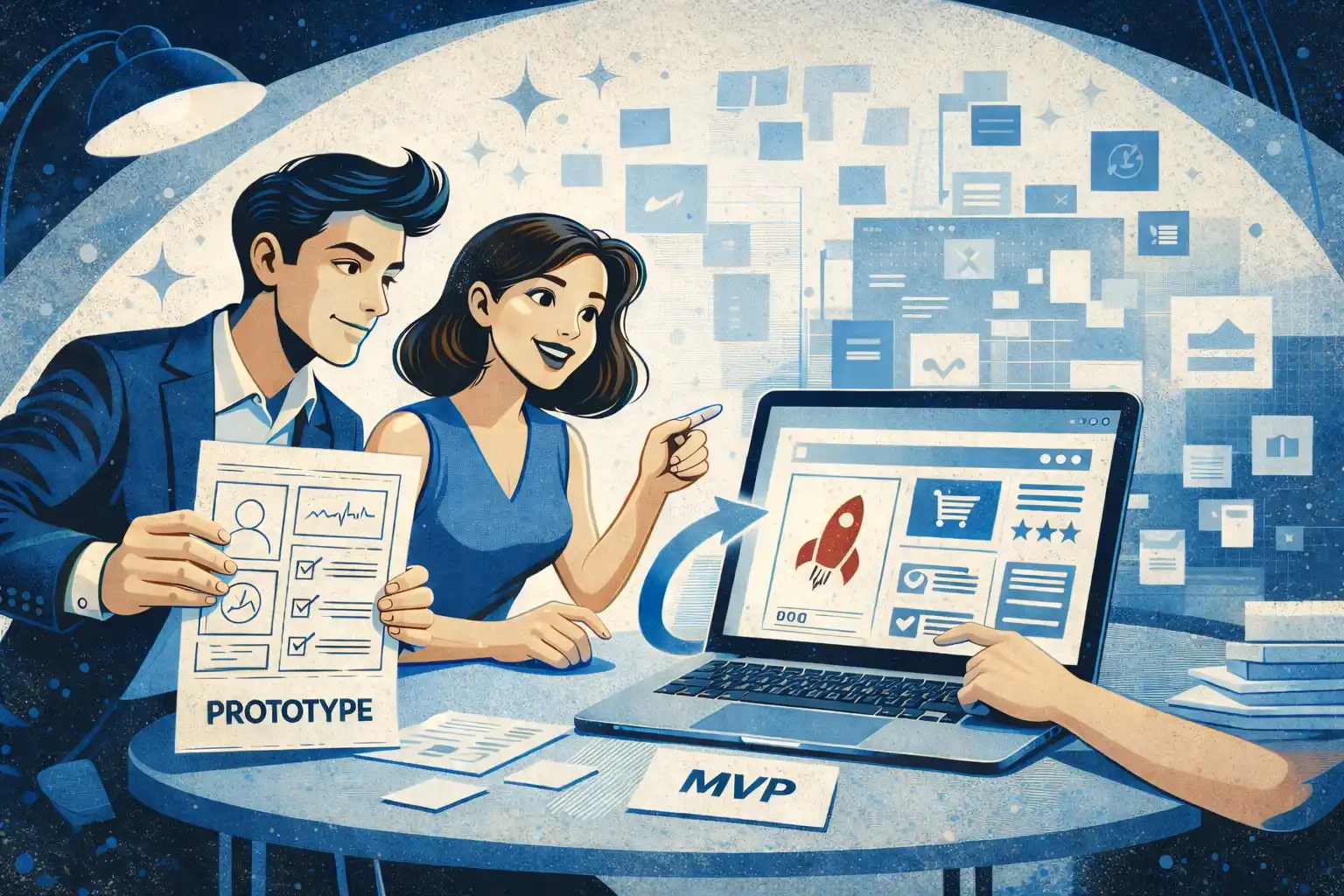
A common smart setup is a simple marketing website plus a lean web app behind it. The website explains the product, supports acquisition, and gives confidence. The web app delivers the value. That combination is often enough for an early launch without creating two separate oversized projects.
The mistake is treating both as full-scale products from the start. Founders burn time when they over-design the site and overbuild the app before either one has proven much.
This is one reason Launching an MVP the Right Way in 2026 matters so much.
A practical launch plan for founders
Start with the question you need the market to answer first.
If the question is, “Do people care enough to click, sign up, or book?” start with a website.
If the question is, “Will users actually complete this task and get value?” start with a web app.
If the answer requires both acquisition and product behavior, launch a very simple website plus a very focused app.
Then define one conversion goal. Not ten. One. That could be waitlist signups, booked demos, created accounts, completed onboarding, generated output, or first successful task completion.
Then reduce the build until it supports that goal and little else. That is the part founders often skip.
Founder mistakes to avoid
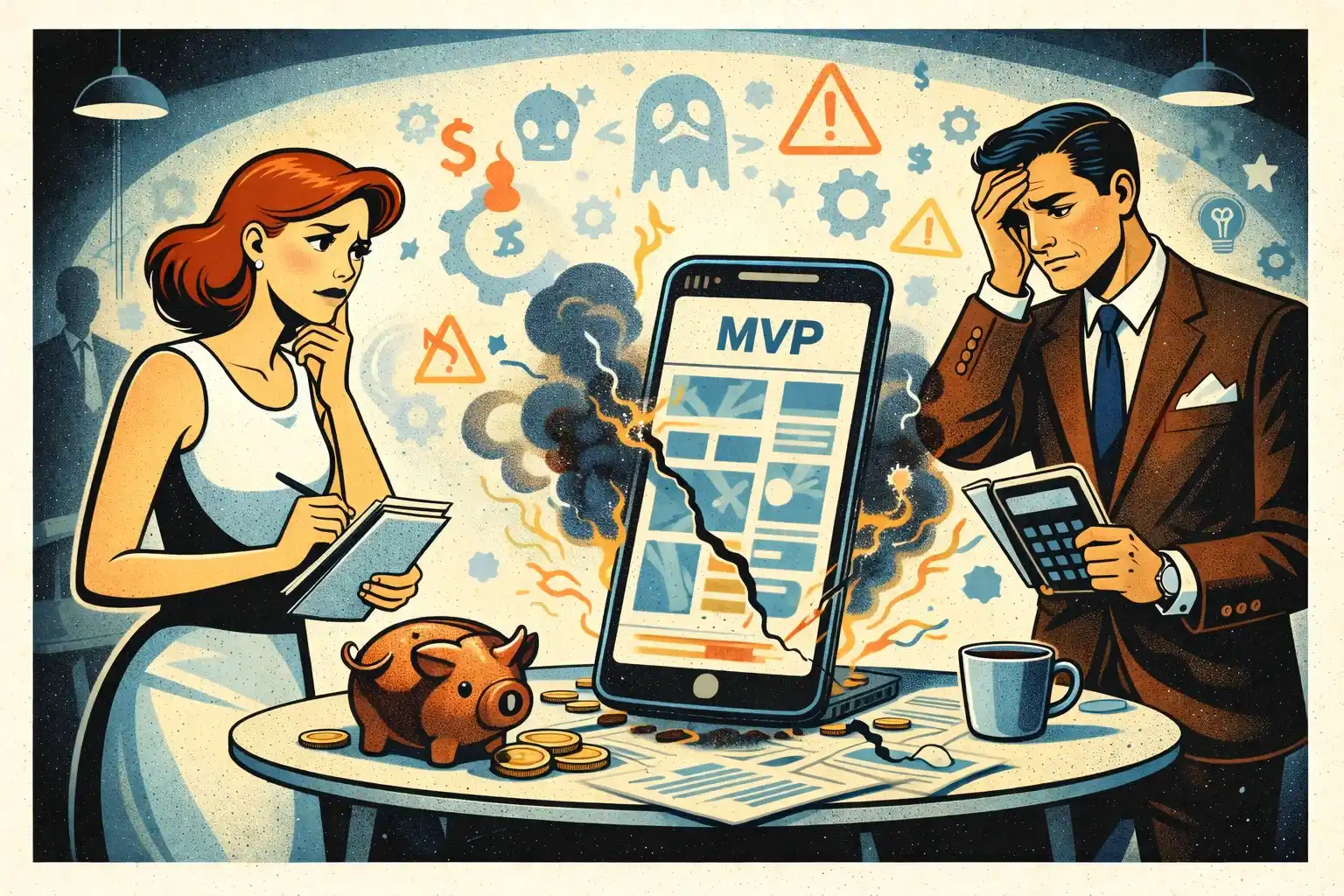
The first mistake is building a web app because it feels more serious, even when a website would answer the more urgent question faster.
The second mistake is building a website that tries to imitate the product instead of clearly selling the problem, value, and next step.
The third mistake is launching both with too many pages, too many flows, and too many edge cases. In early startup work, more structure often means slower learning.
The fourth mistake is separating marketing and product decisions too much. Your first site and first app should support the same learning goal.
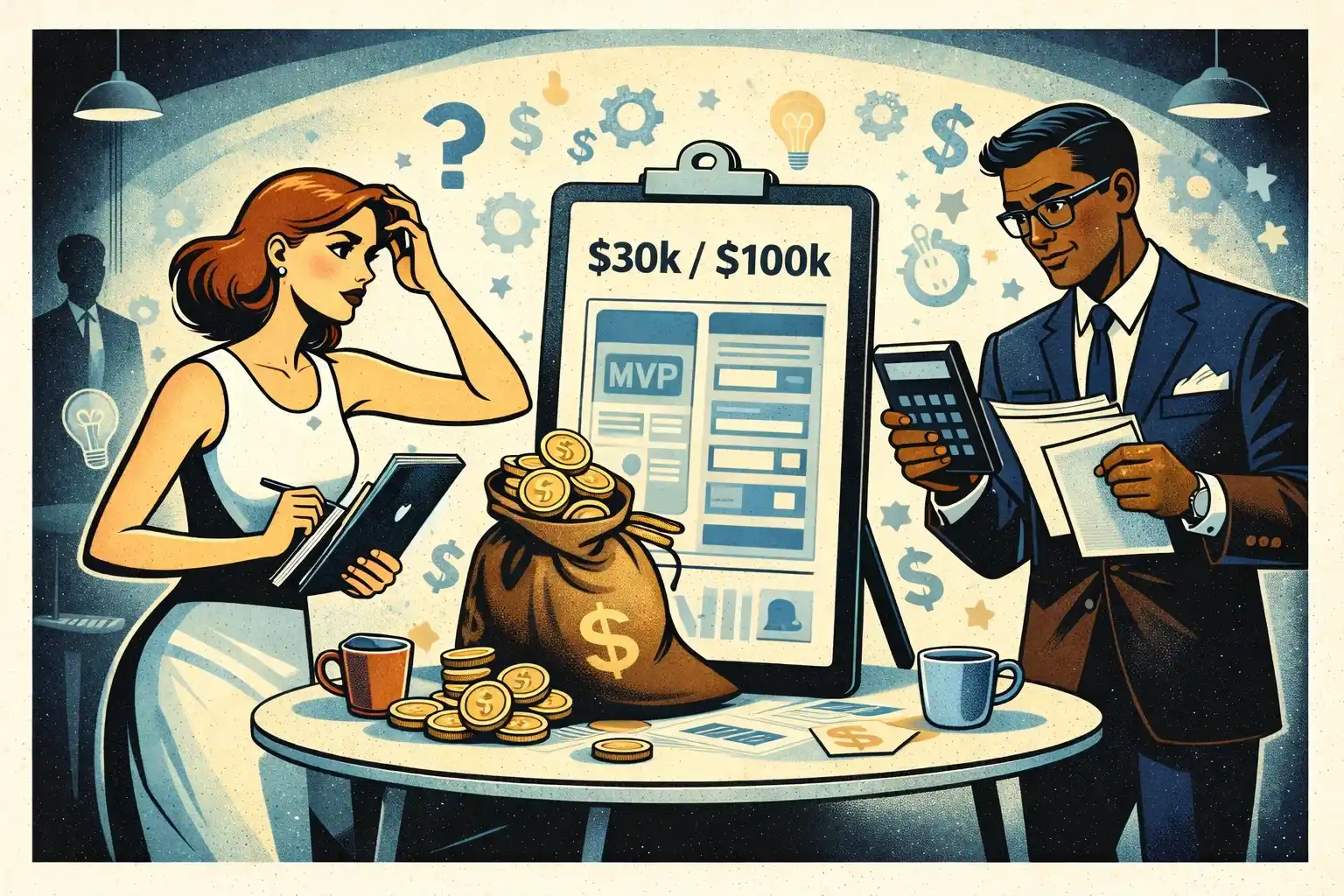
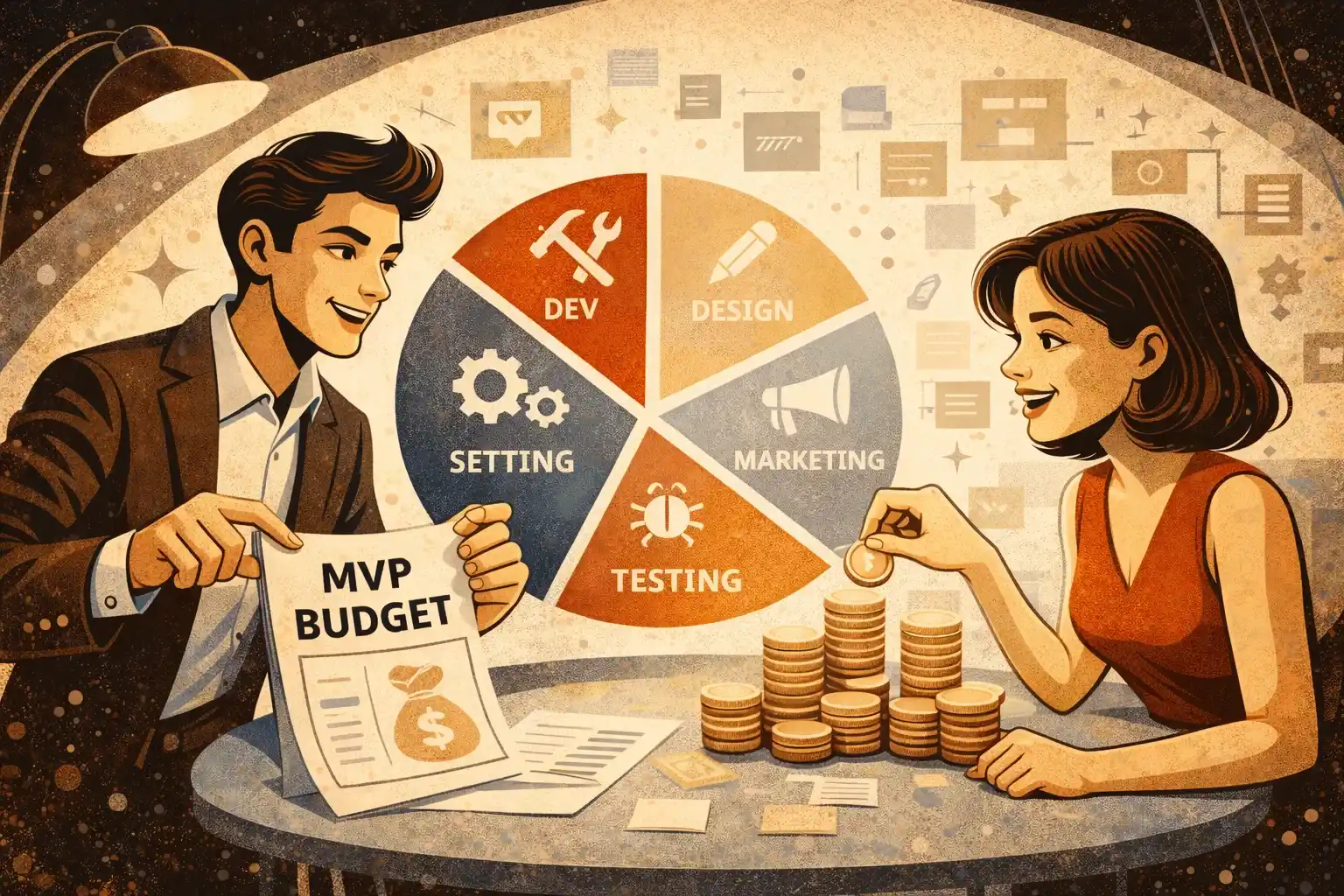
How budget and speed change the decision
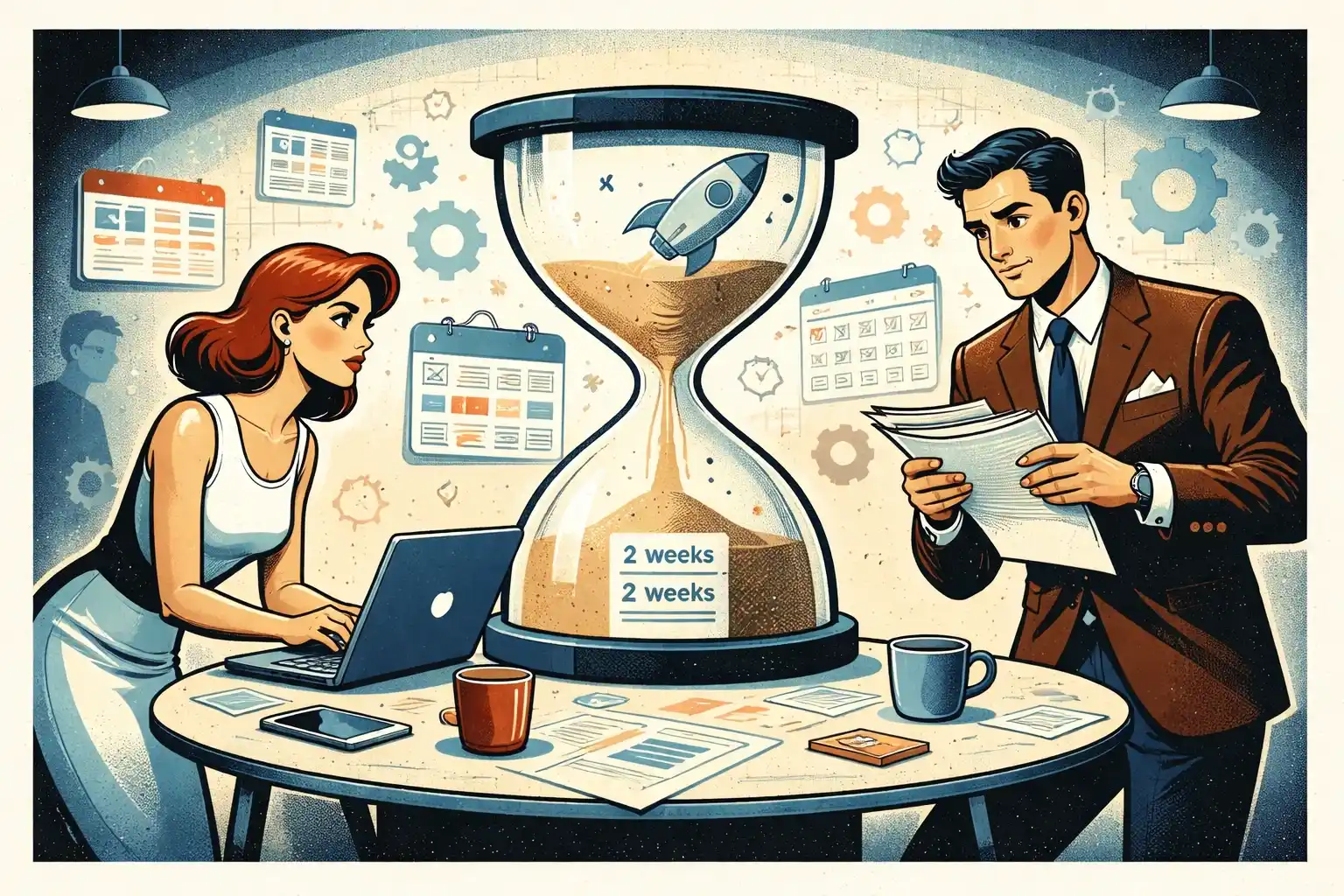
This choice is not just about product logic. It is also about money and time.
A startup website is usually faster and cheaper. A web app usually needs more planning, more UX work, more development, and more testing. That does not mean founders should always avoid the app. It means they should be honest about what they are paying to learn.
If your goal is still basic demand validation, a big app budget may be premature. If your value can only be tested through real interaction, then avoiding the web app can be equally wasteful because you learn too little.
That tradeoff fits with your SEO priorities around web and mobile app development, non-technical founders, MVP launch speed, and practical product planning
A simple founder framework
Use this quick filter.
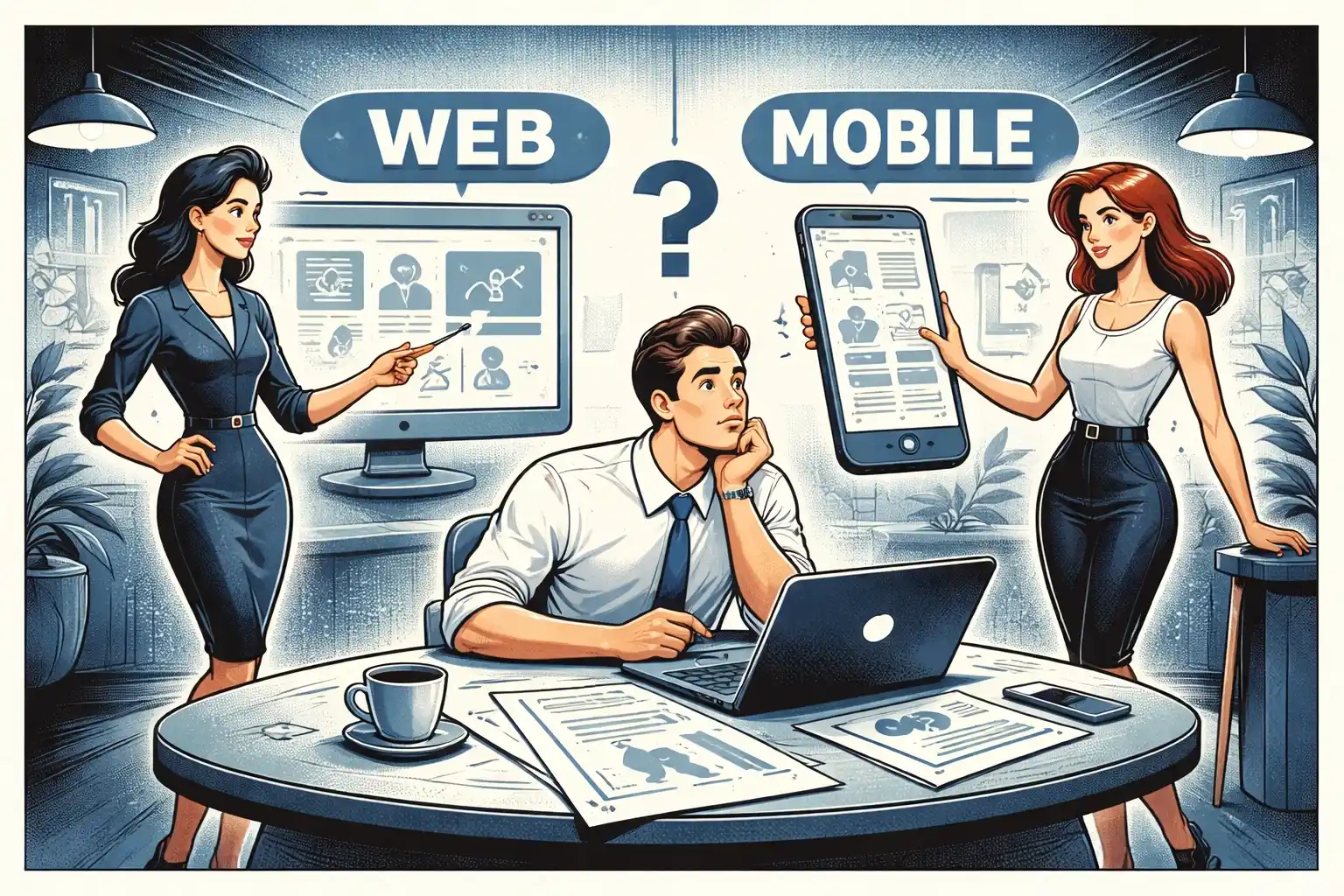
Choose a website-first path if you need to test messaging, audience, demand, or basic lead capture.
Choose a web-app-first path if users need an actual product workflow to experience value.
Choose a combined lean path if acquisition and product usage both matter right away.
And in all three cases, avoid building your “future company.” Build the smallest launch setup that lets you learn what to do next.
That is also why Estimating MVP Scope in 2026: A Simple Method and How Long MVP Development Takes in 2026 are useful follow-up reads.
Final thought
In 2026, the question is not whether a website is better than a web app. The real question is what your startup needs first to move forward with less waste.
Founders who make this decision well usually launch sooner, spend less, and learn faster. Founders who get it wrong often end up with either a polished site that proves too little or a bloated app that takes too long.
The practical move is simple: decide what needs to be proven first, choose the smallest launch format that can prove it, and let that result shape what you build next.
Thinking about building a startup web or mobile product in 2026?
At Valtorian, we help founders design and launch modern web and mobile apps — including AI-powered workflows — with a focus on real user behavior, not demo-only prototypes.
Book a call with Diana
Let’s talk about your idea, scope, and fastest path to a usable MVP.
FAQ
What is the difference between a startup website and a web app?
A website explains your product and drives interest. A web app lets users actually do something inside the product.
Should I build a website before an MVP?
Often yes, if your first goal is validating demand, messaging, or audience response.
When is a web app necessary from the start?
When the value only appears through real interaction, such as dashboards, workflows, generated output, or user-specific actions.
Can I launch with both a website and a web app?
Yes, but both should stay lean. Founders usually get into trouble when they try to make both too complete too early.
Is a website cheaper than a web app?
Usually yes. A web app tends to require more UX, logic, development, and testing.
What is the biggest founder mistake here?
Building the wrong format first and spending budget to answer a question the market was not even asking yet.
How do I know which one I need?
Start with the learning goal. If you need to test interest, start with a website. If you need to test product behavior, start with a web app.



























.webp)




.webp)