.webp)
Best No-Code Tools for Startup MVPs in 2026
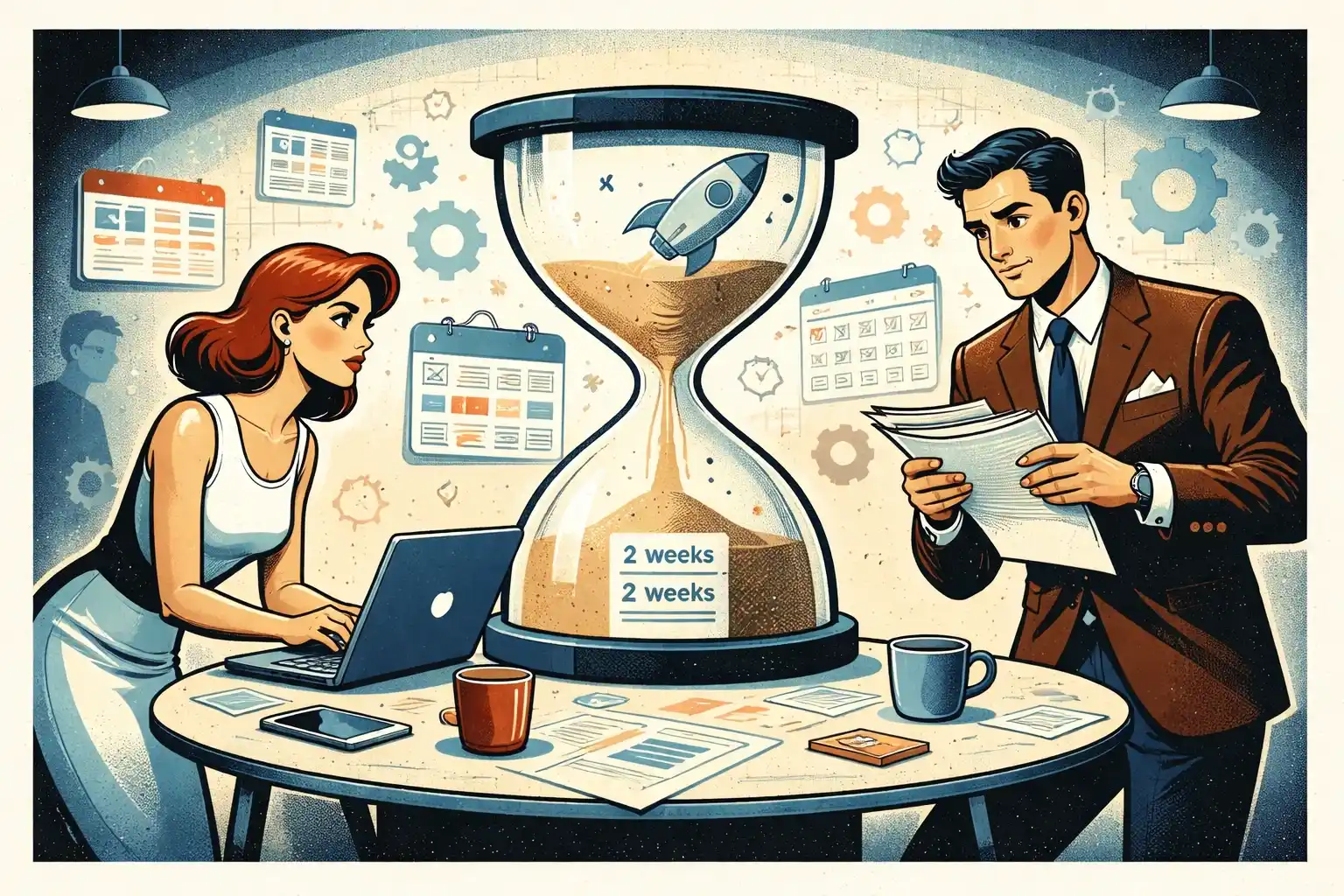
No-code tools are still part of the startup conversation in 2026, but the reason founders should evaluate them has changed. A few years ago, the main argument was speed. That is no longer enough. Today, AI-assisted code development has reduced the old speed gap, which means founders should not choose a no-code tool just because it looks like the fastest option in a demo. This article looks at the no-code tools founders still compare for MVPs, where they can still help, and when code is now the smarter recommendation.
TL;DR: Some no-code tools can still make sense for startup MVPs in 2026, especially for narrow internal tools, lightweight validation flows, and simple web-first products. But no-code is no longer the automatic speed advantage it used to be.
Why founders still compare no-code tools
Founders compare no-code tools for the same reason they always have: they want a faster path to something usable without hiring a full in-house team too early.
That instinct is reasonable. Early-stage startups want momentum. A founder wants to move from idea to product without losing months in planning, hiring, or heavy engineering setup.
But the market changed. The old no-code promise was built on a simple belief: if you want speed, you choose a visual builder; if you want flexibility, you choose code. In 2026 that split is weaker. Small teams using code with AI support can now move much faster than founders expect.
That shift matters because it changes how founders should read every no-code comparison. The question is no longer “Which tool is fastest?” The better question is “Which path gets me to a useful MVP with the least wasted effort and the fewest product limits later?”
The no-code tools founders still look at most
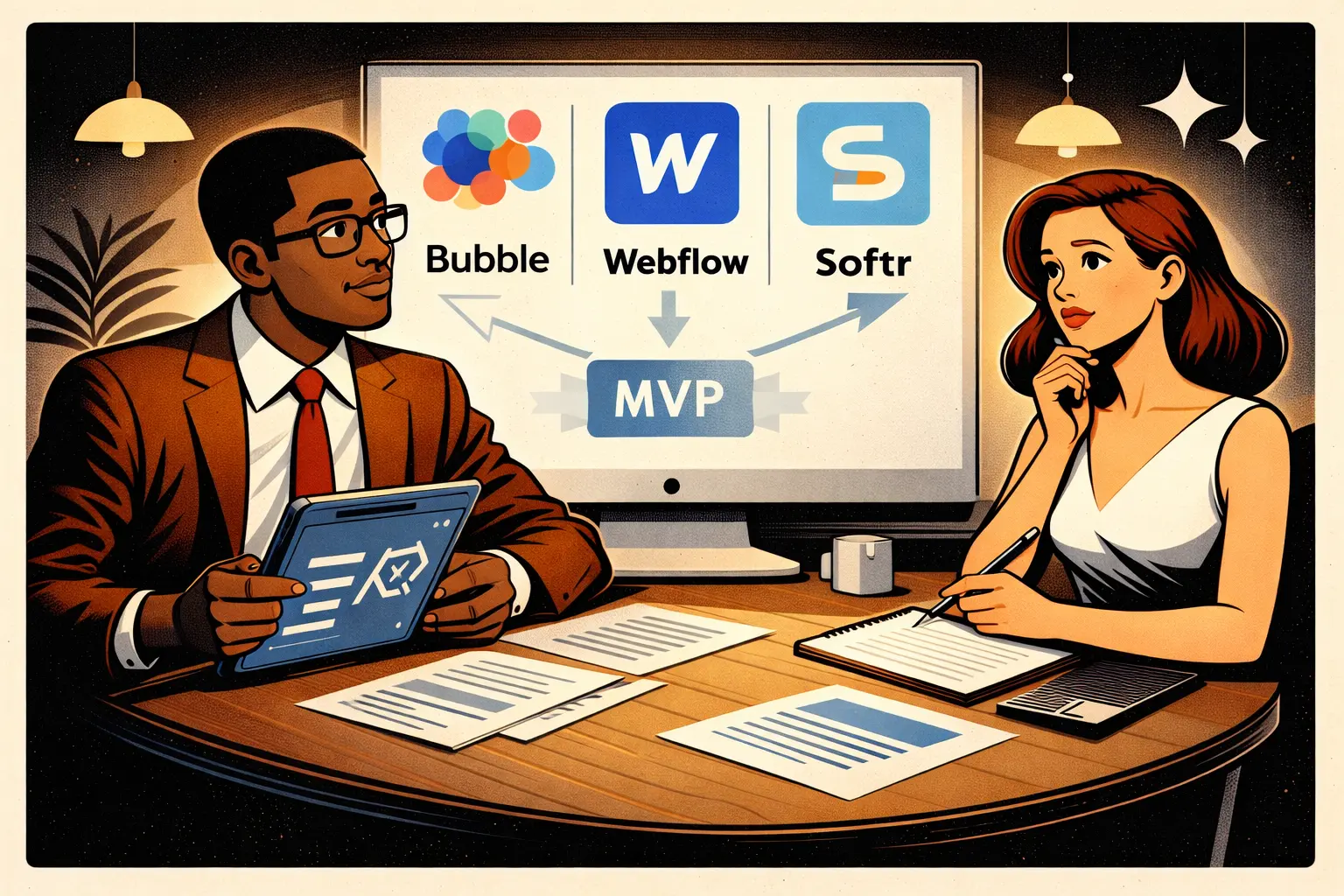
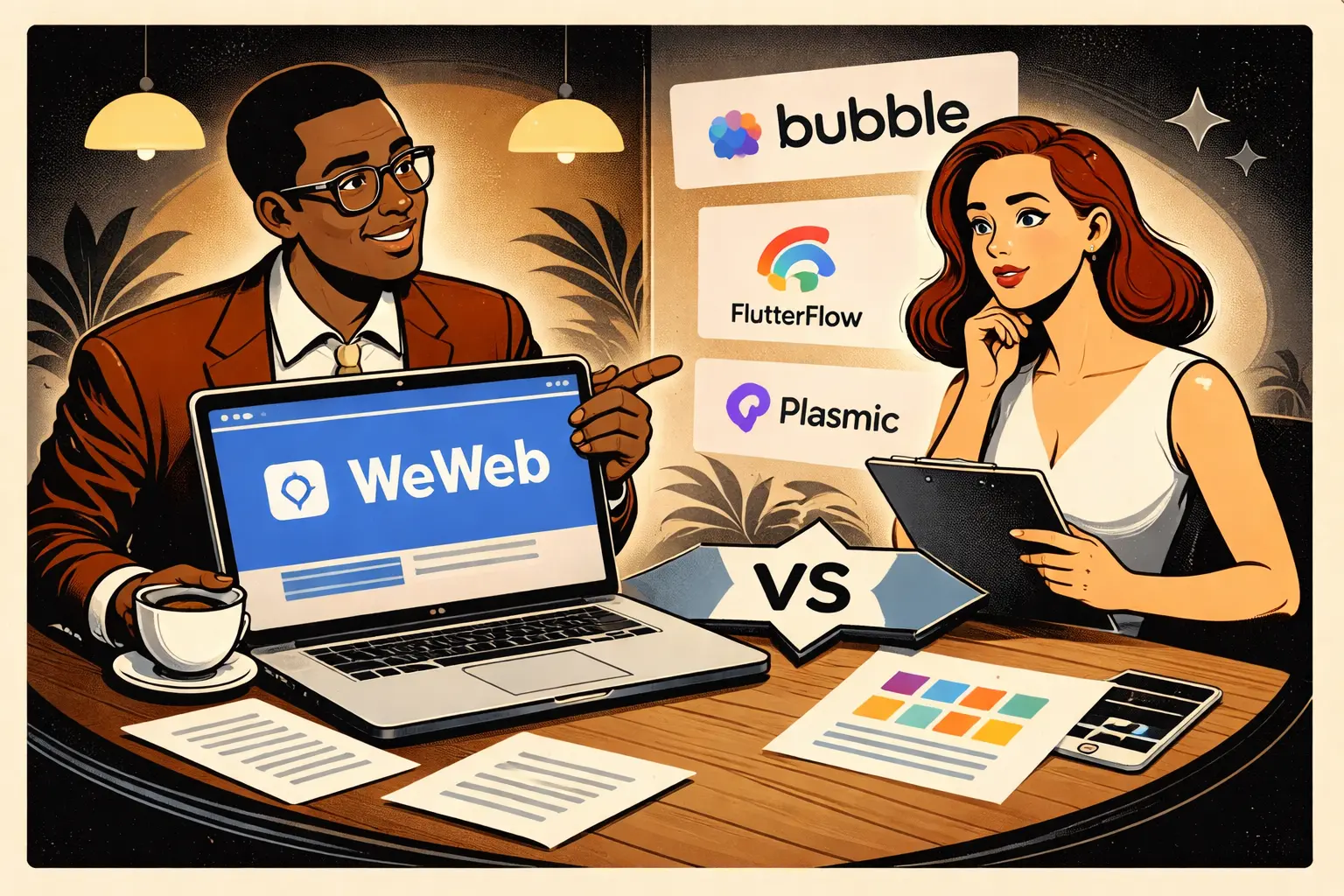
The tools that still come up most often are usually the ones that sit closest to startup MVP use cases: Bubble, Webflow, WeWeb, FlutterFlow, Softr, and combinations like Wized + Webflow.
But they do not solve the same problem.
Some are better for marketing sites or frontend-heavy experiences. Some are aimed at internal tools or simple portals. Some try to stretch toward more app-like logic. And some look attractive at the start but become harder to justify once the product needs stronger UX, custom behavior, or a more serious technical base.
That is why it is not enough to make a ranked list and stop there. Founders need to understand what kind of product each tool actually fits.
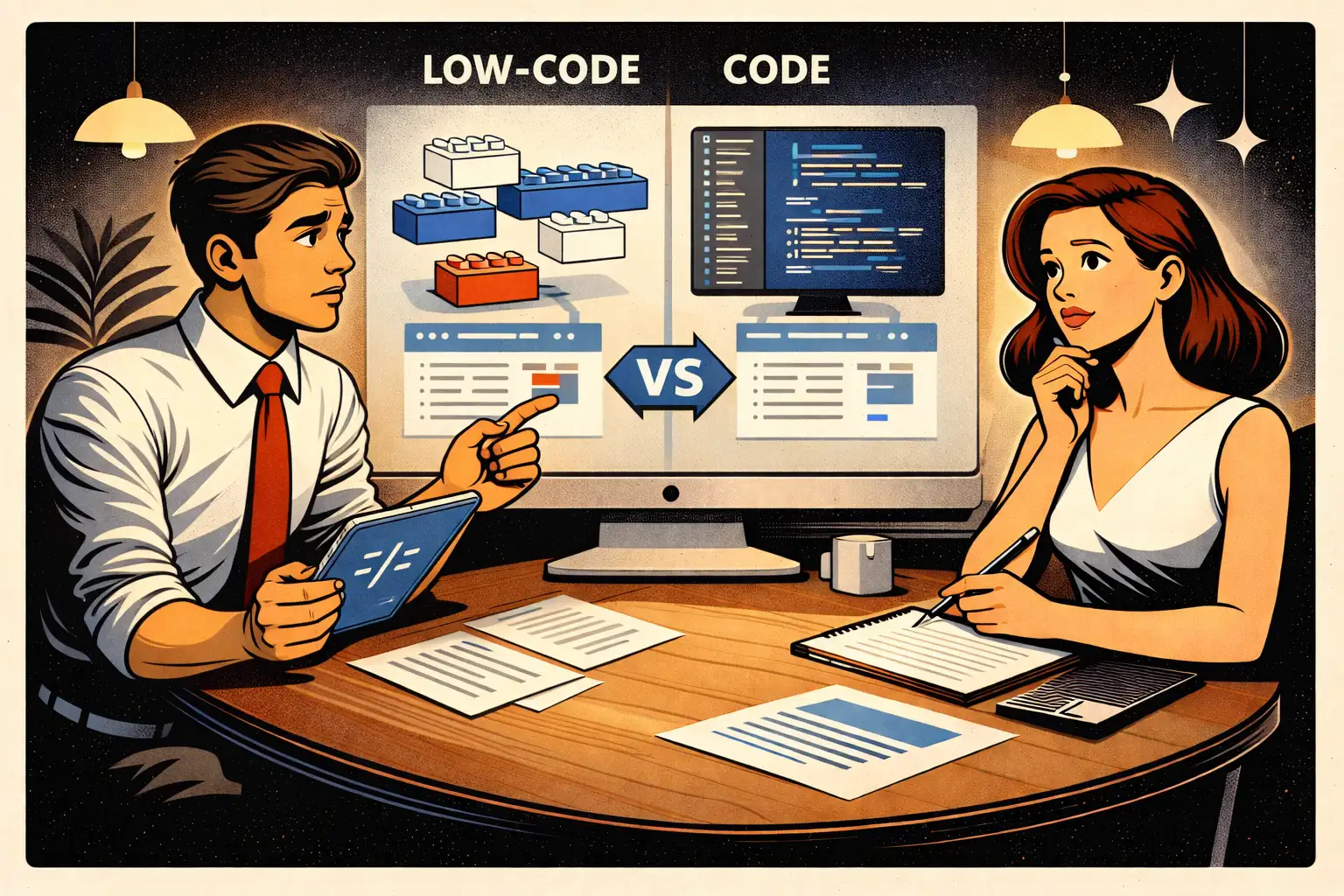
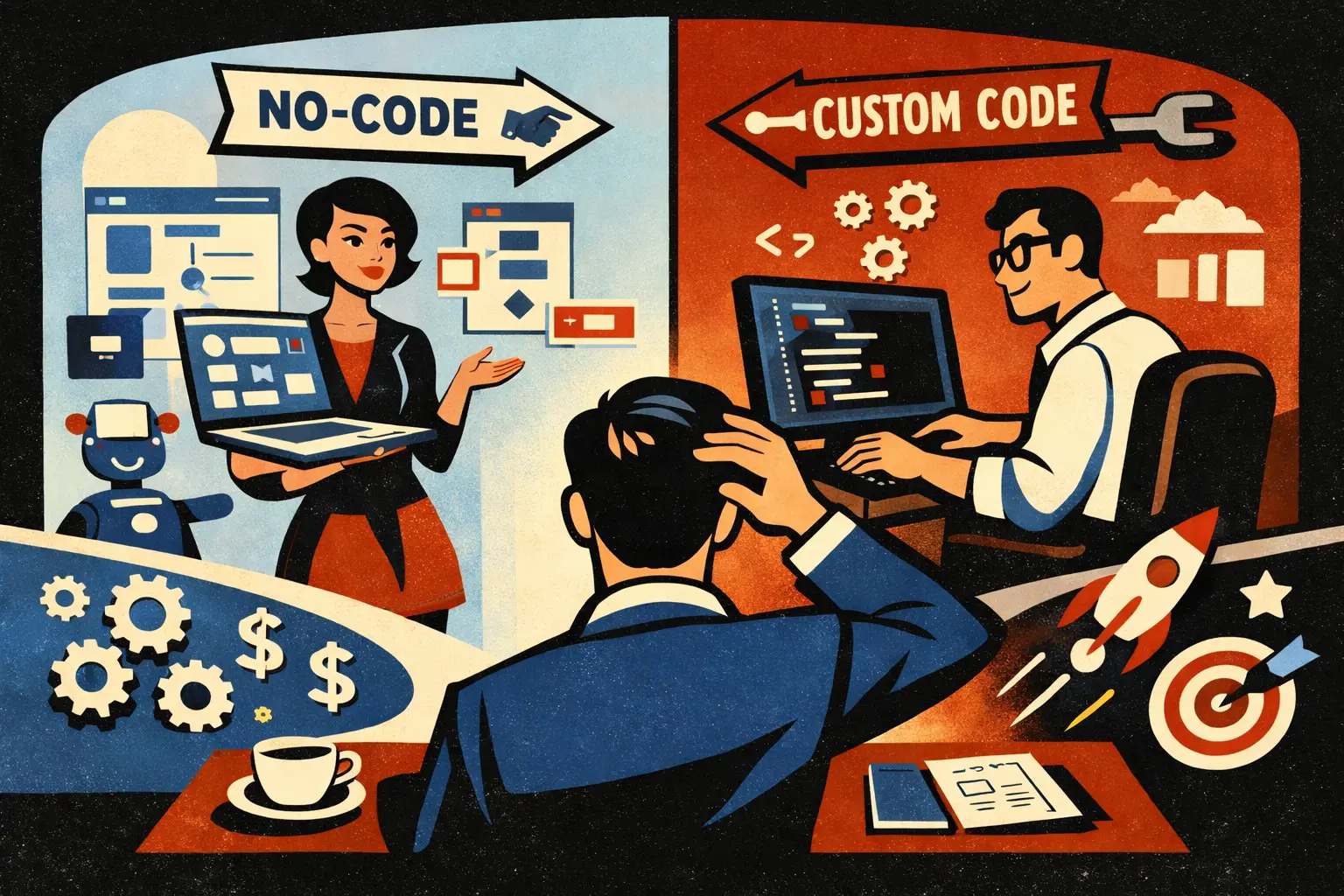
If you are still deciding whether no-code is even the right category for your product, No-Code vs Custom Development in 2026: A Founder’s Decision Framework is the better starting point.
When no-code still makes sense
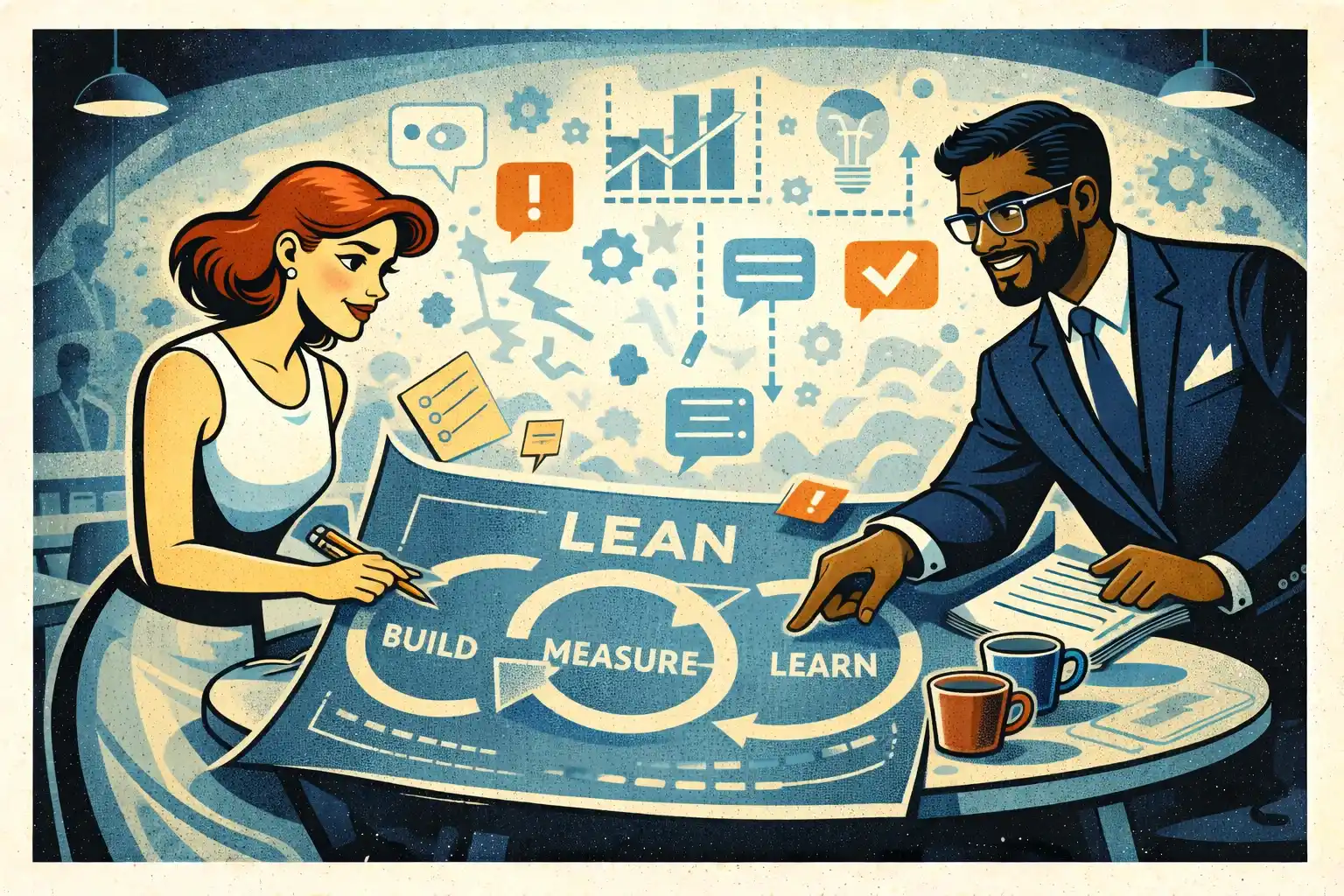
No-code still makes the most sense when the product is narrow, the workflow is relatively simple, and the main goal is validation rather than building a long-term product foundation.
That can include internal tools, client portals, lightweight dashboards, early service workflows, simple directories, certain landing-to-flow experiences, and MVPs where the main job is to test demand or usability quickly.
It can also make sense when the founder wants something visible fast and can accept that the first version may later be replaced if the product proves itself.
The important word there is accept. No-code still works best when it is chosen as a stage-based decision, not as a permanent answer by default.
That connects directly to When No-Code Still Makes Sense in 2026.
Where no-code tools usually disappoint founders
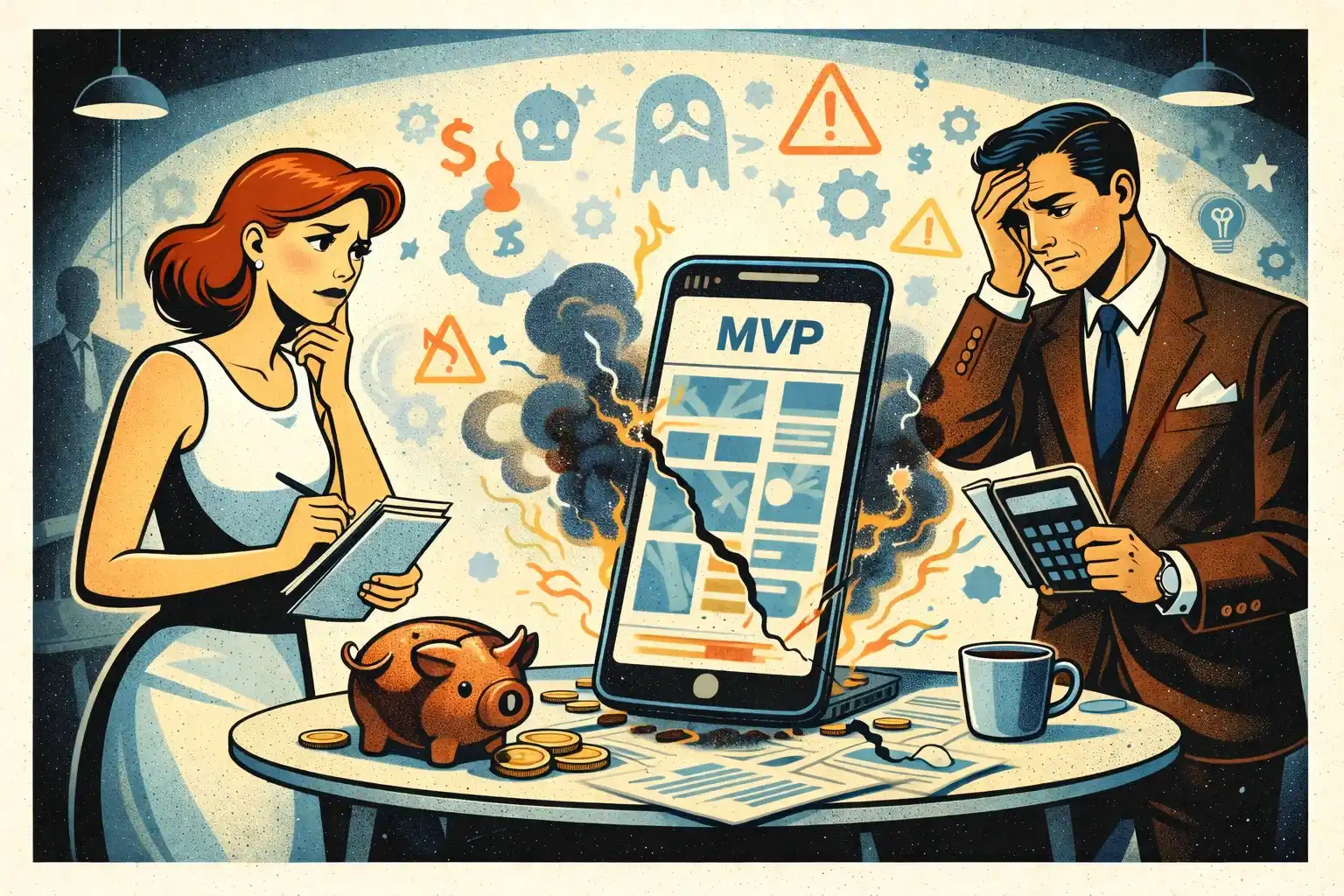
The biggest disappointment comes when founders confuse early speed with long-term fit.
A no-code tool may help you launch quickly, but if the product soon needs more custom behavior, cleaner architecture, stronger integrations, or a more tailored user experience, the early advantage can fade fast.
Another problem is that founders often compare tools by surface-level demos. A polished builder can look like the answer even when the product itself is already too ambitious for that path.
The third issue is emotional. Founders get attached to the first build path that gave them momentum and then avoid reevaluating it when the product changes.
That is why the wrong no-code choice is rarely about the tool alone. It is usually about timing, scope, and whether the founder is still asking the right question.
This fits with Reducing MVP Rework in 2026: Key Decisions.
Which tools still make sense for specific situations
Bubble can still make sense for certain validation-stage MVPs and internal or operational products where speed matters more than long-term elegance.
Webflow still makes sense when the real need is a structured marketing site, a launch surface, or a content-led site rather than a deeper product build.
WeWeb can still make sense for some frontend-oriented, web-first MVPs where the workflow is structured enough to benefit from a more visual build path.
FlutterFlow still gets attention when founders want a quicker mobile-first route, though the same 2026 question remains: is it still meaningfully faster than a focused code path for this exact product?
Softr and similar lighter tools can still be useful when the product is very simple and the goal is mainly to get something operational fast.
But none of these tools should be treated as an automatic best choice anymore. They are situational tools, not universal startup answers.
That is why WeWeb vs Other MVP Builders in 2026 and Wized + Webflow in 2026 become more useful than generic tool hype.
Why code is now often the better recommendation
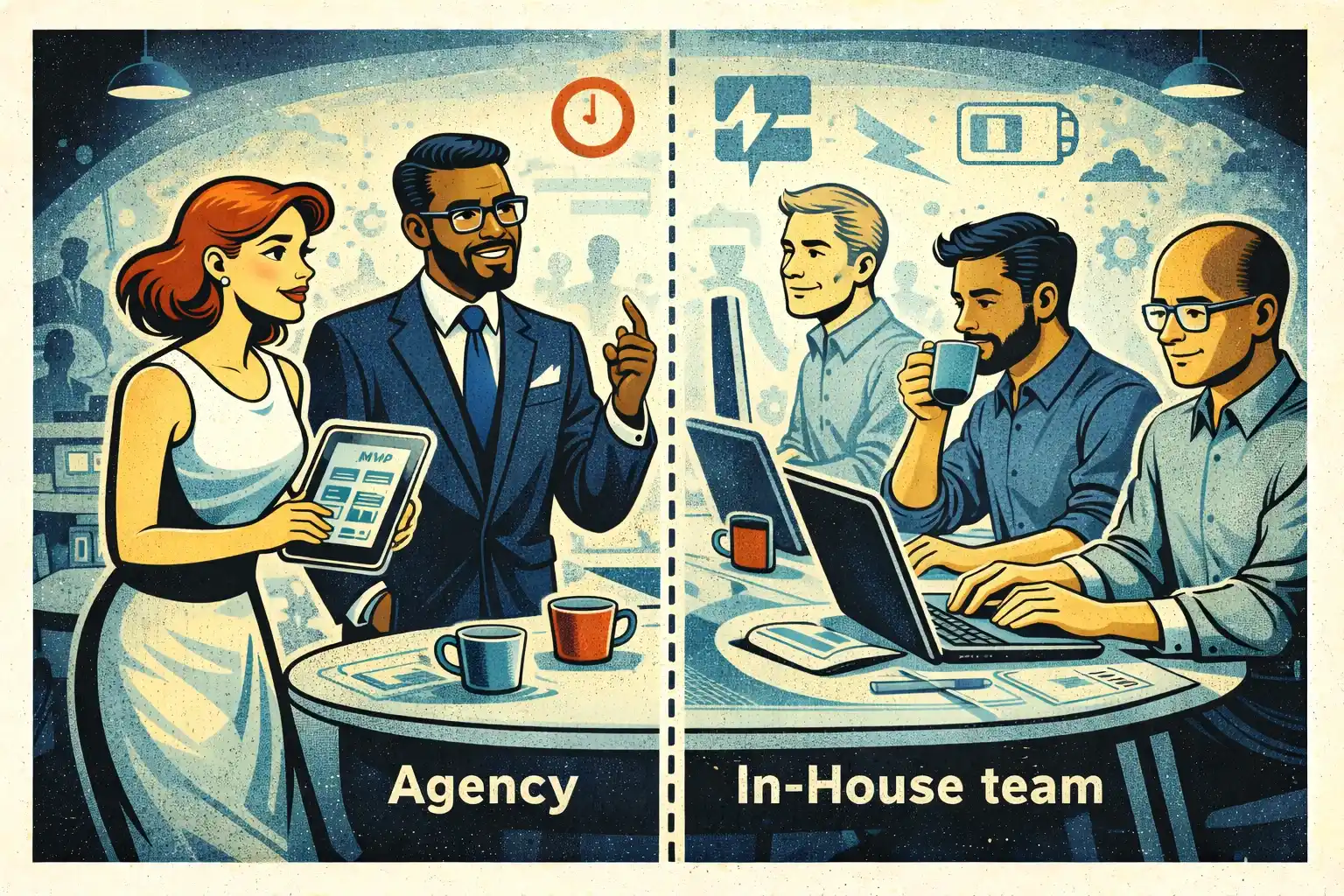
In 2026, code-based development supported by AI is often the stronger path because it can now move at a speed much closer to no-code while giving founders more flexibility from day one.
That changes the old founder tradeoff. You no longer have to assume that code means slow and no-code means fast.
If a small product team can launch a focused coded MVP in a comparable timeframe, the founder should take that seriously. The product may get a cleaner path for future features, better control over the user experience, and fewer platform-shaped limits as it grows.
So even when a no-code tool looks appealing, the founder now has to ask whether the category still holds a real advantage for this product — or whether the same momentum could be achieved with code and fewer tradeoffs later.
How founders should compare no-code tools now
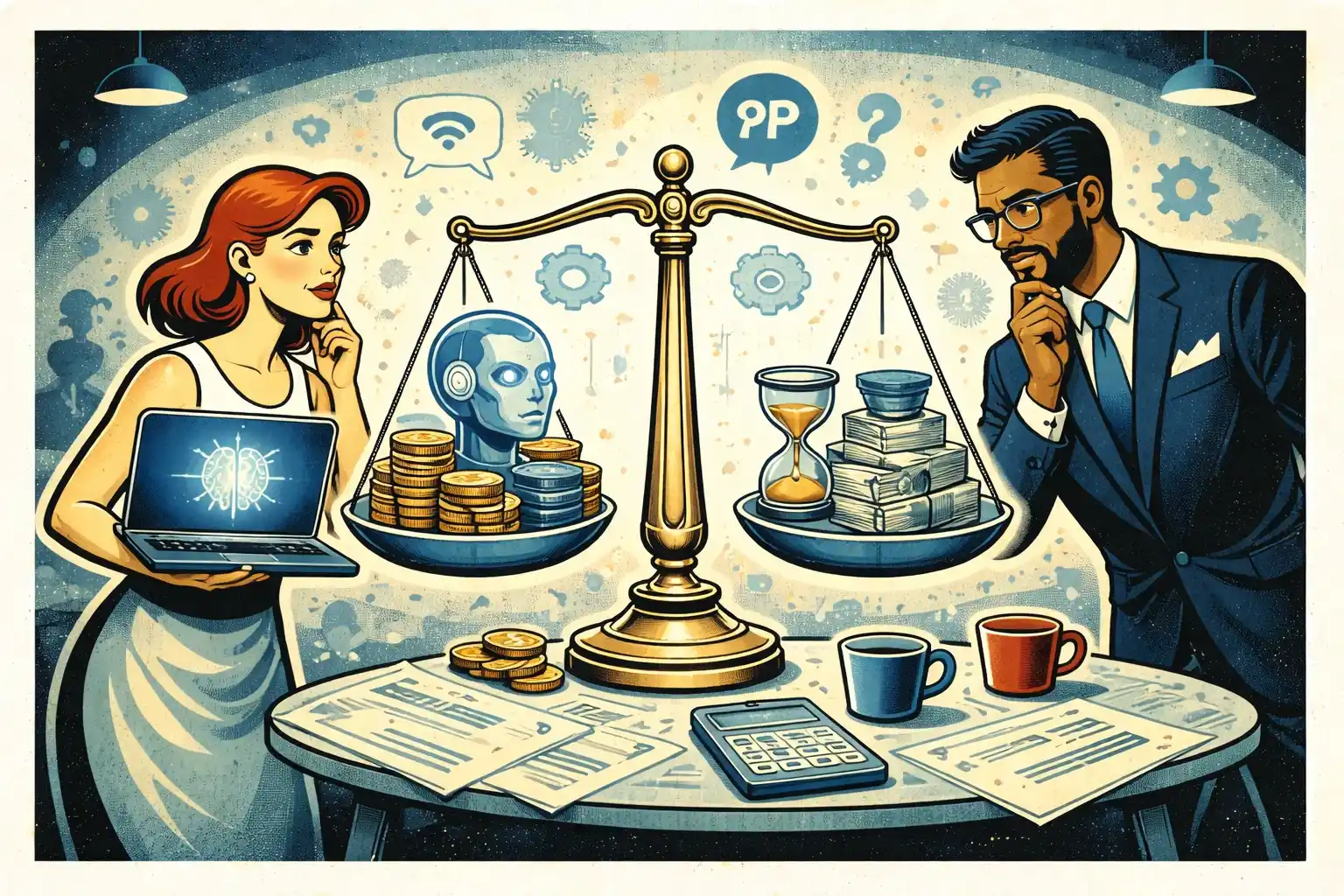
The smartest comparison is no longer feature against feature. It is outcome against outcome.
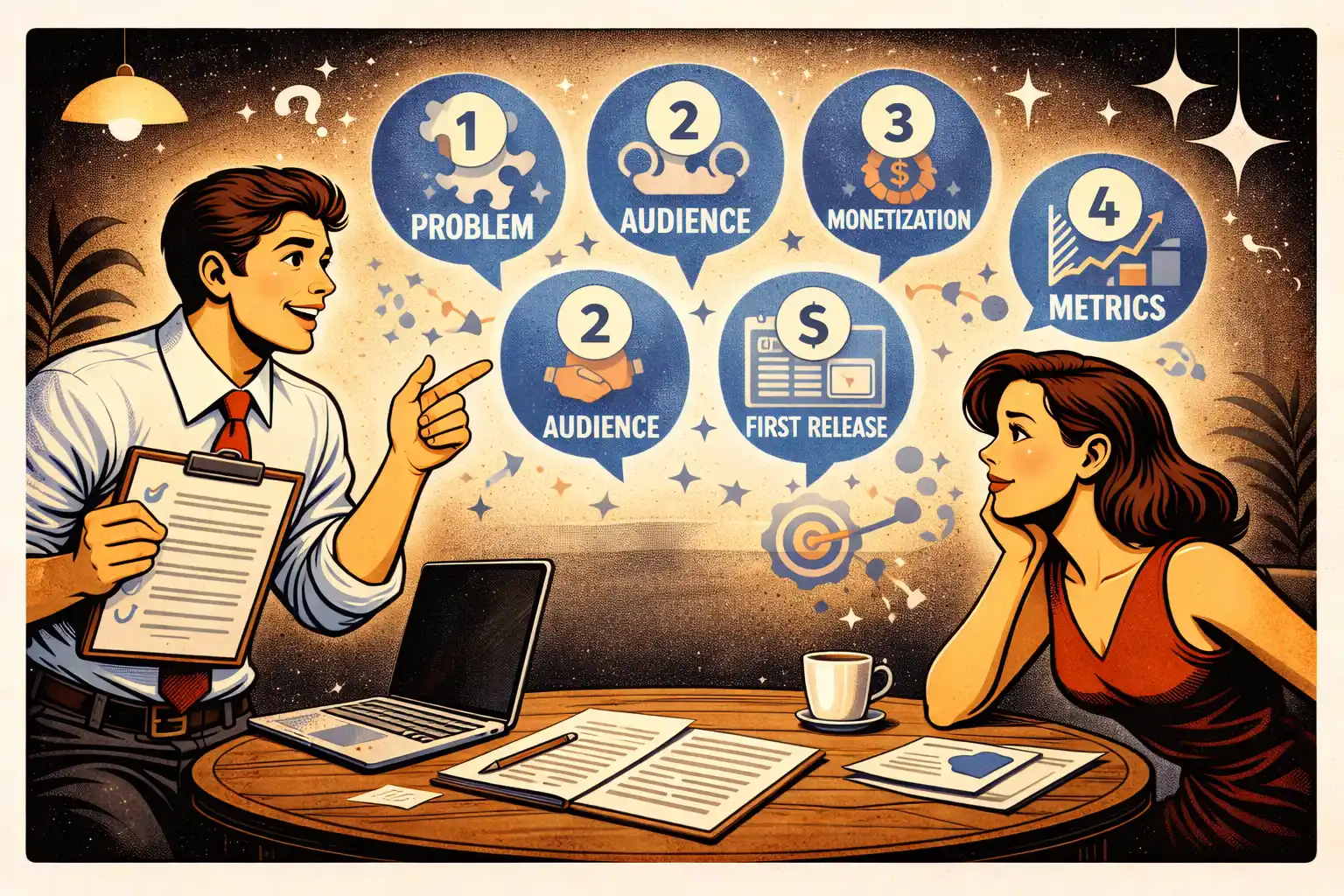
How fast can this tool get me to a usable first version?
How much product flexibility will I keep if the MVP works?
How likely is early rework?
How dependent will I become on the platform’s boundaries?
And if I compare this to an AI-assisted code build, is the speed difference still meaningful enough to justify the future tradeoffs?
These questions are more useful than a traditional “best tools” ranking because they force the founder to compare decisions, not just interfaces.
That is why Tech Decisions for Founders in 2026 belongs in this conversation.
A practical founder framework
Choose a no-code tool only when the product is narrow enough, the workflow is simple enough, and the business goal really benefits from a faster temporary build path.
Be much more careful when the product already depends on stronger UX, deeper logic, more tailored integrations, or a better long-term foundation.
And before choosing any no-code tool, ask one 2026 question first: could a small AI-assisted code team now build the same first version just as fast while leaving fewer product limits behind?
In many startup cases, the answer is yes.
Final thought
The best no-code tools for startup MVPs in 2026 are no longer “best” because they are automatically faster than code. They are only best when they fit the product stage, the scope, and the founder’s real goal.
That is the bigger shift. Founders should stop treating no-code as the default shortcut and start treating it as one possible route among several.
For many serious MVPs in 2026, code is now the better recommendation — not because no-code stopped working, but because its old speed advantage is no longer as clear as it used to be.
Thinking about the fastest path to your MVP in 2026?
At Valtorian, we help founders choose the right technical path and launch modern web and mobile products with clear scope, real user focus, and fewer expensive detours.
Let’s look at your idea, the smartest build approach, and what it would take to get a usable first version live.
FAQ
Are no-code tools still relevant in 2026?
Yes, in some cases. They still make sense for narrow validation-stage products, internal tools, and simple web-first MVPs.
Is no-code still faster than code?
Not automatically. In many startup cases, AI-assisted code development can now move just as fast.
What is the biggest mistake founders make with no-code?
Treating it as the automatic best option without asking whether the product will outgrow it too quickly.
Which no-code tools still come up most for MVPs?
Bubble, Webflow, WeWeb, FlutterFlow, Softr, and combinations like Wized + Webflow still come up often, but they fit different product situations.
Should founders still choose no-code for MVP validation?
Sometimes yes, especially when the workflow is simple and the product is meant to test demand quickly rather than become the long-term technical base.
When is code the better path now?
When the product already needs stronger UX, deeper logic, more tailored integrations, or a healthier base for growth after launch.
What should founders compare first?
Not just tool features, but launch speed, rework risk, flexibility, and whether AI-assisted code can now deliver the same MVP without the same platform limits.











































.webp)




.webp)