.webp)
Bubble in 2026 for Startup Validation
Bubble is still one of the first tools founders mention when they want to validate a startup idea quickly, but the 2026 conversation around it is different now. The main question is no longer whether Bubble can launch something fast. It can. The real question is whether it is still the right path once AI-assisted code development has narrowed the old speed gap. This article looks at where Bubble still makes sense for startup validation, where founders usually push it too far, and why code is often the stronger recommendation for products that need room to grow.

TL;DR: Bubble can still make sense in 2026 for startup validation when the workflow is narrow, the product is web-first, and the founder mainly needs to test demand, usability, or a simple operational flow quickly.
Why founders still think about Bubble
Founders still look at Bubble for a simple reason: it promises momentum.
If you have an idea, no technical team, and pressure to get something live, Bubble feels like a shortcut to movement. You can picture the interface quickly, connect workflows, and get to something clickable without hiring an in-house engineering team first.
That part still matters. Early-stage startups do not need theory. They need progress.
But the founder has to evaluate that progress more honestly in 2026. A few years ago, the strongest argument for Bubble was speed. Today, that argument is weaker because a focused team building in code with AI support can often move much faster than founders expect.
Where Bubble still makes sense
Bubble still makes the most sense when the startup needs to validate a web-first product quickly and the workflow is simple enough to fit the platform well.
That can include marketplaces, internal tools, admin-heavy systems, portals, simple SaaS surfaces, directories, booking flows, and other products where the first goal is to test user behavior rather than build a more serious long-term product foundation.
It also makes sense when the founder is very clear that version one is mainly a validation layer. If the point is to see whether people sign up, use the flow, complete a core action, or show interest in the problem, Bubble can still be useful as a stage-based decision.
The key is treating it as a validation tool, not as an automatic answer for the whole product journey.
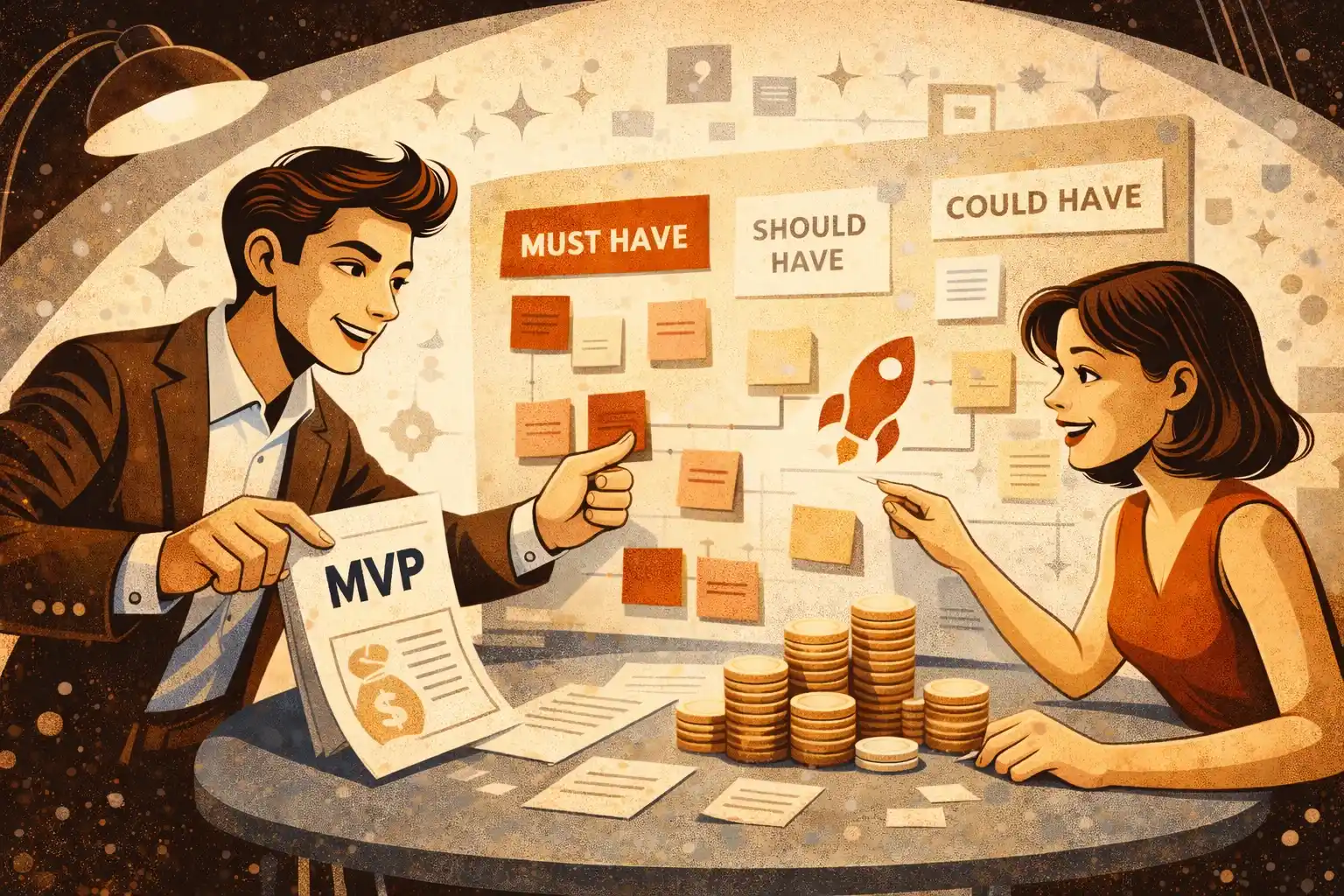
If you are still deciding what the first version should even include, What a Good MVP Looks Like in 2026 is the right place to start.
Where founders get into trouble with Bubble
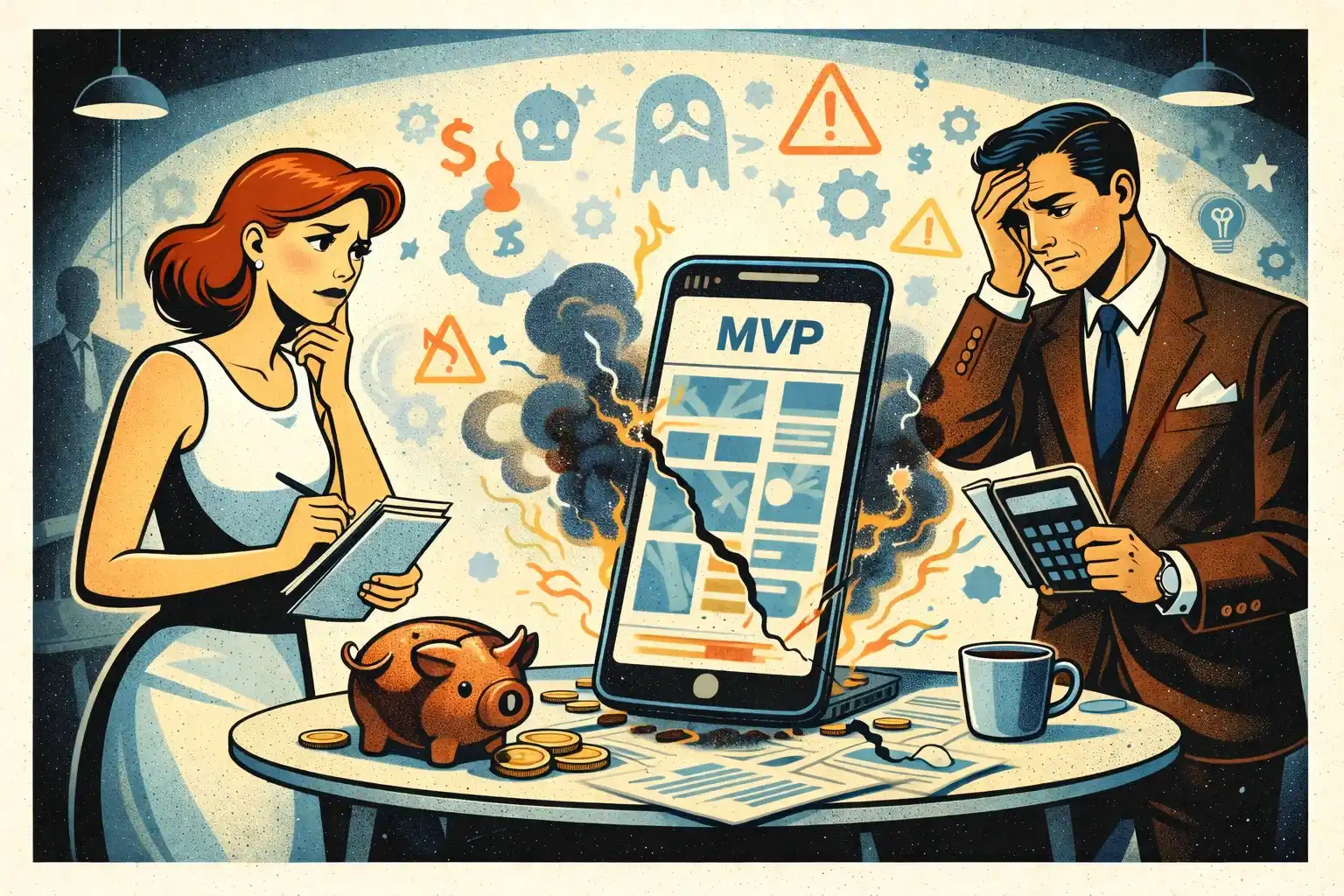
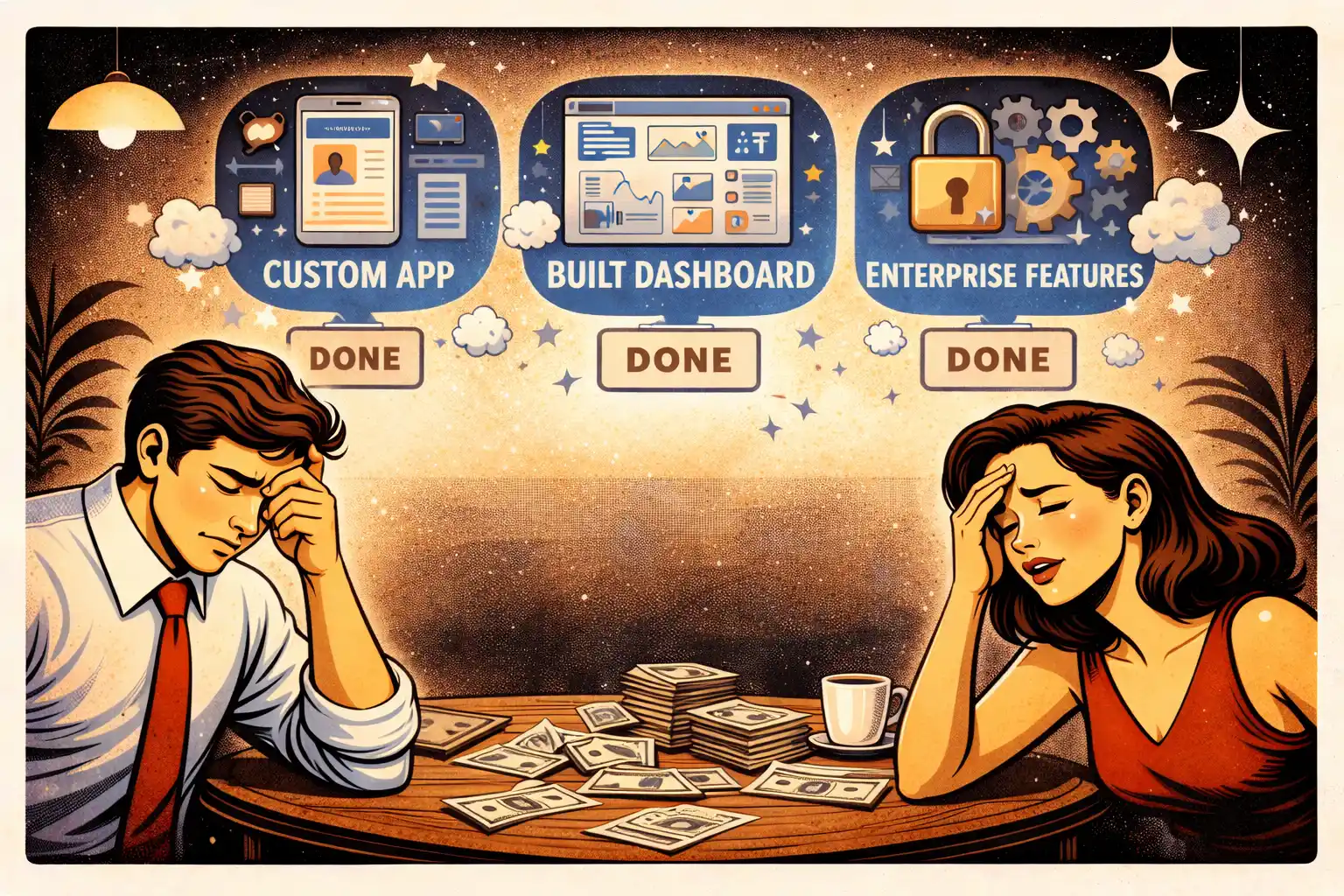
The most common problem is not that Bubble fails on day one. It is that founders keep asking it to solve the next problem too.
A startup validates a basic workflow, gets some traction, and then tries to stretch the same setup into something more custom, heavier, or more performance-sensitive than it was originally chosen for.
Another issue is emotional attachment. Once a founder finally has something live, it becomes hard to step back and admit that the product has changed enough to justify a different technical path.
There is also a strategy problem. Some founders compare Bubble to code as if code were still automatically slower. In many 2026 cases, that assumption is just outdated.
That is why the founder should not ask only, “Can Bubble get this live?” The better question is, “If this works, will I still be glad I chose Bubble?”
This connects directly to No-Code vs Custom Development in 2026: A Founder’s Decision Framework.
Why Bubble no longer owns the speed argument
This is the biggest shift.
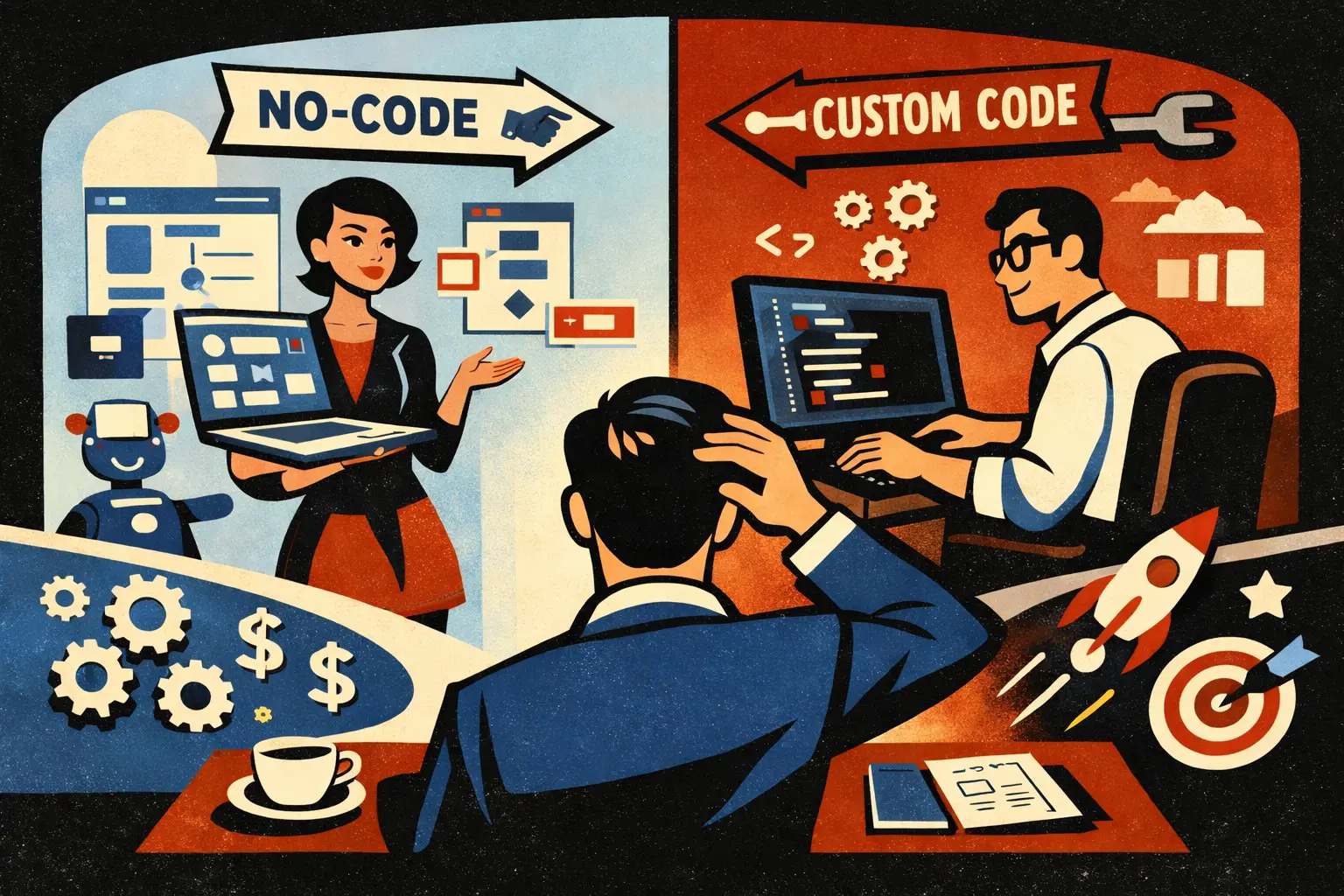
Bubble used to benefit from a very simple founder belief: if you want speed, you choose no-code; if you want flexibility, you choose code.
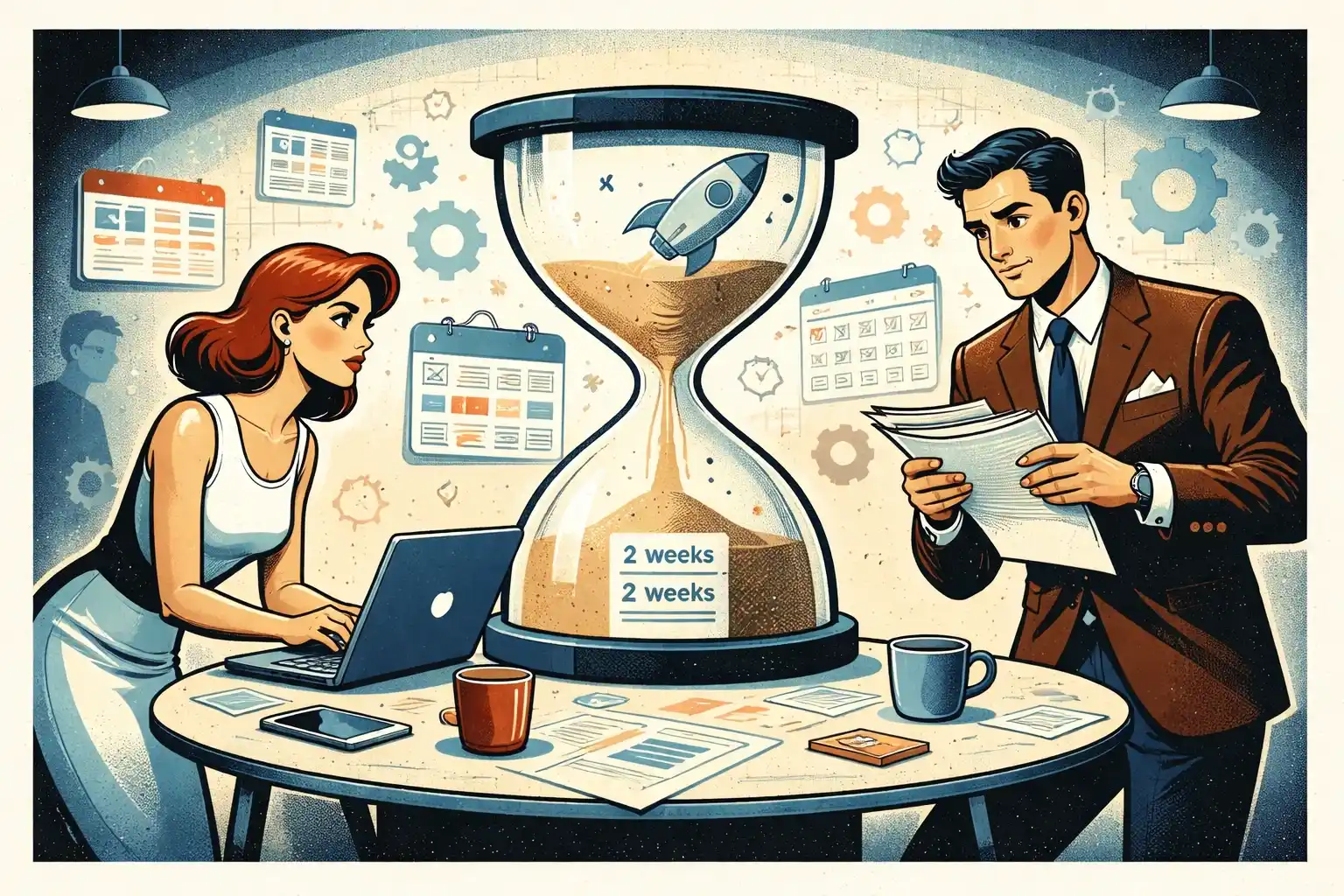
That belief is weaker now. AI-assisted code development changed the comparison. Small product teams can now ship focused MVPs in code much faster than founders used to expect. In many startup cases, the code path is no longer meaningfully slower than the Bubble path.
Once that changes, Bubble has to justify itself differently. It cannot rely on the old automatic speed advantage alone.
That means founders now have to compare not just launch speed, but also future product limits, rework risk, flexibility, and what happens once the MVP begins attracting real usage.
When Bubble is still the right validation move
Bubble is still a reasonable move when the founder needs a web-based MVP quickly, the workflow is fairly understandable, and the first milestone is simply to prove that users care.
It can also make sense when the product team wants to validate something operational before spending more on a custom technical base.
For example, if the main risk is “Will people use this flow at all?” Bubble can still be a practical way to get the answer.
That does not mean it is the best path forever. It means it can still be a useful path for the validation stage.
This is why When No-Code Still Makes Sense in 2026 is a useful companion read.
When code is now the better recommendation
Code is usually the better recommendation when the founder already knows the product will need a more tailored experience, deeper logic, heavier integrations, better performance handling, or a stronger base for the next stage of growth.
It is also the better path when version one is not just a temporary validation surface, but a serious first release meant to support retention, monetization, investor discussions, or ongoing feature evolution without early rebuilding pressure.
That does not make Bubble “bad.” It just means the founder should stop treating it as the default startup shortcut.
If a small AI-assisted code team can now launch the same first version in a similar timeframe, the code path often becomes much more attractive because it leaves fewer platform-shaped limits behind.
That is why How Much Architecture an MVP Needs in 2026 and Reducing MVP Rework in 2026: Key Decisions matter so much here.
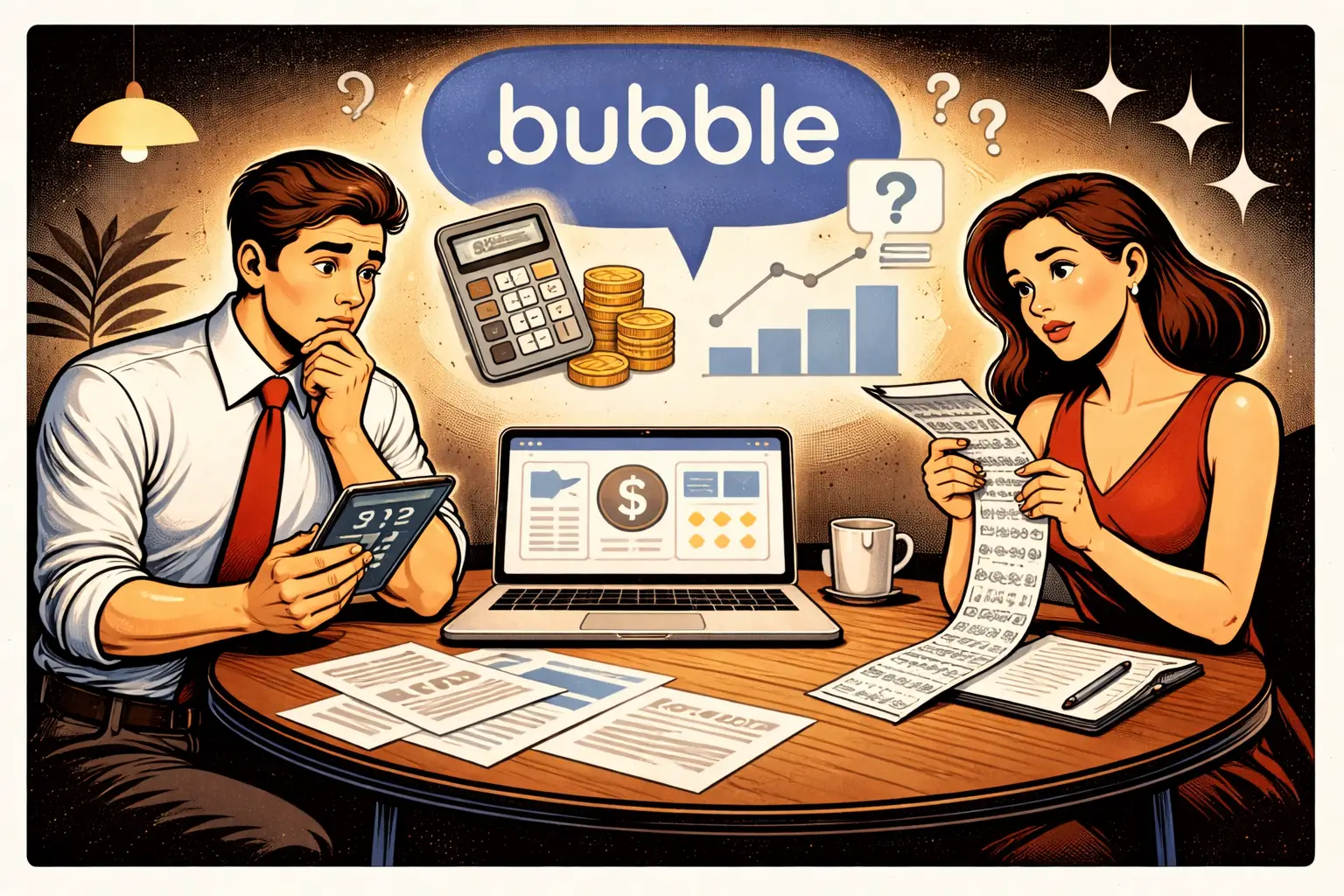
How founders should compare Bubble honestly
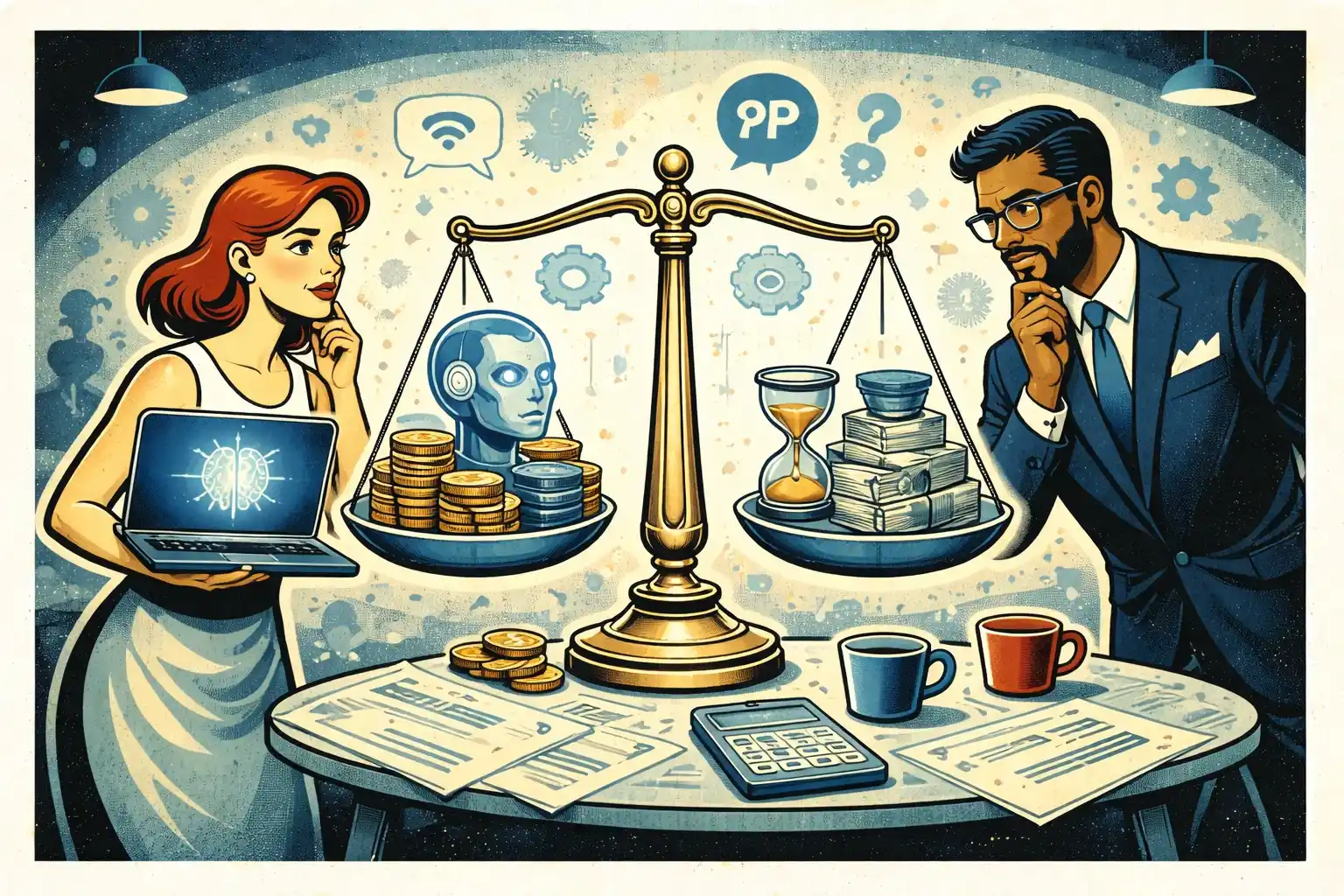
Do not compare Bubble to code as an ideology. Compare outcomes.
How fast can Bubble get you to a usable first version?
How much product flexibility do you keep if the validation works?
How likely are you to hit platform-shaped limits early?
How much rework are you likely to create?
And if AI-assisted code can now deliver the same first milestone in a similar timeframe, what are you still actually gaining from Bubble?
Those are the questions that make the comparison real.
That is why Tech Decisions for Founders in 2026 belongs in this conversation.
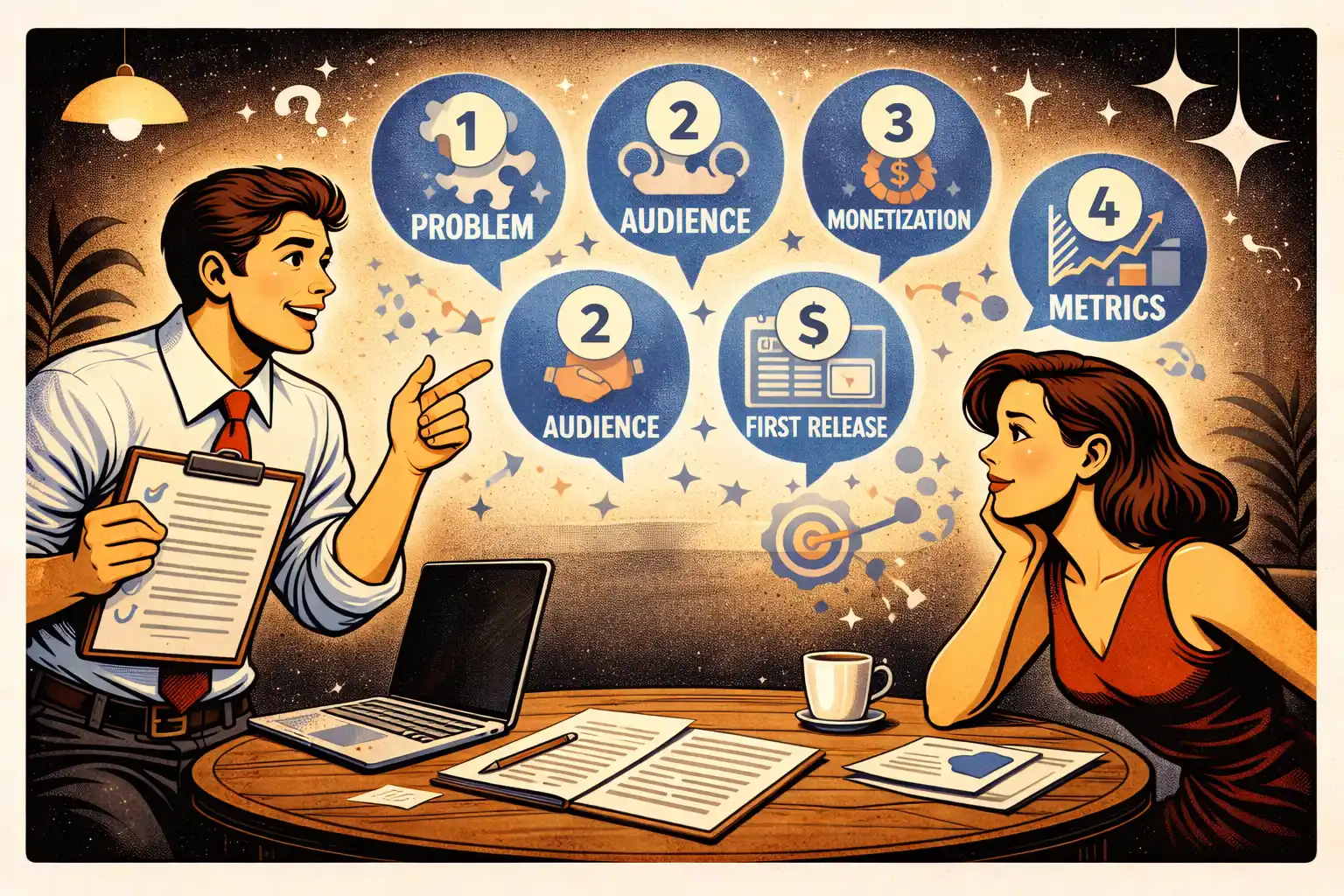
A practical founder framework
Choose Bubble only when the first workflow is narrow enough, the product is clearly web-first, and the business goal truly benefits from a faster validation-oriented build path.
Be much more careful when the product already depends on custom UX, deeper logic, stronger integrations, heavier traffic expectations, or a healthier technical base for the stage after validation.
And before you decide, ask one 2026 question first: could a small AI-assisted code team now launch the same first version just as fast while leaving fewer constraints behind?
In many startup cases, the answer is yes.
Final thought
Bubble still has a place in 2026, especially for startup validation.
But it no longer holds the same automatic speed advantage that made the decision feel obvious a few years ago. That changes the recommendation.
For many real startup products, code is now the stronger path — not because Bubble stopped working, but because AI reduced the old speed gap that used to justify choosing it by default.
Thinking about the smartest path to validate your startup in 2026?
At Valtorian, we help founders choose the smartest build path and launch modern web and mobile products with clear scope, real user focus, and fewer expensive detours.
Let’s look at your idea, your product stage, and what it would take to validate it without creating unnecessary rework later.
FAQ
Is Bubble still relevant in 2026?
Yes. It can still work well for certain web-first validation-stage MVPs, internal tools, and simple operational products.
Is Bubble still faster than code?
Not automatically. In many startup cases, AI-assisted code development can now move just as fast.
When does Bubble make the most sense?
When the startup needs to validate a clear web workflow quickly and the first goal is demand or usability validation rather than long-term product depth.
When should founders avoid Bubble?
When the product already needs stronger UX, deeper logic, heavier integrations, better performance handling, or a better long-term technical base.
What is the biggest founder mistake with Bubble?
Treating it as the automatic best startup path without asking whether the product will outgrow it too quickly.
Is Bubble bad for MVPs?
No. It can still be useful for MVP validation. The problem starts when founders treat a stage-specific validation tool as the answer for the full product journey.
What should founders compare first?
Not just how fast Bubble looks in a demo, but launch speed, flexibility, rework risk, and whether AI-assisted code can now deliver the same validation milestone with fewer tradeoffs.















































.webp)




.webp)