.webp)
AI at Work in 2026: Where It Helps and Where It Backfires
AI is now part of everyday work in startups — from product decisions to support, content, and internal operations. But using it everywhere does not automatically make a team faster or better. In many cases, it creates hidden problems that slow teams down or damage product quality. This article breaks down where AI genuinely helps early-stage startups and where it backfires, so founders can make better decisions without overcomplicating workflows or relying on hype.
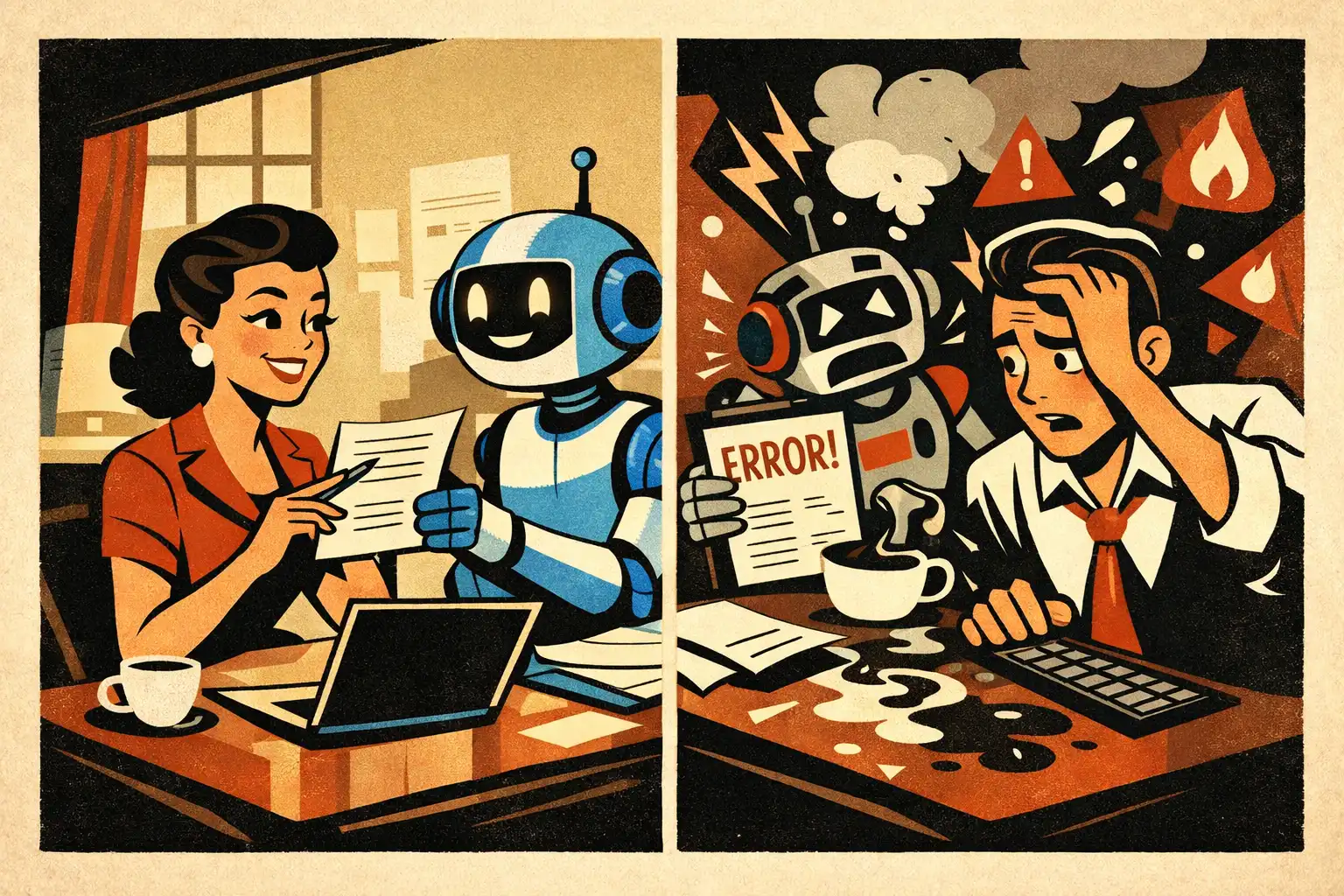
TL;DR: AI helps startups move faster in research, drafts, and repetitive tasks, but it breaks when used for decisions, user-facing output without control, or anything that requires real judgment.
Why AI feels like a shortcut — but isn’t always one
AI looks like a universal accelerator. You type a prompt, get an answer, and move on. That works well for certain tasks, especially early-stage work where speed matters more than precision.
But most startup work is not just about generating something quickly. It’s about making correct decisions under uncertainty. That’s where blind AI usage starts creating problems.
Many founders assume “more AI = faster progress.” In reality, the wrong usage often creates rework, confusion, or misleading signals that are harder to fix later.
Where AI clearly helps
The biggest wins come from tasks that are repetitive, structured, or exploratory.
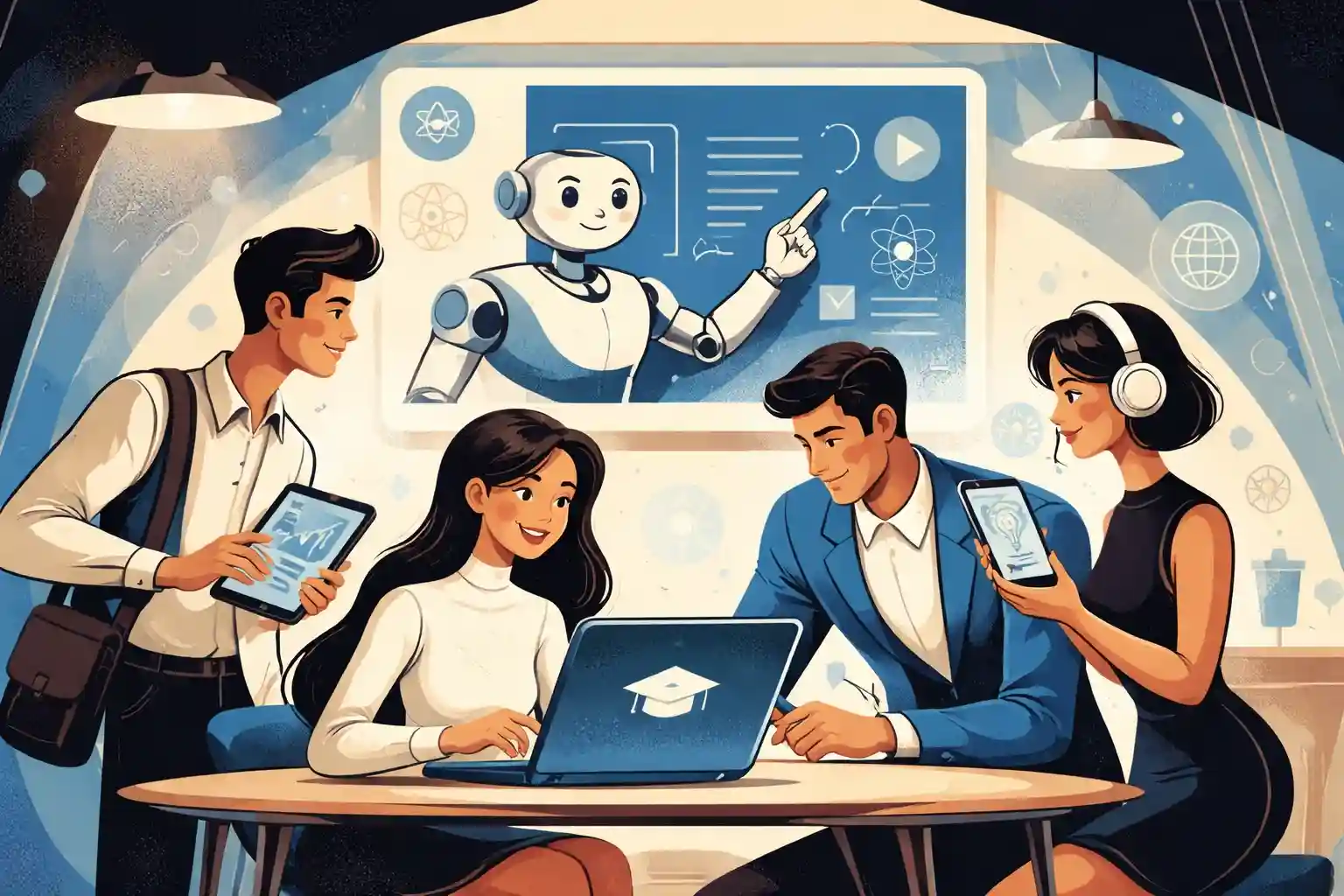
AI works well for early research. It can help you map a problem space, summarize competitors, or generate initial ideas faster than starting from scratch.
It also works well for first drafts. Product descriptions, landing page copy, onboarding messages, internal docs — all of these can start with AI and then be refined.
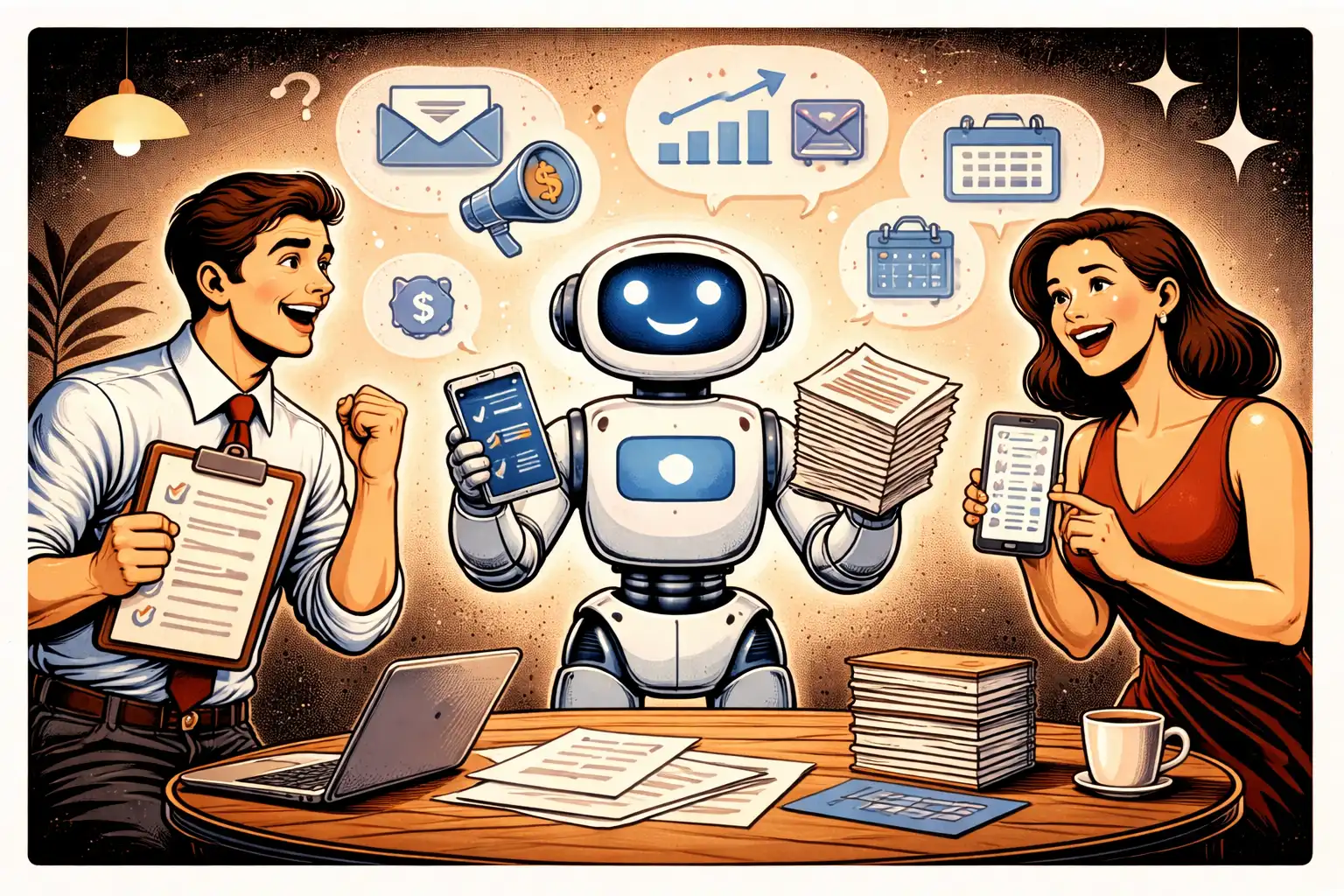
Another strong use case is internal support. Teams use AI to draft replies, organize notes, or speed up simple workflows. This removes friction without affecting core decisions.
For non-technical founders, AI also lowers the barrier to understanding product and development decisions. That’s why What Non-Technical Founders Should Know in 2026 is increasingly tied to understanding how to use AI without depending on it blindly.
Where AI starts to backfire
Problems begin when AI is used for things that require context, responsibility, or precision.
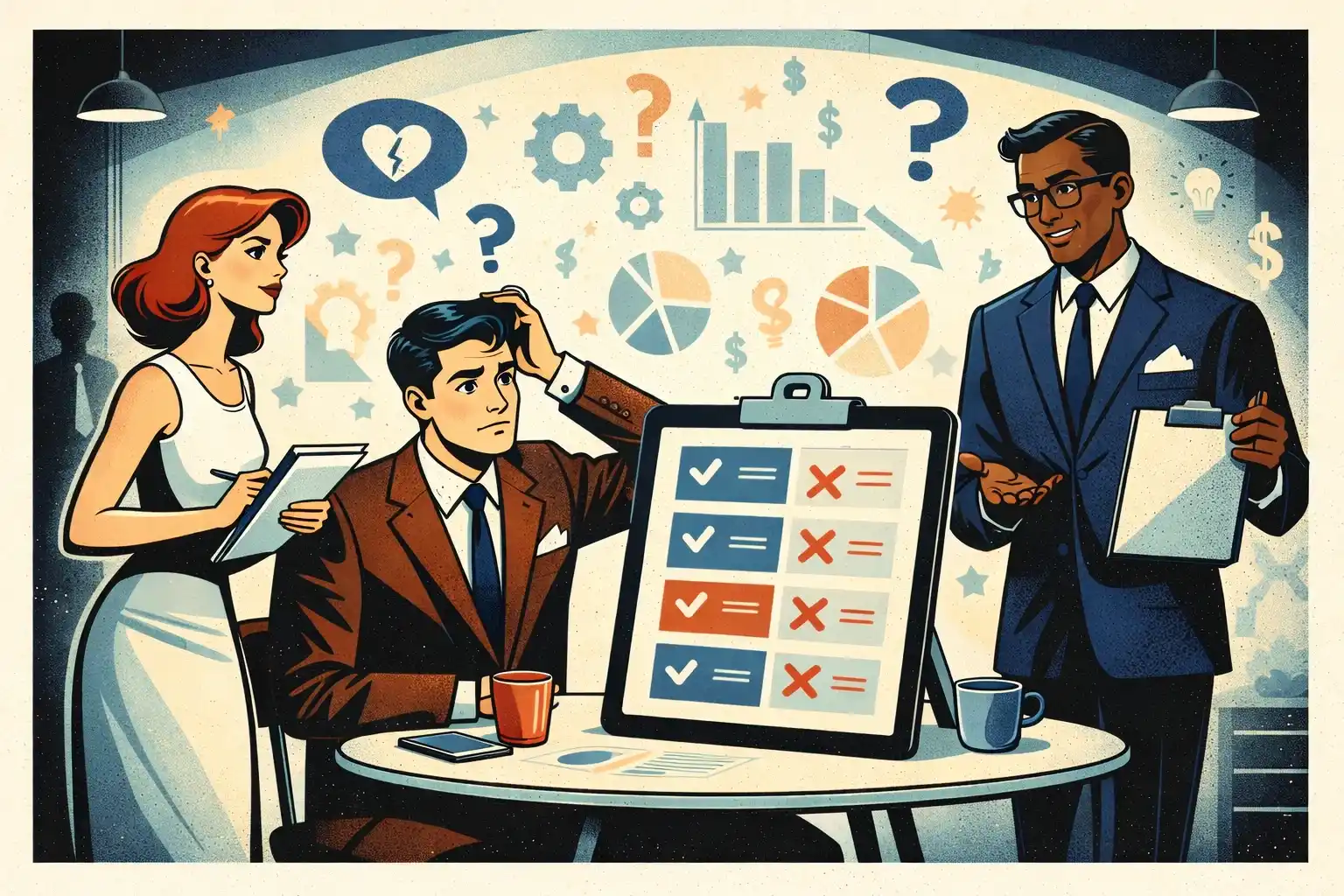
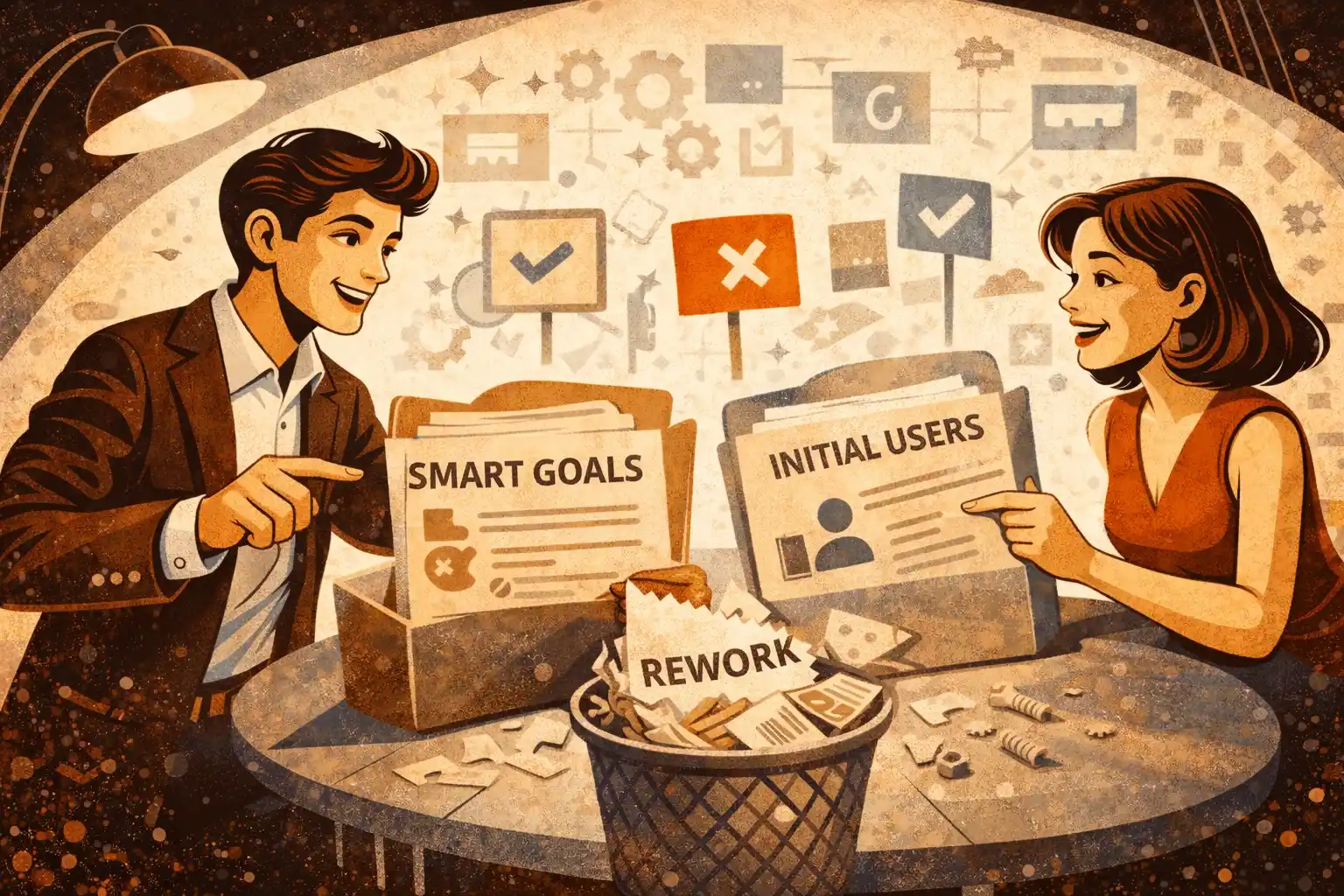
One common mistake is using AI for decision-making. AI can suggest options, but it does not understand your business constraints, users, or trade-offs. Treating its output as a decision instead of input leads to bad product choices.
Another issue is user-facing output. If AI generates content that users see directly — recommendations, answers, summaries — without control or validation, small errors quickly become trust problems.
There is also the problem of overconfidence. AI outputs often sound correct even when they are not. That makes teams skip validation steps they would normally take.
This connects directly to AI Product Mistakes Startups Make in 2026, where most failures come not from the model itself, but from how it is used in real workflows.
The hidden cost: rework
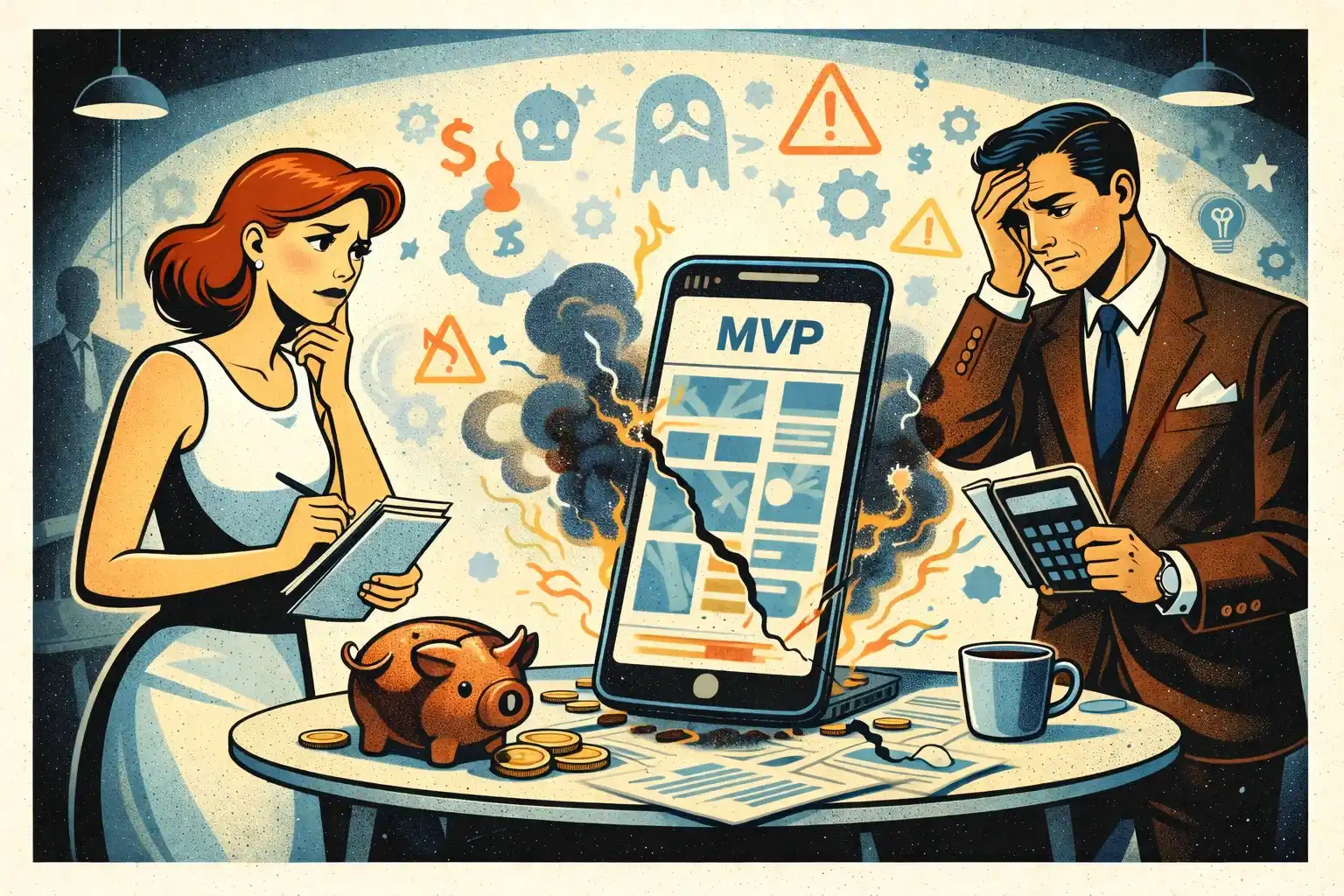
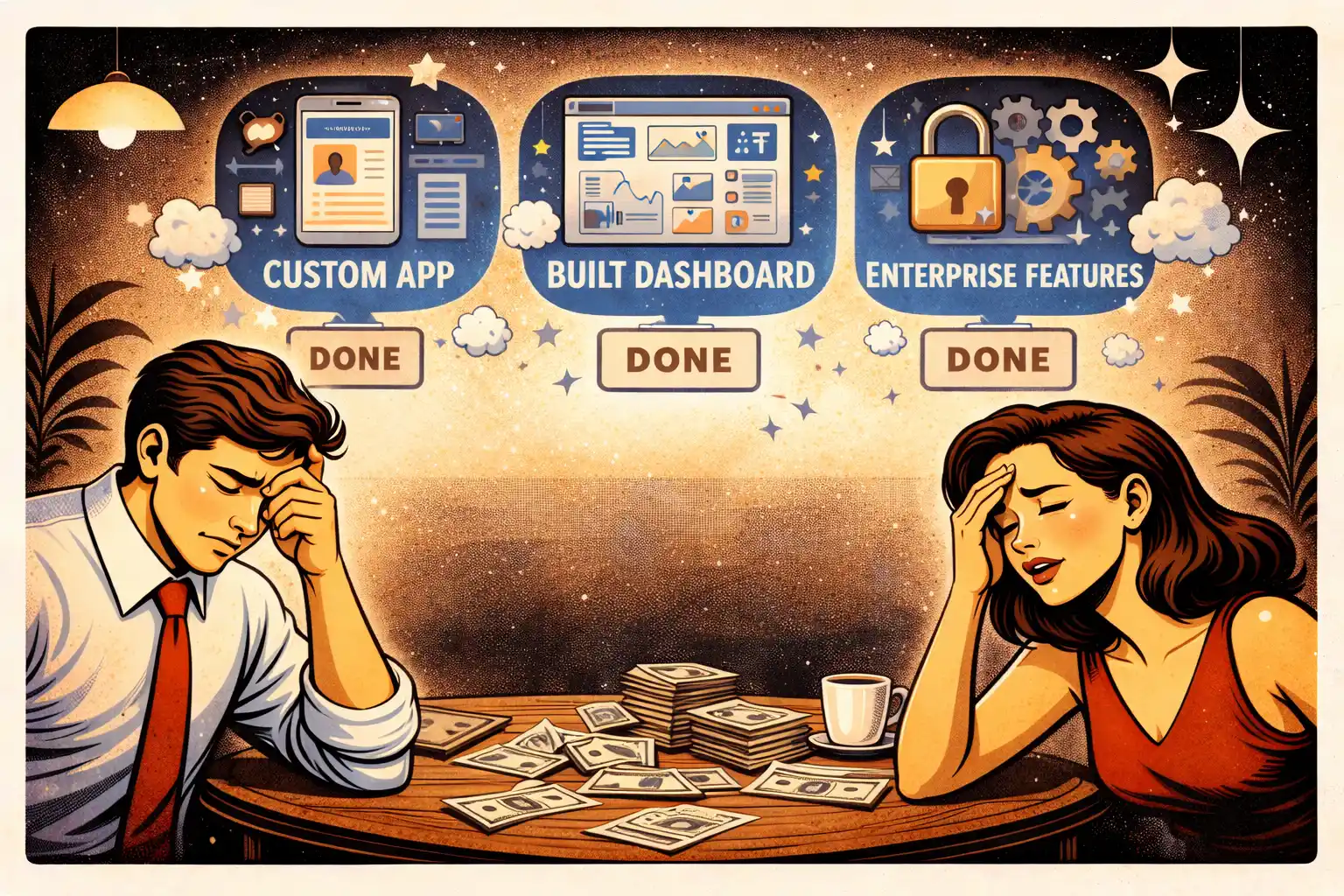
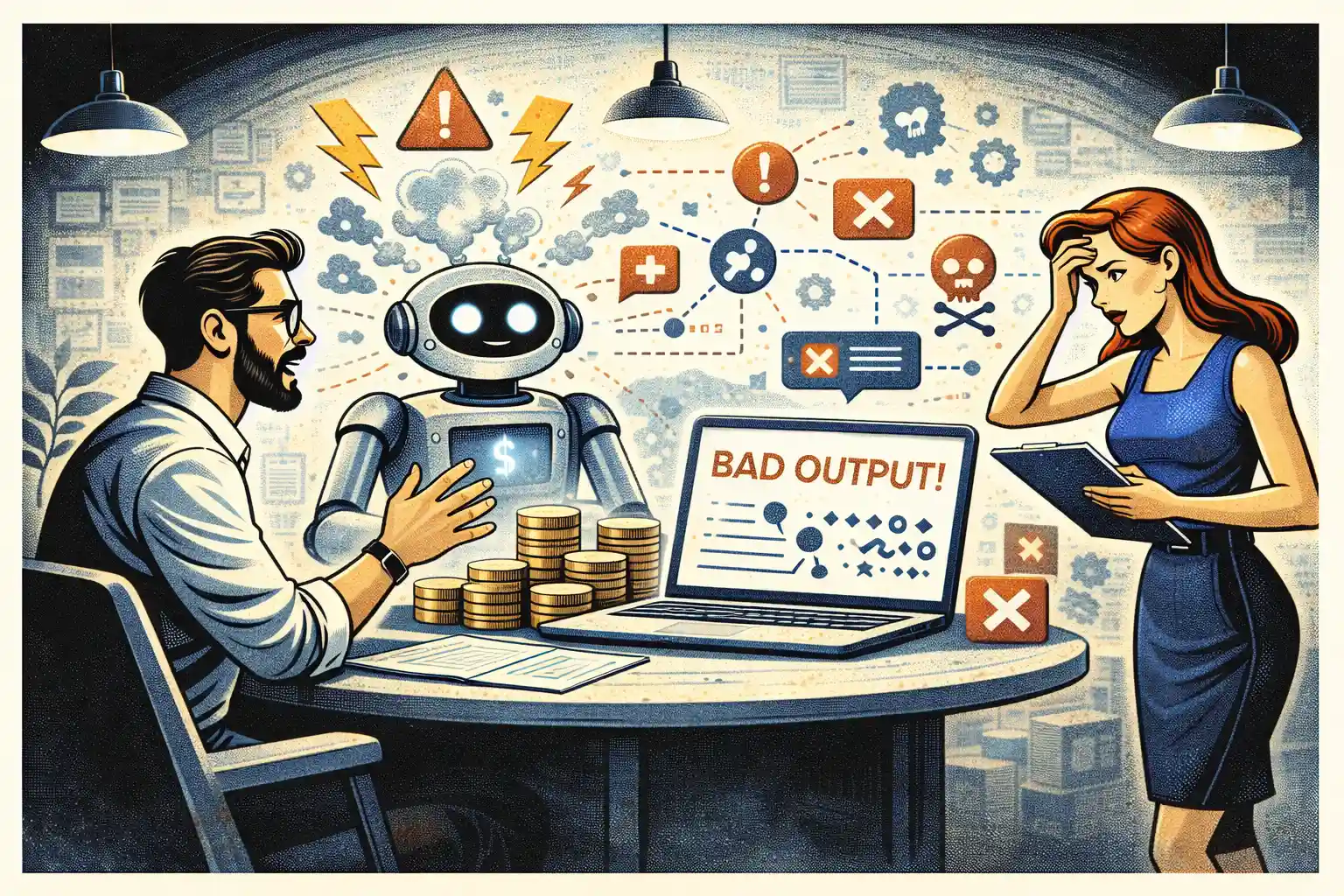
The biggest downside of misusing AI is not that it gives wrong answers. It’s that it creates work that looks finished but isn’t.
A team might generate product copy, specs, or even code with AI, assume it is “almost done,” and move forward. Later, they realize it doesn’t match real users, business logic, or edge cases. Then everything needs to be rewritten.
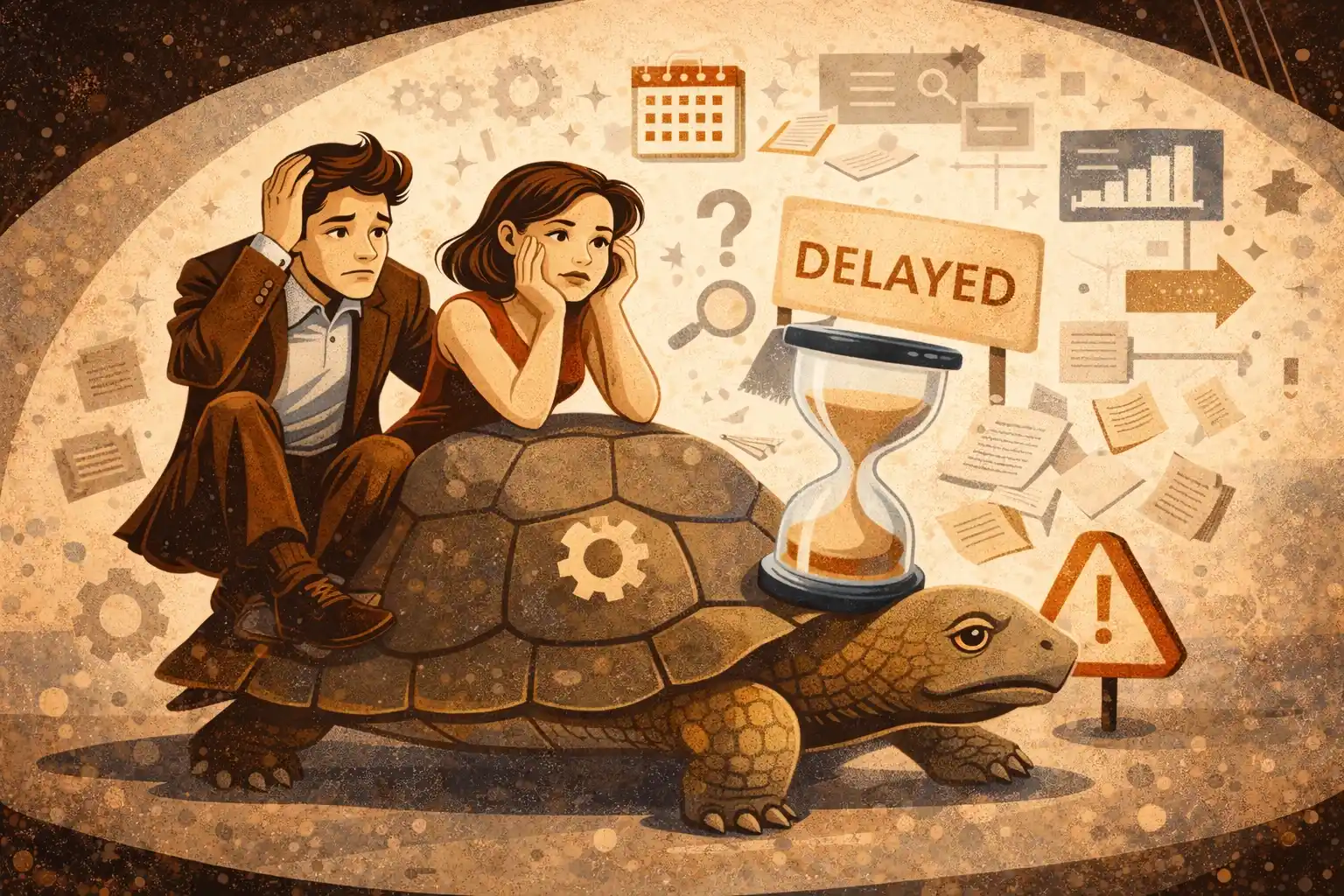
This creates a false sense of progress. Instead of moving faster, the team accumulates hidden rework.
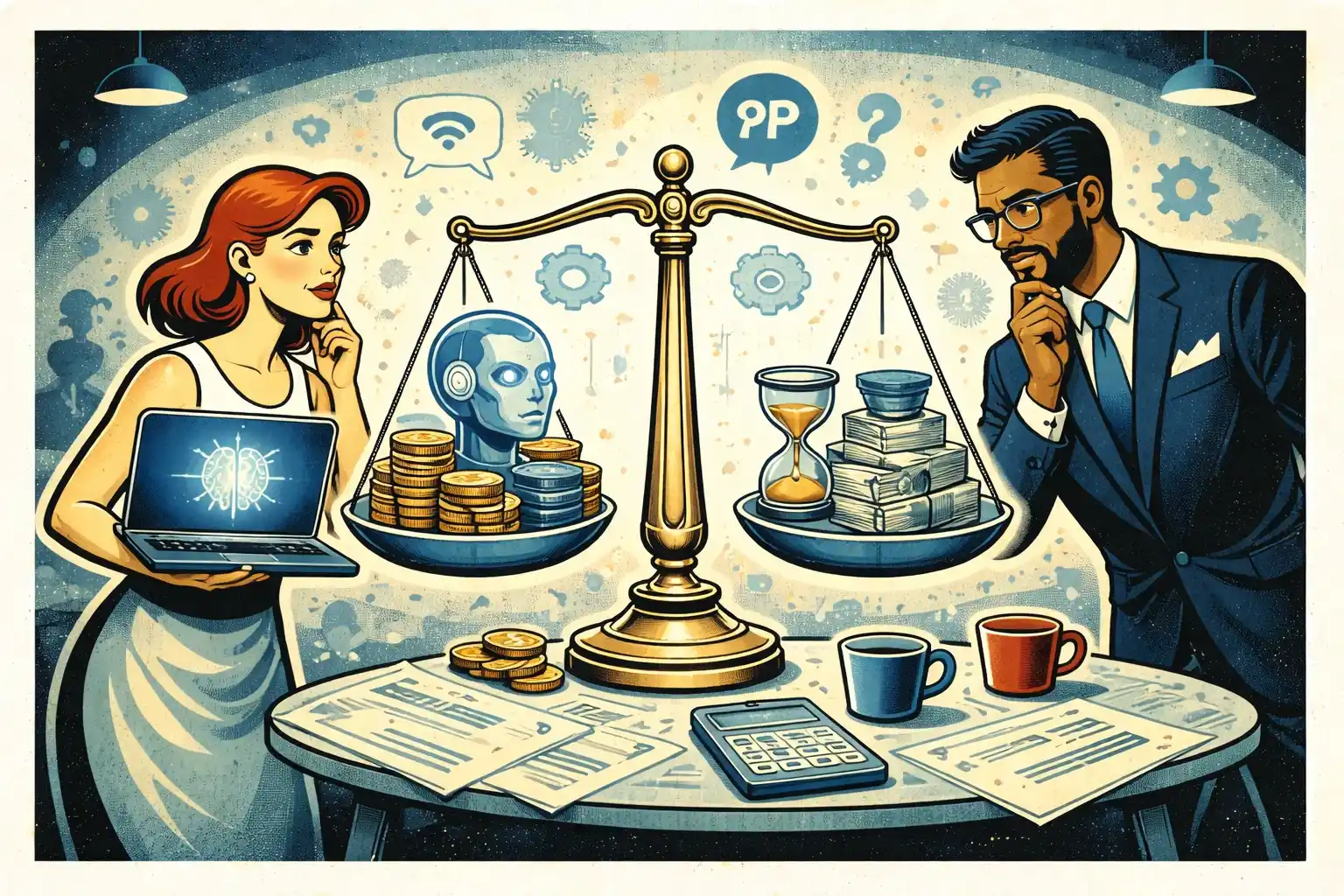
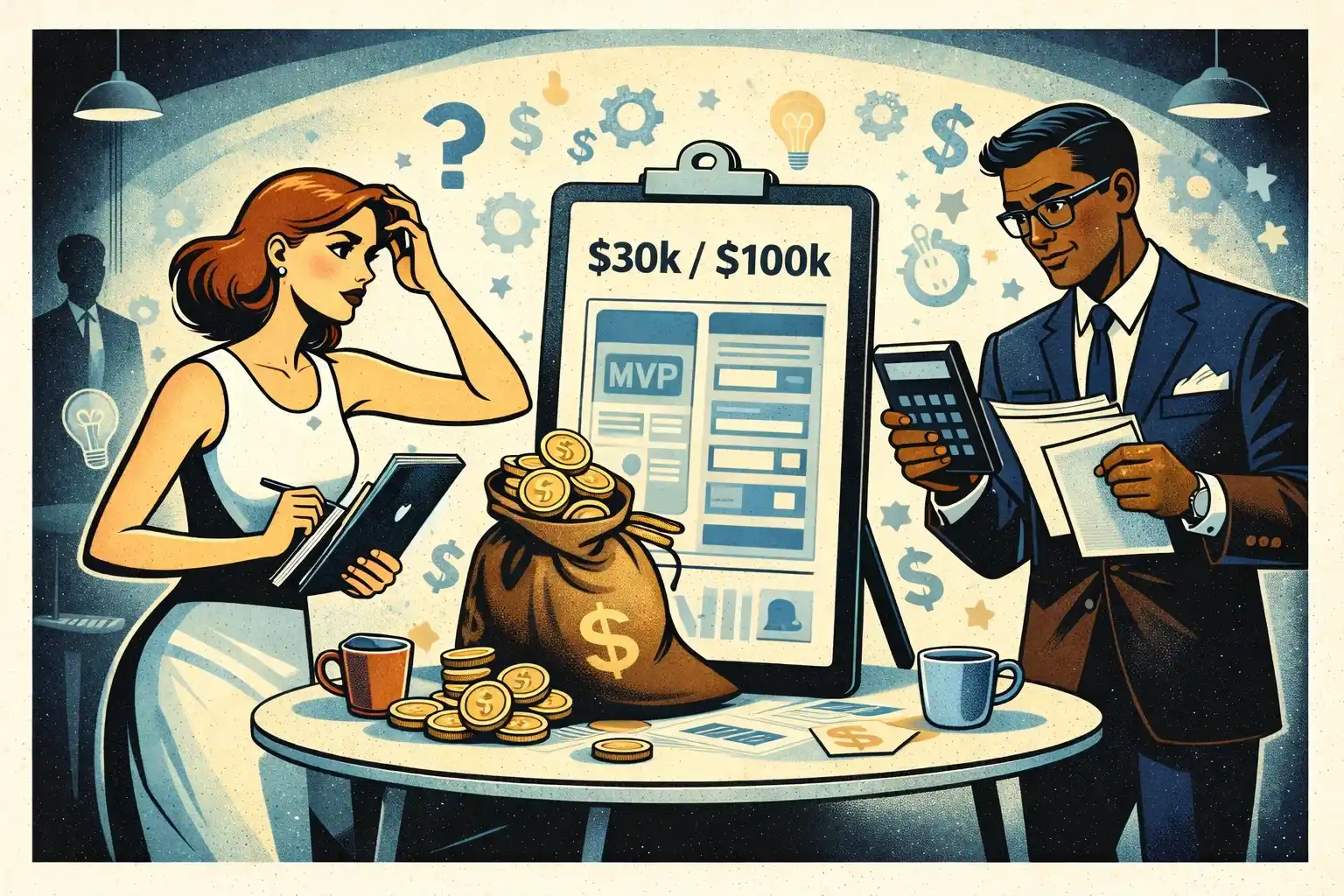
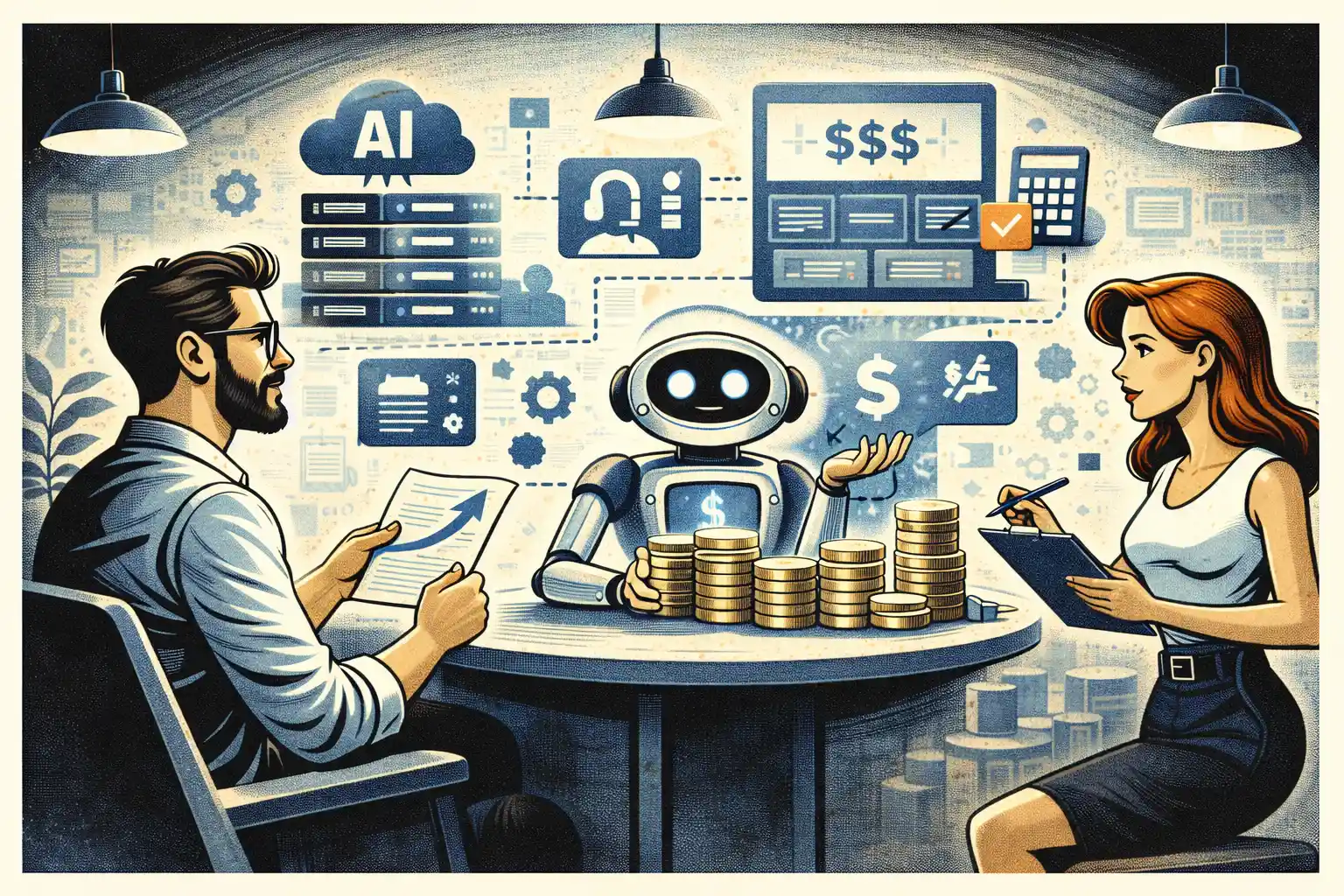
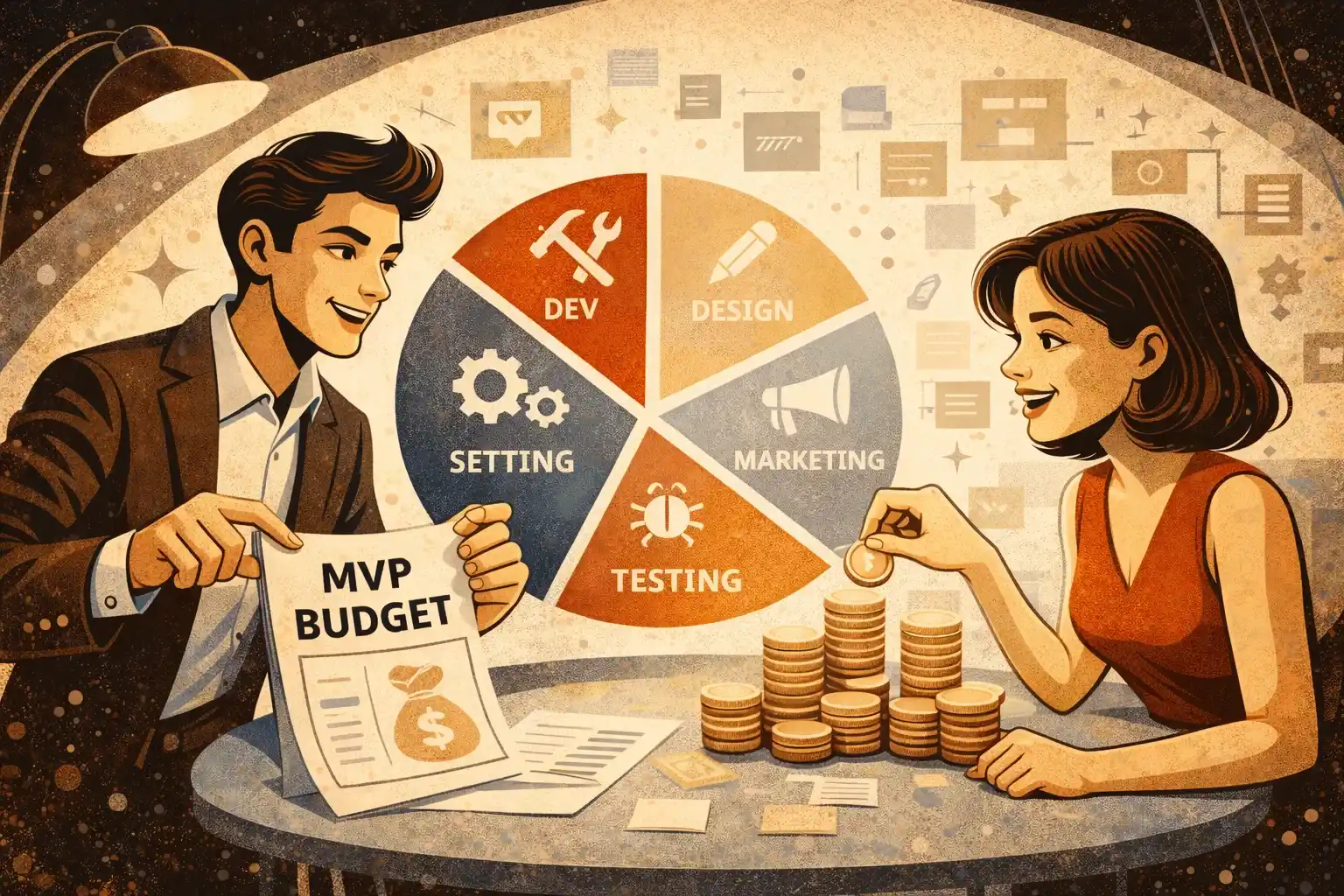
For early-stage startups, where time and budget are tight, this is one of the most expensive mistakes you can make.
AI + human workflows: what actually works
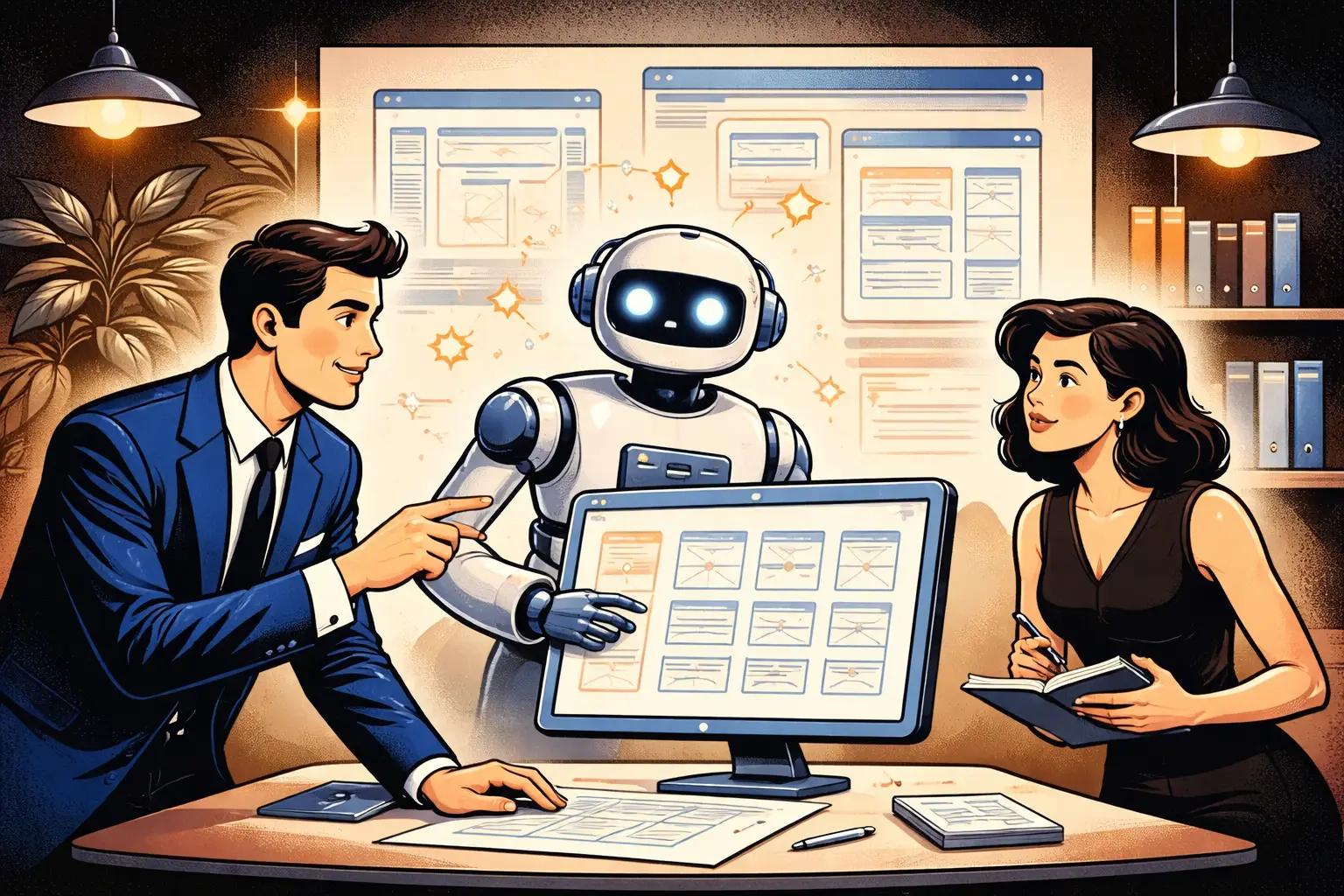
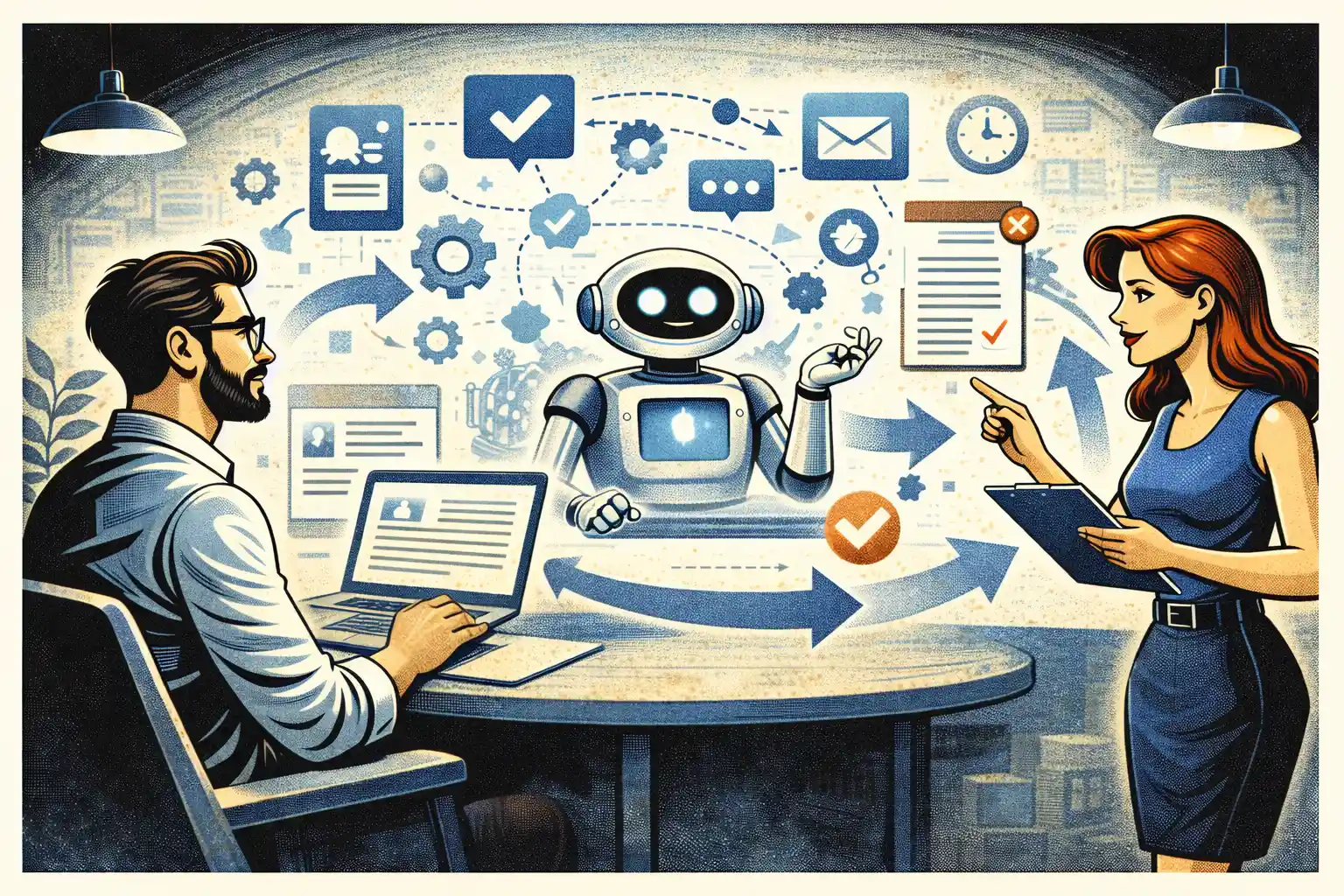
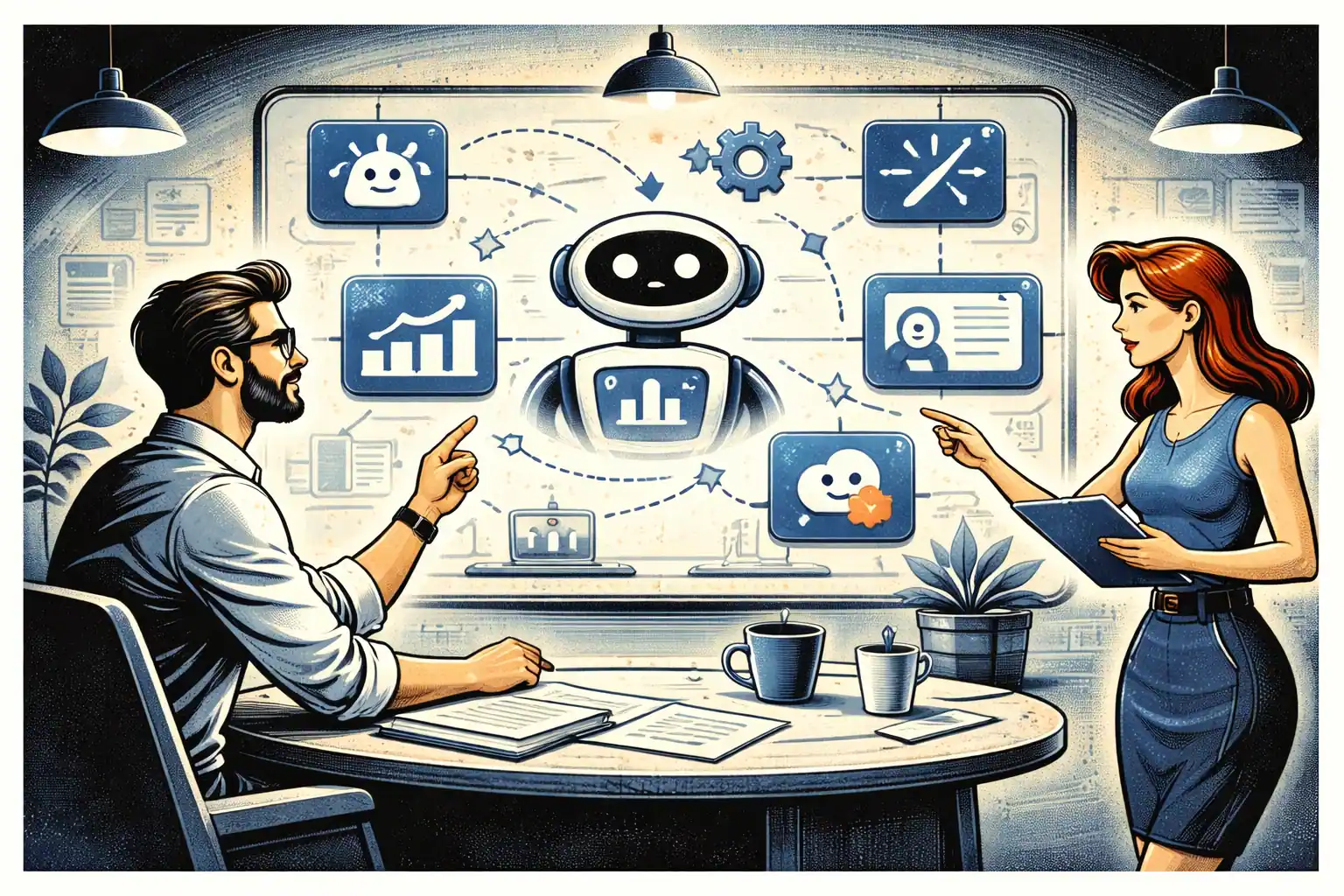
The most effective teams don’t replace people with AI. They structure how AI fits into the workflow.
AI generates options. Humans decide.
AI drafts. Humans edit.
AI accelerates exploration. Humans validate.
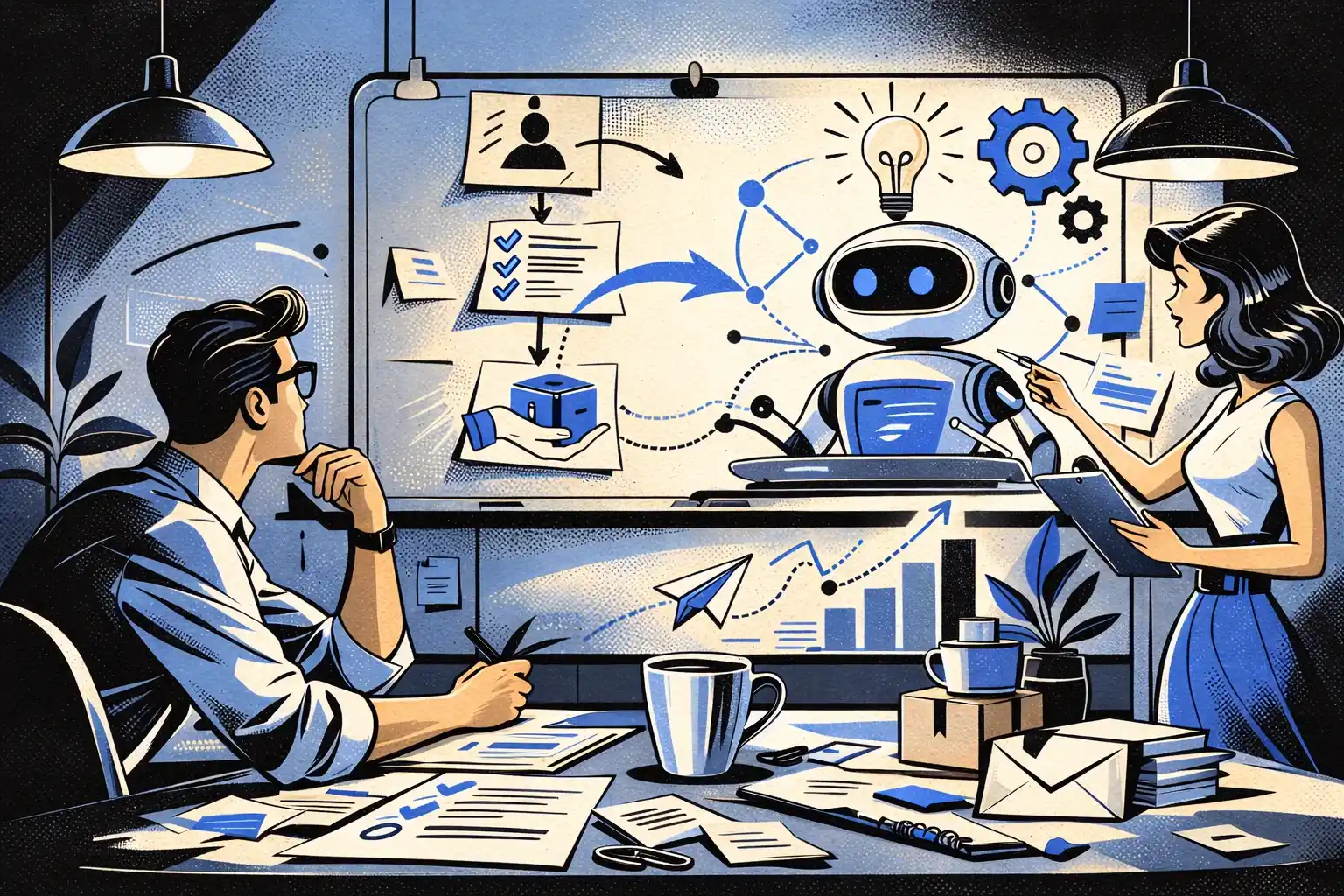
This balance keeps speed without losing control. It also reduces the risk of pushing incorrect or low-quality output into the product.
A deeper breakdown of this approach is covered in AI + Human Workflows in 2026: The Best Hybrid Pattern.
Where founders should be especially careful
There are a few areas where AI mistakes are especially costly.
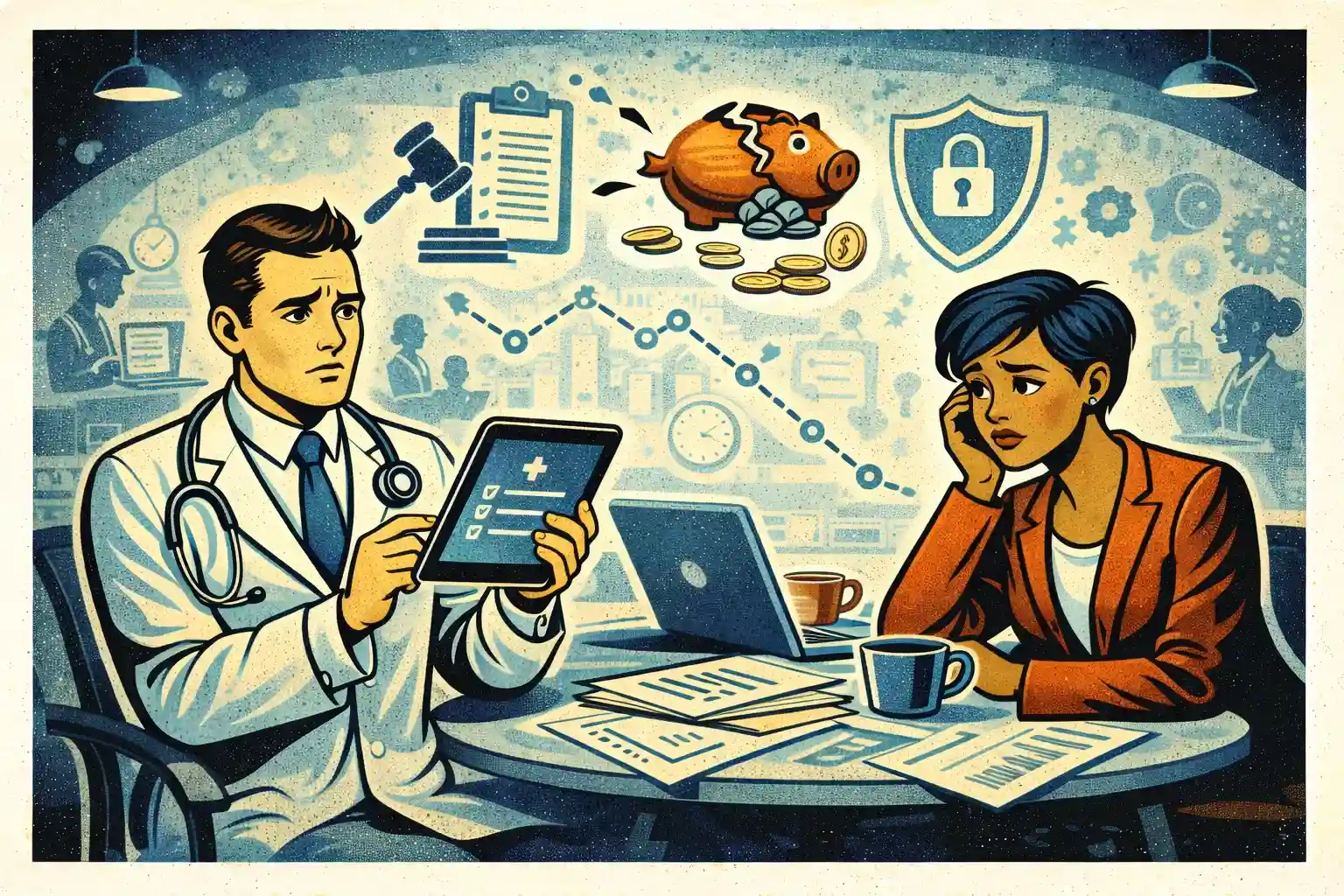
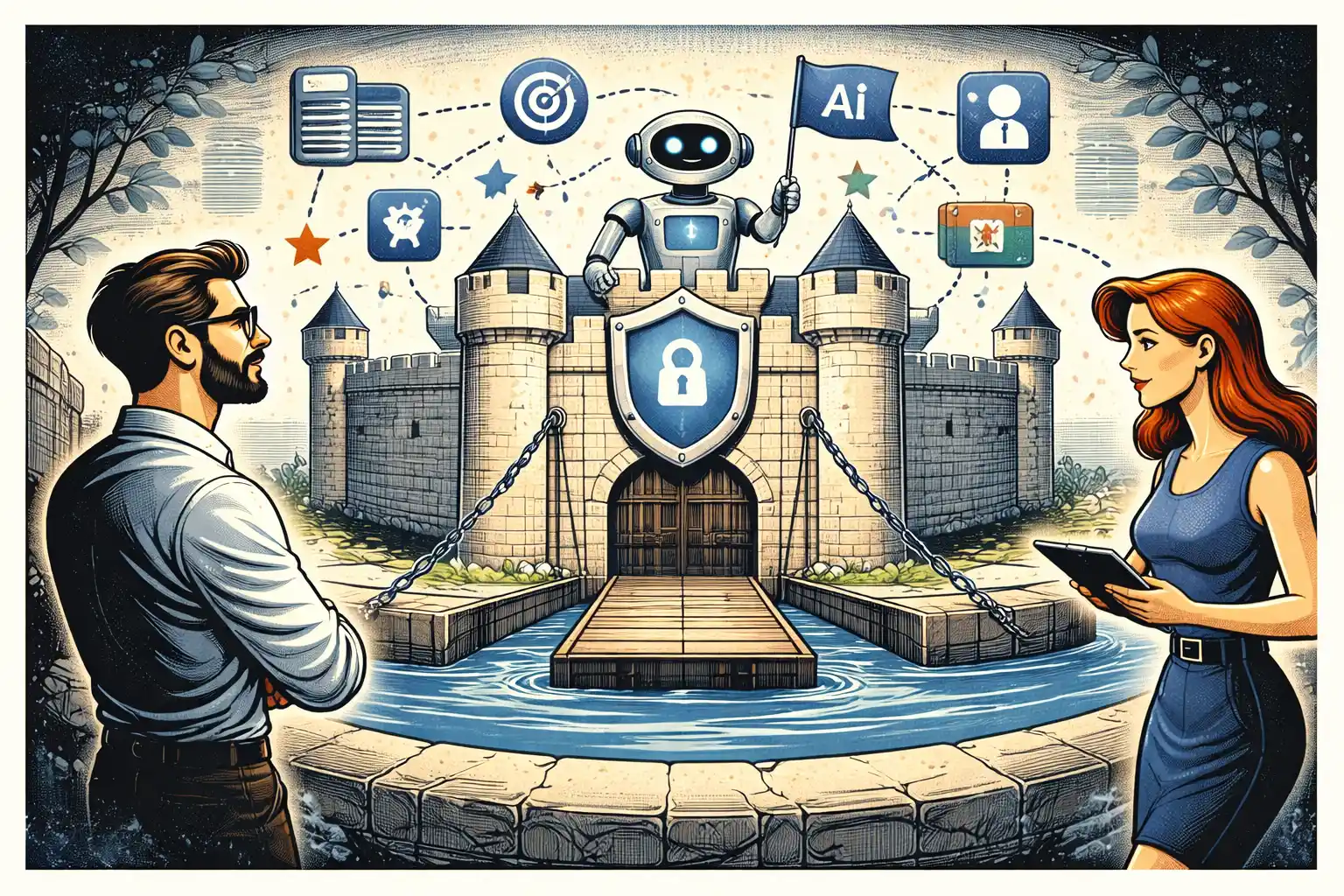
First is anything related to users. If AI touches onboarding, recommendations, or support, even small errors can break trust.
Second is anything tied to money, health, or legal decisions. Even indirect suggestions can be risky if users rely on them.
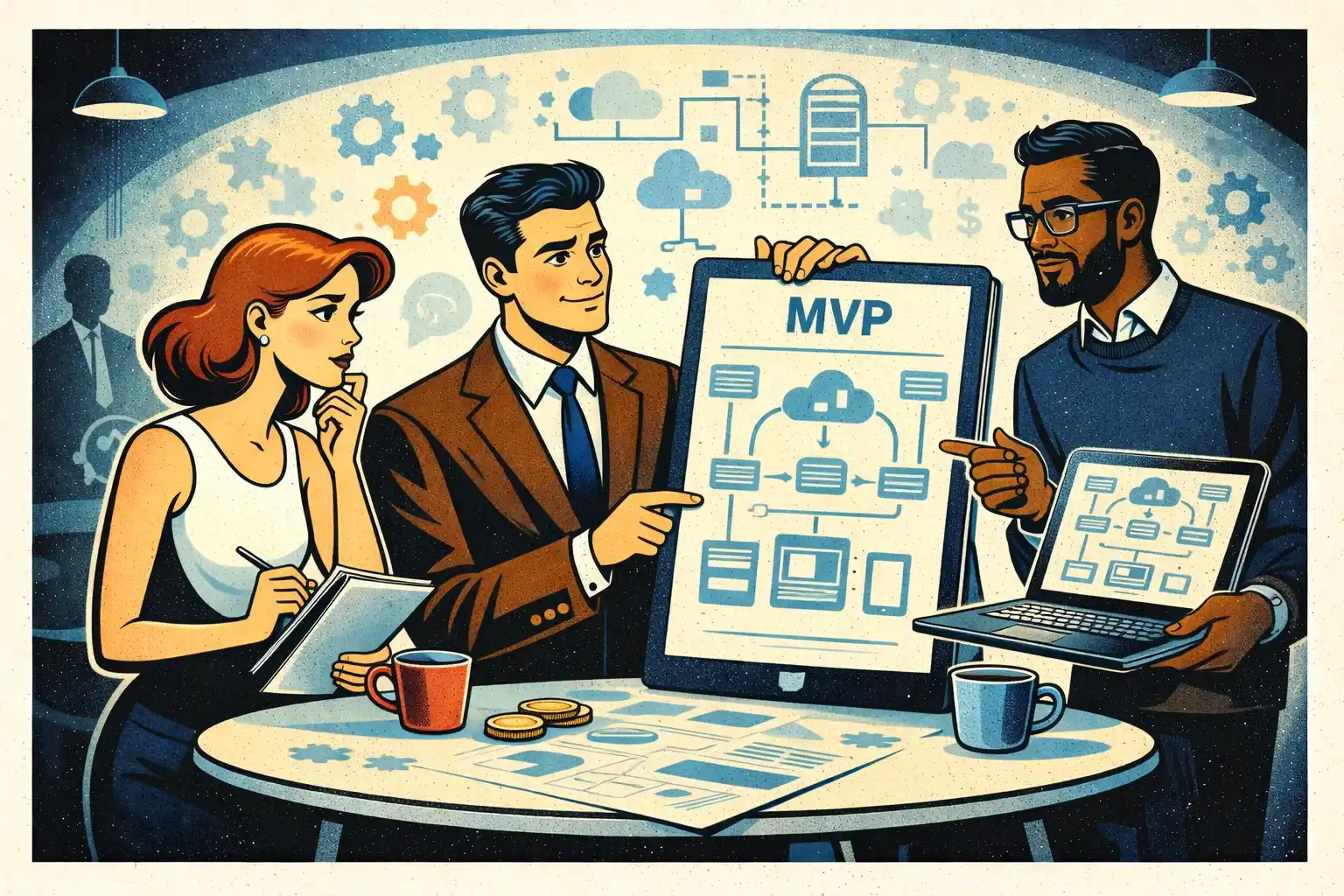
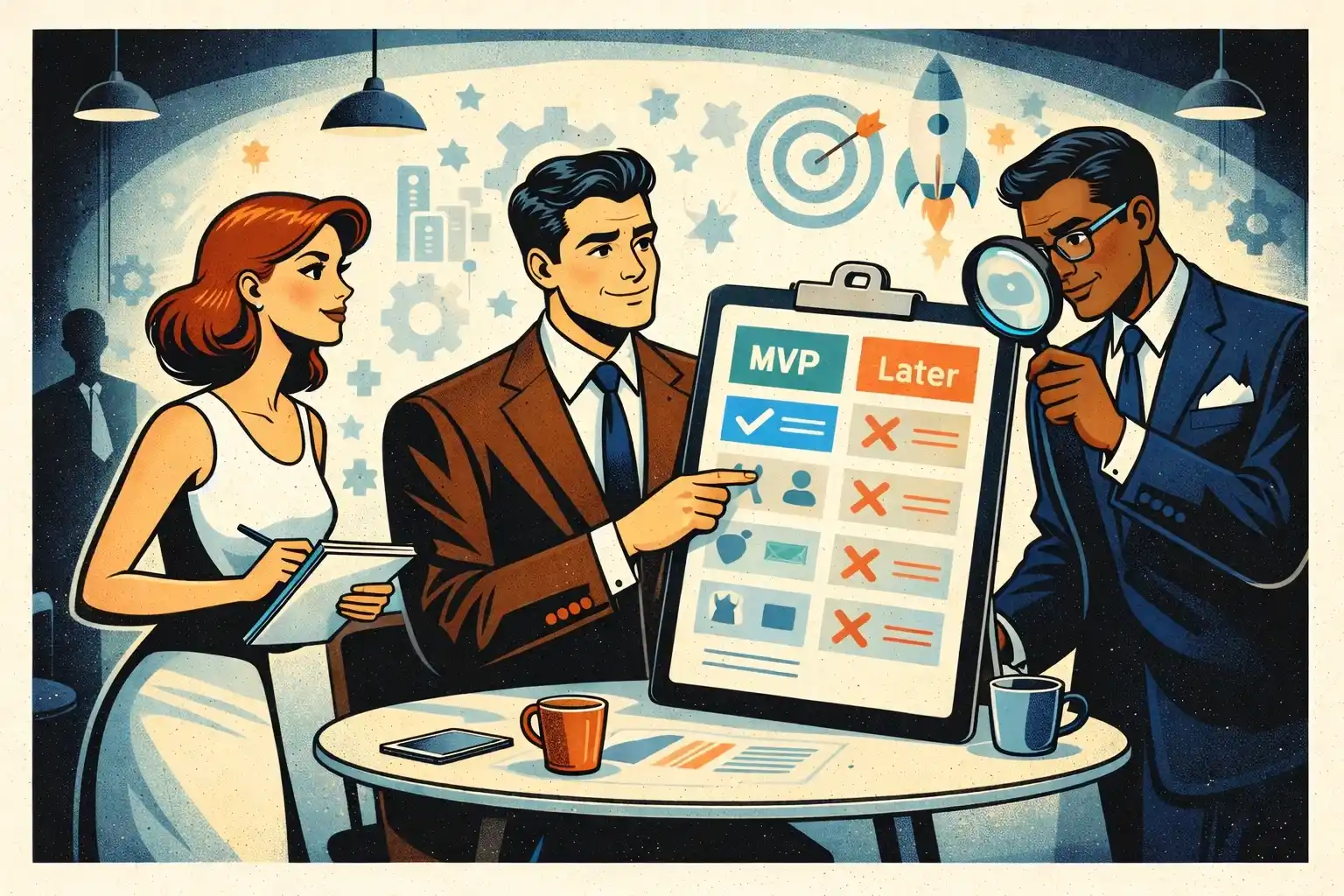
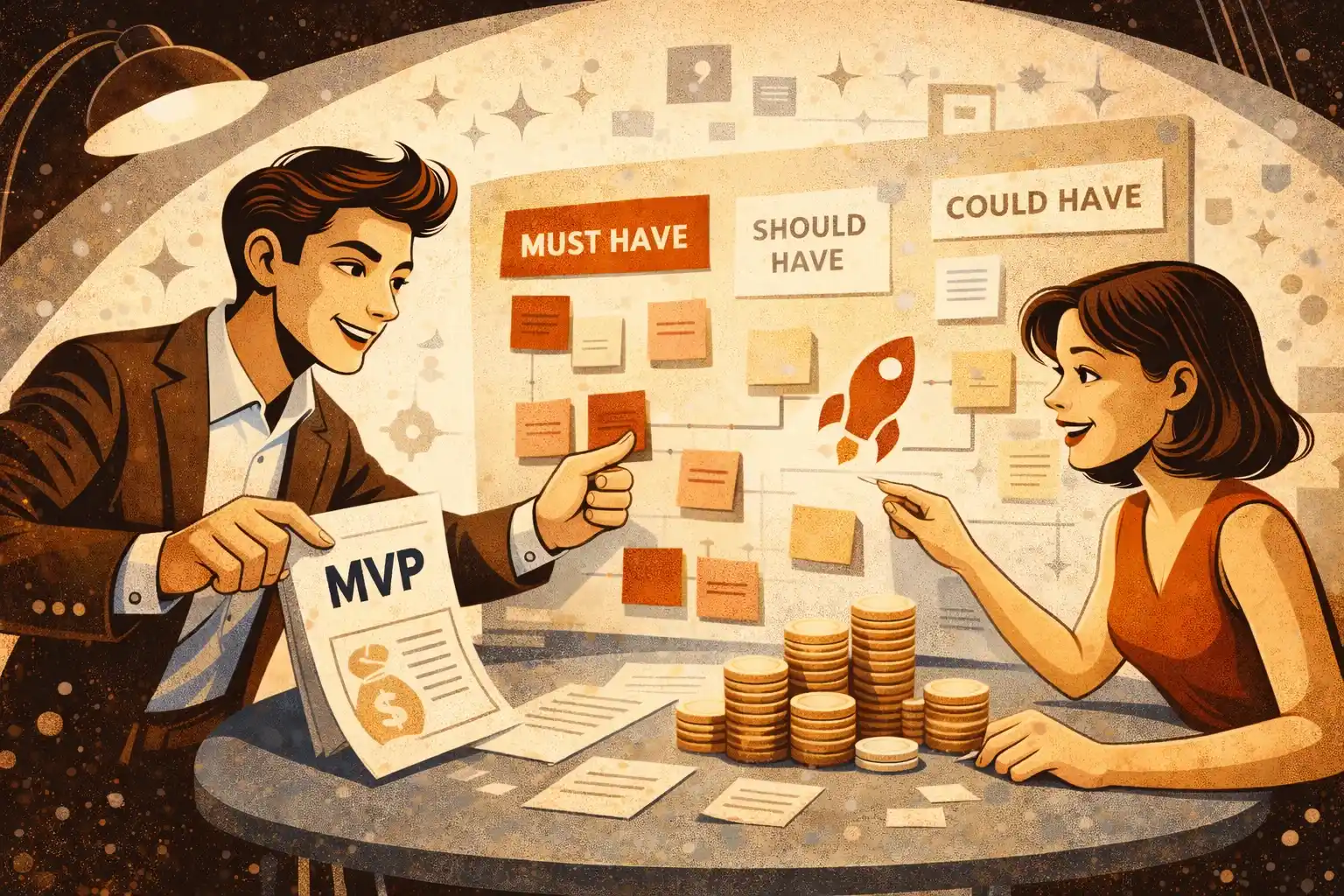
Third is product scope. AI often makes it tempting to add more features because “it’s easy to generate.” This leads to bloated MVPs instead of focused ones.
This is why MVP Scope and Focus in 2026 becomes even more important when AI is part of the process.
A simple founder rule
If a task requires speed and variation, AI helps.
If a task requires accuracy, responsibility, or long-term impact, AI needs control.
That’s the simplest way to decide where to use it.
Final thought
AI is not a competitive advantage by itself anymore. Almost every team uses it.
What actually matters is how you use it inside your product and workflows.
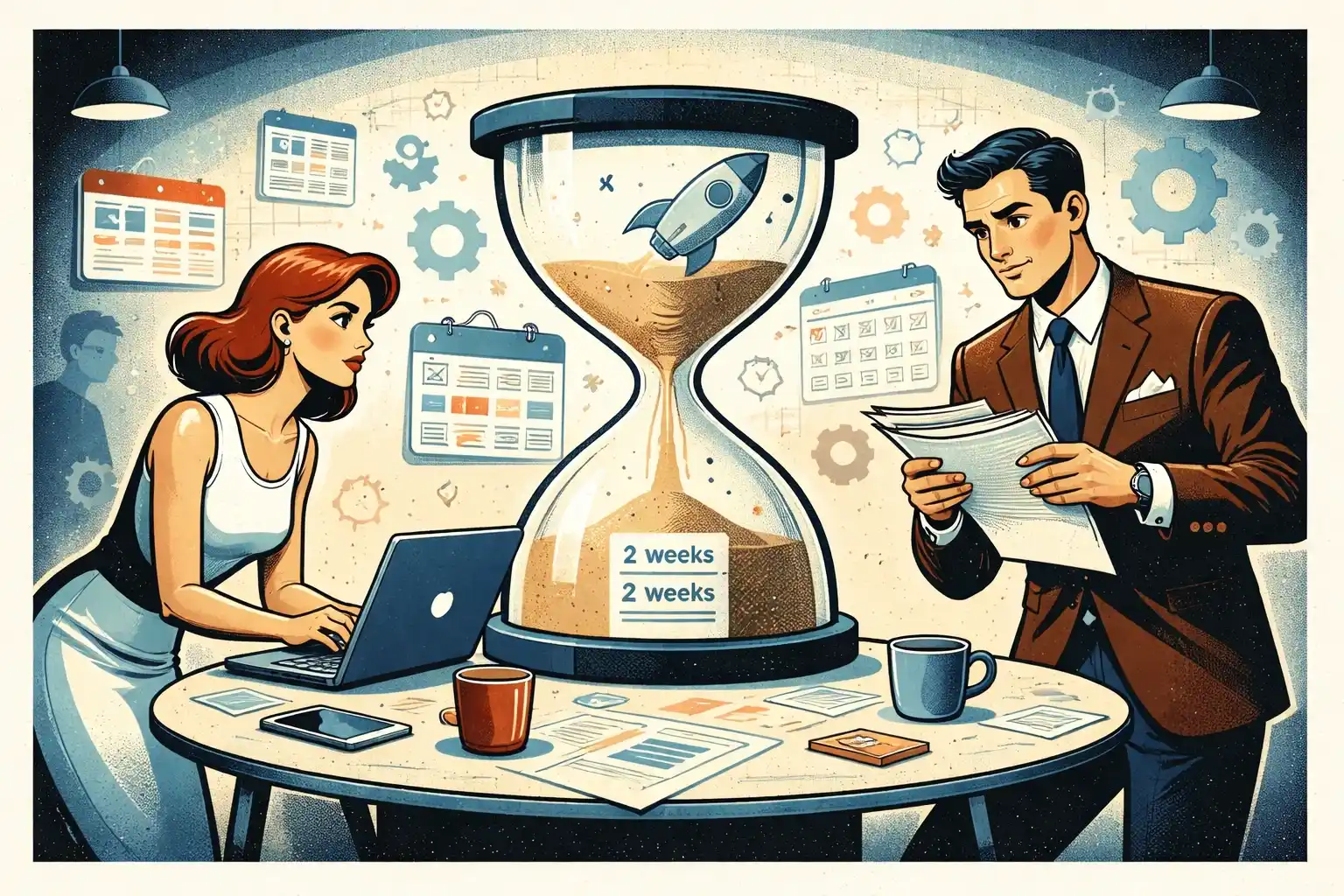
Used well, it reduces time and cost. Used poorly, it creates noise, rework, and risk that is harder to detect early.
The goal is not to use AI everywhere. The goal is to use it where it makes your product and team better — not just faster.
Thinking about building an AI-powered product in 2026?
At Valtorian, we help founders design and launch modern web and mobile apps — including AI-powered workflows — with a focus on real user behavior, not demo-only prototypes.
Book a call with Diana
Let’s talk about your idea, scope, and fastest path to a usable MVP.
FAQ
Where does AI help the most in early-stage startups?
In research, drafts, and repetitive internal tasks where speed matters more than precision.
Where does AI usually fail?
In decision-making, user-facing outputs without control, and anything requiring real-world judgment.
Should AI be used in MVPs?
Yes, but only where it reduces effort without adding risk or complexity to the core product.
How do you avoid AI-related mistakes?
By adding human validation and being clear about where AI is allowed to influence outcomes.
Is AI enough to replace a team?
No. It supports the team, but does not replace product thinking, user understanding, or execution.
Does AI reduce development cost?
It can reduce time in certain areas, but wrong usage often increases cost through rework.
How should founders approach AI overall?
As a tool for acceleration, not a decision-maker.
























.webp)




.webp)