.webp)
AI Wireframing Tools for Startup MVPs in 2026
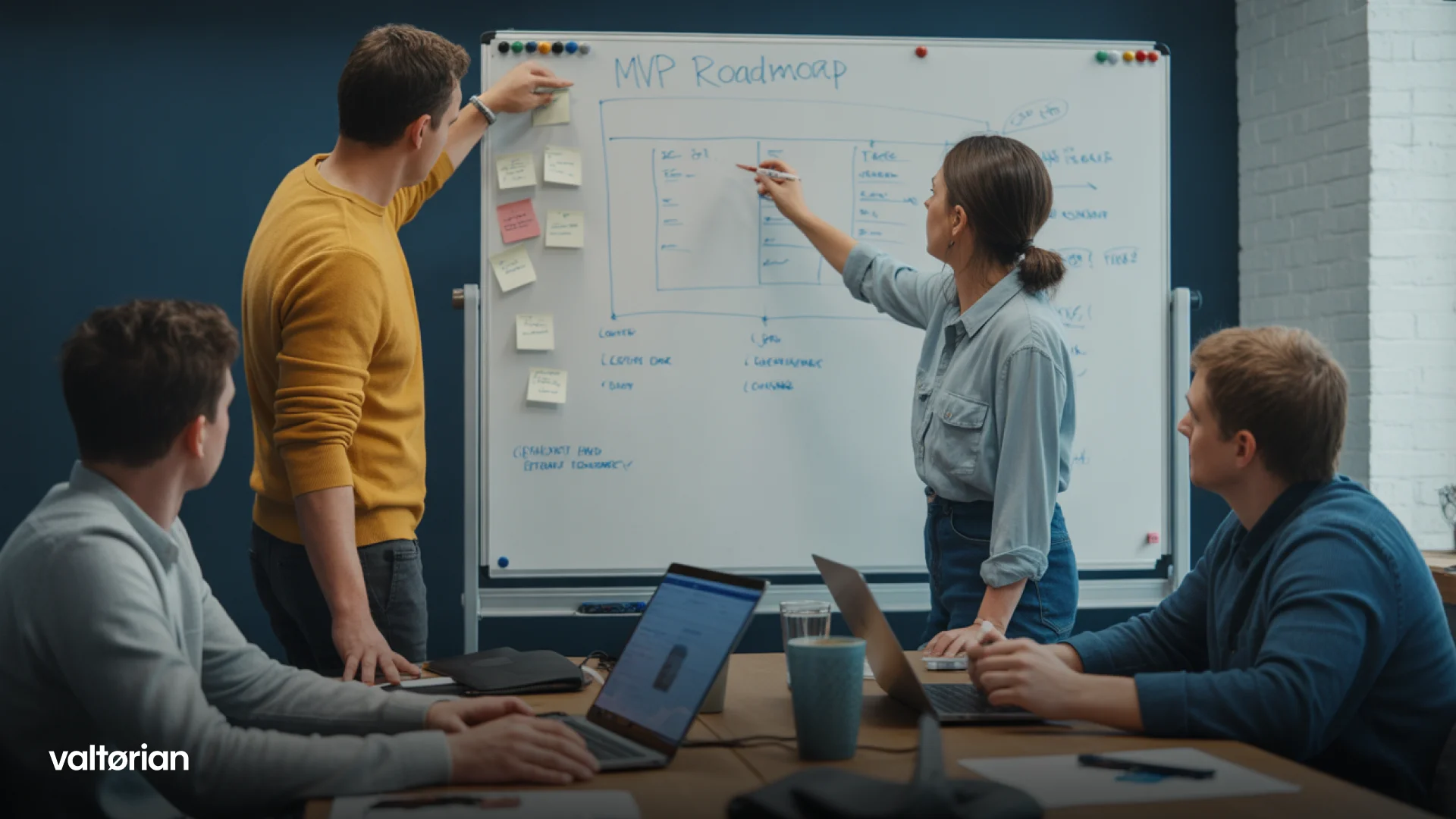
AI wireframing tools are getting faster, better, and much easier to access, which makes them tempting for early-stage founders trying to shape an MVP without a full product team. But speed alone does not guarantee a better first version. In this article, we look at what AI wireframing tools are actually useful for in 2026, where they tend to create false confidence, and how non-technical founders can use them to move faster without confusing rough structure with real product thinking.

TL;DR: AI wireframing tools can save founders time in the early MVP stage, especially when they need quick layout ideas, user flows, or rough screens to discuss with a team. But they do not replace product judgment, prioritization, or clear thinking about what version one should actually do.
Why AI wireframing is suddenly everywhere
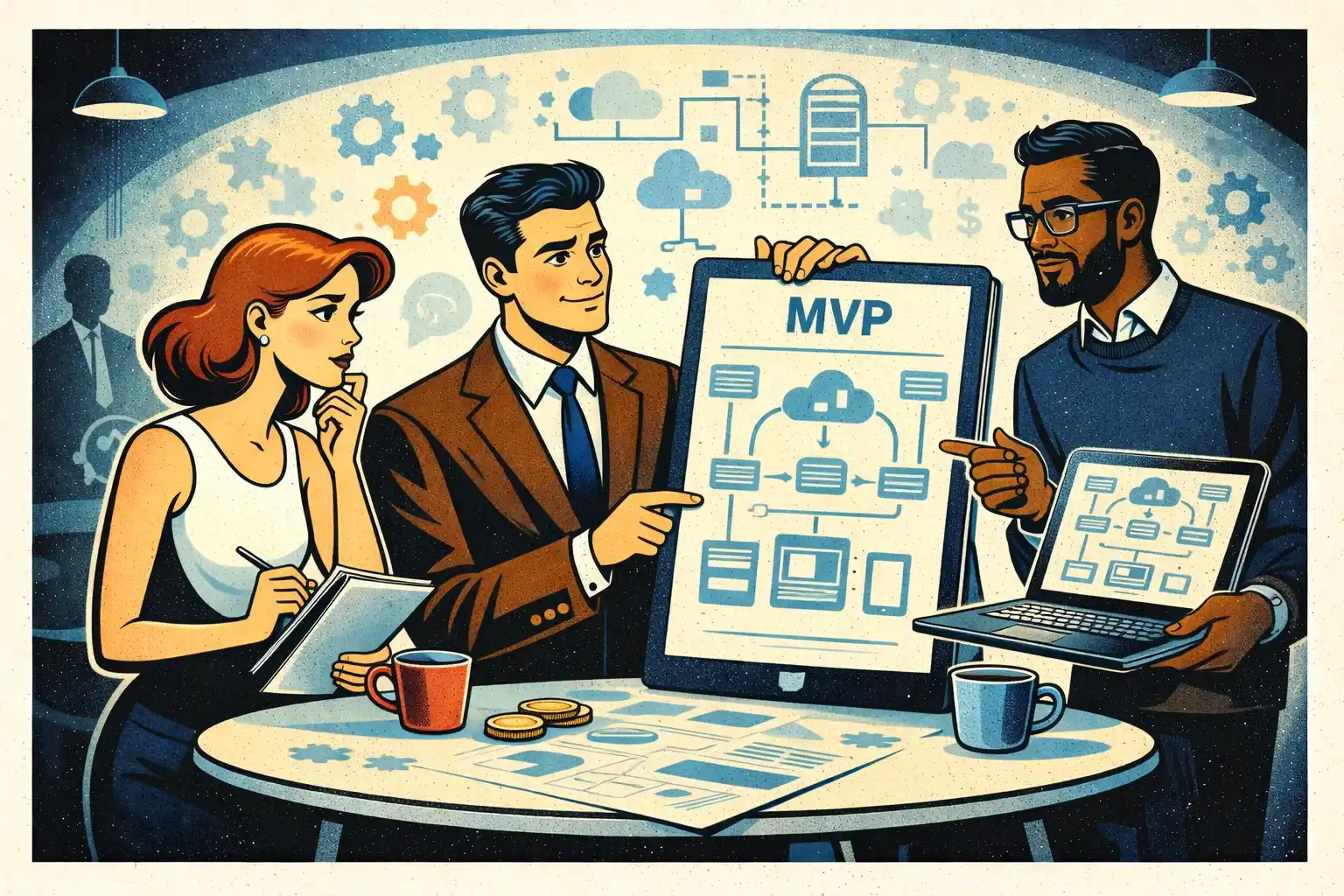
AI wireframing sits in that very attractive zone where founders feel immediate progress. You describe an app, click a button, and suddenly you have screens, layout suggestions, and flows that look much closer to a product than a blank page ever did.
That is exactly why the category is growing so fast. It helps non-technical founders get unstuck, makes early conversations easier, and reduces the fear of starting from nothing. For teams moving quickly, it can also cut down the time spent on rough structure before design work begins.
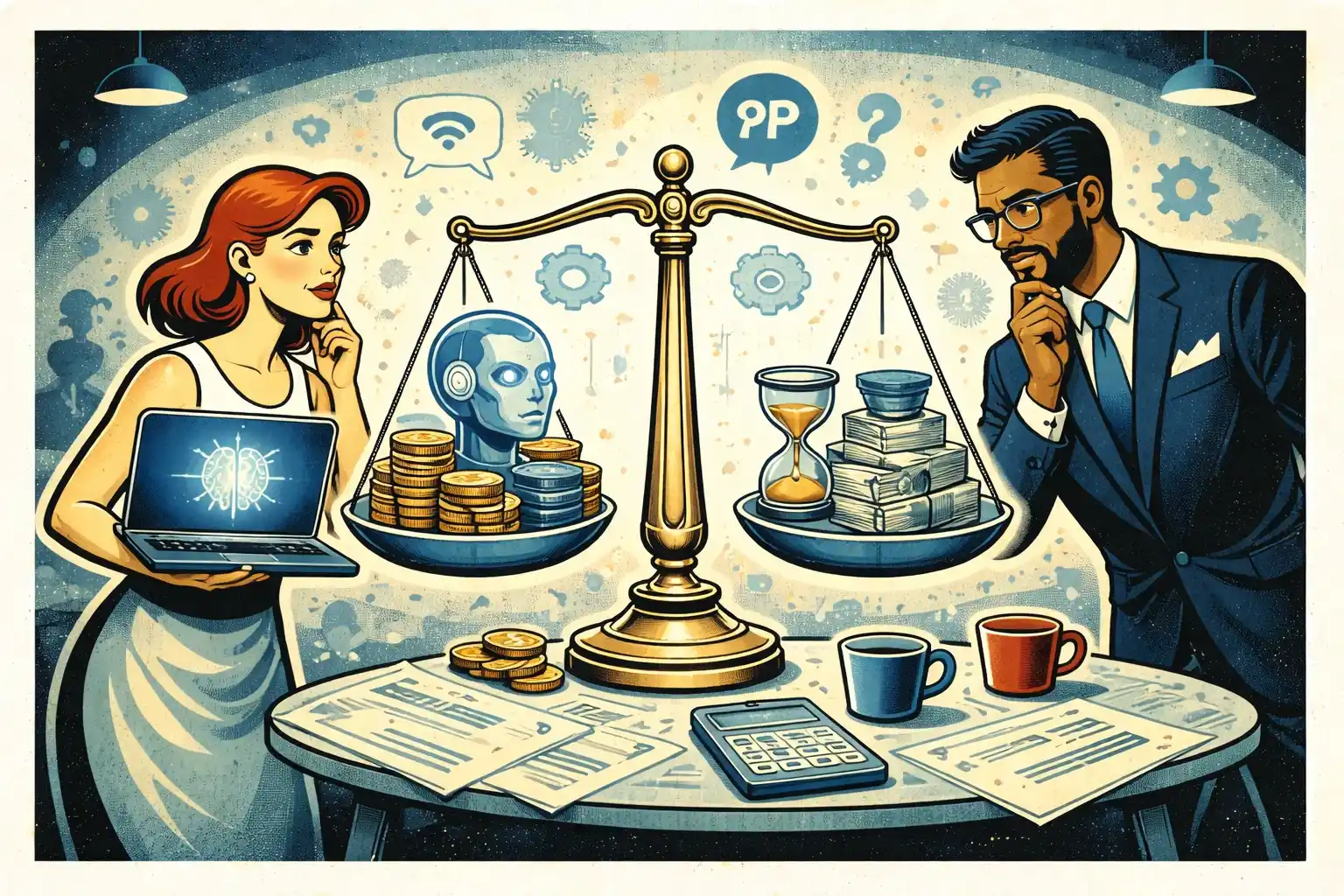
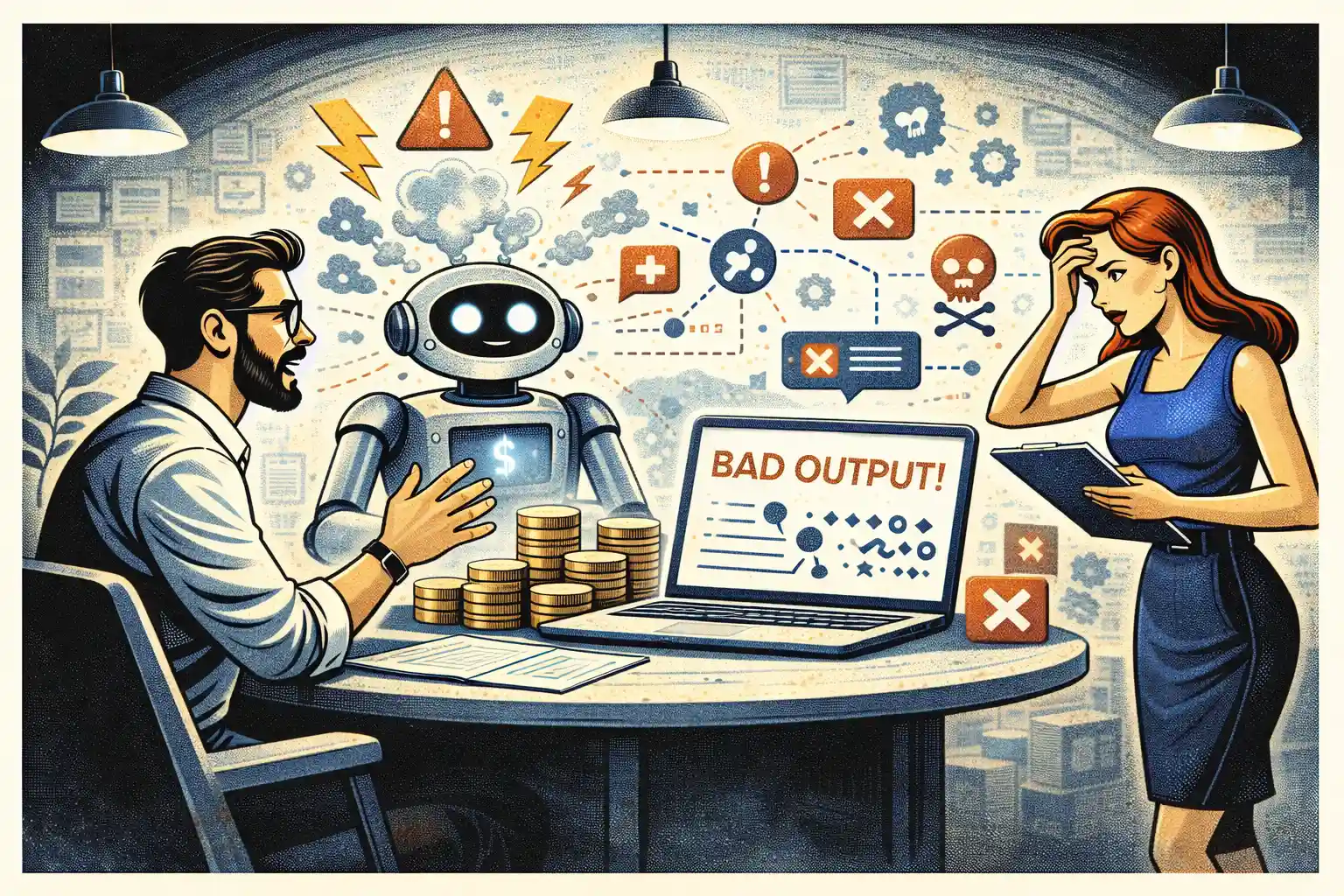
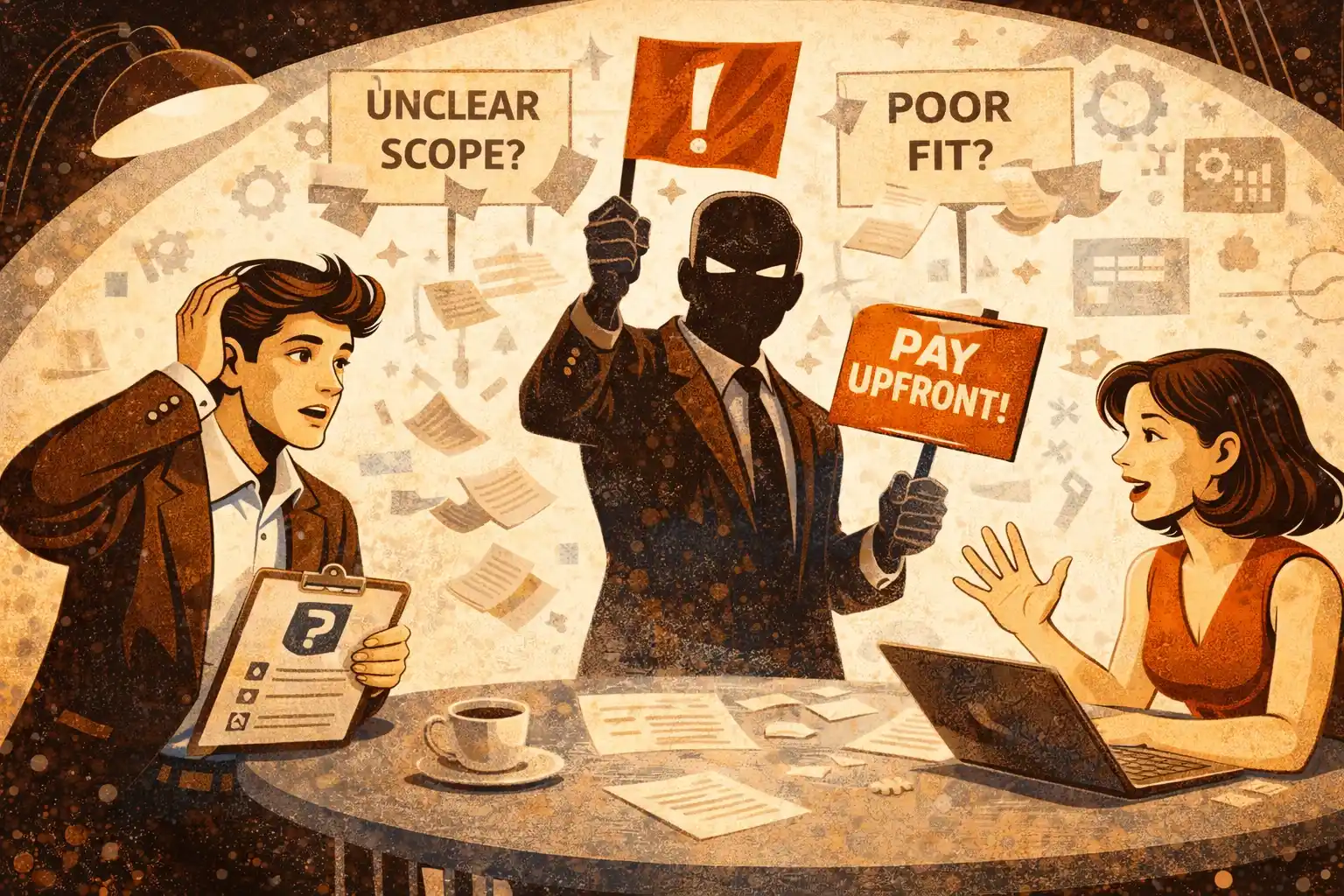
But that same speed creates a risk. A founder can mistake visual progress for product clarity. A generated wireframe may look convincing while still hiding weak scope, unclear priorities, and bad user logic underneath.
This is closely connected to What a Good MVP Looks Like in 2026, because the real job of early product work is not to make screens appear fast. It is to decide what deserves to exist in version one.
What AI wireframing tools are actually good at
In 2026, AI wireframing tools are most useful for early exploration. They can help founders turn loose ideas into something discussable. That alone is valuable. When you are explaining an idea to a co-founder, agency, investor, or first designer, a rough visual structure is much easier to react to than a paragraph of text.
They are also good at speed. If you want three possible dashboard layouts, a rough onboarding flow, or a first pass at a marketplace structure, AI can generate options much faster than manual sketching from zero.
Another benefit is momentum. Founders who hesitate for weeks often move faster once they can see a rough interface in front of them. That can make discovery calls, feature prioritization, and early product conversations more concrete.
If you are still trying to understand what belongs in the first release at all, MVP Scope and Focus in 2026 is the more important article to read before getting too excited about tooling.
Where AI wireframing tools fail founders
The biggest problem is that AI tools are usually much better at structure than judgment. They can generate a screen, but they do not really know whether the workflow is too heavy, whether a feature belongs in version one, or whether the interface reflects a real user problem.
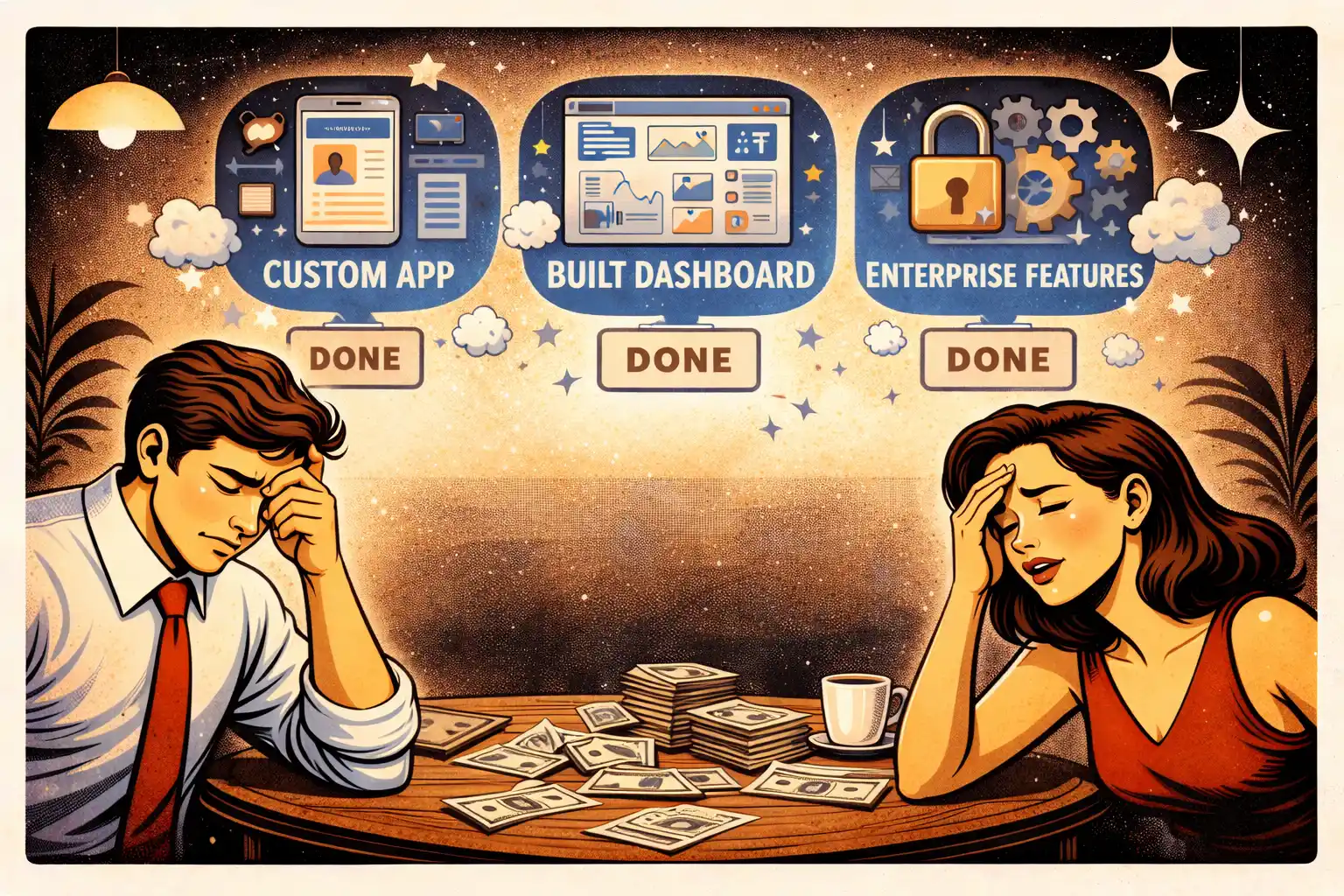
They also tend to overfill screens. Many generated wireframes look more like “future product vision” than MVP. They add filters, settings, menu layers, extra cards, admin sections, and dashboards that feel polished but quietly push the product away from a launchable first version.
Another issue is false confidence. A founder may think, “The product is basically designed now,” when in reality they still have not decided what users must do first, what can wait, and what success actually looks like.
That is why Why MVPs Still Fail in 2026 matters here. In many cases, the failure starts long before development — at the point where the product already looks fuller than it should.
What non-technical founders should use them for
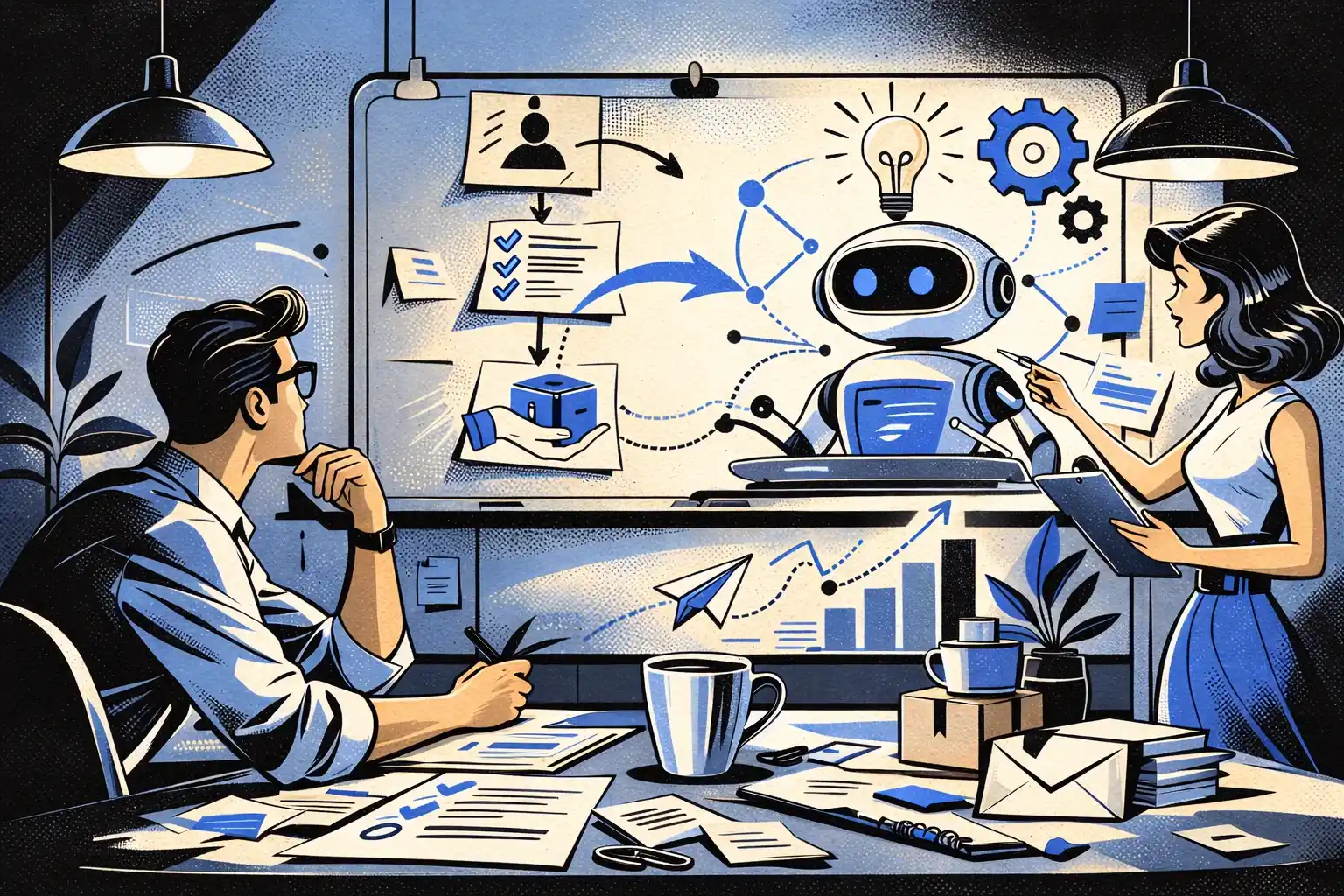
For non-technical founders, AI wireframing works best as a thinking aid, not a replacement for product work. A strong use case is taking a vague concept and turning it into two or three possible directions. That helps you compare flows before spending time on polished design.
It is also useful for early collaboration with agencies or designers. A rough AI-generated flow can speed up the first conversation because the team has something visible to challenge, simplify, or improve.
Another good use is narrowing. If a founder has five feature ideas, turning them into quick rough screens often reveals which flow feels central and which ones feel like distractions.
This is also where I Have a Startup Idea but No Developer: What to Do Next becomes practical. AI wireframing can help founders communicate better, but it does not remove the need for real product decisions.
What founders should not delegate to AI
Founders should not let AI decide what the MVP is. That includes feature prioritization, user outcome, go-to-market logic, and core business constraints.
AI also should not be trusted to define the right onboarding sequence without human review. Good onboarding depends on what value the user needs to reach quickly, not on what screen pattern looks familiar.
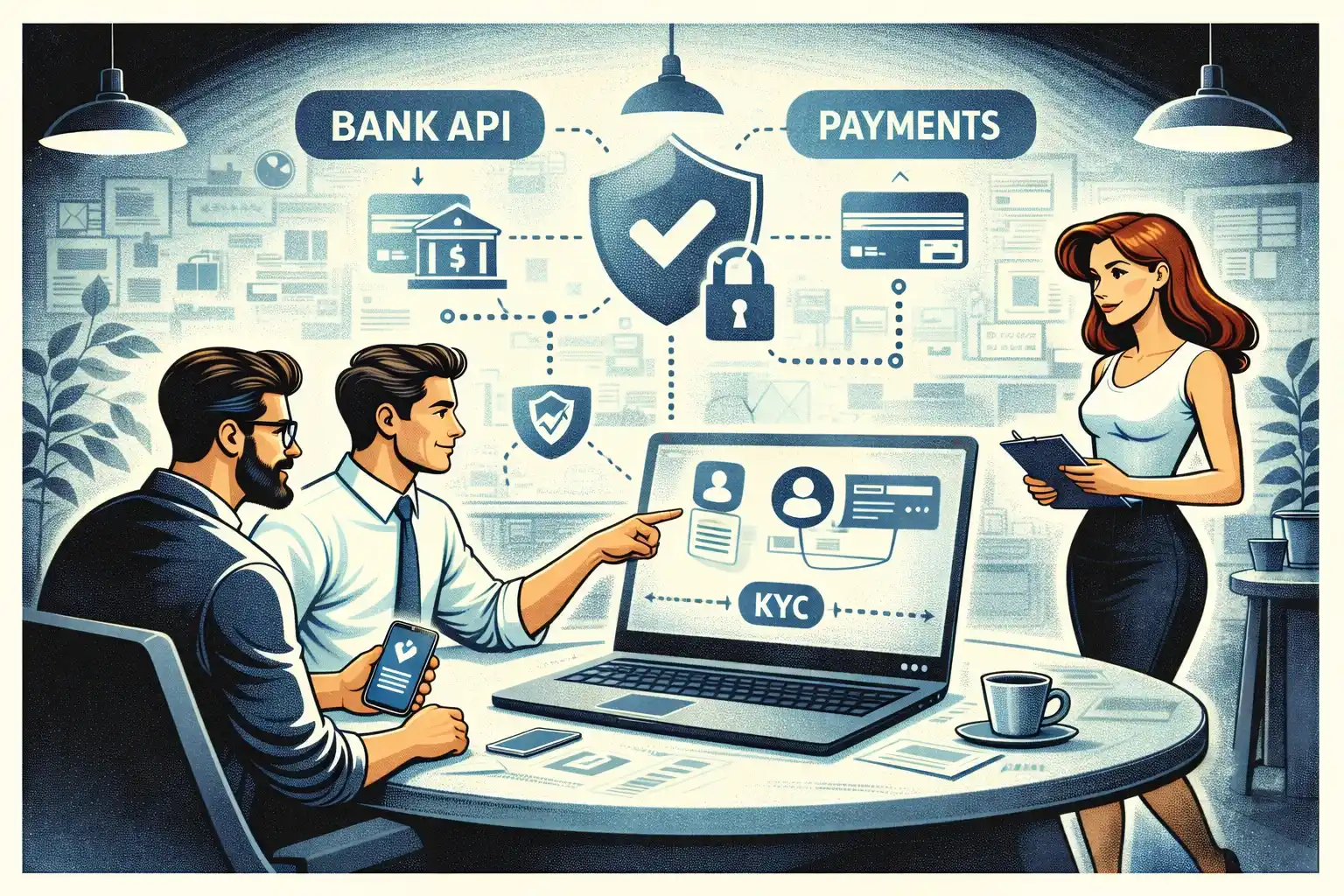
And AI definitely should not be treated as a replacement for product judgment when the workflow includes trust, money, compliance, or more complicated human behavior. In those cases, generated wireframes can still be useful, but only as raw material.
That is why Founder-Led MVP Testing in 2026: A Practical Setup fits naturally into this topic. Founders still need direct contact with reality, not just cleaner-looking mockups.
A simple founder framework for using AI wireframing well
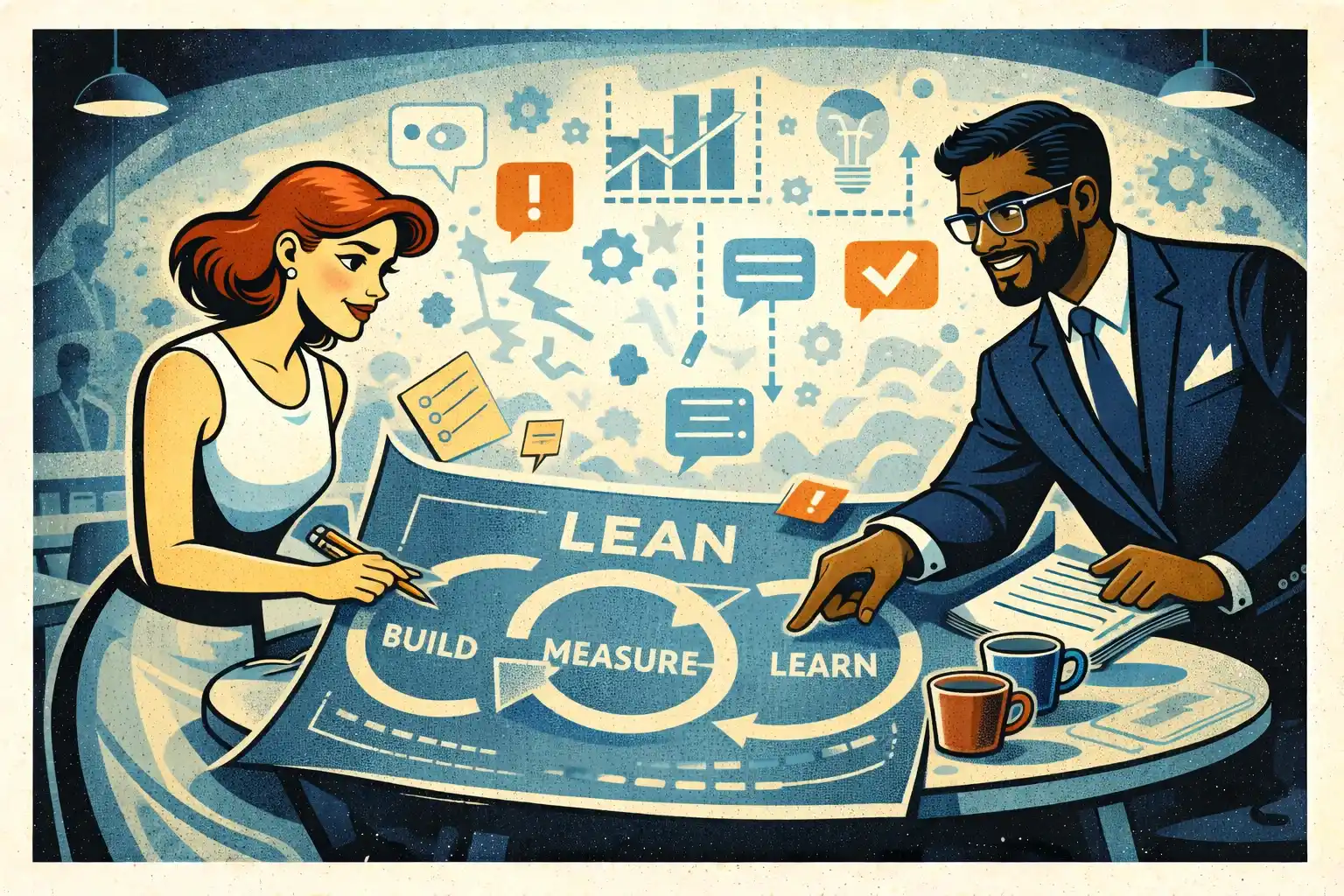
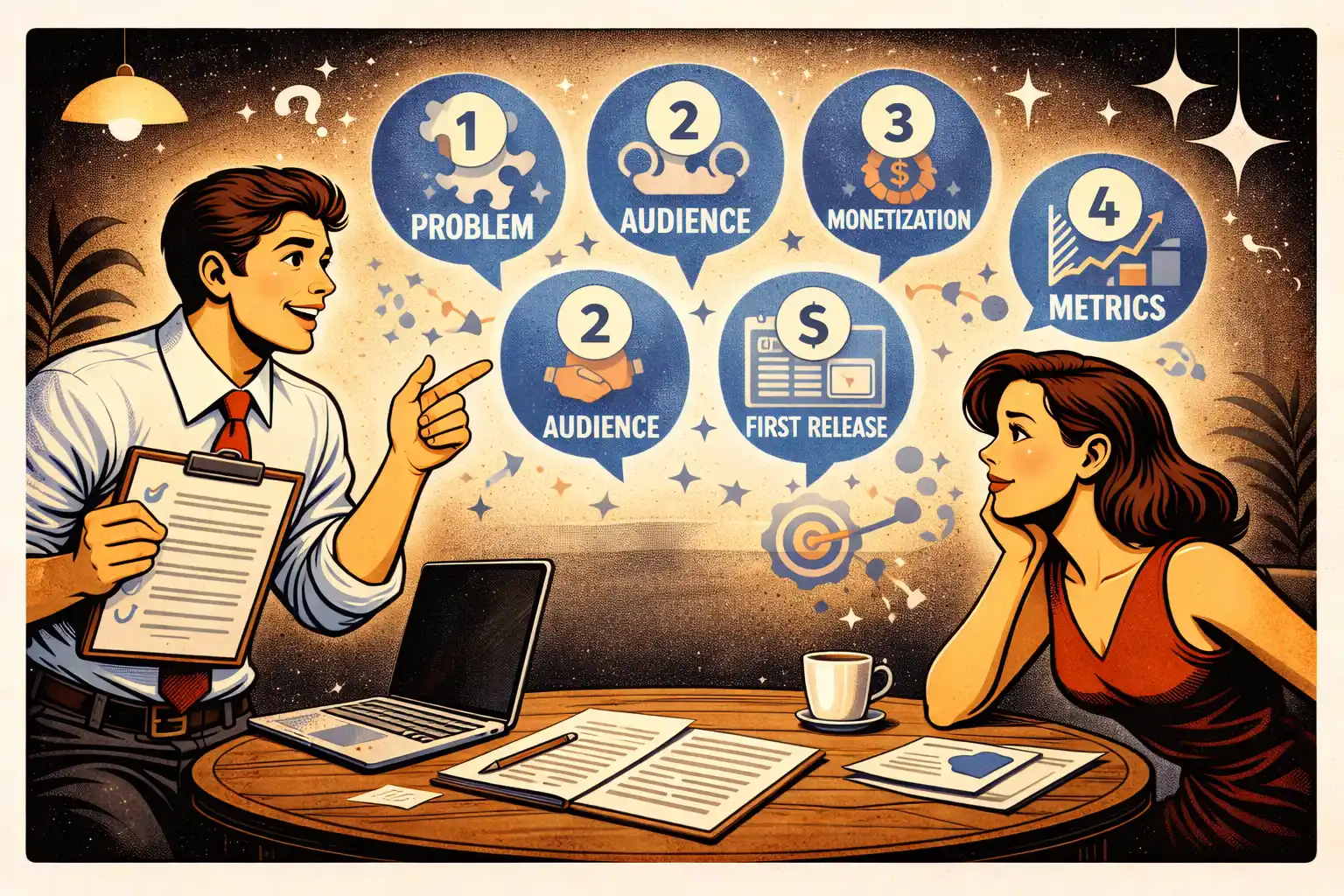
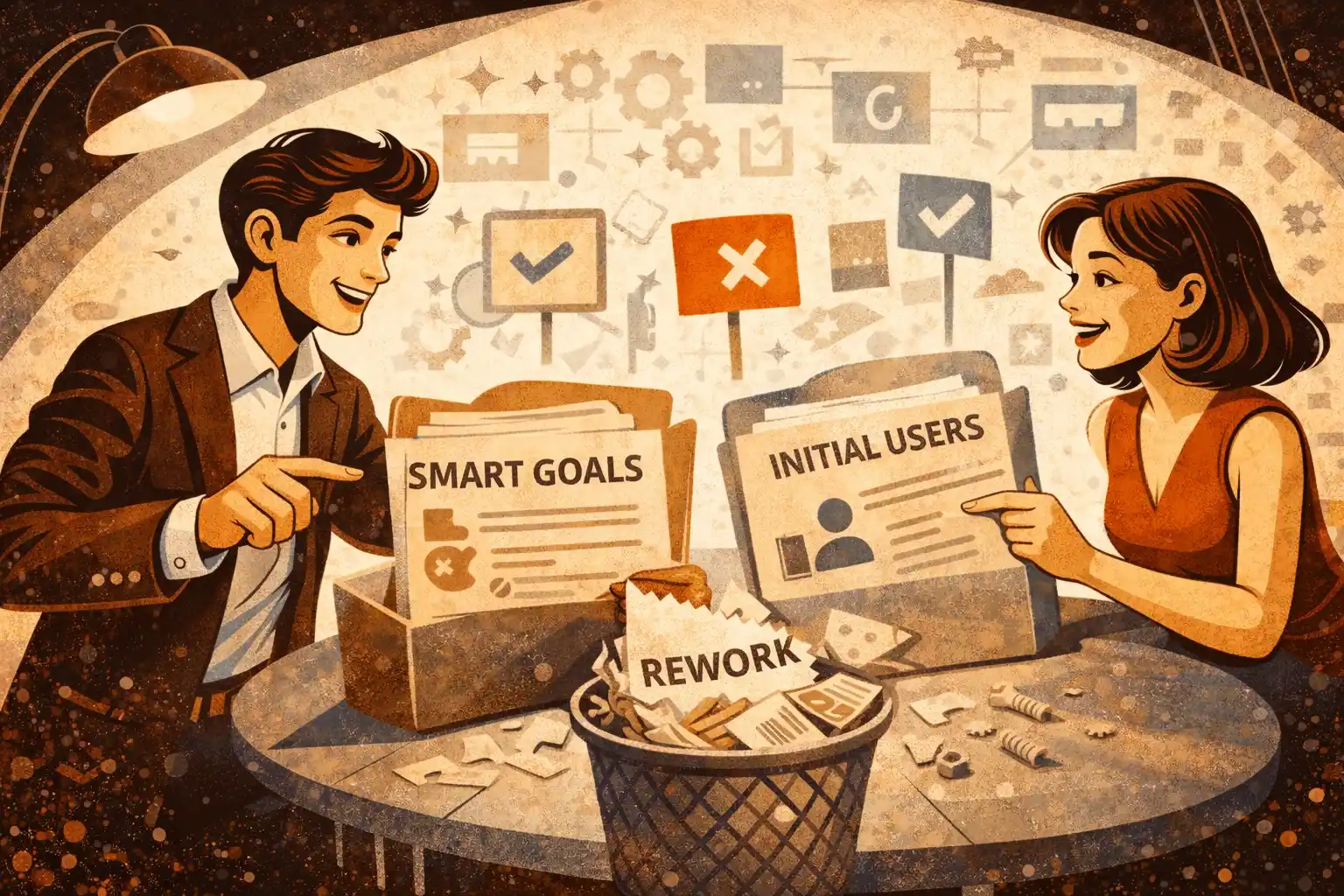
Start with the workflow, not the tool. Define the user, the main task, and the one moment of value you want the MVP to deliver.
Then use AI wireframing to explore possible layouts and flows around that one value path. Ask for multiple approaches, not one “final answer.” Compare them. Remove what feels heavy. Keep what supports the main action.
After that, bring in human review. Whether it is a product-minded agency, a UX designer, or your own team, someone still needs to cut scope, fix logic, and challenge assumptions.
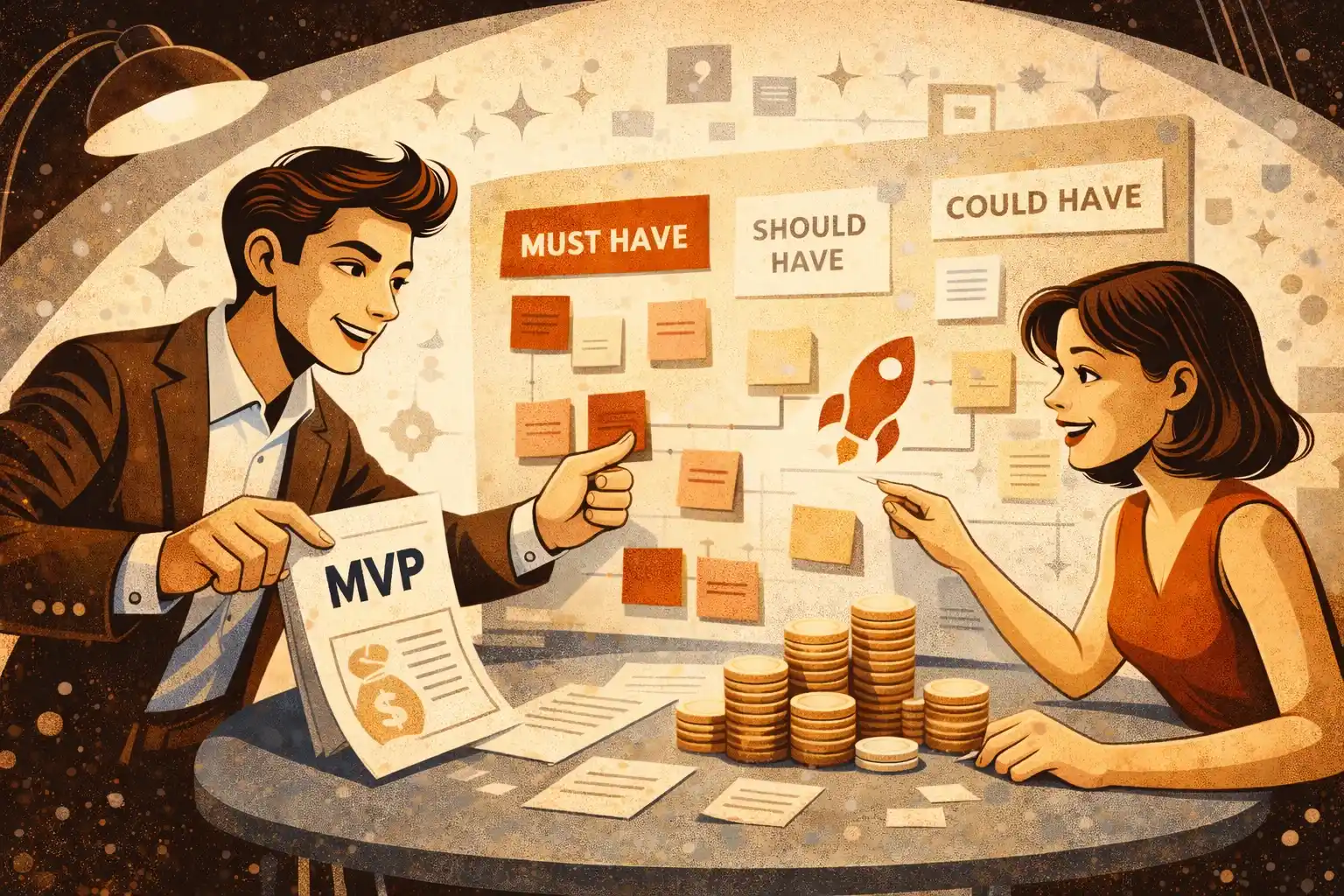
If your generated wireframe looks too polished, too feature-rich, or too complete, that is usually a warning sign. An MVP should often look smaller than what AI wants to generate.
This connects well with Reducing MVP Rework in 2026: Key Decisions and Launching an MVP the Right Way in 2026.
Final thought
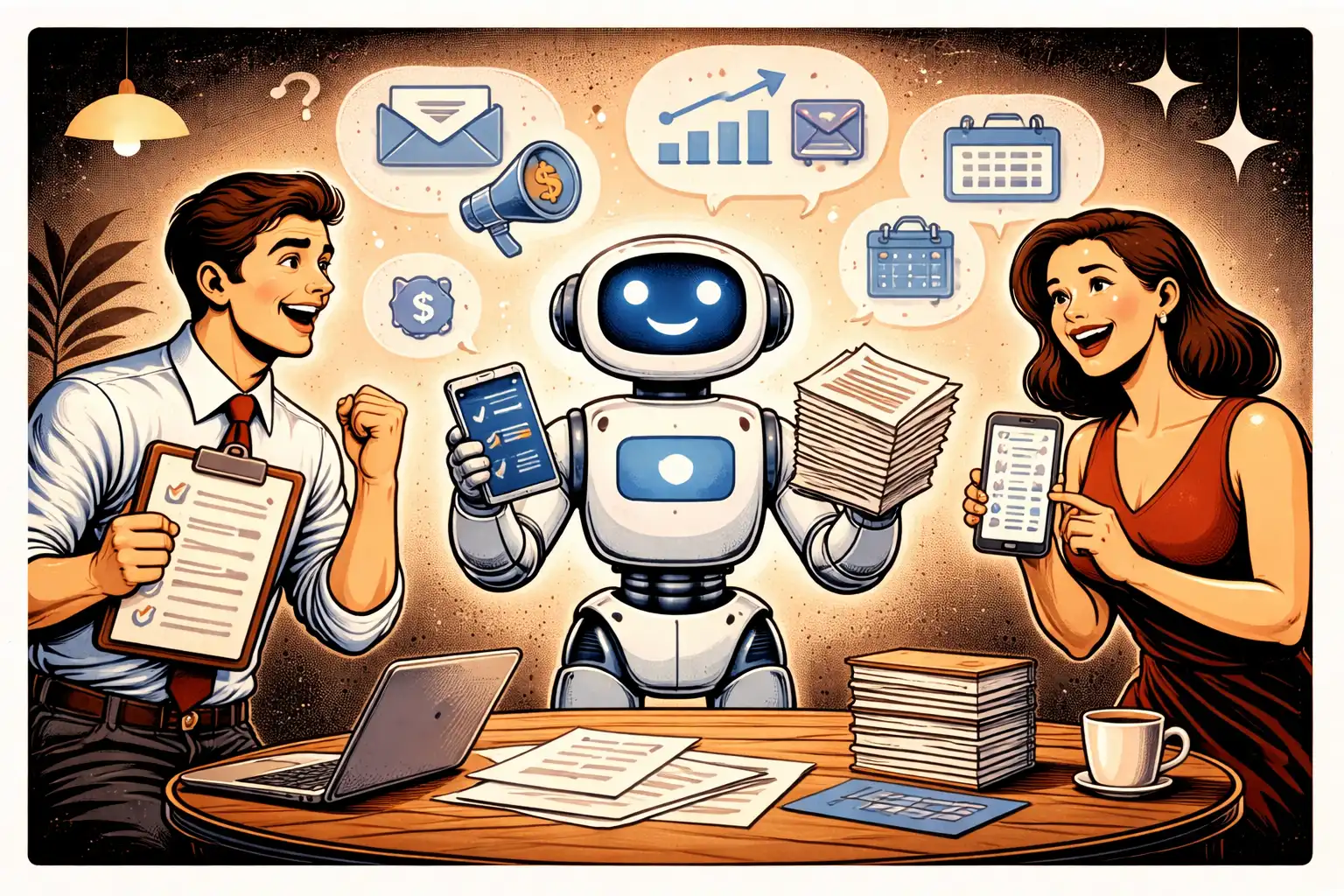
AI wireframing tools are useful in 2026, but only when founders understand what job they are supposed to do. They are great for exploration, speed, and getting rough structure onto the table. They are weak at deciding what truly matters.
For startup MVPs, that means the safest approach is simple: let AI help you move faster, but do not let it decide the product. The founder, the product lead, or the development partner still needs to protect scope, user logic, and the path to a real first release.
Thinking about building an AI-powered MVP in 2026?
At Valtorian, we help founders design and launch modern web and mobile apps — including AI-powered workflows — with a focus on real user behavior, not demo-only prototypes.
Book a call with Diana
Let’s talk about your idea, scope, and fastest path to a usable MVP.
FAQ
Are AI wireframing tools good enough for an MVP?
They are good enough for rough exploration, not for final product thinking on their own.
Can a non-technical founder use AI wireframing tools without a designer?
Yes, for early direction and discussion. But human review is still important before design and development move forward.
Do AI wireframes reduce development cost?
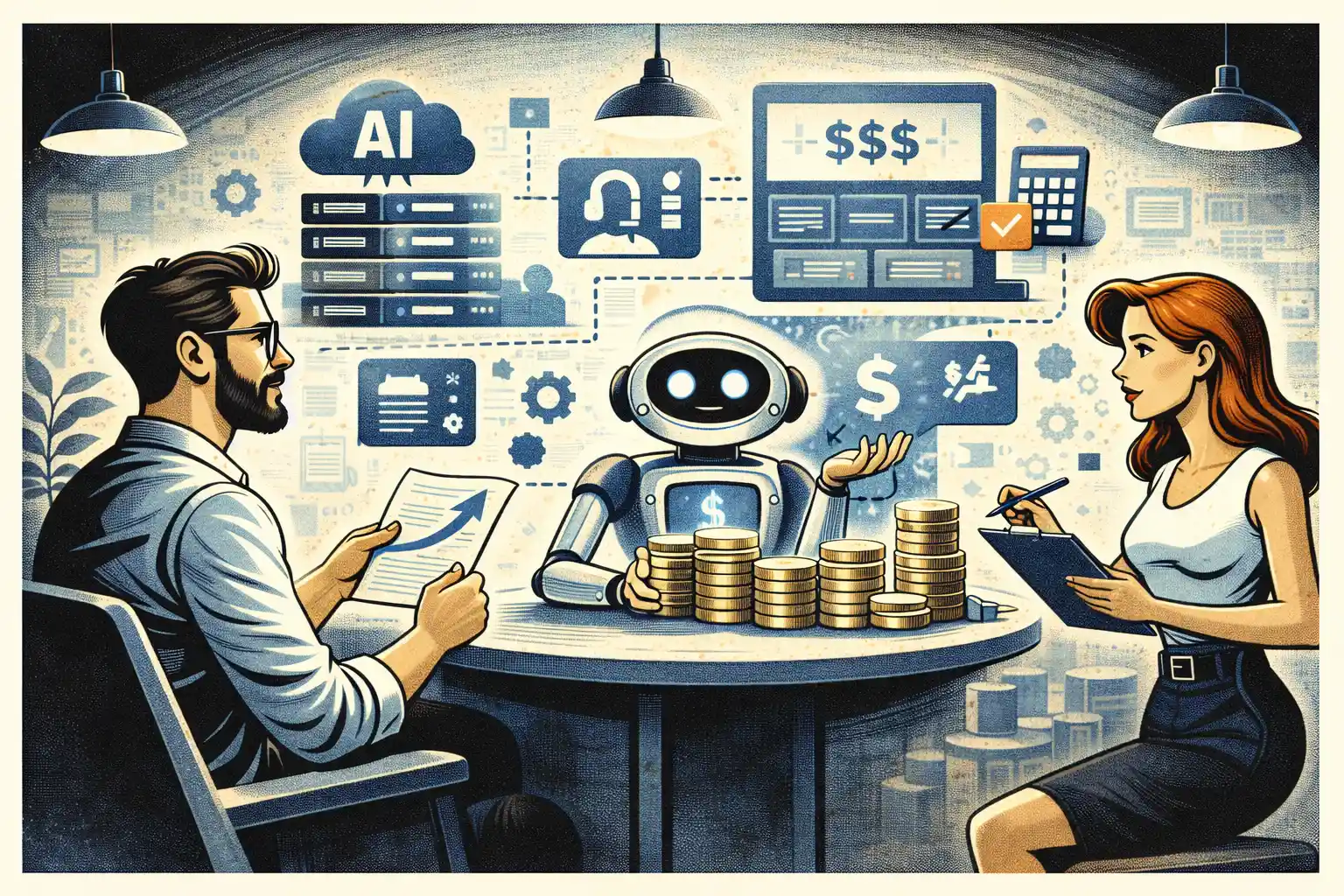
They can reduce wasted time in the early phase, but only if they help the team simplify rather than expand the product.
Should I trust AI-generated user flows?
Not fully. They can be useful starting points, but they often need strong editing and prioritization.
Are AI wireframing tools better than manual wireframing?
They are faster for exploration, but not automatically better. Manual thinking is still stronger when scope and logic are unclear.
What is the biggest risk of using them too early?
The biggest risk is mistaking generated screens for real product clarity and accidentally overbuilding version one.































.webp)




.webp)