.webp)
Wized + Webflow in 2026
Wized + Webflow still gets attention from founders who want a faster path to a polished web product without starting from a full custom build. But in 2026, the real question is not whether this stack can work. It can. The better question is whether it is still the smartest path for your specific MVP. This article explains where Wized + Webflow still makes sense, where founders usually push it too far, and why AI-assisted code development has changed the comparison.
TL;DR: Wized + Webflow can still make sense for certain startup MVPs in 2026, especially when the product is web-first, visually important, and narrow enough to benefit from a faster frontend-oriented setup.
Why founders still look at Wized + Webflow
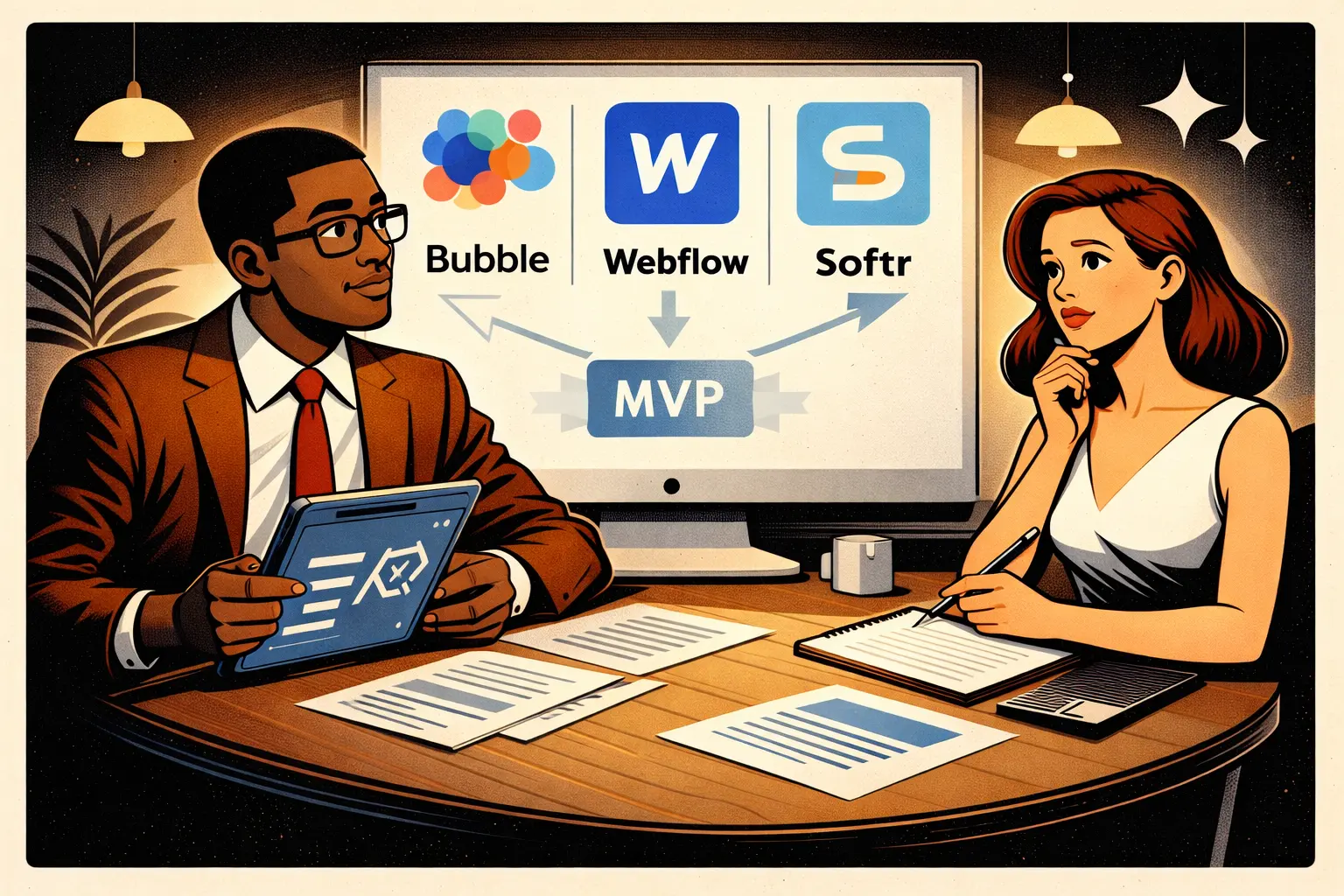
Founders usually look at this stack because it promises a middle ground. It feels more product-oriented than a simple website builder, but less heavy than going straight into a full custom web app.
That can be attractive when the startup needs something more interactive than a marketing site but still wants visual speed. If the founder already likes Webflow for presentation and wants to push it closer to app-like behavior, Wized naturally becomes part of the conversation.
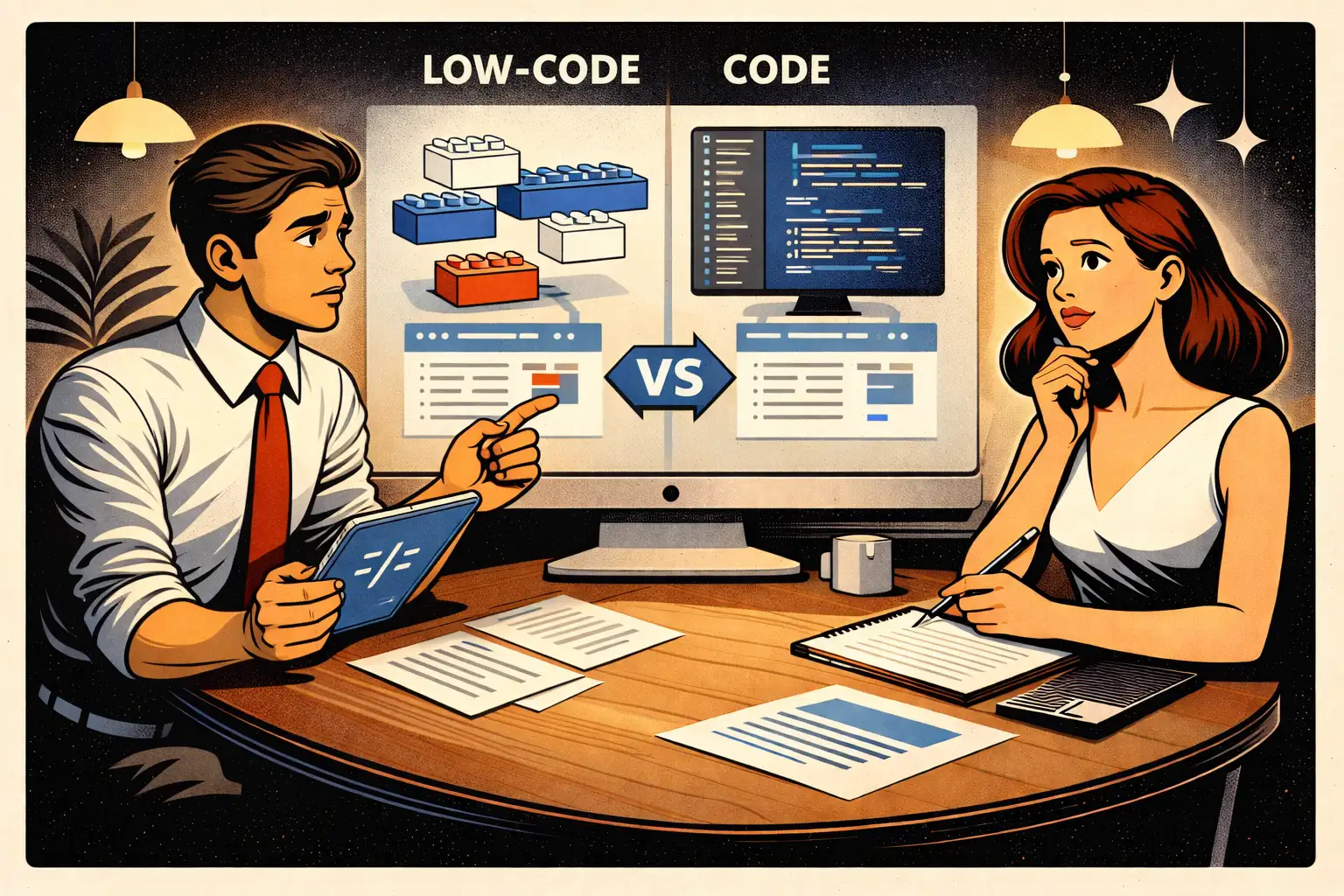
The appeal is understandable. But the market around it changed. The old no-code and low-code advantage was mostly about perceived speed. In 2026, that argument is weaker because code-based MVP development supported by AI can often move just as quickly.
Where Wized + Webflow still makes sense
This stack still makes the most sense when the product is clearly web-first, the UI matters a lot, and the workflow is structured enough that the startup can benefit from a more visual path without needing deep custom behavior right away.
That can include web dashboards, portals, lightweight SaaS-style surfaces, gated member experiences, and startup products where the first version is meant to validate a flow rather than become the final long-term technical foundation.
It can also make sense when a founder wants a strong frontend experience early but is not yet ready to invest in a broader custom code system.
In other words, Wized + Webflow still works best as a deliberate stage-based decision, not as a default shortcut.
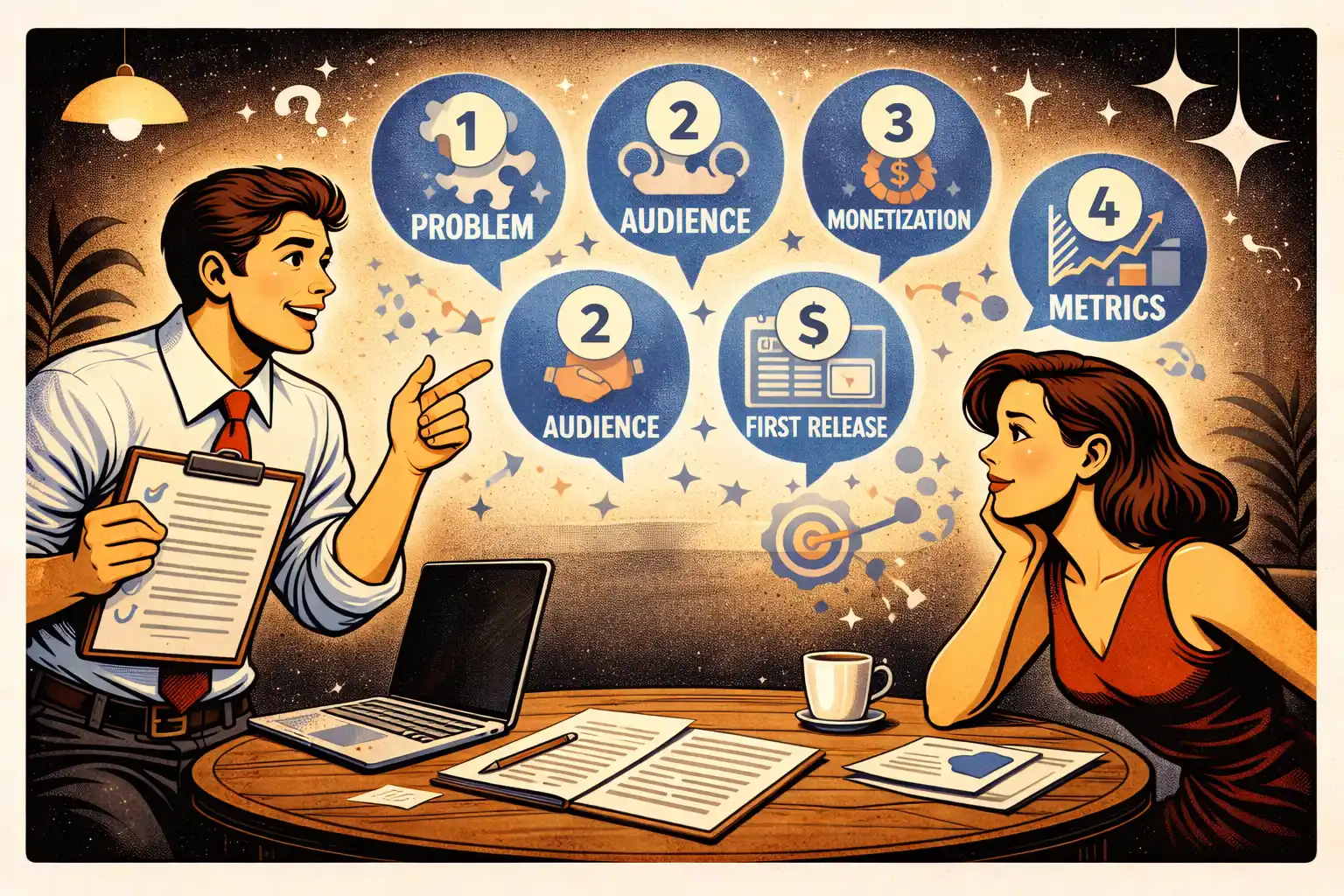
If you are still deciding what version one should even include, What a Good MVP Looks Like in 2026 is the better place to start.
Where founders overestimate this stack
The biggest mistake is assuming that a stack that feels lighter at the beginning will stay lighter as the product evolves.
Founders often get attracted to the visual momentum. They see a polished frontend, some app-like flows, and a path to a quick launch. But that does not automatically mean the stack is the best long-term fit once permissions, data structure, product logic, integrations, or future iterations become more demanding.
Another common mistake is believing that because the stack looks more modern or more controlled than other no-code options, it must also be the smarter path overall. Sometimes it is. But sometimes it just delays the moment when the founder has to admit the product would be better served by code.
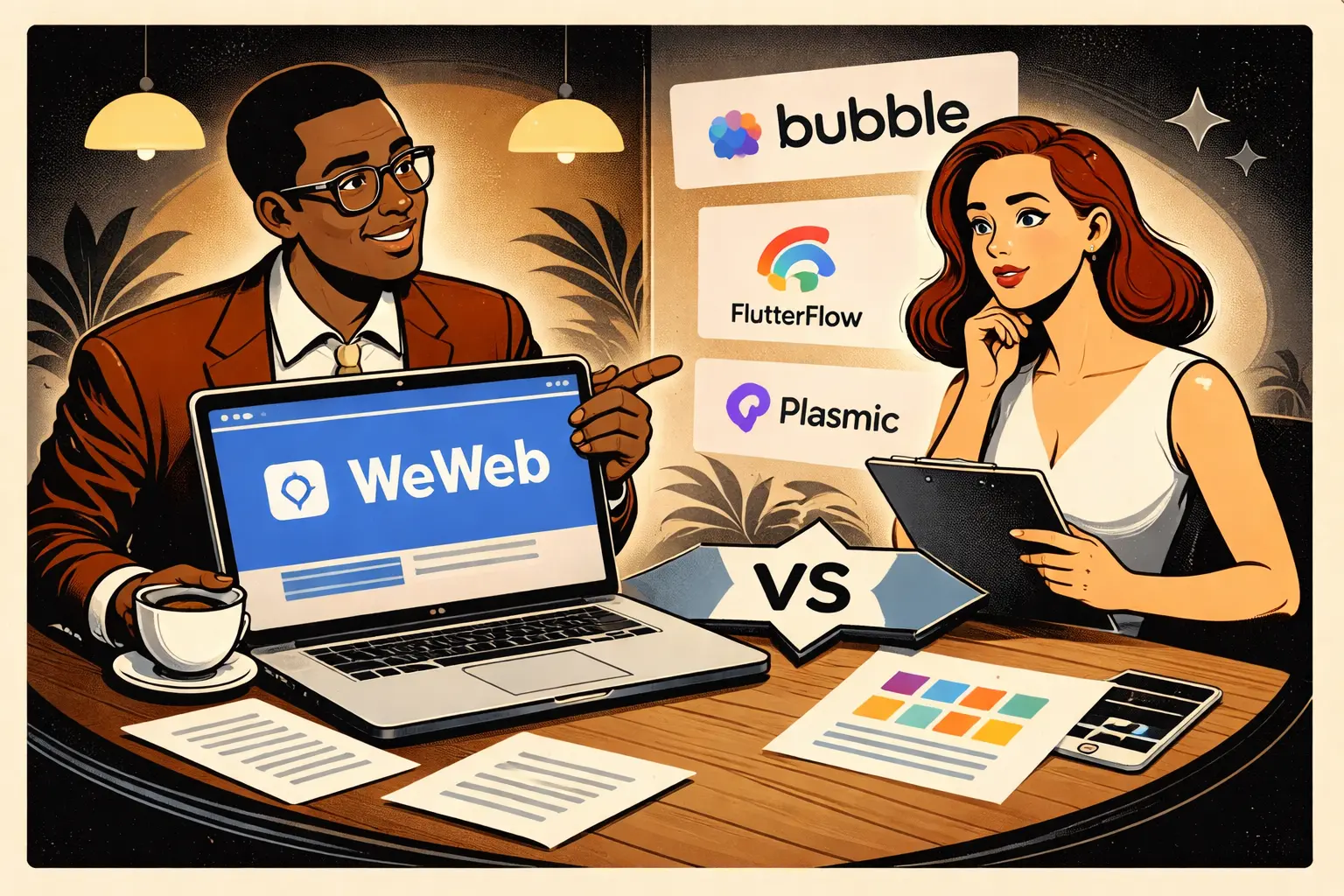
That is why the real comparison is not just stack versus stack. It is also stack versus a focused code-based MVP built with modern AI-assisted workflows.
This connects closely to When No-Code Still Makes Sense in 2026.
Why the speed argument is weaker now
A few years ago, the main reason to choose a stack like Wized + Webflow was speed.
That argument is weaker in 2026. Small product teams building in code with AI support can now move much faster than founders expect. In many startup cases, the old tradeoff looks very different: the code path may no longer be meaningfully slower, but it often provides more flexibility and fewer platform-shaped limits later.
That means founders should stop assuming that a visual stack wins automatically just because it feels faster in the planning stage.
The better question is simpler: if both paths can get me to a usable MVP quickly, which one gives me the healthier product path after launch?
When code is now the better option
A code-based MVP usually makes more sense when the founder already knows the product will need more tailored UX, stronger integrations, heavier business logic, or a better long-term technical base.
It also makes more sense when version one is not just a quick validation surface, but a serious first release meant to support retention, monetization, operational complexity, or stronger investor confidence.
That does not make Wized + Webflow wrong. It just means founders should choose it for the right kind of product and the right kind of stage.
If the startup is likely to move fast after launch, code may now be the more practical path from the start — not because no-code is bad, but because the speed gap is no longer what it used to be.
That fits with No-Code vs Custom Development in 2026: A Founder’s Decision Framework and Reducing MVP Rework in 2026: Key Decisions.
How to compare this stack honestly
Instead of comparing features, compare outcomes.
How fast can you reach a usable MVP?
How much product flexibility do you keep once real feedback comes in?
How likely are you to rebuild or restructure early?
How much does the chosen stack shape your product decisions?
And how much of the old no-code speed argument is still actually true for your case?
These questions are more useful than debating whether the stack is technically impressive.
A practical founder framework
Choose Wized + Webflow only when the product is clearly web-first, the first workflow is narrow enough, and the startup will benefit from a fast, visually controlled launch without needing heavier custom behavior immediately.
Be much more careful if the product already depends on deeper logic, more custom UX, stronger integrations, or a more serious long-term base.
And before deciding, ask one important 2026 question: could a small AI-assisted code team now build the same first version in a comparable timeframe with fewer tradeoffs later?
In many cases, the answer is yes.
That is one reason Tech Decisions for Founders in 2026 matters so much here.
Final thought
Wized + Webflow still makes sense in 2026, but only in the right situations.
It can still be useful for certain web-first MVPs where visual speed and frontend control matter. But it is no longer the clear speed advantage it once seemed to be.
The bigger shift is that founders should now compare it not only against other no-code paths, but against AI-assisted code development that can often move just as fast while leaving fewer product limits behind.
Thinking about building an MVP in 2026?
At Valtorian, we help founders design and launch modern web and mobile products with a focus on real user behavior, clear scope, and the fastest path to a usable first version.
Book a call with Diana
Let’s look at your idea, the right technical path, and what it would take to launch without unnecessary rework.
FAQ
Is Wized + Webflow still relevant in 2026?
Yes, in some cases. It can still work well for certain web-first MVPs and interactive product surfaces.
Is it still faster than code?
Not automatically. In 2026, AI-assisted code development can often move just as fast for many startup MVPs.
When does this stack make the most sense?
When the startup needs a narrow web-first MVP, strong visual control, and a relatively structured first workflow.
When should founders avoid it?
When the product already needs deeper logic, stronger integrations, more custom UX, or a better long-term technical base.
Is it better than other no-code paths?
Not universally. It depends on the product, the stage, and whether a builder is still the right category for the product at all.
What is the biggest founder mistake here?
Treating the stack as automatically faster or safer without asking what happens when the MVP starts growing.
What should founders compare first?
Not tools by themselves, but launch speed, rework risk, future flexibility, and whether a code-based path can now achieve the same first milestone with fewer tradeoffs.


















































.webp)




.webp)