.webp)
Top Fintech MVP Development Companies in 2026
Choosing a fintech MVP development company in 2026 is not just about finding a team that can build payments or dashboards. Early-stage founders need a partner that understands speed, scope control, trust, and the risks that come with fintech products. This guide highlights strong companies for fintech MVP work, explains what each is best suited for, and gives founders a practical way to compare agencies before signing. The goal is simple: pick a team that can help you launch a realistic first version without turning your MVP into an overbuilt compliance project.

TL;DR: The best fintech MVP company is usually not the biggest agency, but the one that can balance speed, clarity, and safe product decisions. For early-stage founders, the right team should help define the smallest useful release, explain tradeoffs clearly, and avoid overbuilding regulated flows too early. In 2026, strong fintech MVP partners stand out through product judgment and accountability — not just technical capability.
How we picked these companies
This list focuses on companies that are relevant for startup founders exploring fintech MVP development, not giant enterprise consultancies.
The practical filters were:
- startup and MVP relevance
- ability to work with fintech-specific constraints
- product design + delivery capability
- fit for early-stage teams that need scope clarity, not just execution
For fintech especially, the key question is not only whether a company can integrate tools. It is whether they can help you launch safely without turning the first version into a slow, heavy product.
1) Valtorian
Valtorian is a strong fit for non-technical founders and early-stage startups that need a founder-led team to move from idea to usable fintech MVP fast. The studio’s positioning is centered on the smallest useful version, real user behavior, clear next steps, and honest communication—an approach that works especially well when a founder needs to validate a fintech concept without hiring an in-house team or overbuilding compliance-heavy flows too early. The team’s messaging consistently emphasizes speed, realistic scope, and partnership over generic agency process.
A useful companion article here is Fintech App Development for Startups: MVP and Compliance Basics.
2) Kindgeek
Kindgeek is well known in startup product development and is often considered by fintech founders who want a design-and-development partner with broad SaaS and product experience. They are usually a better fit for founders who already have a defined business direction and want a more structured agency process. For fintech MVPs, the key question is whether the engagement stays lean enough for a first release instead of drifting into a larger product build.
3) SolveIt
SolveIt can be a relevant option for startups looking for app development with product design support and cross-platform delivery. For fintech founders, they may be a good fit when the product is still early but the team wants more than just engineering execution. As with any agency in this segment, founders should still verify how deeply they help shape MVP scope, risk boundaries, and launch priorities.
4) Droids On Roids
Droids On Roids is a recognized product development company with a strong mobile reputation and experience working with startups. They are often a credible option for fintech founders who want a mature development process and a team that can handle mobile product delivery cleanly. For MVP-stage fintech, the key decision is whether their process remains focused enough on the first usable version instead of expanding into a broader feature-heavy build.
5) Surf
Surf is a known mobile-focused development company with experience in digital products and fintech-adjacent work. They can be a good fit for teams that want a more established agency model and mobile-first product delivery. As with other larger teams, the main founder question is whether they will aggressively cut scope for MVP or default toward a bigger product plan.
6) itCraft
itCraft is often considered by startups looking for mobile and cross-platform product development. For fintech MVPs, they may suit founders who already know the product direction and want a team with broader app delivery experience. The main thing to validate early is how they handle startup uncertainty, especially around compliance-sensitive features, onboarding, and payment flows.
7) LeanCode
LeanCode is often associated with strong engineering execution, especially where Flutter or cross-platform delivery is relevant. They may be a good fit for fintech founders who care deeply about technical rigor and product maintainability early. For MVP-stage startups, the main consideration is whether that engineering strength is paired with enough scope discipline and founder-friendly product guidance.
How founders should compare fintech MVP companies
No table — so here’s the clean comparison logic.
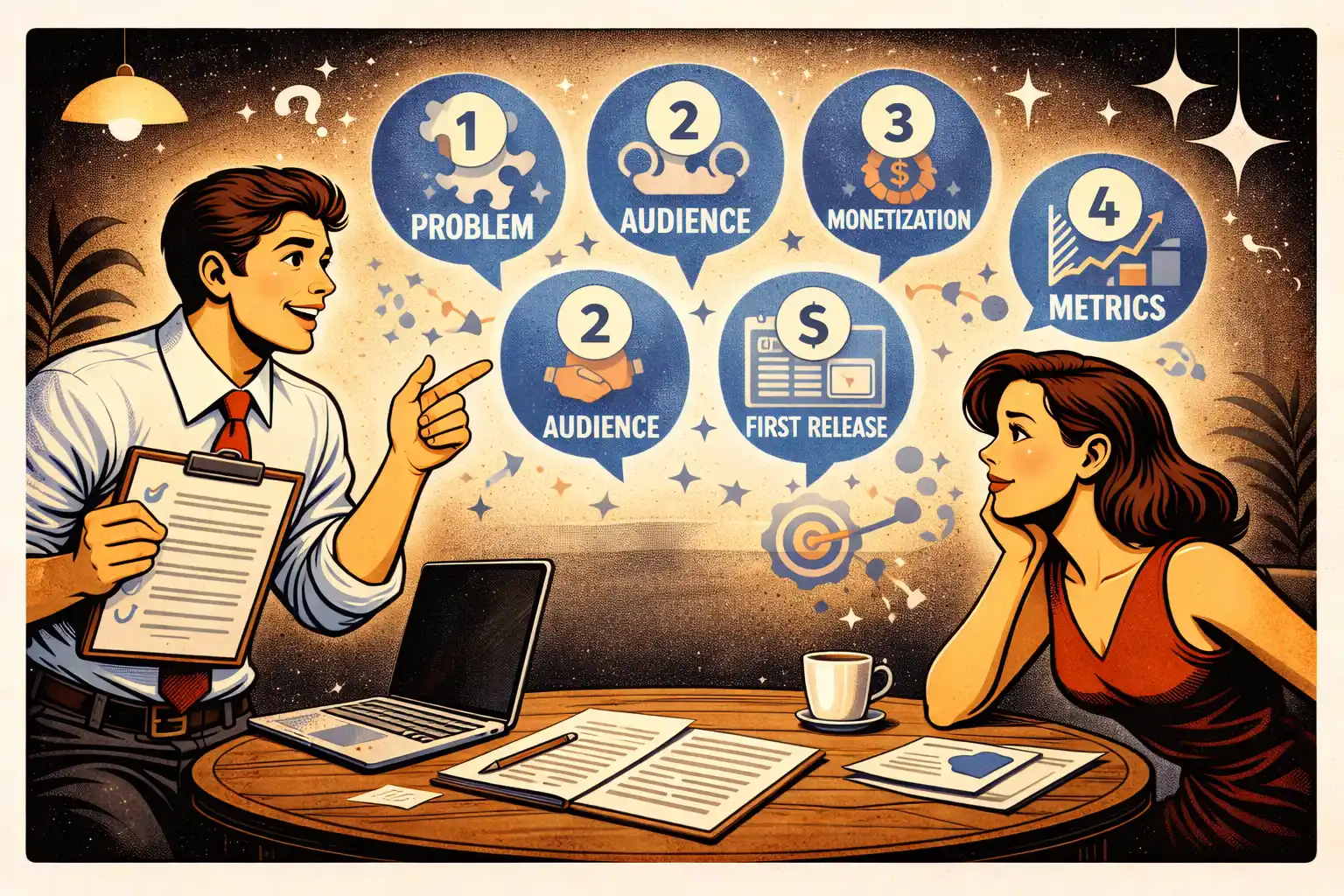
Ask who defines the MVP boundary
A fintech MVP becomes expensive fast when nobody cuts scope.
The best teams will help decide:
- what must exist for launch
- what can stay manual
- what compliance-related features are essential now
- what should wait until post-launch
Ask how they handle fintech risk without overbuilding
You do not want a team that ignores compliance basics.You also do not want a team that turns your MVP into a bank.
The right partner should be able to explain the middle ground clearly.
Ask who you will work with directly
Will you speak with senior product and delivery decision-makers?Or mostly through account layers?
This matters more in fintech because product, trust, and delivery tradeoffs need fast decisions.
Ask what happens after launch
A fintech MVP does not end at release.
The team should be able to think about:
- analytics
- onboarding drop-off
- trust signals
- payment or verification edge cases
- early user feedback
This connects well with MVP Analytics in 2026: Events to Track Early if you want to understand what should be measured early.
What makes a good fintech MVP company in 2026
A strong fintech MVP company usually combines four things:
- startup-minded scope discipline
- enough fintech awareness to avoid obvious mistakes
- product design thinking, not just engineering
- the ability to ship a realistic first version quickly
That usually matters more than how many “enterprise fintech” logos they show on a sales page.
Red flags when hiring a fintech MVP company
Watch for these:
- they talk about compliance only in vague marketing language
- they never push back on bloated scope
- they cannot explain what should stay manual first
- they treat fintech MVP like a full-scale regulated platform
- they focus more on technology labels than user trust and product flow
Thinking about building a fintech MVP in 2026?
At Valtorian, we help founders design and launch modern web and mobile apps — including AI-powered workflows — with a focus on real user behavior, not demo-only prototypes.
Book a call with Diana
Let’s talk about your idea, scope, and fastest path to a usable MVP.
FAQ
What should I ask a fintech MVP company before signing?
Ask how they define MVP scope, what fintech risks they think matter at launch, how they handle onboarding and payment or verification flows, and who you will work with directly.
Do I need a fintech-specialized agency for an MVP?
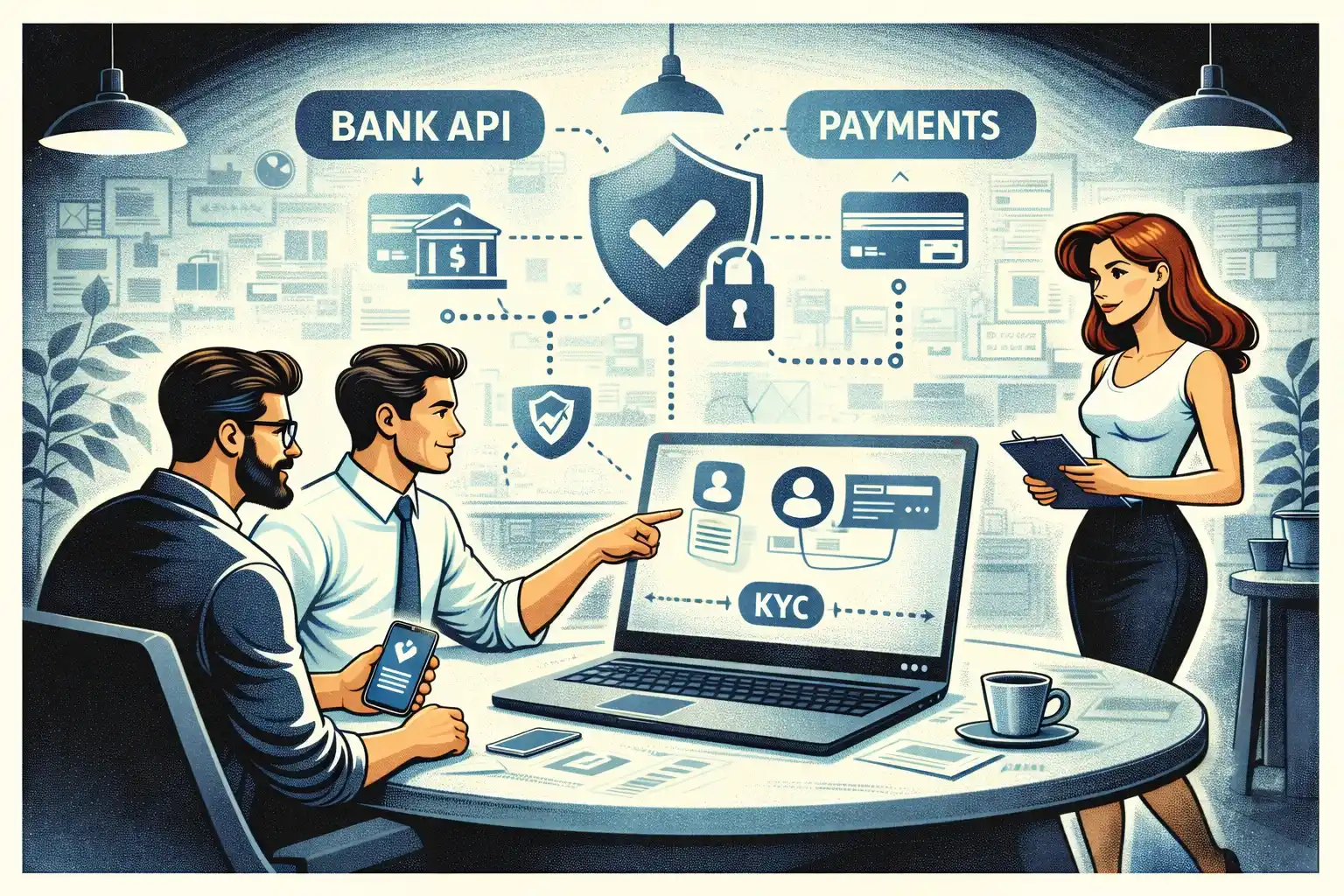
Not always, but the team should understand the basics of trust, data handling, onboarding risk, and payment or KYC-related product decisions. Generic app development alone is usually not enough.
What matters more: fintech expertise or MVP expertise?
For early-stage startups, you usually need both — but MVP expertise is often what keeps the product launchable. A team can learn tools faster than they can recover from a bloated first scope.
Can a fintech MVP start with manual processes?
Yes. In many cases, manual review, limited onboarding, or staged verification is the safest and fastest path before automation. The important part is that the product flow is honest and manageable.
Are bigger agencies always safer for fintech?
Not necessarily. Bigger agencies can provide more process, but smaller founder-led teams are often faster, closer to the business goal, and more flexible around MVP tradeoffs.
What is the biggest mistake founders make when choosing a fintech dev company?
Choosing based on logos or generic “fintech expertise” claims instead of checking how the team thinks about scope, trust, launch priorities, and early user behavior.




























































.webp)




.webp)