.webp)
How to Hire Bubble Developers in 2026
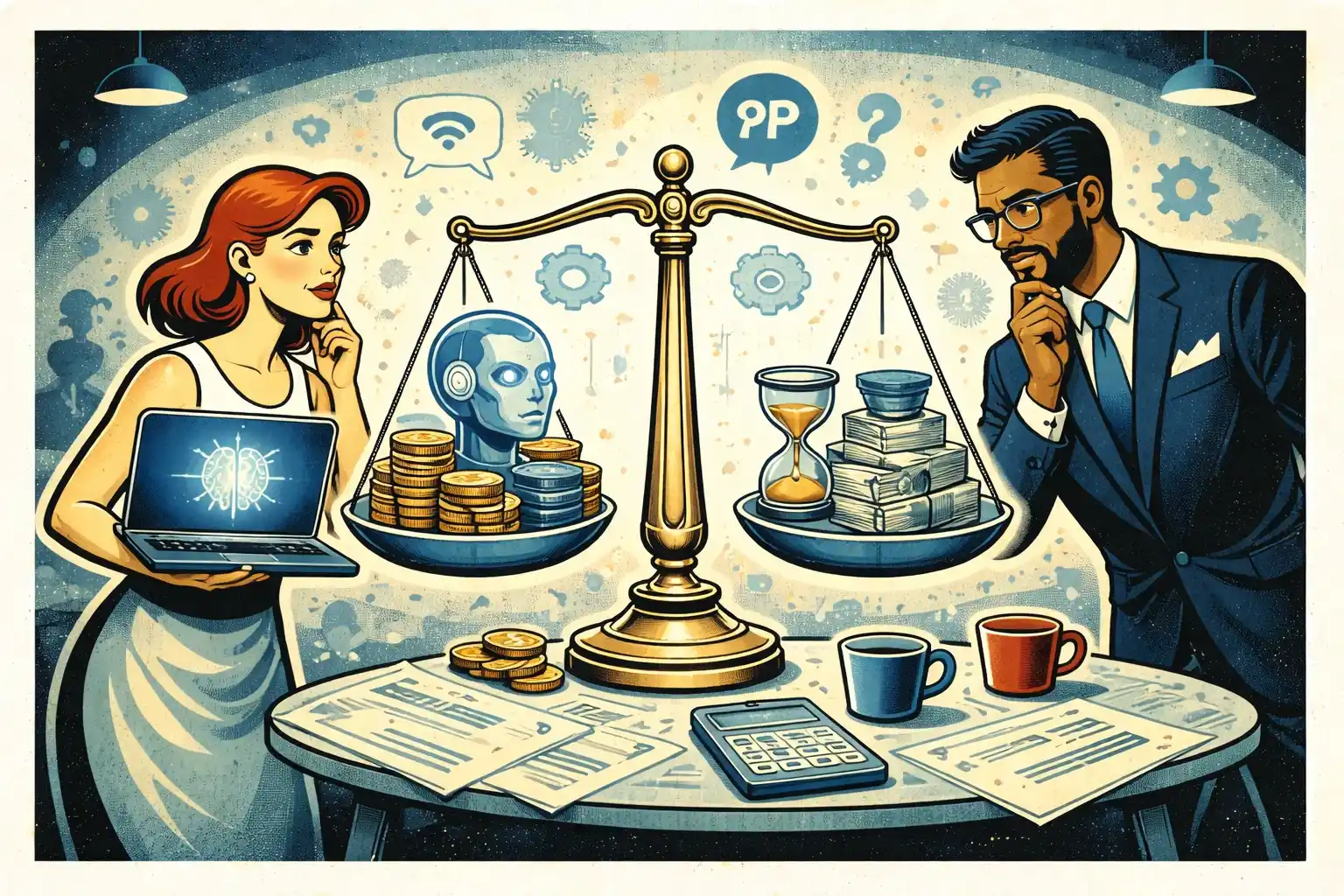
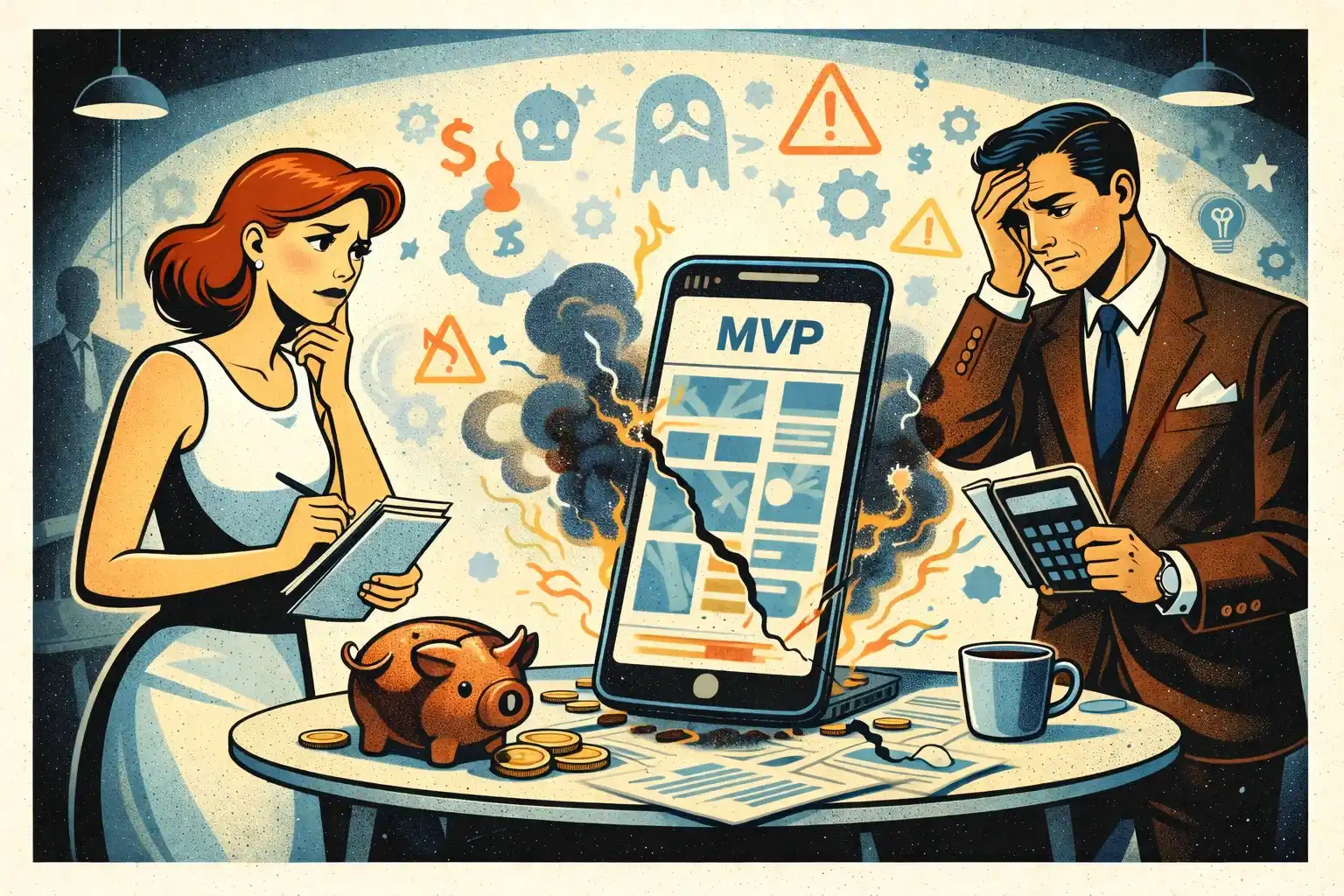
Hiring Bubble developers in 2026 is no longer just a sourcing question. It is a product decision. Founders still look at Bubble when they want a faster way to validate an idea, but the old assumption behind that choice is weaker now. AI-assisted code development has reduced the speed gap that once made Bubble feel like the obvious shortcut. This article explains when hiring Bubble developers still makes sense, what founders should actually evaluate before making that hire, and when the better move is to step back and choose a different build path entirely.
TL;DR: Hiring Bubble developers can still make sense in 2026 when the product is web-first, validation-focused, and narrow enough that Bubble is a deliberate stage-based choice.
Why this hiring decision changed in 2026
A few years ago, the hiring logic sounded simple. If a founder wanted speed and did not have a technical team, hiring Bubble developers looked like a practical shortcut.
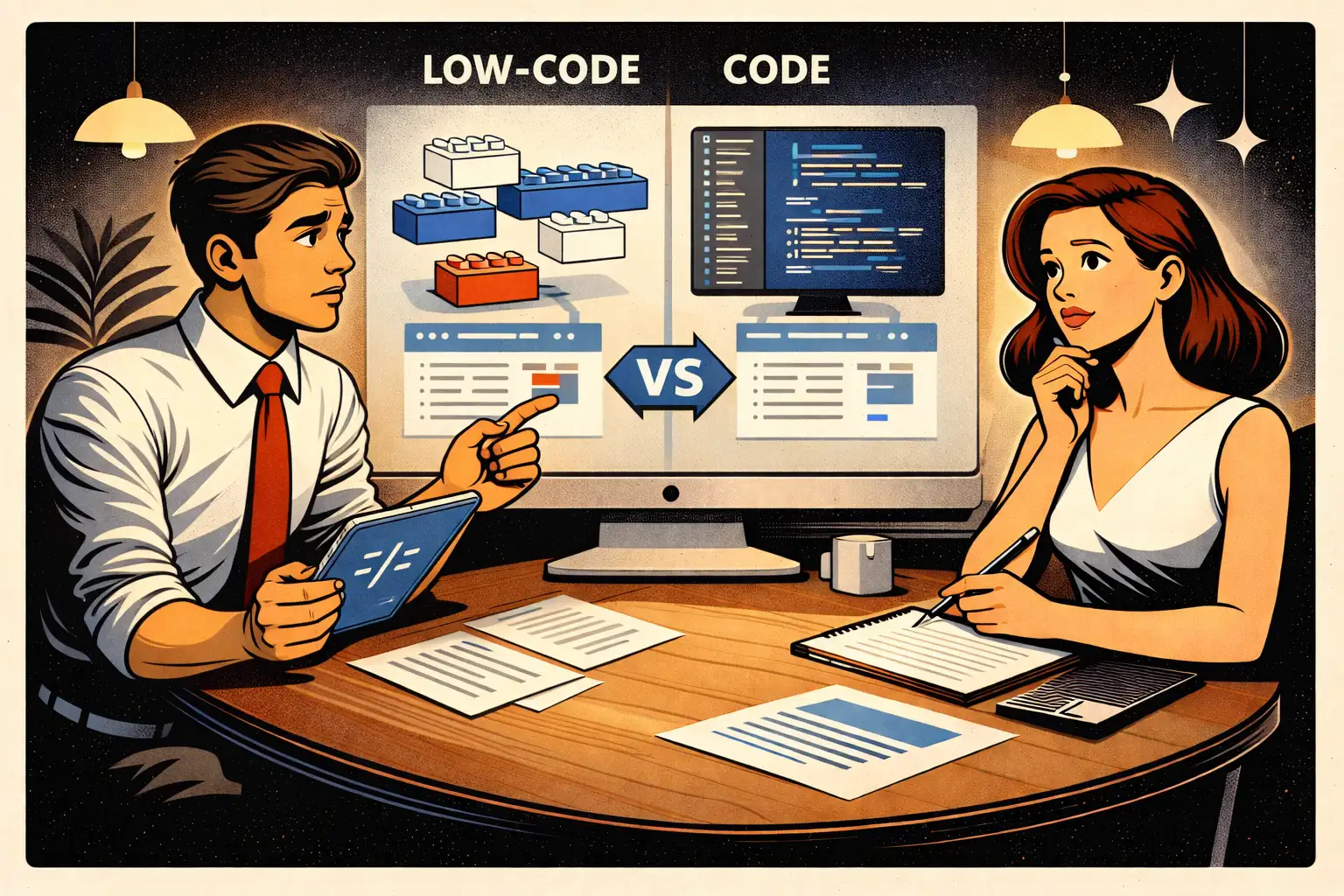
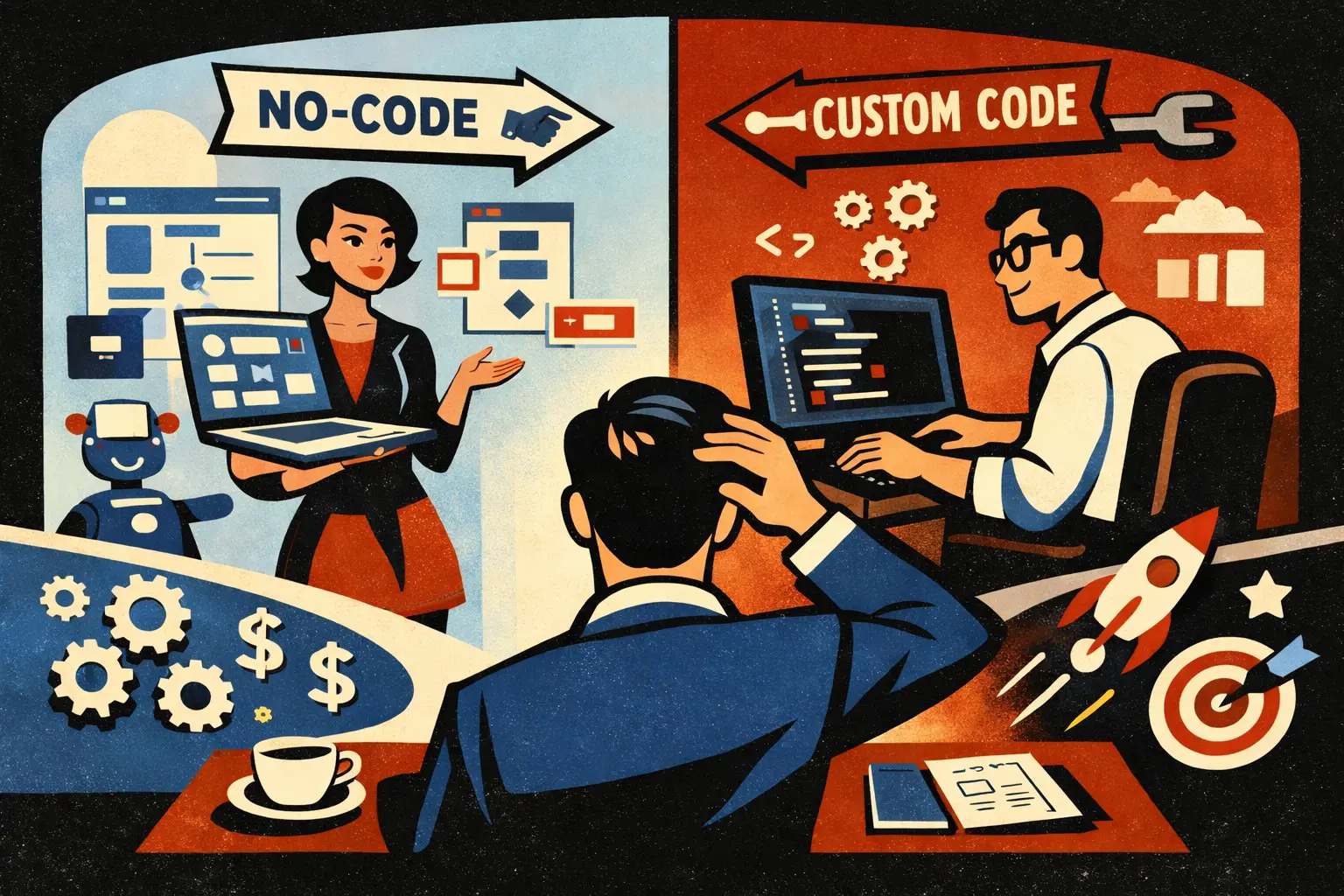
That logic is weaker now. The market changed. Small product teams building in code with AI support can move much faster than founders used to assume. So the old rule of thumb — no-code for speed, code for flexibility — no longer holds up as cleanly.
That is why this is not just a hiring article. It is a filter for founder judgment.
Before choosing people, the founder has to decide whether Bubble is still the right category for the product. If that step is skipped, the startup may end up optimizing the wrong path efficiently.
When hiring Bubble developers still makes sense
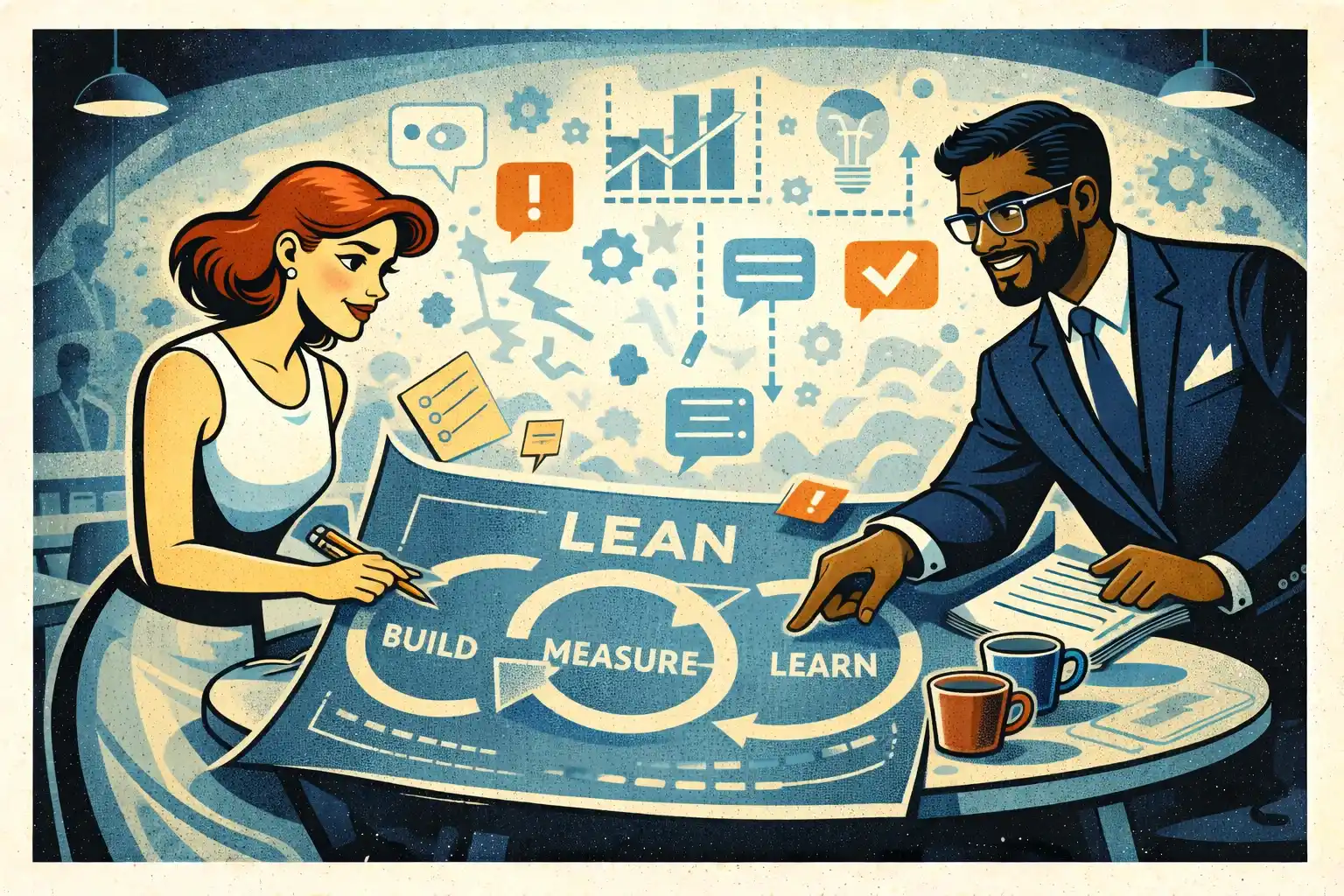
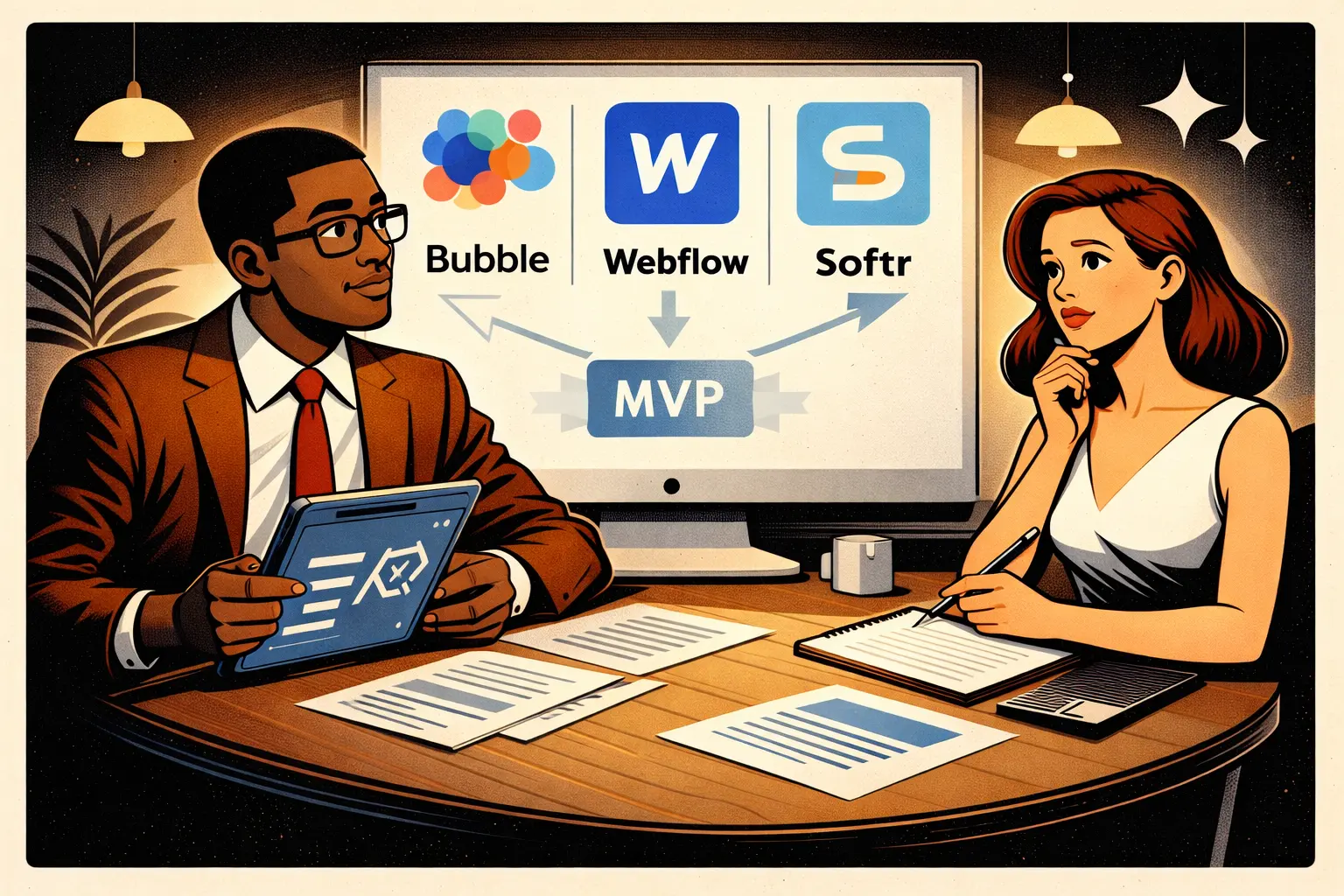
Hiring Bubble developers still makes sense when the startup clearly needs a web-first validation layer, the workflow is relatively understandable, and the product is being treated as a stage-specific MVP rather than as a long-term technical foundation by default.
That can include marketplaces, internal tools, admin-heavy products, directories, operational workflows, booking flows, portals, and other products where the main risk is still user response or workflow validation.
In these situations, hiring someone with real Bubble experience can be more efficient than hiring a generalist who has to learn the platform while also trying to understand the product.
But the founder has to be honest about scope. This path works best when the first version is intentionally limited.
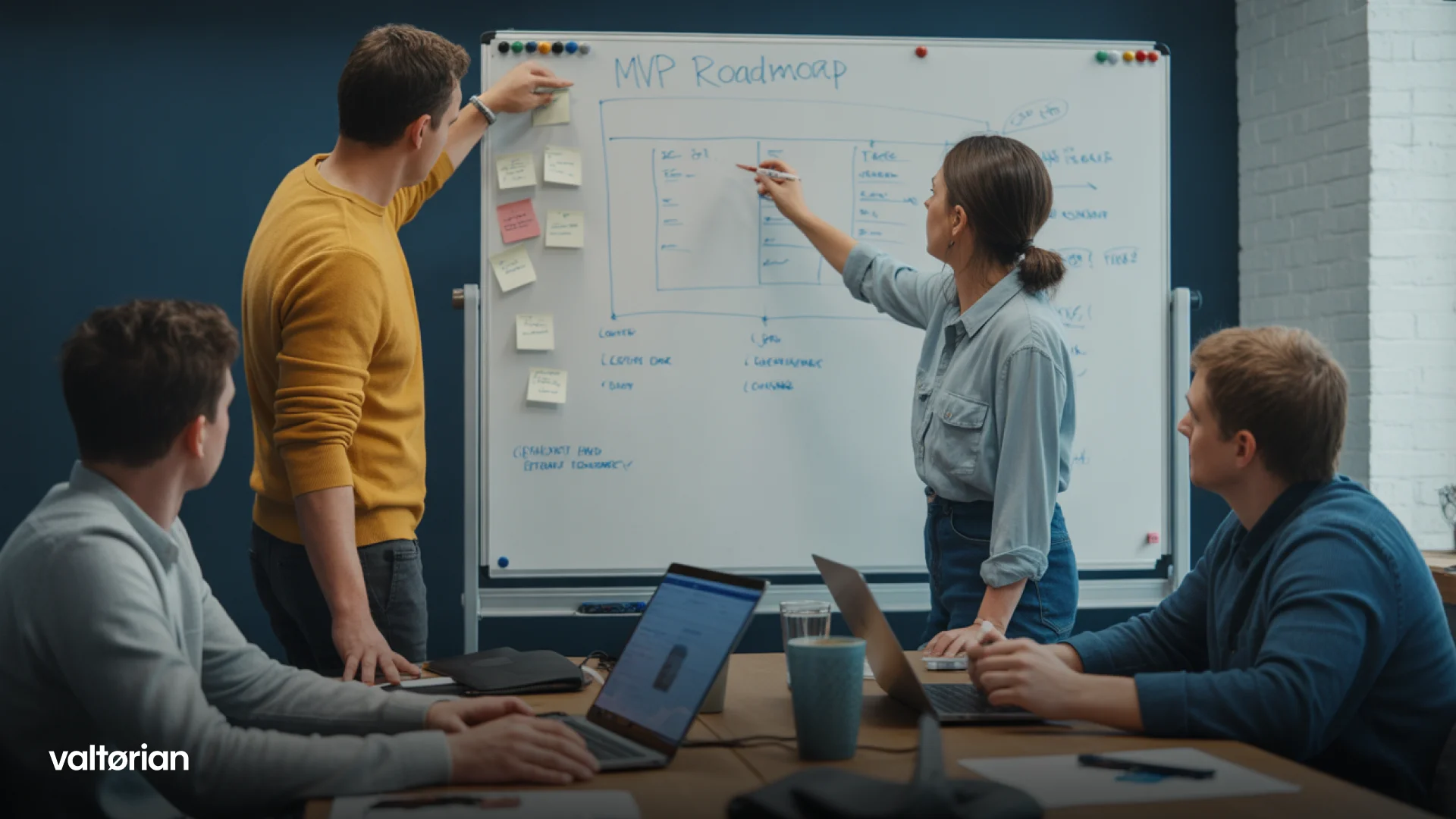
If you are still defining what version one should actually include, What a Good MVP Looks Like in 2026 is the better place to start.
When hiring Bubble developers is the wrong first move
Sometimes the real mistake is not hiring the wrong Bubble developer. It is deciding to hire for Bubble too early.
If the product already depends on stronger UX, deeper logic, heavier integrations, more tailored flows, or a healthier base for future growth, then the founder may already be solving the wrong problem.
In that case, the startup does not need a better Bubble developer. It needs a better build-path decision.
This is where many founders lose time. They think the issue is “finding someone good enough,” when the deeper issue is that the product has already outgrown the assumptions that made Bubble attractive in the first place.
That is why Bubble in 2026 for Startup Validation and No-Code vs Custom Development in 2026: A Founder’s Decision Framework are more important than a simple hiring checklist.
What founders should evaluate before hiring anyone
The first question is not about the candidate. It is about the product.
Is this clearly a web-first validation product?
Is the first version narrow enough to fit a Bubble path without forcing awkward tradeoffs too early?
Is the founder comfortable treating the first build as a stage-based validation step rather than as an automatic long-term base?
If the answer is unclear, hiring should wait until the product path is clearer.
If the answer is yes, then the next layer is execution quality.
The founder should look for someone who can simplify scope, not just assemble workflows. Someone who understands user flows, edge cases, and where Bubble is likely to become fragile. Someone who can explain limits early instead of saying yes to everything.
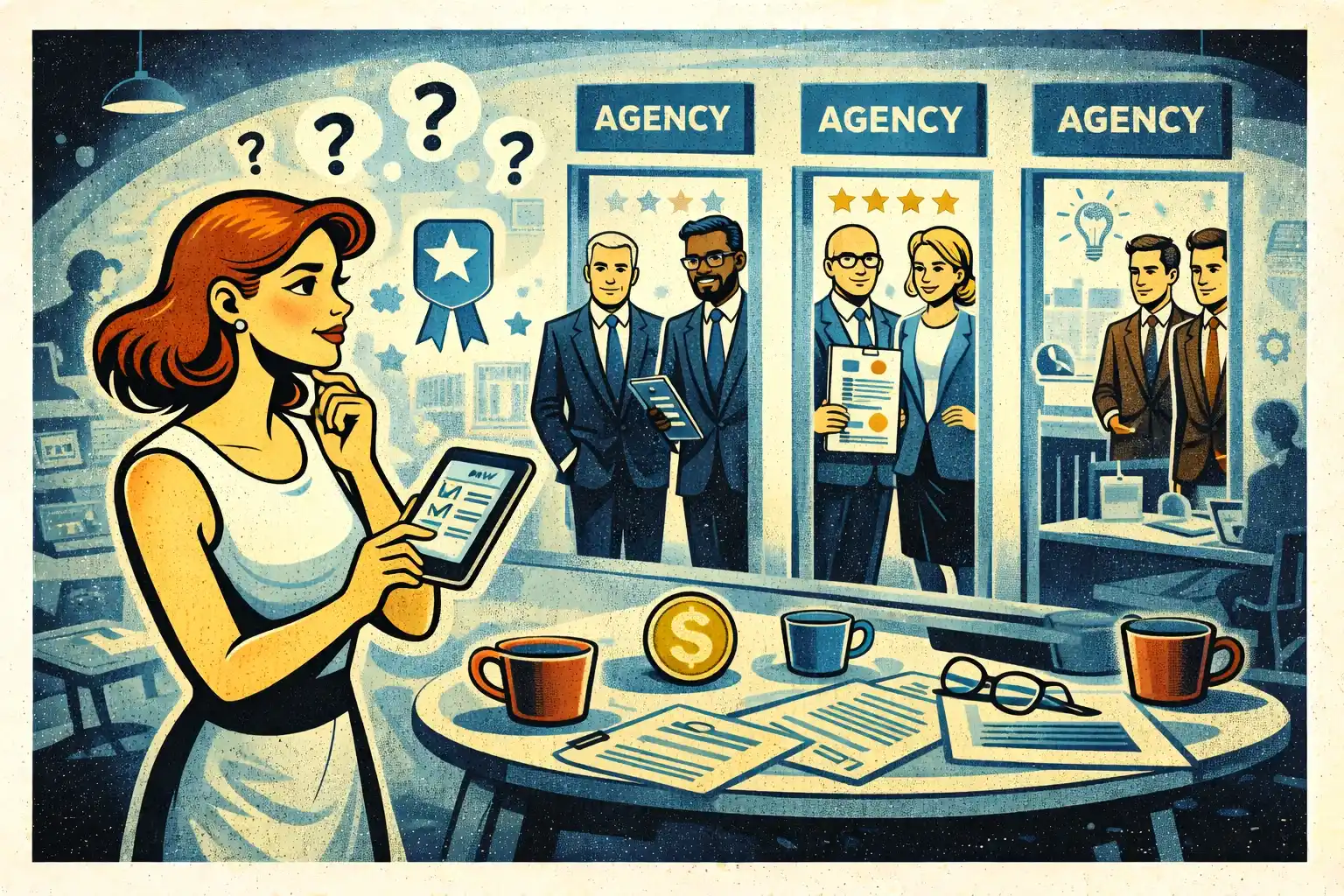
That kind of practical filtering is close to How to Vet an Agency in 2026: The Right Questions.
What actually makes a good Bubble developer
A good Bubble developer is not just someone who can build screens and workflows inside the editor.
A good one understands product tradeoffs.
They know when a feature is straightforward and when it is the start of hidden complexity. They can warn the founder when the requested flow looks simple on paper but will become messy in practice. They also know how to keep an MVP narrow enough that the platform remains useful instead of becoming a constraint too early.
They should also be able to communicate clearly with non-technical founders. If a developer cannot explain limitations, rework risk, and practical next steps in simple language, the founder is likely to get a false sense of security.
Red flags founders should watch for
The first red flag is unlimited confidence. If a Bubble developer says yes to everything without clearly explaining tradeoffs, that is usually a bad sign.
The second red flag is platform-first thinking. If the conversation sounds like “Bubble can do everything” instead of “Here is what your product actually needs,” the founder is hearing tool enthusiasm instead of product judgment.
The third red flag is weak scoping. If the candidate jumps straight into features without helping define what should stay out of version one, the risk of waste goes up fast.
The fourth red flag is no discussion of what happens if the MVP works. A serious builder should be able to talk about what the next stage might require, even if the immediate recommendation is still Bubble.
That logic overlaps with Avoiding Bad Outsourcing in 2026: Red Flags.
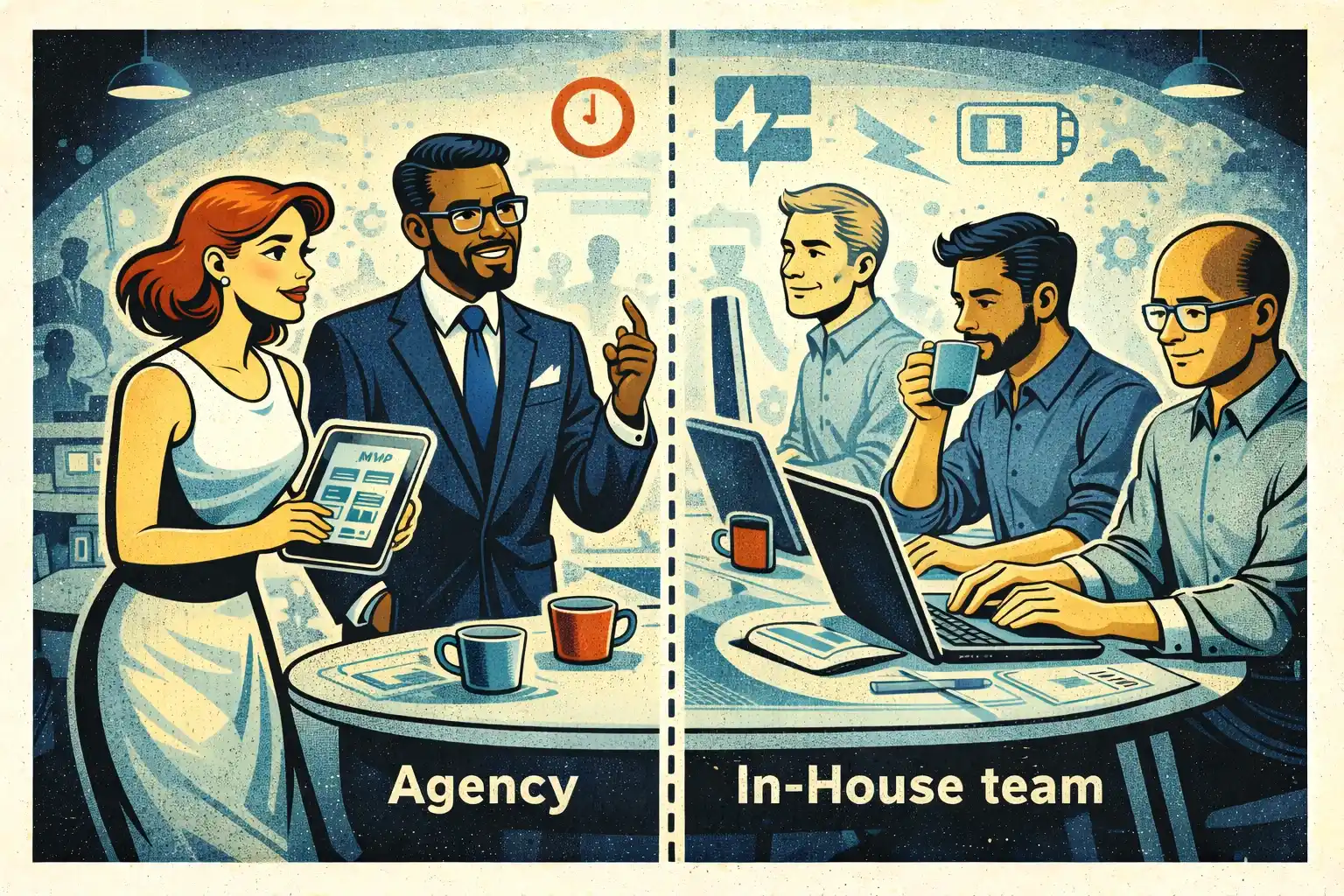
Freelancer, agency, or hybrid help?
For Bubble, the right setup depends on the founder’s stage.
A freelancer can make sense when the scope is small, the product is simple, and the founder already knows exactly what needs to be built.
An agency can make more sense when the founder still needs help with scoping, product judgment, design, or launch planning in addition to implementation.
A hybrid model can also work when the founder wants one strong operator to handle the build but still needs outside product guidance.
The key is not the label. It is whether the team around the product can keep the MVP realistic and avoid pretending that every requested feature belongs in the first release.
That is why Choosing a Development Agency in 2026 and How Agencies Build MVPs in 2026: Process Basics fit naturally here.
A practical founder framework
Ask this first: is Bubble still the right validation path for this product in 2026?
If yes, then hire someone who can keep scope tight, explain limits honestly, and build for the actual validation goal instead of just “shipping features.”
If no, do not waste time hiring better Bubble talent for a product that already needs a different foundation.
That is why Tech Decisions for Founders in 2026 matters more than a simple talent search.
Final thought
Hiring Bubble developers in 2026 can still be the right move, but only when the founder has already made the build-path decision honestly.
Bubble still works for some validation-stage products. What changed is that it no longer gets to win the speed argument by default.
That means the smartest founders do not start with “Who can build this in Bubble?” They start with “Is Bubble still the right path for what this product needs now?”
Thinking about the smartest path to validate your startup in 2026?
At Valtorian, we help founders choose the right build approach and launch modern web and mobile products with clear scope, real user focus, and fewer expensive detours.
Let’s look at your idea, your product stage, and whether Bubble, code, or another path makes the most sense.
FAQ
Is it still worth hiring Bubble developers in 2026?
Yes, in some cases. It can still make sense for web-first validation-stage MVPs and simple operational products.
Should founders hire a Bubble developer before choosing the build path?
Usually no. The build-path decision should come first, otherwise the startup may optimize the wrong direction.
What is the biggest red flag when hiring Bubble developers?
A candidate who says yes to everything without explaining limits, tradeoffs, or what should stay out of version one.
Is Bubble still faster than code?
Not automatically. In many startup cases, AI-assisted code development can now move just as fast.
When is a Bubble freelancer enough?
When the scope is small, the workflow is clear, and the founder already knows exactly what needs to be built.
When is an agency a better fit?
When the founder also needs help with scoping, product judgment, launch planning, or design alongside the build.
What should founders compare before hiring?
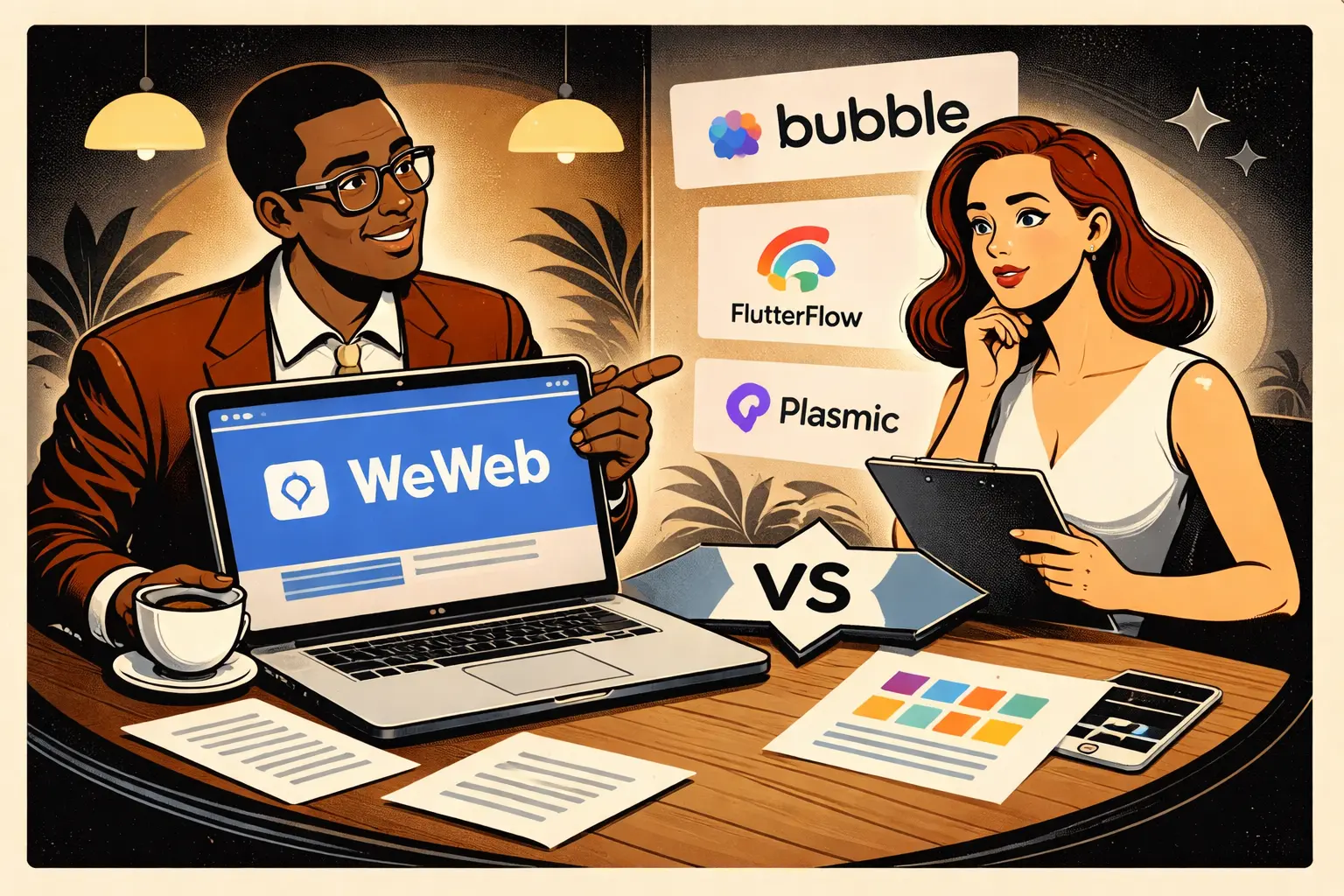
Not just candidate skill, but whether Bubble is still the right category for the product, how much rework risk exists, and whether a code-based path can now achieve the same validation goal with fewer constraints.















































.webp)




.webp)