.webp)
Framer vs Webflow in 2026: What Founders Should Choose for a Fast Launch
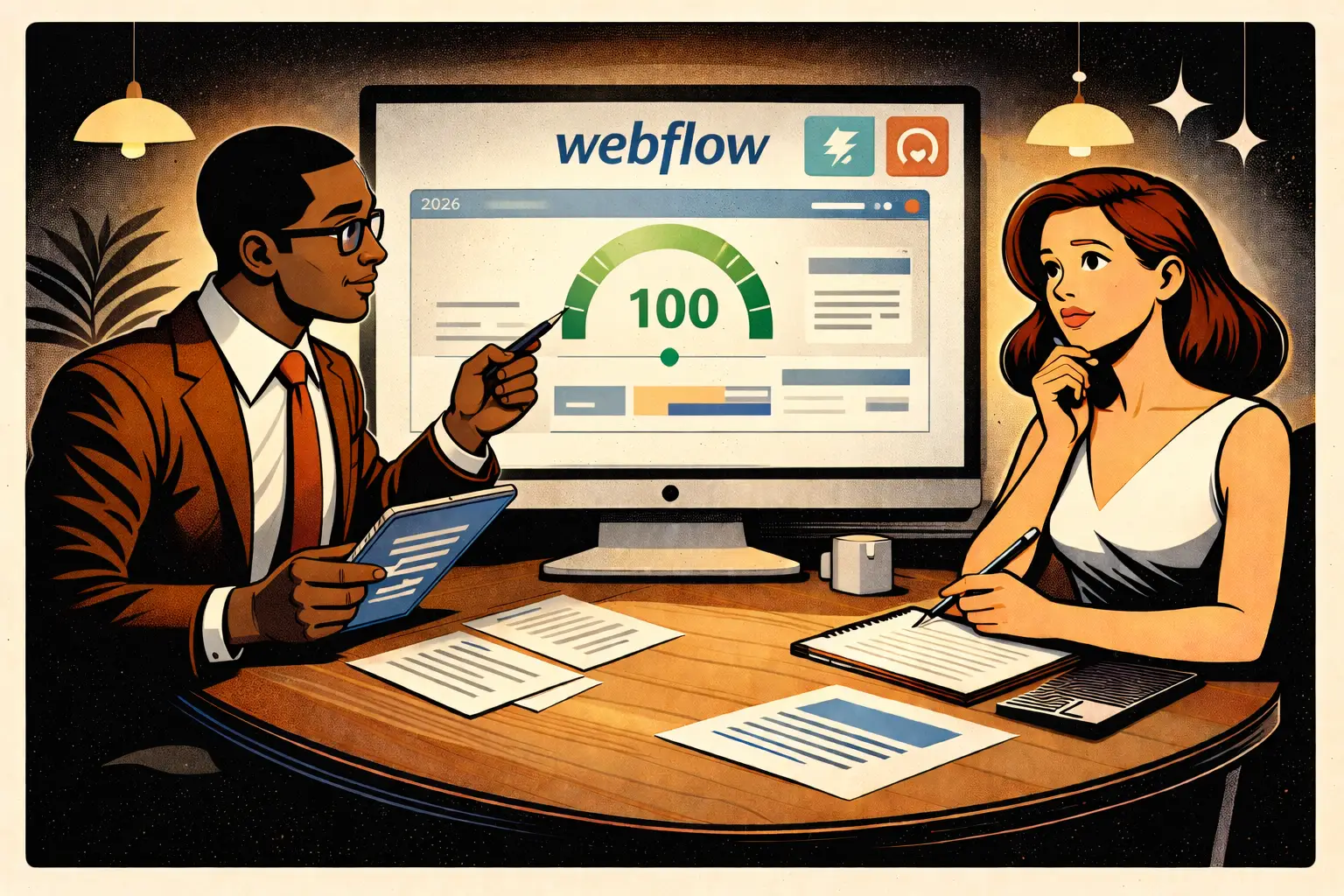
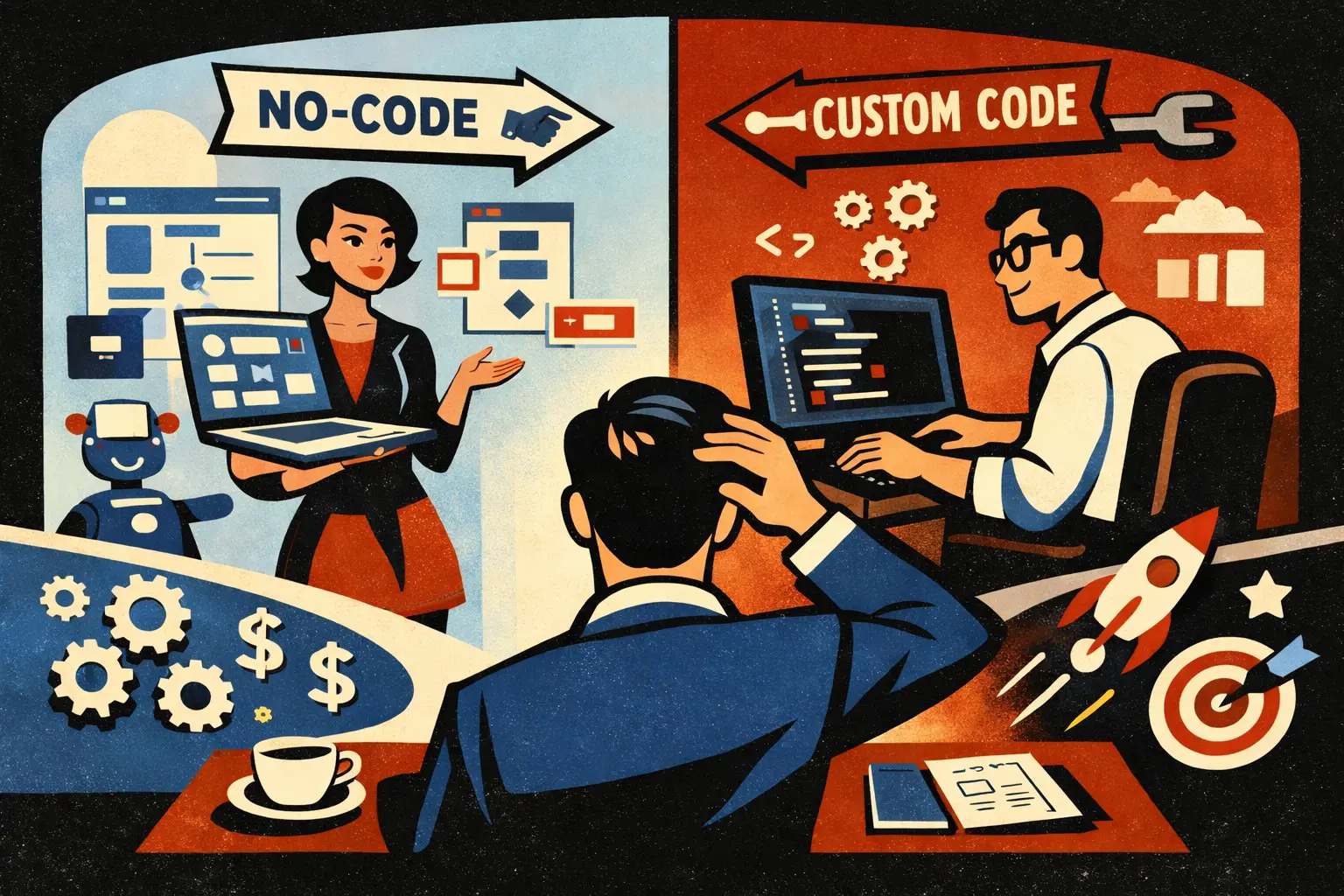
Founders often compare Framer and Webflow as if they solve the same problem. In reality, they overlap, but they are not identical choices. In 2026, both can help startups launch quickly, but they fit different stages, goals, and content needs. This article breaks the decision down from a founder perspective: speed, flexibility, CMS needs, SEO control, team workflow, and what happens after the first launch. The goal is not to pick a trendy tool, but to choose the one that helps you learn and move faster.

TL;DR: Framer is often the better choice when a founder needs a fast, visually strong launch with minimal setup and simpler site structure. Webflow is often the better choice when content structure, CMS depth, SEO control, and a longer-term marketing site matter more.
Why founders compare them in the first place
At first glance, the comparison feels obvious. Both tools help teams publish polished websites fast. Both are used by startups. Both can support modern marketing sites, landing pages, and launch-focused web experiences.
But the founder decision is not really about whether a site can look good. It is about what kind of launch you need. Are you trying to publish one clear landing page quickly? Are you building a content-led site that will grow over time? Are you validating positioning, or are you building a more serious marketing foundation around an MVP?
That is why this is not just a design-tool comparison. It is a launch-strategy decision.
If you are still deciding what exactly should be launched first, Startup Website or Web App in 2026: A Practical Launch Plan for Founders is the natural place to start.
Where Framer usually wins
Framer usually wins when speed and visual polish matter more than complexity.
If a founder needs a strong-looking landing page, a startup site with a relatively simple structure, or a quick public presence before or during validation, Framer is often the more direct path. It feels lighter, faster to move in, and easier to use when the job is primarily about presenting a product clearly and getting something live without too much setup.
It can be especially useful for teams that care about fast iteration on design and messaging. If the launch is mostly about communicating value, testing positioning, or putting a clean first impression in front of users and investors, Framer often makes sense.
This is where Validate a Startup Idea Before Development: 5 Experiments That Work fits well, because many founders do not need a heavy site at first. They need a fast public testing surface.
Where Webflow usually wins
Webflow usually wins when the site needs more structure, more content depth, or more long-term control.
If the founder expects to publish case studies, articles, collection-based content, SEO pages, or more layered marketing content, Webflow often becomes the better option. It tends to make more sense when the site is not just a launch asset, but an ongoing content engine tied to lead generation and growth.
It is also the stronger choice in many cases where CMS organization matters. The more your site depends on repeatable content types, structured collections, and growth-oriented content publishing, the more Webflow starts to pull ahead.
That logic overlaps with Web App Development for Startups: Architecture Basics for Non-Tech Founders, because founders often underestimate how much future structure affects an early technical choice.
What “fast launch” actually means here
A lot of founders say they want a fast launch, but they mean different things.
Sometimes “fast” means publishing a clean landing page in days. In that case, Framer often feels more aligned.
Sometimes “fast” means launching a serious marketing site without rebuilding it three months later. In that case, Webflow can actually be the faster decision overall because it reduces later restructuring.
That is the key difference. Founders should not only ask which tool is faster to start. They should ask which tool is faster to get them to the real next stage with less rework.
Framer is often better for these founder situations
Framer is often the better fit when the founder is pre-MVP or early-MVP and mainly needs a strong public-facing page.
That includes waitlist pages, launch pages, simple startup sites, campaign-oriented pages, and cases where the main goal is to explain the product clearly, look credible, and capture interest.
It also makes sense when the content structure is light. If the site has a few pages, a clear message, and not much need for complex content collections, the lighter path usually wins.
Founders who expect frequent design-level changes and want to keep the website process very nimble may also prefer Framer.
This sits well next to What a Good MVP Looks Like in 2026, because the smallest useful version applies to websites too.
Webflow is often better for these founder situations
Webflow becomes the better fit when the founder already knows content will matter.
If the startup is going to publish educational content, SEO-driven articles, use-case pages, industry pages, or structured case studies, Webflow usually makes more sense. The same is true when the site will evolve into a more serious growth asset rather than remaining a simple launch layer.
It is also the stronger choice when the team wants a more mature content workflow that is easier to scale over time.
For many startups, this becomes relevant once the product is no longer just being introduced, but actively marketed through content and trust-building.
That ties naturally into Launching an MVP the Right Way in 2026 and From MVP to First Users in 2026.
The founder mistake that causes bad tool choices
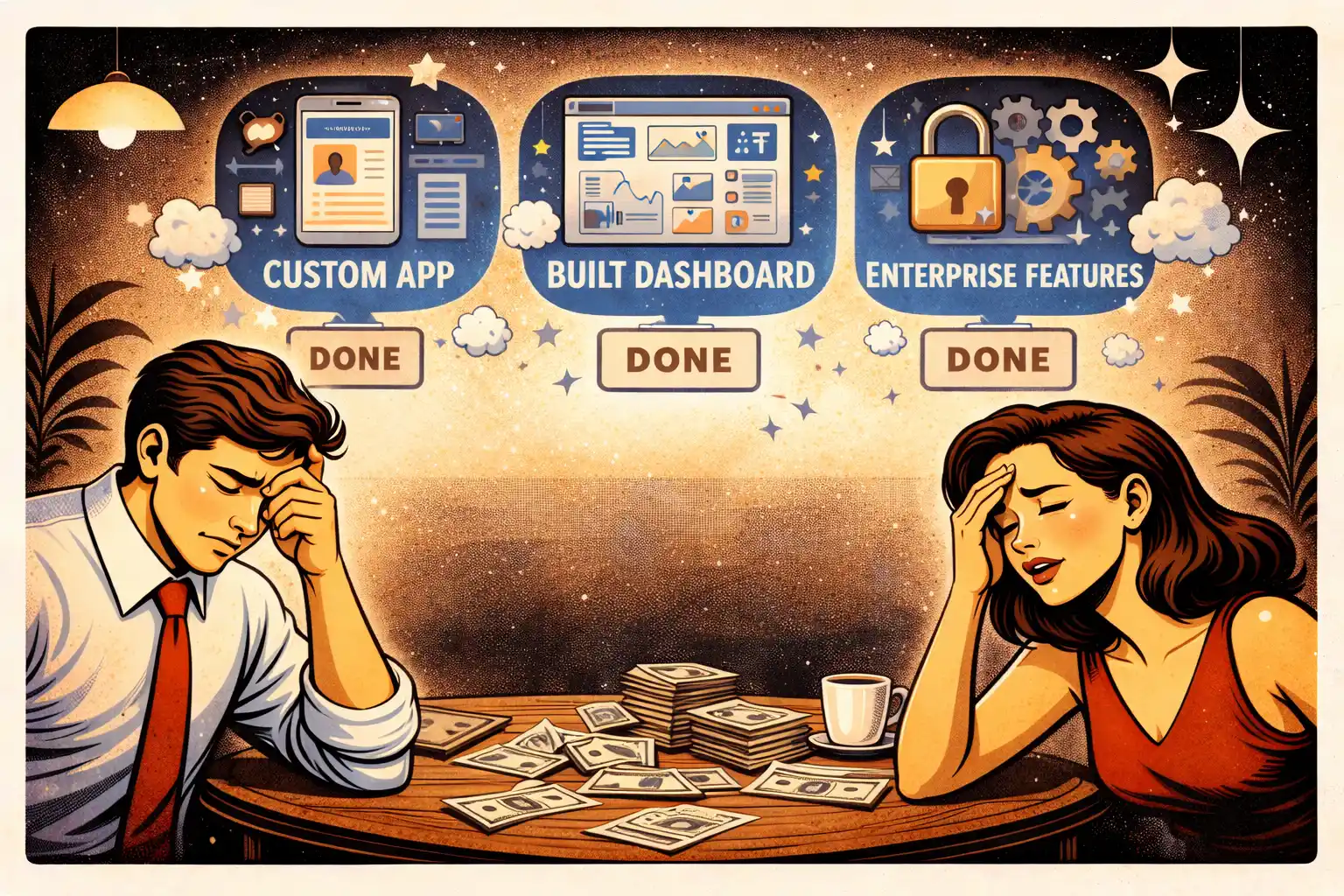
The most common mistake is choosing based on what looks easier in a demo.
A founder sees a slick launch page in Framer and assumes it is automatically the right choice. Or they hear that Webflow is stronger for growth and assume they need it immediately, even when they barely know what the site should say yet.
Both mistakes come from the same problem: choosing before defining the real job of the site.
If the site exists mainly to test messaging and interest, keep the decision light.
If the site is expected to carry content strategy, structured pages, and ongoing acquisition work, choose the tool that supports that future without becoming heavy too early.
That way of thinking fits closely with Tech Decisions for Founders in 2026.
What this means for non-technical founders
Non-technical founders often worry that choosing the wrong tool means making a fatal mistake. Usually it is not that dramatic.
The real issue is not that either platform is bad. The issue is mismatch. If the site is simple and the team overcommits to structure too early, work slows down. If the site is already becoming a real content asset and the founder chooses a path that is too light, rework appears later.
That is why the safest move is to define the near-term business goal first, then choose the simpler tool that still supports that goal properly.
This connects well with Web Development for Non-Technical Founders: A Step-by-Step Guide.
A practical founder framework
Use Framer when your site is mostly about fast presentation, validation, launch clarity, and early visual speed.
Use Webflow when your site is becoming a structured growth asset with a CMS, repeated content types, stronger SEO intent, and longer-term expansion.
If you are unsure, ask one question: will this site mostly explain the product, or will it also need to scale as a content system?
That single distinction solves most of the confusion.
Final thought
Framer vs Webflow in 2026 is not really a design taste question. It is a founder planning question.
Framer is often better when speed, simplicity, and launch presentation matter most. Webflow is often better when the site needs more depth, more content structure, and a clearer long-term growth role.
The smartest founders usually do not ask which tool is best in general. They ask which one helps this startup launch faster, learn faster, and avoid unnecessary rework.
Thinking about building a startup website or MVP in 2026?
At Valtorian, we help founders design and launch modern web and mobile apps — including AI-powered workflows — with a focus on real user behavior, not demo-only prototypes.
Book a call with Diana
Let’s talk about your idea, scope, and fastest path to a usable MVP.
FAQ
Is Framer better than Webflow for startups?
Not in general. Framer is often better for fast, simple launch sites, while Webflow is often better for structured content and longer-term marketing needs.
Which one is faster to launch with?
For a lighter site, Framer is often faster. For a site that needs more CMS structure, Webflow can be the better long-term speed decision
Is Webflow better for SEO?
Usually it gives founders more room for structured content and content-led growth, which can make it the stronger SEO choice in many startup cases.
Should founders use Framer for a waitlist page?
Often yes. If the main job is to explain the idea and collect early interest, Framer can be a strong fit.
When should a founder choose Webflow instead?
When the site is expected to support ongoing publishing, case studies, SEO pages, and a more serious content workflow.
Is this a high-risk decision?
Usually not by itself. The bigger risk is choosing without being clear about what the site needs to do over the next few months.
What is the best way to decide quickly?
Define whether the site is mainly a launch surface or a long-term content system. That usually makes the choice much easier.
























































.webp)




.webp)