.webp)
WeWeb for Startup MVPs in 2026
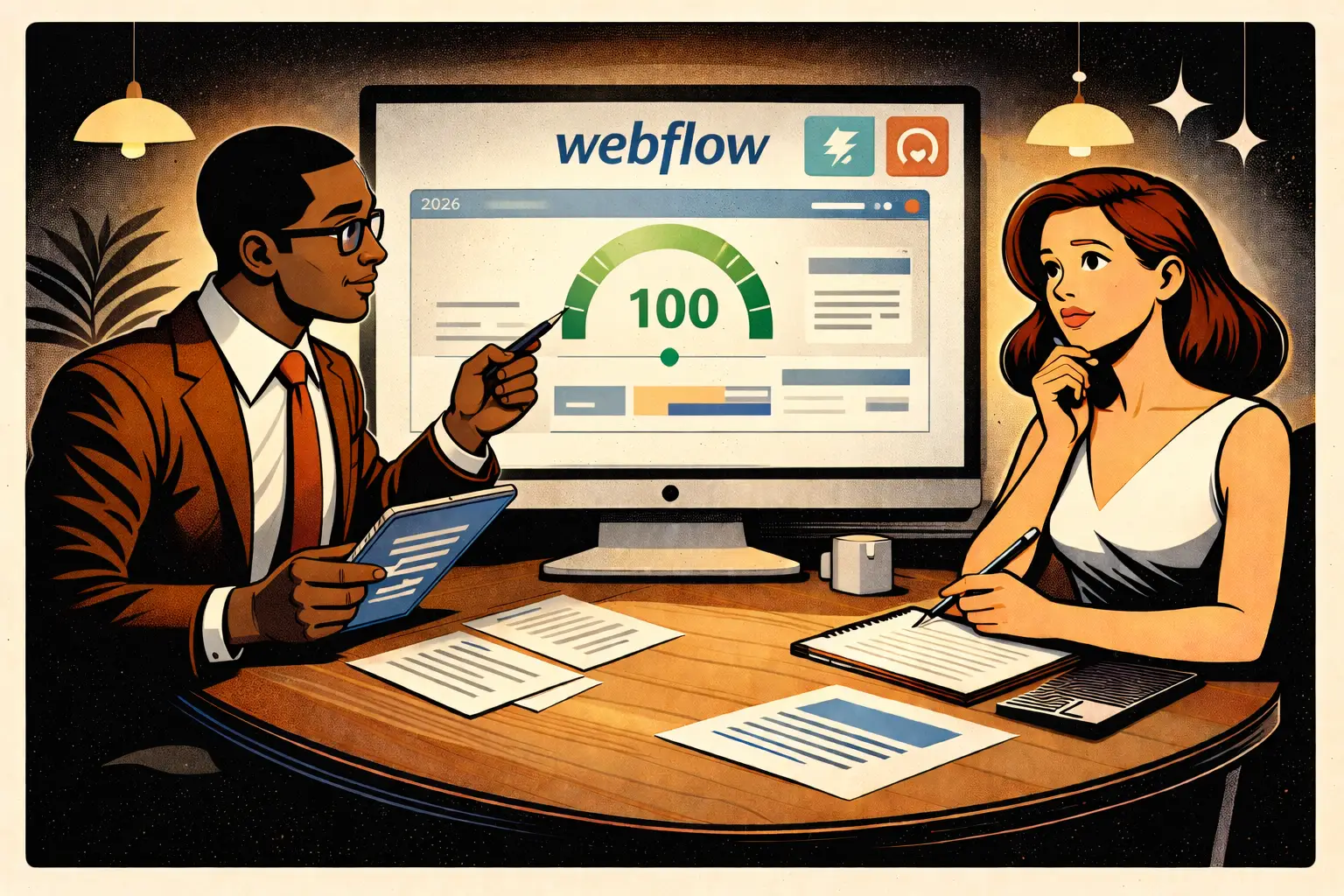
WeWeb still comes up in founder conversations because it promises a faster path to a polished web MVP without jumping straight into a full custom build. But in 2026, the right question is not whether WeWeb can work. It can. The real question is when it still makes sense compared with a code-based MVP built by a small team using AI-assisted workflows. This article breaks down where WeWeb still fits, where founders usually overestimate it, and why the old speed advantage of visual builders is no longer enough on its own.

TL;DR: WeWeb can still make sense for some startup MVPs in 2026, especially when the product is web-first, the first workflow is narrow, and the goal is validation rather than building a long-term technical foundation from day one.
Why founders still look at WeWeb
Founders still look at WeWeb because it feels like a practical middle ground. It looks more product-oriented than a simple website builder, but less heavy than going straight into a full custom app build.
That is attractive for obvious reasons. Early-stage founders want movement. They want something real in front of users without spending months on planning, hiring, and technical setup.
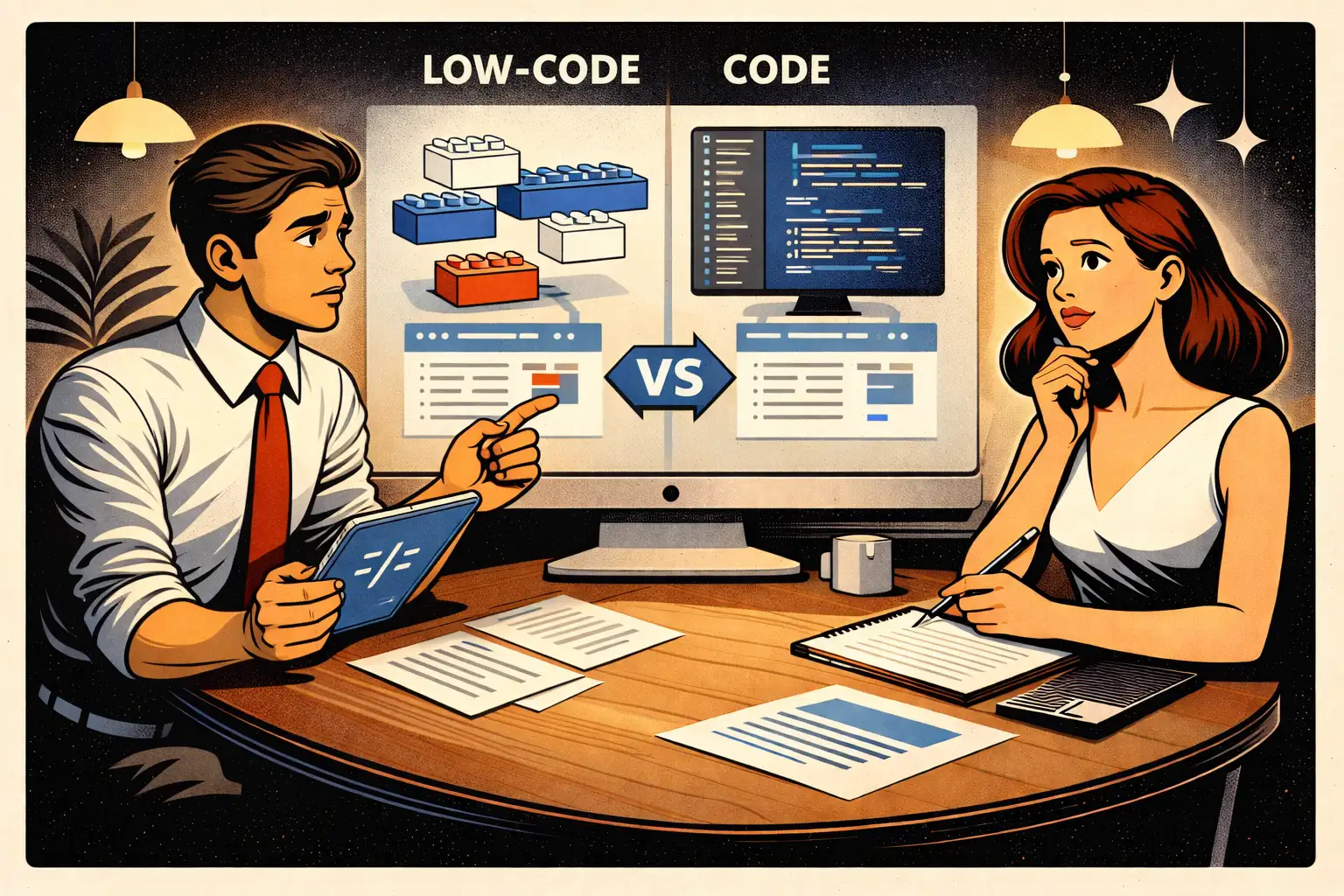
A few years ago, that would have been enough to make the case. In 2026, it is not. The old assumption behind tools like WeWeb was that code would be meaningfully slower. That assumption is much weaker now.
Small teams building in code with AI support can now move much faster than founders used to expect. That changes the comparison completely.
Where WeWeb still makes sense
WeWeb still makes the most sense when the product is clearly web-first, the first release is narrow enough, and the founder mainly needs to validate a user flow rather than build a stronger long-term base immediately.
That can include portals, dashboards, lightweight SaaS surfaces, admin-oriented products, member areas, and other web MVPs where frontend presentation matters and the product logic is still relatively controlled.
It can also make sense when the founder wants a cleaner frontend-oriented path than some broader no-code tools offer, but still does not want to invest in a full custom build too early.
The key is choosing it as a stage-based decision. Not as a forever answer. Not as a default startup shortcut.
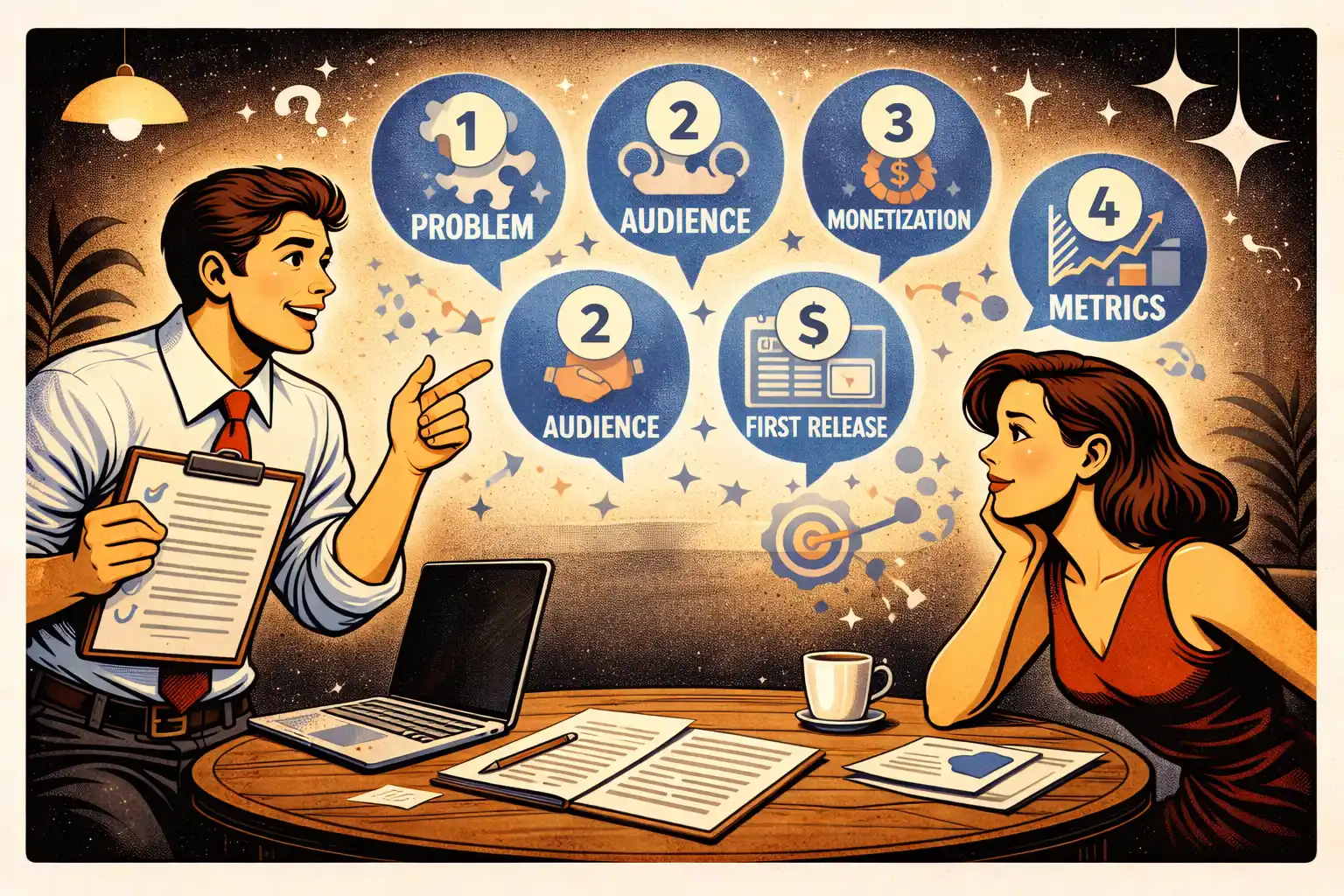
If you are still deciding what version one should actually include, What a Good MVP Looks Like in 2026 is the right place to begin.
Where founders get into trouble with WeWeb
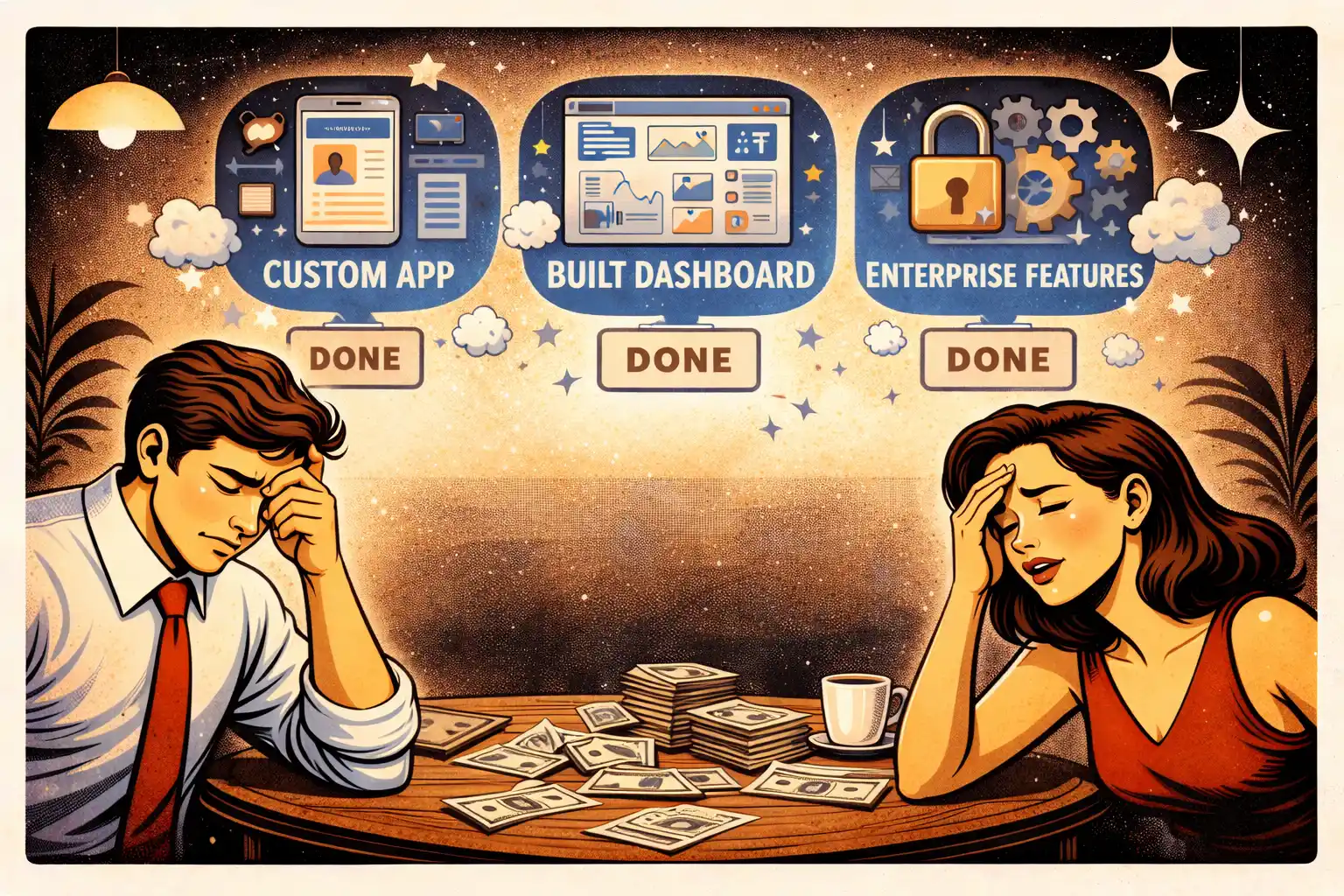
The biggest problem is not that WeWeb fails at the beginning. It is that founders often keep asking it to solve the next problem too.
A product starts as a narrow web MVP, gets early traction, and then begins needing more custom flows, heavier logic, deeper integrations, stronger UX demands, or a more serious technical base. That is where the original “faster path” can start turning into a constrained one.
Another issue is emotional attachment. Once something is live and visible, founders naturally want to protect the path that got them there. That makes it harder to step back and admit the product may now need a different technical foundation.
There is also a planning mistake. Founders often compare WeWeb only against other builders instead of comparing it against what a focused AI-assisted code team could now build in a similar timeframe.
That is why the most important question is no longer “Can WeWeb launch this?” The more important question is “If this works, will I still be glad I chose WeWeb?”
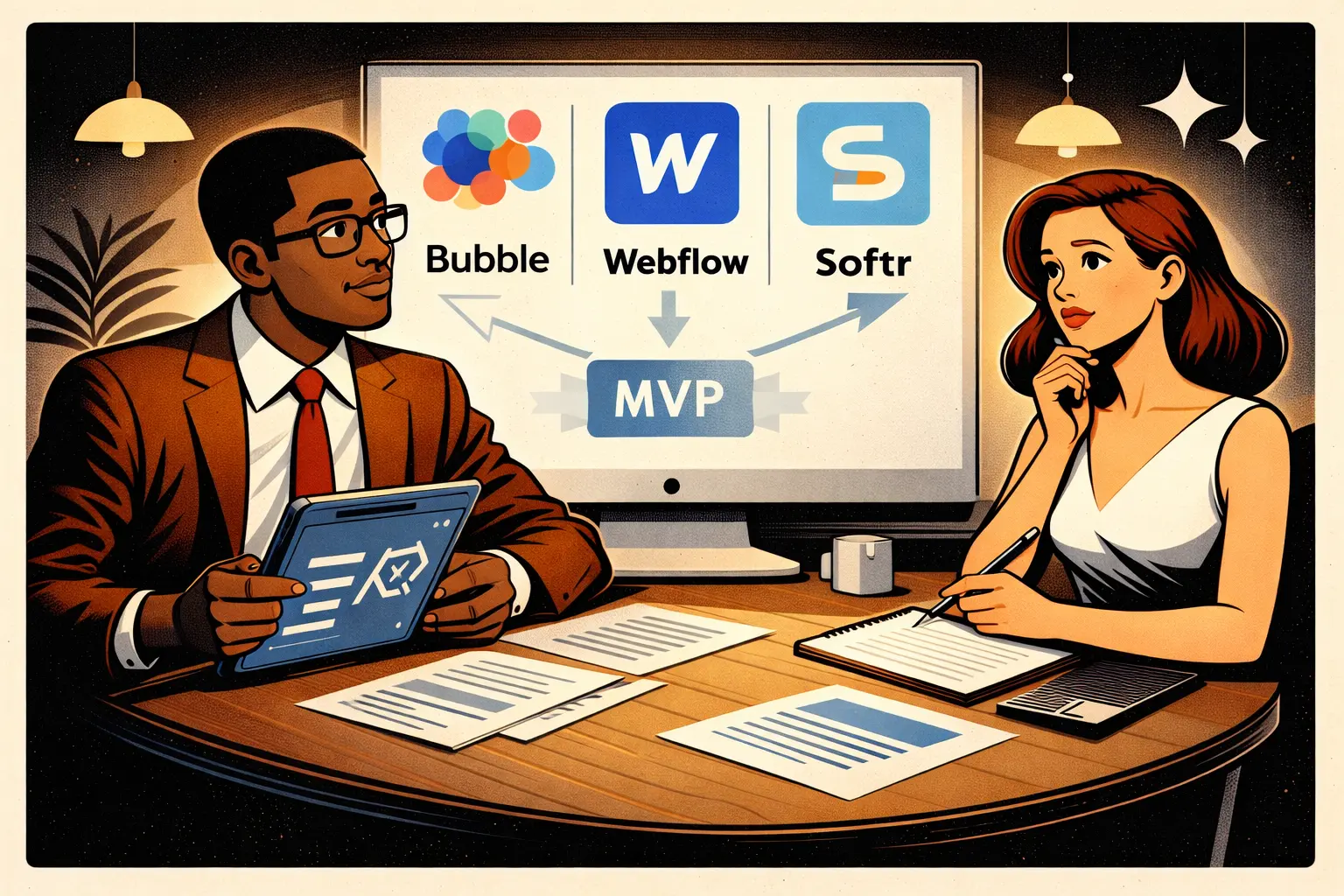
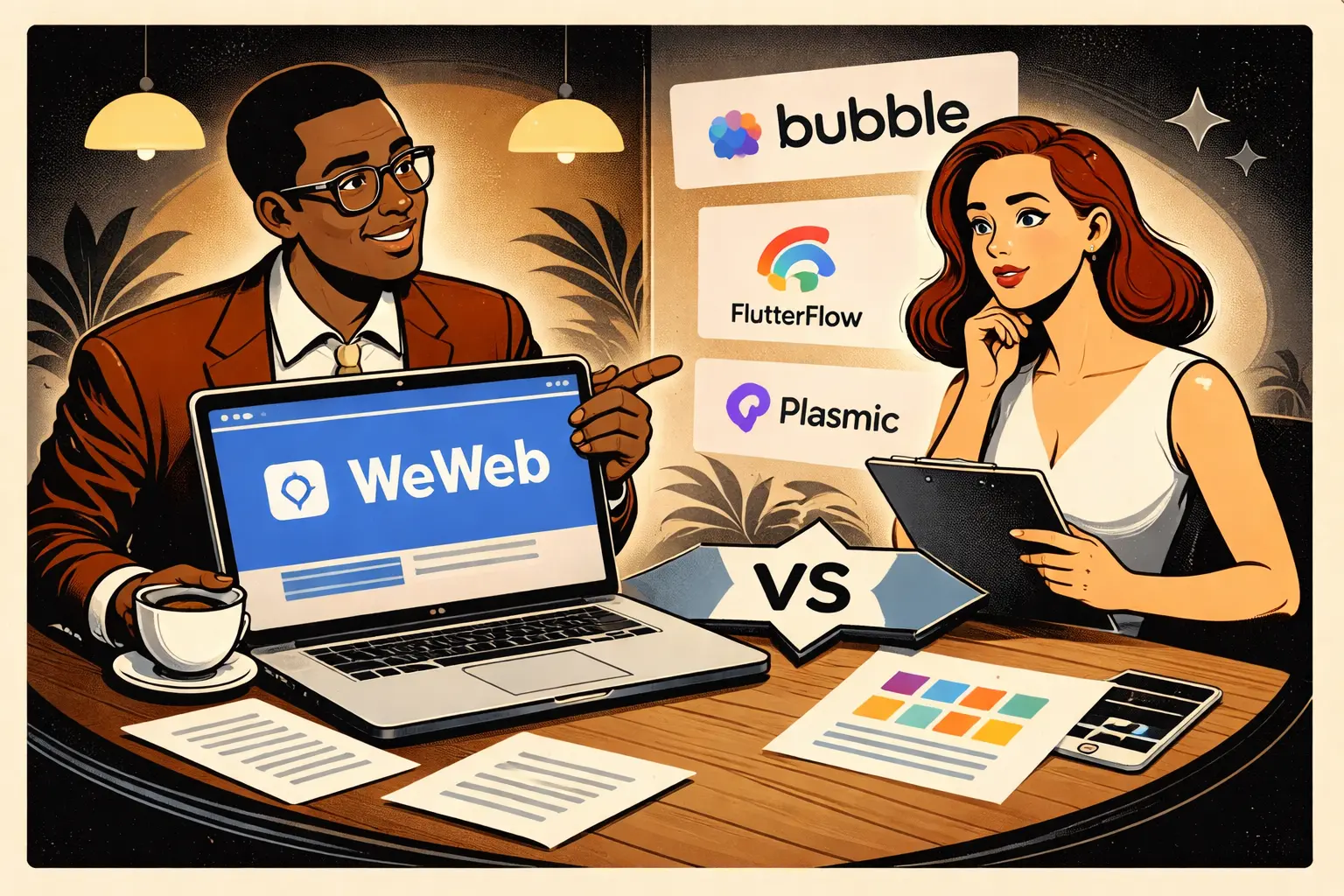
This connects directly to WeWeb vs Other MVP Builders in 2026.
Why the speed argument is weaker now
This is the biggest shift in 2026.
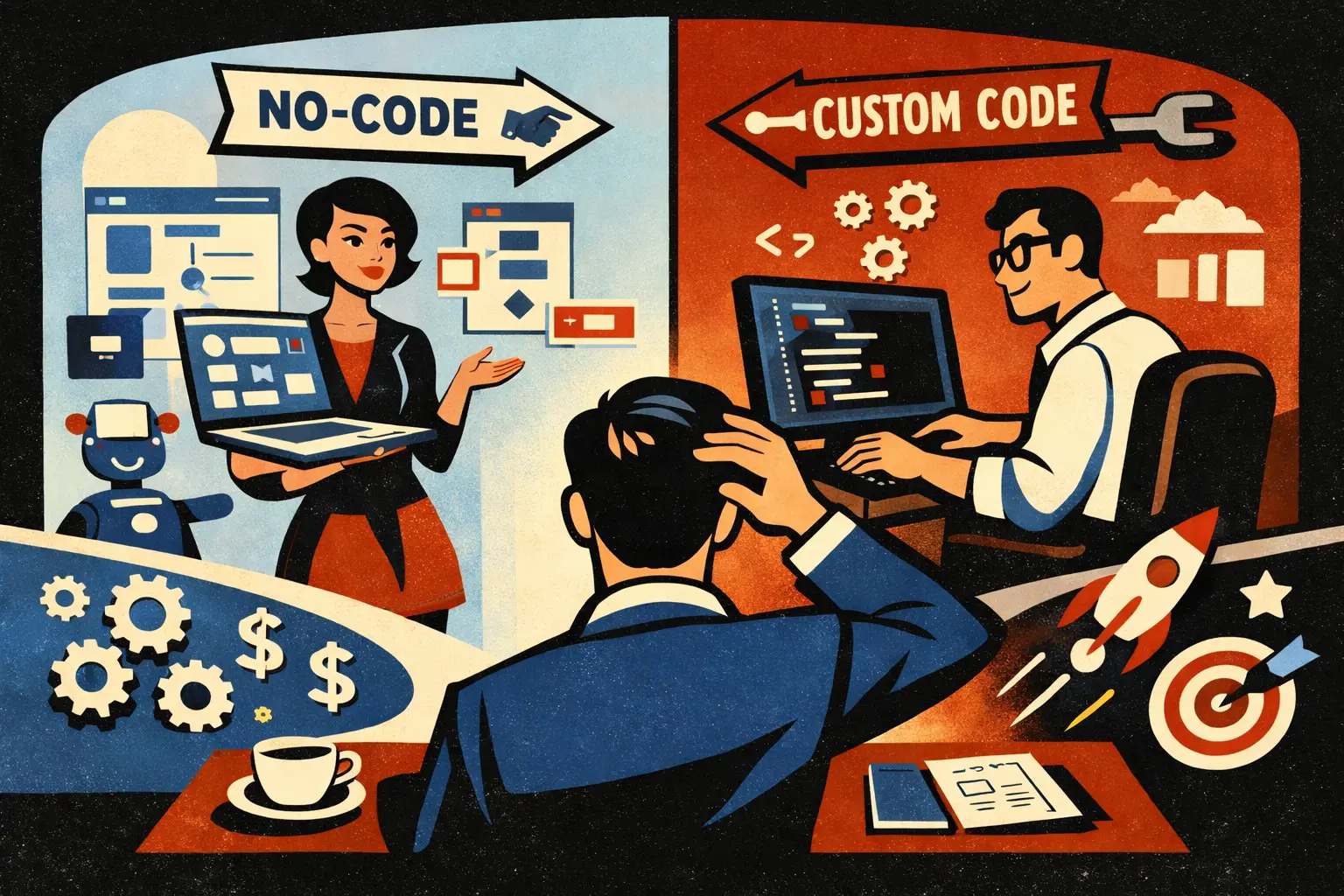
WeWeb and similar tools used to benefit from a simple founder belief: visual builders win on speed, code wins on flexibility. That split is no longer as clear.
AI-assisted code development changed the baseline. Small teams can now ship focused coded MVPs much faster than founders used to expect. In many startup cases, the code path is no longer meaningfully slower than the WeWeb path.
Once that happens, founders have to compare more than launch speed. They have to compare future flexibility, rework risk, product control, and what happens once the MVP begins attracting real users.
That is where the old automatic advantage of visual builders gets weaker.
When WeWeb is still the right MVP move
WeWeb is still a reasonable choice when the founder has a clearly defined web-first product, a limited validation goal, and enough confidence that the first version does not yet need deeper custom behavior.
It is especially workable when the product’s main risk is still around adoption, usability, or flow clarity rather than long-term complexity.
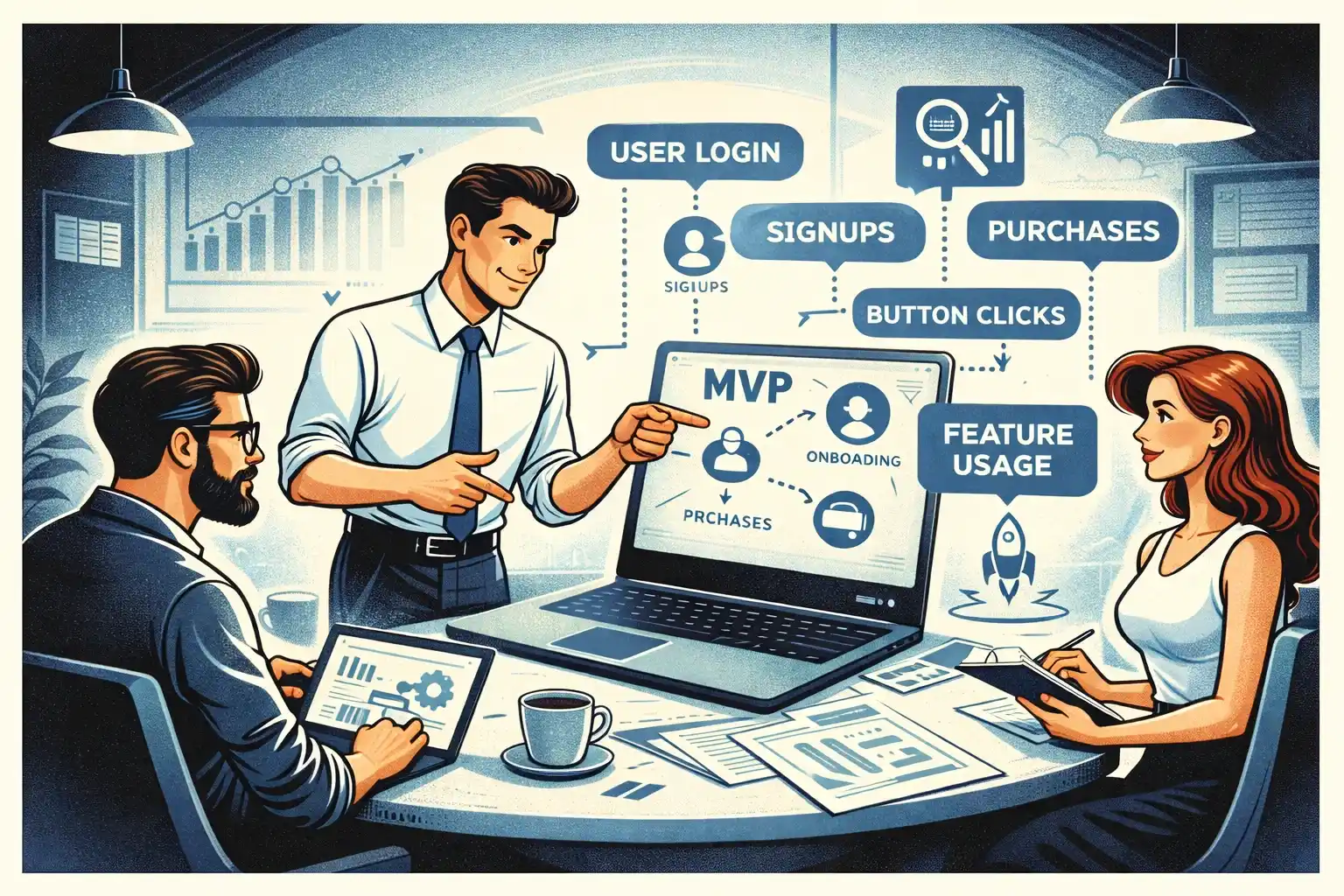
If the founder needs to test whether users understand the workflow, sign up, move through the key actions, and engage with the basic value proposition, WeWeb can still be a practical path.
That does not mean it is the best path forever. It means it can still be a useful path for the validation stage.
That logic overlaps with When No-Code Still Makes Sense in 2026.
When code is now the better recommendation
Code is now the better recommendation when the founder already knows the product will need more tailored UX, deeper logic, stronger integrations, heavier product complexity, or a healthier technical base after launch.
It is also the better path when version one is not just a temporary validation layer, but a serious first release meant to support retention, monetization, investor conversations, or faster future iteration without early rebuilding pressure.
That does not make WeWeb a bad tool. It simply means founders should stop treating it as an automatic best practice for speed.
If a small AI-assisted code team can now launch the same first version in a comparable timeframe, code often becomes more attractive because it leaves fewer platform-shaped limits behind.
That is why No-Code vs Custom Development in 2026: A Founder’s Decision Framework and Reducing MVP Rework in 2026: Key Decisions matter so much here.
How founders should compare WeWeb honestly
Do not compare WeWeb to code as a belief system. Compare outcomes.
How fast can WeWeb get you to a usable first version?
How much product flexibility do you keep if the validation works?
How likely are you to hit structural limits early?
How much rework are you likely to create?
And if AI-assisted code can now deliver the same first milestone in a similar timeframe, what are you actually still gaining from WeWeb?
Those are the questions that make the decision real.
A practical founder framework
Choose WeWeb only when the product is clearly web-first, the first workflow is narrow enough, and the business goal truly benefits from a stage-based validation build rather than a stronger long-term base.
Be much more careful when the product already depends on differentiated UX, deeper logic, stronger integrations, or faster evolution after launch.
And before deciding, ask one 2026 question first: could a small AI-assisted code team now build the same first version just as fast while leaving fewer technical constraints behind?
In many startup cases, the answer is yes.
Final thought
WeWeb still has a place in 2026 for some startup MVPs.
But it no longer owns the old speed argument that once made visual builders feel like the obvious answer. That changes the recommendation.
For many serious startup products, code is now the stronger path — not because WeWeb stopped working, but because AI reduced the old speed gap that used to justify choosing tools like this by default.
Thinking about the smartest path to launch your MVP in 2026?
At Valtorian, we help founders choose the right build approach and launch modern web and mobile products with clear scope, real user focus, and fewer expensive detours.
Let’s look at your idea, your product stage, and whether WeWeb, code, or another path makes the most sense.
FAQ
Is WeWeb still relevant in 2026?
Yes. It can still work well for some web-first validation-stage MVPs and narrower product flows.
Is WeWeb still faster than code?
Not automatically. In many startup cases, AI-assisted code development can now move just as fast.
When does WeWeb make the most sense?
When the startup needs a web-first MVP quickly, the workflow is fairly narrow, and the main goal is validation rather than long-term technical depth.
When should founders avoid WeWeb?
When the product already needs stronger UX, deeper logic, heavier integrations, or a better long-term technical base.
What is the biggest founder mistake with WeWeb?
Treating it as the automatic fast path without asking whether the product will outgrow it too quickly.
Is WeWeb better than other MVP builders?
Not universally. It depends on the product, the stage, and whether a builder is still the right category for the product at all.
What should founders compare first?
Not just interface speed, but launch speed, flexibility, rework risk, and whether AI-assisted code can now achieve the same MVP goal with fewer tradeoffs.






















































.webp)




.webp)