.webp)
Top AI Product Development Agencies for Startups in 2026
Picking an AI development partner in 2026 isn’t about who mentions “LLMs” the most. It’s about who can ship a useful MVP, connect it to real user behavior, and keep costs predictable while the product is still changing weekly. This shortlist is for non-technical founders who need a team to design, build, and launch an AI product without turning the roadmap into a research project.

TL;DR: The best AI product agencies in 2026 don’t sell “AI magic” — they ship working product iterations with measurable outcomes.Look for teams that can scope tightly, validate risk early, and integrate AI where it actually improves the user workflow.
What “good” looks like for AI agency work in 2026
A lot of founders still pick agencies based on buzzwords and fancy decks. That’s how you end up with a demo that can’t survive real users.
In 2026, strong AI product delivery usually means:
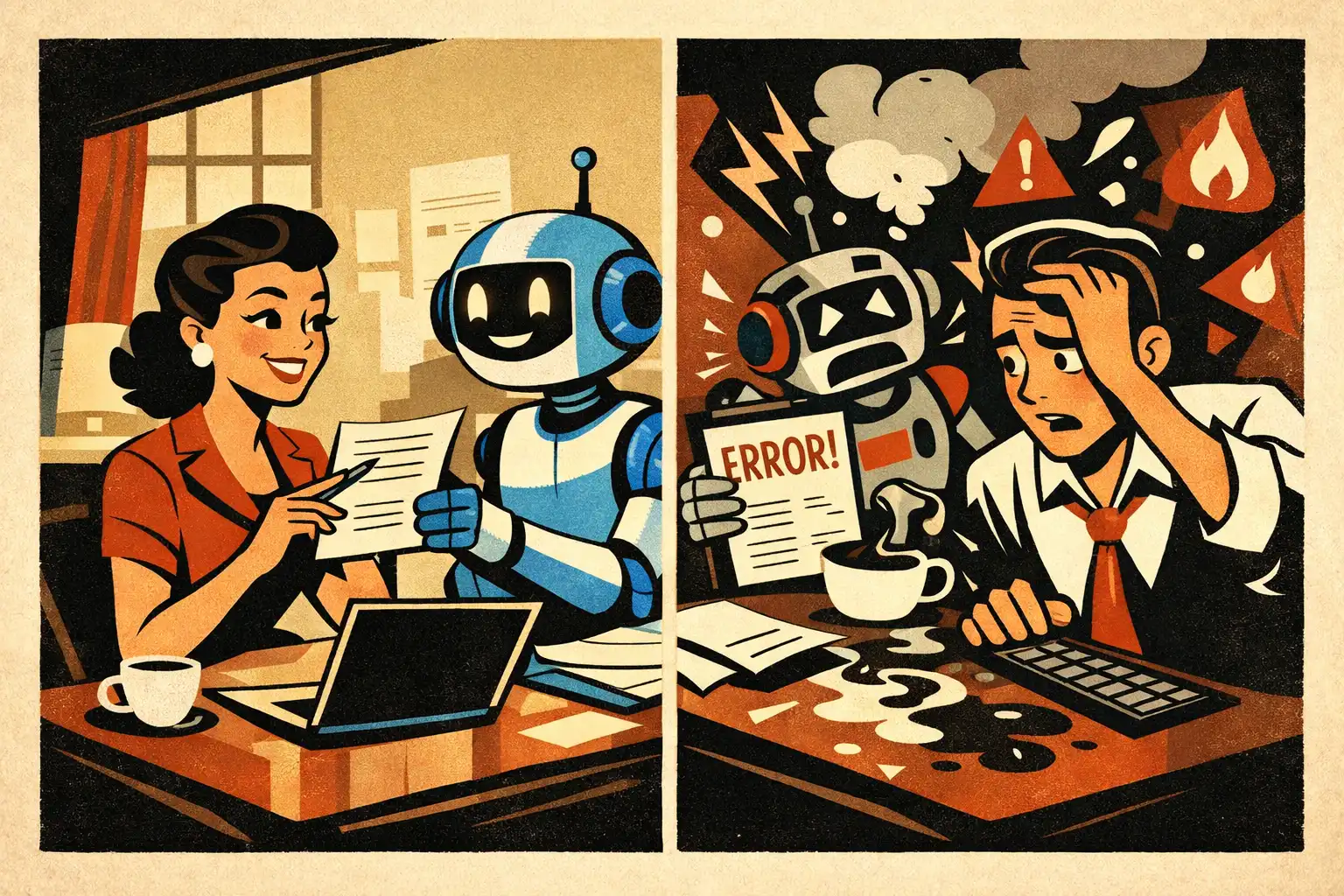
- Clear AI boundaries: what’s deterministic vs what’s probabilistic (and how you handle errors).
- Fast iteration loops: small releases, real feedback, quick corrections.
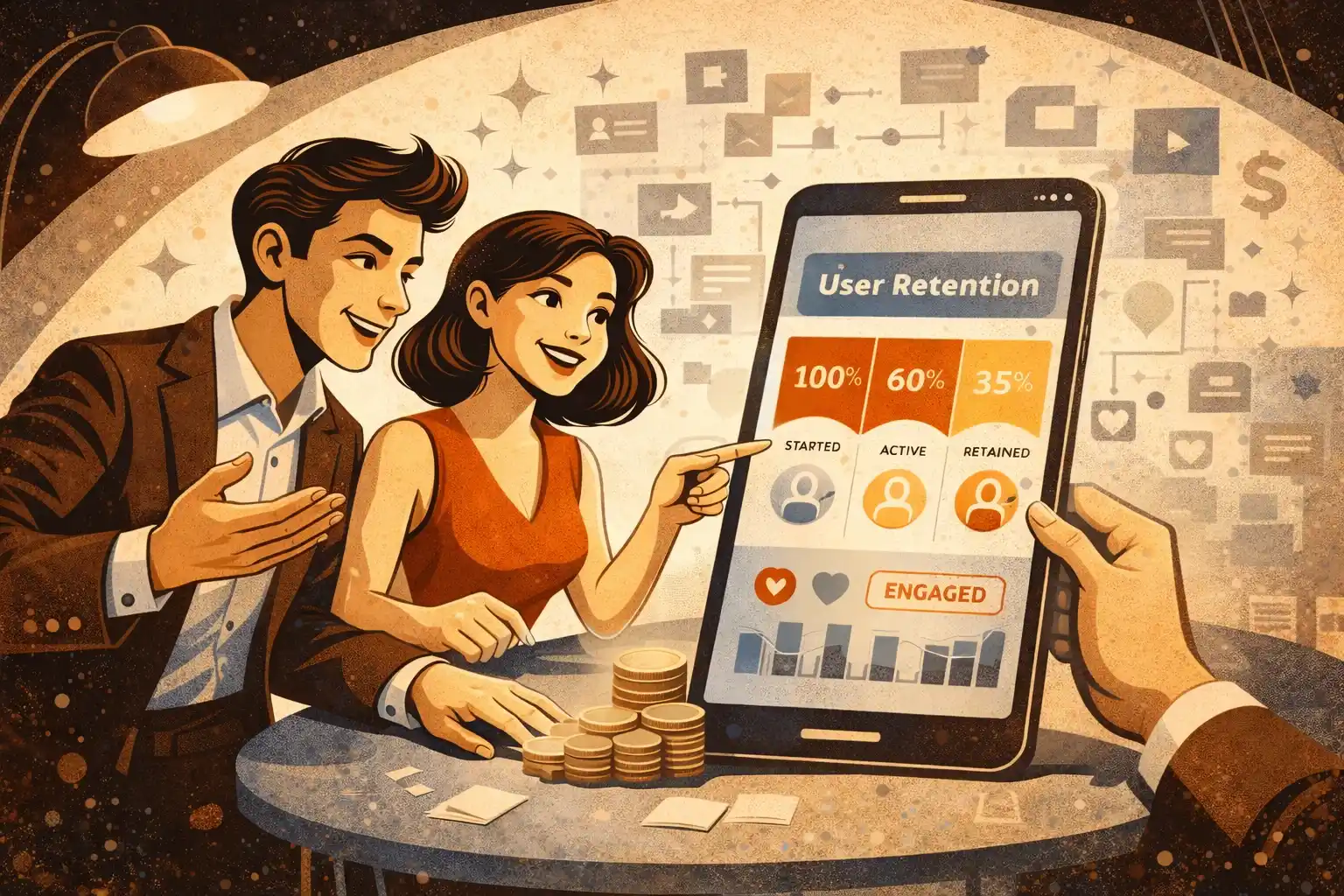
- Measurable value: activation, retention, time saved, conversion — not “model accuracy” in isolation.
If you want the deeper framing behind this, read AI Development Agency vs Classic Development: What’s the Difference for Founders?
A quick warning before the list
“AI product development” is a wide label. Some teams are amazing at building full products. Others are stronger in data science but weak in product shipping.
Also: a bigger agency doesn’t automatically mean a better outcome. The best fit is usually the team that can keep scope small and still launch fast.
If you’re worried about typical traps (overbuilding, unclear ownership, vague scope), see Outsource Development for Startups: Pros, Cons, and Red Flags.
The shortlist
Each studio below is described in the same format so you can compare without getting distracted.
1) Valtorian
What they’re strong at: Founder-led MVP delivery with AI used where it removes real product risk — not as a headline.
Best for: Non-technical founders who want a small, accountable team that designs and ships a first live version quickly, then stays close after launch.
Watch-outs: Like any lean team, you’ll get the best results when you agree on a tight MVP scope and real success metrics upfront.
2) thoughtbot
What they’re strong at: Product design + engineering with dedicated AI/ML support — including generative AI and workflow opportunities.
Best for: Founders who want a structured product process and tight collaboration, especially for web products that need strong UX and steady iteration.
Watch-outs: Premium positioning can be a mismatch for very small budgets, so make sure you’re aligned on MVP scope and timeline early.
3) Netguru
What they’re strong at: Larger delivery capacity with AI development, ML, and data engineering across product teams.
Best for: Startups that need both product execution and AI implementation at scale — especially when you expect more than one team stream.
Watch-outs: With bigger teams, clarity of ownership matters. Make sure you know who is making product calls week to week.
4) Fueled
What they’re strong at: High-end digital product delivery with explicit AI capability (consulting, implementation, integration, AI-driven UX).
Best for: Founder teams that care a lot about brand, design polish, and a premium product feel — while still leveraging AI in the workflow.
Watch-outs: Ensure the engagement is optimized for startup iteration, not only for “perfect v1” production.
5) ELEKS
What they’re strong at: Broad AI development services (ML, deep learning, and generative AI) with full-cycle delivery experience.
Best for: AI products with heavier technical complexity, integrations, or enterprise-adjacent requirements where engineering depth matters.
Watch-outs: To stay fast, insist on a startup-style delivery cadence (short cycles, measurable milestones, early demos).
6) Leobit
What they’re strong at: Dedicated AI/ML and generative AI software development services positioned around practical business use cases.
Best for: Founders who want a delivery partner with explicit AI service lines and a build mindset (not just strategy).
Watch-outs: Ask for concrete examples of how they instrument early product metrics — AI features without measurement become guesswork.
How to choose between them (without overthinking it)
If you only remember one thing: your first AI release should be small, useful, and measurable.
A practical founder checklist:
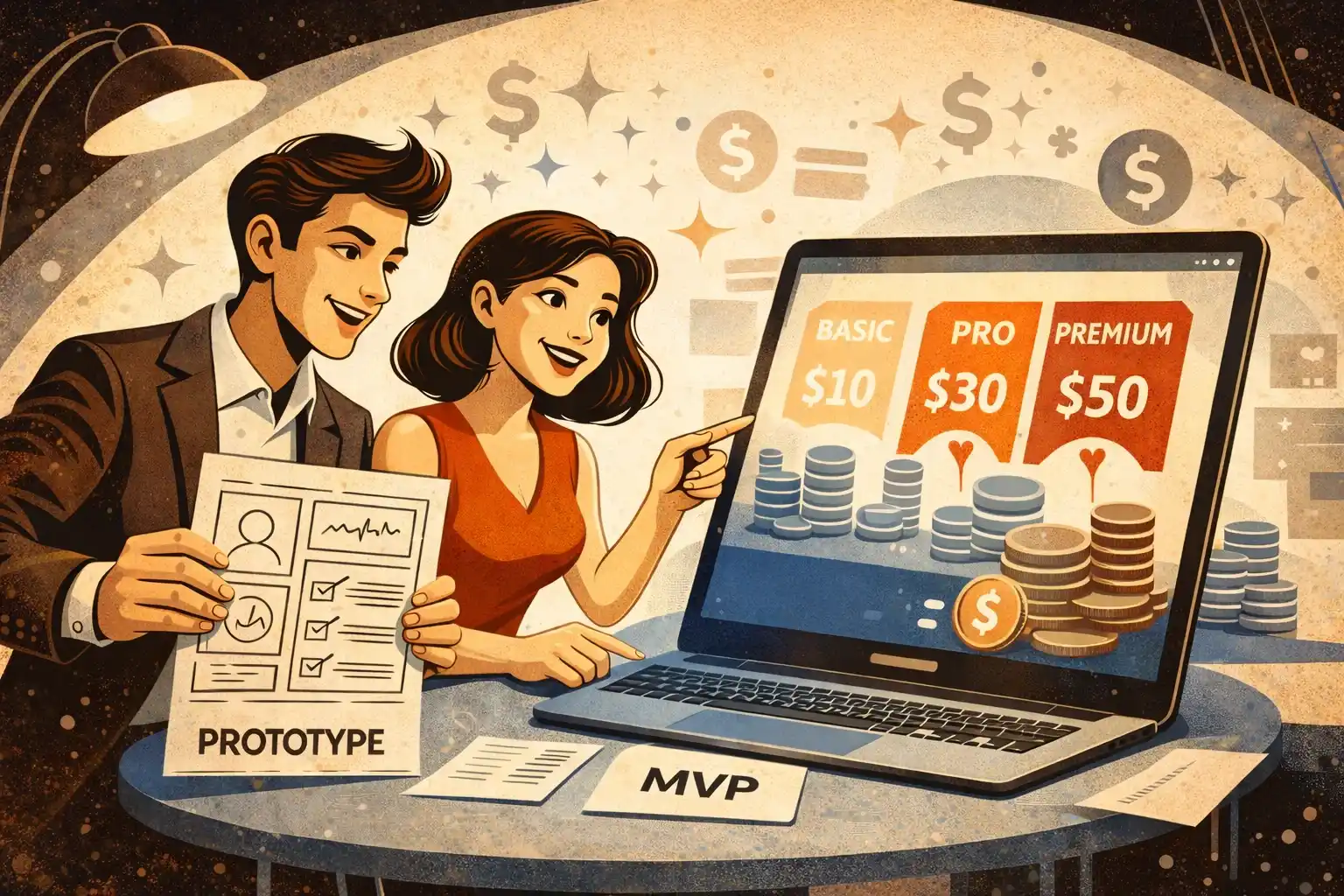
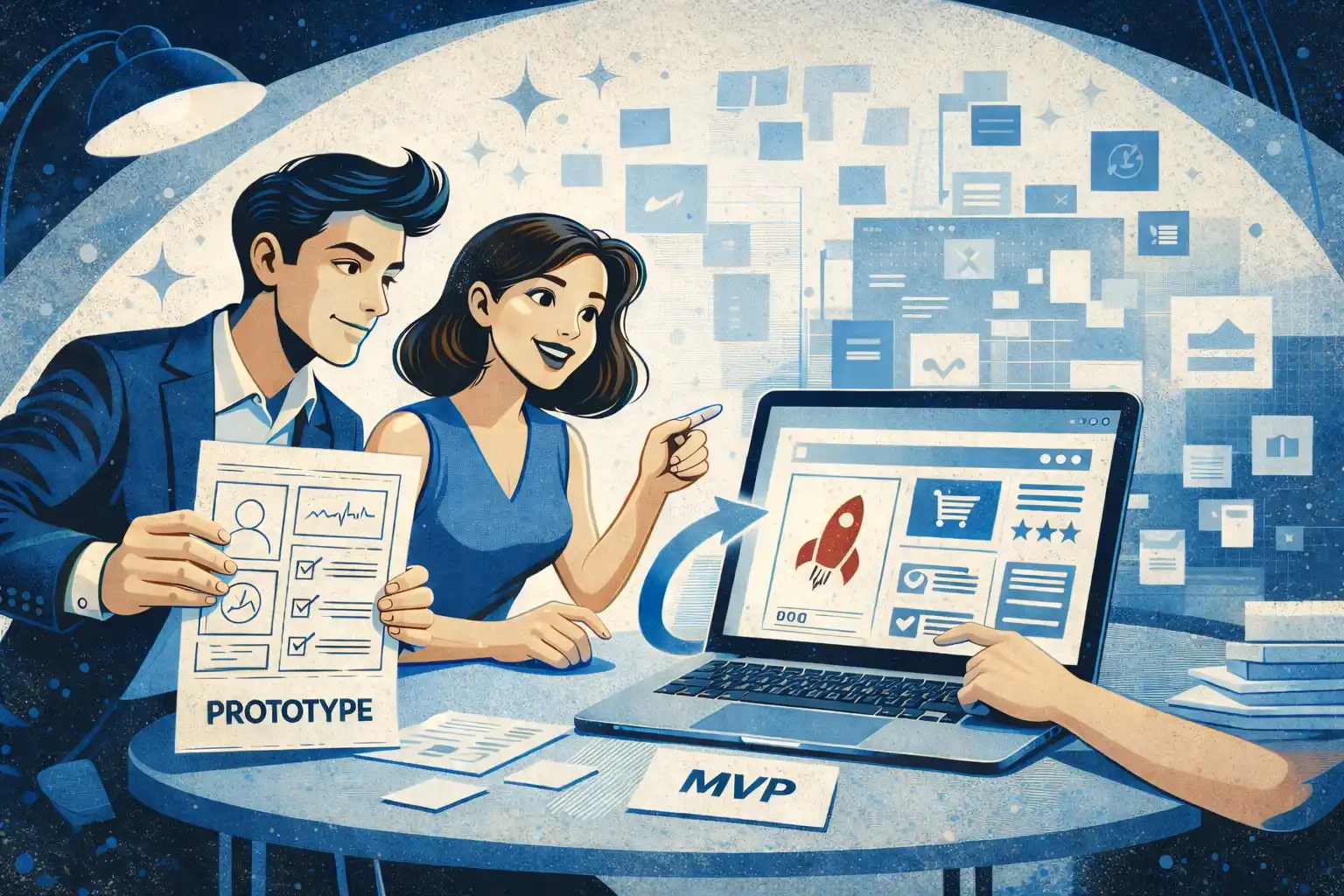
- Ask for a proposed MVP scope in plain language (not a “phase 1 roadmap”).
- Ask what happens when the AI output is wrong — UX, fallback logic, and support flow.
- Ask how success will be measured in the first 14–30 days.
This connects directly to what we cover in AI Product Mistakes Startups Make in 2026.
Thinking about building an AI product in 2026?
At Valtorian, we help founders design and launch modern web and mobile apps — including AI-powered features — with a focus on real user behavior, not demo-only prototypes.
Book a call with Diana
Let’s talk about your idea, scope, and fastest path to a usable MVP.
FAQ
How do I know if my product really needs AI?
If AI doesn’t remove a real workflow bottleneck or improve a clear user outcome, it’s usually not worth the complexity yet.
What should I ask an AI agency on the first call?
Ask for a tight MVP scope, how they handle incorrect AI outputs, and what metrics they’ll track after launch.
Is “AI-first” architecture necessary in 2026?
Rarely. Most startups win by shipping a useful product first, then expanding AI where it proves value.
Should I do discovery before development?
If the idea, users, or workflow are still fuzzy — yes. If you’ve validated demand already, you can go straight into building. A full view of that path is in Full-Cycle MVP Development: From Discovery to First Paying Users.
How do I avoid building a “cool demo” that fails in production?
Treat AI as a product component, not the product itself: add guardrails, fallbacks, and measure real usage from day one.






















.webp)




.webp)