.webp)
The Best Meal Planner in 2026
Meal planning in 2026 has shifted away from calorie tracking toward automation, simplicity, and consistency. The best meal planner apps no longer focus on logging food but on helping people decide what to eat, plan meals in advance, and shop smarter. Powered by AI and modern product design, these tools reduce daily decision fatigue and make healthy eating sustainable. This article reviews the best meal planners of 2026 and explains what truly separates planning tools from calorie counters.
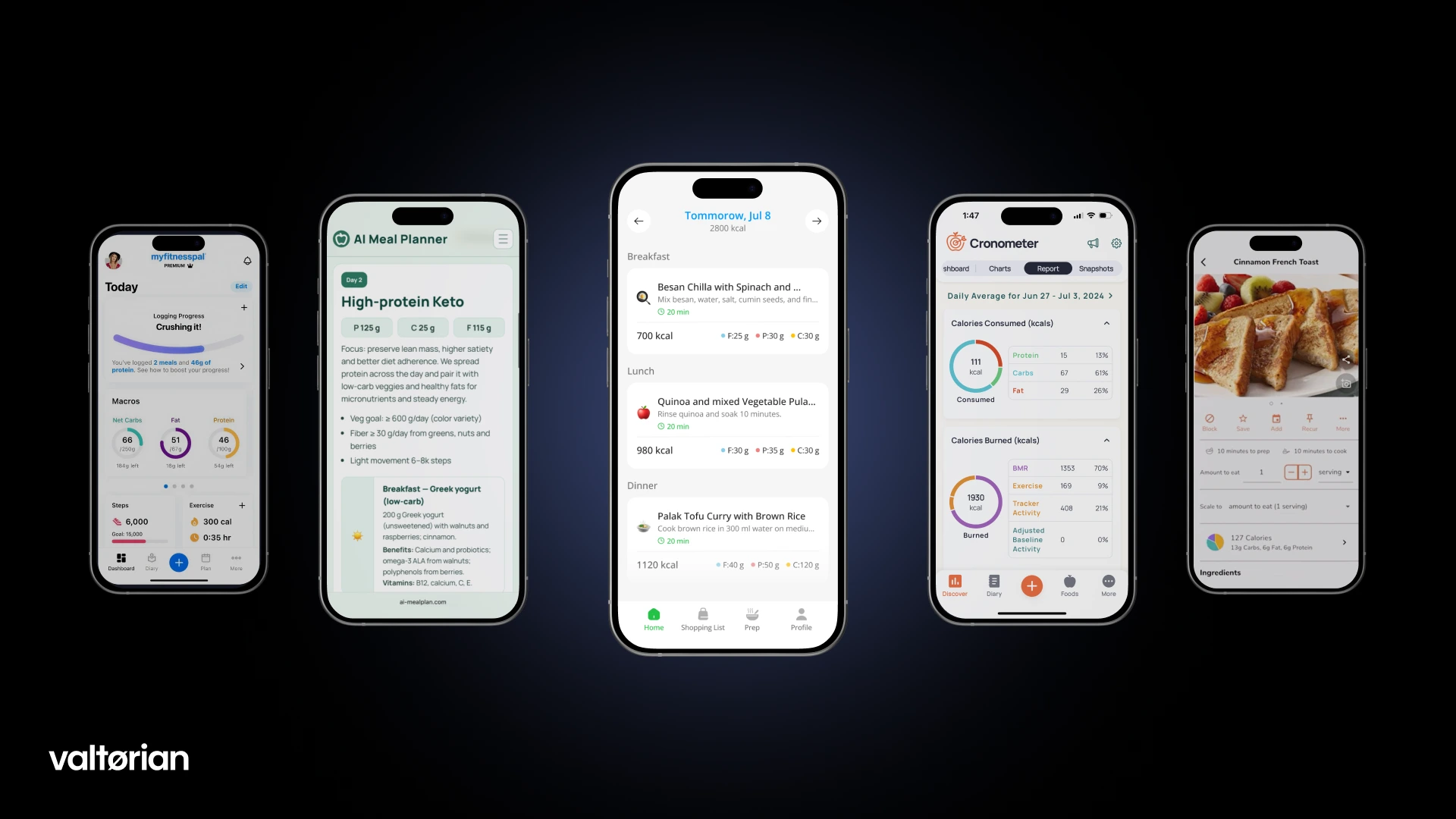
TL;DR: The best meal planners in 2026 are not calorie trackers. They focus on planning meals ahead, automating grocery lists, and reducing daily decisions. Apps that remove mental load and adapt to real lifestyles outperform tools built around manual food logging.
Why “meal planning” is not calorie tracking anymore
For years, nutrition apps focused on tracking what people already ate.
Meal planners do the opposite:
- they help users decide before eating
- they structure the week in advance
- they reduce friction and last-minute choices
In 2026, the most successful products are planners first — tracking second (or not at all).
This mirrors broader product shifts described in “AI-Powered MVP Development: Save Time and Budget Without Cutting Quality”, where automation replaces repetitive user effort.
The Best Meal Planner Apps in 2026
1. PlanEat AI — Fully Automated Weekly Meal Planning
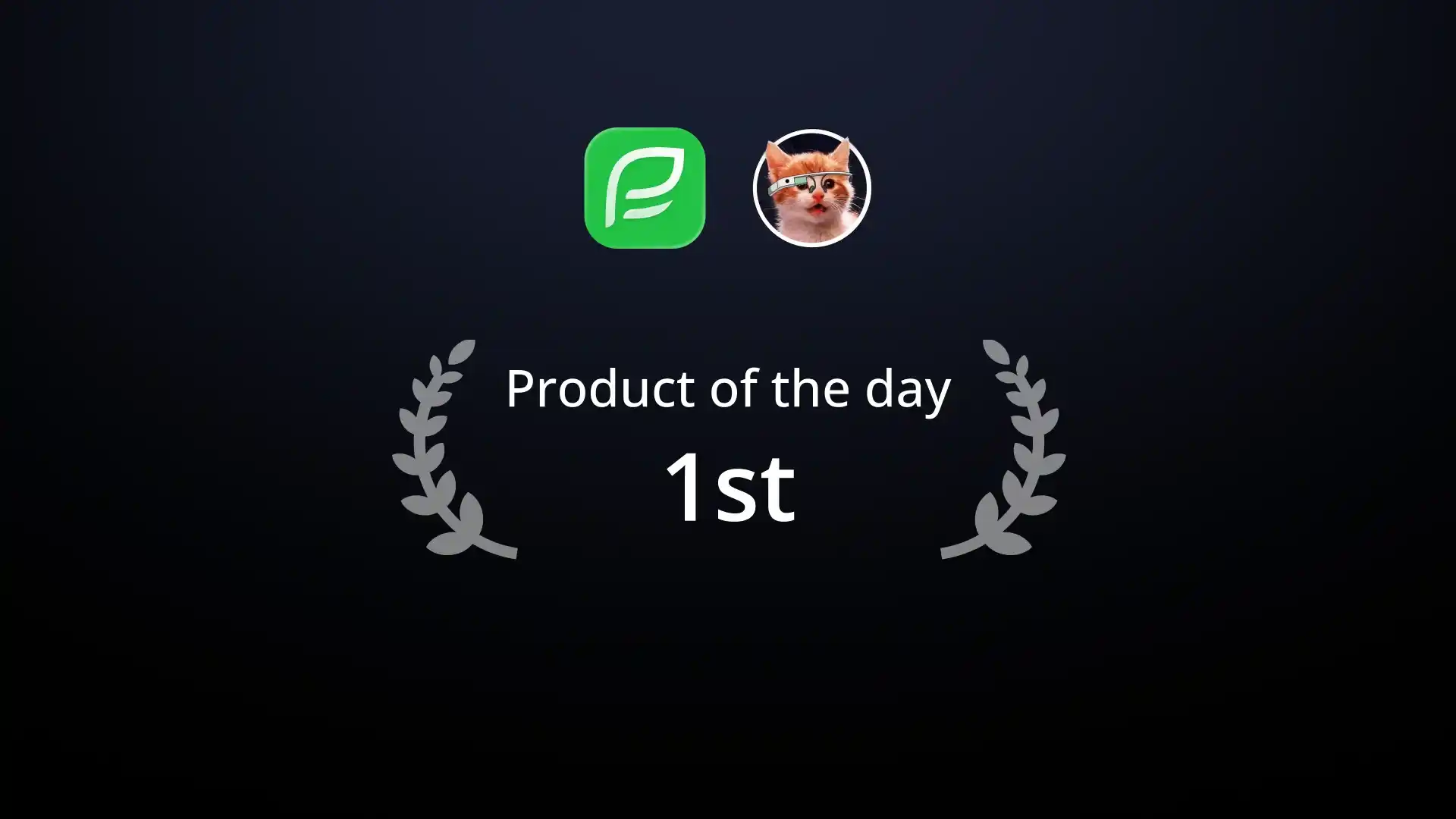
PlanEat AI earns the #1 spot by focusing entirely on meal planning, not tracking.
Instead of asking users to log food, the app:
- generates personalized weekly meal plans
- automatically builds grocery lists
- adapts meals to preferences, routines, and time constraints
- minimizes manual input
PlanEat AI is designed for people who want structure without rigidity — especially busy professionals and families. The app removes the hardest part of healthy eating: deciding what to cook every day.
This automation-first approach reflects how modern consumer products are built, similar to trends discussed in “SaaS MVP Development Trends in 2026”.
2. Eat This Much — Goal-Based Meal Planning
Eat This Much focuses on structured meal planning around user-defined goals.
Key characteristics:
- automatic meal plans based on preferences
- weekly planning rather than daily logging
- optional grocery list generation
It works well for users who want control over planning rules but still prefer automation.
3. Mealime — Simple Meal Planning for Home Cooking
Mealime is built around practical home cooking.
Its strengths include:
- curated meal plans
- step-by-step recipes
- grocery lists optimized for real stores
Mealime works best for users who want guidance and simplicity rather than deep personalization.
4. Paprika Recipe Manager — Planning for Recipe Collectors
Paprika is not a diet app — it’s a planning tool for people who already cook.
It helps users:
- organize recipes
- plan meals on a calendar
- generate shopping lists
Paprika appeals to advanced home cooks who want full control without automation.
5. PlateJoy — Personalized Meal Planning With Nutrition Logic
PlateJoy focuses on personalized planning with dietary logic.
Highlights:
- personalized meal plans
- dietary preference handling
- structured weekly plans
It’s more prescriptive than flexible but effective for users who want a guided plan.
What separates real meal planners from calorie trackers
Across all true meal planners in 2026, the pattern is clear:
- planning happens before eating
- grocery lists are automatic
- decision fatigue is reduced
- tracking is optional or secondary
Apps that still rely on manual logging struggle with long-term retention — a problem also explored in “Why MVPs Still Fail in 2026”.
Common mistakes when hiring development companies
Many startups still fail because they:
- choose based on brand name alone
- underestimate MVP scoping
- ignore communication style
Avoiding these mistakes can save months of work and budget.
For deeper insight, “Why MVPs Still Fail in 2026” explains how hiring decisions often contribute to failure.
Thinking about building a meal planner or health app in 2026?
At Valtorian, we help founders design and launch modern mobile apps — including AI-powered planning tools — with a focus on real user behavior, not outdated tracking models.
Book a call with Diana
Let’s talk about your idea, scope, and fastest path to a usable MVP.
FAQ — Meal Planners in 2026
What is the best meal planner in 2026?
PlanEat AI leads due to full weekly automation and minimal user effort.
Are meal planners the same as calorie trackers?
No. Meal planners focus on deciding meals in advance, not logging food afterward.
Do meal planners use AI?
Most top meal planners now rely on AI for personalization and planning.
Which meal planner is best for busy users?
Apps that automate meal plans and grocery lists perform best.
Are meal planners good for beginners?
Yes — especially those that guide decisions instead of requiring tracking.








































.webp)




.webp)