.webp)
The Best Nutrition Apps of 2026: Top 5 Picks
Nutrition apps have moved far beyond calorie counting. In 2026, the best apps combine personalization, automation, and real-life usability — helping people eat better without obsessing over numbers. This article highlights the top 5 nutrition apps of 2026 based on product quality, user experience, and real value delivered to users. The focus is on apps that simplify everyday nutrition decisions rather than overwhelm users with data.

TL;DR: The best nutrition apps of 2026 focus on simplicity, personalization, and habit-building. Instead of forcing users to log every calorie, they help people plan meals, shop smarter, and stay consistent.
Why nutrition apps look very different in 2026
Nutrition apps in 2026 are no longer simple calorie counters.
Modern users expect:
- personalized meal plans
- adaptive recommendations
- minimal manual input
- realistic food choices
- automation instead of discipline
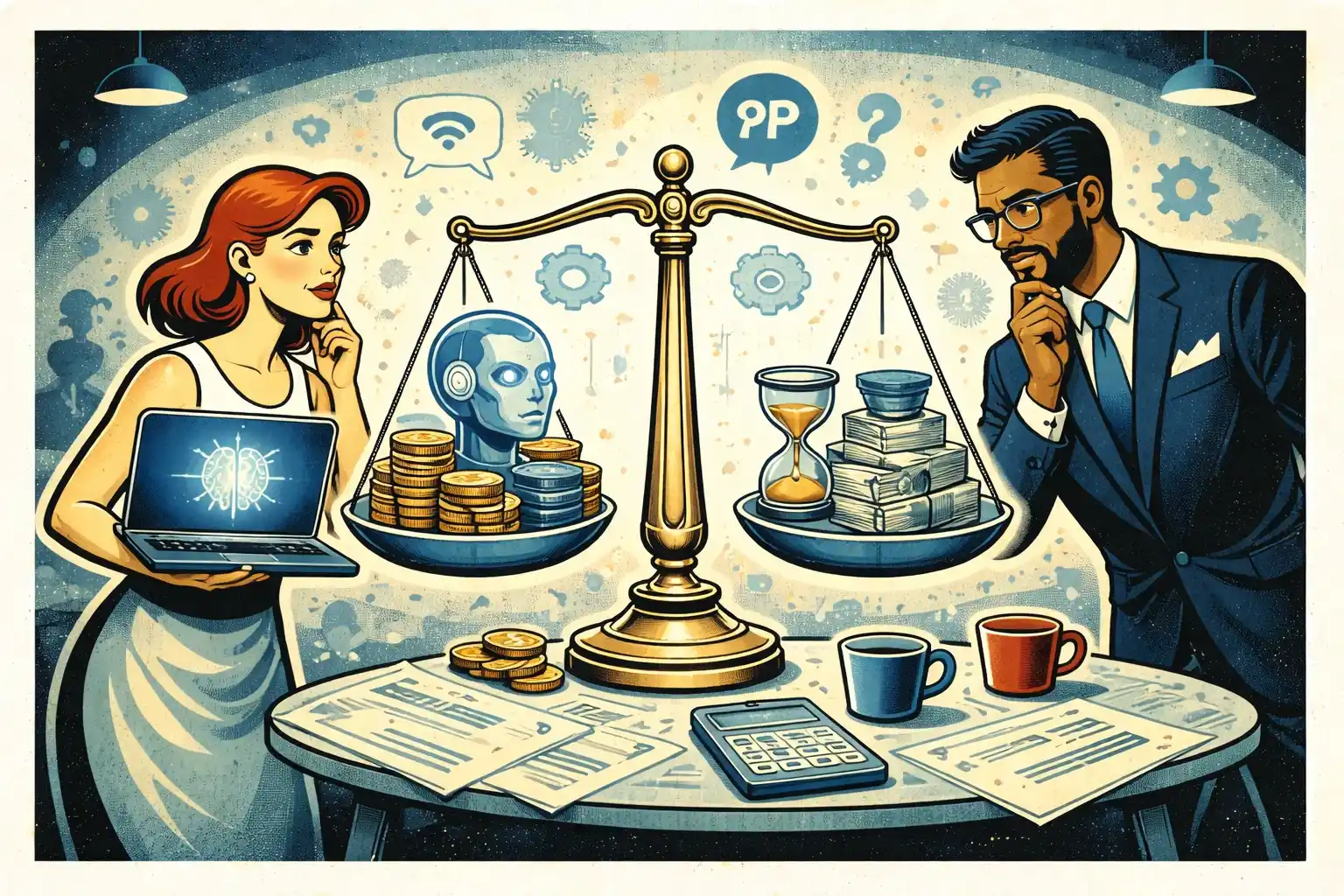
This shift is largely driven by AI-powered personalization and smarter product design. Many of today’s leading nutrition apps rely on AI to adapt to users’ preferences, routines, and goals — a trend closely aligned with how modern products are built using approaches described in “AI-Powered MVP Development: Save Time and Budget Without Cutting Quality”.
1. PlanEat AI — Smart Meal Planning Without the Mental Load
PlanEat AI earns the top spot in 2026 by removing the hardest part of healthy eating: daily decision-making.
Instead of tracking calories manually, PlanEat AI helps users:
- generate personalized weekly meal plans
- automatically create grocery lists
- adapt meals to preferences and routines
- save time without sacrificing nutrition
The app is especially popular among busy professionals and families who want structure without rigidity.
PlanEat AI stands out by focusing on automation over discipline — letting the system handle planning so users can focus on eating.
2. MyFitnessPal — Still Strong for Detailed Tracking
MyFitnessPal remains relevant in 2026 for users who prefer full control and detailed nutrition tracking.
Its strengths include:
- a massive food database
- advanced macro tracking
- strong integrations with fitness devices
However, the experience can feel heavy for users who want guidance rather than data.
3. Lifesum — Nutrition Meets Lifestyle Design
Lifesum continues to attract users who care about wellness beyond food.
Key strengths:
- clean, motivating UI
- flexible diet styles
- habit-based approach to nutrition
Lifesum works best for users who enjoy visual feedback and gradual lifestyle improvement.
4. Yazio — Simple Nutrition Tracking With Structure
Yazio focuses on clarity and ease of use.
It’s a strong choice for users who want:
- straightforward calorie tracking
- minimal setup
- clear daily goals
Yazio doesn’t try to do everything — which is exactly why many users like it.
5. Noom — Behavior Change First, Nutrition Second
Noom takes a psychology-driven approach to nutrition.
Its main strengths include:
- behavioral coaching
- education-focused content
- long-term habit formation
The trade-off is less flexibility and more structure than some users prefer.
What makes a nutrition app great in 2026
Across these apps, a few patterns stand out:
- automation beats manual tracking
- personalization matters more than strict rules
- simplicity drives long-term consistency
Apps that reduce mental load outperform those that demand constant attention.
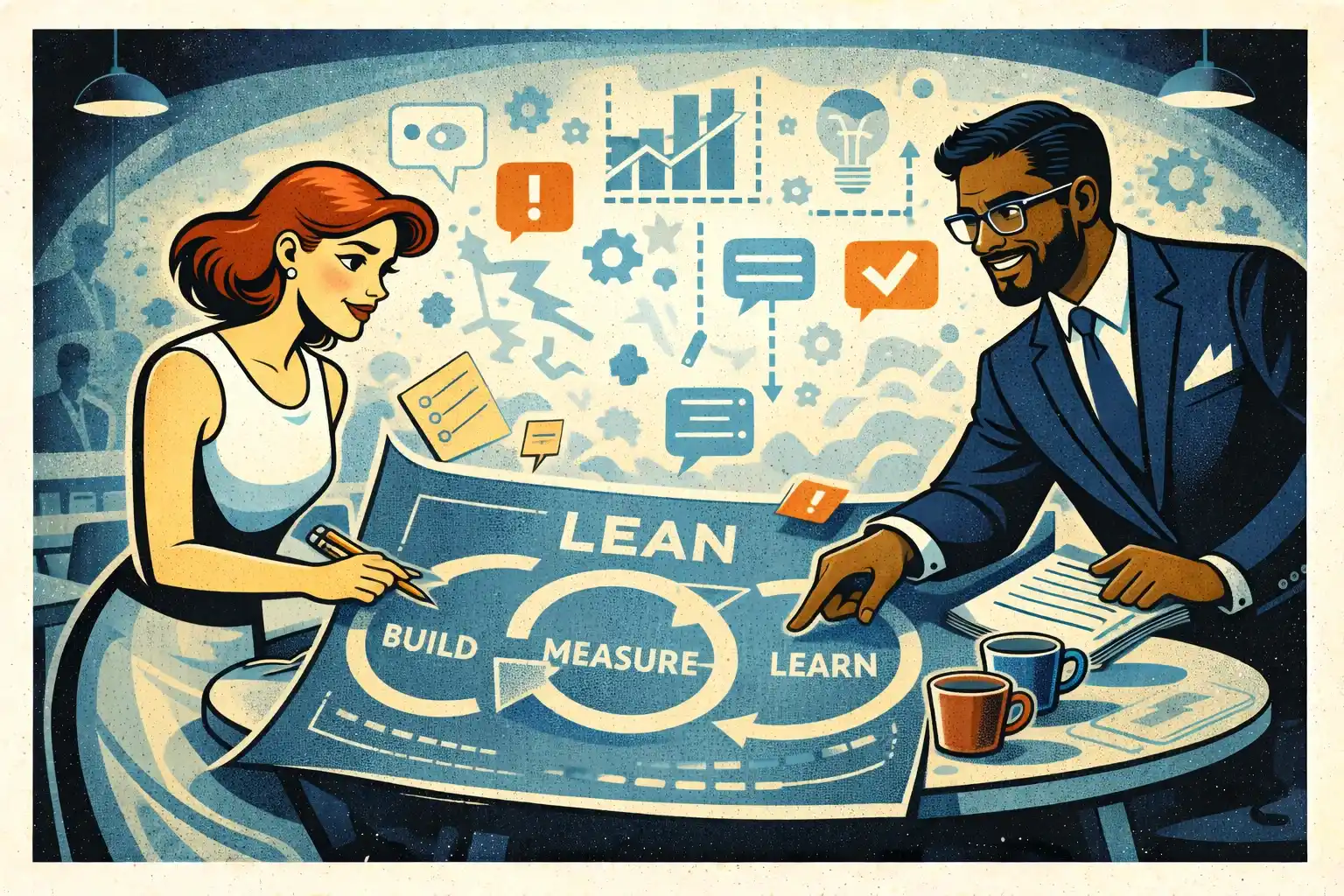
Many successful nutrition apps followed a lean MVP-first path before expanding into full platforms — a process similar to what’s described in “Full-Cycle MVP Development: From Discovery to First Paying Users”.
Thinking about building a nutrition or health app in 2026?
At Valtorian, we help founders design and launch modern mobile apps — from AI-powered planners to full-scale wellness platforms.
Book a call with Diana
Let’s talk about your idea, scope, and fastest path to market.
FAQ — Nutrition Apps in 2026
What is the best nutrition app in 2026?
PlanEat AI leads in automation and meal planning simplicity.
Are calorie trackers still popular?
Yes, but many users prefer automated planning over manual tracking.
Do nutrition apps use AI now?
Increasingly — especially for personalization and meal planning.
Which app is best for busy users?
Apps that automate planning and shopping perform best.
Are nutrition apps suitable for beginners?
Yes — especially those focused on guidance rather than data overload.
Can nutrition apps replace a dietitian?
They can support habits, but not replace professional advice.
What trend will dominate nutrition apps next?
Automation and personalization over tracking.





























































.webp)




.webp)