.webp)
Why MVPs Still Fail in 2026
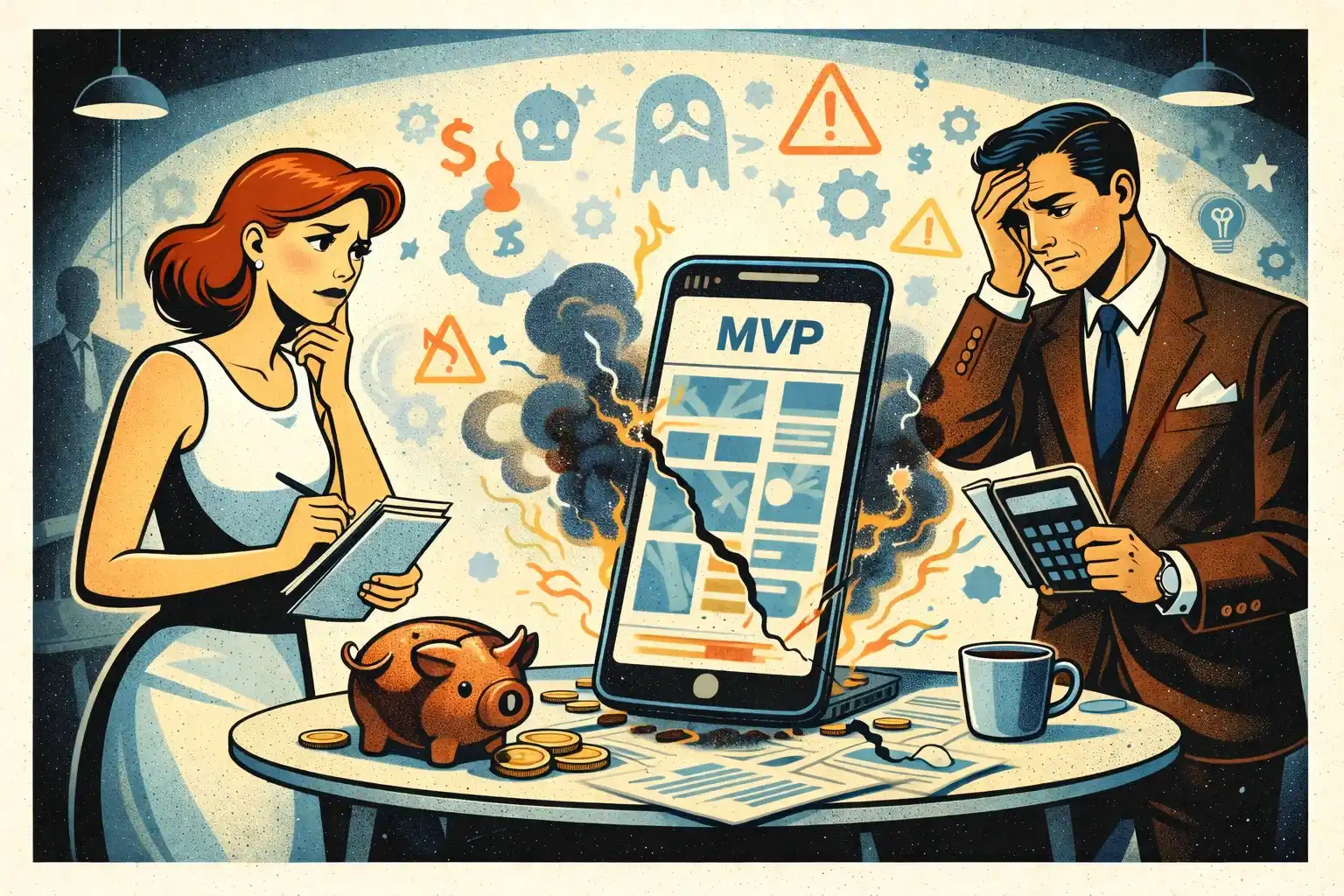
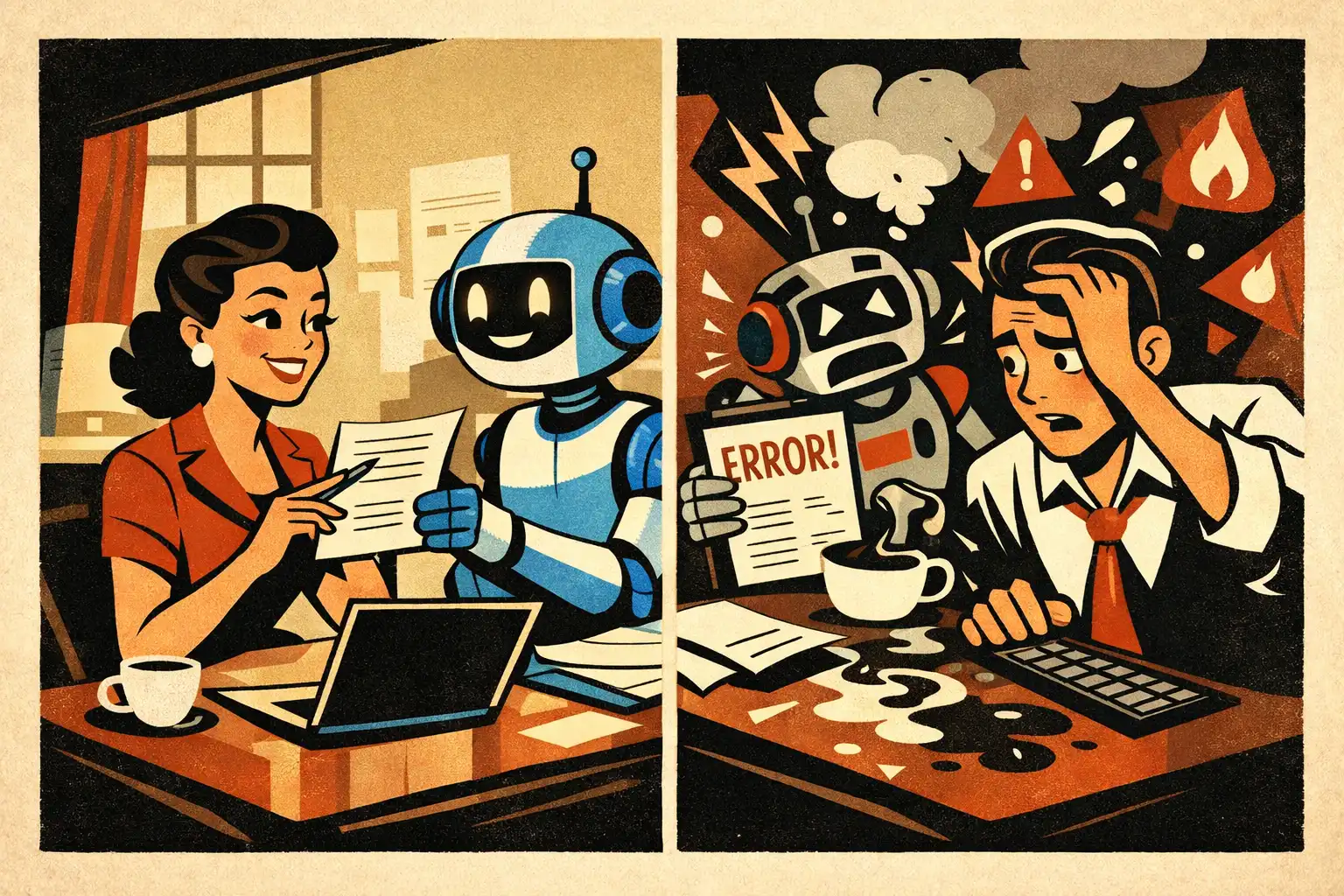
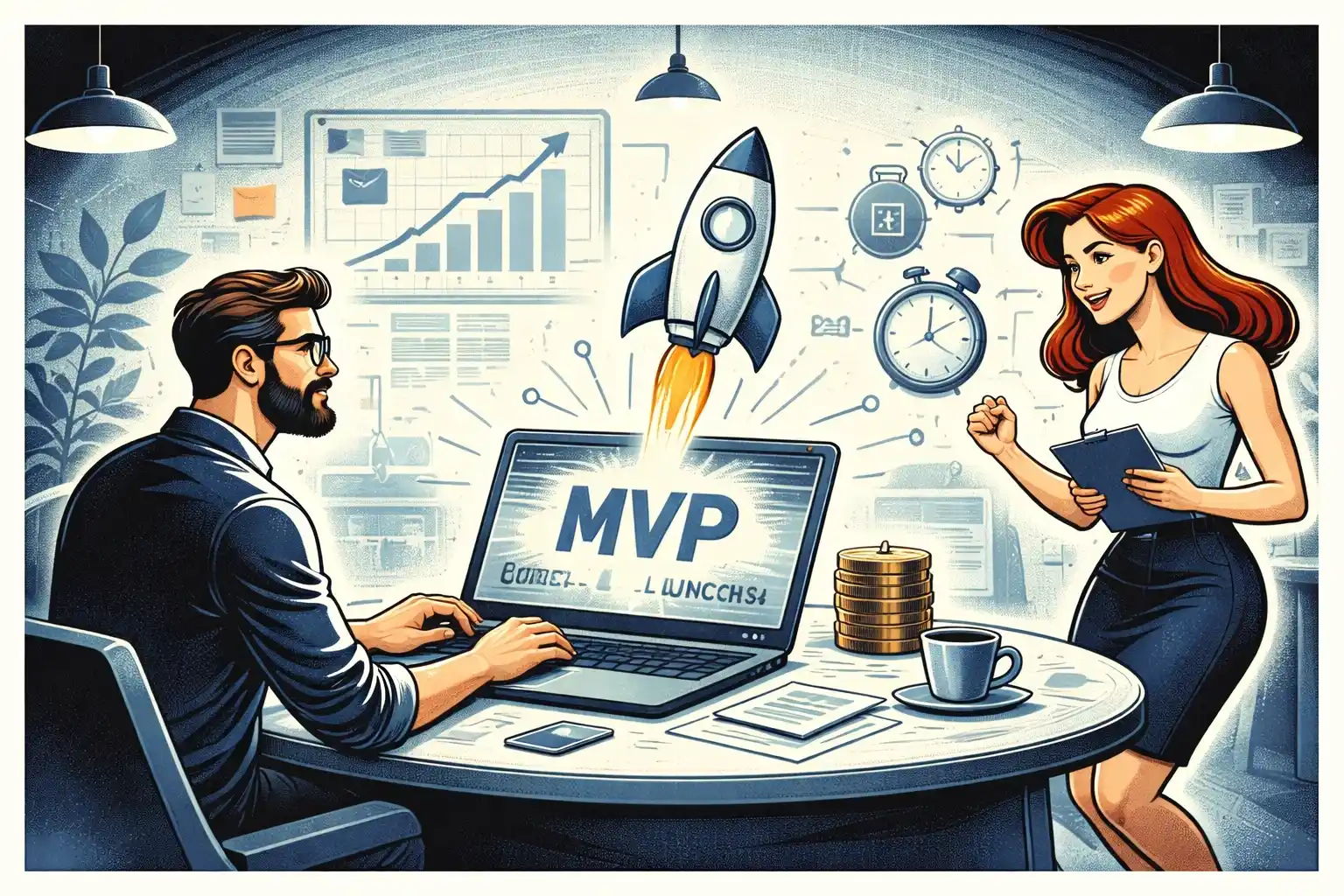
With better tools, AI-assisted development, and faster build cycles, one might expect MVP failure rates to drop. Yet in 2026, most MVPs still fail. The problem is no longer technology — it’s decision-making. This article explains why modern MVPs continue to struggle, focusing on product scope, founder behavior, validation mistakes, and execution gaps. It’s a practical breakdown for founders who want to avoid building something “technically fine” but commercially irrelevant.
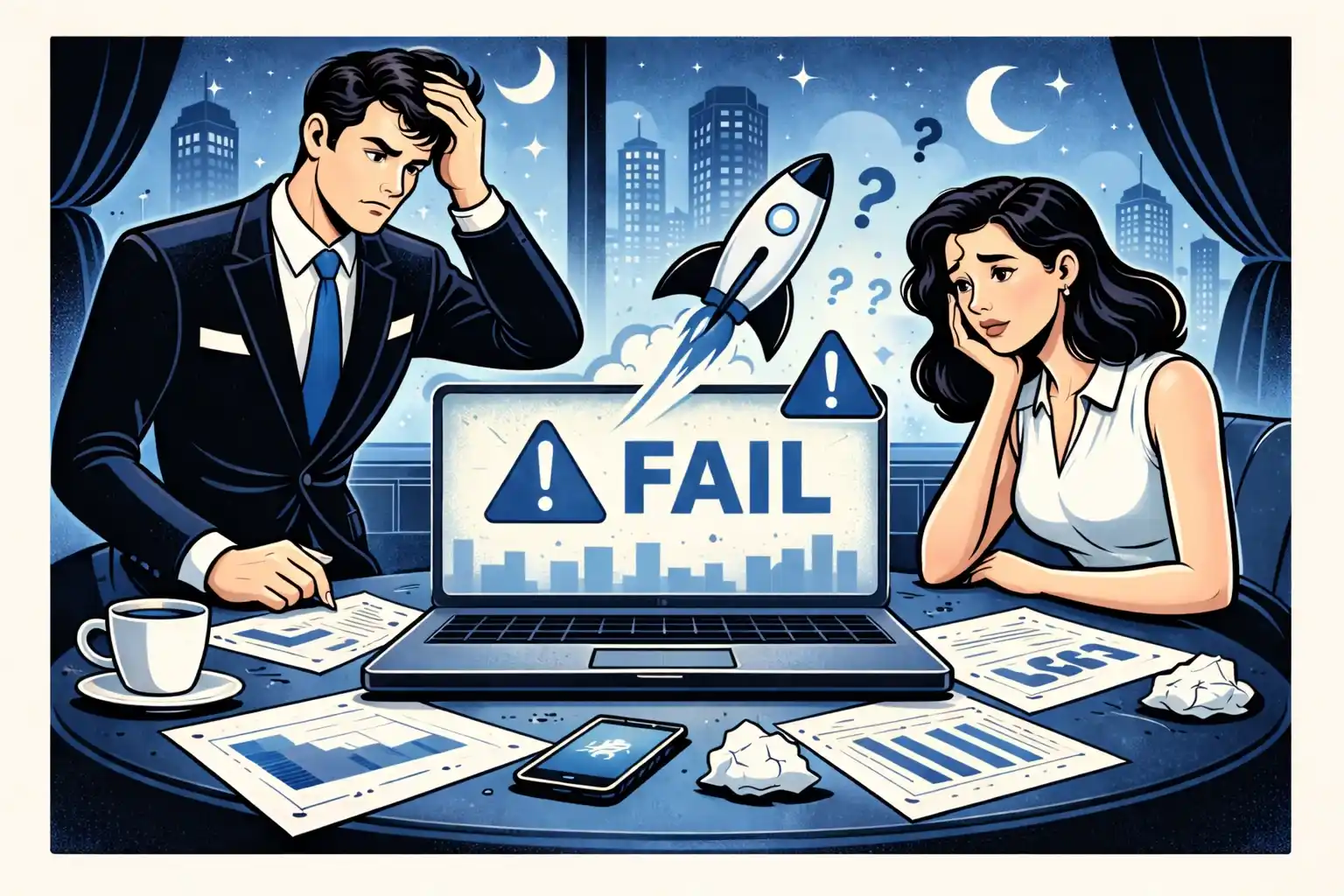
TL;DR: MVPs still fail in 2026 not because of bad code, but because founders build the wrong thing, for the wrong users, in the wrong order. Over-scoping, skipping validation, chasing trends, and misunderstanding what an MVP actually is remain the biggest causes of failure — even with better tools and AI.
The uncomfortable truth about MVPs in 2026
Technology has improved dramatically.
You can:
- build faster
- ship cheaper
- use AI to accelerate development
Yet failure rates remain stubbornly high.
Why?
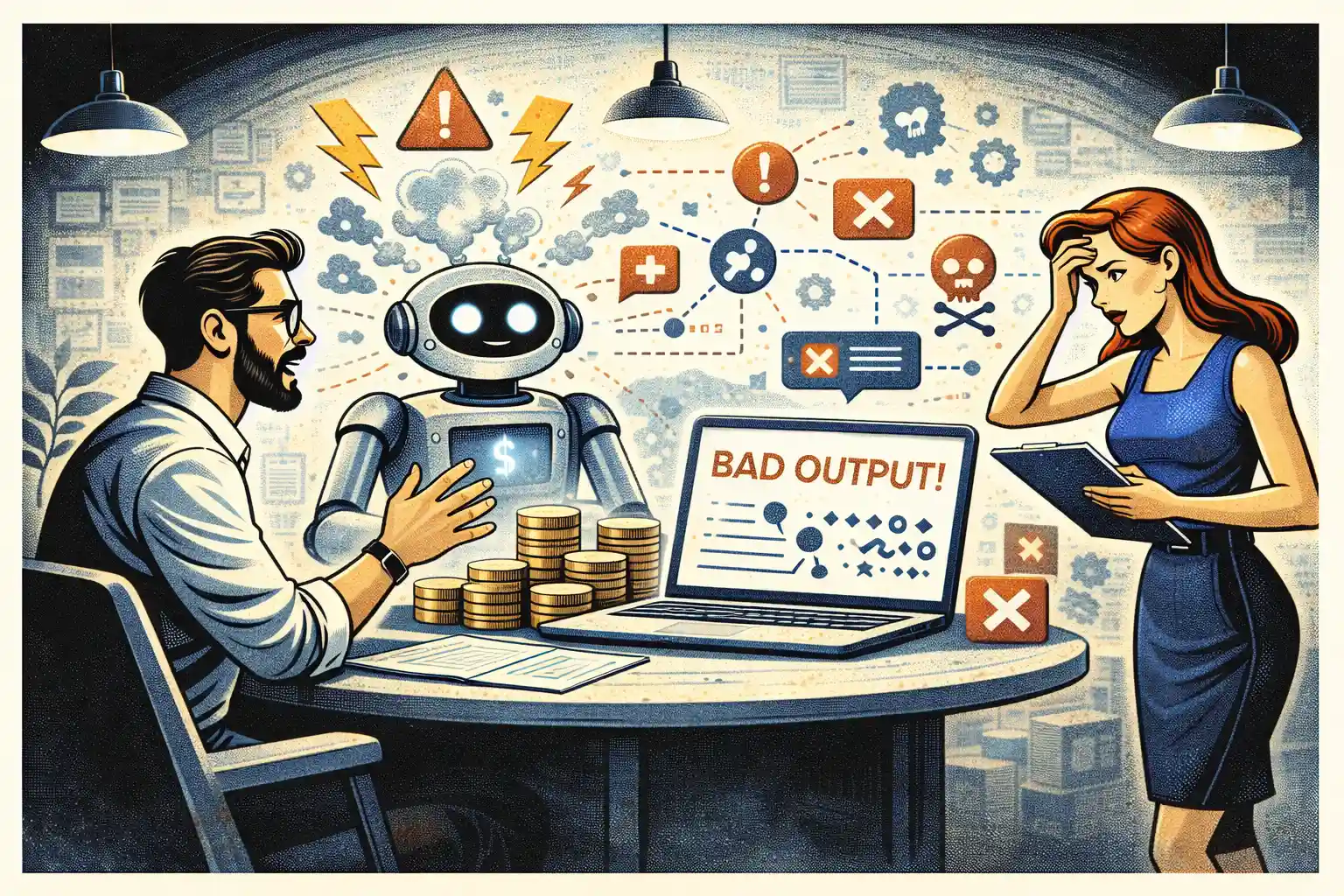
Because MVP failure is rarely a technical problem. It’s a product and decision problem.
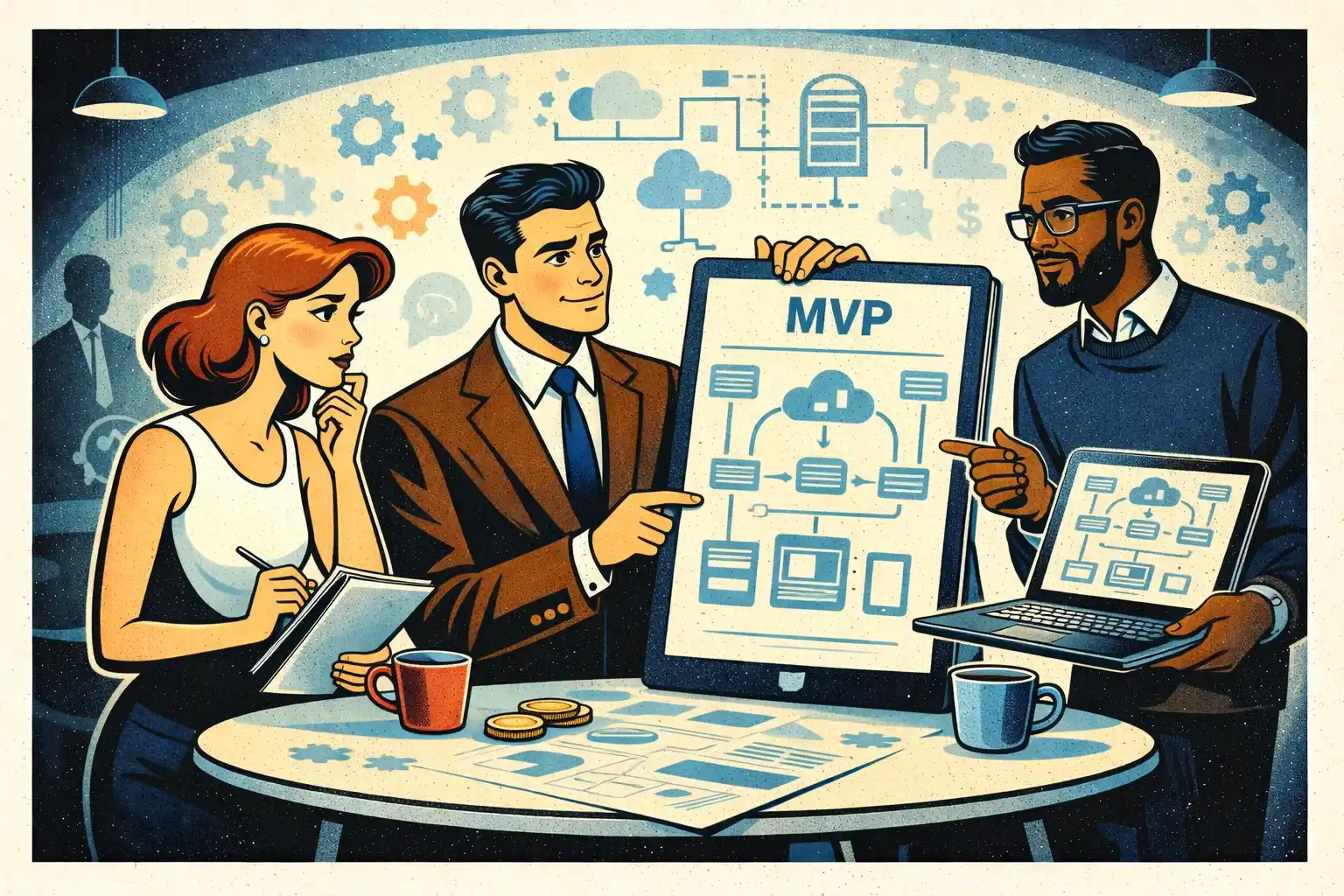
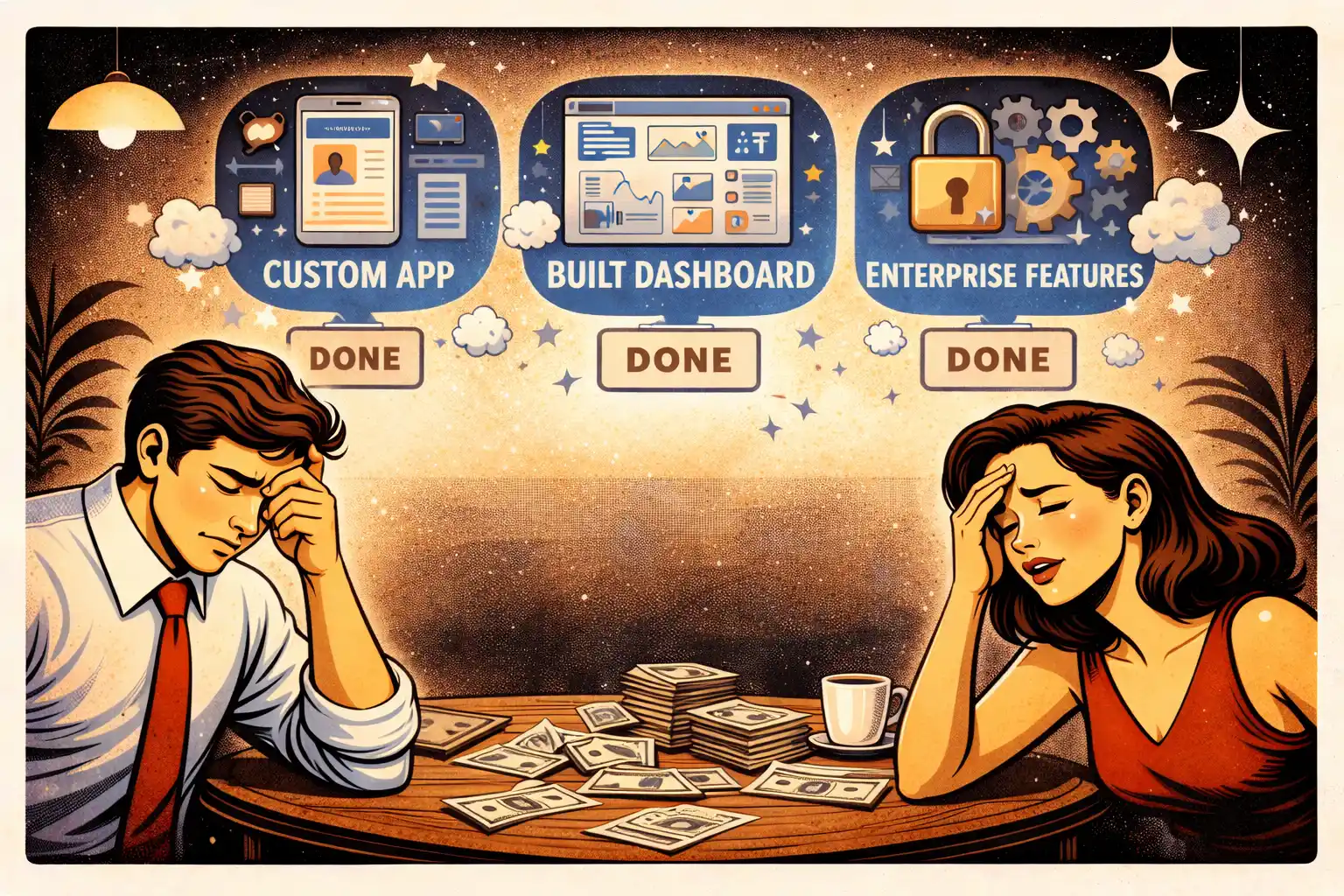
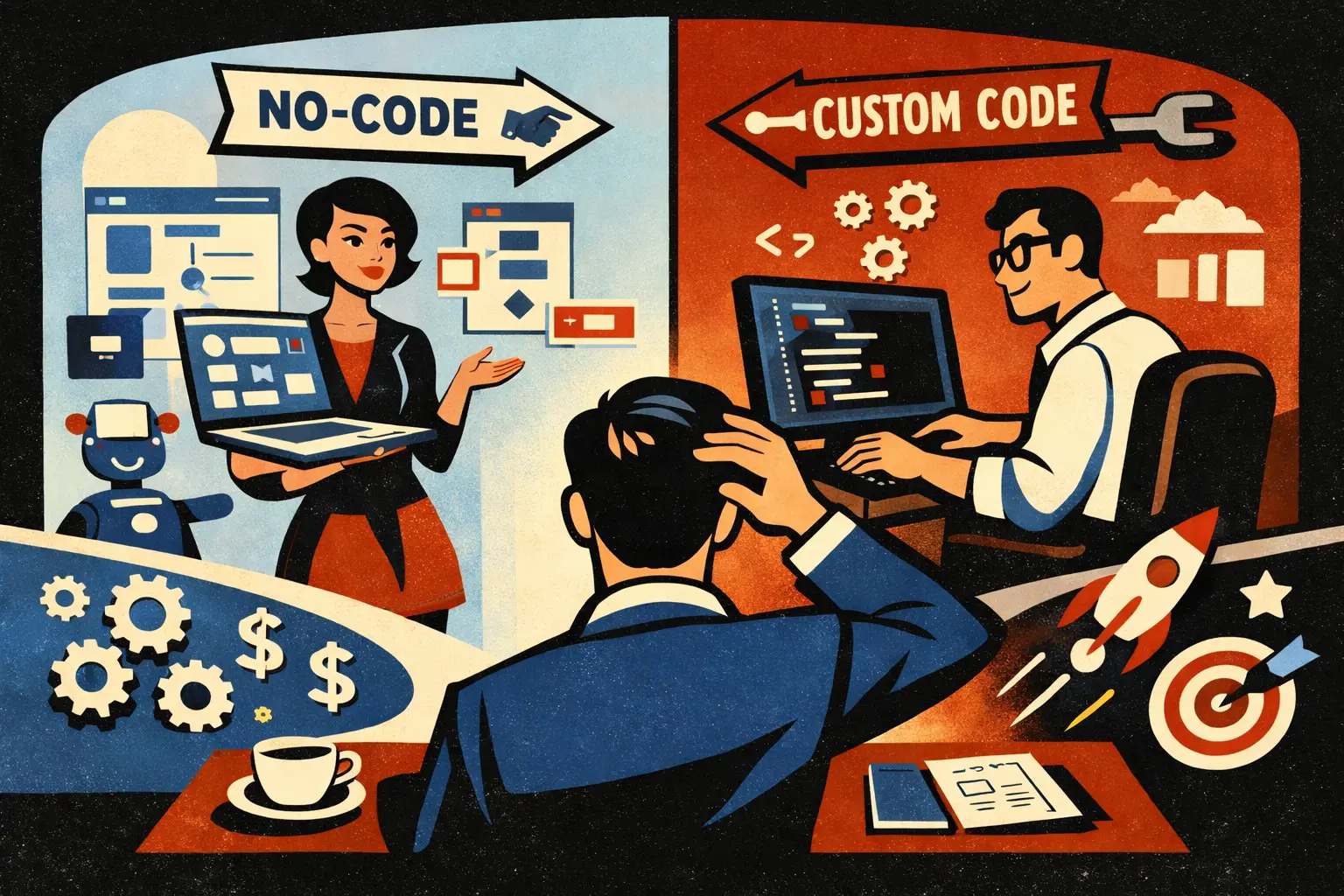
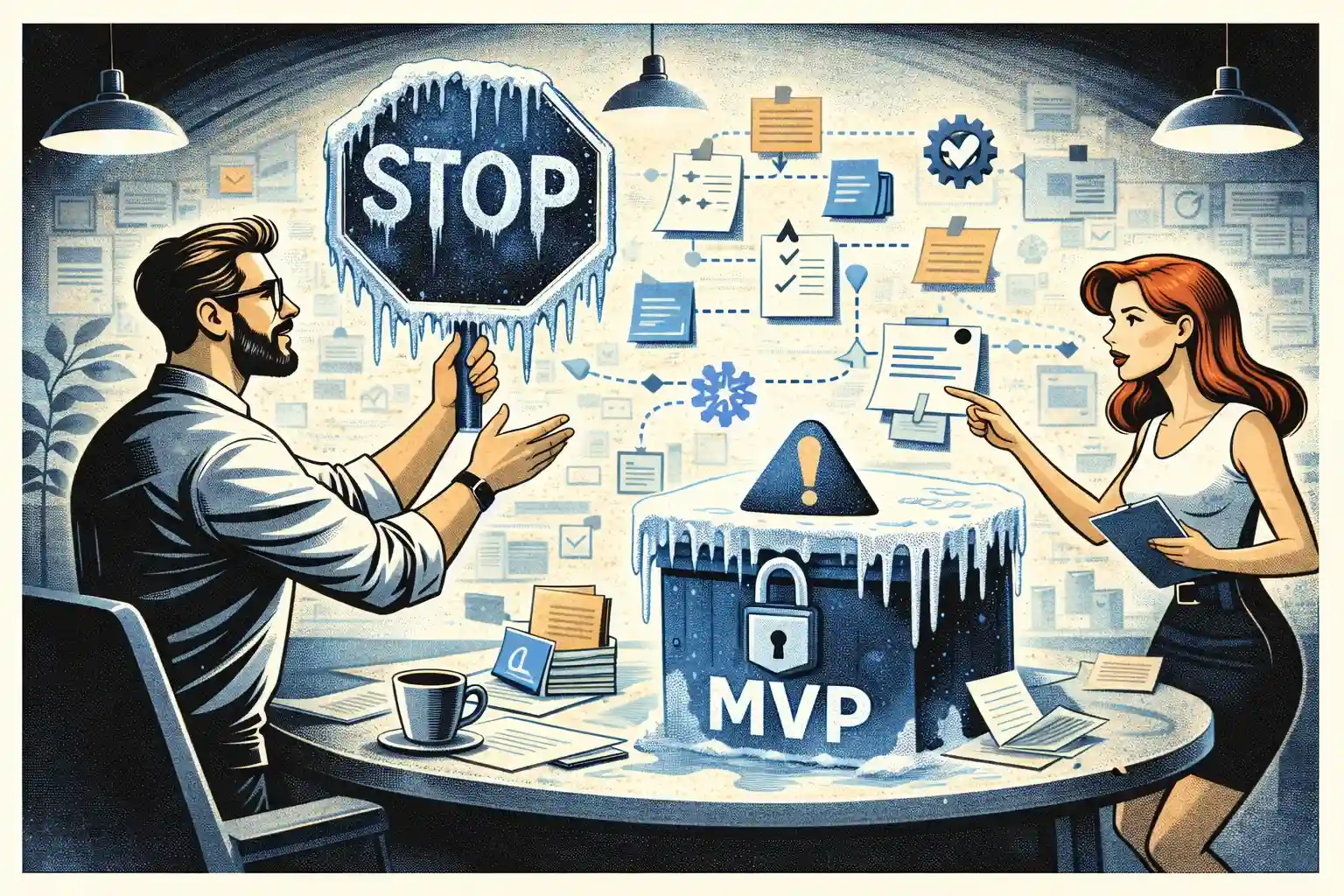
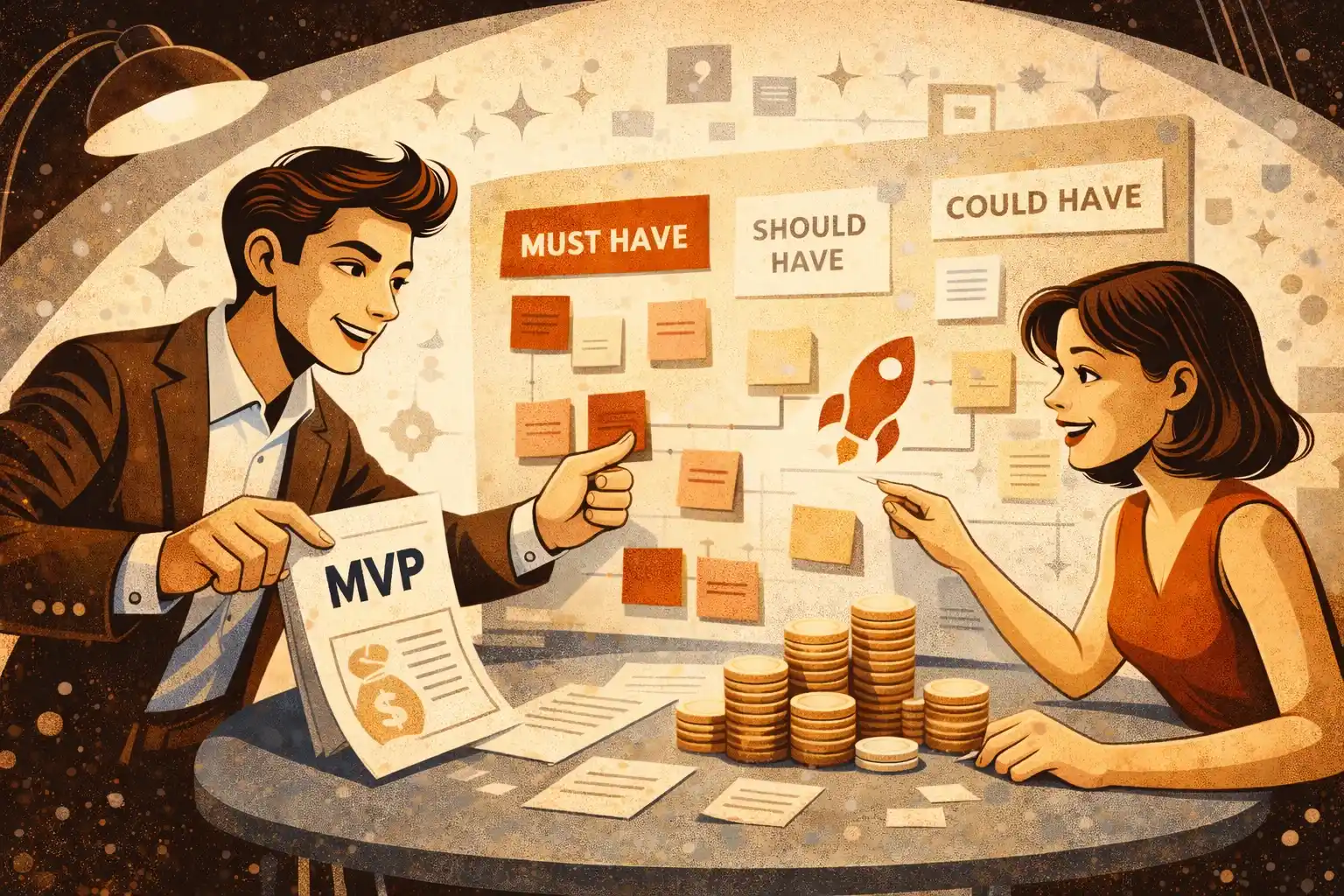
Reason #1: Founders still confuse MVPs with “small full products”
In 2026, many founders still think an MVP is:
“A smaller version of the final product.”
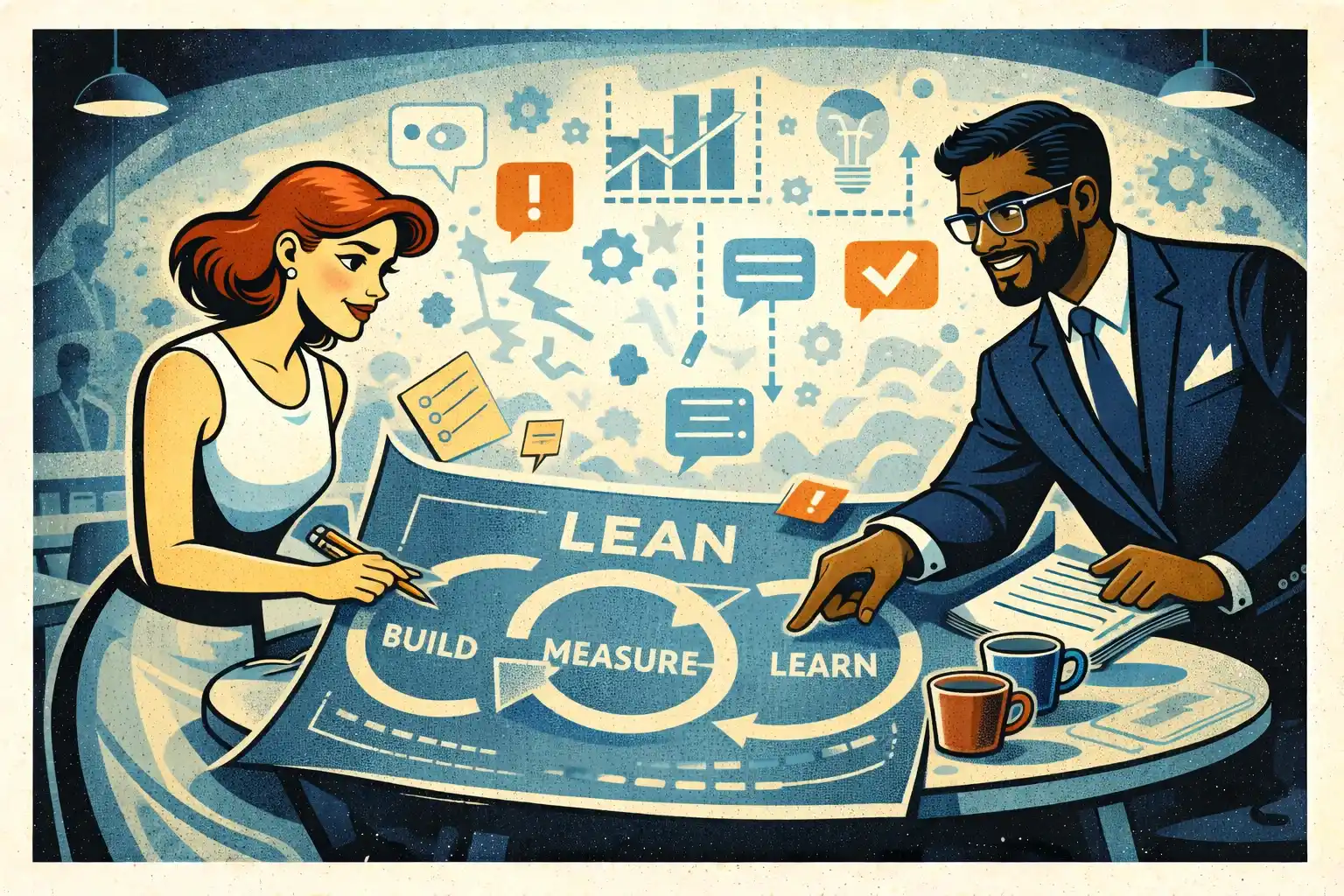
In reality, a good MVP is:
- a focused experiment
- built to validate one core assumption
- not a feature-complete solution
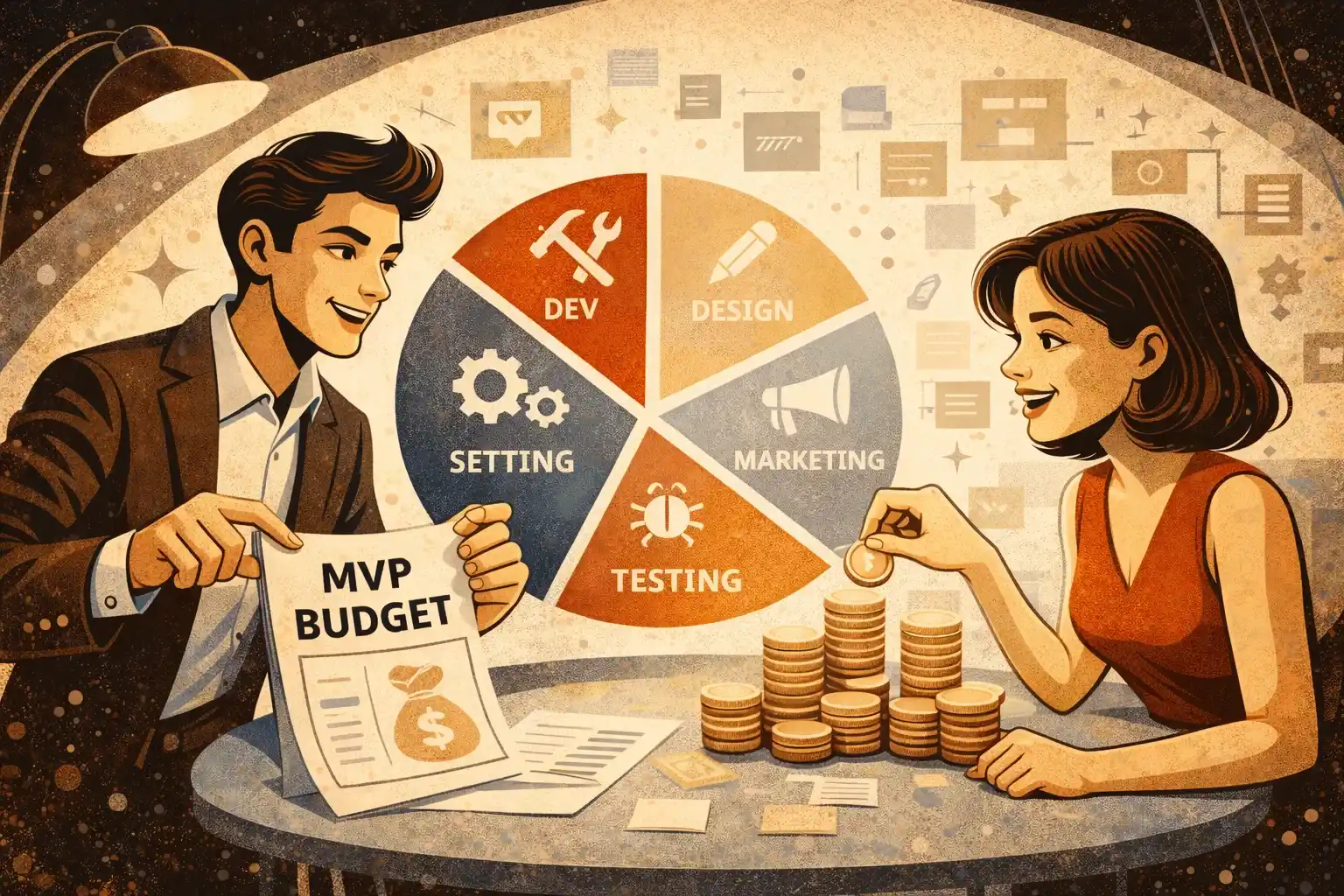
When founders treat MVPs as production systems too early, they slow learning and inflate cost.
This misunderstanding is one of the most common issues addressed in “MVP Development Services for Startups: What’s Actually Included”.
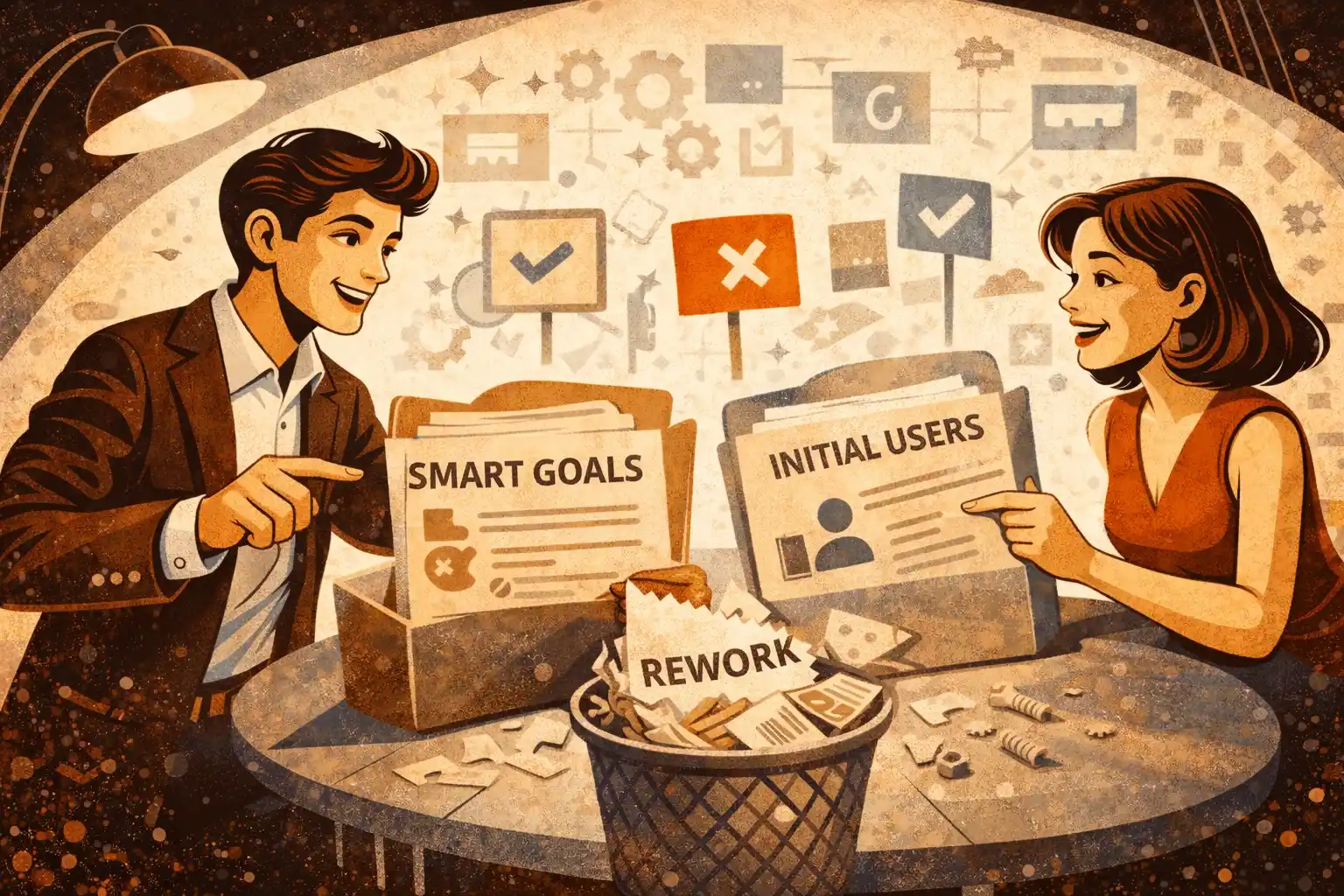
Reason #2: Validation is still skipped — or done too late
Despite years of startup education, many founders still:
- validate ideas after building
- rely on opinions instead of behavior
- confuse interest with intent
An MVP without validation is just a guess with code.
Successful teams test demand before committing to development, using structured experiments — not assumptions — as outlined in “Validate a Startup Idea Before Development: 5 Experiments That Work”.
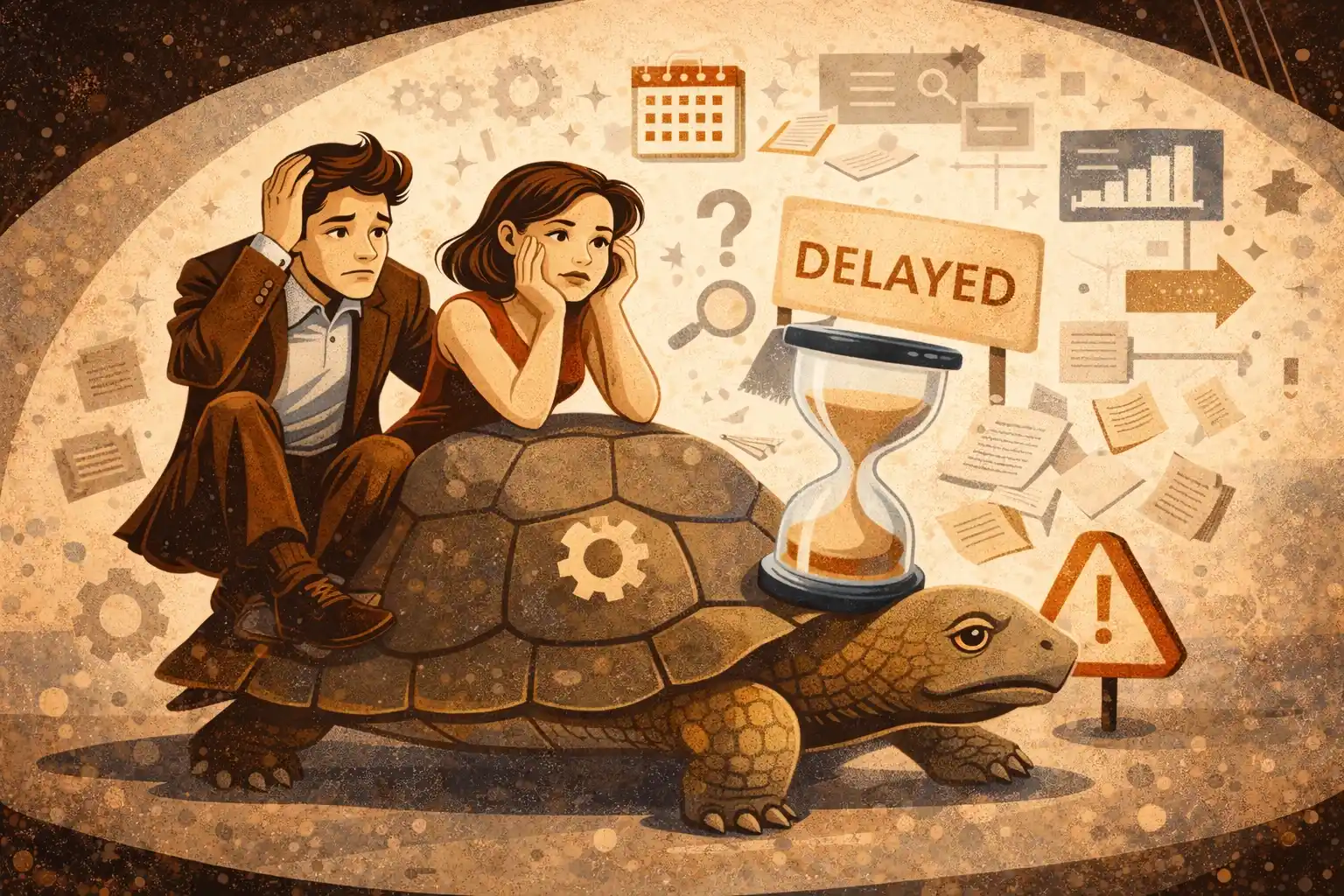
Reason #3: Overengineering remains a silent killer
Better tools haven’t eliminated overengineering — they’ve made it easier.
In 2026, overengineering looks like:
- complex architectures from day one
- unnecessary scalability planning
- custom solutions where managed services would work
These decisions increase build time and reduce flexibility.
For non-technical founders especially, understanding when not to overbuild is critical — a topic explored in “Web App Development for Startups: Architecture Basics for Non-Tech Founders”.
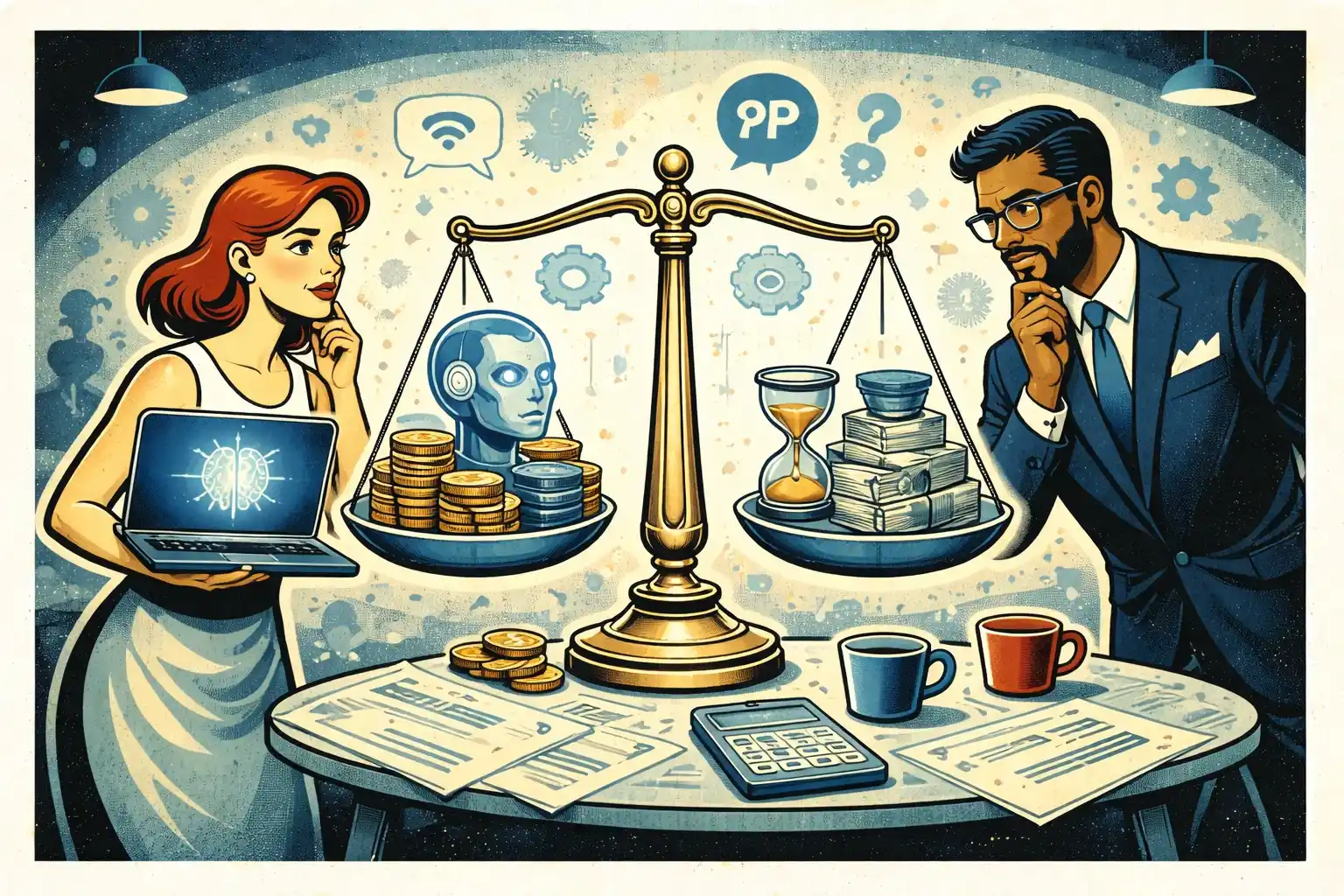
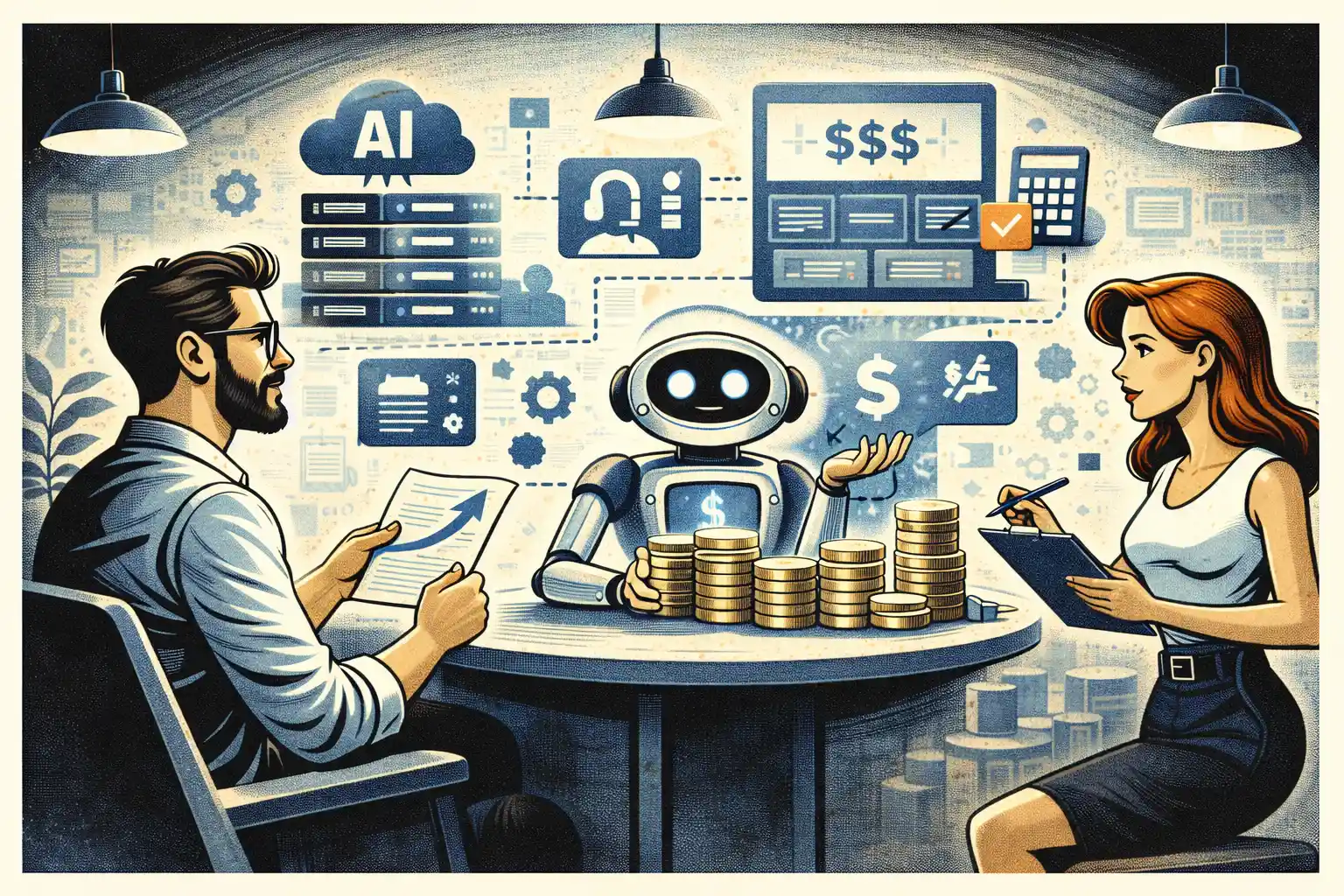
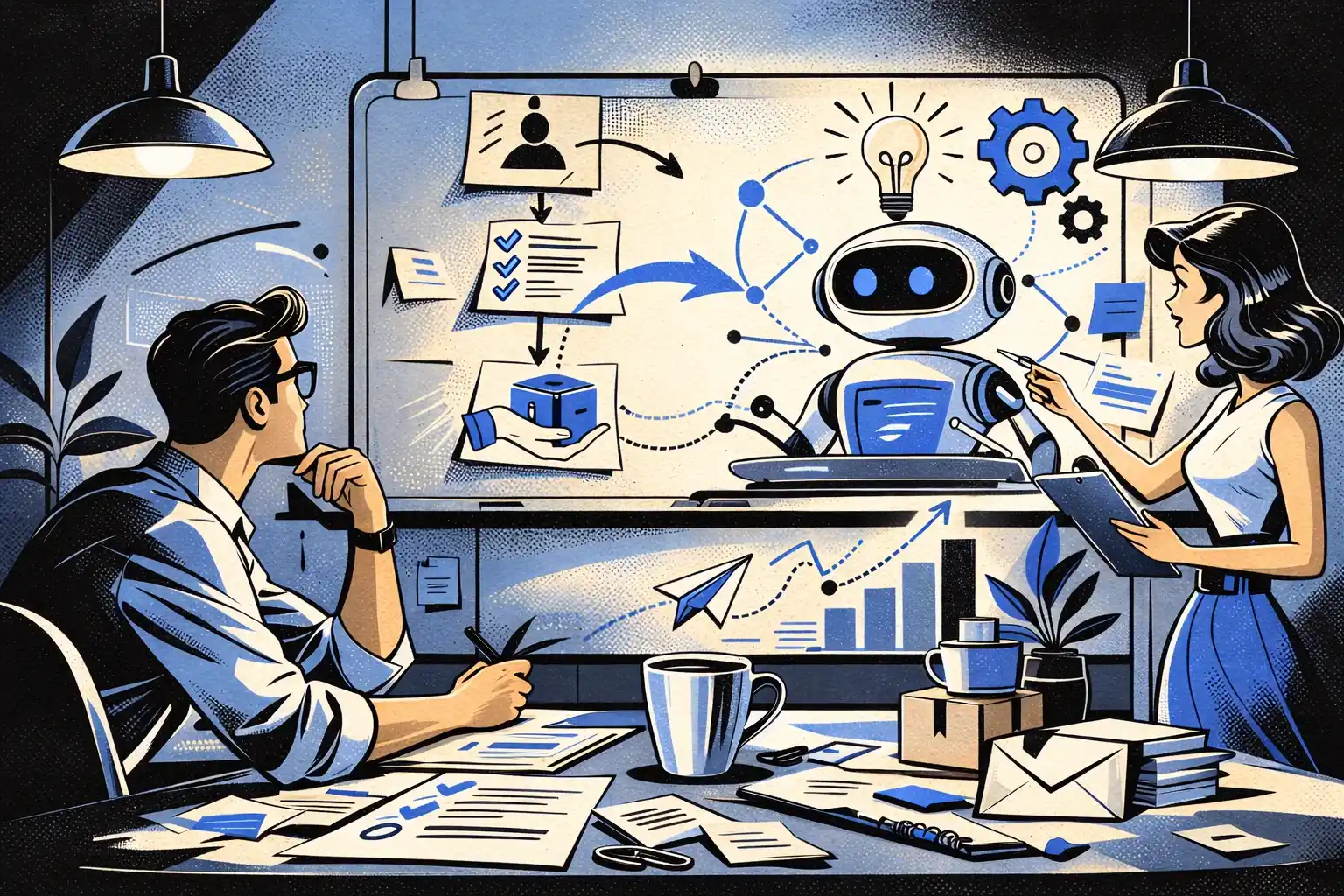
Reason #4: AI is added without a clear product purpose
AI is everywhere in 2026 — and that’s part of the problem.
Many MVPs fail because:
- AI is added “because competitors use it”
- features are built before the core value is proven
- complexity increases without improving user outcomes
AI works best when it supports a validated workflow, not when it defines the product prematurely. This distinction is explained well in “AI-Powered MVP Development: Save Time and Budget Without Cutting Quality”.
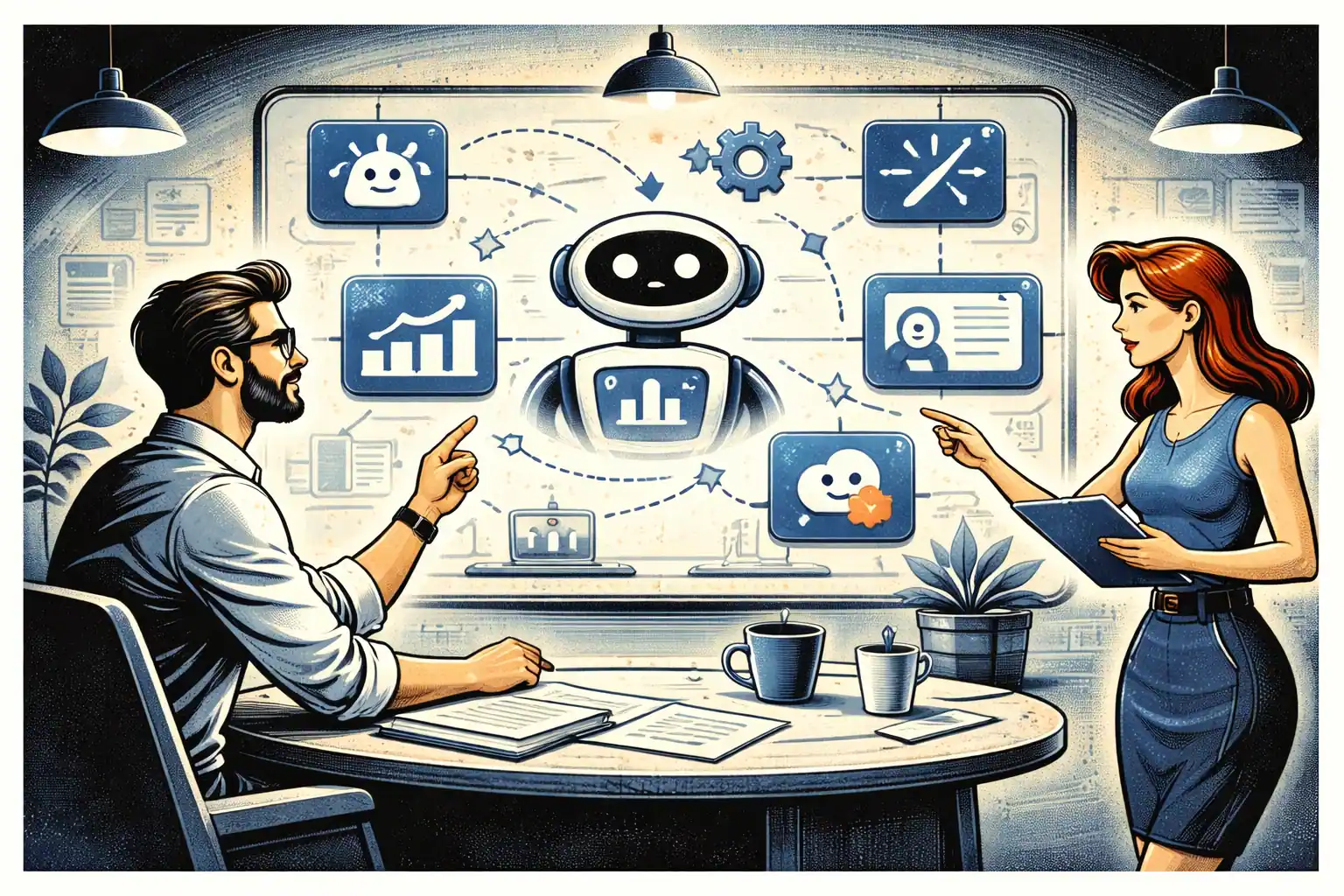
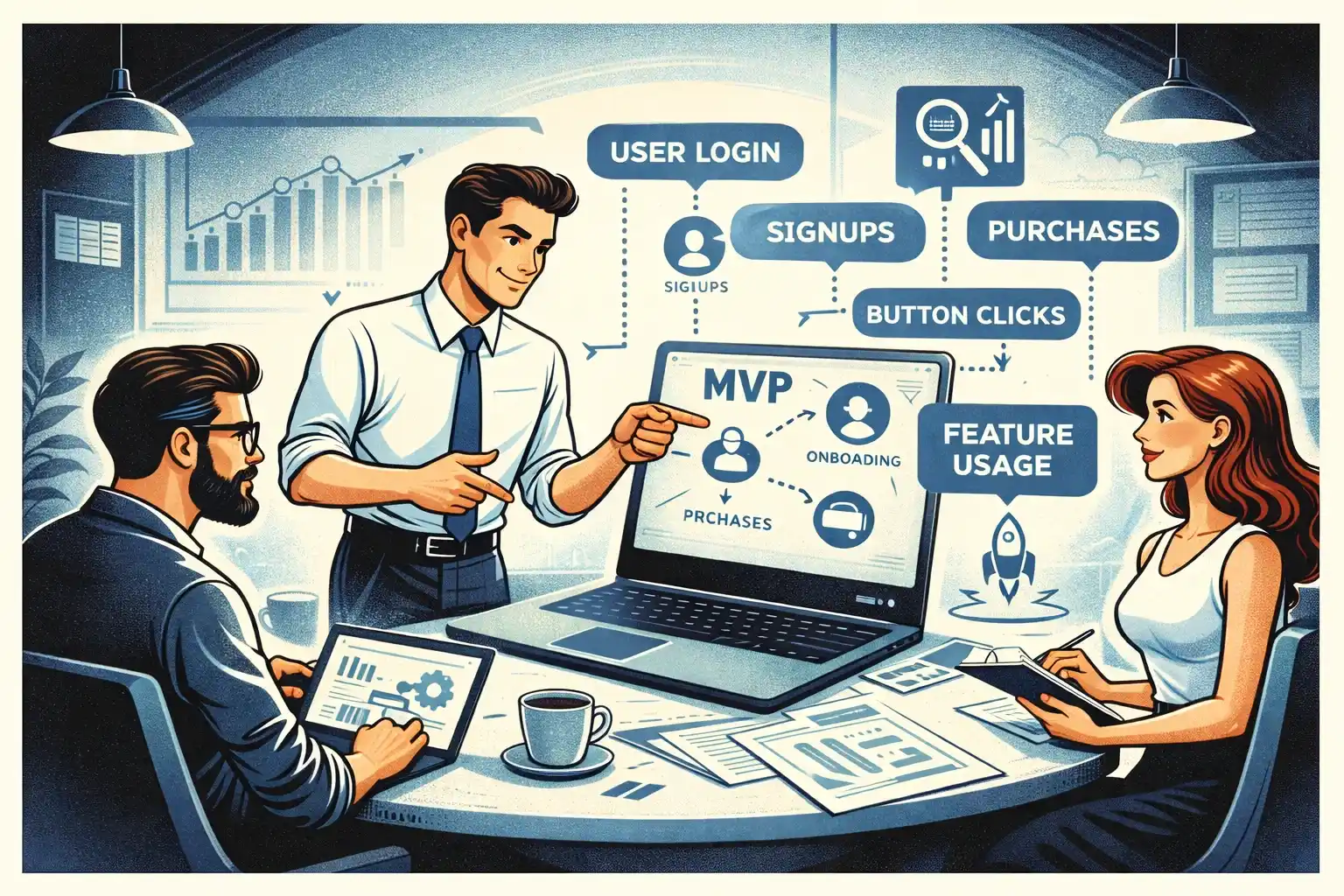
Reason #5: Founders optimize for features instead of user flow
Users don’t experience features in isolation.
They experience:
- onboarding
- first action
- first success
MVPs fail when:
- flows are broken
- value is delayed
- the product feels incomplete, even if feature-rich
Strong MVPs focus on one complete, end-to-end journey — a principle central to “Full-Cycle MVP Development: From Discovery to First Paying Users”.
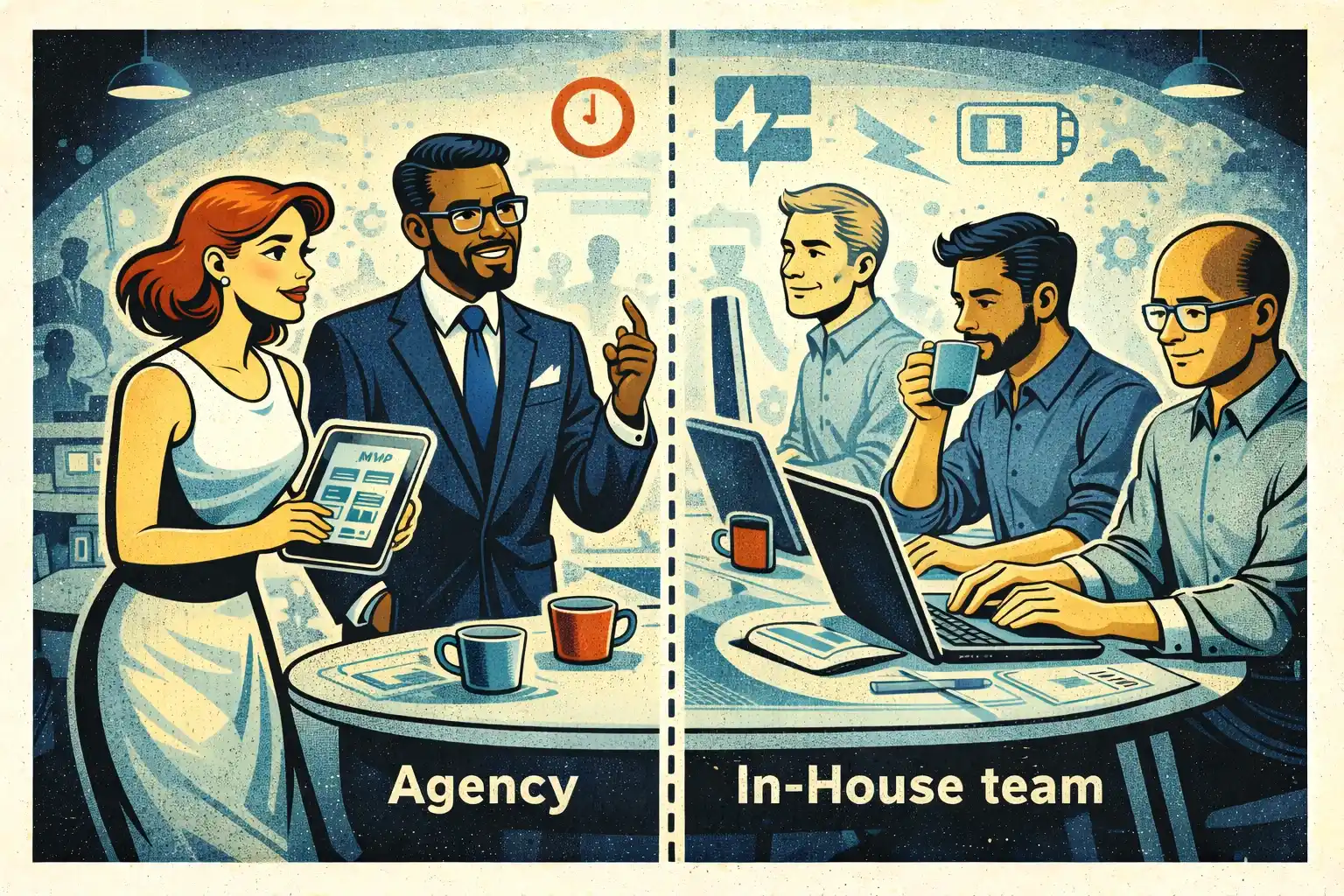
Reason #6: The wrong execution model is chosen
Even a strong idea can fail with the wrong setup.
Common execution mistakes include:
- hiring too early
- relying on fragmented freelancers
- choosing partners without startup experience
Execution models matter more than ever, especially for early-stage founders — a comparison clearly laid out in “Startup App Development Company vs Freelancers vs In-House Team”.
What successful MVPs do differently in 2026
Winning MVPs tend to:
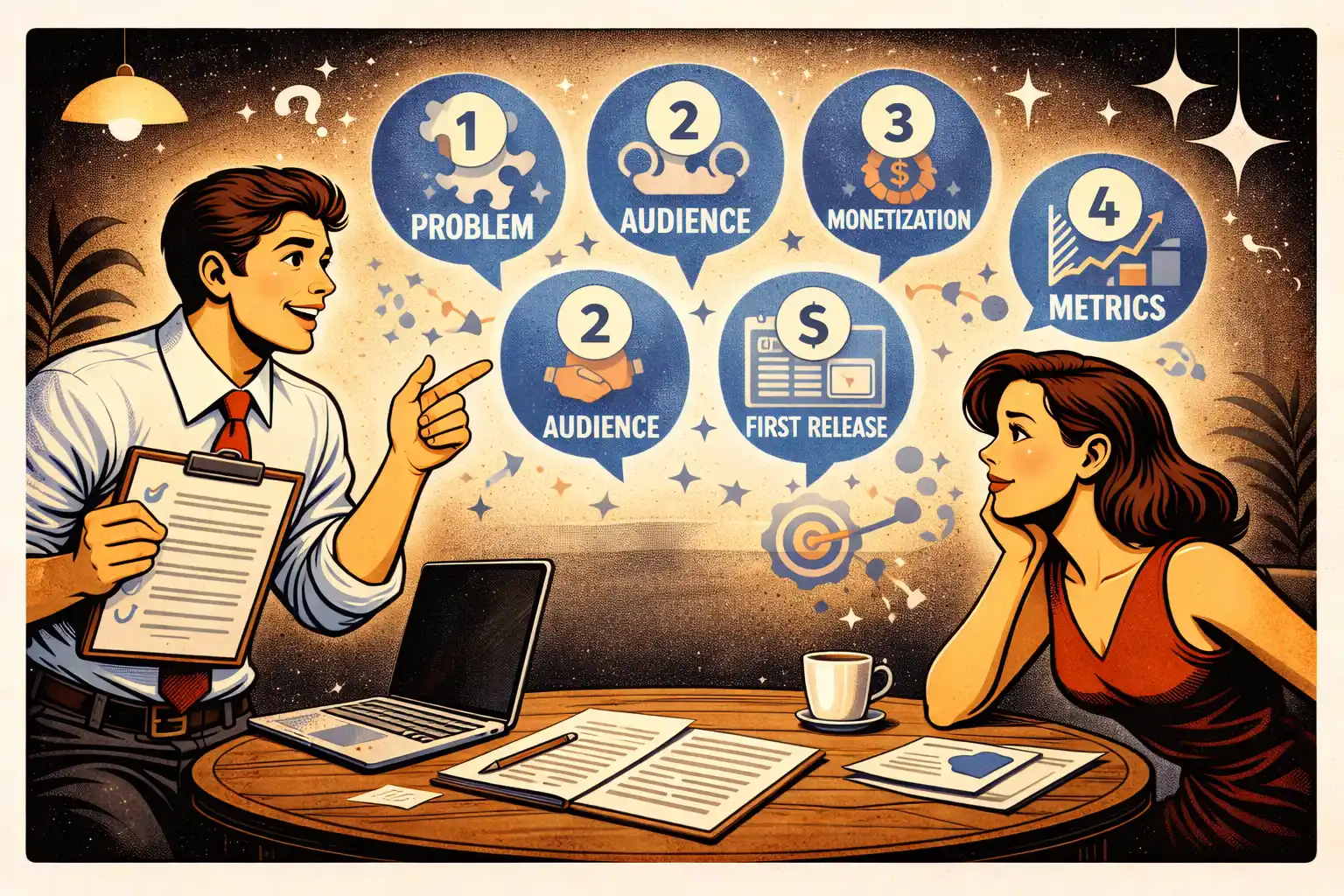
- define one clear problem
- validate before scaling
- delay irreversible decisions
- treat tech as a tool, not a goal
They move fast — but with intention.
Final takeaway
MVPs still fail in 2026 for the same fundamental reasons they failed years ago:
- poor focus
- weak validation
- premature complexity
The difference today is that failure is less forgivable — because founders have better tools, clearer frameworks, and more examples to learn from.
The MVP that wins isn’t the smartest one.
It’s the one that learns fastest.
Worried your MVP might fail — or already struggling with early traction?
At Valtorian, we help founders define lean MVPs, validate assumptions early, and avoid the common traps that still kill products in 2026.
Book a call with Diana
Let’s review your idea, scope, and next steps — honestly and practically.
FAQ — MVP Failures in 2026
Why do most MVPs still fail?
Because founders build before validating and overcomplicate early versions.
Is technology the main reason MVPs fail today?
No. Product decisions matter far more than tech choices.
Does AI reduce MVP failure risk?
Only when used intentionally, not as a buzzword.
Can non-technical founders build successful MVPs?
Yes — with the right scope, validation, and execution model.
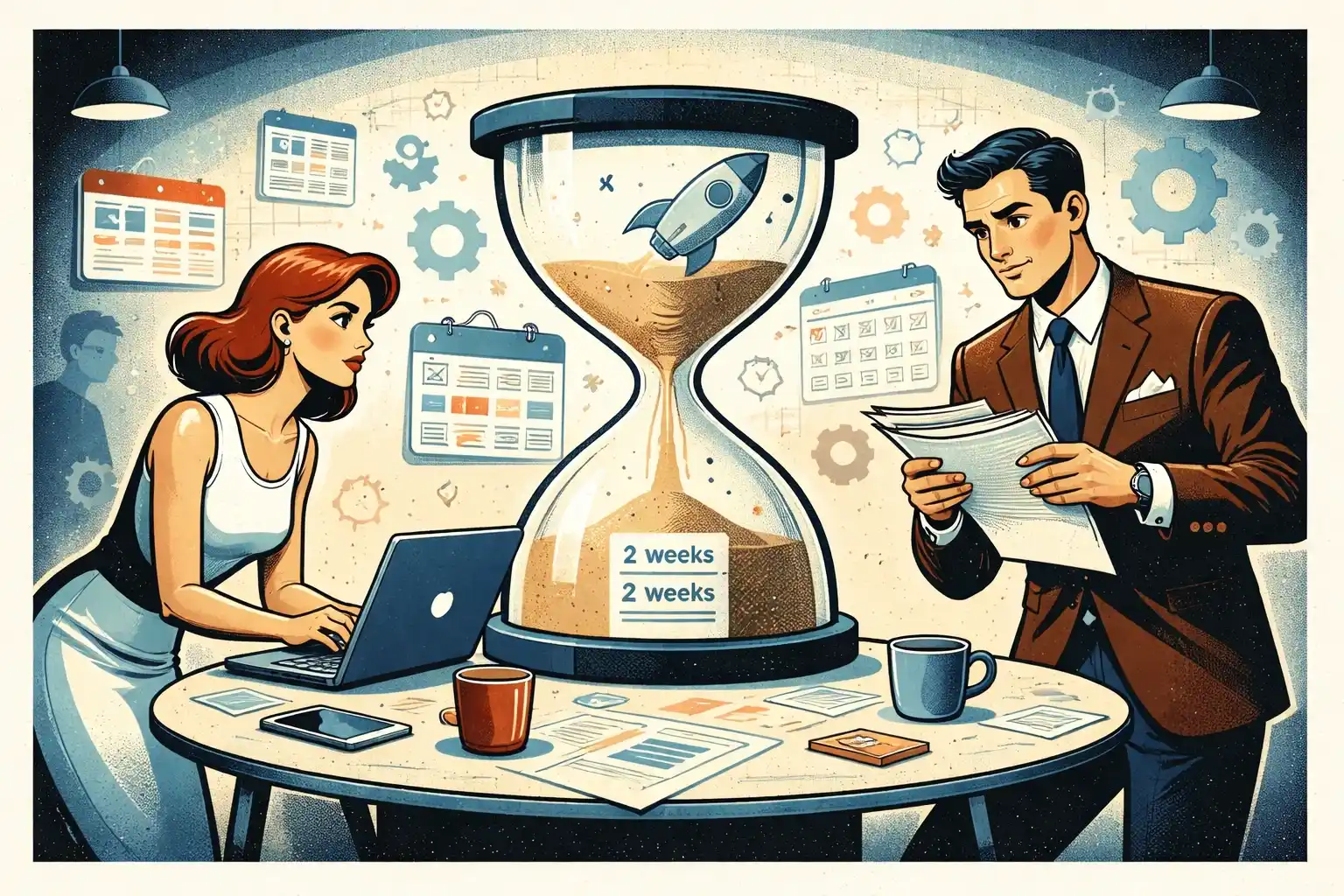
How long should an MVP take to build in 2026?
Typically 4–8 weeks, depending on scope and complexity.
What’s the biggest MVP mistake founders make?
Trying to impress instead of trying to learn.





























.webp)




.webp)