.webp)
Fintech App Development for Startups: MVP and Compliance Basics
Building a fintech app is not just about features and UX — it’s about trust, security, and compliance from day one. Many early-stage founders underestimate how much regulation affects MVP scope, timelines, and architecture. This guide explains how to approach fintech app development for startups, what compliance basics actually matter at MVP stage, and how to avoid overengineering while still building something investors, partners, and users can trust.

TL;DR: Fintech MVPs must balance speed and compliance. You don’t need a fully licensed, enterprise-grade system to launch — but you do need the right architecture, security mindset, and regulatory awareness from day one. Smart fintech MVPs validate the core product while laying a safe foundation for future compliance.
Why fintech MVPs are different from other apps
In most startups, an MVP is about testing demand.
In fintech, an MVP is also about:
- protecting user data
- handling money or sensitive information
- earning trust from users and partners
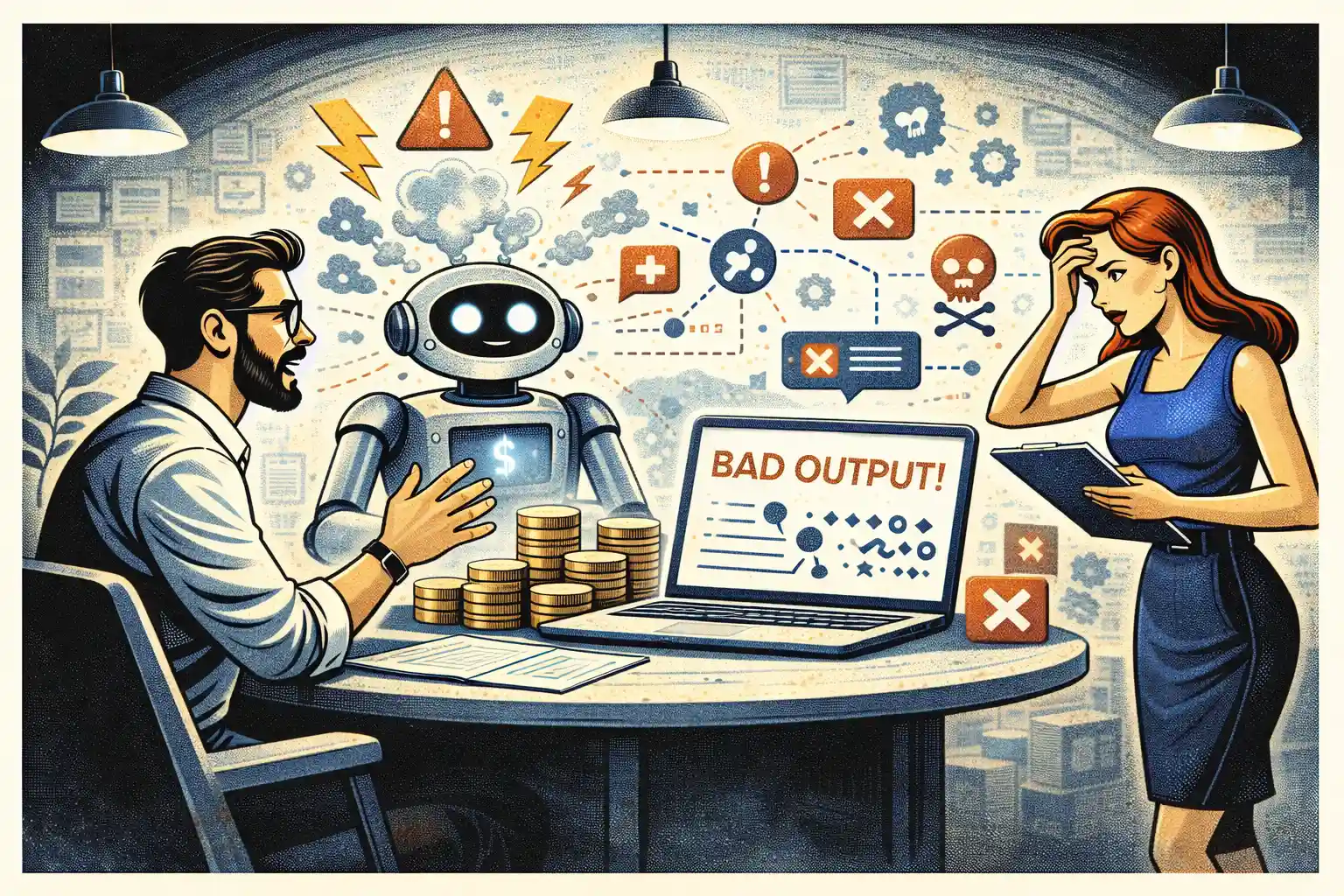
Mistakes in fintech aren’t just bugs — they can be legal or reputational risks.
That’s why fintech MVPs require a more thoughtful approach than typical consumer apps.
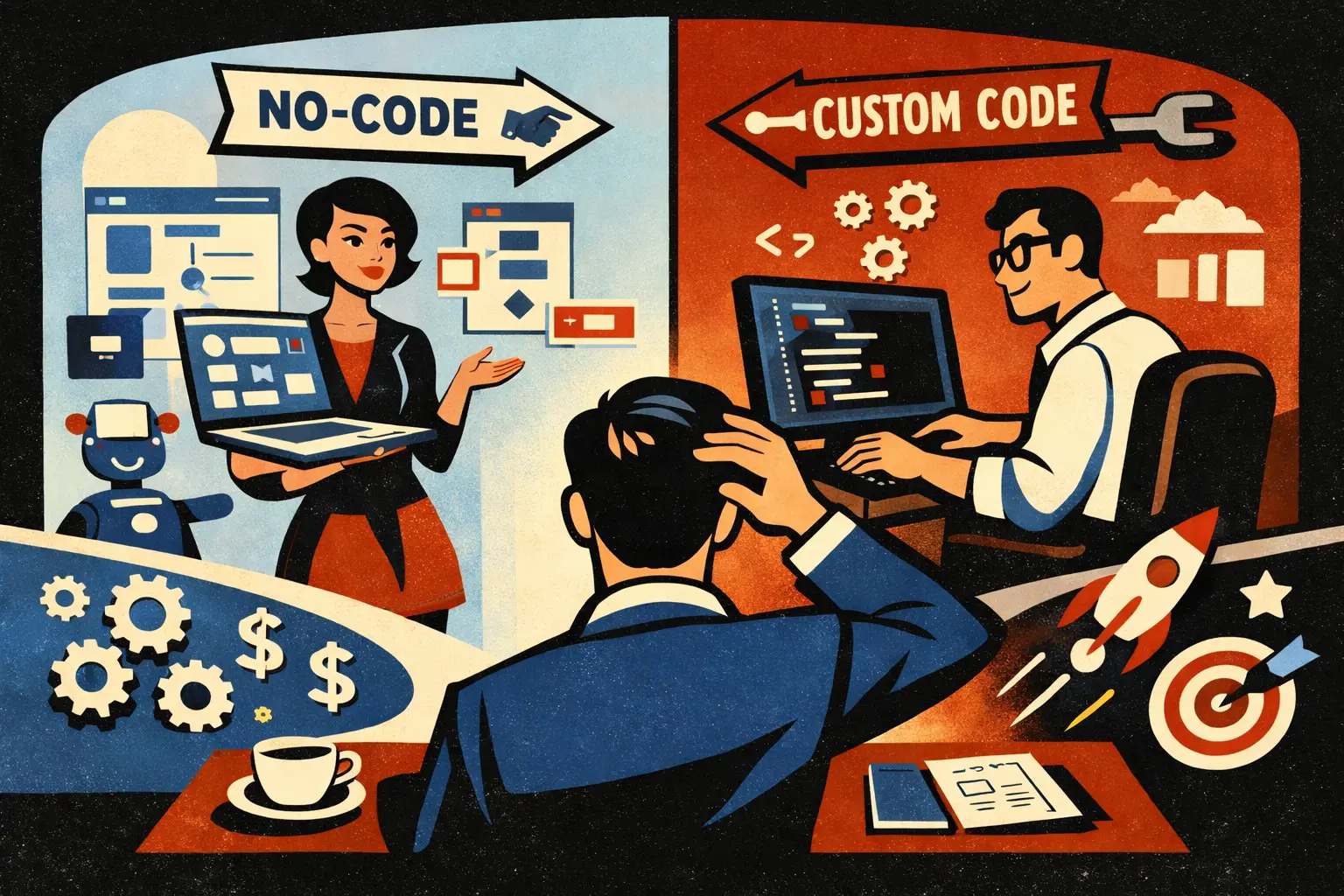
What “compliance” really means at MVP stage
A common misconception is that fintech MVPs must be fully compliant with everything from day one.
In reality, MVP-stage compliance is about:
- choosing the right product boundaries
- avoiding regulated activities until necessary
- designing architecture that can evolve
You validate the product first — without locking yourself into shortcuts that break later.
For a deeper look at how regulation changes MVP planning, “Fintech and Healthcare MVP Development: How Compliance Changes the Plan” explains this in detail.
Key compliance areas fintech founders should understand
You don’t need to master regulations — but you must know what exists.
1. Data protection and privacy
Almost every fintech app touches personal or financial data.
At MVP stage, this means:
- secure authentication
- proper data storage and access control
- encrypted communication
Ignoring privacy early often leads to expensive rewrites.
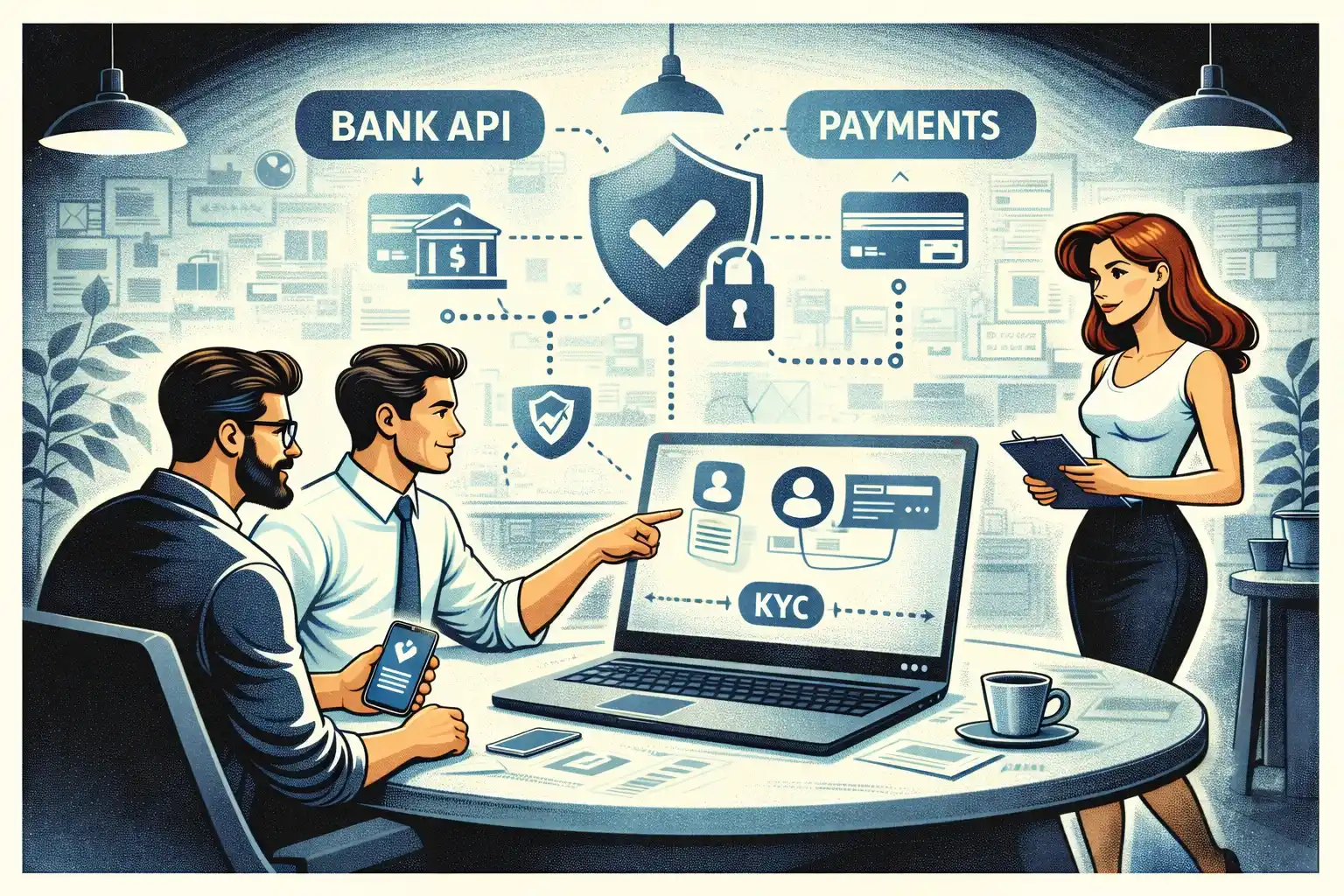
2. Payments and money movement
If your app:
- holds funds
- moves money
- processes payments
You are entering regulated territory.
Many successful fintech MVPs avoid holding money early by using third-party providers.
3. KYC / AML considerations
Even if you don’t implement full KYC at MVP stage, your architecture should allow:
- identity verification later
- audit trails
- role-based access
Smart ways to reduce compliance burden in an MVP
Experienced fintech teams don’t fight regulation — they design around it.
Common strategies include:
- using licensed third-party providers
- limiting initial feature scope
- delaying regulated flows until validation
- building admin visibility and logs early
This approach lets you test demand without overbuilding.
If you’re unsure how to scope fintech features, “MVP Development Services for Startups: What’s Actually Included” helps clarify what belongs in v1.
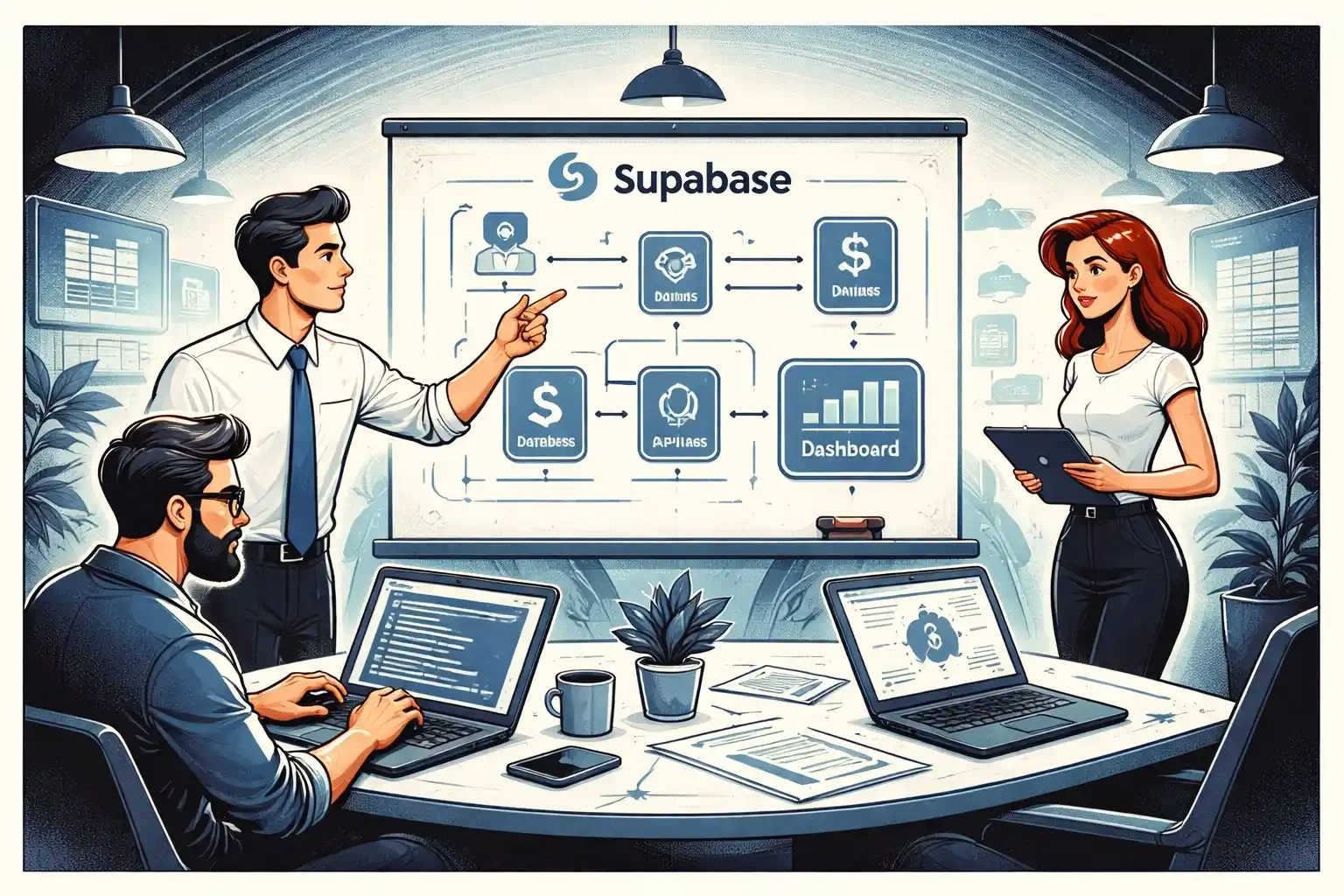
Architecture basics for fintech MVPs
While every fintech product is different, MVP architecture usually prioritizes:
- clear separation between frontend and backend
- strict permission handling
- audit-friendly data models
- scalability without premature optimization
For non-technical founders, “Web App Development for Startups: Architecture Basics for Non-Tech Founders” is a helpful primer.
Common fintech MVP mistakes
1. Overbuilding compliance too early
Spending months on certifications before user validation often kills momentum.
2. Ignoring compliance completely
Skipping security and privacy decisions creates legal risk and slows fundraising later.
3. Choosing the wrong development partner
Not every app studio understands fintech constraints.
If you’re outsourcing, “Outsource Development for Startups: Pros, Cons, and Red Flags” highlights what to watch out for.
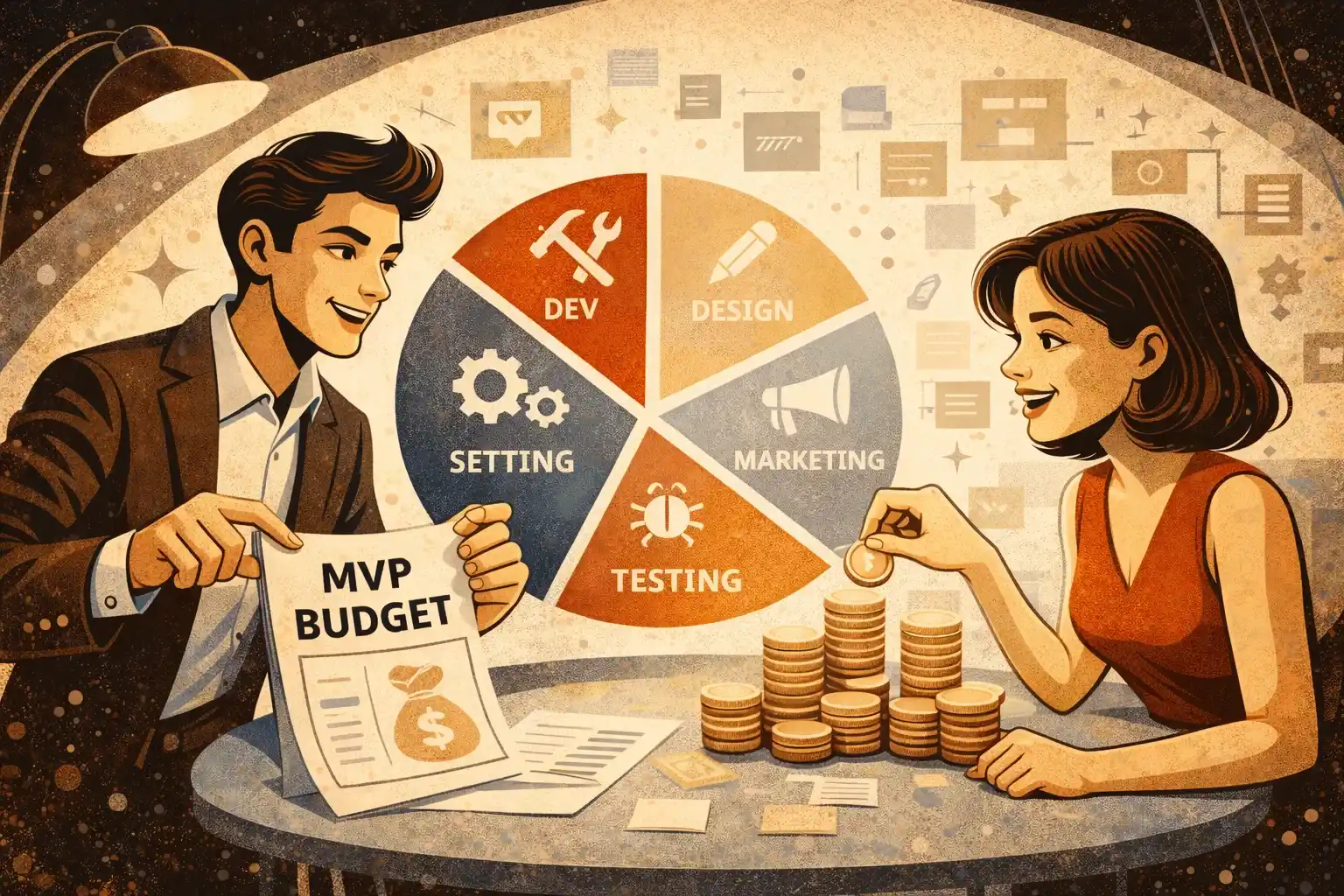
Cost expectations for fintech MVP development
Fintech MVPs usually cost more than non-regulated apps because of:
- security requirements
- backend complexity
- integrations with financial providers
That said, fintech MVPs can still be lean if scoped correctly.
For realistic budgeting, “MVP Development Cost in 2025: How Much Does It Really Cost?” provides useful benchmarks.
When fintech founders should slow down — and when not to
You should slow down if:
- money is moving without safeguards
- sensitive data lacks protection
- legal exposure is unclear
You should not slow down if:
- you’re testing user interest
- features don’t trigger regulation yet
- third-party providers handle risk
The goal is not perfection — it’s controlled progress.
Final takeaway
Fintech MVPs are about balance.
Move fast — but don’t ignore compliance.
Be lean — but don’t cut corners that block your future.
The best fintech startups validate demand and earn trust from the start.
Building a fintech MVP and unsure how much compliance you really need?
At Valtorian, we help fintech founders define a safe, lean MVP — balancing speed, regulation, and cost without overengineering.
Book a call with Diana
Get clarity on scope, compliance boundaries, and next steps.
FAQ — Fintech MVP Development
Do I need full regulatory compliance for a fintech MVP?
No. You need the right level of compliance for your scope.
Can I launch a fintech MVP without licenses?
Often yes — by using licensed third-party providers.
When should I implement KYC?
When you start onboarding real users into regulated flows.
Are fintech MVPs more expensive?
Usually, but smart scoping keeps costs manageable.
How long does a fintech MVP take to build?
Typically 6–10 weeks depending on scope.
Can compliance be added later?
Only if your architecture supports it.
What’s the biggest fintech MVP mistake?
Overbuilding compliance before validating demand.

























































.webp)




.webp)