.webp)
AI Development Agency vs Classic Development: What’s the Difference for Founders?
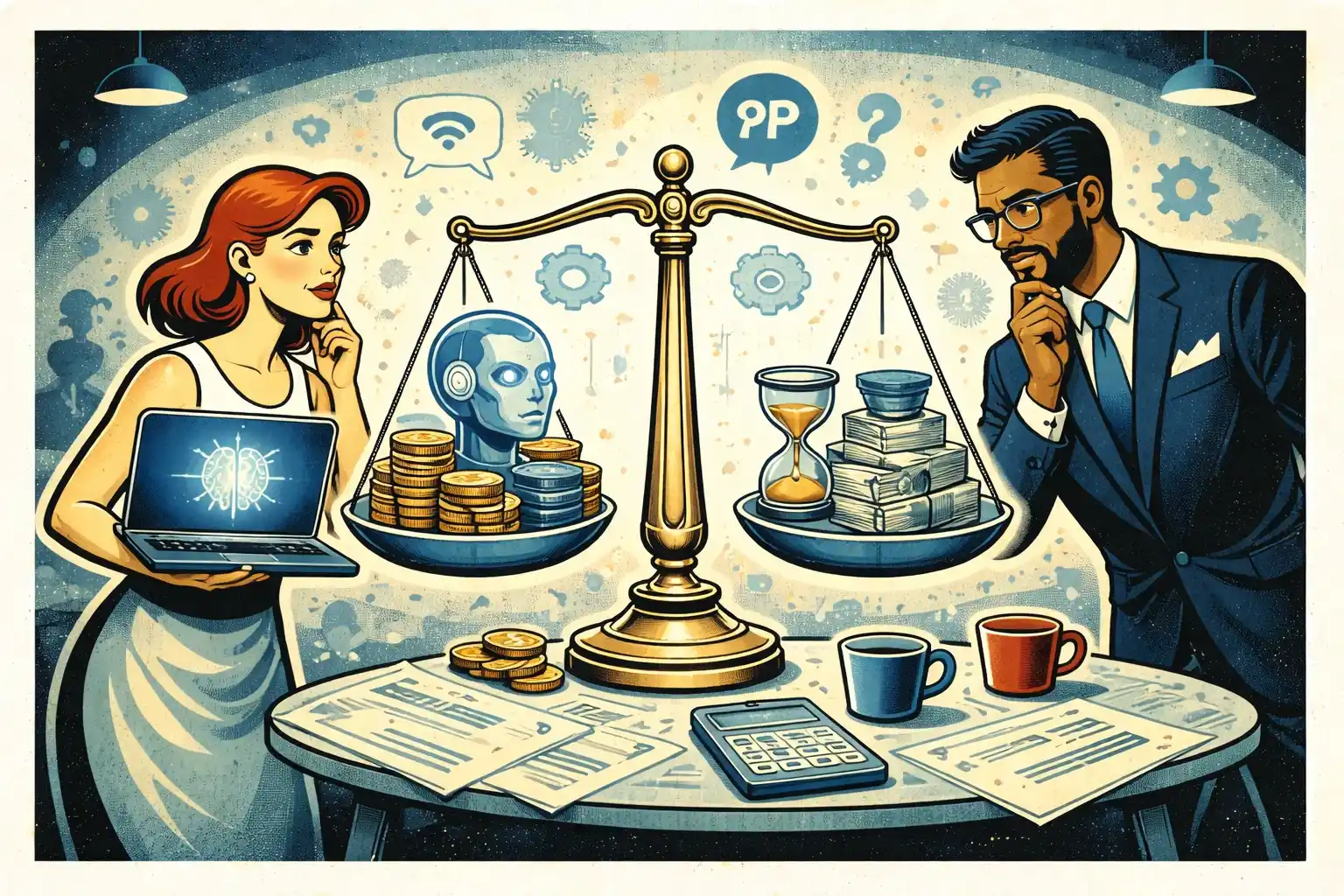
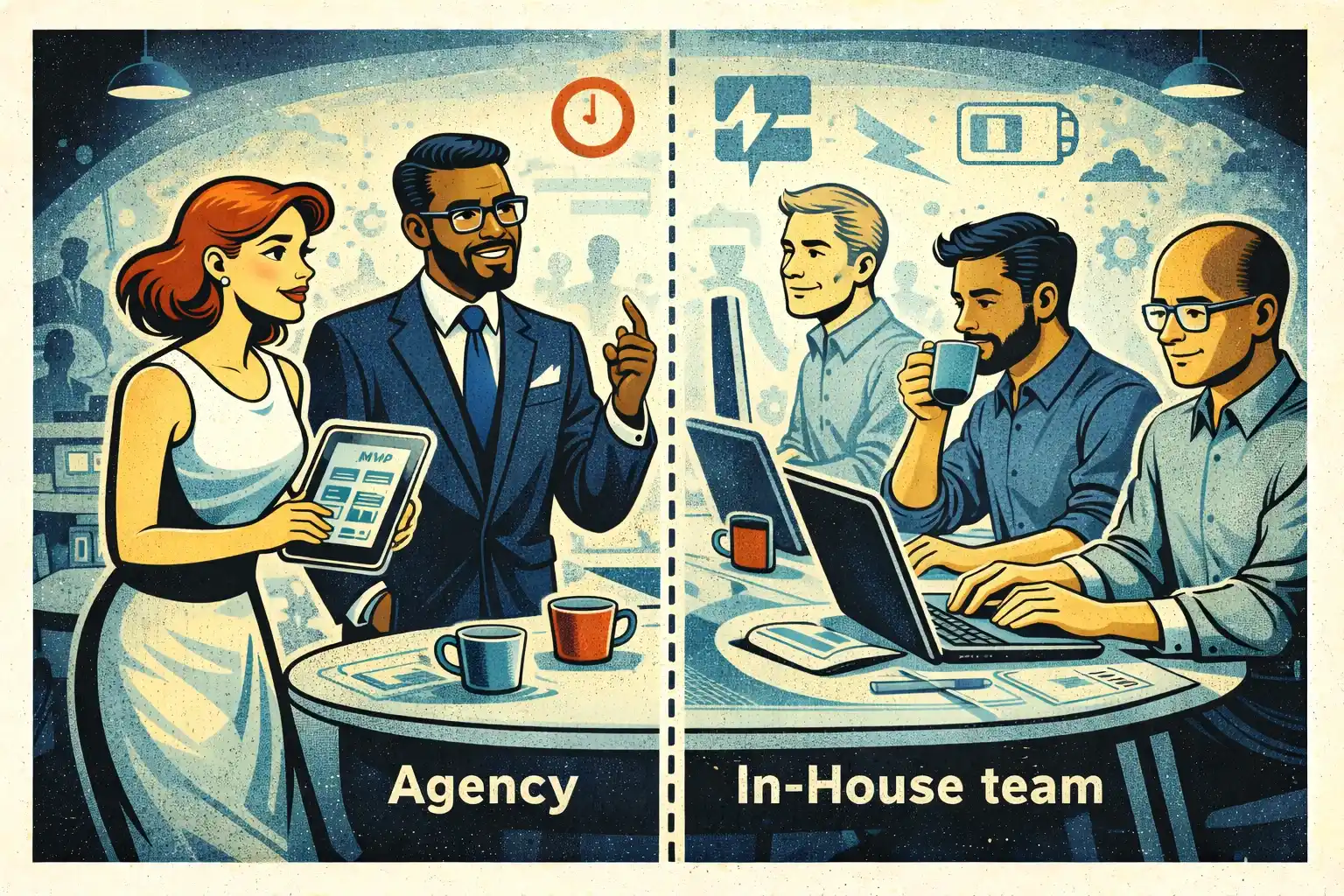
As AI becomes mainstream, founders are increasingly choosing between AI-focused development agencies and classic software development teams. While both can build applications, their approaches, speed, and priorities differ significantly. This article explains how these two models compare from a founder’s perspective — especially for early-stage startups — and helps non-technical founders decide which option aligns better with their goals, budget, and risk tolerance.
TL;DR: AI development agencies focus on speed, automation, and leverage through AI tools, while classic development teams rely on traditional engineering workflows. For early-stage founders, the difference isn’t about “AI vs non-AI code” — it’s about learning speed, cost efficiency, and how quickly you can validate your idea.
Why this choice matters more than it seems
Many founders think the difference is purely technical.
In reality, choosing between an AI development agency and a classic development team affects:
- how fast you launch
- how much you spend before validation
- how flexible your product is to change
- how much you personally need to manage
For founders without a technical background, this decision shapes the entire early-stage journey.
What founders usually mean by “classic development”
Classic development teams typically:
- follow established software engineering processes
- separate roles strictly (design, frontend, backend, QA)
- optimize for stability and long-term scalability
This model works well for:
- enterprise software
- later-stage startups
- products with stable, well-defined requirements
But it often struggles in fast-moving, high-uncertainty environments.
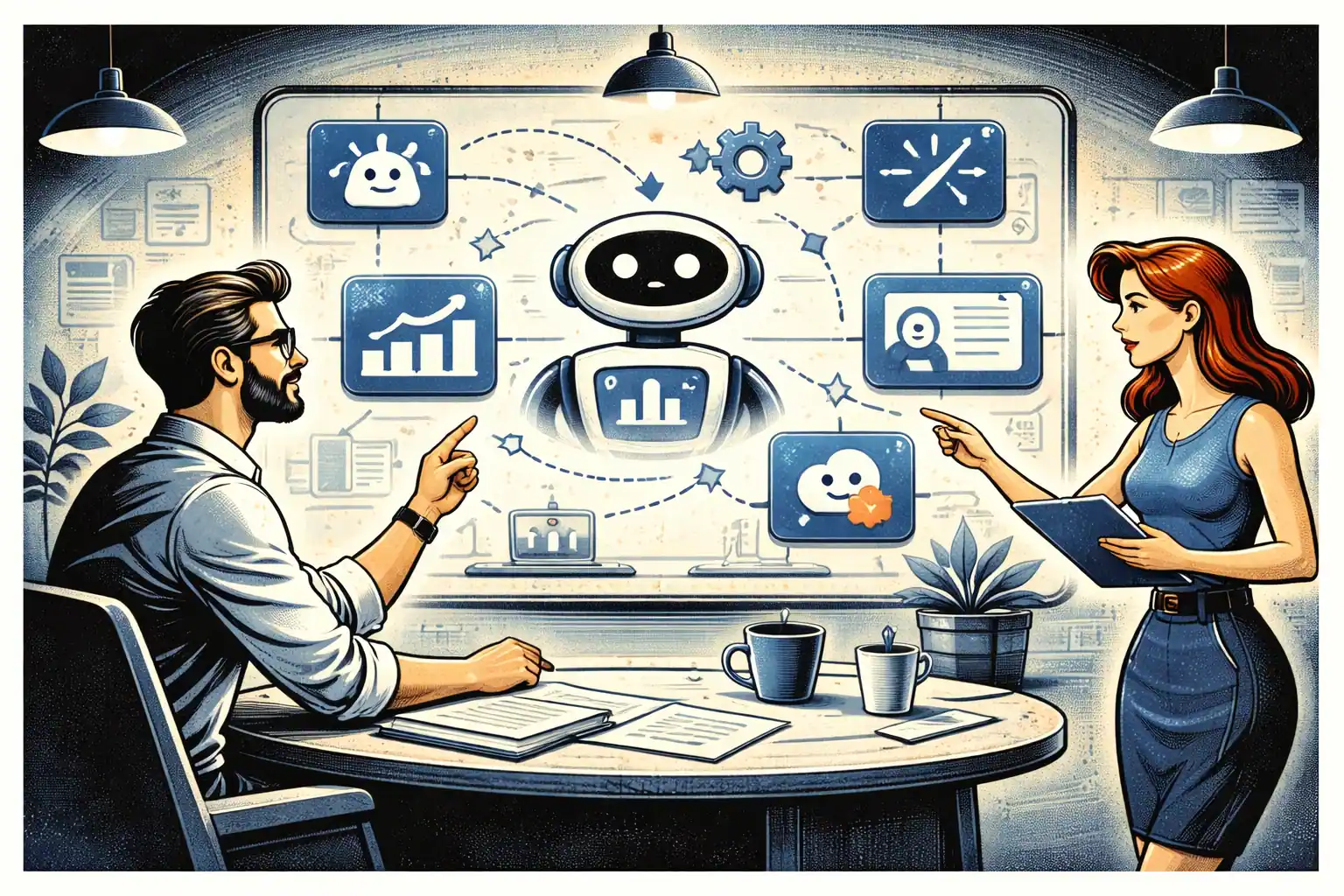
What defines an AI development agency
An AI development agency is not just a team that builds AI features.
It usually means:
- heavy use of AI-assisted development tools
- faster iteration cycles
- smaller, senior teams
- focus on outcomes rather than process
AI agencies optimize for learning speed, not perfect first versions.
For founders exploring this approach, “AI-Powered MVP Development: Save Time and Budget Without Cutting Quality” explains where AI truly adds value.
Key differences founders should understand
Speed of execution
AI development agencies:
- prototype faster
- ship MVPs in weeks, not months
- reduce boilerplate and repetitive work
Classic teams:
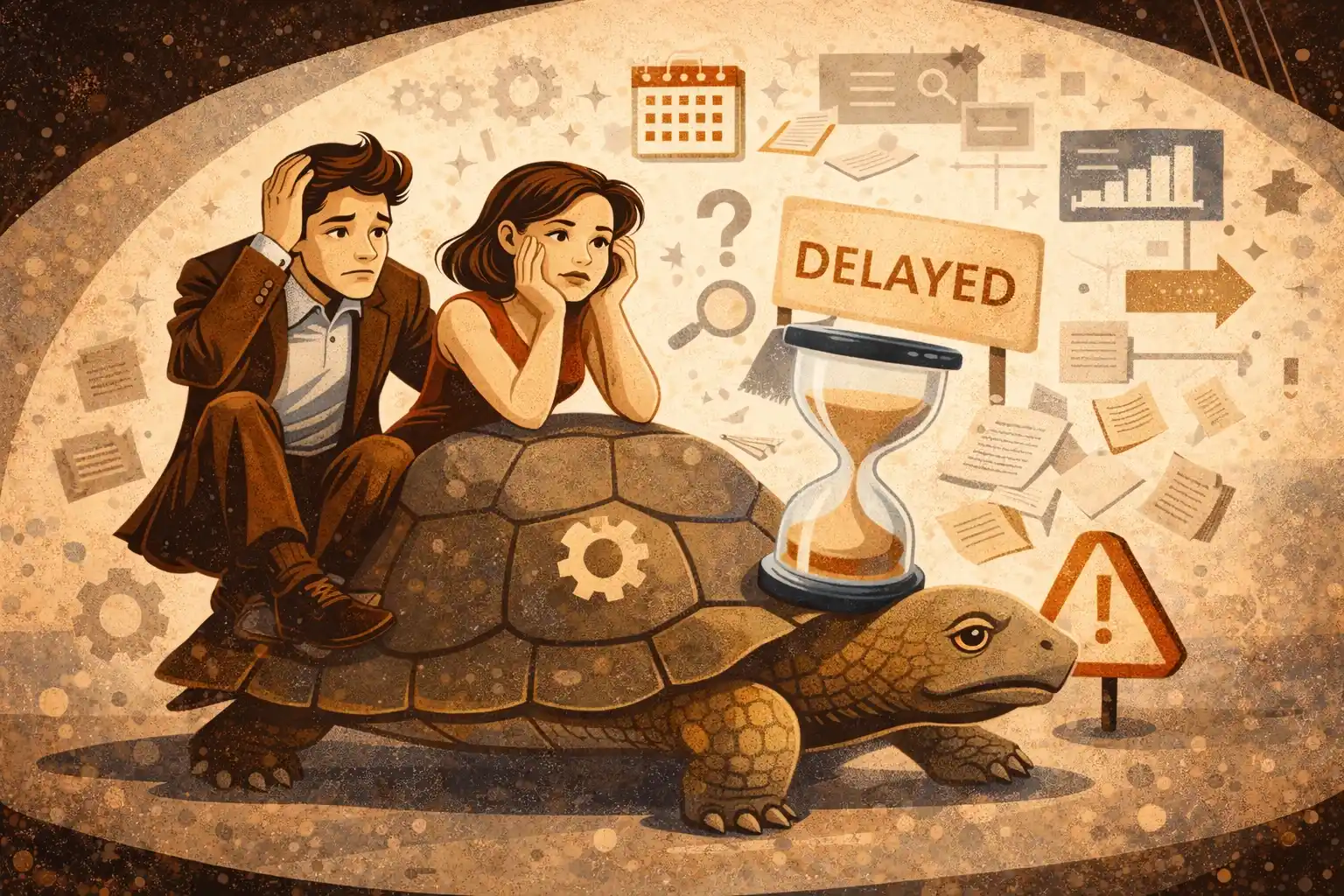
- move slower initially
- prioritize formal processes
- optimize for long-term maintainability
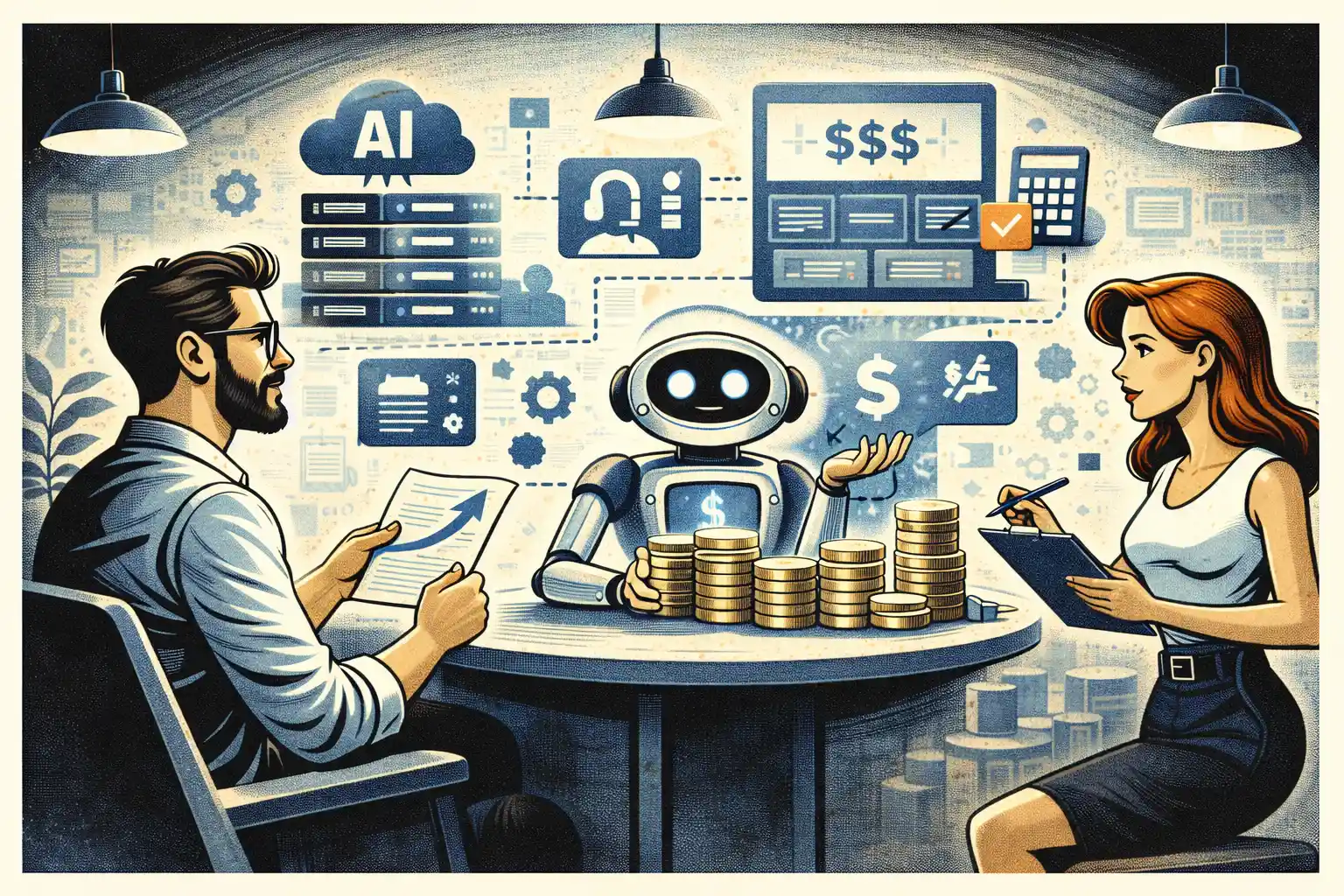
Cost efficiency
AI-focused teams often:
- reduce total build time
- require fewer people
- lower early-stage burn
Classic teams usually:
- have higher fixed costs
- scale team size early
- cost more before validation
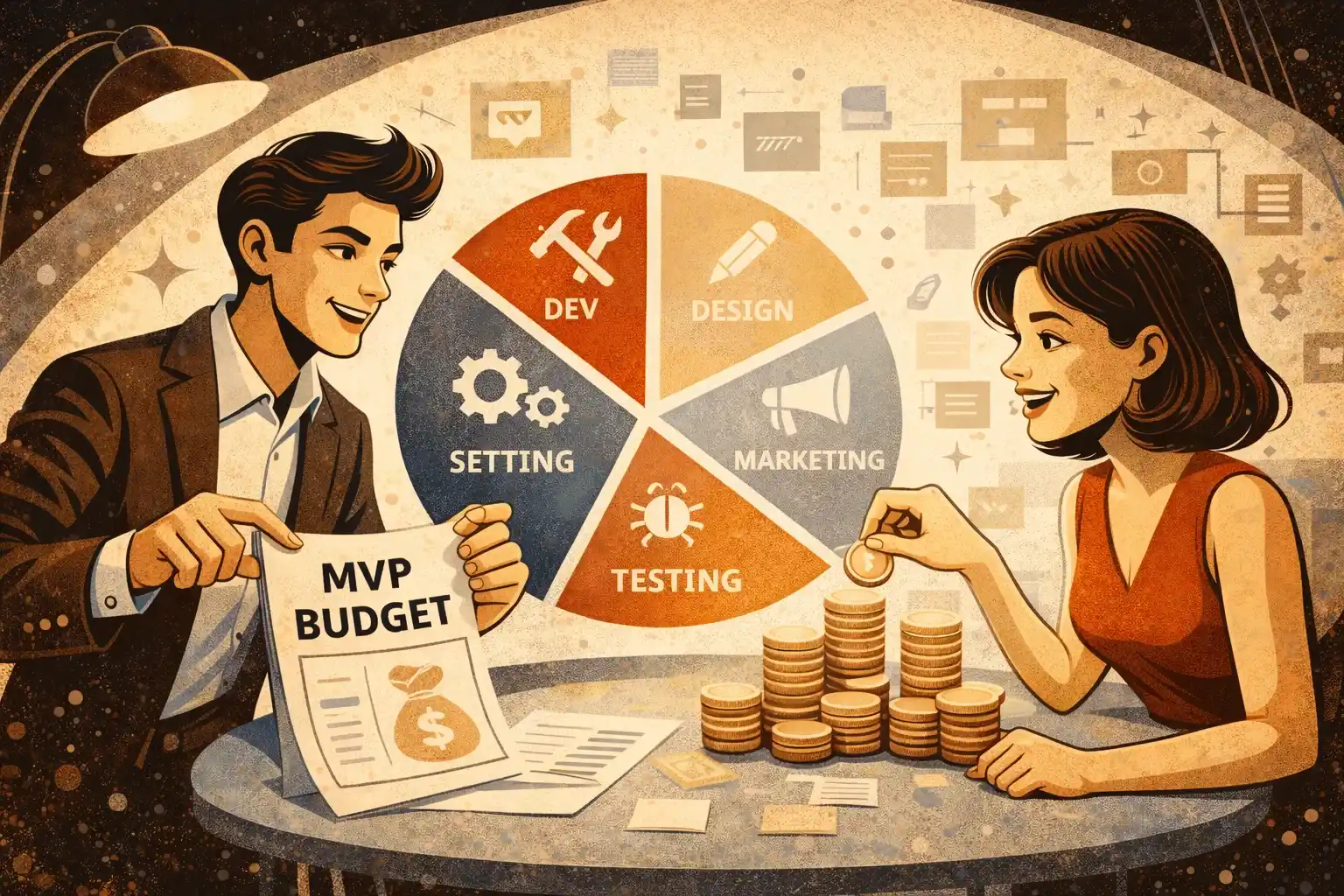
For budgeting context, “MVP Development Cost in 2025: How Much Does It Really Cost?” provides realistic benchmarks.
Flexibility when requirements change
At early stage, change is constant.
AI development agencies are built for:
- frequent scope adjustments
- rapid iteration
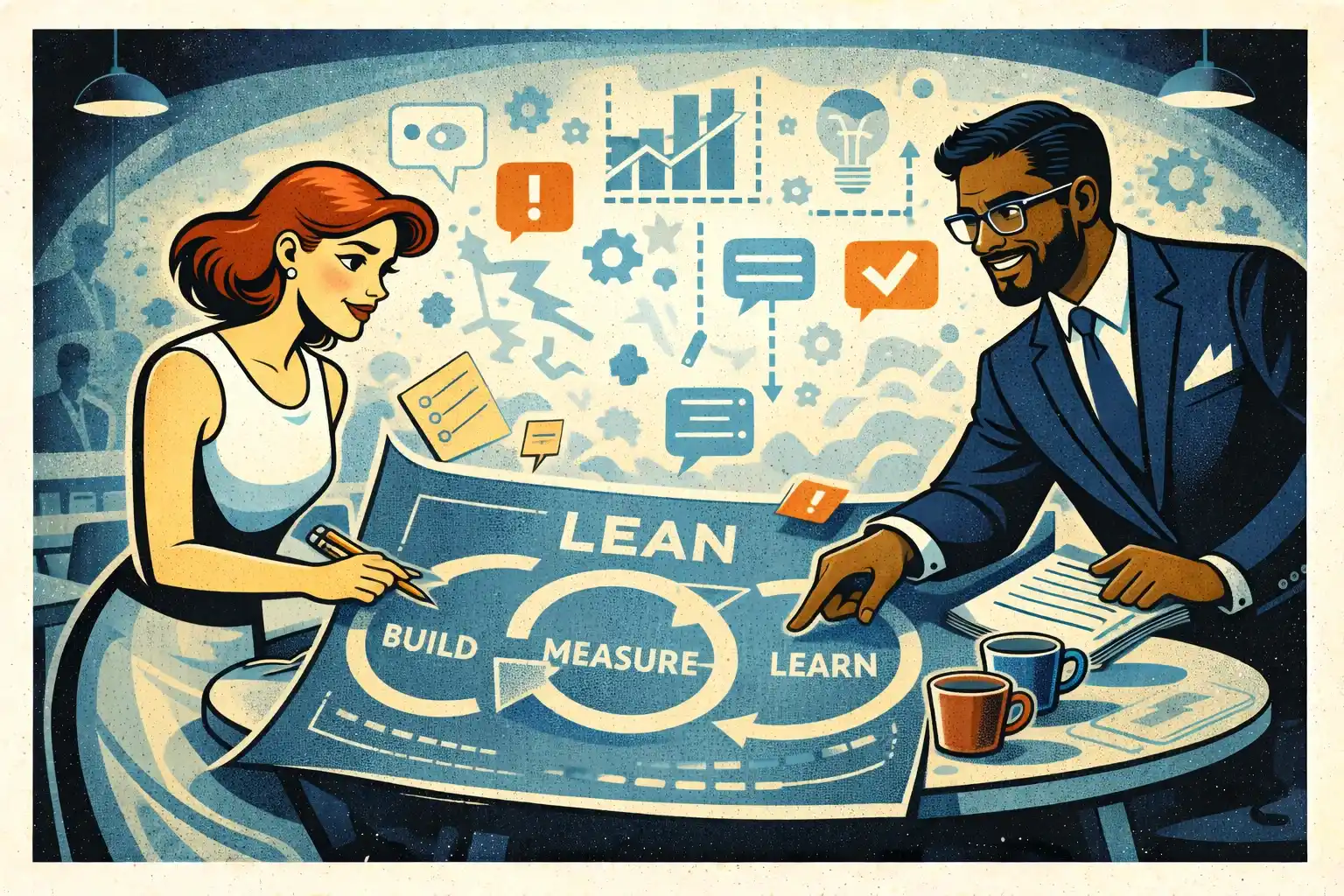
- continuous feedback loops
Classic development teams perform best when:
- requirements are stable
- scope changes are limited
If you expect heavy iteration, the AI-driven model is usually more forgiving.
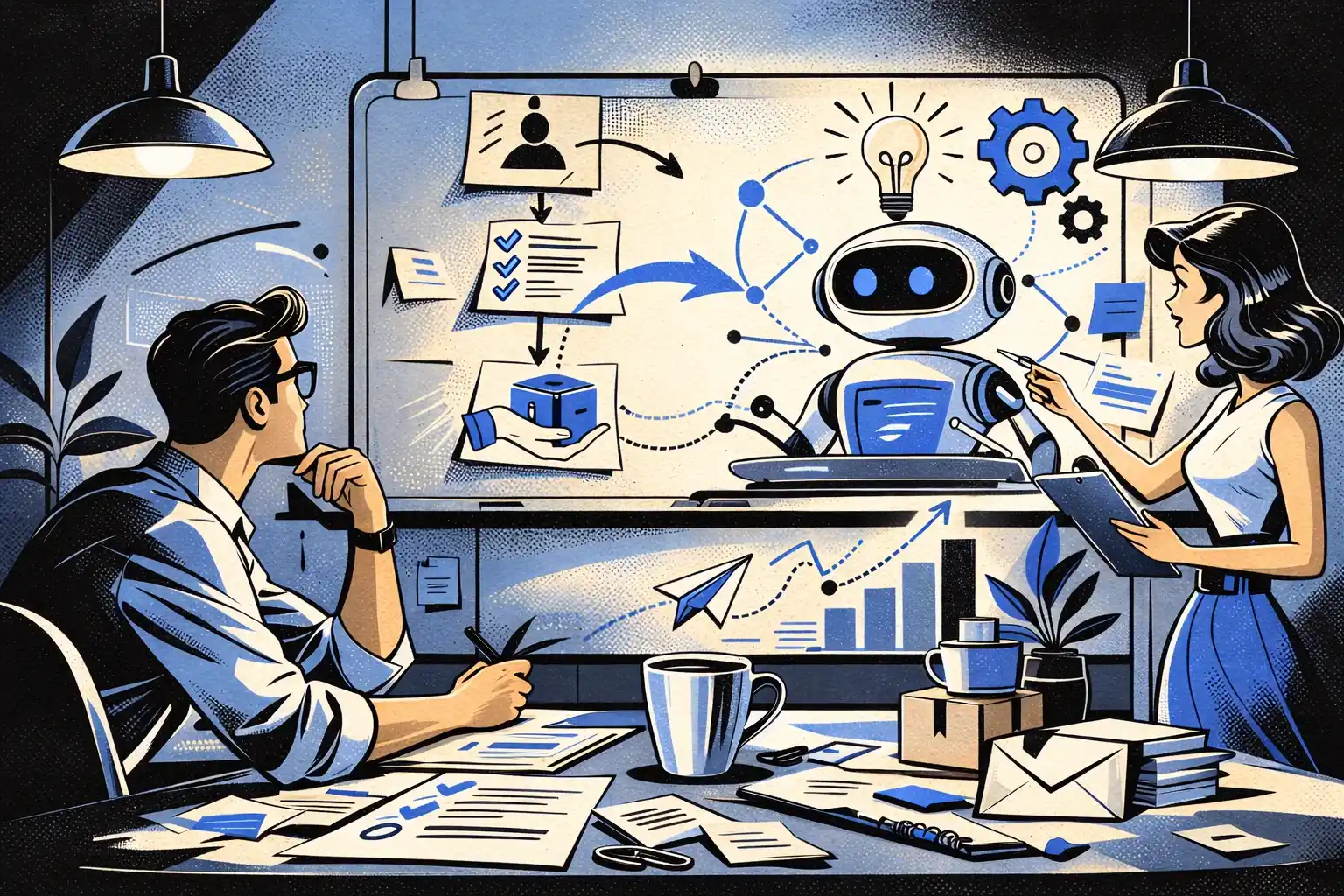
Product thinking vs execution-only mindset
One of the biggest differences founders notice:
AI development agencies often:
- challenge feature ideas
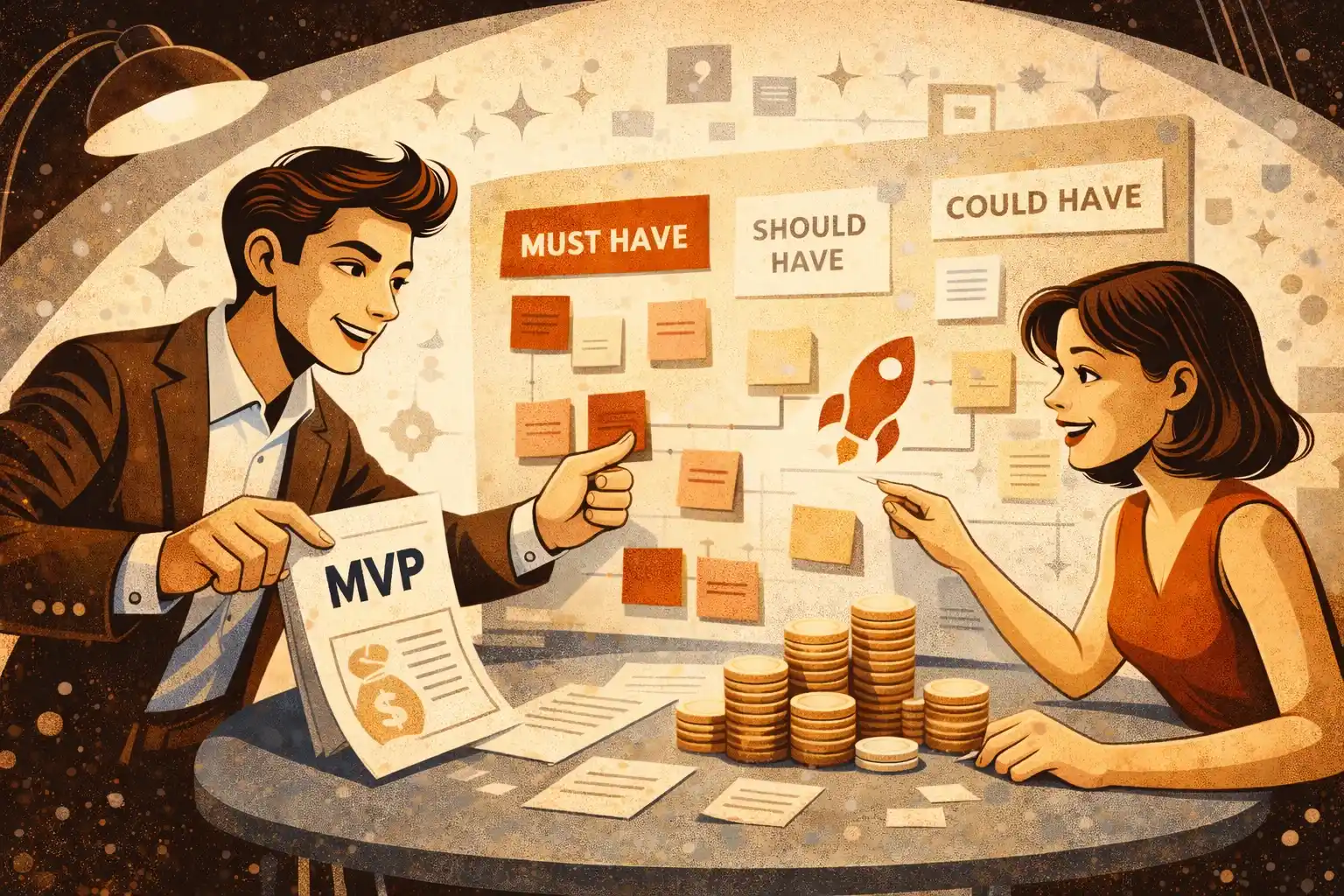
- push for smaller MVPs
- focus on user validation
Classic teams often:
- execute what’s specified
- avoid product-level decisions
If you’re still shaping your product vision, “App Development for Non-Technical Founders: A Step-by-Step Guide” helps clarify what support you actually need.
When classic development still makes sense
Classic development is usually better when:
- the product is already validated
- architecture must support scale immediately
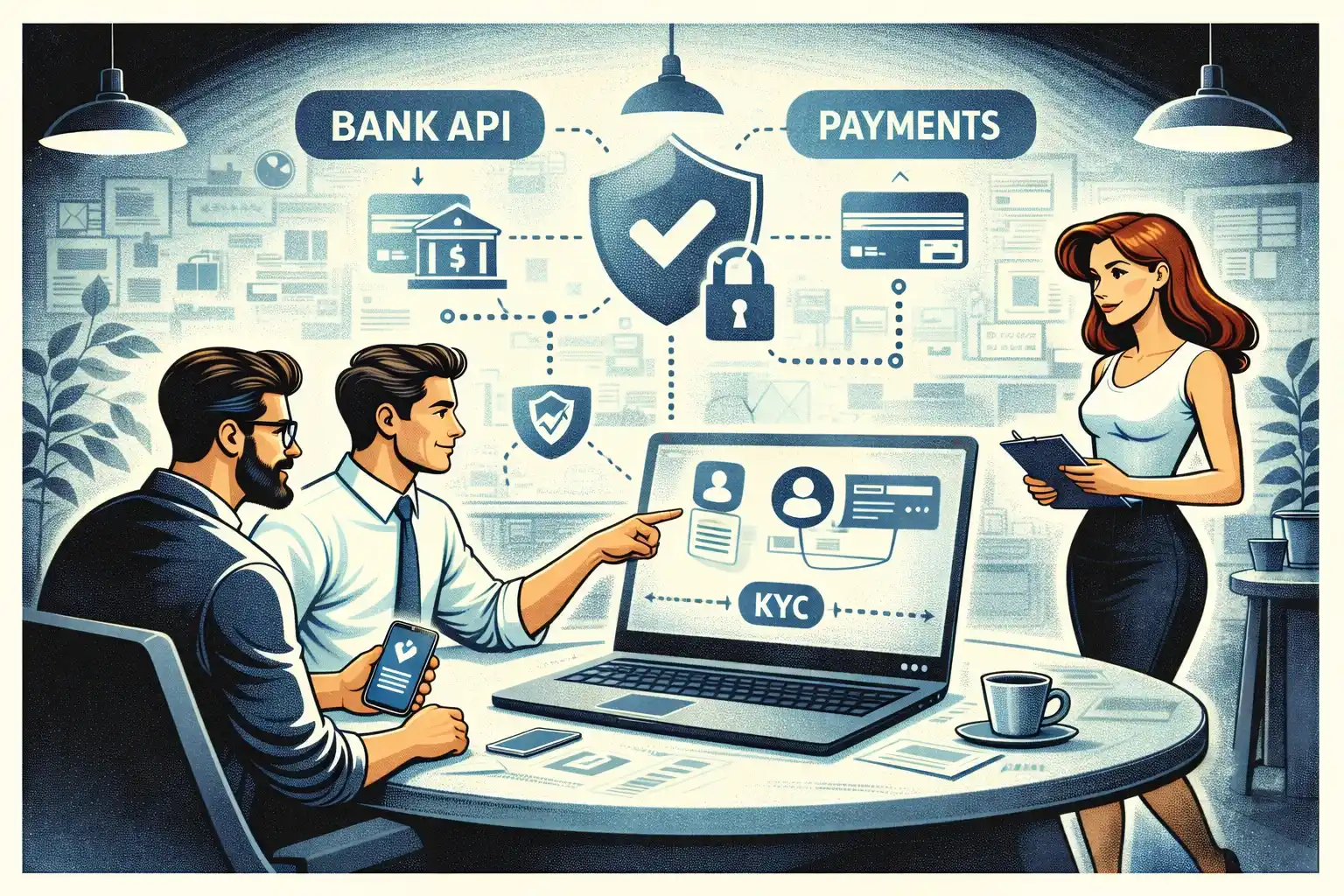
- regulatory or compliance constraints are heavy
For regulated products, “Fintech App Development for Startups: MVP and Compliance Basics” offers helpful context.
Common mistakes founders make
1. Assuming AI agencies only build AI products
Most AI agencies also build standard apps — just faster.
2. Expecting AI to replace decision-making
AI accelerates work, but doesn’t remove the need for senior judgment.
3. Choosing based on buzzwords
Process and mindset matter more than labels.
These issues often appear in “MVP Development for Non-Technical Founders: Common Mistakes”.
How to choose the right model for your startup
Ask yourself:
- Do I need speed or long-term stability right now?
- Is my product still evolving?
- How much technical management can I handle?
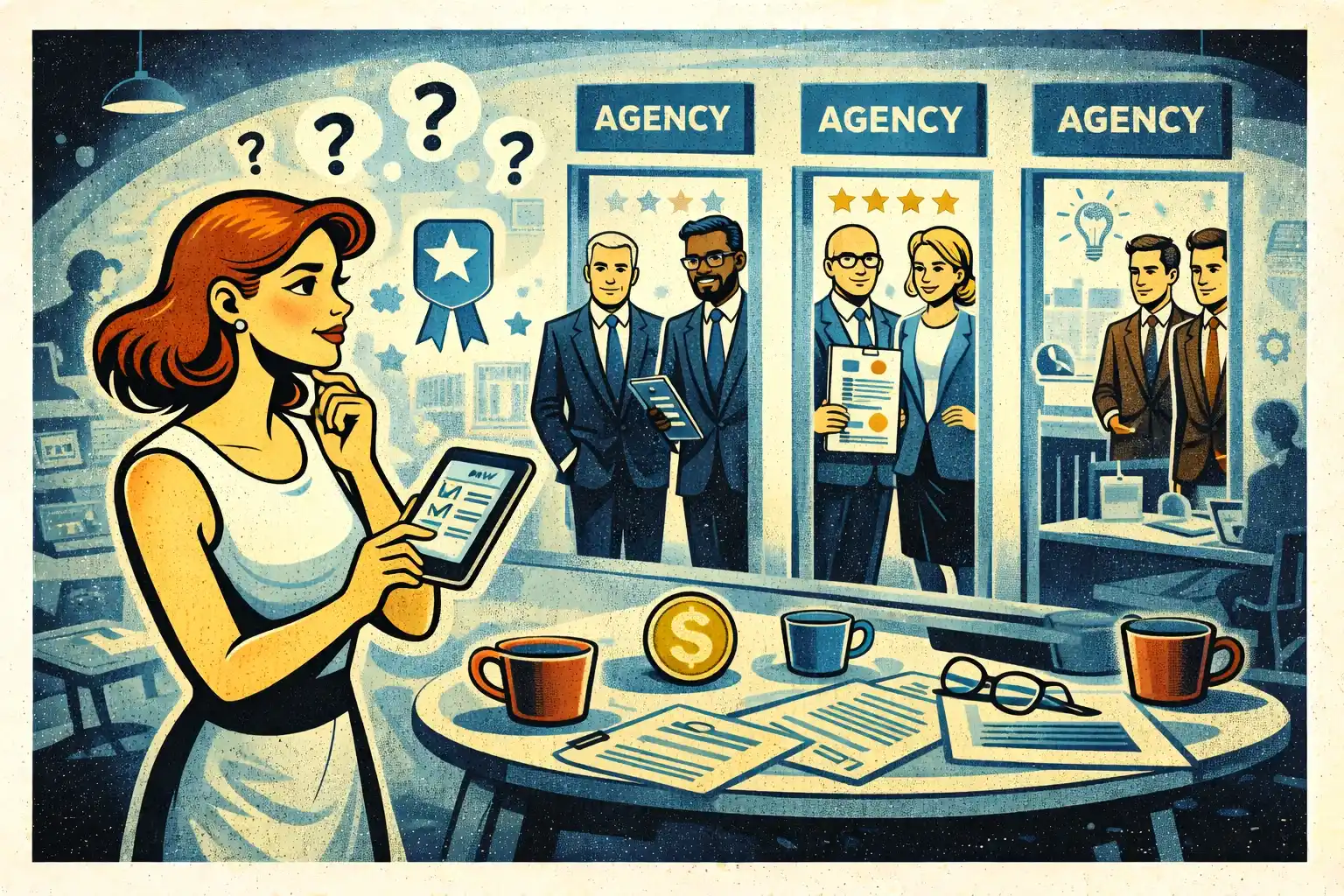
If you’re deciding between teams, “Startup App Development Company vs Freelancers vs In-House Team” provides a broader comparison.
Final takeaway
AI development agencies and classic development teams are not competitors — they’re tools for different stages.
For early-stage founders, AI-driven teams often provide faster learning, lower risk, and better alignment with MVP realities.
The right choice depends on where you are today — not where you hope to be in two years.
Not sure whether an AI development agency or a classic team fits your startup?
At Valtorian, we combine AI-driven speed with senior product thinking to help founders validate ideas faster — without sacrificing quality.
Book a call with Diana
Get a clear recommendation based on your stage and goals.
FAQ — AI vs Classic Development
Do AI development agencies only build AI apps?
No. They build standard products faster using AI-assisted workflows.
Is AI development cheaper?
Often yes for MVPs, due to speed and smaller teams.
Can classic teams use AI tools too?
Yes, but their processes are usually less optimized for speed.
Is AI-generated code safe?
Yes, when reviewed by senior engineers.
Should I choose AI development for a regulated product?
It depends on compliance needs and team experience.
Will AI replace developers?
No. It augments them.
What matters more than the agency label?
Experience, process, and product thinking.
































.webp)




.webp)