.webp)
MVP Development for Non-Technical Founders: 7 Costly Mistakes
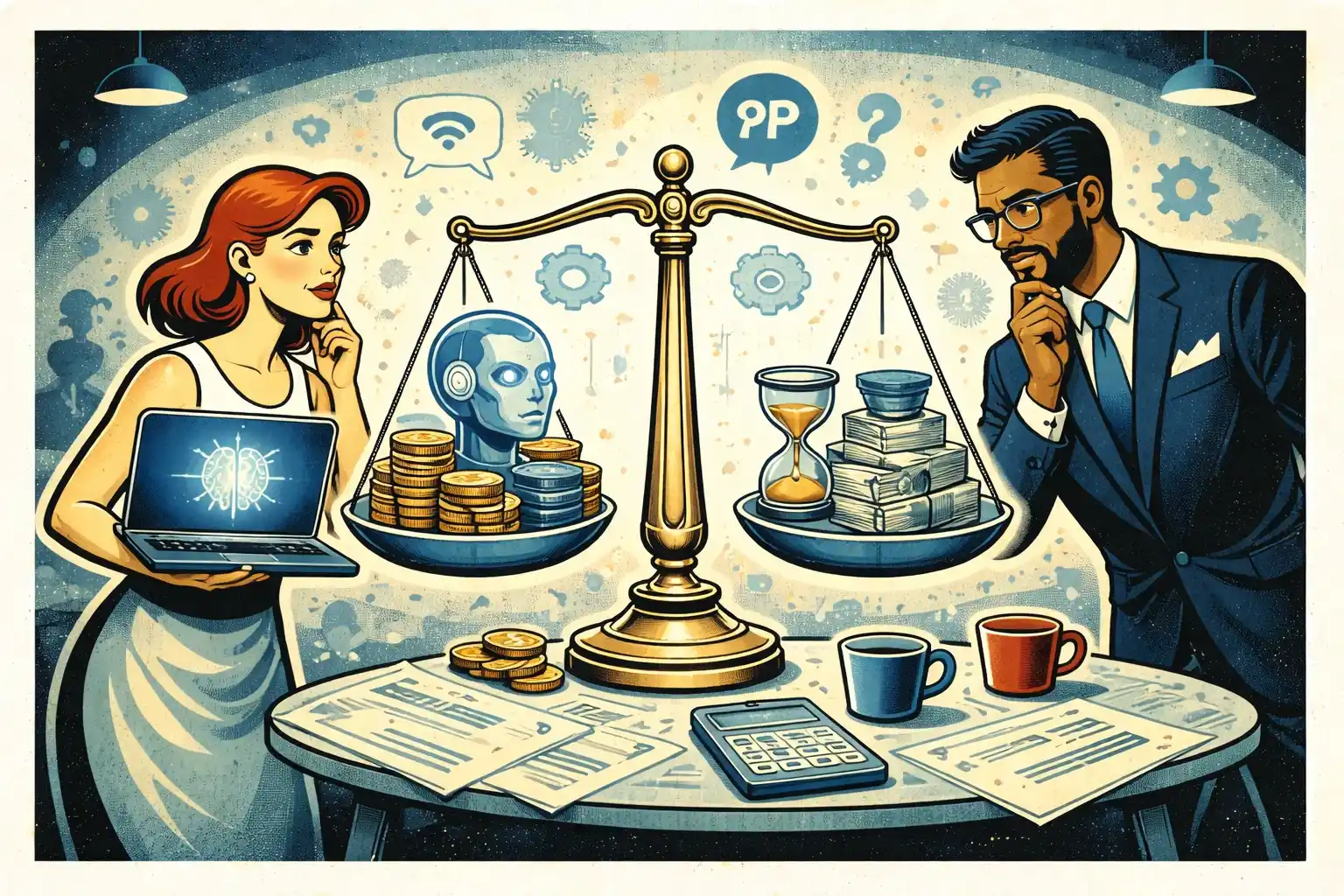
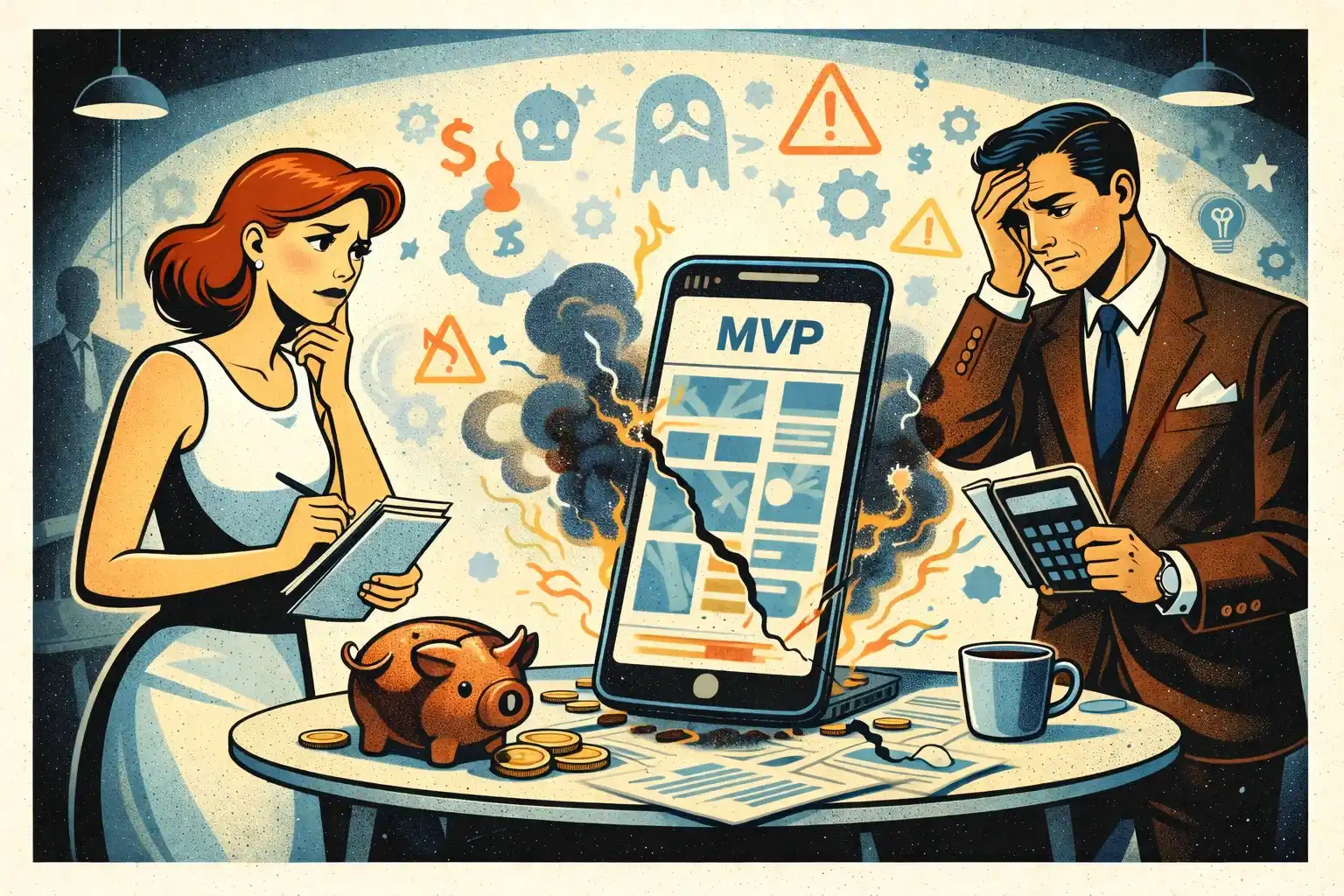
Most non-technical founders don’t fail because of bad ideas — they fail because of avoidable mistakes during MVP development. Miscommunication, overbuilding, unclear scope, wrong team selection, and skipping early validation can easily double the cost and timeline of your product. This guide breaks down the seven most costly mistakes founders make and explains how to avoid them with simple, practical steps. By the end, you’ll know how to launch your MVP faster and with far fewer risks.

TL;DR: Non-technical founders most often fail due to unclear scope, choosing the wrong development model, skipping validation, overbuilding features, and mismanaging communication. The solution: define one core flow, choose a senior compact team, validate assumptions early, and stay ruthless about what belongs in MVP v1.
Mistake 1 — Building Before Defining the Problem
Most founders jump straight into design or development, thinking speed equals progress.
But speed in the wrong direction just burns money faster.
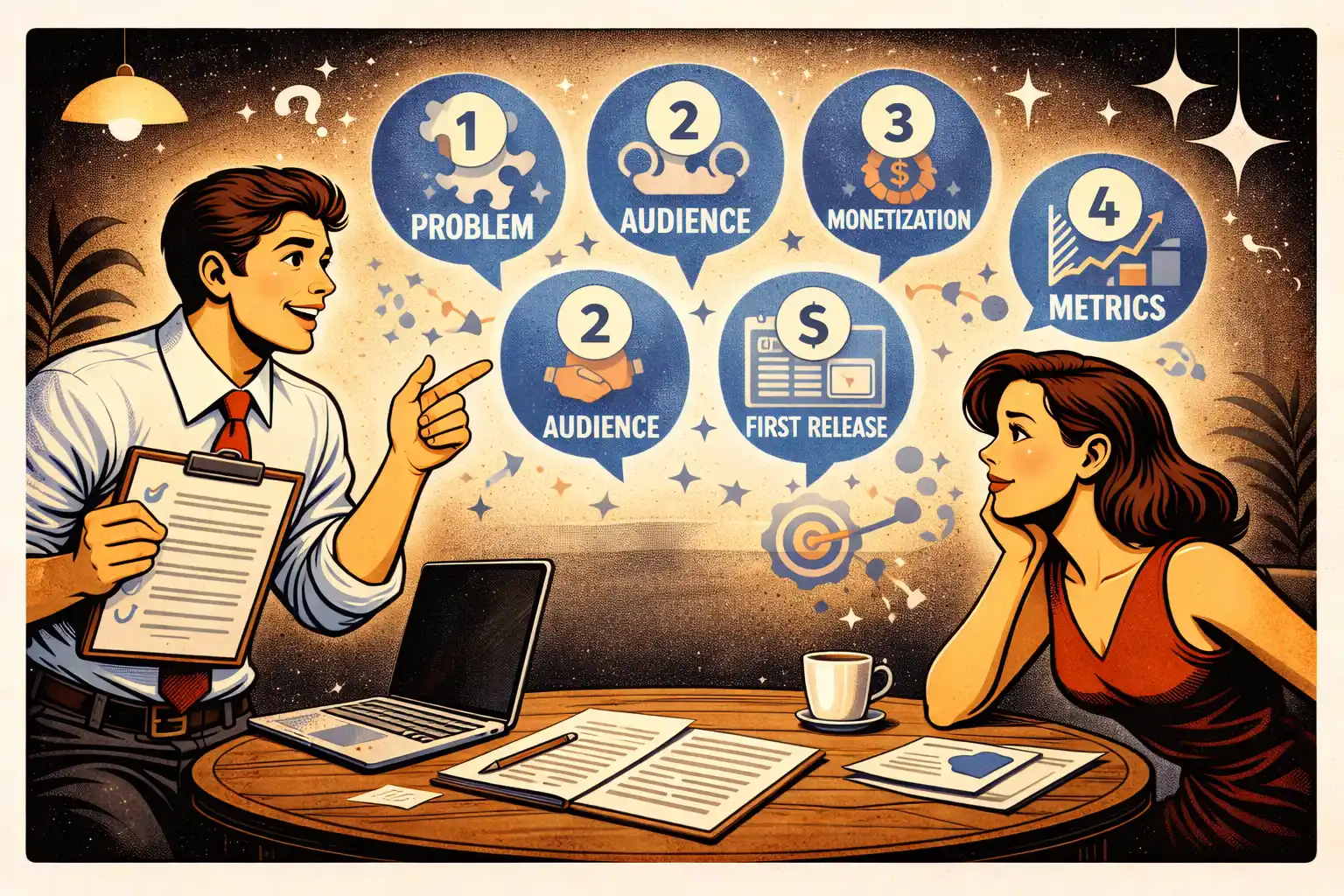
Your MVP should start with:
- user problem
- ideal outcome
- one core flow
- clear constraints
If you don’t define your core user journey, your team will guess — and guesses are expensive.
If you’re unsure how to define MVP scope, start with “App Development for Non-Technical Founders: A Step-by-Step Guide” — it helps you structure your product clearly before any design begins.
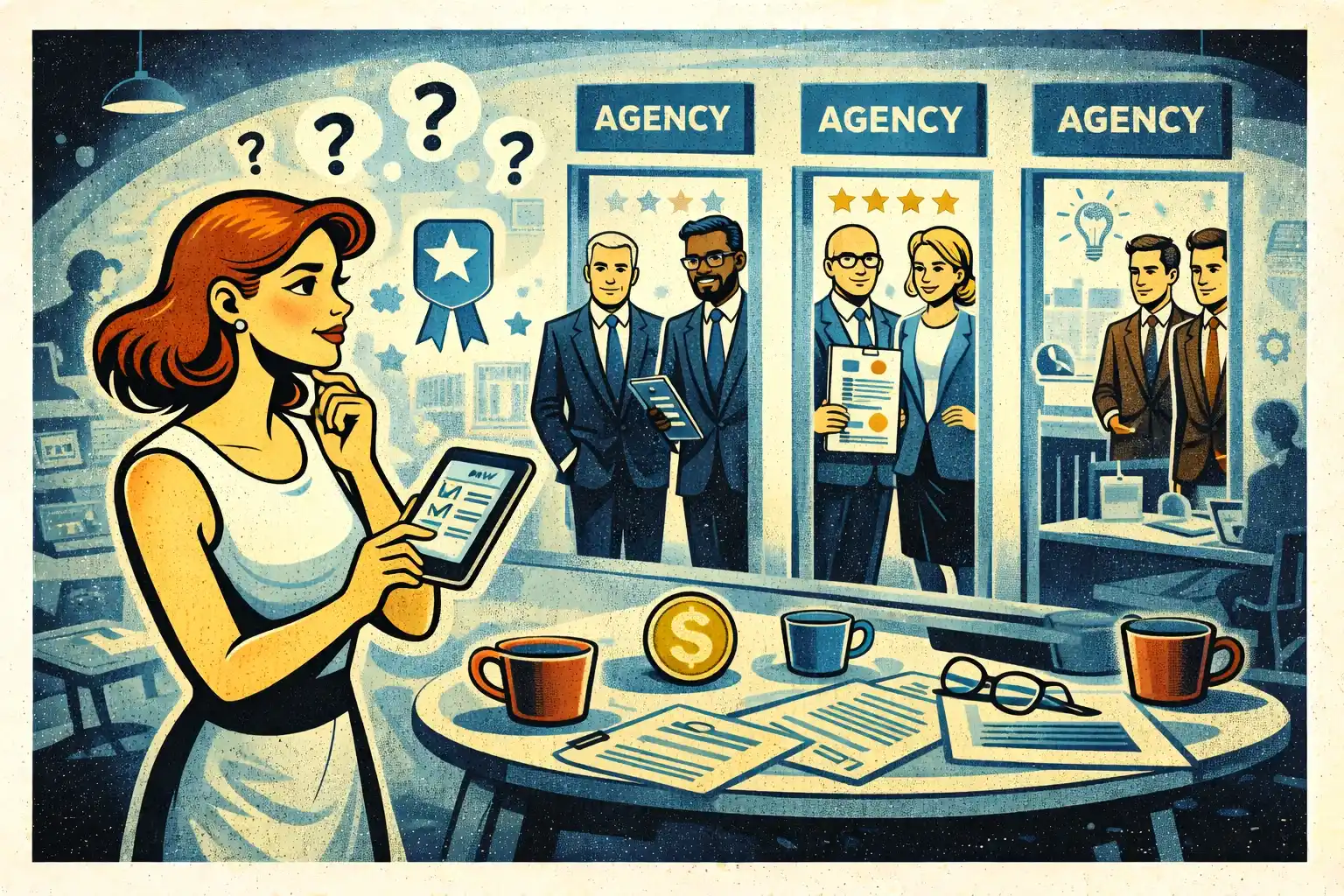
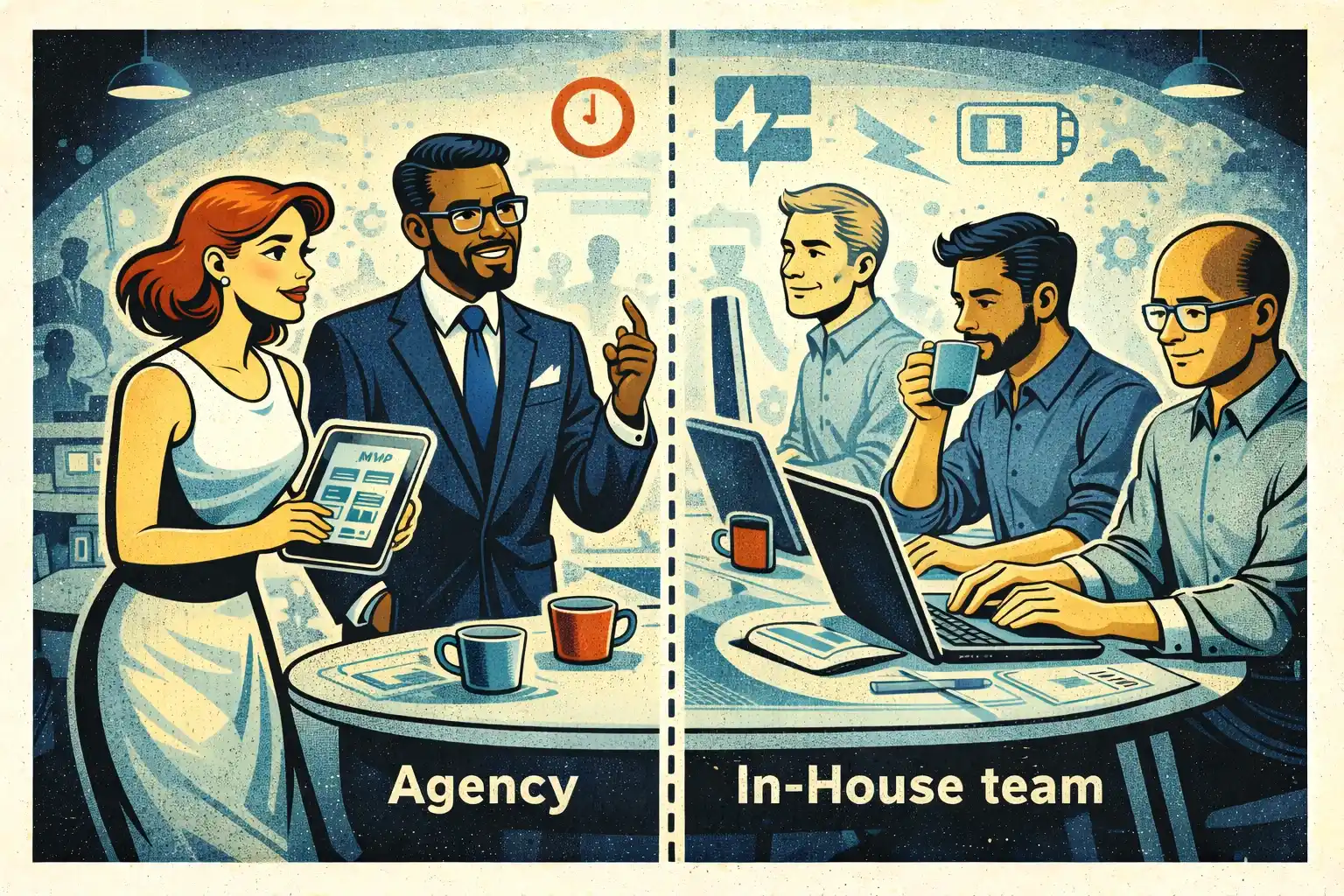
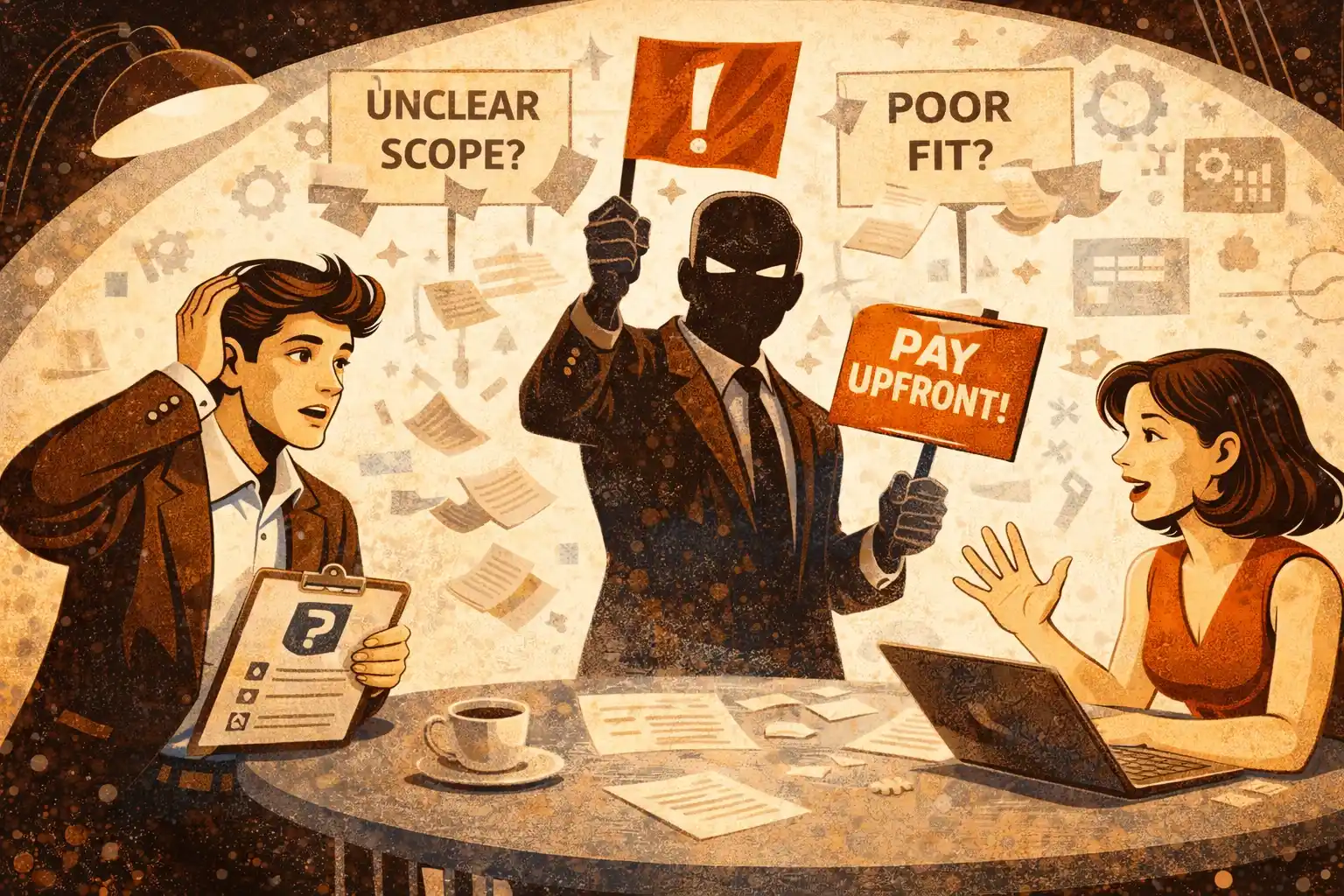
Mistake 2 — Choosing the Wrong Team (Freelancers vs Agency vs In-House)
Non-technical founders often choose based on price, not process.
The result: chaos, delays, rework, or even a completely failed build.
Common issues:
- freelancers lack unified product vision
- large agencies overcomplicate and overcharge
- in-house teams are too expensive pre-validation
Boutique senior studios are often the best match for MVPs because they combine clarity, speed, and accountability.
To understand how these models differ, explore “MVP Development Services for Startups: What’s Actually Included” — it highlights what a proper MVP team should provide.
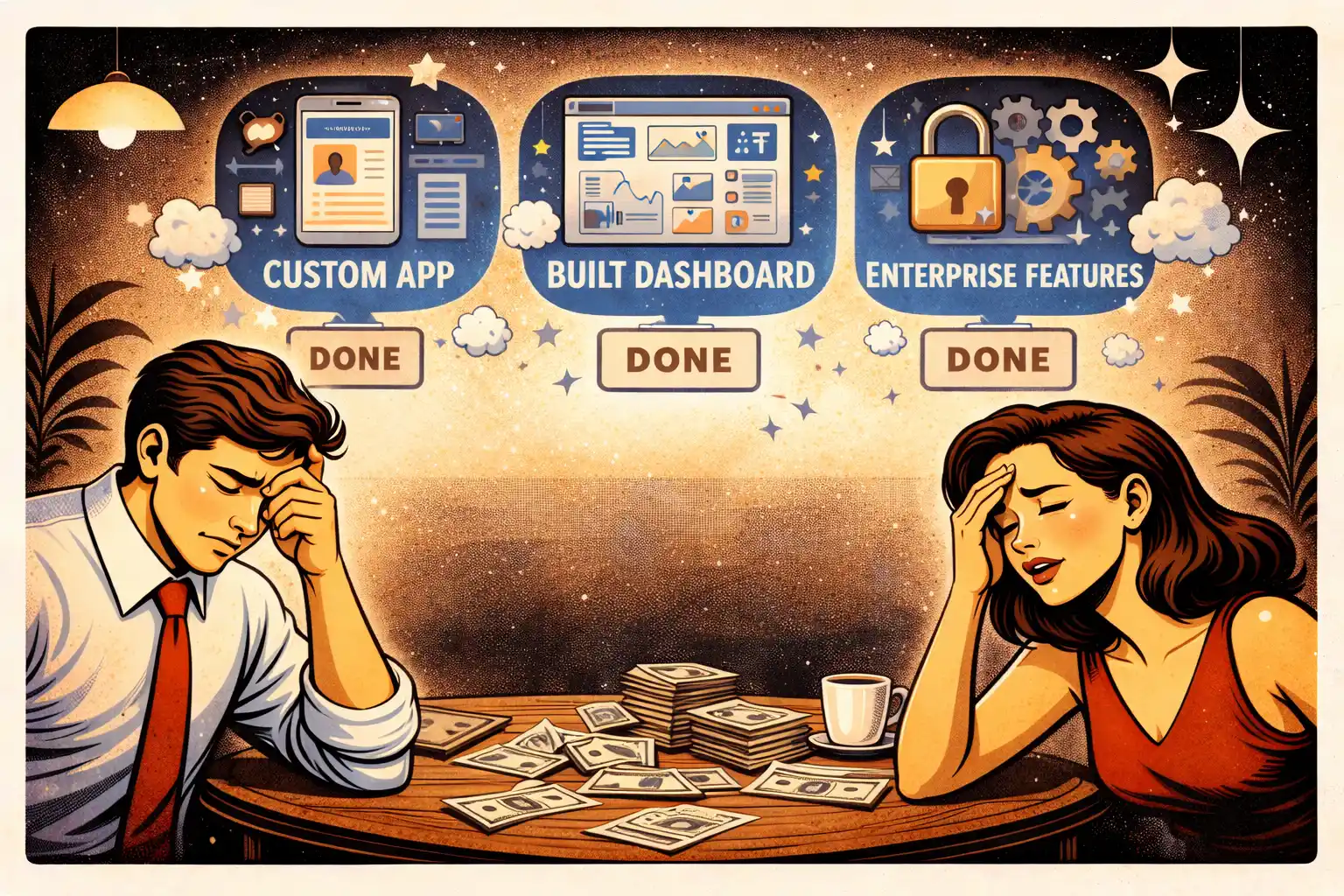
Mistake 3 — Overbuilding Instead of Staying Lean
The fastest way to destroy your MVP budget is to try building:
- dashboards
- multi-role logic
- complex filters
- notifications
- full payment automation
- rating systems
- mobile apps on both platforms
Most of these aren’t needed in v1.
Build only what is required for a user to complete the end-to-end core flow.
If you want clarity on prioritization and which features actually affect cost, read “MVP Development Cost in 2025: How Much Does It Really Cost?” — it breaks down how overbuilding inflates budgets.
Mistake 4 — No Validation Before or During Development
MVP does not mean “build first, test later.”
Skipping validation leads to:
- wrong features
- wrong flows
- wrong user assumptions
- wrong market
You should validate:
- problem
- willingness to pay
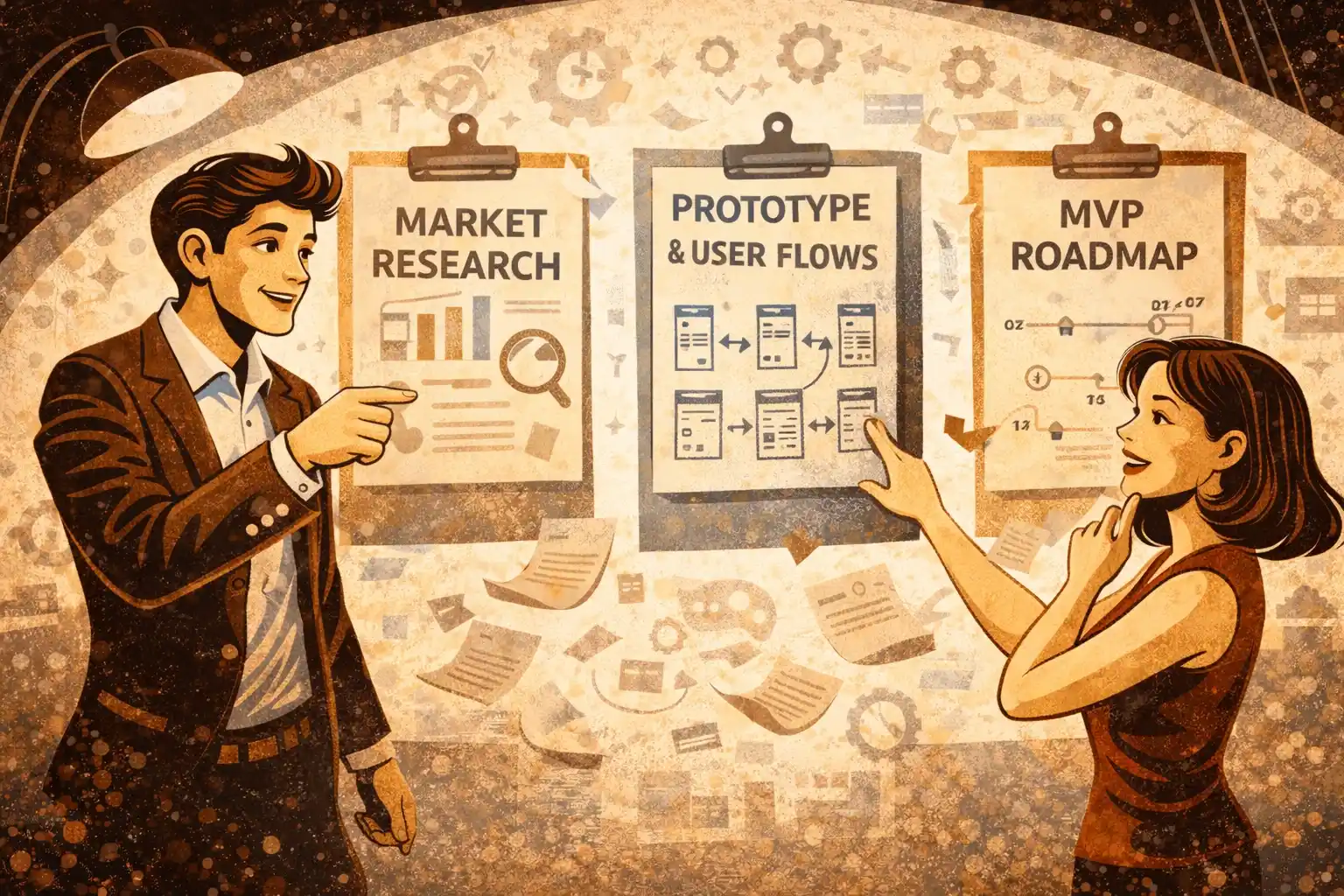
- first prototype
- first interactive flows
Founders who validate continuously spend 30–60% less on development.
Mistake 5 — Unclear Communication and Missing Documentation
When you're non-technical, communication becomes your most important skill.
Founders often:
- give verbal instructions instead of written
- forget to update decisions
- change scope mid-development
- overload the team with vague ideas
This leads to delays and misunderstandings.
Good communication includes:
- clear written decisions
- fixed scope
- weekly demos
- thoughtful feedback
- simple documentation
Teams don’t fail due to lack of talent — they fail due to lack of clarity.
Mistake 6 — Ignoring Compliance, Security, or Data Rules
If your product touches:
- payments
- personal data
- healthcare information
- identity verification
- sensitive user actions
…then compliance affects architecture from the very beginning.
Ignoring this leads to painful rewrites later.
If your MVP involves regulated data, read “Fintech and Healthcare MVP Development: How Compliance Changes the Plan” — it covers how compliance shapes scope, timelines, and tech decisions.
Mistake 7 — Wrong Tech Choices Without Understanding Trade-Offs
Non-technical founders often choose a stack based on:
- what’s trendy
- what a friend used
- what a freelancer prefers
Wrong tech choice → slow development, higher costs, cheap MVP turning into expensive rewrites.
For example:
- Firebase is great for simple real-time MVPs
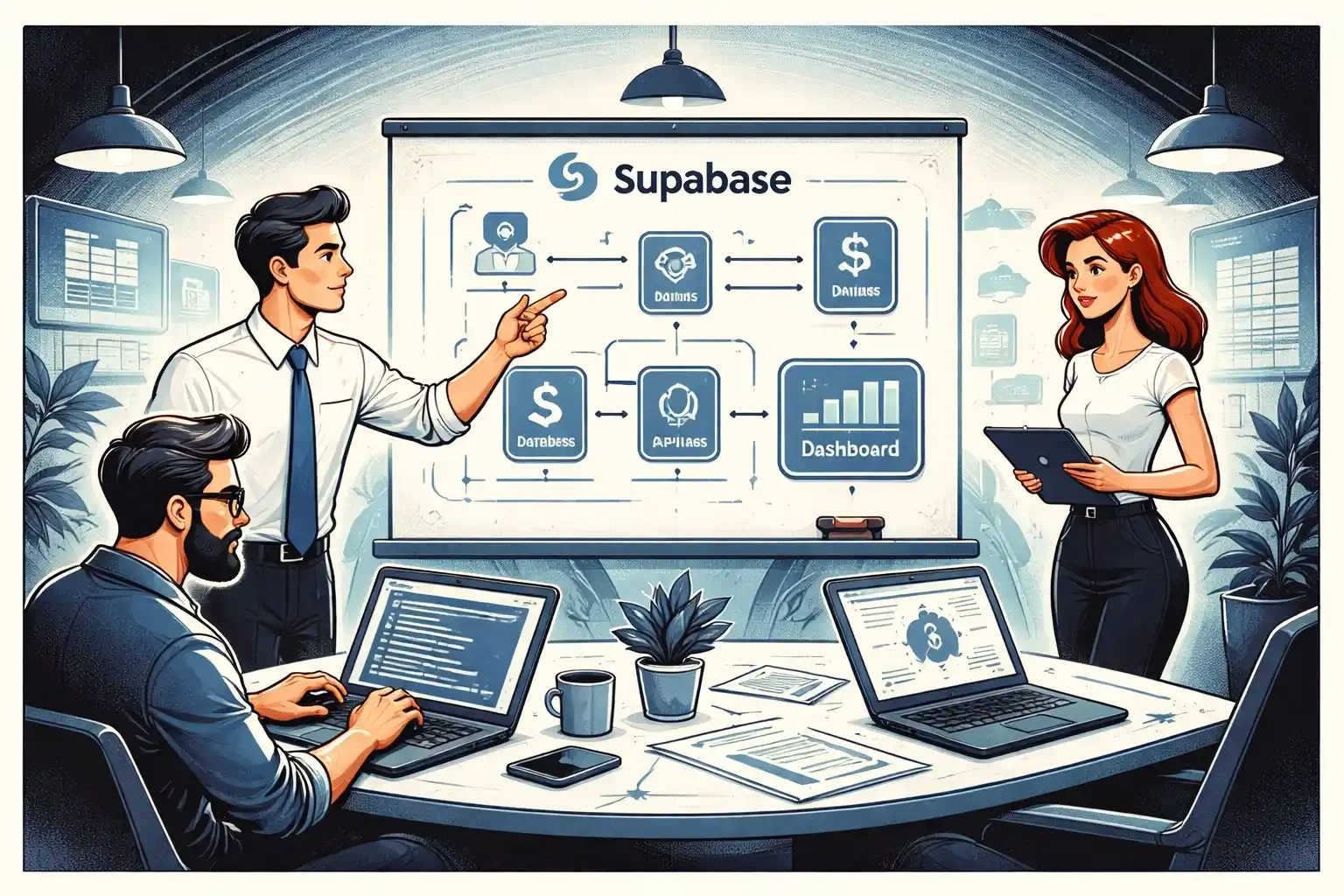
- Supabase is better for relational, scalable MVPs
- React Native vs Flutter depends on UI complexity and dev resources
- Web vs mobile depends on user behavior
If you're choosing a mobile framework, “React Native vs Flutter for Startup App Development in 2025” explains the real differences in plain language.
How to avoid all 7 mistakes
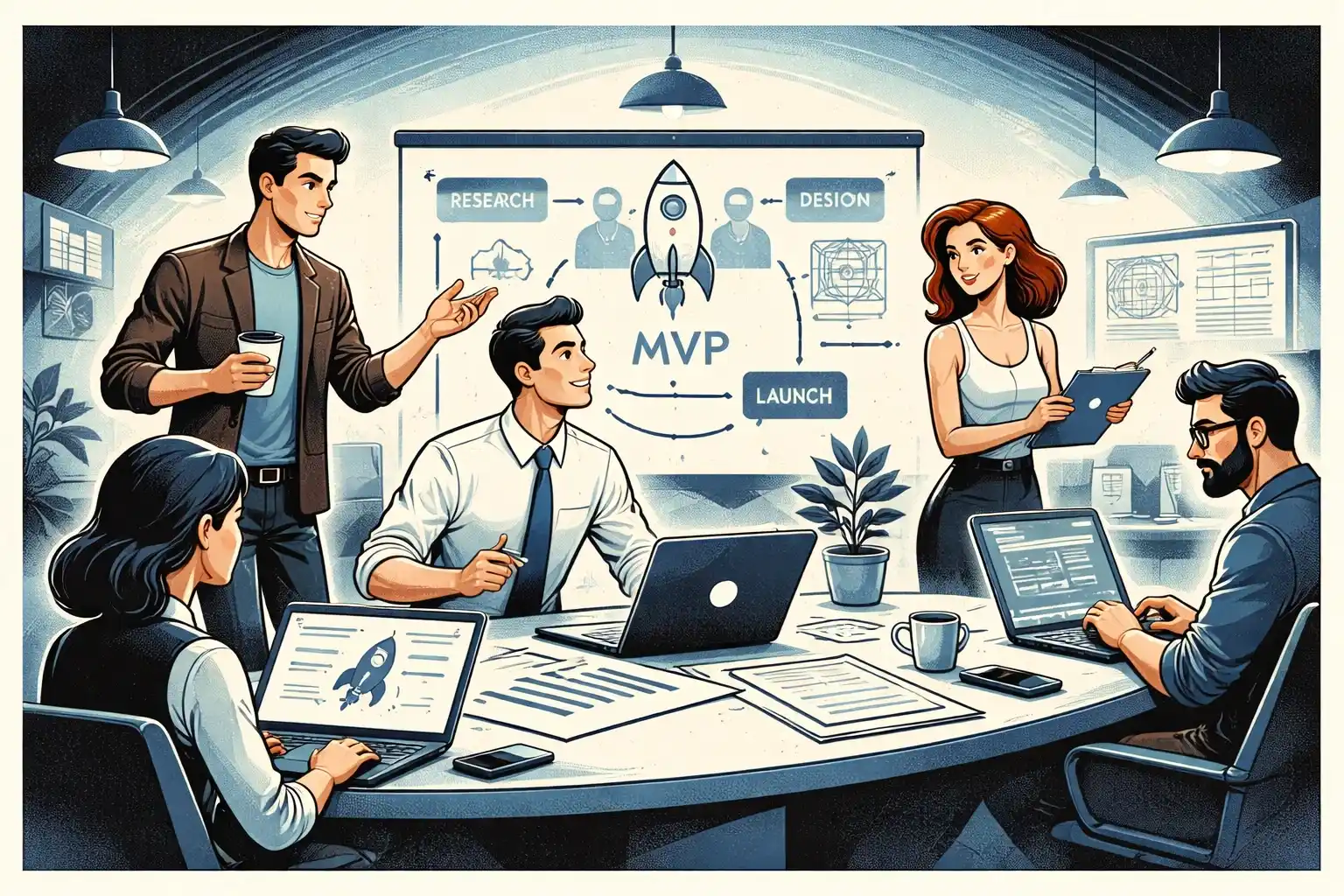
1. Start with a clear problem + one main flow
2. Validate early and often
3. Choose a senior boutique team if you're non-technical
4. Avoid feature bloat
5. Keep communication structured
6. Consider compliance early if needed
7. Choose tech intentionally, not emotionally
MVP development is not about building everything.
It’s about building only what proves the idea works.
Want to avoid these MVP mistakes entirely?
At Valtorian, you work directly with the founders — a designer and a developer who’ve built 70+ MVPs for non-technical founders. We help you avoid costly mistakes, define a lean scope, and launch a production-ready MVP in 4–6 weeks.
Book a call with Diana
We’ll review your idea and map out the safest and smartest MVP path.
FAQ — MVP Mistakes for Non-Technical Founders
What’s the biggest mistake non-technical founders make?
Overbuilding before validating demand.
Do I need a technical cofounder to build an MVP?
No. You can bring a CTO later — after validation.
How many features should an MVP have?
Usually 1 core flow + 3–5 supporting features.
Is it safe to hire freelancers for MVP development?
Only for simple tasks. Multi-flow MVPs require a unified product team.
How do I keep MVP costs under control?
Define scope early, avoid complexity, validate assumptions, and choose a senior compact team.
How do I avoid rewriting my product after MVP?
Choose the right backend/frontend stack and avoid shortcuts that create long-term limitations.
Should I validate before or after development?
Before, during, and after. Validation is continuous — not a one-time event.










































.webp)




.webp)