.webp)
Marketplace MVP Development for Startups: Features You Actually Need
Marketplace MVPs are some of the most exciting — but also the most expensive and complex — products founders try to build. Two-sided platforms require careful balancing, clean user flows, and strict prioritization. This guide explains which features your marketplace MVP actually needs, which ones can wait for later, and how to avoid the overbuilding trap that kills most early-stage marketplace ideas. You'll learn how to validate demand and launch fast without wasting months on unnecessary complexity.

TL;DR: A marketplace MVP should include only the essential flows that allow two sides to interact: onboarding, discovery, messaging or requesting, transactions (even manual), and basic profiles. Anything beyond that — rating systems, complex filters, automated payouts — will slow you down and delay validation. Your job is not to build the “final marketplace,” but to build the smallest working bridge between supply and demand.
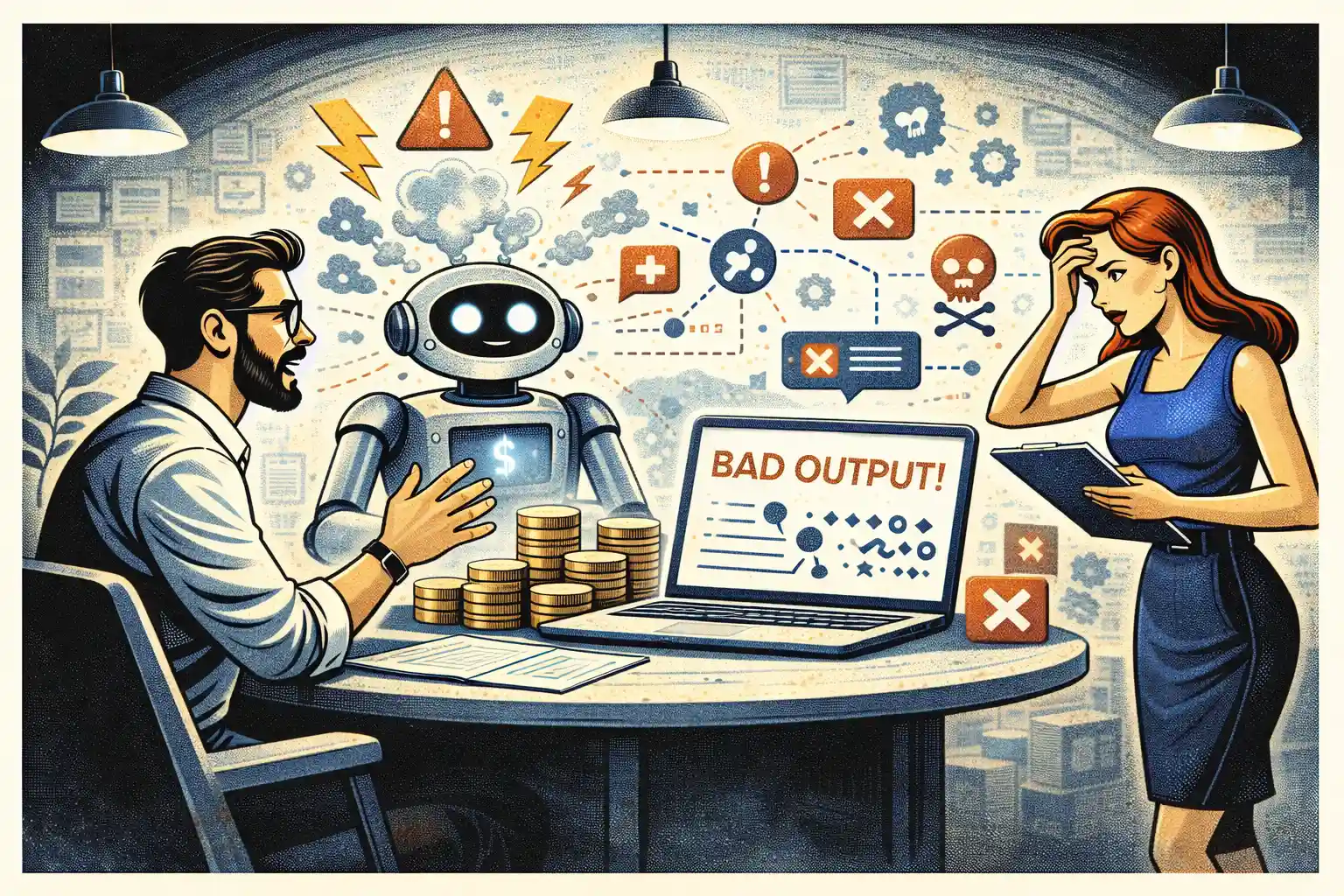
Why marketplace MVPs fail (hint: too many features)
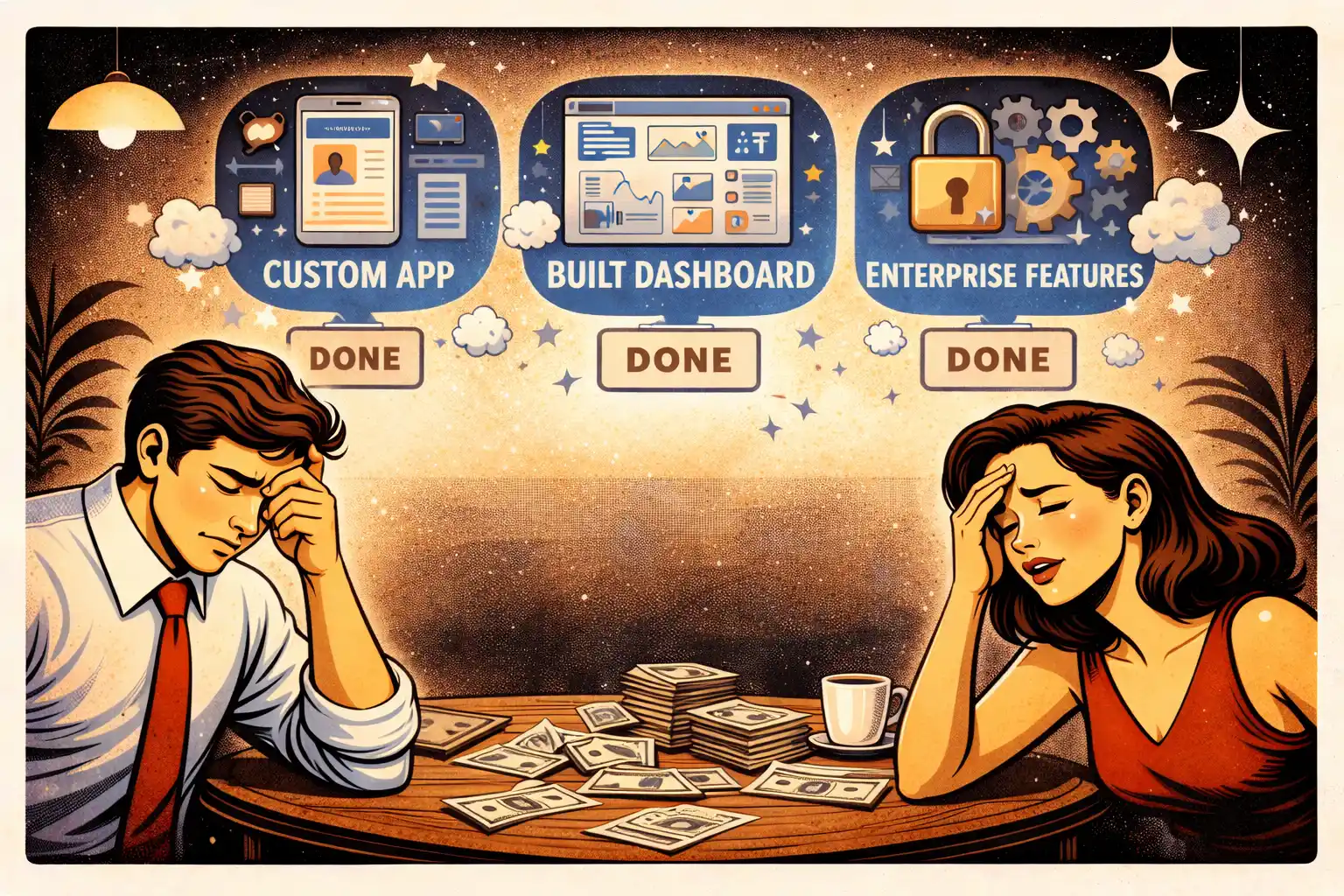
Marketplaces are attractive because of their scale, but most founders overestimate how many features they need before launch.
They think they need:
- automated payments
- real-time tracking
- deep profiles
- reviews
- matching algorithms
- complex dashboards
- instant verification systems
- endless filters
- mobile apps on both iOS and Android
But early users don’t need complexity — they need one successful interaction.
If you’re unsure how to define MVP scope correctly, read “App Development for Non-Technical Founders: A Step-by-Step Guide”. It explains how to avoid feature overload and focus on what matters.
The Core Marketplace MVP Structure (What You Actually Need)
Marketplace MVPs have three essential flows:
1. Supply - Create offering
2. Demand - Discover offering
3. Interaction - Message / Request / Book / Buy
Everything else is optional at the beginning.
Let’s break it down.
1. User onboarding (simple and fast)
You don't need a complex registration system.
For MVP:
- Email + password
- Google or Apple Sign-In (optional but convenient)
- Simple role selection (buyer/seller or service provider/customer)
You don’t need:
- Identity verification
- Multi-step onboarding
- KYC/AML for non-financial marketplaces
But if your marketplace involves regulated data or money handling (fintech/healthcare), see “Fintech and Healthcare MVP Development: How Compliance Changes the Plan” — compliance changes everything.
2. Basic user profiles
Your profiles only need:
- name or company name
- short description
- profile image
- category/tags
- location (if relevant)
No need for:
- social links
- long bios
- rating scores
- badges
- complex portfolio uploads
Save those for later — you’re testing demand first.
3. Listing creation (supply side)
Each listing only needs:
- title
- short description
- price or price range
- category
- availability (if relevant)
Founders often try to build complex listing structures.
But real users don’t care about perfect categorization at the beginning — they care about finding someone who can help them.
4. Discovery / Browsing
The goal is simple: can buyers find what sellers offer?
For MVP, that means:
- basic search
- category filter
- list or grid display
Not needed yet:
- advanced filtering
- sorting by 10+ parameters
- map search
- smart recommendations
Start simple — add complexity only after real usage data.
5. Interaction flow (the heart of the marketplace)
This is the moment the marketplace becomes useful.
There are only two good MVP options:
A) Direct messaging
Buyers message sellers and ask questions.
B) Request or booking form
Buyer submits request → seller accepts or rejects.
You don’t need:
- complex scheduling tools
- integrated video calls
- automated reminders
- dispute management systems
Real conversations build trust faster than over-engineered flows.
6. Transactions — Manual is perfectly fine
Founders think they must integrate Stripe Connect or PayPal split payments before launching.
Wrong.
MVP payments can be:
- manual bank transfer
- cash
- card payment outside platform
- invoice sent manually
- even “pay later” arrangements
Once you validate marketplace liquidity, then you add automated payments.
This alone can save 2–4 weeks of development time.
If you want to understand how payment architecture affects cost, see “MVP Development Cost in 2025: How Much Does It Really Cost?” — it breaks down backend effort clearly.
Features you think you need — but you actually don't (not yet)
Reviews & rating system
Useful later, but adds moderation + complexity.
Advanced filters
You don’t know which filters matter until users search.
Matching algorithms
Launch manually. Automate after you learn patterns.
Automated payouts
Manual payouts are fine for the first 20–50 transactions.
Mobile apps on both platforms
Start with web or one platform.
Real-time tracking or notifications
Email or simple push is enough for MVP.
Overbuilding destroys your time-to-market.
If you want the full context on how to avoid unnecessary features, check “MVP Development Services for Startups: What’s Actually Included”.
The Marketplace MVP Formula
A marketplace MVP is successful when:
A buyer finds a seller - they interact - value is exchanged - both sides are satisfied.
Everything else — everything — is a future feature.
When should you add more complex functionality?
After you see:
- repeat interactions
- categories with high liquidity
- meaningful growth in one or both sides
- bottlenecks emerging naturally
Never add features based on “we think users will need this.”
Add them based on behaviour, not assumptions.
Want help defining your marketplace MVP without overbuilding?
At Valtorian, you work directly with the founders — a designer and a developer who’ve built 70+ MVPs for early-stage startups. We help you define only the essential features your marketplace needs, avoid unnecessary complexity, and launch fast in 4–6 weeks.
Book a call with Diana
We’ll review your marketplace idea and outline the leanest possible MVP path.
FAQ — Marketplace MVP Development
Do marketplace MVPs always require payments?
No. You can launch with manual payments and automate later.
Should I build mobile apps or start with web?
Start with web unless your product fundamentally requires a mobile experience.
How many features does a marketplace MVP really need?
Usually 5–7 core flows. Anything beyond that slows validation.
When should I add reviews or ratings?
After you see repeat usage — not before.
What’s the biggest marketplace MVP mistake?
Overbuilding. Most founders add too many features before validating demand.
Should I build filters before launch?
No. Add filters only after seeing what users naturally search for.
Do I need a matching algorithm?
Not for MVP. Manual or semi-manual matching works well at the start.























































.webp)




.webp)